

_1745823981883.webp)

Desalination Portable Systems: Power Options for Off-Grid Projects
When a remote mining camp runs dry or a coastal resort loses its municipal supply, a desalination portable unit can be the difference between operations continuing and a full shutdown. These compact reverse osmosis (RO) systems convert seawater or brackish water into potable water that meets WHO drinking standards, often producing between 100 and 3,000 liters per day. Yet the technology itself is only half the equation. Without a dependable power source, even the best membrane system fails. This guide breaks down every major off-grid power option so procurement teams can make confident, cost-effective decisions.
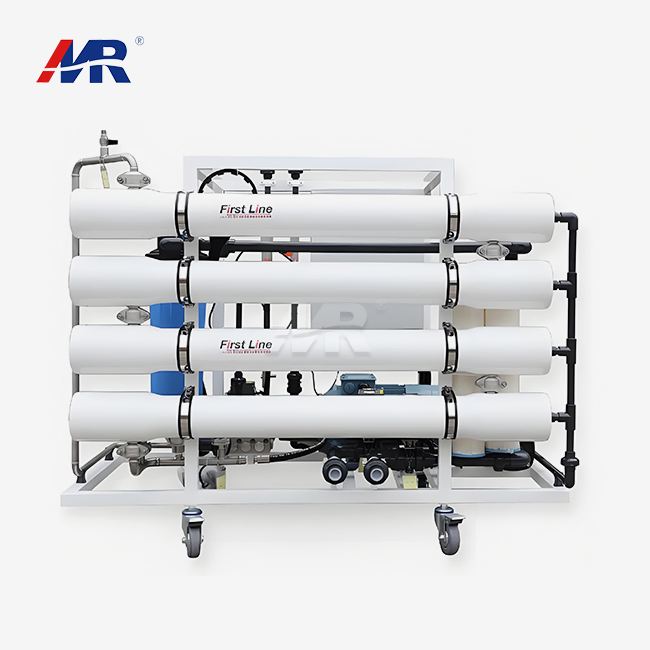
Understanding Portable Desalination Systems and Their Power Needs
What These Systems Actually Do
Skids and containers are the two categories of portable desalination equipment that are available here. These systems are equipped with high-pressure pumps, Thin Film Composite (TFC) ro membranes that are capable of removing more than 99.4% of salt, and many stages of pre-filtration techniques. In order to separate the feed water from the salts that have already been dissolved in it, semi-permeable filters are forced through the water while it is under pressure. These more modern models are equipped with Energy Recovery Devices, sometimes known as ERDs. The pressure from the stream that is being discarded is used by these devices in order to generate other water sources. These more recent kinds use up to forty percent less energy than their predecessors did.
Why Power Is the Critical Variable
Because RO distillation involves pressure, it is necessary for it to use some amount of energy. If the feed water is warm and salty, a system that produces 1,000 litres per day would typically need between three and eight kilowatt-hours for each cubic metre of product water. For those who are not connected to the electricity grid, such as those who are on isolated platforms, islands, or drilling camps, there is no one to whom they may turn for assistance. If you choose the incorrect power source for your project, it may have unanticipated downtime, membrane damage as a result of low or high pressure, or increased fuel expenses, all of which may result in a significant decrease in profitability for the project.
Core Power Source Categories
It is possible for solar photovoltaic (PV) panels to operate without the need for fuel if they are connected to battery banks. Because of this, they are an excellent choice for holidays on islands as well as agricultural irrigation projects in sunny locations. It is possible for modern RO systems that are driven by 24V or 48V DC to operate straight from the sun, with just a little amount of power being wasted in the transformer because of the process.
- Generators that run on diesel or petrol always provide dependable electricity with a high density, regardless of the weather. As a result, they are the most suitable option for industrial locations that produce a great deal of dust as well as for emergency circumstances in which reliability cannot be compromised. In order to keep a 5,000 L/day SWRO skid operating continuously, a generator of the appropriate capacity is required. However, transporting fuel to distant locations might be costly and put the supply chain in jeopardy during this process.
- It is possible for solar photovoltaic (PV) systems to operate without the need for any fuel when they are combined with battery banks. This makes them an ideal choice for island vacations and crop irrigation projects in areas that get a lot of sunlight. In today's modern RO systems, which are driven by either 24V or 48V DC, it is possible to operate straight from the sun with very little loss taking place via the inverter.
- The usage of solar electricity, battery storage, and a modest backup engine are all components of hybrid systems. Switching between the sources is something that the system does automatically in order to maintain a constant pump pressure. Because it reduces fuel consumption by fifty to seventy percent while maintaining the dependability of the generator backup, this configuration is gaining popularity in the military and ecotourism industries.
The costs associated with constructing and operating each route are distinct, and procurement teams are required to evaluate these costs in relation to the duration of the project, the ease with which they can reach the location, and the quantity of water that will be required.
Comparing Power Options for Portable Desalination in Off-Grid Settings
Generator-Powered Units: Strengths and Trade-Offs
Diesel engines are still the most common way to power desalination portable plants because they can be found all over the world and produce stable electricity no matter how much sunlight there is or how charged the batteries are. A gasoline generator with 10 kW of power can easily power a 10 m³/day SWRO unit that is inside a container. The real cost, though, comes from the fuel. In remote areas, diesel can cost $2–4 per liter after transportation costs are taken into account. Long-term projects that can only use diesel power often find that the cost of fuel soon exceeds the cost of building the water system.
Solar-Powered Desalination: When It Works Best
RO that is powered by the sun works best in places with more than five hours of sunlight a day, like the Arabian Peninsula, Pacific islands, and dry coastal areas. A study released in 2021 in the journal Desalination found that solar-powered RO systems in coastal West Africa cut the cost of making water by 35% over ten years compared to diesel systems. The problem is that it happens sometimes. Low-light days take the system offline if the batteries aren't big enough. This leaves hospitals and large resorts without water, which isn't okay.
Hybrid Systems: The Practical Middle Ground
When hybrid power is used, solar panels, lithium-iron-phosphate (LiFePO4) battery banks, and a backup generator are all used together. The solar setup generates electricity during the day, and the batteries fill in the gaps at night. When the battery level drops below a certain level, the engine turns on. This is the main reason why mixed power is most often used in off-grid cleaning projects:
- Automatic load management cuts the number of hours that a generator has to run by up to 70%, which directly lowers fuel costs and service intervals.
- Protection for the membrane: stable, controlled power stops pressure spikes that damage the membrane faster and shorten its useful life.
- Compatibility with remote monitoring: Hybrid controls work with IoT-enabled SCADA screens, so workers can see how much energy is being used and how much water is being produced from anywhere.
Overall costs are lower over the life of the project, and there are fewer calls for emergency help. This is especially important for projects that are hours away from the nearest service center. Morui's portable SWRO units are already set up to get power from an engine, solar panels, or a mix of the two. This way, buyers can choose what they want when they set them up, instead of having to pay for costly upgrades later on.
Procuring Portable Desalination Systems: What B2B Buyers Should Know
Evaluating Supplier Credibility
Certifications are the first thing that US buyers look at. Systems that will be used to supply drinking water should have water-contact material approvals from NSF/ANSI 58 or a similar organization, and electrical parts should meet UL requirements. Don't just believe what the spec sheet says; ask suppliers for third-party test reports on the quality of the treated water. A reliable portable desalination maker will give you real-world salt rejection data for a wide range of feed salinities and temperatures, not just lab-based best-case numbers.
Pricing Structure and Bulk Purchasing
Standard containerized units are usually priced by how much they can produce each day, in meters squared. A 10 m³/day packaged SWRO unit costs between $18,000 and $45,000 USD, depending on how it is pretreated, whether it includes energy recovery, and how it connects to the power grid. When regional master agents and engineering firms order three or more units at a time, they can negotiate better prices, longer warranty terms, and spare parts packages that are already in place. This lowers the total cost of ownership for multi-site contracts by a large amount.
After-Sales Support and Spare Parts Access
Services for the high-pressure pump, replacing the membranes, and maintaining the ERD are costs that can be planned for and should be included in the purchase agreement. Make sure that the company you buy from for your portable desalination system keeps supplies like RO membranes, cartridge filter housings, and pressure vessels in stock in North America. Service delays of weeks, not days, are caused by suppliers who don't have local parts depots. This is a big problem when the system is the only source of water on site.
Maintenance and Lifespan Optimization of Portable Desalination Units
Routine Maintenance by Power Type
Maintenance plans for desalination portable units are directly affected by the power source choice. Generator-powered systems need to have their oil checked every week and their fuel filters changed every month, which adds to the cost of work. Solar panels need to be cleaned every three months because 5% dust on the panels can cut output by up to 15%, according to NREL data. In hybrid systems, battery banks should be checked once a month for changes in the state of charge that could mean cells are breaking down.
Protecting RO Membranes in Off-Grid Conditions
Membranes are the most valuable part of any SWRO device. Cleaning cycles for freshwater start automatically every time the machine turns off. These processes get rid of any salt concentrate that is still on the membrane surface. This stops biofouling and scaling. Sensors that measure TDS can keep an eye on salt rejection in real time and let workers know before membrane performance drops too low. If you take good care of high-grade TFC membranes, they can last for 3 to 5 years, even if they are fed very salty seawater.
Practical Power Management Tips
Being smart about how you use power makes things last longer and makes sure that you always get the same amount of water. Operators should schedule production cycles so that there is a lot of demand during peak sun hours. They should also use variable-frequency drives (VFDs) on high-pressure pumps to match output to rapid power supply. Finally, they should keep battery depth-of-discharge above 20% to keep cells from wearing out faster. All of these things lower the amount of energy used and the number of repairs that need to be done out of the blue.
Real-World Applications and Future Prospects for Portable Desalination Power Solutions
Sectors Leading Adoption
As soon as there was a disaster along the coast, emergency response teams set up solar-hybrid containerised SWRO units. They are used by military supply units in places with little water to remove salt from water using devices on trucks powered by mobile solar panels. Eco-resorts in the Pacific and Caribbean that are far away have switched to solar-powered RO and gotten rid of their gas delivery boats. As a sign of their commitment to sustainability, they tell their guests about the switch. Some mining camps in dry places use a mix of solar, wind, and brackish water RO to power up to 500 workers all the time.
Technology Trends Worth Watching
It takes less than 2.5 kWh/m³ of energy to process salty feed sources as low-energy RO screens get better. There is no need for smaller battery banks to meet overnight demand with modular battery systems that use solid-state chemistry because they have longer cycle life and charge faster. With IoT-enabled tracking tools, owners can now use a smartphone app to change pump pressure, flush cycles, and power source swapping. Techs don't have to be at faraway jobs as often because of this.
Partnering for the Long Term
Off-grid water is becoming more popular. A study from 2023 says that the portable and packed desalination market will grow at a 7.4% CAGR through 2030. This is because climate change is making less water available and infrastructure isn't up to par. Buyers should deal with companies that make their own membranes for a long time because they offer stable prices and can make changes more quickly when project needs change.
Conclusion
It is just as important to pick the right power setup for a desalination portable compact, off-grid desalination device as it is to pick the right membrane. Diesel engines are known to be reliable, and solar PV saves money in the long run. Hybrid systems are a good mix between the two. What's best relies on where the site is, how long the job will take, how much water is needed, and the total budget. No matter what kind of power source you use, only buy from suppliers who offer certified equipment, written performance data, and easy access to support after the sale. If you keep your well-matched system in good shape, it will give you clean water for years without the supply chain problems that come with bottled or trucked water.
FAQ
1. How long do RO membranes last in a portable desalination system?
TFC membranes in a portable SWRO unit should have a lifespan of between three and five years if they are subjected to the appropriate amount of automated flushing and antiscalant dosing. This is dependent on the regular seawater feed conditions. As a result of the fact that fouling is accelerated by high-temperature or high-turbidity input water, the quality of the pre-filtration may directly influence how long the membrane will remain functional.
2. Can a solar-powered desalination unit run on cloudy days?
To a lesser extent, but with less effort. In the event that it is equipped with a battery bank of sufficient capacity, a solar-powered system may continue to function for one or two overcast days. A hybrid system that includes a backup engine is the most effective method for maintaining a consistent daily water production rate in regions where clouds cover the sky to a significant degree.
3. What certifications should US buyers require?
You should seek RO parts that have been certified by NSF/ANSI 58 and electrical systems that have been listed by UL if you want to use them with drinking water in the United States market. In order for authorities to provide their approval to a project, they need reports from independent water quality testing companies that demonstrate compliance with EPA drinking water requirements.
4. What warranty coverage is standard?
It is common practice for reliable portable desalination vendors to provide warranties ranging from 12 to 24 months for system components and 12 months for membranes. Make sure that additional parts are readily accessible in the immediate area or that they can be supplied within five business days in order to prevent downtime from lasting for an excessive amount of time.
Get a Custom Quote from Morui — Trusted Desalination Portable Supplier
Morui runs its own factories to make membranes and a variety of other tools for desalination portable systems. This gives us direct control over quality and wait times. We are a trusted portable desalination maker, and we offer SWRO systems in containers and on skids that can handle up to 1,000 m³/day and are already set up for engine, solar, or hybrid power. For a quote or pilot-test proposal that is tailored to your project, contact Our Team right away. You can email us at benson@guangdongmorui.com.
References
1. Shahzad, M. W., et al. "Energy and exergy analysis of the world's largest seawater reverse osmosis desalination plant." Desalination, 2015.
2. Ghaffour, N., Missimer, T. M., & Amy, G. L. "Technical review and evaluation of the economics of water desalination: Current and future challenges for better water supply sustainability." Desalination, 2013.
3. National Renewable Energy Laboratory (NREL). "Renewable Energy for Water Desalination: Opportunities and Challenges." NREL Technical Report, 2021.
4. Global Water Intelligence. "Portable and Packaged Desalination Market Outlook 2023–2030." GWI Market Report, 2023.
5. Elimelech, M., & Phillip, W. A. "The future of seawater desalination: Energy, technology, and the environment." Science, 2011.
6. World Health Organization. "Guidelines for Drinking-Water Quality: Fourth Edition Incorporating the First and Second Addenda." WHO Press, 2022.
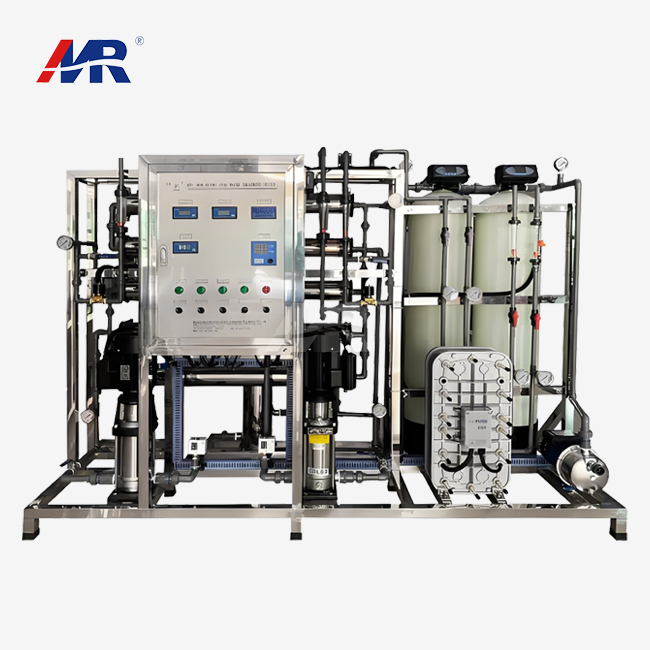 VIEW MORE500LPH EDI equipment
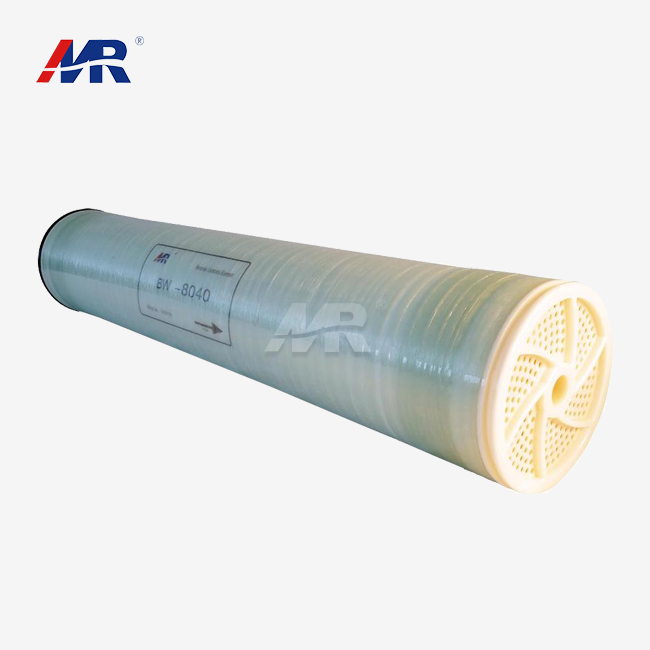 VIEW MORE8040 reverse osmosis membrane
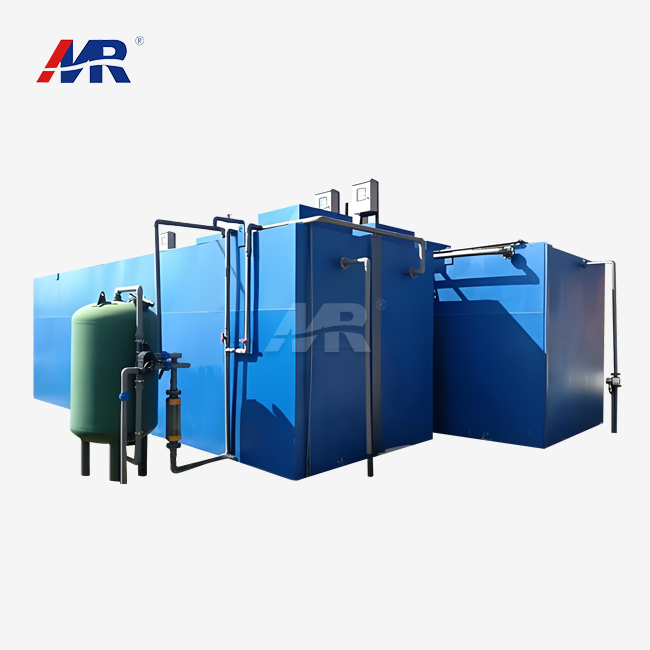 VIEW MOREsewage treatment plant
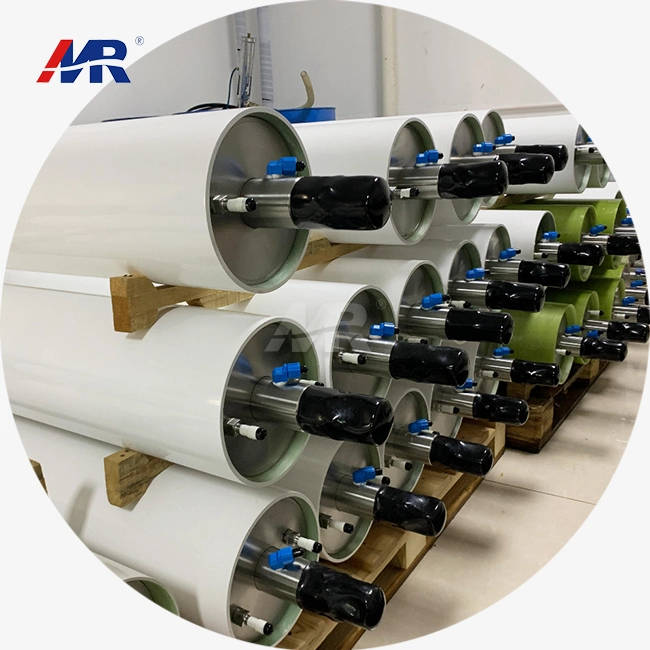 VIEW MORELandfill Leachate Treatment Plant
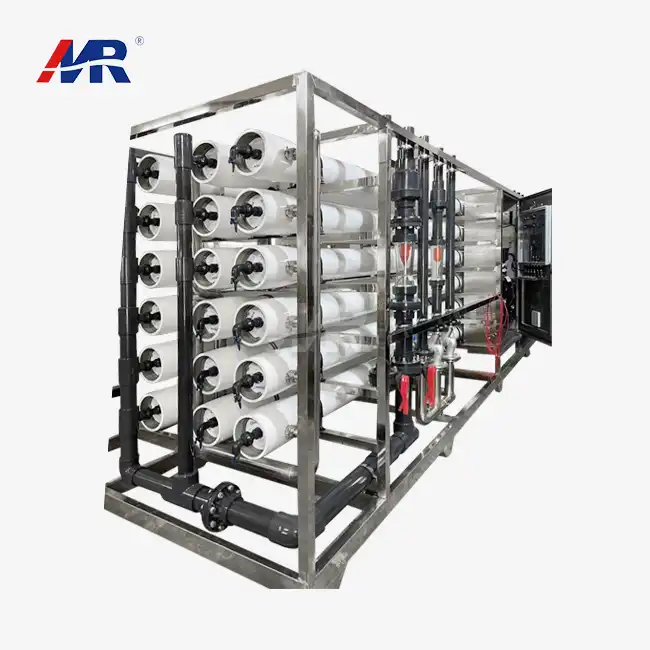 VIEW MORE100m3/hour reverse osmosis equipment
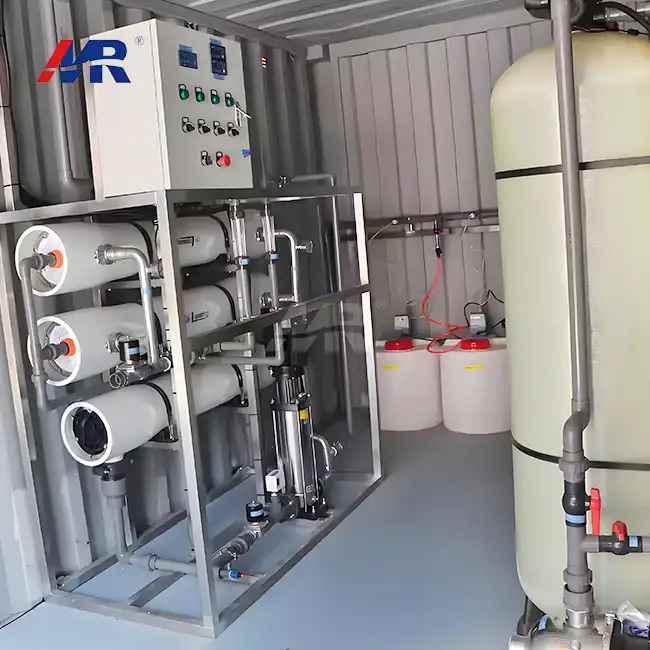 VIEW MOREcontainer 3m3/hour RO equipment
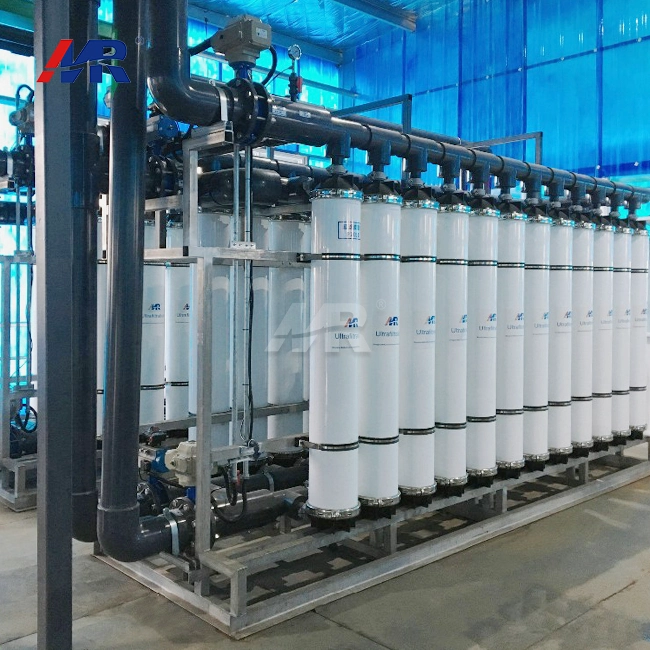 VIEW MOREultrafiltration equipment
 VIEW MOREDTRO Landfill Leachate Treatment
