

_1745823981883.webp)

Advanced Wastewater Treatment System Maintenance Best Practices
Keeping an advanced wastewater treatment system running at peak performance requires more than routine checkups. Whether you operate a municipal plant, an industrial facility, or a decentralized station in a remote location, a well-structured maintenance program directly affects effluent quality, regulatory compliance, and operating costs. According to the Water Environment Federation, unplanned equipment failures account for up to 40% of total operational costs in wastewater facilities. This article walks through the proven maintenance strategies that keep MBR-based and AAO-process systems reliable, efficient, and compliant over the long term.
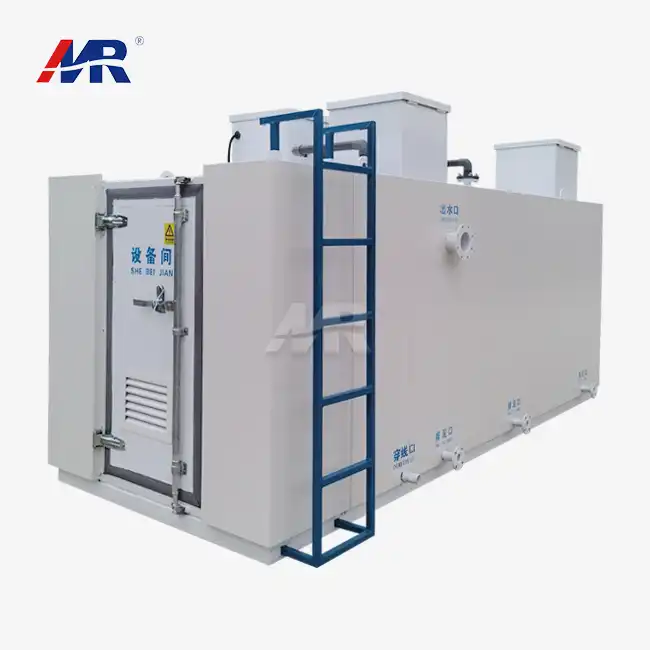
Understanding Advanced Wastewater Treatment Systems Maintenance
What Sets Advanced Treatment Apart
The first treatment gets rid of solids, and the second treatment takes care of the biological oxygen demand. More advanced treatment gets rid of leftover nutrients, suspended solids, and small amounts of contaminants so that it meets strict standards for reuse or discharge. The upkeep needs of these systems are much higher than those of regular activated sludge systems because they have membranes, biological reactors, and automatic controls.
Common Failure Modes to Watch
Unplanned downtime is usually caused by three things: membrane gunk, metal parts rusting, and pumps and fans wearing out. Fouling can cut membrane flow by 30–50% in just a few weeks if it is not handled properly. By doing regular tests, you can find these failure modes early on, which keeps the quality of the effluent within the allowed limits and avoids expensive emergency fixes.
Preventive vs. Predictive Maintenance Principles
Preventive maintenance is done on a set schedule: every 30 days for inspections, every six months for seal replacements, and so on. Real-time data, like flow rates, transmembrane pressure (TMP), and liquid oxygen levels, are used in predictive maintenance to find problems before they break down. Scheduled jobs are used as a baseline by the most successful programs, and sensor data is used to take corrective action at regular times.
Key Maintenance Steps for Advanced Wastewater Treatment Systems
Regular Inspection and Monitoring
When IoT devices and SCADA systems are used, workers can always see key performance factors like the flow rate of influent, the total dissolved solids (TDS), the mixed liquor suspended solids (MLSS), and the integrity of the membrane. The Morui MR-MBR-6TH handles 120 m³/day through an AAO+MBR flow process. Daily data logging helps operators find early signs of biological imbalance or membrane stress before they get worse.
Membrane Cleaning and Biofouling Management
mbr membranes in an advanced wastewater treatment system need to be cleaned twice a year: once for care (every one to two weeks with low-dose sodium hypochlorite) and once for recovery (every three to six months with citric acid or caustic solutions). Managing biofouling also means keeping an eye on the MLSS level, which is usually between 8,000 and 12,000 mg/L for hollow-fiber systems. Consistent cleaning can extend the service life of membranes to 8–10 years, which is an important factor for operators to use when figuring out the total cost of ownership.
Here are the main things that happen over time to protect the integrity of the membrane:
- Monitor TMP weekly. A rising TMP trend signals early fouling. Addressing it at this stage avoids the need for aggressive chemical recovery cleaning, which shortens membrane lifespan.
- Maintain aeration scouring. Continuous air scouring across membrane surfaces physically disrupts biofilm formation. Interruptions in aeration — even brief ones — accelerate fouling rates noticeably.
- Log every cleaning event. Recording chemical concentration, contact time, and post-cleaning flux recovery creates a performance baseline and helps identify membranes that may need earlier replacement.
All of these steps work together to stop damage from building up over time that regular ordering can't catch.
Calibration and System Optimization
Chemical dosing pumps, pH sensors, and aeration blowers need to be recalibrated often to match the conditions of the influent. When wastewater strength changes with the seasons, which happens a lot in aquaculture and food processing, operators have to change the aeration rates and sludge retention times (SRT) to account for this. Automated PLC systems, like the ones built into the MR-MBR-6TH, require less manual work, but setpoints still need to be checked every so often.
Comparing Maintenance Approaches: Advanced vs. Conventional Treatment Systems
Complexity and Labor Requirements
Mechanically, regular activated sludge systems are easier to build. Regular checks of the equipment and simple tests of the water quality are what keep them running. For MBR and AAO systems, workers need to know more about membrane science, controlling biological processes, and programming PLCs. It takes longer to train technicians, and they are paid more for their work.
Energy Consumption and Environmental Footprint
Because of membrane ventilation, MBR systems usually use 0.5 to 1 kWh/m³ more energy than regular systems. But they make a lot less sludge—often 30–50% less by volume—which means it costs less to get rid of. When you think about how much it costs to haul sludge and how valuable it is to reuse sewage, an MBR system's total cost of ownership is often comparable over a 10-year period.
MBR vs. Activated Sludge: A Practical Comparison
A 2019 case study in the Journal of Membrane Science looked at how a 200 m³/day MBR system stacked against a standard activated sludge plant with the same amount of capacity. It was consistently below 5 mg/L for BOD and below 2 mg/L for TSS at the MBR facility, meeting Class A standard for reuse, while the activated sludge system needed more polishing filters to get the same result. The MBR had 12% higher maintenance costs per cubic meter, but within three years, the lack of tertiary filtering technology made up for that.
Selecting Maintenance Partners and Service Providers
What to Look for in a Contractor
A good upkeep partner for an advanced wastewater treatment system should have knowledge of biological nutrient removal methods, MBR membrane systems, and PLC-based control systems. Ask for examples from city or business clients with daily flow rates that are similar to yours. As important as professional skill is the time it takes to respond to emergency calls. For example, if you're slow to respond to a membrane failure, you could have days of non-compliant release.
In-House vs. Outsourced Maintenance
In-house teams can respond faster and know more about the system they're working with, but they need to be trained all the time. With outsourced service contracts, you can get access to specialized knowledge without having to hire full-time staff. A lot of operators use a hybrid model, where staff from the operator's own company do daily maintenance and small repairs, and a specialist handles regular membrane cleaning and yearly system audits. Cost control and technical coverage are both good with this method.
Budgeting for Maintenance Costs
Industry standards say that the cost of upkeep for MBR-based systems each year is around 2 to 5 percent of the cost of the system itself. This number is usually near the lower end of that range for a small containerized unit because the parts are more standard and easier to get to. Instead of taking maintenance contracts as a variable operating cost, including them in the initial capital budget makes things more predictable financially and lowers the risk of not doing maintenance when it's due.
Best Practices to Extend the Lifecycle of Your Advanced Wastewater Treatment System
Predictive Maintenance with Data Analytics
Monitoring tools with AI can look at TMP trends, changes in dissolved oxygen, and patterns of energy use to figure out when equipment will break down days or weeks before it happens. A lot of business SCADA platforms now have MBR system anomaly monitoring built right in. A report from 2022 by the International Water Association says that finding faults early cuts down on the mean time to repair (MTTR) and unplanned downtime by about 25–35%.
Operator Training Programs
Even the most automated systems need operators who know what they're doing. Regular training in things like membrane chemistry, biological process control, safety procedures, and PLC diagnostics makes employees better at their jobs and cuts down on the need to hire outside help for small problems. As part of its full service plan, Morui offers commissioning training that gives on-site teams the skills they need to run daily operations with confidence from the start.
Documentation, KPIs, and Continuous Improvement
Keeping detailed maintenance logs that include inspection dates, part replacement dates, chemical usage, and effluent test results provides a performance history that helps with troubleshooting and reporting to regulators. Some important performance indicators to keep an eye on are the TMP growth rate, the sludge volume index (SVI), the monthly energy use per cubic meter treated, and the membrane flux recovery after cleaning. By looking at these metrics every three months, operators can spot patterns of wear and change how often maintenance is done before problems get worse.
Conclusion
The best way to get the most out of your advanced wastewater treatment system is to set up a regular repair schedule. Consistent monitoring, regular membrane cleaning, calibrated process controls, and well-trained operators keep the quality of the effluent stable, extend the life of the equipment, and keep operators from getting fined for not following the rules. The basic rules are the same whether you're in charge of a 120 m³/day community station or a big industrial plant: act on data quickly, write down everything, and work with suppliers who offer real professional help after the sale.
Frequently Asked Questions
1. How often should MBR membranes be cleaned?
Maintenance cleaning should occur every 1–2 weeks online, using diluted sodium hypochlorite. Recovery cleaning — a deeper offline process using citric acid or caustic solutions — is typically performed every 3–6 months, depending on influent quality and fouling rate. Monitoring TMP trends helps determine the exact timing.
2. What is the expected lifespan of MBR membranes?
With proper maintenance, hollow-fiber MBR membranes typically last 8–10 years. Factors that shorten lifespan include sustained high MLSS concentrations, irregular cleaning, and exposure to oils or solvents in the influent stream.
3. What does the MR-MBR-6TH treat?
The MR-MBR-6TH is designed for domestic wastewater treatment. It uses an AAO+MBR flow process, handles 120 m³/day, and fits within an 8×2×2.4-meter footprint — making it practical for community stations, construction sites, and decentralized applications.
4. How do I know if my system needs maintenance attention?
Rising TMP, declining permeate flow, increasing energy consumption, or a drop in effluent clarity are the most common early indicators. SCADA alarms and regular manual inspections together catch most issues before they cause system-wide problems.
Connect with Morui for Your Advanced Wastewater Treatment Needs
The MR-MBR-6TH from Morui is a tried-and-true advanced wastewater treatment system solution made for real-world situations. It has a small size, produces little sludge, is fully automated with a PLC, and produces effluent that meets standards for reuse. At Guangdong Morui Environmental Technology, Our Team provides equipment, sets it up, starts it up, and offers ongoing Technical support. You can email us at benson@guangdongmorui.com to talk about your project needs right away.
References
1. Water Environment Federation. Operation of Municipal Wastewater Treatment Plants. 2008.
2. Judd, S. The MBR Book: Principles and Applications of Membrane Bioreactors. Elsevier, 2011.
3. International Water Association. Membrane Bioreactor Technology: Performance and Applications. 2022.
4. Metcalf & Eddy. Wastewater Engineering: Treatment and Resource Recovery. McGraw-Hill, 2014.
5. Journal of Membrane Science. "Comparative Performance of MBR and Conventional Activated Sludge Systems." 2019.
6. U.S. Environmental Protection Agency. Membrane Bioreactors: Wastewater Treatment Technology Fact Sheet. EPA 832-F-07-006, 2007.
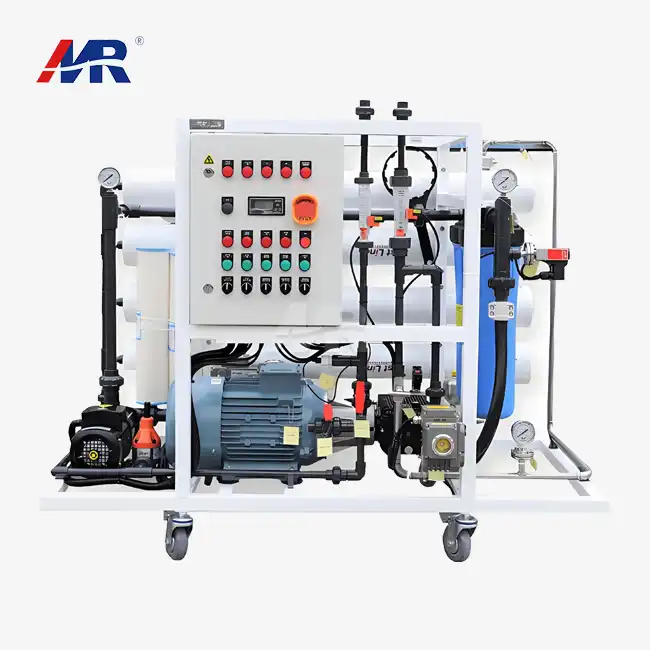 VIEW MORE2m3/hour seawater desalination equipment
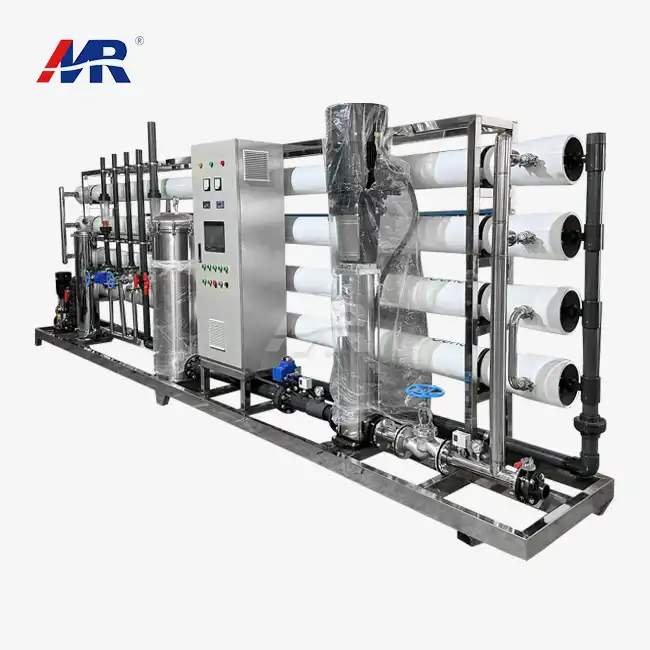 VIEW MORE500m3/day reverse osmosis RO plant
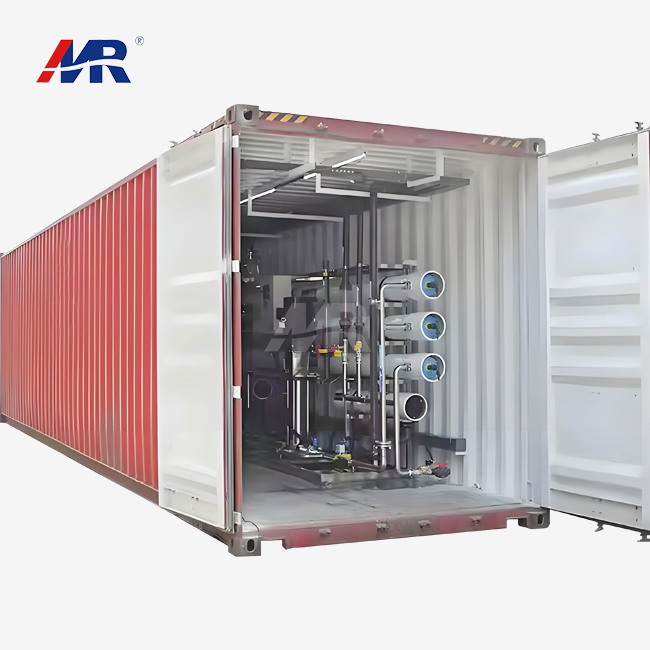 VIEW MOREContainerized Reverse Osmosis Systems
 VIEW MOREcontainerized RO equipment
 VIEW MOREmembrane bioreactor mbr
 VIEW MOREadvanced wastewater treatment system
 VIEW MOREDisc Tube Reverse Osmosis
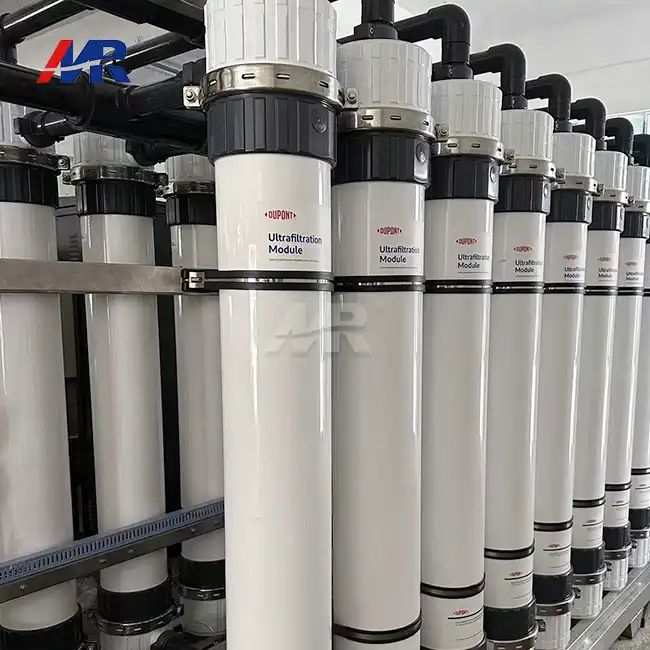 VIEW MORE100T/H ultrafiltration equipment
