

_1745823981883.webp)

How Energy Efficiency Shapes the Desalination Plant Process
When it comes to water treatment, energy efficiency is no longer a secondary issue; rather, it is the decisive factor for the majority of business-to-business procurement choices. The energy that is necessary to operate the desalination plant process is directly responsible for determining whether or not a project is financially feasible. This process is responsible for converting salty or brackish water into clean water that can be used for human consumption. The energy consumption of modern seawater reverse osmosis (SWRO) systems has decreased from more than 10 kWh/m3 in the 1980s to as low as 2.5–3.5 kWh/m3 today. This is mostly due to advancements in membrane technology and energy recovery devices. When taken into consideration throughout the course of a plant's lifetime of operation, these figures amount to millions of dollars for utilities, resorts, offshore platforms, and industrial operators.
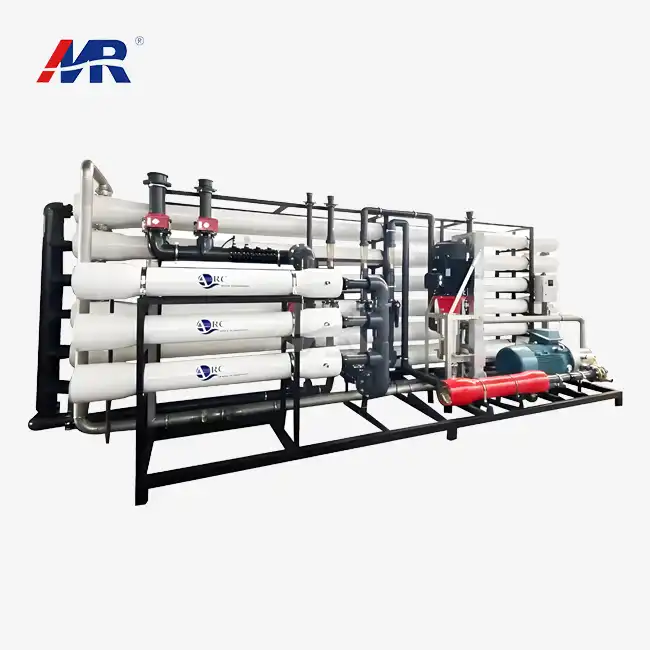
Understanding the Role of Energy Efficiency in Desalination Plant Processes
Why Energy Is the Biggest Operating Cost
In most Cases, the costs that are linked with electricity are thirty to fifty percent of the total expenses that are incurred by a reverse osmosis plant. If a medium-sized business were to reduce its specific energy consumption (SEC) by as little as half a kilowatt-hour per square meter on average, it could potentially save hundreds of thousands of dollars over the course of twenty years. The amount in question is not a footnote; rather, it is a number that is of crucial importance to the budget for activities that are being carried out by the government or by water suppliers on the island.
Key Performance Indicators Procurement Teams Should Track
The metrics that offer the most information are the specific energy consumption (measured in kilowatt-hours per square metre), the water recovery rate (measured in percent), and the membrane flow (measured in litres per square metre per hour). When there is a higher rate of recovery, there is a decrease in the quantity of brine that is thrown away and the amount of saltwater that is brought in, both of which are expensive. It is my recommendation that you query the seller about approved performance data sheets before making a purchase in the United States, where NSF and UL documentation is common. Not only should you obtain specifications, but you should also ask about authorised performance data sheets.
Connecting Efficiency to Total Cost of Ownership
A cheaper initial cost for the equipment sometimes conceals greater monthly energy expenditures over the course of its lifetime. The expenses of electricity, chemicals, maintenance labour, and changing the membrane every three to seven years are all considerations that should be included in a true TCO analysis. Systems that have performance data that has been reviewed and consume less energy nearly usually deliver a greater return on investment over a period of time ranging from ten to fifteen years.
Critical Components Affecting Energy Efficiency in Desalination Plants
High-Pressure Pumps and Energy Recovery Devices
Because they use up to sixty percent of the total power in a RO system, high-pressure pumps are the single most energy-intensive component of the system. By using pressure exchangers, which are devices of the PX type that are employed for energy recovery, they are able to recover between 98 and 90 percent of the energy that is present in the reject brine stream. In SWRO systems that have been thoughtfully developed, the use of isobaric pressure exchangers has become the norm.
Membrane Selection and Anti-Fouling Performance
When used in real life, not all barriers work the same way in a desalination plant process. Anti-fouling SWro membranes keep flux rates steady over time, which lowers the number of cleaning processes and the amount of chemicals used. This is important because each cleaning-in-place (CIP) event uses up time, energy, and chemicals. Morui makes its own SWRO membranes, which gives the company full control over the membrane's specs and quality, which isn't always possible with systems put together by a third party.
Pretreatment Systems and Their Downstream Impact
Ultrafiltration (UF) or multi-media filtration before the RO stage has a direct effect on how long the membrane lasts and how much pressure it can handle. When feed water isn't properly cleaned, workers have to run at higher pressures to keep output the same, which uses more energy. Getting the right pretreatment setup for the ocean conditions in your area, such as changes in turbidity throughout the year and the chance of algal blooms, is important for both protecting energy production and membrane longevity.
Comparing Energy Efficiency Across Desalination Process Types
Reverse Osmosis vs. Thermal Desalination
Reverse osmosis with seawater always uses less energy than thermal methods in most situations. Multi-stage flash (MSF) and multi-effect distillation (MED) systems usually need 10–25 kWh/m³ of heat energy. Modern SWRO systems that restore energy use only 2.5–4.0 kWh/m³ of electricity. The gap is pretty big. However, thermal processes are still useful in places where waste heat is cheap or when very pure process water needs to be made.
Brackish Water RO vs. Seawater RO
Brackish water reverse osmosis (BWRO) uses even less energy than SWRO because it works at even lower pressures. Usually, it uses between 0.5 and 2.0 kWh/m³. Some places, like mine camps, use high-salinity groundwater instead of water from the ocean for farming or to power factories. BWRO may be the more energy-efficient option in these cases. Finding out the total dissolved solids (TDS) of your source water is the first thing you need to do to choose the right process.
Emerging Technologies Worth Watching
Forward osmosis (FO) and membrane distillation (MD) are getting more research and development funding as possible lower-energy options for some uses. Both aren't ready to replace traditional SWRO on a large scale yet, but they both have potential for specific uses, especially where low-grade waste heat is available. For most business-to-business purchases, SWRO with energy recovery will still be the best and most affordable option.
Optimizing the Desalination Plant Process for Energy Efficiency: Practical Approaches
Decisions made during the design stage have the most long-lasting effects on how well energy is used in a desalination plant process. Choosing the right system plan, pipe size, flow balance, and parts from the start saves a lot of money in the long run. Here are the main areas where engineering decisions have a direct effect on energy results:
- System layout and hydraulic design: reducing pump load without compromising output may be accomplished by optimising pipe routing and component location in order to minimise pressure drops throughout the system. Even very little frictional loss might add up over time.
- Integration of energy recovery devices: When compared to systems that do not include ERDs, the installation of isobaric pressure exchangers during the design phase often results in a reduction of net energy consumption that is between 40 and 60 percent. In well-specified SWRO systems, this is now considered to be considered standard practice.
- Real-time monitoring and predictive control: Intelligent sensors that monitor pressure differentials, flow rates, and conductivity enable operators to discover performance drift at an earlier stage. It is possible to minimise both energy loss and unscheduled downtime by repairing a fouled membrane before it causes a major decline in flux.
- Supplier qualification and component certification: When it comes to projects aimed at the United States market, it is not an option to source from suppliers that have NSF/ANSI 61 water-contact certification and CE-marked electrical components. This is a compliance requirement that also eliminates equipment of a lower grade.
It is more effective to employ these strategies in conjunction with one another than to apply them independently. Clients get assistance from Morui's technical team throughout the whole of the optimisation process, beginning with site assessments and system designs and continuing through pilot testing and monitoring once the system is operational.
Morui's Turnkey Approach to Efficient Desalination
In-house membrane production and full SWRO system assembly are both done by Morui. They offer installation options in containers, on skids, and on ships. Morui has more than 20 engineers and 14 branches, so they can provide a wide range of technical services, from the original study of water quality to long-term service support. When proprietary membrane manufacturing is combined with system integration, there are fewer problems with compatibility and better quality control on every unit that is shipped.
Challenges and Future Trends in Enhancing Energy Efficiency
Upfront Cost vs. Long-Term Savings
The designs that use the least amount of energy—high-performance membranes, expensive ERDs, and advanced controls—also cost more to buy. This makes things difficult for projects with limited funds or open bids. A structured TCO study that takes into account both the buying price and the energy costs over the whole life of the plant is the answer. When procurement teams see lifecycle cost data along with capex numbers, they always make better purchasing decisions that can be defended.
Regulatory and Environmental Pressures
Environmental groups in the US and around the world are making it harder to discharge brine, use chemicals, and run facilities with too much energy. These rules force operators to use more efficient systems, even if they don't want to spend money on them. One way to cut costs and another way to lower business risk is to stay ahead of compliance requirements instead of responding to them.
Renewable Integration and AI-Driven Optimization
Desalination powered by the sun is already being used on a large scale in some places. When changeable renewable output is combined with battery storage and adaptive RO control algorithms, plants can move high-energy tasks to times when power is cheap, or there is extra power. The next step toward greater efficiency is AI-based process control systems that change the working parameters of membranes in real time based on the conditions of the feed water. These systems are starting to show up in specs for new plant bids.
Conclusion
Energy economy affects all important decisions in the desalination plant process, from choosing the right parts and designing the system to keeping up with environmental rules and figuring out how much it will cost to run in the long run. For most business and industrial uses today, RO technology, especially SWRO with built-in energy recovery, offers the best balance of performance and cost. As smart process controls and the use of renewable energy get better, efficiency gains will keep happening. Throughout the lifecycle of a project, procurement teams that put verified performance data, proper system design, and qualified suppliers at the top of their list of priorities will always get better results.
Frequently Asked Questions
1. How much can energy efficiency upgrades reduce operating costs?
When compared to previous system designs, moving to pressure exchangers and high-efficiency membranes often results in a reduction of forty to sixty percent in the amount of electrical energy that is used. Moving from 6 kWh/m3 to 3 kWh/m3 results in a savings of around $109,500 per year for a plant that operates at $0.10/kWh and has a capacity of 1,000 m3/day.
2. What maintenance practices best protect energy performance?
CIP cleaning should be performed on a regular basis, with the schedule being related to differential pressure measurements. Additionally, yearly membrane performance testing and frequent pump efficiency audits should be performed to prevent energy usage from increasing. A preventative measure that is both cost-effective and efficient is the replacement of worn pump wear rings and seals before they produce a noticeable loss in efficiency.
3. Which desalination process best balances energy use and water quality?
For the majority of seawater applications, the most practicable option is SWRO with energy recovery. This method produces output of drinking-grade water while requiring the least amount of electrical energy input of any process that has been demonstrated to be economically viable. Brackish water RO runs at an even lower energy intensity, making it an excellent choice for applications that need lower salinity or are located inland.
Contact Morui for Your Next Desalination Project
Morui offers SWRO desalination systems that are built around making membranes in-house, recovering energy, and providing full project support from the planning stage to the start-up phase. Our engineering team can look at your site and suggest the best way to set up your unit, whether you need a mobile containerized unit or a big fixed installation. To talk about your desalination plant process supplier needs, please email us at benson@guangdongmorui.com.
References
1. Elimelech, M., & Phillip, W. A. (2011). The Future of Seawater Desalination: Energy, Technology, and the Environment. Science, 333(6043), 712–717.
2. International Desalination Association (IDA). (2023). IDA World Congress Proceedings: Advances in Energy Recovery and Membrane Technology.
3. Fritzmann, C., Löwenberg, J., Wintgens, T., & Melin, T. (2007). State-of-the-Art of Reverse Osmosis Desalination. Desalination, 216(1–3), 1–76.
4. Ghaffour, N., Missimer, T. M., & Amy, G. L. (2013). Technical Review and Evaluation of the Economics of Water Desalination: Current and Future Challenges for Better Water Supply Sustainability. Desalination, 309, 197–207.
5. Peñate, B., & García-Rodríguez, L. (2012). Current Trends and Future Prospects in the Design of Seawater Reverse Osmosis Desalination Technology. Desalination, 284, 1–8.
6. U.S. Department of Energy, Office of Energy Efficiency & Renewable Energy. (2017). Desalination and Water Purification Technology Roadmap. DOE/GO-102017.
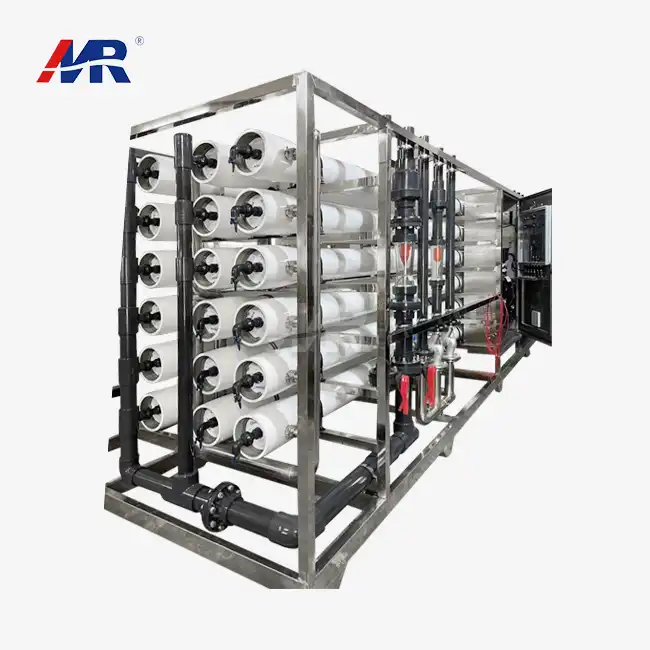 VIEW MORE100m3/hour reverse osmosis equipment
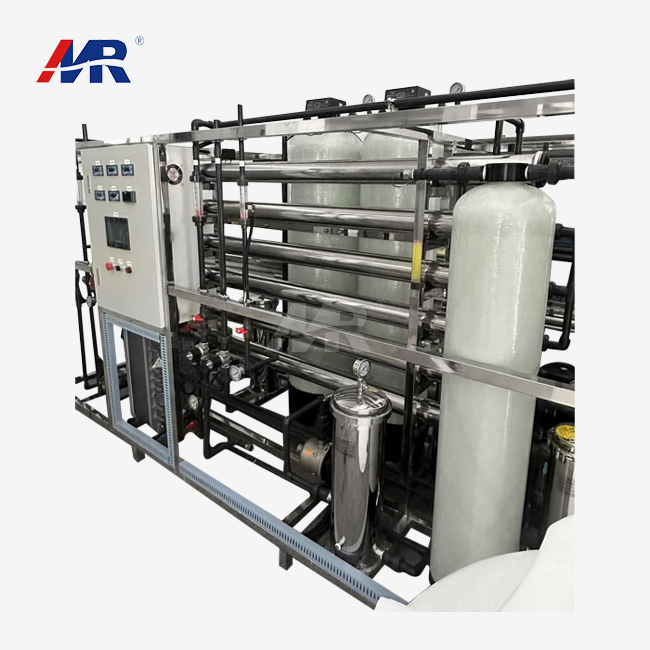 VIEW MOREelectrodeionization edi system
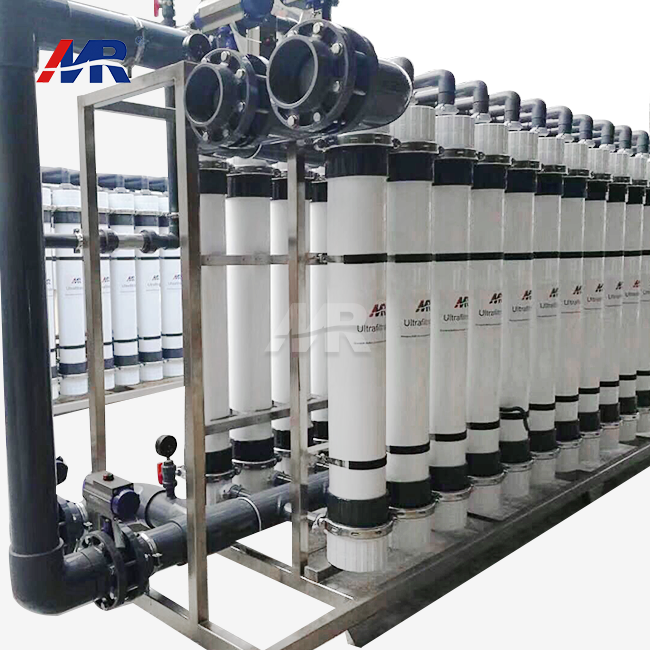 VIEW MOREultrafiltration water system
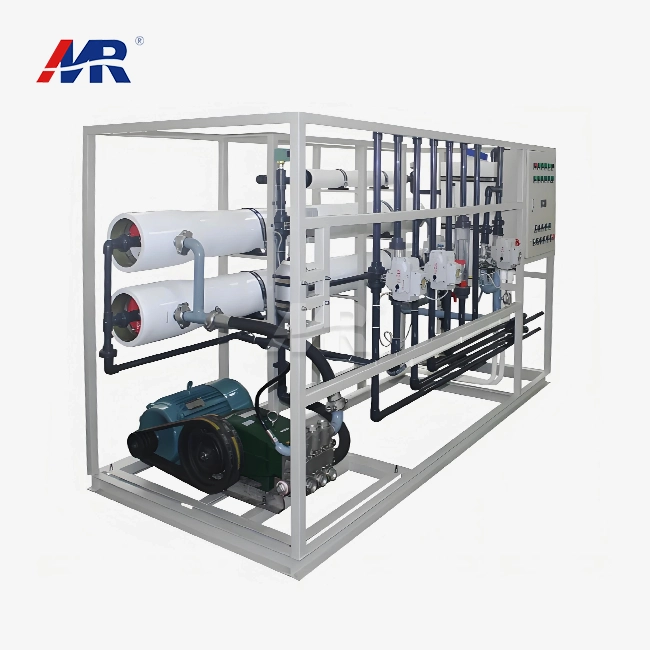 VIEW MOREseawater desalination pre-treatment
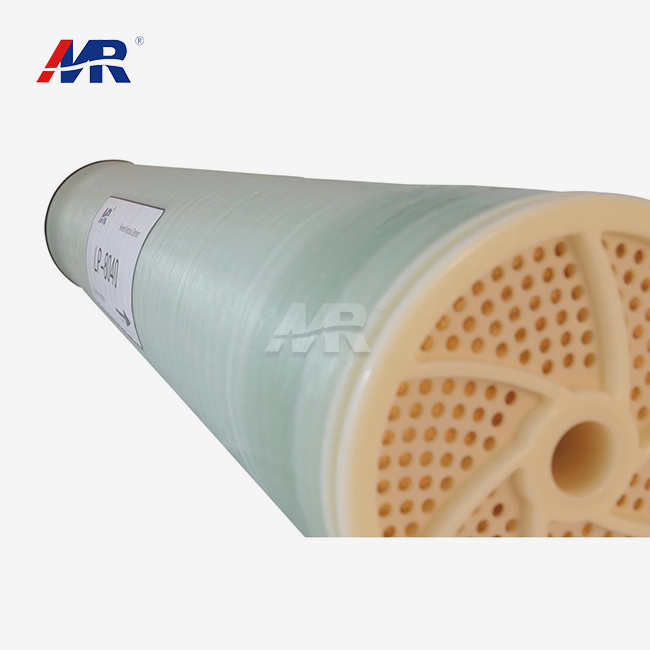 VIEW MOREmembrane used for reverse osmosis
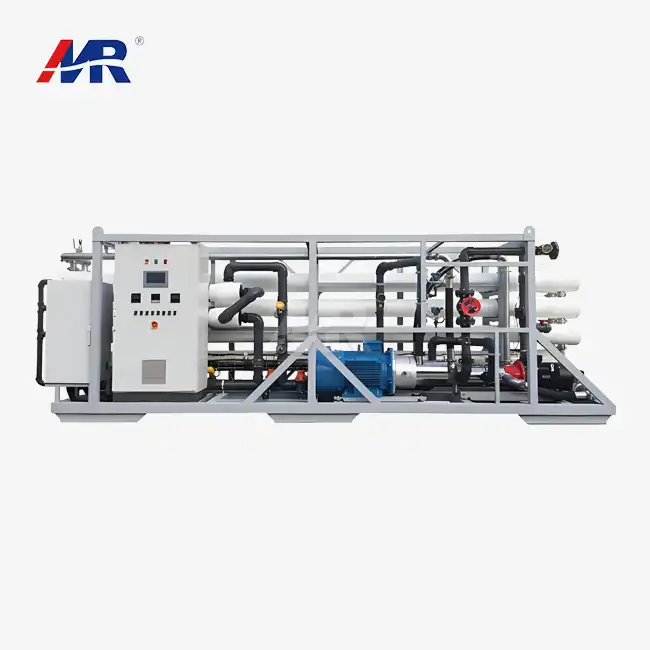 VIEW MORE15m3/hour seawater desalination system
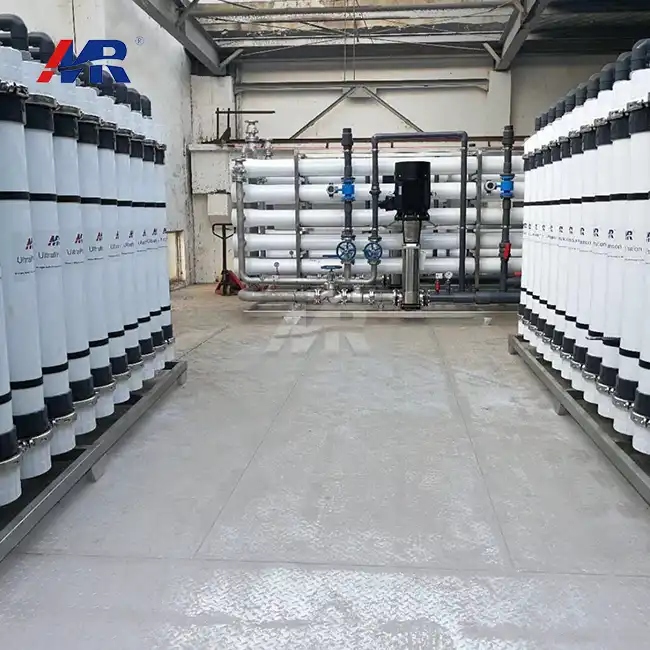 VIEW MORE2000m3/day ultrafiltration equipment
 VIEW MOREbrackish water reverse osmosis systems
