

_1745823981883.webp)

Desalination Machine Portable for Construction and Remote Worksites
When crews work far from municipal water lines, a desalination machine portable enough to fit on a flatbed truck becomes a genuine operational asset. These compact reverse osmosis (RO) systems pull fresh, potable water directly from seawater or brackish sources, removing salt and contaminants to meet WHO drinking water standards. For purchasing managers, site engineers, and distributors sourcing water solutions for construction camps, offshore platforms, or mining sites, understanding how these systems work and what to look for in a supplier can mean the difference between a smooth project and a costly shutdown.
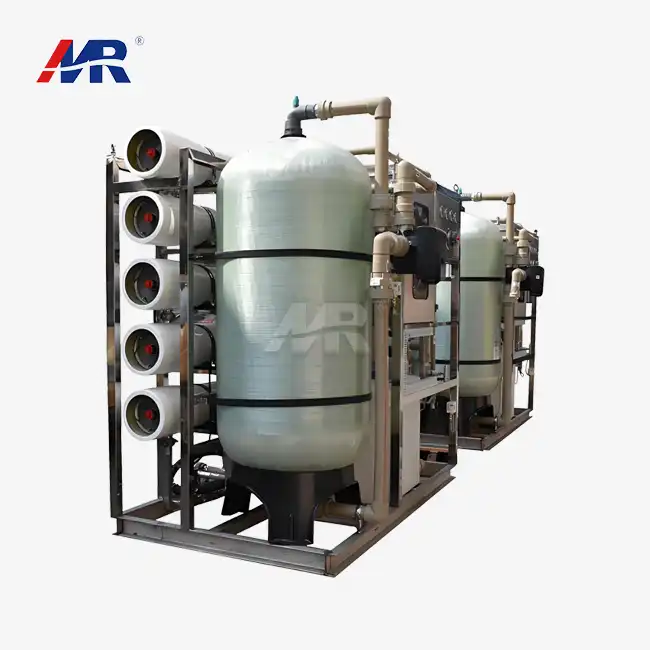
Understanding Portable Desalination Machines for Remote Worksites
How the Core Technology Works
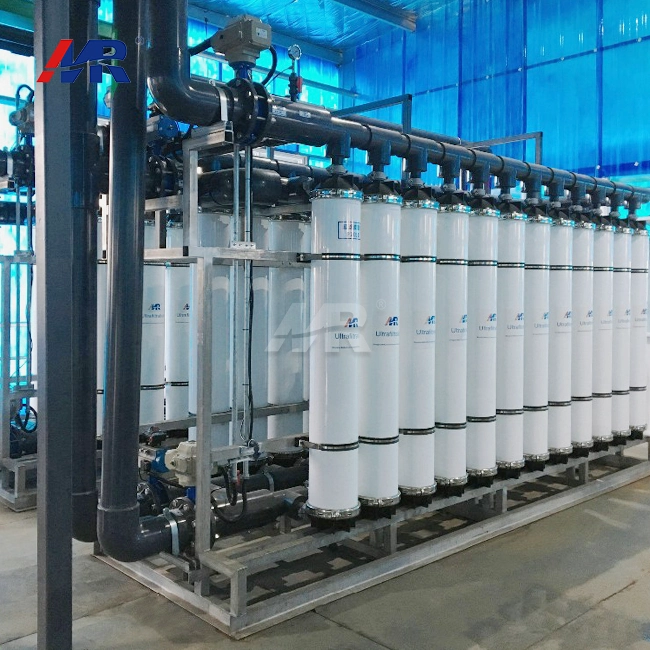
A small desalination machine can also do reverse osmosis, which is another thing it can do. When pressure is put on water, it can get through walls that let some things through but not others. Heavy metals, liquid salts, and microbes are some of these barriers. The first thing you need to do is install multi-media filters or ultrafiltration modules to protect the RO membranes from dissolved solids and high turbidity that come from sources near the shore or in the water. Through the process of remineralisation, minerals that were taken out of the water during the desalination process can be added back in. It is guaranteed that the final product is safe to drink because of this.
Key Components in a Compact System
Each machine comes with a control panel, a high-pressure pump, a ro membrane array, and a pressure tank assembly. It is ready to be used in the field and has all the parts it needs. Most of the time, marine-grade stainless steel and fiber-reinforced plastic (FRP) are used for the housings because they don't rust in tough places like the ocean and the coast. People often call these devices "ERDs" because they are what bring back the pressure in the salt stream. For systems that are well-made, this cuts the energy used from about 6–8 kWh/m3 to 3–4 kWh/m3.
System Formats: Skid, Container, or Trailer
The vast majority of portable units are available in three distinct sizes and designs. A skid-mount made of metal may be installed on any surface that is flat. When it arrives at its destination, an ISO 20-foot containerised unit already has all of the cables and plumbing fixtures installed, making it ready to connect on the spot. For tasks that need the greatest degree of mobility, one that is mounted on a trailer may be dragged behind a vehicle. Due to the fact that each format is capable of producing between 1 m3/h and 50 m3/h, it is suitable for use at building sites that are of a medium size or in smaller camps.
Why Portable Desalination Machines Are Essential for Construction and Remote Worksites
Water supply is rarely a small problem on a country job site. Every day it costs more to bring in drinking water by truck or by boat, and problems in the supply chain can stop all work.
Eliminating Dependence on Water Trucking
The UN Water report from 2023 says that logistics can add up to 40% to the total cost of getting water to remote areas. A desalination machine portable unit makes water on-site, so you don't have to pay for trucking fees or worry about when the water will be delivered by a third party.
Reducing Environmental Impact
Single-use plastic cups make a lot of trash on construction sites. Trucks that run on diesel are taken out of the supply chain when something is made on-site. Environmental reporting rules make it easier for businesses to get LEED approval or meet ESG compliance goals if they can show that they make their own water.
Improving Worker Health and Productivity
The health of the workforce is directly linked to their ability to get clean water to drink. The WHO says that one of the main reasons people don't show up for work in remote industrial places is that they get sick from the water. This chance is smaller when there is a proven source of water that has been checked. This keeps teams going. Portable desalination is a good buy for any business that needs to work in a strange place because of these useful reasons. It's not just for emergencies.
Comparison and Selection Criteria for Portable Desalination Machines
Whether you go with a permanent desalination plant or a portable RO machine is dependent on the length of time the project will be in progress, the amount of money you have available, and the quality of the water that is being used as a source. Prior to making your purchase, these are the most essential considerations that you should give some thought to.
- The capacity to create water in relation to the size of the crew: one hundred workers need around five to ten cubic meters of water per day for the sole purpose of drinking and using the lavatory. If you want to clean the tools and have them on hand in case of an emergency, you should always leave twenty to thirty percent of the unit's size extra. The majority of portable SWRO systems now available on the market are capable of managing between 5 and 500 m3 each day.
- The usage of petrol engines is prevalent in some locations, while others are equipped with solar panels or are linked to the power grid. Determine the amount of electricity that the gadget requires and determine whether or not it comes with an energy recovery device (ERD). The expenses of generator fuel may be reduced by 30–40% during the course of the project if an ERD is used.
- A different set of membrane parameters is required for brackish groundwater (TDS 2,000–10,000 mg/L) than for saltwater (TDS 35,000–45,000 mg/L), which is characterised by a higher concentration of salt and a higher temperature. It is important to examine the temperature tolerance rating provided by the manufacturer since high-temperature feed water that is over 35 degrees Celsius also causes conventional membranes to break down more rapidly.
- Credentials and evidence of conformity: certifications. Buyers in the United States should make certain that water-contact components adhere to the NSF/ANSI 58 or NSF/ANSI 61 certification standards, and that any equipment that is exported should have the CE marking. If you want to utilise water that is safe to drink, you need to keep records of water quality tests.
By reviewing these criteria before requesting a quote, you will be able to save a significant amount of time and money. This is because you will not be required to pay as much for design problems once the product has been delivered.
Leading Brands, Suppliers, and After-Sales Support
There are a lot of different types of makers in the desalination machine portable market, from European OEM houses to fully integrated factories in Asia. Price alone doesn't usually tell you the difference between a trustworthy supplier and a risky one. What does is the level of Technical support for the equipment.
What to Look for in a Supplier
In addition to catalogue specifications, a dependable vendor of portable desalination machines should supply further information. Additionally, they should provide site-specific technical evaluation services. Be sure to ask for assistance with the examination of the feed water, the results from the pilot test, and a detailed strategy for getting the system up and running. The ability to make changes to the design of membranes is often more readily available to suppliers that manufacture their own membranes as opposed to those who purchase membranes from other sources.
Morui's Position in the Market
Guangdong Morui Environmental Technology Co., Ltd. is involved in the production of membranes via its own facility as well as through a number of other organisations that do equipment processing. Morui designs and constructs whole SWRO systems, beginning with the membrane component and ending with the containerised housing. More than 500 personnel are dispersed throughout 14 different branches, and they have twenty engineers who are committed to their work. A number of well-known brands of components are also available for purchase from Morui, including Shimge Water Pumps, Runxin Valves, and Createc Instruments. This indicates that replacement parts are less likely to be hidden away and more likely to be easily accessible.
After-Sales Service Structure
From Morui, you may get a package that includes installation, commissioning, and operator training all in one convenient package. The incorporation of remote monitoring is a possibility for locations that are unable to have technicians available on call. It is possible for international project teams to get assistance from technical support staff members who are fluent in more than one language. Additionally, a defined spare-parts supply schedule ensures that equipment continues to function normally in between maintenance cycles.
Future Trends in Portable Desalination Technology
Solar-Powered and Hybrid Systems
The use of solar-powered RO is gaining popularity in regions that have limited water resources and no access to grid electricity. When photovoltaic panels, a battery buffer, and a variable-speed high-pressure pump are combined, the system is able to match the amount of solar power that is available without the requirement for a diesel backup that is always ready to provide electricity. When circumstances are ideal, energy costs are known to decrease below 2 kWh/m3, according to pilot projects that have been carried out in Australia and the Middle East.
IoT Monitoring and Predictive Maintenance
Feed pressure, permeate flow, salt rejection rate, and membrane differential pressure are some of the characteristics that are measured in real time by the sensors that are integrated into modern portable units. The transmission of data to a cloud dashboard enables engineers to detect membrane fouling or pump wear before it causes the components to fail. By planning ahead, this strategy reduces the amount of unexpected downtime that occurs, which is particularly beneficial in situations when the closest replacement part is several days away.
Modular Scalability
Increasing throughput is possible with more current designs that make use of containers since it is possible to add parallel RO trains inside the same enclosure space. It is possible to quickly add a second train to a construction site without having to overhaul the whole system or install new pipes. This is possible when the number of workers at the site increases.
Conclusion
Portable desalination systems like a desalination machine portable are no longer just a backup plan for emergencies. They are now a common choice for infrastructure on building sites and in remote industrial areas. They make logistics cheaper, are better for the environment, and give project managers direct control over the quality of the water. For business-to-business buyers, the selection process is based on output capacity, energy setup, source water chemistry, and the level of support from the provider. Morui adds to that by making membranes in-house, doing full-system engineering, and having an organized program for after-sales service.
Frequently Asked Questions
1. How long does a portable desalination unit typically last on a construction site?
With regular membrane cleaning and scheduled pump maintenance, a well-built portable RO system lasts 10–15 years. Membrane elements themselves generally need replacement every 3–5 years depending on feed water quality and operating hours. Stainless steel and FRP housings resist corrosion in marine environments for the full system lifespan.
2. How much energy does a portable desalination machine consume?
Energy consumption depends on feed water salinity. For seawater sources, expect 3–5 kWh per cubic meter with an energy recovery device installed. Brackish water systems run lower, typically 1–2 kWh/m³. Diesel generator sizing should account for pump startup surge current, which can be 2–3× the running load.
3. Can these units treat both seawater and brackish groundwater?
Yes, but membrane selection differs. SWRO membranes are rated for high-pressure operation against seawater salinity levels. Brackish water RO (BWRO) membranes operate at lower pressures and achieve higher recovery rates — typically 70–80% versus 40–50% for SWRO. Morui configures systems specifically to the feed water analysis provided at inquiry.
4. What certifications should U.S. buyers require?
Look for NSF/ANSI 58 (RO systems for drinking water) and NSF/ANSI 61 (drinking water system components). CE marking covers electrical safety for exported units. Request the treated water quality test report alongside the equipment certificate.
Get a Quote for Your Site's Portable Desalination Needs — Contact Morui Today
You should be able to get water for your next job without having to worry about truck plans or bottled water contracts with a desalination machine portable. As a reliable provider of movable desalination machines, Morui can set up a system that works with your site's water source, crew size, and power setup. They also make their own membranes and offer full operating support. If you want a detailed plan, you can email benson@guangdongmorui.com your feed water data and project specs.
References
1. World Health Organization. Guidelines for Drinking-Water Quality, 4th edition. WHO Press, 2017.
2. UN-Water. The United Nations World Water Development Report 2023: Partnerships and Cooperation for Water. UNESCO, 2023.
3. Elimelech, M., & Phillip, W. A. "The Future of Seawater Desalination: Energy, Technology, and the Environment." Science, 2011.
4. Fritzmann, C., Löwenberg, J., Wintgens, T., & Melin, T. "State-of-the-Art of Reverse Osmosis Desalination." Desalination, 2007.
5. Ghaffour, N., Missimer, T. M., & Amy, G. L. "Technical Review and Evaluation of the Economics of Water Desalination: Current and Future Challenges for Better Water Supply Sustainability." Desalination, 2013.
6. International Desalination Association (IDA). IDA Desalination Yearbook 2022–2023. Media Analytics Ltd., 2023.
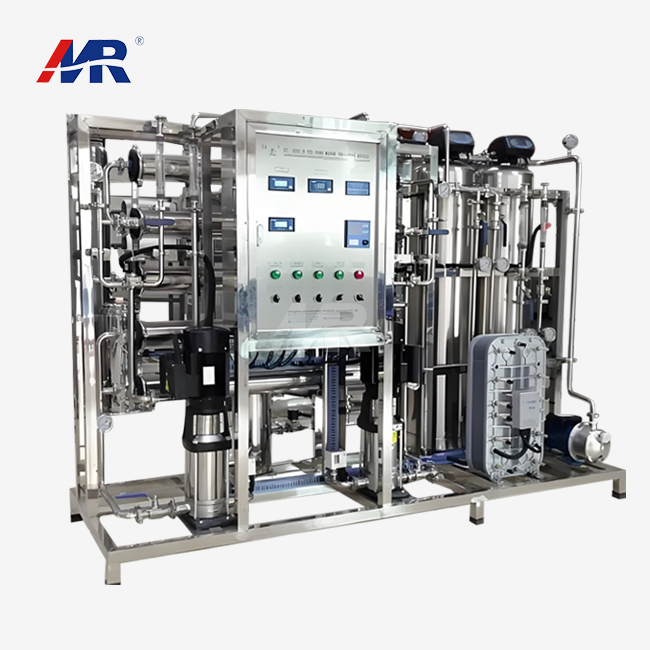 VIEW MORE1000LPH EDI system
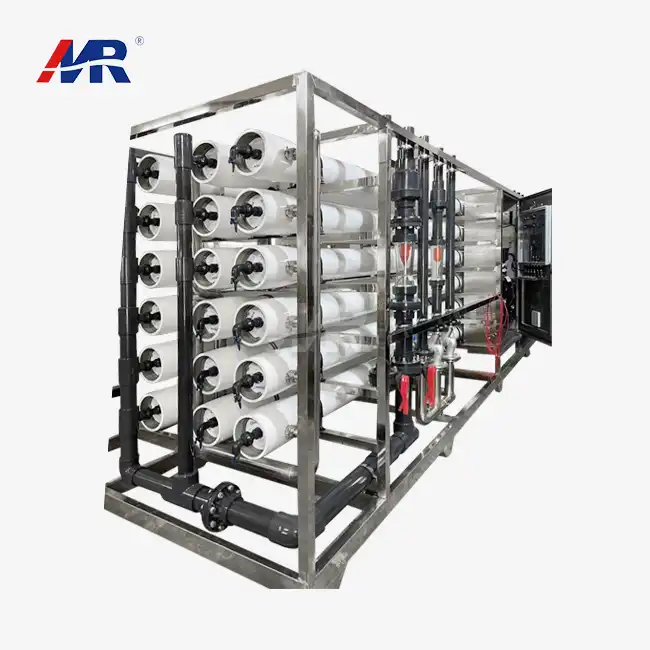 VIEW MORE100m3/hour reverse osmosis equipment
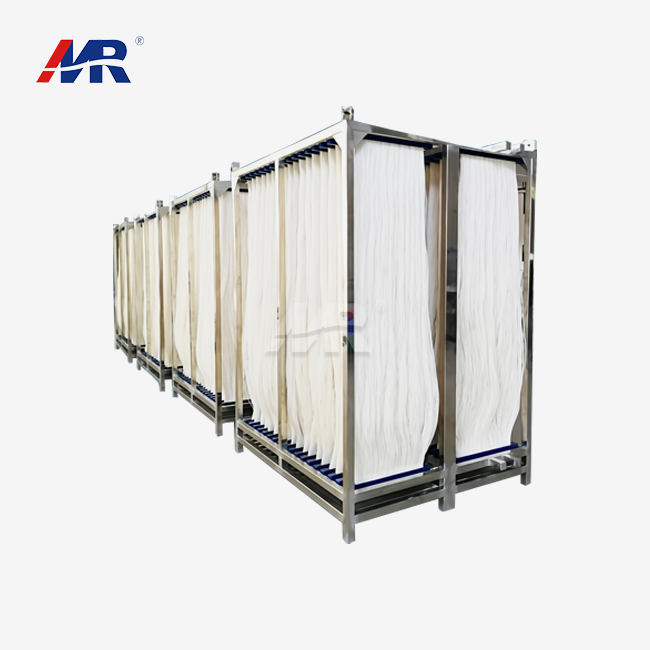 VIEW MOREbioreactor wastewater treatment
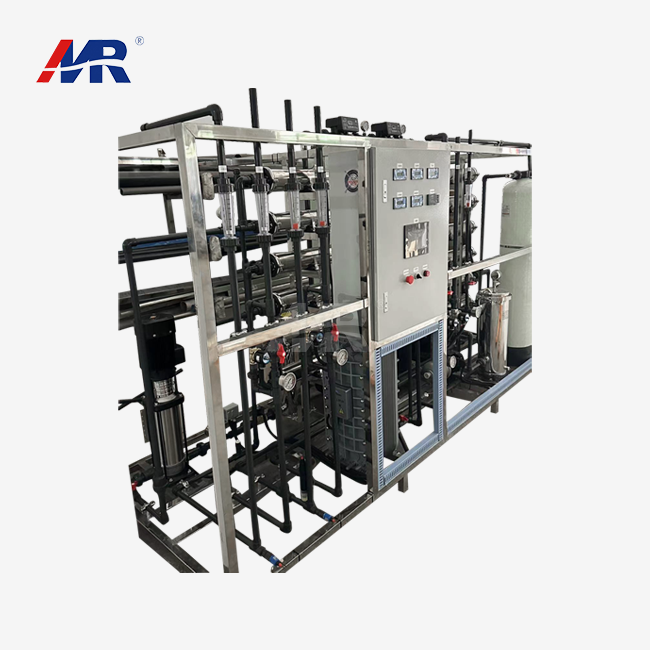 VIEW MOREedi water treatment system
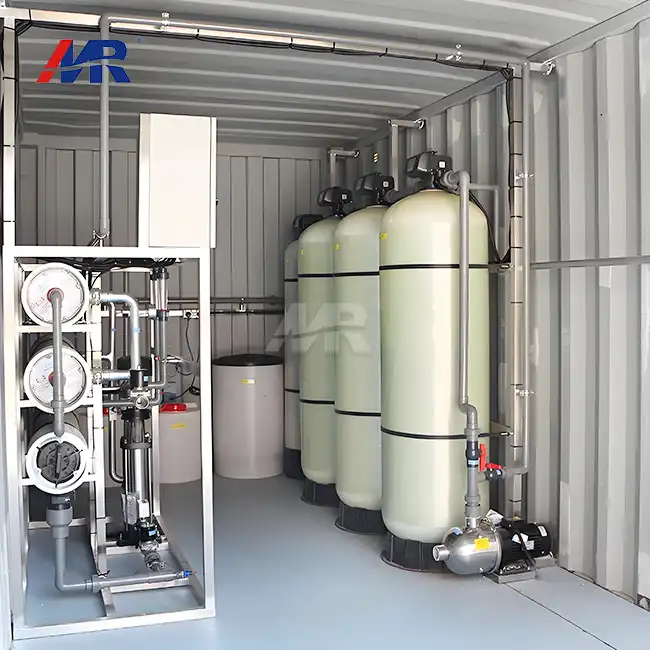 VIEW MOREcontainer type 3m3/hour RO equipment
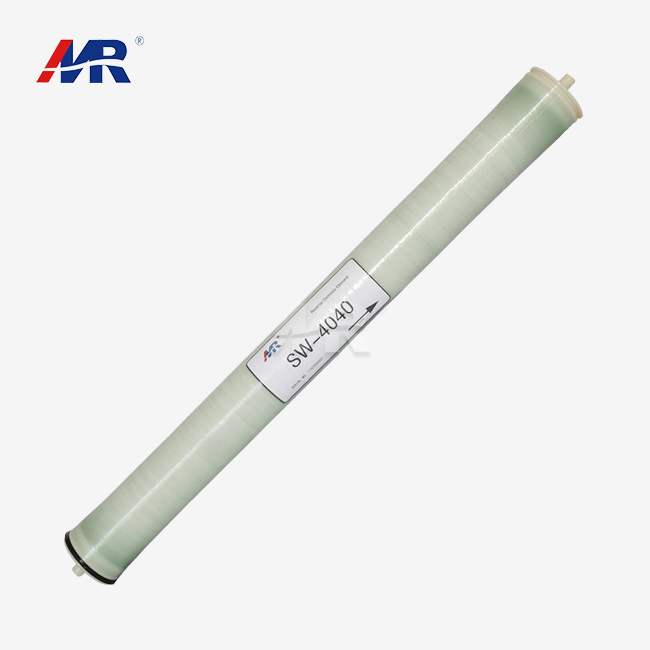 VIEW MORE4040 seawater reverse osmosis membrane
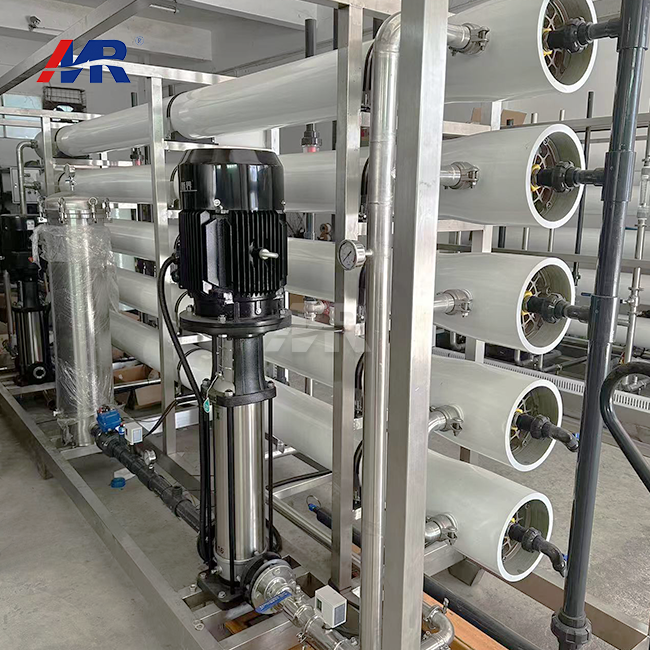 VIEW MOREosmosis water purification system
 VIEW MOREultrafiltration equipment
