

_1745823981883.webp)

Brackish Membrane: A Guide to Efficient Water Treatment
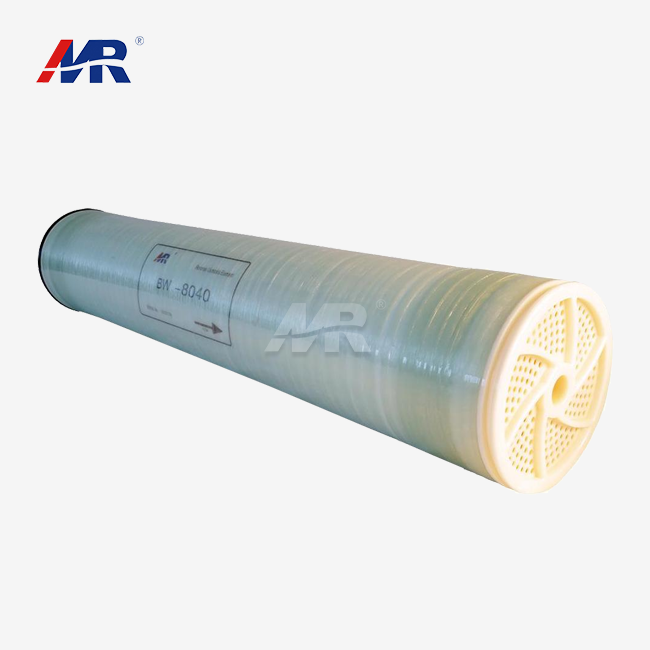
Brackish water sits between fresh water and seawater, typically carrying 1,000 to 10,000 mg/L of Total Dissolved Solids (TDS). For industries ranging from food and beverage production to pharmaceutical manufacturing, untreated brackish water disrupts processes, damages equipment, and elevates operating costs. A membrane/8040-reverse-osmosis-membrane">brackish membrane—specifically a thin-film composite (TFC) reverse osmosis element—addresses this challenge directly. Engineered for mid-salinity sources, it delivers high salt rejection at controlled operating pressures, making it a practical and cost-effective solution for facilities that need consistent, purified water without the energy burden of seawater desalination systems.
What Is a Brackish Membrane and How Does It Work?
The Core Filtration Mechanism
The reverse osmosis concept is what makes a brackish water RO filter work. The feed water is pushed up against a layer of semi-permeable polyamide. This layer lets only water molecules pass through but not dissolved salts, heavy metals, organic substances, or micropollutants. This cross-linked aromatic polyamide active layer can usually get rid of 99.2% to 99.7% of salt, which is a lot more than what regular filters can do.
The Morui MR-BW-8040 is a great example of this level of engineering precision. The pressure it works at is 1.55 MPa, and the active membrane area can be 34 or 37 m², depending on the output needs. It has a permeate flow of 10,500 GPD and a salt rejection rate of 99.5%. Because of these features, it is a good choice for industrial and municipal facilities that need to handle source water with a medium salt level.
Material and Configuration Options
In industrial settings, spiral-wound configurations are most common because they fit a large brackish membrane surface area into a small pressure vessel. This minimizes the system's footprint while increasing the contact time. The thin-film composite (TFC) polyamide material is still the standard in the industry because it can handle a wide range of pH levels (2–11 for constant operation, 1–13 for short-term cleaning processes) and keeps the flux stable even when the feed water conditions change.
As an option, cellulose acetate membranes can handle some chlorine, but they break down more quickly when attacked by living things and can only work in a smaller pH range. When it comes to most industrial purchases, TFC polyamide membranes are the better long-term value.
How Do Brackish Membranes Compare to Other Membrane Technologies?
Procurement teams can avoid costly mistakes by knowing how this technology fits into the bigger picture of membranes. The following table shows a direct comparison of the most popular types of RO brackish membranes:
| Parameter | Brackish Water RO | Seawater RO | Tap Water RO |
|---|---|---|---|
| Feed TDS Range | 1,000–10,000 mg/L | 30,000–45,000 mg/L | < 1,000 mg/L |
| Typical Operating Pressure | 150–225 psi (1.03–1.55 MPa) | 800–1,200 psi (5.5–8.3 MPa) | 50–100 psi (0.35–0.69 MPa) |
| Salt Rejection Rate | 99.2%–99.7% | 99.6%–99.8% | 95%–99% |
| Energy Consumption | Moderate | High | Low |
| Typical Lifespan | 3–5 years | 3–5 years | 2–3 years |
| Primary Applications | Industrial, municipal, agriculture | Coastal desalination, offshore | Residential, light commercial |
This comparison clears up a common misunderstanding: reverse osmosis is not just one type of product. Each type of membrane is designed to work with a certain range of salinities. Putting a seawater membrane on a brackish feed source wastes energy and puts too much stress on the system for no reason. Choosing the right part from the start lowers running costs and increases the system's useful life.
What Maintenance Practices Protect Membrane Performance?
Pretreatment Is Non-Negotiable
The quality of the feed water directly affects how long the brackish membrane lasts. Groundwater sources that are high in iron, manganese, silica, or calcium carbonate make the membrane surface scale faster. A well-thought-out pretreatment train, which usually includes multimedia filtration, antiscalant dosing, and 5-micron cartridge filtration, greatly lowers the chance of fouling. The Water Research Foundation says that most initial membrane breakdowns in industrial systems are caused by poor pretreatment.
Cleaning Protocols and Operational Schedules
Here are the main maintenance steps that will keep the membrane in good shape for a long time:
- Routine CIP (Clean-In-Place) cycles: When average permeate flow drops 10–15% or salt passing increases 10–15% from baseline, it's time for a routine CIP cycle. This is when chemical cleaning should happen. Mineral scaling can be fixed with low-pH citric acid solutions, and bacterial fouling can be fixed with high-pH cleaning solutions.
- Operating pressure monitoring: Running the system for a long time at pressures higher than the rated pressure speeds up membrane compaction and slows down flux recovery. It is recommended that you stay within the 1.55 MPa range for the MR-BW-8040.
- Feed water temperature management: The permeability of the membrane goes up with temperature, but long-term contact above 45°C breaks down the polyamide layer. Keep the feed water level in the range suggested by the maker.
- System flushing during idle periods: Before long shutdowns, flush membranes with permeate or low-salinity water to avoid damage from concentration polarization.
When these steps are taken regularly, they increase the membrane's useful life to the standard 3–5 years and protect the money your facility spent on the water treatment system.
How Should B2B Buyers Evaluate Brackish Membrane Suppliers?
Certifications, Capacity, and Service Infrastructure
When looking for a brackish membrane for use in industry or the city, the manufacturing infrastructure of the supplier is just as important as the membrane specification sheet. Morui has its own factory for making membranes and several factories for handling equipment. This way, we can directly check the quality of every part we offer. Twenty committed engineers and more than 500 other employees spread across 14 offices make up Our Team. They provide localized technical help for setup, commissioning, and service after the sale.
Some important things to look for in a brackish membrane maker or provider are:
- Quality certifications: Membranes meet the standards for making potable water, as shown by their ISO 9001 compliance and NSF/ANSI 61 certification.
- Membrane area flexibility: The MR-BW-8040 has an active area of either 34 or 37 m², so it can meet the flow needs of different systems without changing the way the pressure vessel is set up.
- Minimum order quantities and lead times: Set minimum order amounts and wait times early on in the procurement process to make sure they work with the project schedule.
- Warranty terms and technical documentation: Reliable sellers give clear instructions on how to use the product, how to clean it, and performance guarantees.
It is better to balance the total cost of ownership instead of just the unit price when buying something. Over a three-year working horizon, a cheaper part that doesn't last as long or doesn't come with as much expert help usually costs more.
Real Applications and Emerging Trends in Membrane Water Treatment
Through optimized BWRO deployments, facilities in a wide range of industries are seeing measured gains in their operations. When a regional food and drink company switched to a higher-rejection TFC element with a better antifouling surface covering, it cut its pre-treatment chemical costs by 22%. This was done by cleaning brackish well water. A pharmaceutical business that supplied GMP-grade pure water kept the TDS output below 10 mg/L even though the feed water changed with the seasons. They did this by choosing brackish membranes that could handle higher pH and temperatures.
In terms of the future, membrane water treatment is changing very quickly. IoT-enabled sensors are now built into smart tracking systems. These sensors track standardized permeate flow, salt passage, and differential pressure in real time. This lets maintenance be planned ahead of time instead of cleaning being done after the fact. According to research published in the Journal of Membrane Science, new membrane surface coatings are cutting biofouling adhesion by as much as 40% in the lab. The world's need for brackish and saltwater desalination capacity is expected to rise at a rate of 9.5% per year until 2030. This is because of the lack of water in dry areas and stricter rules on discharge in the industrial sector.
For people who work in procurement, these trends point in a clear direction: facilities that invest in high-performance membrane systems that work with the Internet of Things (IoT) will be ahead of regulatory and operational pressures that will only get stronger.
Conclusion
Choosing the right brackish membrane ingredient is not a matter of taste; it is a matter of strategy. When planned, installed, and kept up to date correctly, brackish water reverse osmosis technology provides reliable water quality, predictable operating costs, and regulatory compliance in a wide range of industrial and municipal settings. Morui's MR-BW-8040 has a 99.5% salt rejection rate, a 10,500 GPD permeate flow rate, and different active membrane area choices all in one field-proven element. Three things are necessary for a water treatment investment to go well: understanding the technology, keeping it in good shape, and buying from a company with real engineering knowledge.
FAQ
1. How long does a brackish water RO membrane typically last?
A high-quality brackish water ro membrane typically works well for 3 to 5 years with normal industry conditions like regular pretreatment, controlled feed pressure, and chemical cleaning on a regular basis. If a facility doesn't do pretreatment or runs at higher than recommended pressure, performance often starts to drop before it should, within 12 to 18 months.
2. How often should I clean my brackish membrane?
When normalized permeate flow drops by 10–15% or normalized salt passage rises by 10–15% compared to the initial baseline readings, chemicals should be used to clean the system. In places where the feed water is very dirty, this could mean cleaning processes every three months. Systems that have been properly prepared may only need to be cleaned once or twice a year.
3. What is the difference between a brackish membrane and a seawater membrane?
When the working pressure is between 1.03 and 1.55 MPa, brackish membranes clean water with a TDS level of 1,000 to 10,000 mg/L. Seawater membranes can handle TDS levels between 30,000 and 45,000 mg/L and need pressures between 5.5 and 8.3 MPa. Putting a seawater membrane on a brackish feed source wastes energy and makes the system wear out faster without making the output better.
4. Does the MR-BW-8040 suit pharmaceutical-grade water production?
Yes. It can reject 99.5% of salt and is made of TFC polyamide, which supports stable permeate quality that is good for pharmaceutical pretreatment systems, as long as the whole system design is validated according to GMP standards.
Partner with Morui for Reliable Brackish Membrane Solutions
Morui offers certified brackish membrane elements that are made to work in harsh industrial settings. You can buy the MR-BW-8040 directly from our factories. We offer discounts for large orders, flexible wait times, and full expert support. You can email our engineering team at benson@guangdongmorui.com to get specifications, help with system design, or a quote from a reputable brackish membrane manufacturer.
References
1. Fritzmann, C., Löwenberg, J., Wintgens, T., & Melin, T. (2007). State-of-the-art of reverse osmosis desalination. Desalination, Elsevier.
2. Pearce, G. (2008). Introduction to membranes: Filtration for water and wastewater treatment. Filtration & Separation, Elsevier.
3. Elimelech, M., & Phillip, W. A. (2011). The future of seawater and brackish water desalination. Science, American Association for the Advancement of Science.
4. Greenlee, L. F., Lawler, D. F., Freeman, B. D., Marrot, B., & Moulin, P. (2009). Reverse osmosis desalination: Water sources, technology, and today's challenges. Water Research, Elsevier.
5. Shannon, M. A., et al. (2008). Science and technology for water purification in the coming decades. Nature, Springer Nature.
6. Water Research Foundation. (2019). Membrane Fouling and Pretreatment Optimization in Brackish Water RO Systems. Water Research Foundation Publications.
 VIEW MOREindustrial sewage treatment plant
 VIEW MORE1000LPH EDI equipment
 VIEW MORE45m3/hour seawater desalination system
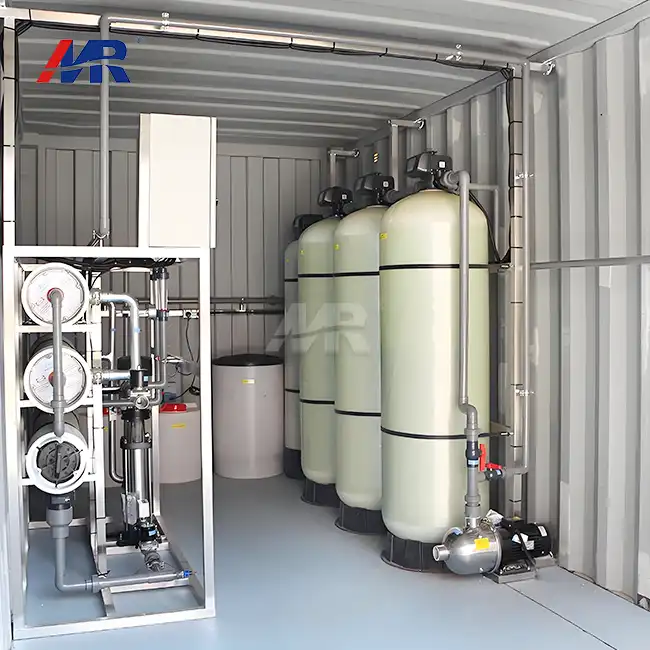 VIEW MOREcontainer ro equipment
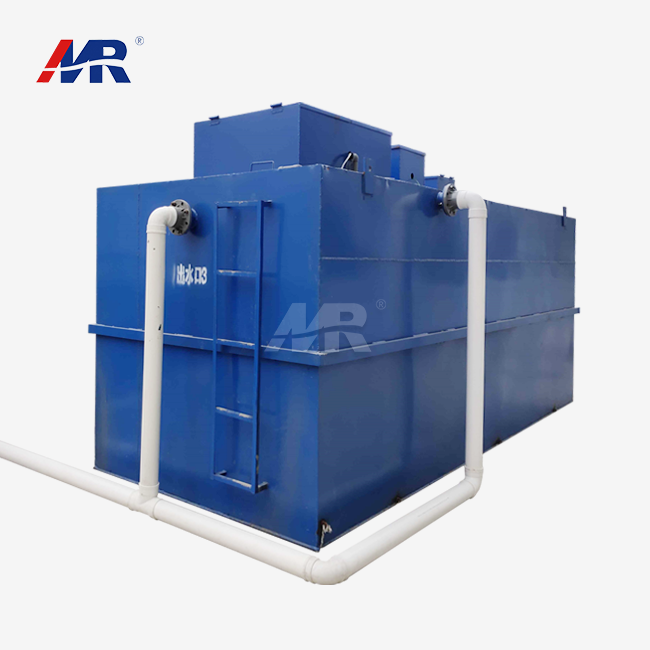 VIEW MOREMBR wastewater treatment plant
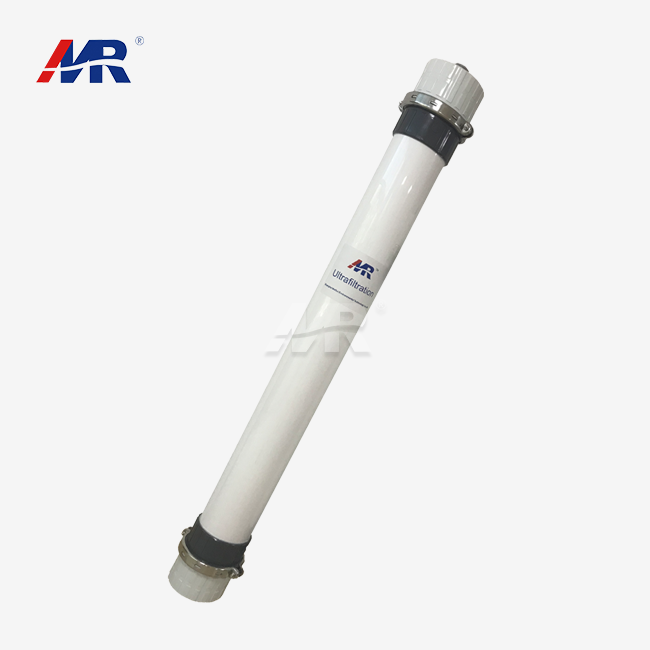 VIEW MOREultrafiltration membrane for wastewater treatment
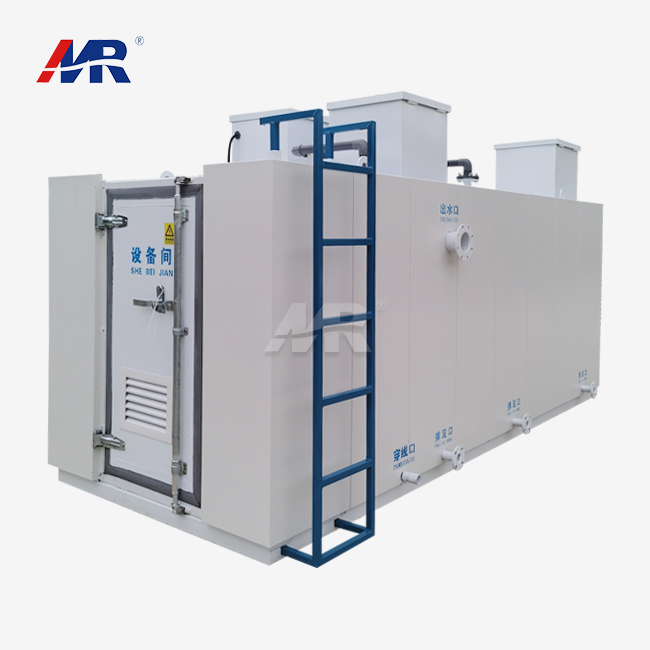 VIEW MOREwastewater treatment plant
 VIEW MOREro edi water system
