

_1745823981883.webp)

How Does Biological Reactor Wastewater Treatment Work?
Biological reactor wastewater treatment is a controlled bioengineered process where specialized microbial communities — aerobic, anaerobic, and anoxic populations — break down organic pollutants, nitrogen, and phosphorus within engineered vessels. Unlike purely physical or chemical methods, this approach harnesses living metabolic activity to achieve high contaminant removal rates. Systems such as membrane Bioreactors (MBR), Sequencing Batch Reactors (SBR), and Moving Bed Biofilm Reactors (MBBR) sustain elevated biomass concentrations, enabling facilities to meet stringent discharge standards — including U.S. EPA Class A effluent thresholds — while managing high chemical oxygen demand (COD) loads economically and sustainably.
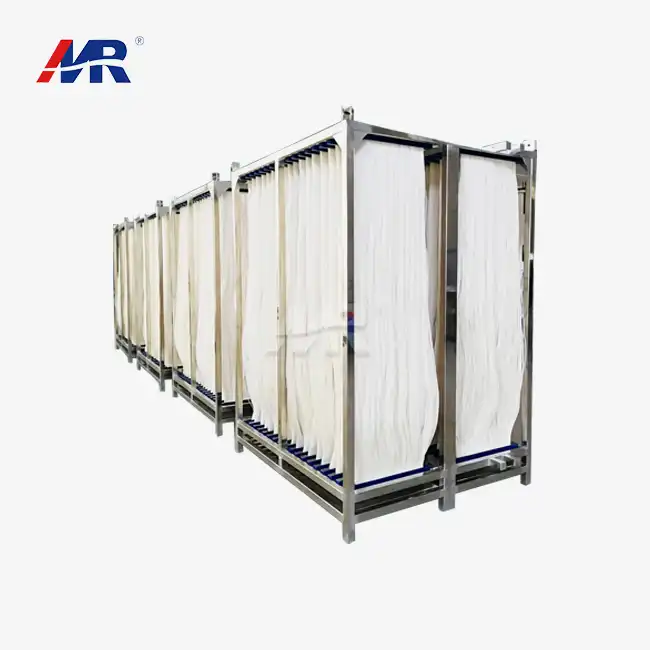
Understanding Biological Reactor Wastewater Treatment
What Core Mechanisms Drive Microbial Degradation?
In a bioreactor, bacteria get energy from the degradation of organic materials. Aerobic bacteria use the oxygen dissolved in water to break down carbon molecules into CO₂, water, and additional biomass. Anaerobic communities act without oxygen and break down complex organics to biogas, predominantly methane, that may be utilized to create electricity. In anoxic zones, bacteria utilize nitrate as an electron acceptor to strip nitrogen from water in a process called denitrification. A properly constructed reactor, compared to an unstable one, is distinguished by an appropriate balance between various metabolic zones.
What Types of Reactors Are Available?
Several different reactor designs can handle different types of industrial wastewater:
- Membrane Bioreactor (MBR): Treats active sludge and filters water through a membrane. The membrane physically holds on to all the solids that are suspended in the fluid, making effluent with turbidity below 1 NTU that can be used again in manufacturing processes.
- Sequencing Batch Reactor (SBR): A fill-and-draw system that moves through settling, agitation, and decanting all in the same tank. It works well for operations with variable flow, like food and drink plants where daily volumes change a lot.
- Moving Bed Biofilm Reactor (MBBR): Biofilm forms on plastic carriers that float in the fluid. This setup can handle harmful shock loads better than suspended sludge systems, which makes it a great choice for chemical and pharmaceutical wastes.
- Activated Sludge System: The standard first step, an aeration tank followed by a clarifier, is still used a lot in city wastewater treatment plants because it is cheap to set up and easy to understand how it works.
The first step in making a good purchase choice is to figure out which reactor type fits your needs in terms of the chemistry of the influent, the volumetric load, and your goals for reusing the wastewater.
Comparing Biological Reactors With Traditional and Alternative Treatment Methods
A lot of places still use physical and chemical processes like coagulation, flocculation, and settling to deal with pollution. These methods work well to get rid of suspended solids, but they have trouble getting rid of dissolved organics and nutrients to the level required by modern regulations without using a lot of chemicals.
| Criteria | Activated Sludge | MBR | Chemical Treatment |
|---|---|---|---|
| Effluent Quality | Moderate | High (< 1 NTU) | Variable |
| Chemical Consumption | Low | Low | High |
| Sludge Production | Moderate | Low | High |
| Physical Footprint | Large | Compact | Moderate |
| Energy Consumption | Moderate | Moderate–High | Low |
| Reuse Potential | Limited | High | Limited |
Based on this comparison, it's clear that MBR systems produce the best effluent while taking up the least amount of space. This is a huge benefit for manufacturing sites in cities and facilities that want to recycle water. Chemical cleaning makes a lot more sludge, which raises the cost of removal and the environmental risk. A biological reactor wastewater treatment approach is no longer an option for facilities that have to deal with stricter pretreatment standards from the U.S. EPA; it is now an operational necessity.
Aerobic vs. Anaerobic: Which Fits Your Process?
When BOD levels are modest, and treatment rounds need to happen quickly, aerobic reactors work best. High-strength organic waste streams, like food processor sewage with COD above 5,000 mg/L, work better with anaerobic systems because they make biogas and recover energy while making much less sludge. A lot of industrial sites now use a mix of anaerobic and aerobic routines to get the best of both worlds.
Designing and Operating Biological Reactors for Industrial Wastewater
What Engineering Parameters Govern Performance?
Strict management of multiple interdependent factors is necessary for the bioreactor to function successfully. The Hydraulic Retention Time (HRT) is a measure of how long the wastewater is in contact with the bacteria. If it is too short, COD removal is not complete. If it is too long, costs for reactor capacity increase. The SRT regulates the age of the sludge and the diversity of bacteria it contains. In aerobic zones, dissolved oxygen (DO) concentration should be maintained in the range of 2-4 mg/L to prevent overgrowth of filamentous bacteria. This prevents the formation of sludge, one of the most frustrating issues that may occur in activated sludge and MBR systems.
Temperatures above or below the optimum range of 20-35°C reduce the metabolic rates of microorganisms measurably. Thanks to the installation of live sensors like DO probes, ammonium analyzers, and live turbidity meters, the blower may now change speeds automatically. This saves 15-30% of the energy consumed by fixed-rate aeration.
How Is Membrane Fouling Managed in MBR Systems?
The major operational problem with MBR designs is membrane fouling. The problem is solved with a multi-layered approach that includes continuous air scouring to produce shear forces on the membrane surfaces, automated relaxation and backwash cycles, and Chemically Enhanced Backwash (CEB) cycles with sodium hypochlorite or citric acid to remove organic and inorganic scalants from the membrane pores.
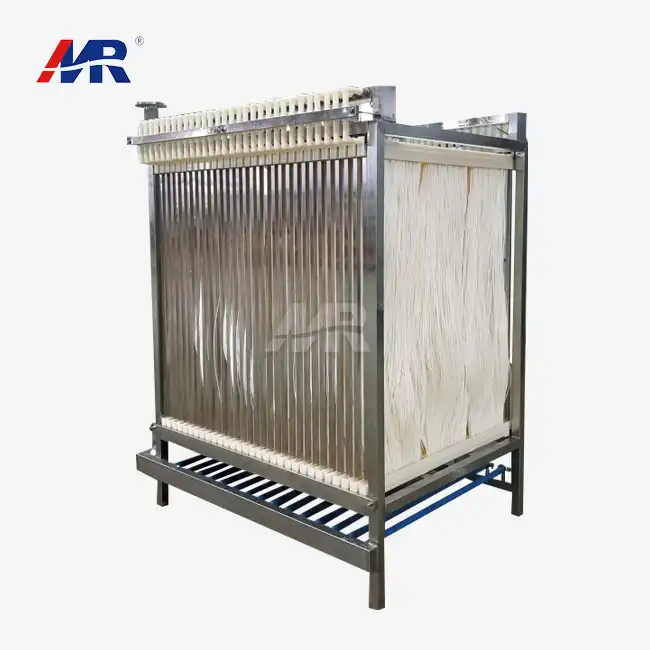
This difficulty is overcome by Morui’s MR-MBR-20 flat-sheet membrane module constructed of PVDF (polyvinylidene fluoride) material with 0.2 µm-sized holes. Compared to polyethylene membranes, PVDF membranes are more resistant to chemicals and have a greater affinity with water. Therefore, the flow can be kept steady throughout the rigorous CEB cleaning operations. The MR-MBR-20 has an effective filtering area of 20 m2 and modest dimensions of 2000 × 578 × 39.4 mm, which allows installation in installations with limited space without reducing the throughput. This is particularly beneficial in pharma plants and electronics industries that need floor space.
Procurement and Selection Guide for Biological Reactor Wastewater Treatment Systems
What Criteria Should Drive System Selection?
It takes more than matching flow rates to tank volumes to choose a biological reactor system. Total cost of ownership and long-term compliance are directly affected by the following:
- Influent characterization: The amounts of COD, BOD, TSS, nitrogen, phosphorus, and toxicants determine whether aerobic, anaerobic, or mixed designs are best.
- Effluent reuse targets: Places like chip factories and drug factories that want to recycle process water need MBR-grade effluent quality that regular clarifiers can't reliably produce.
- Footprint constraints: The Water Environment Research Foundation (2019) says that MBR systems need 30–50% less land than similar activated sludge plants.
- Regulatory compliance trajectory: In the U.S., requirements for industrial pretreatment are getting stricter all the time. Choosing a system that can remove nutrients on its own protects the investment for the future.
- Supplier capability: Using turnkey providers that offer engineering design, equipment supply, on-site commissioning, and service after installation greatly lowers project risk compared to putting together systems from different vendors.
When looking at biological reactor wastewater treatment companies, make sure they have case studies from businesses with similar sewage profiles to the ones you are looking at. For long-term spare parts supply and expert help, it's important that a supplier can actually make membranes, not just trade them.
Real-World Applications and Case Studies
In the areas where we operate, we have seen demonstrable outcomes consistently from biological reactor systems. A food processing firm using a hybrid MBBR-MBR system reduced their effluent COD from more than 3,000 mg/L to less than 60 mg/L. This was under local discharge limitations and avoided a fine from the government. A pharmaceutical business deployed MBR technology for the collection of GMP-grade process water, reducing the city's water needs by 40%. This saved the corporation so much money that the capital expenditure was paid back in just 28 months.
The need for ultrapure water in the electronics sector requires polishing procedures to be applied following biological treatment. The consistently low NTU quality of MBR wastewater provides a consistent input to RO and edi systems, which prevents membranes from clogging up during further purification and increases the interval between service intervals. Also, the petrochemical facilities processing water from oil fields have proven that MBR pre-treatment reduces the replacement frequency of ro membranes considerably, thereby reducing the yearly maintenance costs.
New developments make investment in biological therapies even more lucrative from a strategic point of view. Automated bioaugmentation is becoming accepted in chemical manufacturing. This is the regulated insertion of certain microbial cultures to maintain stability of the reactors under shock loads. Smart monitoring tools, which integrate IoT sensors and cloud-based analytics, provide plant managers with the ability to visualize biological performance in real time, enabling them to respond before the quality of the effluent exceeds what is permitted.
Conclusion
Biological reactor wastewater treatment represents a proven, scalable solution for industries confronting tightening environmental regulations, rising water costs, and operational sustainability targets. If your facility makes high-strength organic waste from electroplating, processing food, or making drugs, the right reactor configuration and high-quality membrane parts, like the MR-MBR-20, can help with legal discharge, water reuse, and lower long-term operational costs. These systems are more stable and easy to use than ever before thanks to the combination of real-time tracking, advanced membrane materials, and bioaugmentation.
FAQ
1. What advantage does biological treatment hold over chemical dosing?
Instead of changing pollutants chemically, biological treatment breaks them down through natural metabolic pathways. This method makes a lot less sludge, doesn't require any ongoing reagent costs, and makes effluent that is actually cleaner instead of just precipitated. Biological removal of COD and nutrients is often the only way for facilities that are regulated by the EPA before treatment to consistently follow the rules set by the permit.
2. How do I choose between aerobic and anaerobic systems?
The main thing that makes a difference is the COD percentage. Streams with more than 2,000 to 3,000 mg/L of COD usually do better with anaerobic pre-treatment to get their energy back before they are polished with aerobic treatment. Aerobic systems are enough to handle low-strength wastewater from cities or small industries. A hybrid design works well for most industrial sites that have loads that change or are very strong.
3. What should I verify before selecting a biological reactor supplier?
Make sure the supplier has written project references in your industry, can make membranes in-house for long-term parts support, offers turnkey engineering and commissioning services, and has a structured service agreement that covers emergency response and preventative maintenance.
4. How long do MBR membrane modules typically last?
If you follow the CEB guidelines and manage air scouring correctly, flat-sheet PVDF membranes should last between 5 and 10 years. The MBBR biofilm carriers are made to last between 15 and 20 years when used normally.
Partner With Morui for Your Biological Reactor Wastewater Treatment Needs
Morui delivers certified biological reactor wastewater treatment systems engineered for industrial performance. As a biological reactor wastewater treatment manufacturer with our own membrane production factory, 20 specialized engineers, and 14 branches across China, we supply turnkey solutions from design through commissioning. Contact us today for a free technical assessment tailored to your effluent profile. Reach Our Team at benson@guangdongmorui.com to request a quote.
References
1. Metcalf & Eddy / Tchobanoglous, G. et al. — Wastewater Engineering: Treatment and Resource Recovery, McGraw-Hill Education, 2014.
2. Water Environment Research Foundation — Membrane Bioreactor Technology: Design and Operational Considerations, WERF Report, 2019.
3. Judd, S. — The MBR Book: Principles and Applications of Membrane Bioreactors in Water and Wastewater Treatment, Elsevier, 2011.
4. U.S. Environmental Protection Agency — Biological Nutrient Removal Processes and Costs, EPA 832-R-07-002, 2007.
5. Liao, B. Q., Kraemer, J. T., & Bagley, D. M. — "Anaerobic Membrane Bioreactors: Applications and Research Directions," Critical Reviews in Environmental Science and Technology, Taylor & Francis, 2006.
6. Stephenson, T., Judd, S., Jefferson, B., & Brindle, K. — Membrane Bioreactors for Wastewater Treatment, IWA Publishing, 2000.
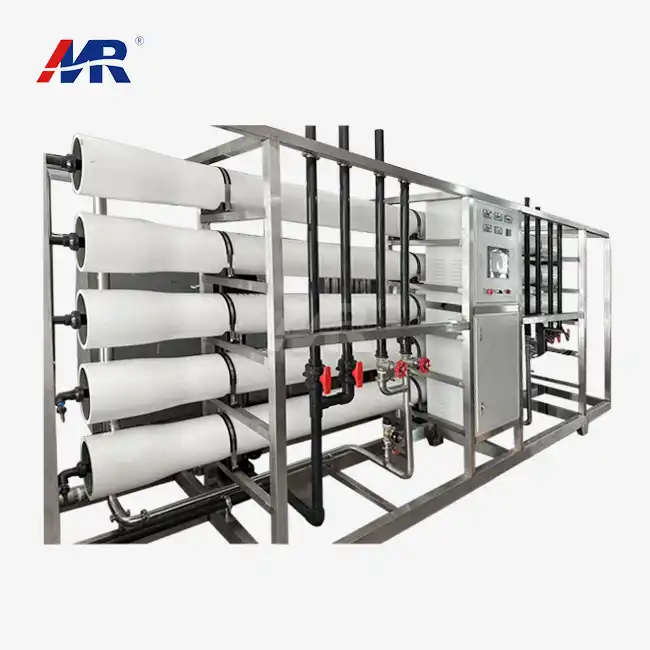 VIEW MORE25m3/hour reverse osmosis equipment
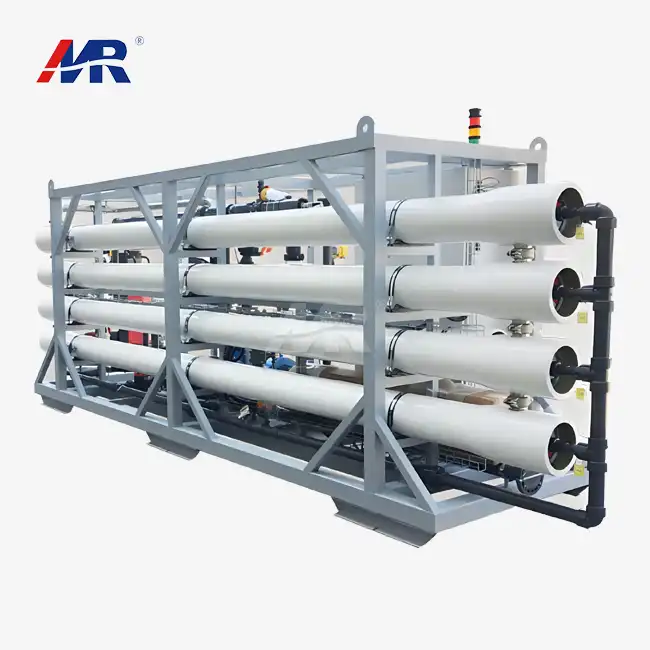 VIEW MORE12m3/hour seawater desalination equipment
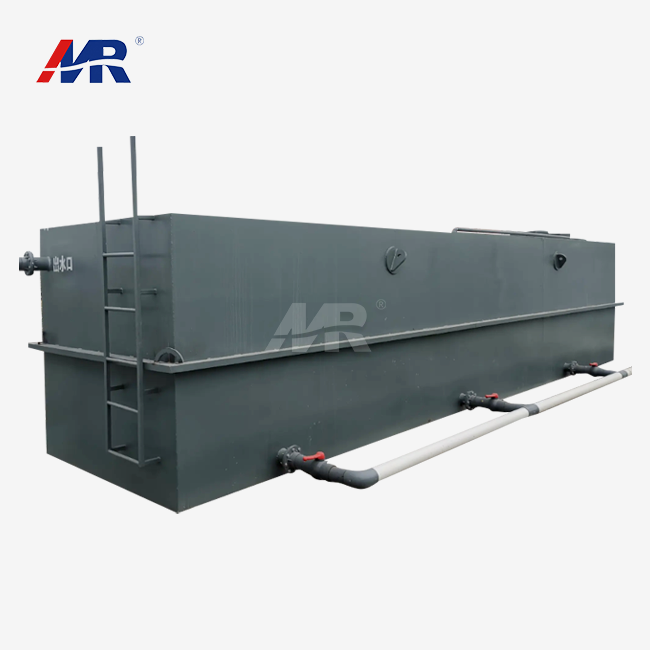
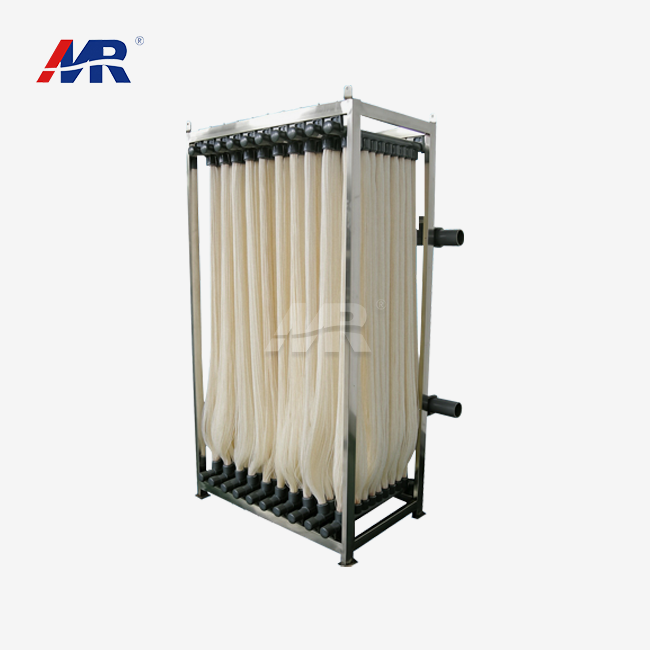 VIEW MOREbiological reactor wastewater treatment
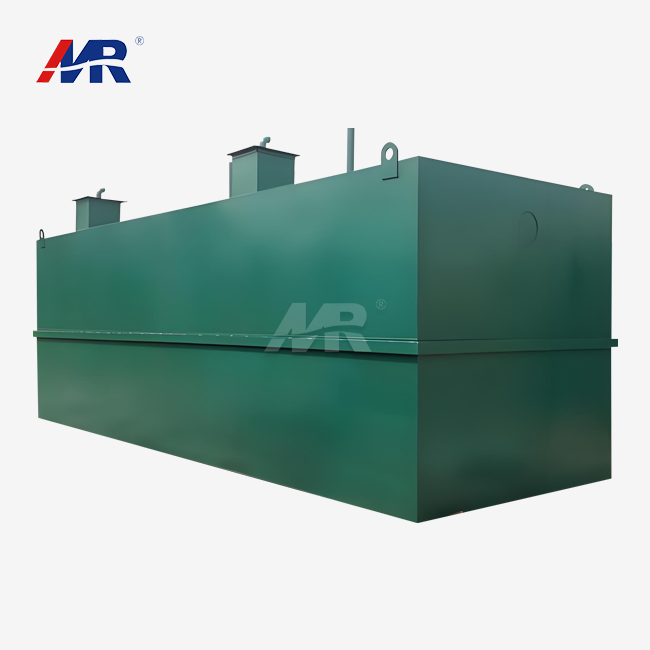
 VIEW MOREdomestic wastewater treatment plant
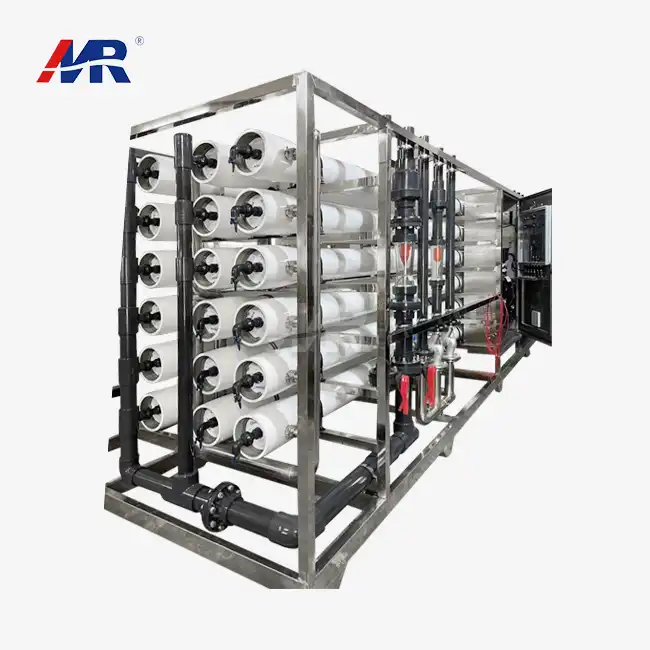
 VIEW MOREwaste water treatment system
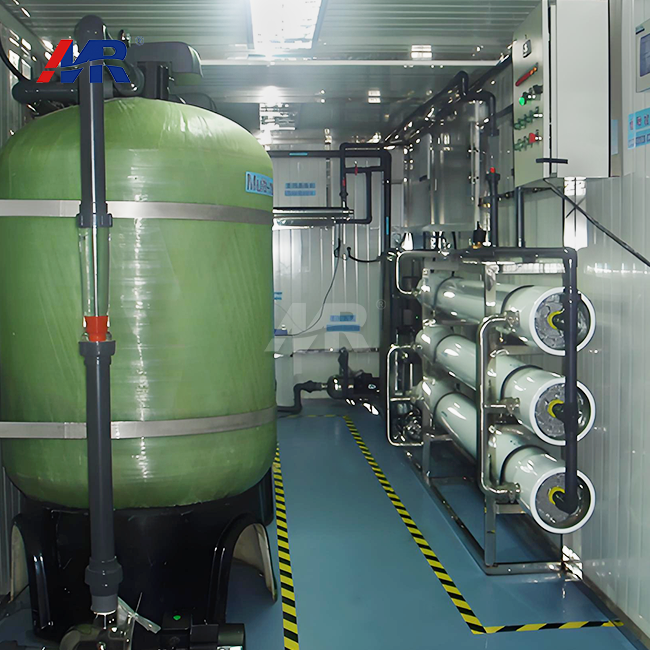
 VIEW MORE100m3/hour reverse osmosis equipment
 VIEW MOREContainerized Mobile Water Treatment Systems
 VIEW MOREmembrane mbr
