



MBR vs Activated Sludge: Which Sewage Treatment Route to Pick?
Pick MBR if your sewage treatment project needs very clear effluent, water reuse, or a small footprint. Pick conventional activated sludge if you have plenty of land, a tighter equipment budget, and moderate discharge limits. MBR is not a separate biological process. It uses the same activated sludge biology but replaces the secondary clarifier with membrane filtration. I wrote this guide for engineers, EPC contractors, plant owners, and buyers in the United States who want a clear comparison of effluent quality, cost, space, and upkeep before they request quotes.

How the Two Sewage Treatment Routes Work?
What Both Routes Share?0
So that either way works, bacteria that live in an air tank eat pollution that breaks down naturally. Screening and removing grit are the first steps in each. The process needs to be controlled, aerated, and the sludge needs to be moved. Plants that need to get rid of nitrogen normally add anoxic and oxygenated zones and recycle inside the plant. Because the biology is the same, you can use a lot of what you know about running a business on both paths. There is a big difference in how the clean water and the biomass separate after the biological stage. That one step is what changes most of the things we'll talk about below, like cost, room, and care.
Clarifier or Membrane: The Key Difference
It is standard for the mixed liquor to be sent to a secondary clarifier, where the sludge settles on its own. This works well as long as the sludge doesn't rise to the top, but solids can get into the effluent if it does. In an MBR, membranes that stop solids in their tracks are used instead of a clarifier. Judd studied MBR technology and found that the membrane pores in these systems are usually between 0.04 and 0.4 microns wide. Our hollow-fiber membranes have holes that are 0.2 microns wide. Because the membrane acts as a wall, how the sludge settles has very little to do with the quality of the wastewater. In most plants, cleaning is still done later.
Key Operating Parameters
There are six numbers that show how each plant works in sewage treatment. These are the MLSS, SRT, HRT, F/M ratio, DO, and SVI. Books like Metcalf and Eddy say that MLSS levels in healthy plants are usually between 2,000 and 4,000 mg/L. There are levels between 8,000 and 12,000 mg/L in MBR plants, on the other hand. MBR tanks stay small and make less extra sludge when the SRT is longer and the MLSS is higher. SVI isn't as important for membranes as it is for clarifiers. Still, operators need to keep a close eye on both DO and F/M because both will break down if the air is too weak or too high.
Performance, Cost, and Footprint Compared
Effluent Quality and Nutrient Removal
Since MBR doesn't depend on settling, it usually produces more stable effluent with very little turbidity and suspended solids. The way it feels helps you reuse water again. Low turbidity is a key part of the U.S. EPA Guidelines for Water Reuse to make sure that recovered water is properly cleaned. Neither way is sure to get rid of nutrients by itself. How much nitrogen and phosphorus comes out relies on how strong the input is, how hot it is, how much carbon is available, and how the process is set up. Chemical precipitation is usually needed for phosphorus. A normal plant that is well run can get by with strict permits, but it needs to keep a close eye on how full the clarifier is, when the water level rises, and when the solids settle.
CAPEX, OPEX, and Lifecycle Cost
Most likely, regular plants will cost less. You can add racks, feed pumps, sensors, controls, and membrane modules to an MBR. More electricity is used by MBR because membranes clean and move air around. Krzeminski and friends talked about this in 2017. Still, the smaller size can help keep tank and building costs low in places where land is pricey. You might not know what to do if you only look at the price. It's fair to compare prices for at least ten years of chemicals, electricity, membrane replacement, sludge disposal, spare parts, maintenance, Technical support, and membrane replacement.
Footprint, Capacity, and Expansion
If you don't need big clarifiers, MBR plants for sewage treatment take up a lot less space. They also have a higher MLSS. That can be useful for hotels, neighborhoods, hospitals, schools, resorts, and industry places with clear lines between them. When land is cheap, rules aren't too strict, and reuse isn't planned, this is the best way to go. You can make either route longer by adding more air, membrane modules, packaged modular units, or trains running at the same time. When you build, leave room for extra membrane tanks to help with future flow. This way, you won't have to pay a lot of money to repair things later.
Choosing a Route and Sourcing Your System
Operation and Maintenance Risks
Often, conventional plants have issues with sludge building up, sludge rising, clarifier overload, ammonia escape, and foam. While MBR gets rid of most of the issues that come with clarifiers, it also adds new ones, such as membrane fouling, scaling, and particle blockage. It also needs more pumps, sensors, and air scouring. For Le-Clech and his coworkers, fouling is one of the worst things that MBR has to deal with. Good screening, the right flux, steady MLSS, automatic backwashing, regular chemical cleaning, and keeping an eye on transmembrane pressure are all things that keep membranes healthy. SCADA's online DO, pH, ammonia, turbidity, and flow monitors help with all of these paths. Automation cuts down on daily work, but it's still important to have trained operators and keep up with maintenance.
Matching the Route to Your Application
Find out the right details about the things that are coming in, such as the average and peak flow, BOD, COD, TSS, nutrients, oil and grease, temperature, pH, and harmful substances. First, choose whether to let the water run off or use it again. Next, look at the rules, space, power, and available providers in your area. MBR is often used in places with strict rules, limited space, and waste that can't be used again, like hospitals, hotels, apartment complexes, and short-term or faraway sites. It might be cheaper to use traditional methods on big sites with lots of space and operators who have done this before. You may need to balance, pre-treat, or test industrial wastewater in a sample project first if it doesn't break down easily, has a lot of salt, oils, or heavy metals, or doesn't break down easily.
What to Include in Your RFQ?
When you ask for clear quotes for sewage treatment, you'll get back quotes that are similar. Include the site's size, climate, power supply, automation needs, training expectations, and information about the influent and peak flows, as well as the design and peak flows. The amount of energy used per cubic meter, how often the membranes are cleaned, how often they need to be changed, extra parts, warranties, and help after the sale are some of the things you should ask each seller.
Find out what test results and compliance papers the supplier can give you for jobs in the US. Also, make sure you know what permissions your local government needs. To choose a supplier, you should not only look at the lowest price, but also their engineering skills, the quality of their Products, their experience exporting, and their lifecycle support.
Where Morui MBR Systems Fit?
At Guangdong Morui Environmental Technology Co., Ltd., we make our own advanced hollow-fiber membranes in our own membrane plant. These are then used in sewage treatment systems that we build. Our pores are 0.2 microns wide and move 100 to 100,000 m³ of air every day. It gets rid of more than 95% of BOD, more than 90% of COD, more than 80% of nitrogen, more than 90% of phosphorus, and less than 0.5 NTU of turbidity in the effluent, according to its product parameters.
The first step is to screen and get rid of the grit. The next steps are primary clarification, treatment with oxygen and nitrogen, membrane filtration, disinfection, and treatment of the sludge. It's good for city plants, manufacturing or food waste, distant locations, reuse projects, and making traditional plants better because it has automated control, flexible growth, energy recovery choices, smaller layouts, and less sludge production. Results depend on how well the project is planned and how good the inputs are.
Conclusion
What makes MBR different from regular activated sludge is how they separate solids from cleaner water. When MBR is used, the wastewater is less cloudy, more stable, and has a better base for reuse. That being said, it costs more, uses more electricity, and the membrane needs more care and tools. Traditional sewage treatment costs less up front and works well in places with land, skilled workers, and low limits on how much waste can be released. But people who have trouble settling down should be closely watched. Sometimes, neither choice is better than the other. What makes a good choice depends on the inputs, the goals for discharge or reuse, the site's limits, the long-term cost, growth plans, and the ability to keep up.
FAQ
Q1: Is MBR always better than activated sludge?
A: No, MBR produces more steady wastewater and leaves behind less of a trace. When waste limits are not too strict, it may be cheaper to buy land and run a conventional Sewage Treatment Plant.
Q2: Does MBR use more energy?
A: Most of the time, yes, mostly because air is used to pump and scrub membranes. When we look at our systems over ten years, we can see if the smaller size makes up for the higher cost of power.
Q3: Can MBR treat industrial wastewater?
A: Most of the time, for biological streams like drinking and food wastewater. Something might need to be treated first or tried out in a pilot project if the substance is salty, oily, heavy, or hard to break down.
Q4: What do you need for a quotation?
A: There are many things to think about, such as the daily flow, the peak flow, the influent test results, the goals for discharge or reuse, the site limits, the schedule, and the budget range.
Request a Project-Specific MBR or Activated Sludge Recommendation
Input test results, release or reuse goals, site limits, and a plan are all things that Morui needs. Then, our engineers will compare the two and give you a budget quote. We have our own membrane factory, 20 engineers, and more than 14 branches. We are a sewage treatment manufacturer that can install, commission, train, and work with other companies to make systems. We also offer modular and containerized options. Send an email to benson@guangdongmorui.com to talk about your idea.
References
1. Guidelines for Water Reuse, U.S. Environmental Protection Agency, 2012
2. Wastewater Management Fact Sheet: Membrane Bioreactors, U.S. Environmental Protection Agency, 2007
3. Wastewater Engineering: Treatment and Resource Recovery, Metcalf & Eddy, 2014
4. The MBR Book: Principles and Applications of Membrane Bioreactors for Water and Wastewater Treatment, Simon Judd, 2011
5. Fouling in Membrane Bioreactors Used in Wastewater Treatment, Journal of Membrane Science, 2006
6. Membrane Bioreactors – A Review on Recent Developments in Energy Reduction, Fouling Control, Novel Configurations, LCA and Market Prospects, Journal of Membrane Science, 2017
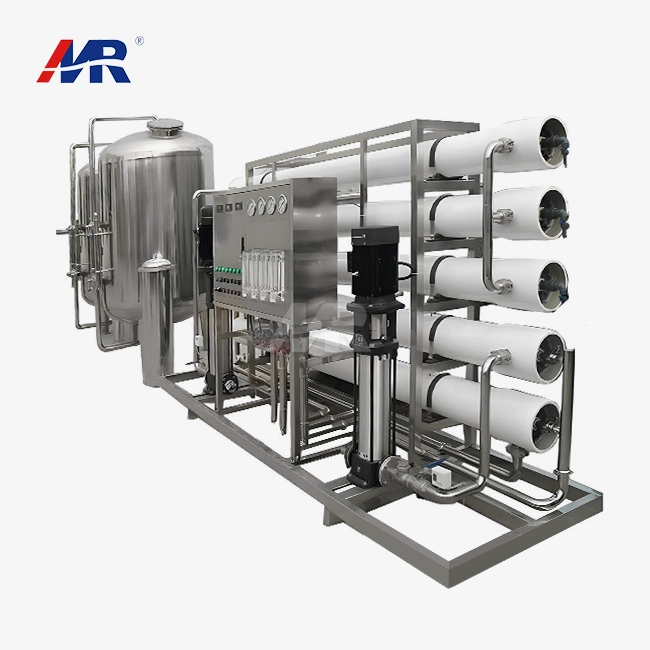 VIEW MOREbrackish water reverse osmosis
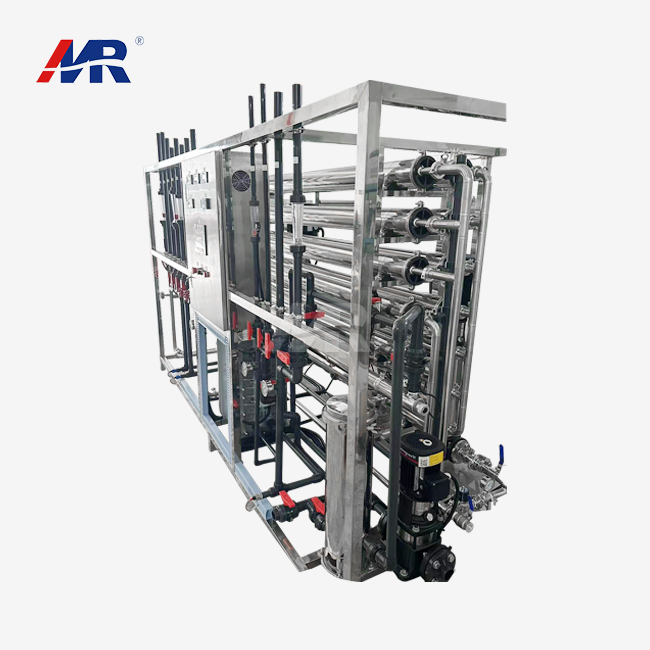 VIEW MOREedi water plant
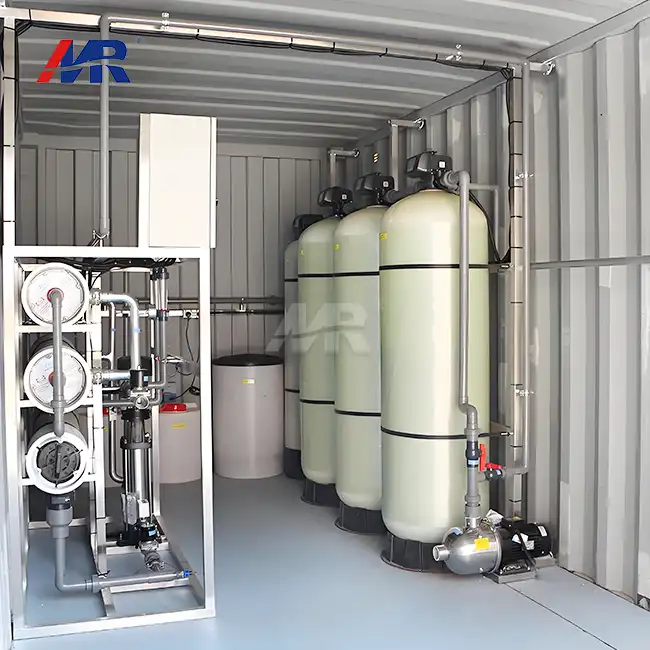 VIEW MOREcontainer type 3m3/hour RO equipment
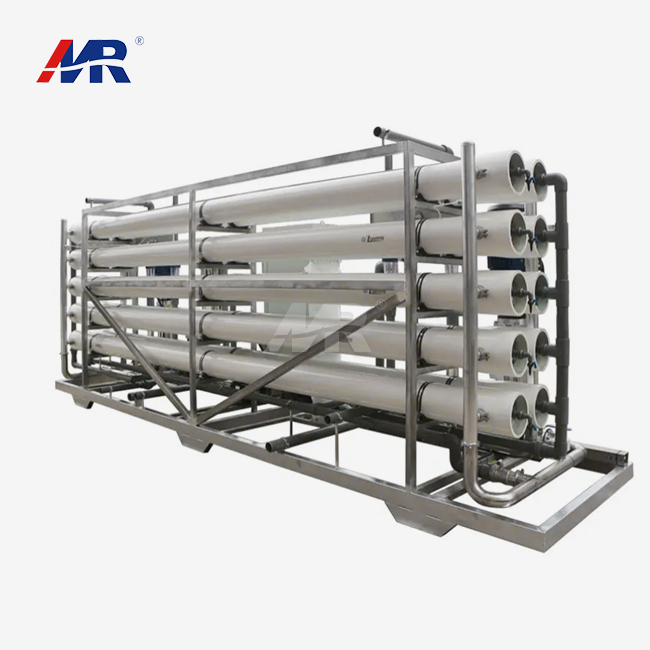 VIEW MOREbrackish water reverse osmosis systems
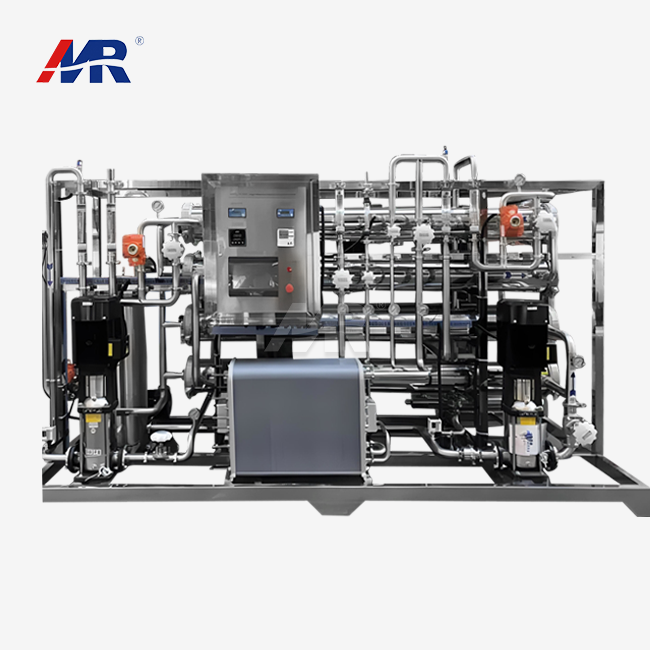 VIEW MOREelectro deionizer system
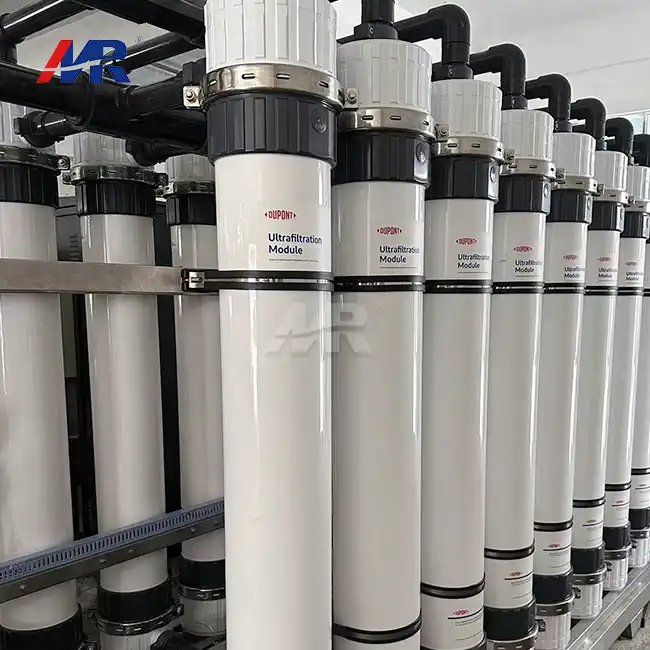 VIEW MORE100T/H ultrafiltration equipment
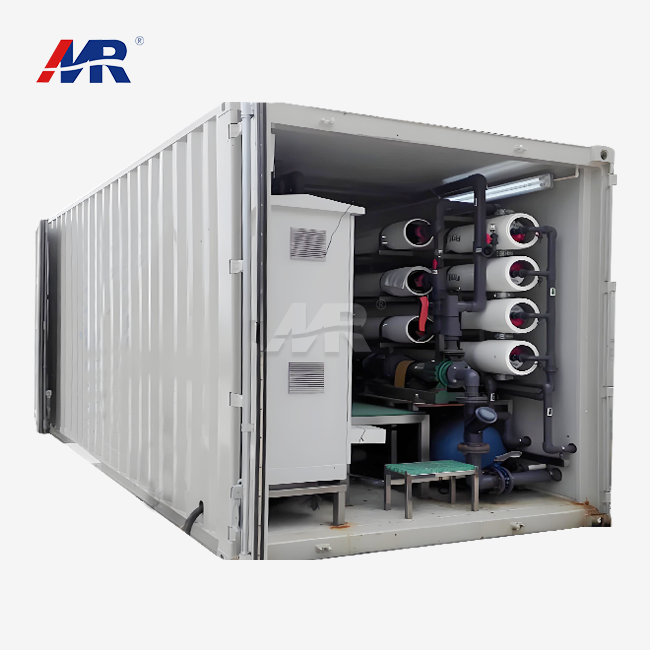 VIEW MOREcontainer seawater desalination equipment
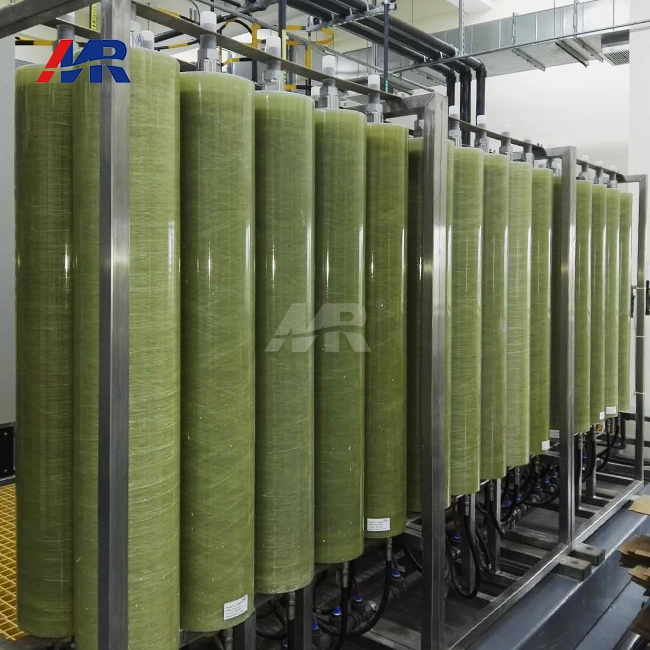 VIEW MOREDTRO Modules