



COD and Ammonia Removal by Landfill Leachate Treatment Methods
The most dependable COD and ammonia removal comes from combining landfill leachate treatment methods instead of relying on one process. Most ammonia and biodegradable COD are eliminated by biological nitrification and denitrification. Certain loads are handled by enhanced oxidation, coagulation, air stripping, or activated carbon. Mature leachate with high salinity and refractory COD is then polished using membranes, such as disc-tube reverse osmosis (DTRO). Leachate age, ammonia level, and discharge limitations all affect the proper mix. In the sections that follow, I go over each choice, demonstrate how a whole procedure works, and describe how to choose and confirm a system before making a purchase.

Why Is Landfill Leachate Hard to Treat?
What Leachate Contains?
Rain and water pass through waste, breaking down both organic and inorganic materials to create leachate. A significant amount of COD, ammonia nitrogen, heavy metals, salts, refractory organics, and suspended particles may be present in raw leachate. It may deplete aquatic life of oxygen, contaminate surface and groundwater, and put a strain on municipal waste facilities. One test result seldom represents a whole year since composition might also vary according to weather, waste kinds, and annual rainfall. Everything evolves throughout time. For this reason, I consistently request representative samples that demonstrate pH, alkalinity, metals, hardness, flow, COD, BOD₂, ammonia, TSS, and more.
Young Versus Mature Leachate
Young leachate has COD that breaks down more quickly in landfill leachate treatment methods. The ratio of BOD₅ to COD is often above 0.5, which means that biological treatment works well. Leachate changes how it works over time. In mature leachate, there may be less than 0.1 BOD₅/COD, and most of the organic matter that is still there is humic substances that bacteria don't really touch. There is also more ammonia, color, and salinity most of the time. This is the reason why biological treatment by itself doesn't always work on older landfills. After that, the workers have to physically or chemically polish the membranes to meet the discharge limits. The plan will be less likely to go astray if you find out how old the leachate is as soon as possible.
Common Operating Problems
Four issues persist: scaling from calcium and other hardness ions; excessive salinity slowing down microorganisms; toxic chemicals preventing nitrification; and organics and colloids obstructing the membrane. Load fluctuations are more stressful when it rains a lot. Nitrifying bacteria don't thrive in cold, low-alkalinity, or shock-loaded environments and develop slowly. In other words, when biology is struggling, ammonia levels may increase. The membrane has to be cleaned more often since scaling and fouling restrict its flow. The pretreatment, buffer amount, and cleaning access of a facility determine its monthly compliance. These risks, in my opinion, are a necessary component of the design process.
Core Landfill Leachate Treatment Methods for COD and Ammonia Removal
Biological Treatment
To get organic COD and ammonia at the best price, biological methods are still the best choice among landfill leachate treatment methods. Ammonia is changed into nitrate through aerobic nitrification. Anoxic denitrification, which requires a carbon supply, then converts nitrate into nitrogen gas. The sludge's age, pH, dissolved oxygen content, and temperature all affect how effectively it functions. A membrane bioreactor (MBR) effectively separates solids and requires less space, but maintaining the membranes requires more energy and attention than standard activated sludge. For biology to function effectively, the leachate has to be young or mixed. A polishing stage is required since it only eliminates a portion of the COD in mature leachate.
Physical and Chemical Processes
Chemical and matter-based steps capture what insects fail to. Coagulation, flocculation, and flotation are methods for removing COD particles and colloids. Air stripping might be useful if ammonia levels are high. When the pH rises, ammonium transforms into free ammonia gas. After that, air carries the gas away. Off-gas must be managed, and chemical dosage must be continuously monitored. Ion exchange produces a stream that may be used again and polishes ammonia in a particular manner. Color and refractory organics may be broken down by ozone, activated carbon, Fenton oxidation, and UV-based oxidation. I consider the residual stream and how effectively they collaborate, in addition to how well they solve a single issue.
Membrane Separation
Nanofiltration (NF) and reverse osmosis (RO) get rid of the refractory COD, ammonia, and dissolved salts that were present in the water after the first steps. RO cleans up better than NF, but it takes more work and makes more concentrate. With the right care, most RO and NF membranes last between 1.5 and 3 years. It takes MBR flat-sheet membranes three to five years to wear out. DTRO was made because regular spiral-wound RO has trouble with waste that has a lot of fouling in it. How well its open flow lines handle high COD, high salinity, and scaling is what I'll talk about next.
How a Complete Process and DTRO System Fit Together?
A Practical Process Sequence
Getting the leachate, screening, equalization, mixing, and emergency storage are the first steps in good landfill leachate treatment methods. The suspended solids, colloidal COD, and toxic compounds will be removed after the pH is changed and physicochemical pretreatment is done. Biodegradable COD and nitrogen are removed by anoxic and aerobic reactors or an MBR. After that, you can polish with NF, RO, activated carbon, or oxidation, depending on how many pollutants are still there and how much you can discharge. From the start, there has to be a way to get rid of sludge, used chemicals, and membrane concentrate. Plants often have trouble storing concentrates after they start up if they don't plan ahead, which costs a lot to fix.
Where DTRO Does the Heavy Lifting?
Inside a pressure tube, DTRO stacks membrane discs on top of each other. Feed water moves through passageways that are short and open. This form is good for leachate that has a lot of COD, salinity, and scale because it makes it easy to flush and clean the deposits. Morui treats DTRO as a deep technology line built around three main parts: pretreatment, the DTRO core, and concentrate handling. Also, since we make our own membranes, the technical know-how stays in-house. The system is now ready to handle leachate from landfills, incinerators, and high-concentration industrial wastewater before it enters sewers or achieves zero liquid discharge (ZLD).
Adjusting Recovery and Concentrate
There is no set number for recovery. The amount of DTRO recovery is set between 50% and 90% based on the waste's quality, the owner's plan, and the risk of scaling. It's easier to clean and treat when recovery is high, but scaling and fouling are more likely to happen. This makes cleaning and anti-fouling design even more important. In order to get to ZLD, concentrate can dry out, evaporate, or solidify. Before the plant starts up, everyone should agree on the concentrate route, since it often has a bigger effect on the cost of running the whole thing than the membrane stage does.
Choosing and Verifying a Leachate Treatment System
Selection Criteria
Find out what kind of landfill you have, the flow range, leachate age, how it will be disposed of, how it will be used again, and whether the job is new, an expansion, or a repair when choosing landfill leachate treatment methods. Then, check the guaranteed conditions for the influent and effluent, the peak flow rate, the amount of energy and chemicals that are needed, the footprint, automation, delivery schedule, warranty, and support in your area. I bring up test reports on treated water, energy data, and clear paperwork early, as US buyers often ask for these things. Containerized systems, which Morui puts together in one package, are good for small sites that are remote or that need to be phased. Some sites need full turnkey engineering or for you to work with the owner to run the business.
Pilot Testing
Work in the lab and on a small scale helps lower the risk before you buy everything. Treatability tests look at things like how quickly something breaks down, ammonia conversion, toxicity, refractory COD, salinity, scaling, fouling, chemical demand, and sludge output. Depending on how hard the problem is, that could mean respirometry, biological tests, membrane tests, or a pilot unit running on real leachate. This test helps figure out recovery, cleaning intervals, and pretreatment before anyone buys gear. If information about the leachate or the process is secret, we can do this validation while signing an NDA, which a lot of business parks and custom projects need.
Compliance and Daily Operation
National laws, the receiving water, and sewer agreements all set limits on how much can be dumped. It is important to know the limits for COD, ammonia, TSS, metals, chloride, and conductivity as soon as possible. Every day, people keep an eye on the flow, pH, dissolved oxygen, ammonia, membrane pressure, tank levels, and chemical use. You might need extra capacity or temporary treatment links when it rains a lot. Changes in pressure or recovery drift can be found before they cause an exceedance with the help of remote monitoring. This helps keep the plant in line at a lower cost. After finishing mechanical work, dry and wet tests, startup, and tuning to meet the agreed-upon acceptance criteria, it should be put into service.
Conclusion
Landfill leachate treatment methods need to be matched to the age and make-up of the leachate in order to get rid of COD and ammonia effectively. Biological nitrification and denitrification can be used to treat leachate when it is still young. But as it ages and the BOD₅/COD ratio drops below 0.1, it needs to be cleaned chemically and physically or with membranes. Activated carbon, advanced oxidation, ion exchange, and air stripping all work to fix different problems but leave behind residual streams. A full process has a biological or membrane core, a planned concentrate route, and pretreatment. DTRO works well with leachate that has a lot of COD, salinity, and scaling tendency. How often you recover is based on how likely it is that you will foul. For a plant to stay in compliance at an acceptable cost, it needs pilot tests, early proof of discharge limits, and steady tracking.
FAQ
Q1: Why is biological treatment alone not enough for mature landfills?
A: Bacteria don't break down most organic matter in mature leachate because the BOD₅/COD ratio is less than 0.1. The rest needs to be cleaned with membranes or physical-chemical methods.
Q2: What is the best way to remove high ammonia?
A: People often use air stripping followed by biological nitrification and denitrification to deal with very high levels. What's left over can be cleaned up with ion exchange or RO.
Q3: How is membrane concentrate handled?
A: It is possible to get to ZLD through evaporation, drying, or solidification. As the recovery settings change, so does the amount of concentrate, so we plan that route during design.
Q4: How long do membranes last?
A: RO and NF membranes should last between 1.5 and 3 years if you have proper pretreatment and care.
Ask Morui About Landfill Leachate Treatment Methods for Your Site
Morui supplies DTRO-based turnkey systems with pretreatment, concentrate handling, containerized integration, and remote monitoring, backed by our own membrane factory. If you are searching for a landfill leachate treatment methods manufacturer, send us your flow, COD, ammonia, pH, conductivity, and discharge target, and we will propose a process and pilot plan. Email benson@guangdongmorui.com.
References
1. Journal of Hazardous Materials, 2008 – Renou et al., "Landfill leachate treatment: Review and opportunity"
2. Critical Reviews in Environmental Science and Technology, 2002 – Kjeldsen et al., "Present and Long-Term Composition of MSW Landfill Leachate: A Review"
3. Journal of Hazardous Materials, 2006 – Kurniawan, Lo, and Chan, "Physico-chemical treatments for removal of recalcitrant contaminants from landfill leachate"
4. Environmental Chemistry Letters, 2006 – Wiszniowski et al., "Landfill leachate treatment methods: A review"
5. Desalination, 2012 – Ahmed and Lan, "Treatment of landfill leachate using membrane bioreactors: A review"
6. Journal of Hazardous Materials, 2009 – Foo and Hameed, "An overview of landfill leachate treatment via activated carbon adsorption process"
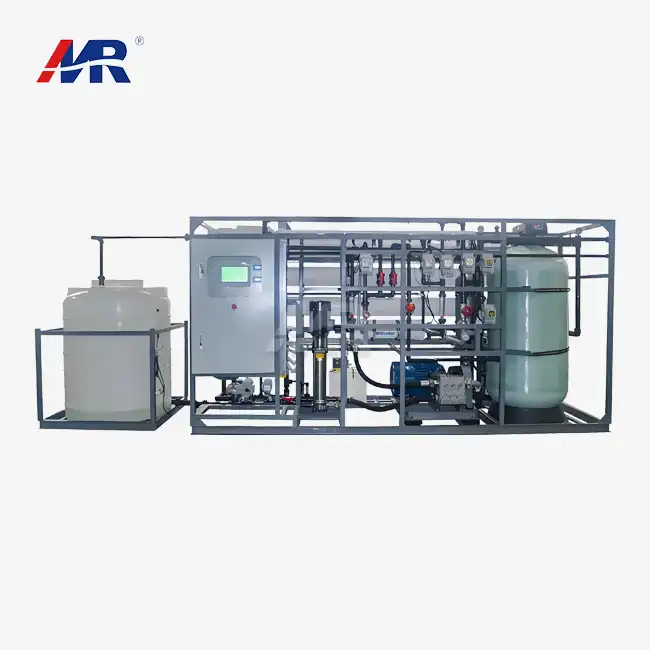 VIEW MORE5m3/hour seawater desalination equipment
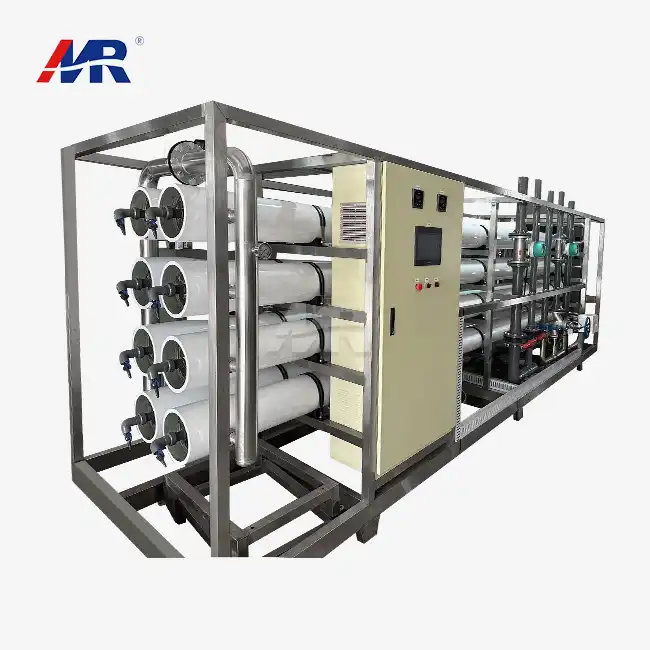 VIEW MORE8m3/hour two pass reverse osmosis system
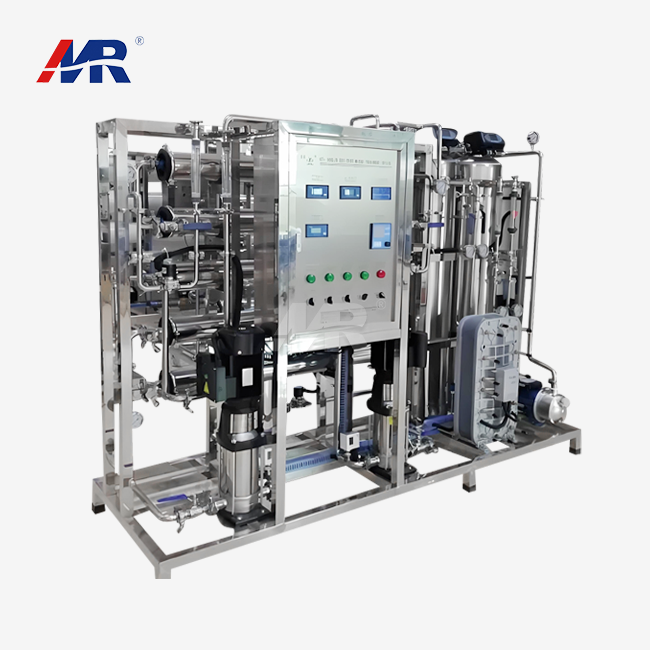 VIEW MORE1000LPH EDI equipment
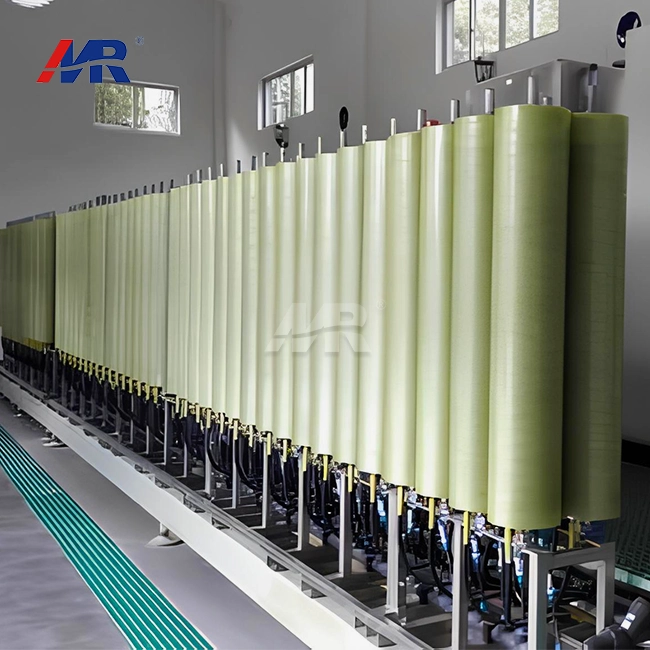 VIEW MORELeachate DTRO Treatment Equipment
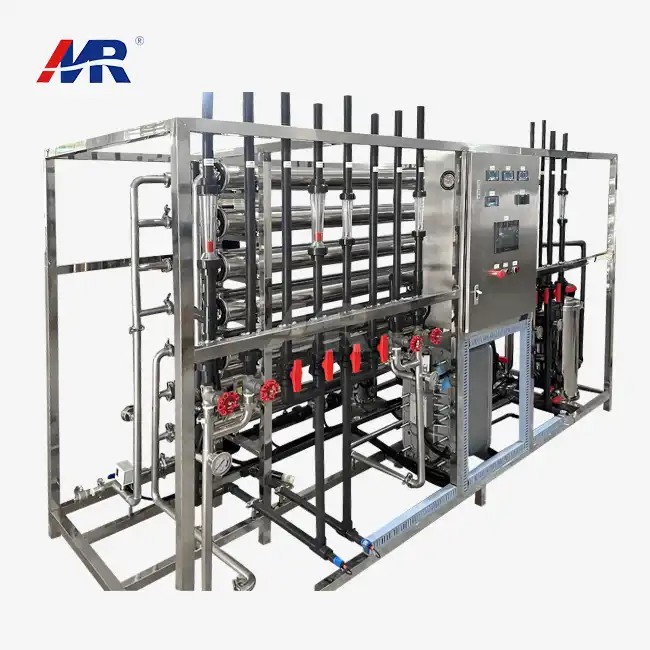 VIEW MORE2m3/hour EDI system
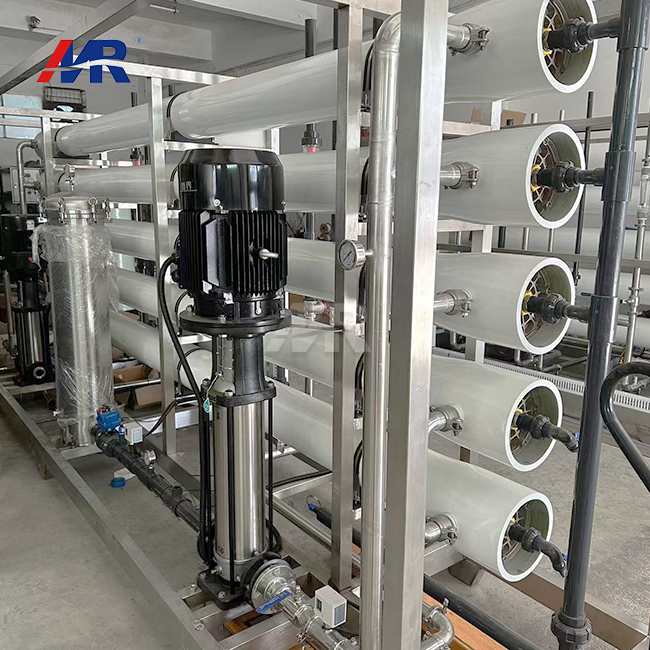 VIEW MOREosmosis water purification system
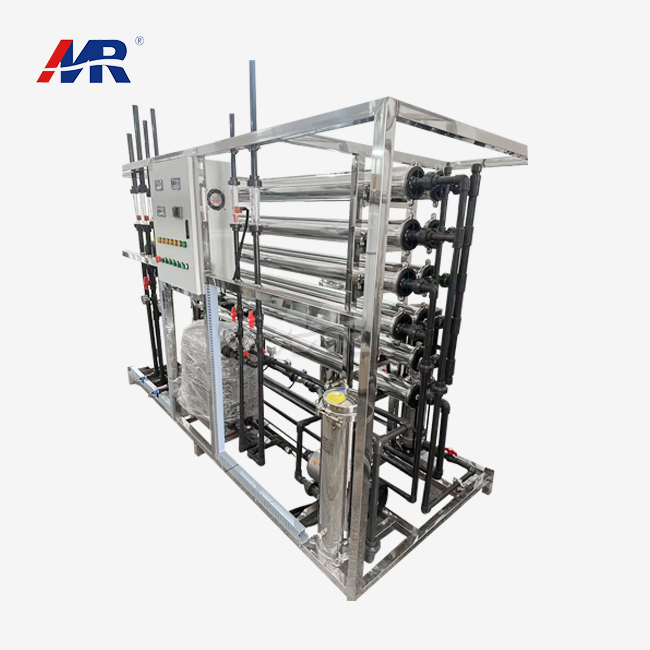 VIEW MOREedi system in water treatment
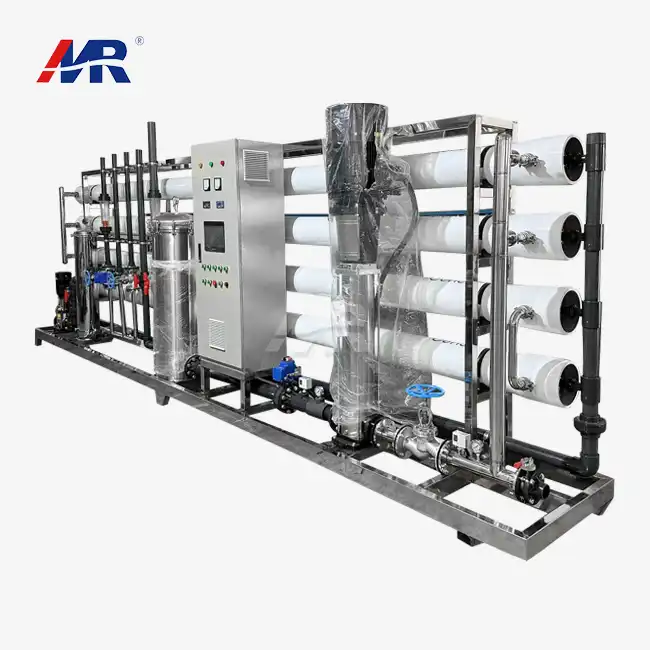 VIEW MORE500m3/day reverse osmosis RO plant
