



Harvesting the Sea: Innovations in Reverse Osmosis Water Desalination Purification Treatment Plants
A seawater treatment plant turns salty ocean water into drinking or process water by pushing it through reverse osmosis membranes at high pressure. Salt, microbes, and other dissolved solids stay behind in a concentrate stream, while clean permeate moves on to post-treatment. Recent gains come from better pretreatment, anti-fouling membranes, and energy recovery devices that cut the power needed per ton of water. I wrote this guide for buyers who want plain answers on process design, energy use, cost, and supplier choice. I also include the specifications of our MR-SWRO-8TH system so you can compare it with your own project.

How a Seawater Treatment Plant Works
From Intake to Product Water
The membranes in a seawater treatment plant don't see the salt for a few steps because ocean water has about 35 grams of dissolved salt per liter. Screens at the entrance get rid of trash and sea life. Before a treatment like ultrafiltration or multimedia filtration is done, the turbidity and suspended solids are lowered. Those little things are caught by cartridge filters. A high-pressure pump, which usually works at 55 to 80 bar, then forces water through ro membranes. The pH may need to be changed, minerals may need to be put back in, and the permeate may need to be cleaned before it can be drunk. More fouling, higher pressure, or shorter membrane life are all late signs of poor preparation. That's why I always check the whole treatment train and not just the membranes.
Key Components That Control Performance
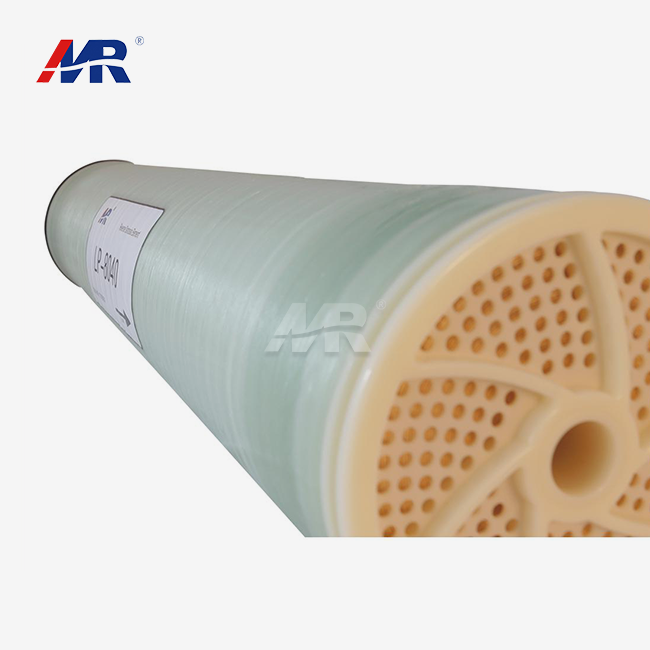
Four parts get the most done. This step sets the volume and how much salt is rejected. The high-pressure pump uses most of the power. A machine that recovers energy sends the pressure from the brine that is going to the seawater that is coming in. Controls, like a PLC and remote monitoring, keep an eye on pressure, flow, and conductivity. This helps operators spot drift early. Fabrication is also important because seawater eats away at metals, so pipes and containers that don't rust protect the gear. At Morui, we make the tools and run our own membrane plant. In other words, our skids, gaskets, and pressure tanks are all made to fit together.
Reverse Osmosis vs. Thermal Desalination
The heat can be used to boil seawater and focus the steam in two different ways: multiple-stage flash and multiple-effect distillation. They work well in places like big power and water plants that have cheap steam or waste heat. On the other hand, electric pumps and membranes are used in reverse osmosis. This method is small and does not take up much space. Containerized SWRO is often used for camps, vacations, and places that are far away because of this. In order for RO membranes to work, they need cleaner feed and to be cleaned every so often. Before I tell a client which path to take, I look at the quality of the feedwater, the cost of power, the space available, the operator's skill level, and the water that they want to make.
Efficiency, Capacity, and Cost Factors
Energy Use and Recovery Rate
Power is often the most expensive part of running a seawater treatment plant, so making sure that it uses less energy is very important. Statistics from the business world that are open to the public show that big SWRO plants today use about 3 to 4 kWh per cubic meter. Reusing energy is a big reason for this. The rate of recovery is also important. That's about 1.7 times as salty water as it was at the beginning. Scaling and fouling are more likely to happen as recovery goes up. This is the reason why systems with seawater heal less quickly than systems with fresh water. Before you compare quotes, make sure you get written quotes on things like the test conditions, energy use, recovery rate, salt rejection, and how often the screens need to be cleaned.
MR-SWRO-8TH Specifications
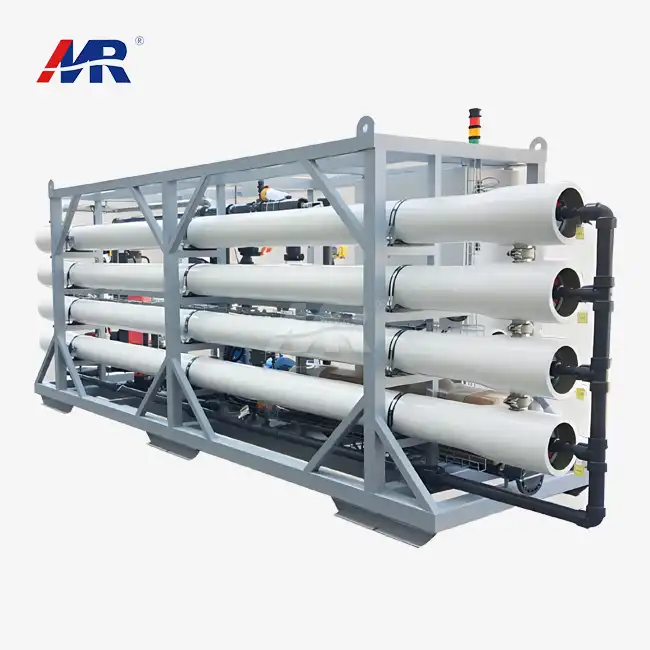
The MR-SWRO-8TH is a seawater desalination machine that can make water for drinking or business use. How many watts does it use? 38.5 kW per hour. It rejects all salt, so 38% to 45% of it is recovered. There are energy-recovery and anti-fouling SWRO membranes that make it use less energy per ton of water. For single-pass seawater RO, those recovery numbers are good. A small recovery keeps membranes from scaling. We check the daily output, temperature, and salinity of the seawater at each site before we set up everything. After that, we can tailor the pretreatment, remineralization, and tracking to each spot.
Capacity, Configuration, and Budget
To choose the right capacity, don't just look at how much is used on average; also think about peak daily demand, storage amount, working hours, and growth plans. It takes less time and less work to set up containerized units because they are already put together and checked at the factory. Plans that are mounted on skids are good for buildings that are hard to get to. Price isn't just based on how many membranes there are. The budget changes depending on the materials, machinery, shipping, installation, and how the brine is handled. It also depends on how salty and hot the feedwater is. Separate the cost of cash from the cost of running the business. The cost of running the business includes things like energy, chemicals, cylinders, membranes, and workers. You can compare two quotes line by line if the quote is fair and tells you what it doesn't cover.
Applications, Operation, and Environmental Care
Where Seawater Treatment Plants Work Best?
Beaches and islands that get water from the sea use a seawater treatment plant to add to it. WHO and UNICEF said that 2.2 billion people would not have clean water to drink in 2020. This proves the need is real. Hotels and resorts want systems that are small, quiet, and quick to set up and use. In ports, ships, and offshore sites, you need tools that won't rust and can handle salt air. Because they are often far from city water lines, mines and oilfield camps need to bring their own water. After storms, emergency teams also use units that are made of containers. This is something that US buyers usually ask for in the beginning, so I think you should ask about it in your first question.
Operation and Maintenance
If you check on a plant every day, it stays healthy. Watch out for the feed pressure, the drop in pressure between steps, the permeate conductivity, the recovery, the amount of chemicals added, and the power use. It's likely that the membranes need to be cleaned if the normalized permeate flow goes down, the pressure drop goes up, or the salt passage goes up. Most RO membranes last between three and five years if they are cleaned and treated properly before they are put in place. Checks need to be made on the vibration and seals of pumps, and instruments need to be calibrated. It is easier to keep an eye on things from away, have backup trains, and set up automatic shutdowns and extra parts. Morui helps people get extra parts because he works as an agent for Shimge pumps, Runxin valves, and Createc instruments.
Brine Disposal and Permitting
There must be a brine plan for any ocean project before it can be built. The concentrate is saltier and could contain cleaning chemicals or ingredients that were used to make other things. Deep well pumping, letting sewers overflow, evaporation ponds, and salt recovery are some of the most common ways. It depends on the rocks on the site, the water quality, the rules in the area, and the plant's size. Diffusers quickly dilute the discharge, and environmental impact assessments usually look at the limits of discharge, entrainment, and intake impingement. Most of the time, both the state and federal governments in the US check permits. You can avoid delays that cost a lot of money if you start this work early.
Innovations and Supplier Selection
Technologies Improving SWRO Performance
It is now less expensive to run a seawater treatment plant because of some changes. It is isobaric pressure exchangers that get back more than 90% of the pressure energy in the brine stream. These drives change the output of the pump based on the change in the temperature of the seawater. Membranes that stop fouling slow down the buildup of bio- and organic matter, and when algal blooms happen, they instantly alert people to the problem. Digital twins and SCADA screens that are connected show abnormal trends in pressure or conductivity before they happen. Sunlight and combined power can also help cut down on fuel use on islands and in the country. Each option is a site tool that I use; it's not a fix that works for everyone.
Choosing a Supplier
Make sure you have your seawater analysis, daily production goal, product water standard, power information, intake and discharge conditions, and site limits ready before you ask for quotes. After that, you should ask for machine test plans, electricity load sheets, membrane projections, process formulas, and test methods for the plant. Look for Cases like this: knowledge of exporting, help with setting up, training, and extra parts that are available. A weighted scorecard is used to compare the two, which takes into account things like service, cost, schedule, compliance, and energy use. There are more than 14 branches of Morui, more than 500 employees, 20 engineers, and our own plant for making membranes. All of these help with projects in other countries.
Buyer Checklist
Please make sure that the following things are written down before you sign: the verified feedwater analysis, the required output, the quality of the product water, the pretreatment design, the recovery target, the energy estimate, the brine route, the automation scope, and the standards that apply. Sort the costs of the equipment into two groups: the equipment itself and the costs of setting it up, starting it up, replacing parts and supplies, and so on. You should find out about training, the terms of the warranty, factory acceptance testing, and support from afar. Not only do we talk about NDA terms and site survey reports, but we also talk about container or skid format for custom orders. An organized plan like this one makes it less risky to buy and lets you really compare prices.
Conclusion
A seawater treatment plant is a complete system, not just one machine. Things like getting the water, cleaning it, high-pressure pumps, filters, energy recovery, post-treatment, and managing the salt all affect how much it costs and how good it is. Most of the time, heated methods work better with rigid forms and use more energy than reverse osmosis. But it needs to be treated very well before it can be used and cleaned often. Look at how much energy is used, how much is recovered, and how much salt is rejected. Here are some facts about the MR-SWRO-8TH: it has 38.5 kW of power, 38 to 45 percent recovery, and 99 percent rejection. Things like capacity, budget, maintenance, and permits are all affected by site data. It is safe to compare suppliers when the feedwater analysis is checked and the scopes are written down.
FAQ
Q1: What is the difference between a seawater treatment plant and a desalination unit?
A: A desalination unit gets rid of the salt that has been dissolved. A full seawater treatment plant takes in salt, treats it before and after, stores it, cleans it, and handles it.
Q2: How long do SWRO membranes last?
A: If you take good care of them and clean them all the time, they should last three to five years.
Q3: What affects the price of a plant?
A: How much it costs in the end depends on how salty the feedwater is, the temperature, the cleaning, the materials, the machinery, the shipping, the installation, and the brine removal.
Q4: Are containerized systems suitable for resorts and islands?
A: Yes. The factory tests them, they need less road work, and they can be put in place faster than built-in-place plants.
Q5: What does a turnkey quotation include?
A: Building, testing, delivering, setting up, teaching, and keeping records are all things that could be part of it. To be sure, you should always write down the exceptions.
Request a Seawater Treatment Plant Quote from Morui
For projects that are done abroad, Morui has its own membrane factory, a scientific team, and service support staff who can speak more than one language. They also make seawater treatment plants. If you need a seawater treatment plant for an island, tourist spot, port, mine, or ocean site, email benson@guangdongmorui.com with your daily output goal and a seawater analysis. We will talk to you about the MR-SWRO-8TH or a setup that is just right for you.
References
1. Science, 2011 – Elimelech, M., & Phillip, W. A., "The Future of Seawater Desalination: Energy, Technology, and the Environment."
2. Desalination, 2007 – Fritzmann, C., et al., "State-of-the-art of reverse osmosis desalination."
3. Science of the Total Environment, 2019 – Jones, E., et al., "The state of desalination and brine production: A global outlook."
4. WHO/UNICEF Joint Monitoring Programme, 2021 – "Progress on Household Drinking Water, Sanitation and Hygiene 2000–2020."
5. McGraw-Hill, 2013 – Voutchkov, N., "Desalination Engineering: Planning and Design."
6. American Water Works Association, 2007 – "Manual M46: Reverse Osmosis and Nanofiltration."
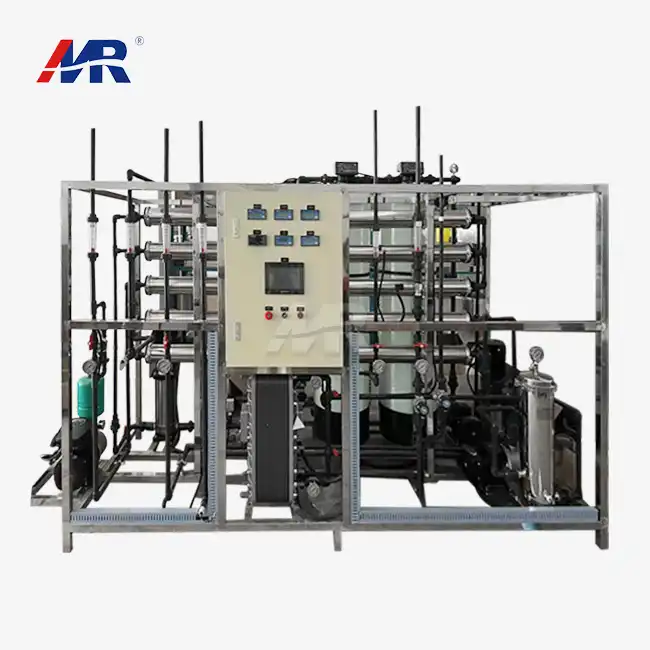 VIEW MOREedi water purification system
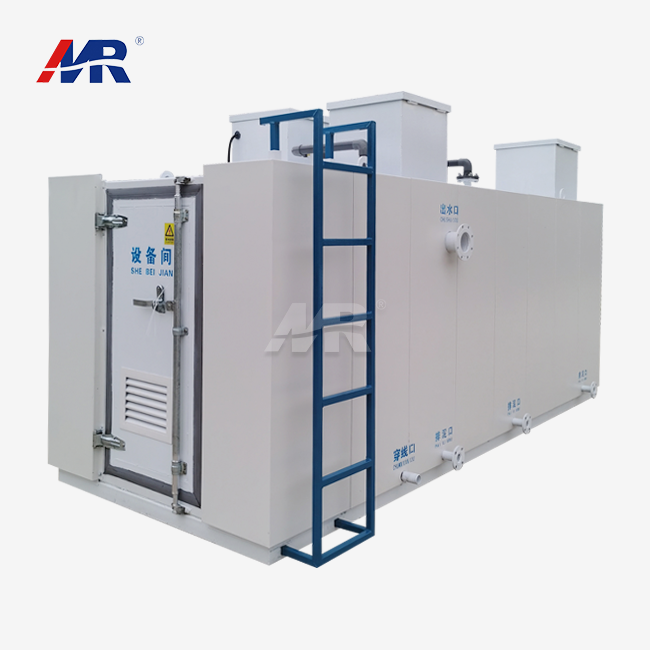 VIEW MOREwastewater treatment plant
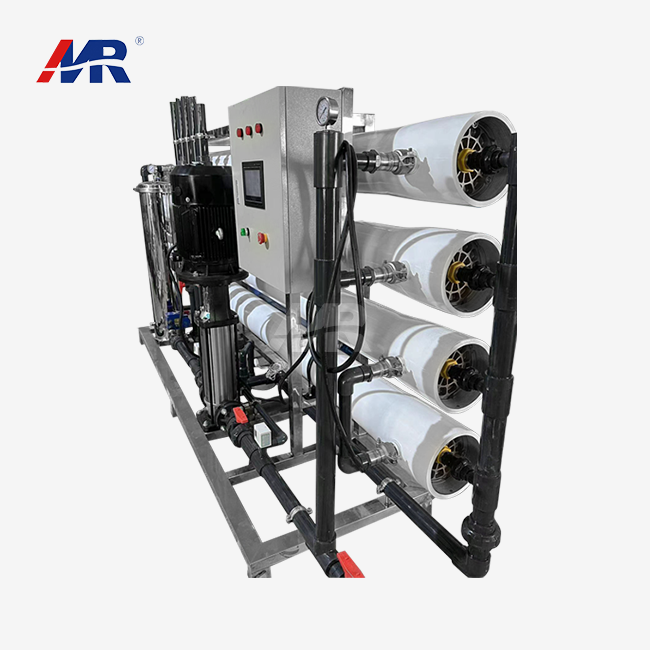 VIEW MOREunder counter reverse osmosis water system
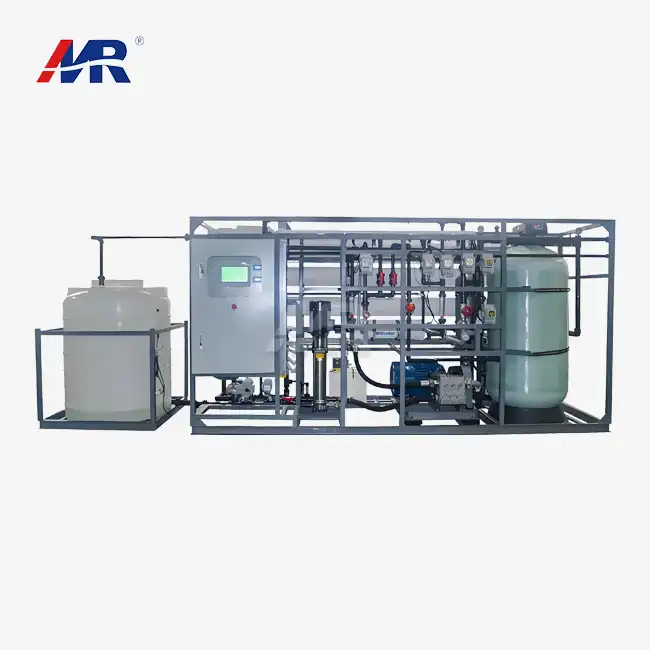 VIEW MORE5m3/hour seawater desalination equipment
 VIEW MORE12m3/hour seawater desalination equipment
 VIEW MOREmembrane used for reverse osmosis
 VIEW MOREsewage treatment plant
 VIEW MOREportable wastewater treatment plant