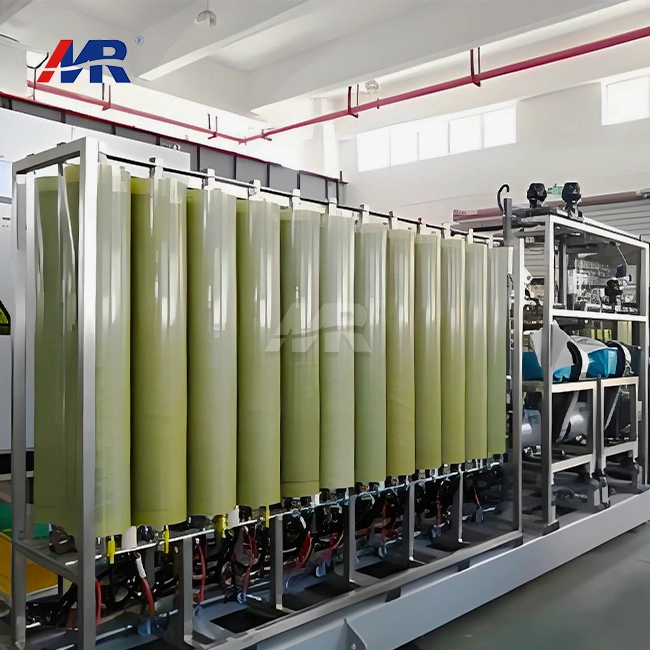
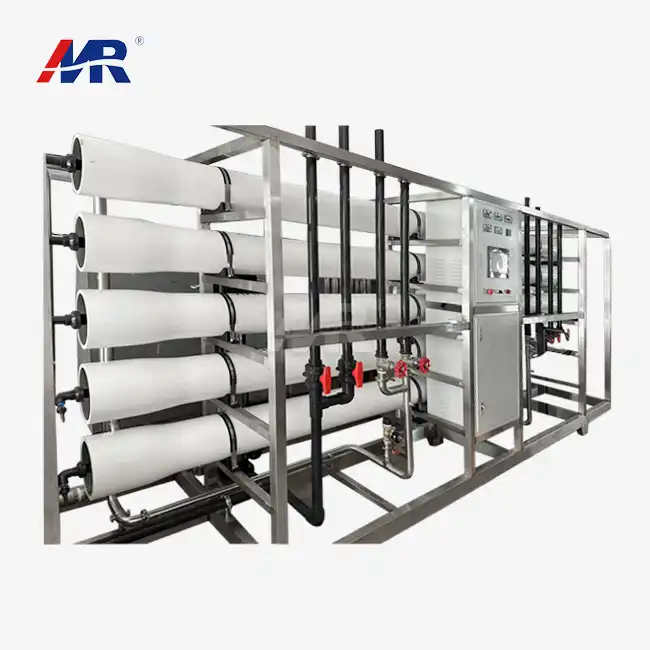
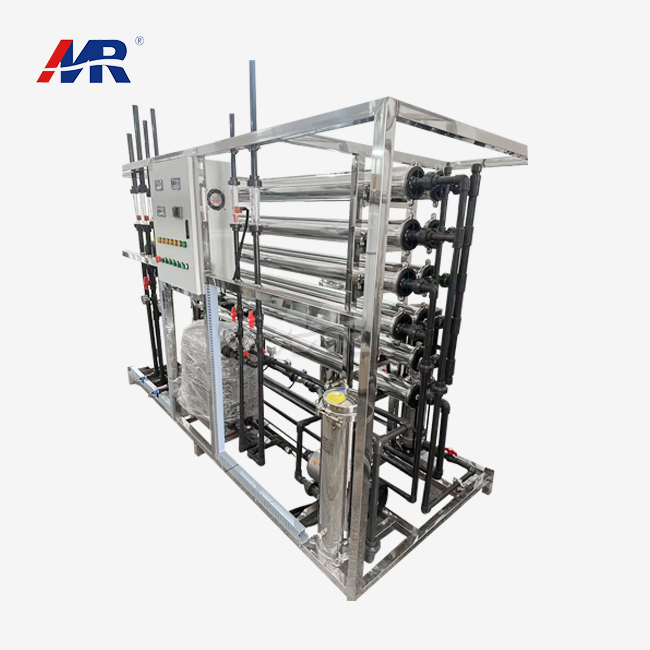
An osmosis drinking water system is a multi-step filter. It forces tap or well water through a semi-permeable membrane. The membrane retains dissolved salts, metals, and other pollutants. This tutorial tells you how each step works, what the system eliminates, and where it fits. You will also see a comparison with various filters, the advantages and restrictions, and suggestions on purchase and maintenance. We developed it for the homeowner, the facility manager, and the plant engineer who require safe water and clear figures before they purchase. Use it to compare each level to your own water testing.
Morui is an osmosis drinking water system manufacturer with its own membrane factory and engineering team. Send your water test report and daily demand to benson@guangdongmorui.com. Our engineers will recommend a configuration and return an itemized quote for your osmosis drinking water system. Share your site details, and we will match the pretreatment, membrane, and optional UV stage to your water.
What Is an Osmosis Drinking Water System?
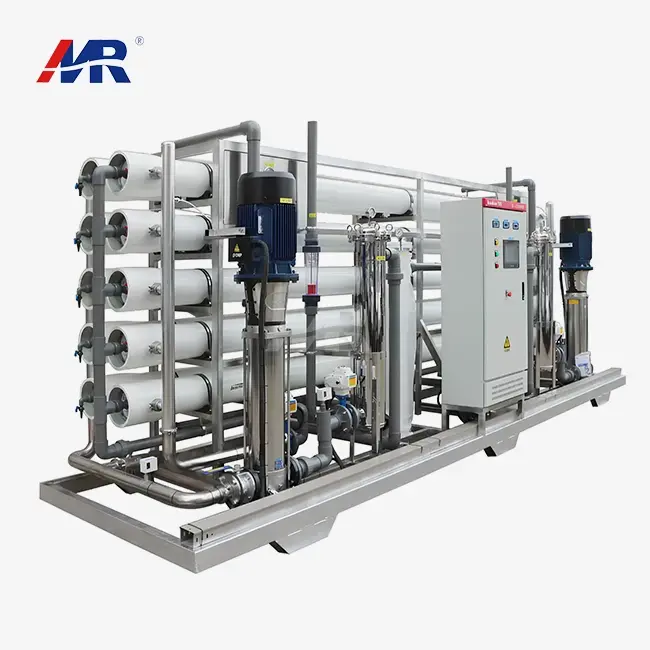
An osmosis drinking water system, often known as a reverse osmosis or RO system, processes drinking water in multiple stages. Water is forced across a membrane, which allows water molecules to travel through but traps most dissolved solids. Rejected pollutants wash off in a concentrate stream. This is described by extension advice as water pressure causing natural osmosis to flow in reverse. Morui rates its osmosis drinking water system at 99 percent rejection of total dissolved solids (TDS).
Which Parts Make Up the System?
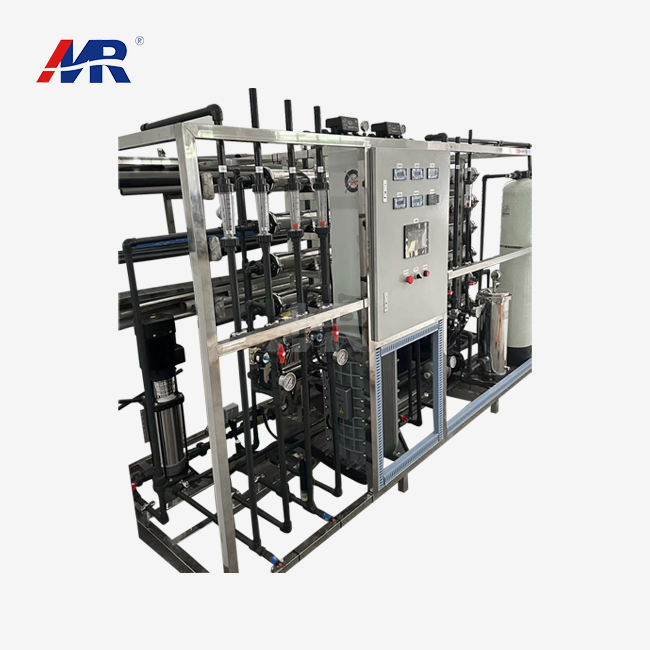
A typical device has a prefilter, postfilter, ro membrane, flow regulator, storage tank, and dispensing faucet. Drain lines carry concentrate. Morui makes osmosis drinking water systems for 220V or 380V, 50 or 60 Hz. One design serves several markets. For pressure and flow, the company offers Runxin valves and Shimge water pumps.
How Does Osmosis Differ From Reverse Osmosis?
Osmosis is the natural movement of water across a membrane from the weaker to the stronger solution. No power required. Reverse osmosis reverses this direction. A pump is used to provide pressure on the concentrated side so that pure water will pass through the membrane, but the salts will remain behind. The two phrases refer to opposing flows; however, customers commonly use “osmosis system” for the pressure-driven version. This tutorial does the same, since that’s how providers describe it for an osmosis drinking water system.
Why Do Buyers Choose RO for Drinking Water?
When a water test shows dissolved impurities that standard filters can't absorb, purchasers choose RO. NSF/ANSI 58 includes TDS, arsenic, nitrate, fluoride, lead, and other claims. WHO guidelines often guide national drinking water regulations, setting a defined treatment goal. Certified osmosis drinking water systems meet such goals. Facilities say beverages, ice, and food preparation benefit from consistent taste.
How Does an Osmosis Drinking Water System Work?
Water passes through five protective phases. Commanders matter. Membrane manufacturers say fouling propensity is the most important system design factor. This list tracks a water drop.
- Before filtering 9. Sand, silt, and rust are captured by a sediment filter before the pump and membrane. This phase cleans big particles and prevents filter blockage. Without it, small particles would cover the membrane, decreasing productivity. Cartridge size should match feed water turbidity and replacement frequency for predictable maintenance.
- Activated carbon filter. Activated carbon eliminates chlorine and organics. This phase is critical because chlorine, iron, manganese, hydrogen sulfide, and turbidity limit membrane efficiency. Carbon-treated water controls flavor and odor and prolongs membrane life. Chlorine flows through depleted carbon cartridges.
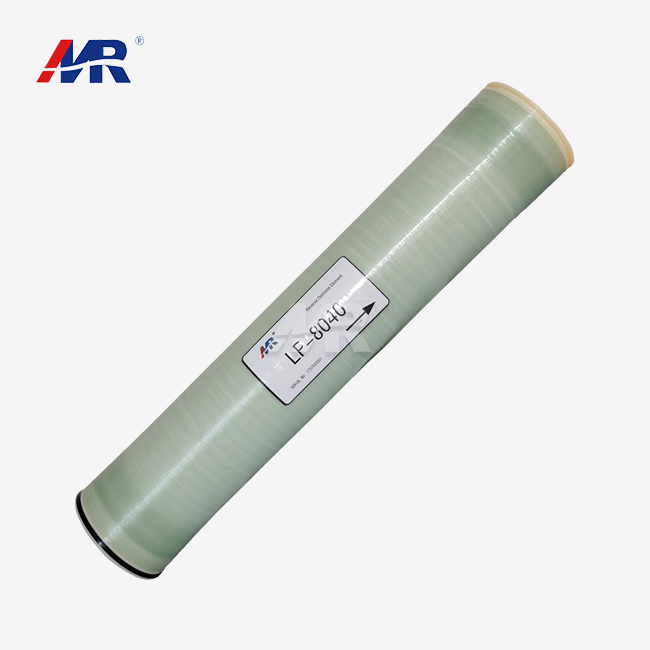
- Reverse Osmosis membrane: The pump generates 150–220 PSI (10.3–15.2 bar). Water passes through the semi-permeable barrier, leaving dissolved solids. The rejected stream discharges solids. Mortui tests the membrane at 99% TDS rejection. Stronger feed pressure indicates rejection. See supply pressure.
- After screening. A final carbon filter polishes water before dispensing. It reduces storage and piping-absorbed taste and odor. Remineralization adds calcium and magnesium for a less bland flavor. Ask your supplier whether this is standard since it impacts taste and price.
- UV sterilization (optional). Last resort: UV light destroys germs and viruses. UV protects microbiological safety, as the extended proposal does not propose RO for bacteria. Choose UV for food/beverage, hospitals, and private wells. Lights require electricity and are replaced periodically.
Combined, these phases create a layered barrier: the Osmosis drinking water system. Each step deals with a distinct set of pollutants. Most of the work is done by the membrane, while the carbon and UV stages take care of what it passes.
What Are the Operating Specifications?
Table 1 lists the rated values for Morui’s osmosis drinking water system, with metric conversions.
| Parameter | Rated value | Metric equivalent |
|---|---|---|
| Flow rate | Up to 40,000 GPD | About 151 m3/day (6.3 m3/h) |
| TDS rejection | 99% | Not applicable |
| Operating pressure | 150 to 220 PSI | 10.3 to 15.2 bar |
| Feed temperature | 40°F to 100°F | 4°C to 38°C |
| Power supply | 220V or 380V, 50/60 Hz | Not applicable |
These figures suit commercial scale as well as homes. Keep feed water within the temperature range, because very cold or hot water changes output.
What Happens to the Rejected Water?
The membrane splits the feed into two streams: permeate and concentrate. Permeate is the clean water you use. Concentrate carries rejected solids to the drain, and extension guidance confirms that part of the feed serves as this wash stream. Recovery, the share of feed that becomes permeate, is low in home systems. Ask every supplier for the recovery rate of the osmosis drinking water system you plan to buy, and plan the drain line to match.
Why Do Pressure and Temperature Matter?
Pressure drives water through the membrane. Higher pressure improves rejection, and home pressure varies from site to site. Morui rates its unit for 150 to 220 PSI and for feed water from 4°C to 38°C. A booster pump can lift low pressure into range. Cold water slows flow, so a site with winter feed water may see lower output. Measure both values before you size the osmosis drinking water system.
What Contaminants Can an Osmosis Water System Remove?
NSF/ANSI 58 sets test methods for point-of-use RO systems, including safety of materials and contaminant reduction. Table 2 groups the contaminant claims that the standard covers.
| Contaminant group | Examples | Main stage that works on it |
|---|---|---|
| Dissolved solids | Salts and minerals (TDS) | RO membrane |
| Metals | Lead, cadmium, copper, barium, chromium | RO membrane |
| Metalloids and radionuclides | Arsenic, selenium, radium 226/228 | RO membrane |
| Anions | Nitrate, nitrite, fluoride, perchlorate | RO membrane |
| Organics and particles | VOCs, turbidity, asbestos, cysts | Carbon stages plus membrane |
A claim applies only to a certified model, so ask for the test report on the contaminants you care about. Extension guidance warns that RO will not remove every contaminant. Rejection also varies by contaminant, so match the osmosis drinking water system to your lab results. Then compare treated water with national limits, which often follow WHO guidelines.
What Does RO Not Remove?
RO does not remove every contaminant, and no single treatment unit manages all of them. Extension guidance does not recommend RO alone for bacteria. Chlorine and many organics need the carbon stages that protect the membrane. Some contaminants pass through, which is why lab data matters. Your report shows which gaps count, so choose pre-filters and a UV lamp to cover them.
How Do You Read a Water Test Report?
Start with TDS, which shows total dissolved solids in mg/L. Next, check nitrate, fluoride, arsenic, and lead against your national limits, which often follow WHO guidance. Then look at iron, manganese, hydrogen sulfide, chlorine, and turbidity, because these reduce membrane efficiency. Use a certified laboratory, as extension advice recommends. Send the report with your inquiry so engineers can size every stage of your osmosis drinking water system.
How Does Reverse Osmosis Compare with Other Water Filters?
Each filter type solves a different problem. Table 3 shows what each one removes and what it misses.
| Method | Removes well | Does not remove | Best role |
|---|---|---|---|
| Sediment filter | Sand, dirt, rust | Dissolved salts, chemicals | Pre-filter |
| Activated carbon | Chlorine, many organics, taste, odor | Most dissolved salts and metals | Protect membrane, polish taste |
| UV lamp | Bacteria, viruses | Dissolved solids, chemicals | Final disinfection |
| Reverse osmosis | Dissolved solids, many metals, nitrate, fluoride | Not recommended alone for bacteria | Main barrier |
No single piece of equipment manages every contaminant. That is why an osmosis drinking water system combines sediment, carbon, membrane, and optional UV stages. Morui’s group also builds seawater desalination and drinking water manufacturing plants. That experience helps us scale the same design logic from one building to a full plant.
When Should You Combine RO With UV?
Combine RO with UV when microbial safety is a concern. Private wells, healthcare areas, and food or beverage sites fit that case. UV acts as a barrier against bacteria and viruses, which RO alone does not guarantee. The lamp adds power use and a replacement part. Weigh that cost against the risk. Ask Morui to quote the osmosis drinking water system with and without UV so you can compare.
What Are the Benefits and Limitations of Osmosis Drinking Water?
What Are the Main Benefits?
The biggest benefit is broad contaminant reduction in one unit. Morui’s osmosis drinking water system delivers 99 percent TDS rejection and up to 40,000 GPD. The design saves energy, takes little space, and is easy to install and maintain. You can customis easy to installes for your water, such as adding UV or remineralization. Treated water tastes consistent, which matters for restaurants, bottlers, and clinics.
What Are the Limits to Plan For?
RO sends water to drain, and extension guidance notes that home systems have low recovery.RO units also cost more than simpler treatment, and pre- and post-filters add purchase and maintenance costs. Turbidity, iron, manganese, hydrogen sulfide, and chlorine reduce efficiency, so pretreatment is not optional. RO also lowers dissolved minerals along with contaminants, which is a TDS reduction by design. Test your water before you buy, and plan for the drain line.
How Do Benefits and Limits Balance for Different Buyers?
Small households care most about cost, space, and drain water. Commercial kitchens care about taste and steady supply. Healthcare and pharmaceutical buyers care about validation and documentation. Match your top priority to the right stage mix. The limits then become design inputs, not surprises, for your osmosis drinking water system.
Which Homes or Applications Need an Osmosis Water System?
A tap water osmosis system may be employed whenever TDS, nitrate, fluoride, arsenic, or lead levels are above target. Four notable applications.
Smaller units are used for drinking and cooking in homes and businesses. Restaurants and industrial kitchens use larger ice and flavor consistency equipment. For dialysis, disinfection, etc., hospitals require medical-grade water. They typically need certified systems. RO treats brackish water for agricultural irrigation and ensures product quality in the food and pharmaceutical industries. Morui's 20 engineers help purchasers with equipment, installation, and commissioning. The company has about 14 branches and 500 workers.
Restaurants and Commercial Kitchens
Kitchens have RO water for drinking, ice, and cooking. Treated water tastes variable. Install a membrane storage tank to eliminate membrane shortages around lunchtime. A small osmosis drinking water system may be installed under the counter or in the utility room. Installation teams are available from Morui.
Hospitals and Clinics
Hospitals require medical-grade water for dialysis and disinfection. Such usage requires procedures and documentation. RO+UV = protection layer. Clinical buyers can provide confirmation. Inform Morui of your standard early to ensure your osmosis drinking water system design is compliant.
Food, Beverage, and Pharmaceutical Plants
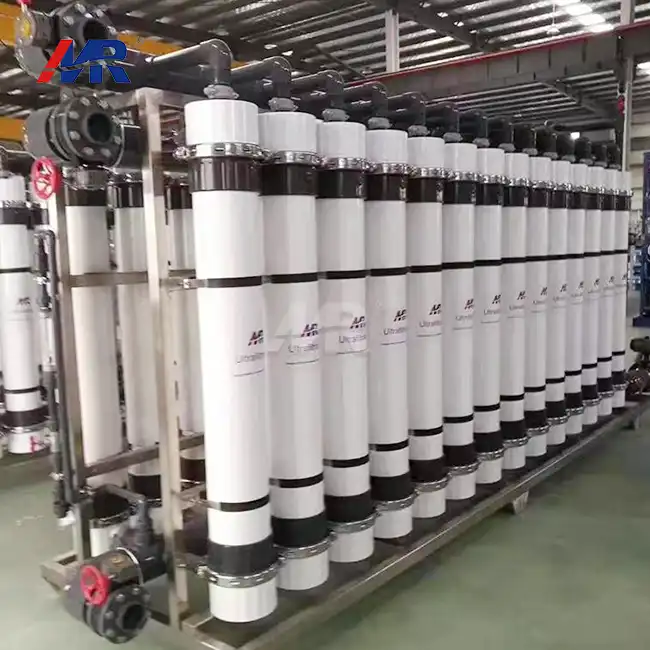
RO preserves beverage flavor and consistency. Pharmaceutical sites purify water to GMP using UF and RO. Service and parts are needed. Good documentation. Morui develops bigger drinking water production facilities and commissions equipment. Request an evolving design for your production.
Agriculture and Irrigation
In dry places, groundwater salinity may restrict crops. The farm uses RO to treat this water for irrigation and consumption. The unit size varies on flow, power, and salinity. Send us your TDS level and daily volume, and Morui engineers will size your farm's osmosis drinking water system.
How Do You Choose the Right Osmosis Drinking Water System?
What Specifications Should You Compare?
Manage flow according to daily demands. An area that utilizes less than 151 cubic meters per day needs a smaller model than a 40,000 GPD unit. Check power, pressure, and TDS rejection. Request NSF/ANSI 58 claims for your pollutants. Ensure the pump, valves, UV, and remineralization are excellent brands. Each stage should respond to a lab report result.
Which Questions Reveal a Weak Offer?
Find out who checks feed water, pretreatment proportions, and start-up. A weak membrane-only offer passes the water test. Send written requests for filter lists and replacement schedules. Visit moruiwater.com for product details. Request the same documents from any seller, including us, before buying an osmosis water system.
How Do You Size Capacity Step by Step?
Multiply gallons by 3.785 and divide by 1,000 to get cubic meters. For instance, a 3,000 gpd facility uses 11.4 cubic meters daily. Morui can handle 40,000 gallons per day (GPD) or 151 cubic meters (m3) per day, or 6.3 m3 per hour. About 13 times the demand here. Though not the biggest, it has plenty of room due to high demand. An appropriately sized osmosis drinking water system is cheaper to operate.
Why Does Service Support Matter?
Filters, lights, and membranes fail periodically. Local branches and replacement parts save downtime. Morui has over 14 branches, makes membranes, and represents Shimge pumps, Runxin valves, and Createc instruments. That allows one staff member to manage the whole osmosis drinking water system. Ask bidders: Where do spares originate? Your operators' trainers? How quickly does support respond?
What Should a Complete Quote Include?
Pricing includes pre-treatment, membrane, pumps, valves, controls, UV if needed, installation, and commissioning. GPD and m3/day flow, TDS rejection, operational pressure, and power supply are discussed. It includes extra filters and a replacement schedule. Morui lays out each line so you may compare the osmosis drinking water system's scope and pricing.
How Should an Osmosis Water System Be Installed and Maintained?
How Do You Install It Correctly?
Start with a lab test to establish 150–220 PSI supply pressure and 4–38°C feed temperature. Space planning, drain connection, 220V/380V electricity. Higher water pressure rejects more. Variable home pressure. Measure there. Morui's one-stop installation and commissioning maintains your osmosis drinking water system within design specifications from the start.
How Do You Maintain It Over Time?
RO requires frequent maintenance like other treatment equipment. Replace sediment and carbon cartridges according to the manual timetable and disinfect the system thereafter. Rejection comparison: TDS before and after the membrane. Createc equipment may record these figures to help yOur Team discover drift and maintain the osmosis drinking water system. Membrane replacement as rejection decreases.
What Should the Startup Checklist Cover?
Before turning on the unit, inspect each fitting for leaks. Flush new filters and membrane to drain manually. Confirm pressure: 150- 220 PSI feed and permeate TDS. Measurement provides a foundation. Alarm and cartridge renewal training for operators. Auditors and servicing teams may follow your osmosis drinking water system's written inception record.
Which Signs Show the Membrane Needs Attention?
Look for rising permeate TDS and falling production. Scaling or wear implies fouling. Monitor your progress monthly against your baseline. First check the pre-filters and carbon stage before blaming the membrane. Worn pretreatment makes the membrane dirty. Clean or replace to restore performance. Morui Createc sensors can capture this data and detect drift in your osmosis drinking water system.
Conclusion
An osmosis drinking water system works best as a layered setup: sediment, carbon, membrane, and optional UV. Rated at 99 percent TDS rejection and up to 40,000 GPD, it fits homes, kitchens, clinics, and plants. Start with a lab test, pick stages that answer your results, and budget for maintenance and the drain line.
Take three steps this week. Collect a recent lab report. Write down your daily demand and supply pressure. Email both to benson@guangdongmorui.com, and our engineers will outline the stages your osmosis drinking water system needs. A short written brief now saves weeks of back-and-forth later.
FAQ
1. What is an osmosis drinking water system in simple terms?
It is a multi-stage filter that pushes water through a semi-permeable membrane. The membrane holds back most dissolved solids and many contaminants. The rejected water flows to the drain.
2. Does an osmosis system remove bacteria?
Extension guidance does not recommend RO alone for bacteria. Add a UV stage to your osmosis drinking water system when microbial safety matters, such as private wells or healthcare areas.
3. Why does the system send water to drain?
Part of the feed water carries the rejected contaminants away from the membrane. This wash stream keeps the membrane clean and working.
4. Does it remove beneficial minerals?
Yes. RO reduces total dissolved solids, which includes calcium and magnesium. An optional remineralization stage restores some of them for a less flat taste.
5. How much water can a Morui system produce?
Morui rates its osmosis drinking water system at up to 40,000 gallons per day, about 151 m3 per day, with 99 percent TDS rejection.
6. Can I use an osmosis system with well water?
Yes, an osmosis drinking water system can treat well water after you test it. Iron, manganese, hydrogen sulfide, and turbidity reduce efficiency, so add pretreatment. Add UV for microbial safety on private wells.
7. What feed water temperature can it handle?
Morui rates the system for feed water from 40°F to 100°F, which is 4°C to 38°C. Outside that range, ask an engineer to review your site before you install.
Request a Quote and Water Test Review From Morui
Morui supplies osmosis drinking water system units for sale with installation and commissioning included. Email benson@guangdongmorui.com with your water report and daily demand. Our engineers will review your data, recommend the stages you need, and send an itemized quote for your osmosis drinking water system.
References
1. NSF International, NSF/ANSI 58: Reverse Osmosis Drinking Water Treatment Systems, accessed 2026. Used in the contaminants, selection, and limits sections. https://www.nsf.org/newsroom/nsf-ansi-58-reverse-osmosis-drinking-water-treatment-systems
2. University of Nebraska-Lincoln Extension, Drinking Water Treatment: Reverse Osmosis (G1490), accessed 2026. Used in the definition, components, comparison, and FAQ sections. https://extensionpubs.unl.edu/publication/g1490/na/html/view
3. UMass Extension, Reverse Osmosis Treatment of Drinking Water Supplies, accessed 2026. Used in the carbon, UV, limits, and FAQ sections. https://www.umass.edu/agriculture-food-environment/cafe/fact-sheets/reverse-osmosis-treatment-of-drinking-water-supplies
4. World Health Organization, Guidelines for drinking-water quality, 4th edition incorporating addenda, 2022. Used in the contaminants section. https://www.who.int/publications/i/item/9789240045064
5. Michigan State University Extension, Reverse Osmosis for Home Treatment of Drinking Water, accessed 2026. Used in the membrane, contaminants, installation, and maintenance sections. https://sanweb.lib.msu.edu/DMC/extension_publications/wq24/wq24.pdf
6. DuPont Water Solutions, FilmTec Reverse Osmosis Membranes Technical Manual (Form 45-D01504), accessed 2026. Used in the how-it-works section. https://www.dupont.com/content/dam/dupont/amer/us/en/water-solutions/public/documents/en/RO-NF-FilmTec-Manual-45-D01504-en.pdf