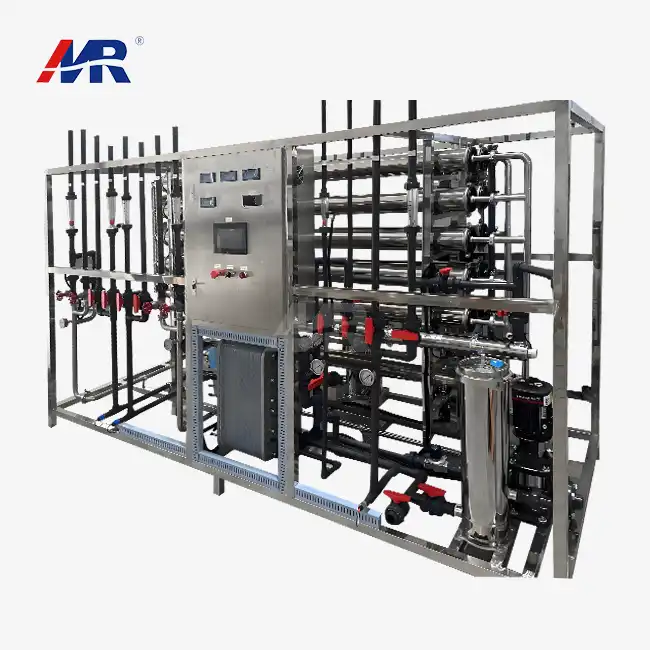
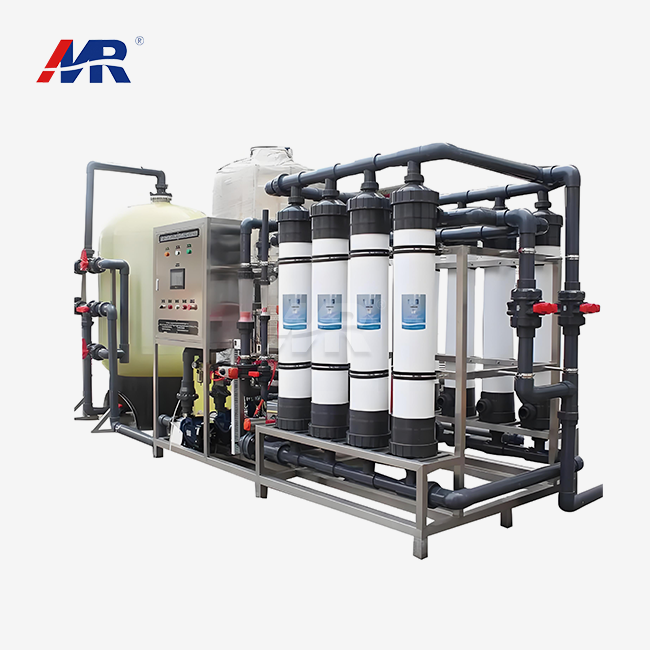
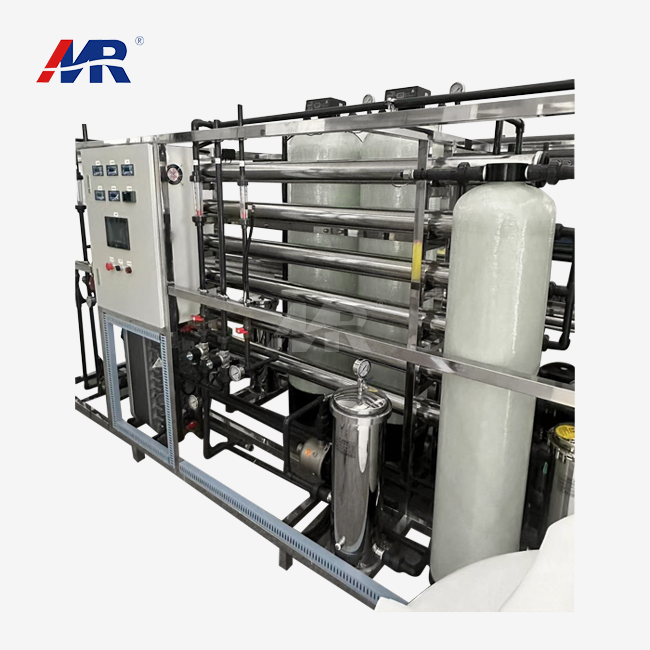
The Benefits of Continuous Electrodeionization Technology
Continuous electrodeionization delivers resistivity levels above 10 MΩ·cm — and up to 18.2 MΩ·cm — by combining ion-exchange resins, selective membranes, and a low-voltage DC field in one self-regenerating stack. Because the resin regenerates electrically rather than chemically, the process runs without stopping for acid or caustic dosing. This makes it the preferred polishing step after reverse osmosis in industries where trace ionic contamination is unacceptable, including semiconductor fabrication, pharmaceutical production, and power-plant boiler make-up.
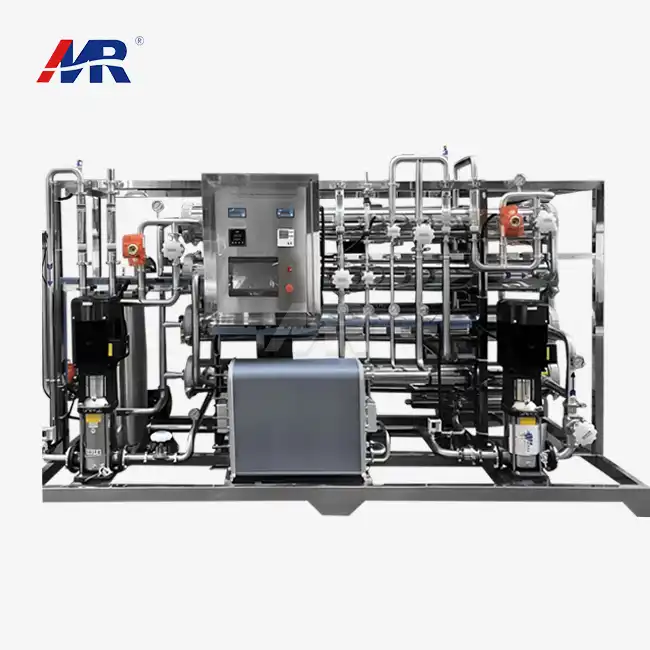
Understanding Continuous Electrodeionization Technology
How the Process Works
Inside a CEDI module, cation- and anion-exchange membranes alternate to form diluting and concentrating compartments. Feed water — typically RO permeate with TDS below 40 ppm — enters the diluting compartments. A DC field drives dissolved ions across the membranes into the concentrate stream. At the resin-membrane interface, water splitting generates H⁺ and OH⁻ ions that continuously regenerate the resin bed, eliminating any need for chemical shut-downs.
Purity Levels Achievable
When operated on quality RO permeate, a properly designed EDI stack consistently produces water with resistivity above 10 MΩ·cm. High-performance configurations reach 18.2 MΩ·cm (ASTM D5127 Type E-1 electronic-grade), with silica removal exceeding 95 % and boron removal above 90 %. Total organic carbon remains below 10 ppb in well-maintained systems, meeting both USP Purified Water and EP standards.
Where It Fits in a Treatment Train
CEDI sits downstream of reverse osmosis and upstream of any final polishing steps such as UV oxidation or mixed-bed polishing. This RO+EDI configuration is now the standard architecture for ultrapure water (UPW) systems in electronics plants, pharmaceutical facilities, and high-pressure boiler circuits. Pre-treatment quality directly controls EDI stack life, so feed hardness must be below 1.0 ppm as CaCO₃ and conductivity below 40 µS/cm.
Key Benefits of Continuous Electrodeionization Technology
Deionization is not always used because of chemistry issues. Sometimes continuous electrodeionization is used instead. Some of the best things about this tech are these:
- Chemical-free, continuous operation. Because self-regeneration happens electrically, there are no acid or caustic purchases, no neutralization tanks, and no chemical waste discharge permits. Plants operating under EPA or state environmental regulations remove an entire compliance category from their workload.
- Exceptionally low energy draw. Morui's EDI systems consume less than 0.1 kWh per cubic meter of product water. For a facility running 10 m³/h around the clock, that translates to roughly 8,760 kWh per year — a fraction of the energy a distillation system would require for the same output.
- Water recovery above 90 %. High recovery rates reduce raw-water intake and wastewater disposal costs, both of which are rising line items in municipal and industrial water budgets across the United States.
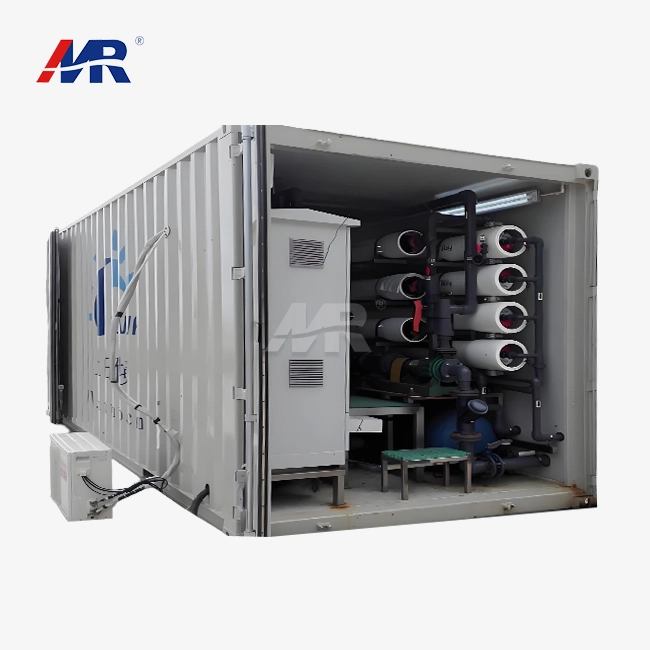
- Compact modular design. EDI stacks occupy a small footprint compared with traditional mixed-bed vessels, making them practical for retrofitting into existing RO rooms or integrating into skid-mounted systems.
- Service life of 7–10 years. With proper pre-treatment and scheduled inspection, a high-quality EDI module lasts a decade, spreading capital cost across a long operational period.
In terms of design, EDI stacks are more compact than traditional mixed-bed vessels. This means that they can be added to RO rooms that are already in place or to skid-mounted systems. 7–10 years of service life. If you clean and maintain your EDI module regularly, it should last for ten years. This lets the initial investment cost be spread out over a long time.
Comparison with Alternative Water Purification Technologies
CEDI vs. Conventional Ion Exchange
In the past, mixed-bed deionizers had about the same resistivity. However, they need to be regenerated off-line with sulfuric acid and sodium hydroxide every so often. When vessels go through regeneration processes, they make garbage that is dangerous waste, and it takes hours for them to get back online. When CEDI regenerates, the level of purity stays the same, so there is no need to buy chemicals, neutralize wastewater, or deal with changes in quality.
CEDI vs. Reverse Osmosis Alone
This process usually cuts TDS by 95% to 100%, but the conductivity of the water is still between 1 and 50 µS/cm, which is much higher than the sub-0.1 µS/cm needed for semiconductors or drugs. EDI can polish with ions better than RO, but RO is still an important step before treatment. They don't fight with each other; they work together.
CEDI vs. Distillation
Distillation changes the structure of water to make it very clean, but it takes a lot more power than electrodeionization. Even so, a multiple-effect needs between 10 and 30 kWh per cubic meter. CEDI can get rid of ions just as well as, or better than, WFI for much less money when used for things other than pharmaceutical WFI final output, like boiler make-up and electronics UPW.
Applications of Continuous Electrodeionization in Industry
Semiconductor and Electronics Manufacturing
The very clean water used to rinse chips must meet the exact standards set by ASTM D5127 Type E-1. It can damage the device even if it's only a few parts per trillion of ionic contamination. Two steps of EDI cleaning, which come after double-pass RO, meet the standards for resistance and TOC. More than one large fabric owner said that switching from mixed-bed systems to continuous electrodeionization cut the cost of chemicals they bought by more than 30%.
Pharmaceutical and Biotech Production
To get USP Purified Water and WFI ready for use, it's important to keep the conductivity low and deal with bacteria. To meet the needs for IQ/OQ validation, Morui sets up edi systems with clean pipes, wet surfaces that have been electropolished, and real-time monitoring of resistivity. It also gets rid of leftover regenerant carry-over, which is one of the risks of contamination that FDA or EMA auditors point out during checks.
Power Generation and Boiler Make-Up
That's right, the silica level in feed water for high-pressure boilers above 100 bar needs to be below 20 ppb, and the sodium level needs to be below 10 ppb for turbine blade rust and scaling to stop. It always meets those goals, even when the quality of the feedwater changes with the seasons, and the flow range is from 0.5 to 50 m³/h. Power plants that got rid of their old mixed-bed systems say that unplanned power outages due to resin running out have gone down a lot.
Procurement and Vendor Considerations for EDI Systems
Key Performance Specifications to Evaluate
What you should look at when comparing EDI devices are the product resistance (at least 10 M³·cm under rated load), the water recovery rate (ideally above 90%), the power consumption per unit volume, and how long the module is expected to last. Not only datasheets from the manufacturer, but also test reports from a third party that say how well the water was treated. If you are in the US, make sure the product meets NSF/ANSI standards for materials that come into contact with water. If you need to, ask for CE or UL paperwork.
Total Cost of Ownership vs. Capital Cost
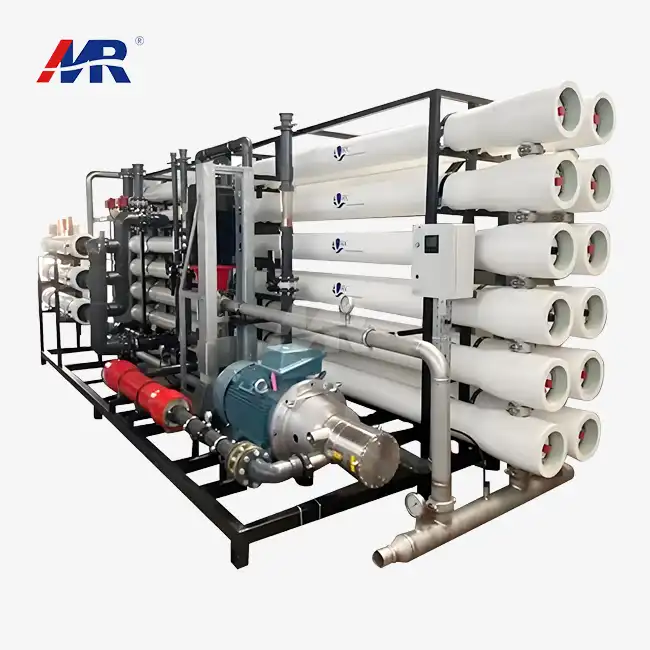
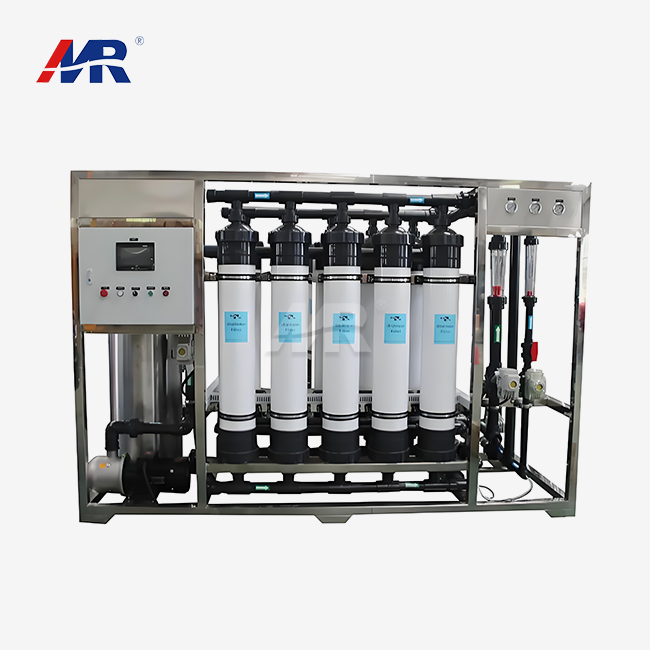
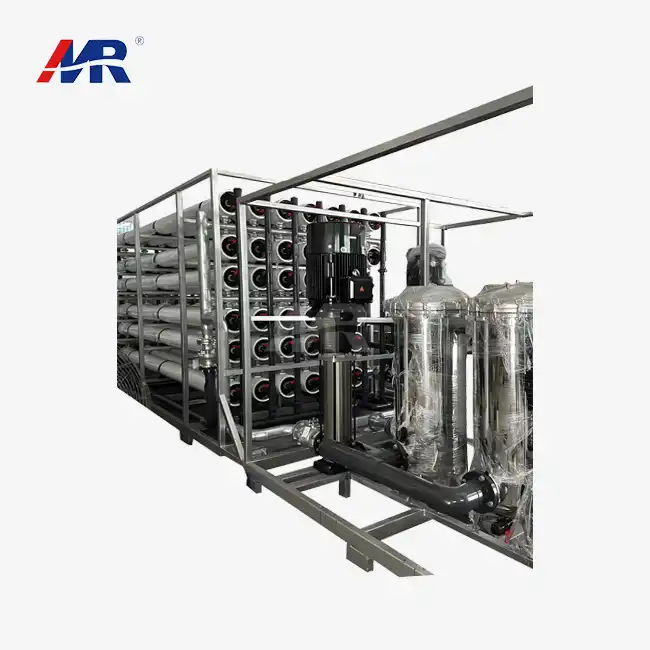
When you buy something, a lower price may hide higher costs in the long run. Finding out how much it will cost to own for the next 7–10 years is important. You should think about things like how often the stack needs to be inspected, how much energy is used, and how often the membrane needs to be replaced. At business rates, a system that uses 0.1 kWh/m³ instead of 0.3 kWh/m³ saves a lot of money every year. There are RO, EDI, and UF lines all in one building at Morui's plant. This makes it easy to buy and makes sure that quality is controlled from the membrane to the finished skid, all from the same source.
Supplier Reliability and After-Sales Support
Choose an electrodeionization business that either has spare parts in stock in the US or can ship them within the lead time that was decided upon. Check the terms of the warranty, see if on-site commissioning is possible, and see if there are choices for online tracking. Some examples of validation paperwork that people who buy drugs must have are material certificates, IQ/OQ protocols, and FAT records. More and more, teams that buy semiconductors are also expecting these documents.
Conclusion
Electric deionization technology like continuous electrodeionization makes it simple for businesses that use water to always have ultrapure water. They don't have to deal with the chemicals, rules, and changes in quality between batches that come with traditional deionization. You can save money on operations if you pick the right EDI system. These systems have recovery rates above 90%, use less than 0.1 kWh/m³ of power, and last years instead of months. The tech can help you whether you're in charge of a high-pressure heating circuit, a semiconductor plant, or a medicinal purified water loop. The combined RO+EDI line from Morui is designed to meet all of your needs.
FAQ: Common Questions about Continuous Electrodeionization
1. What feed water quality does an EDI system require?
EDI requires RO permeate with TDS below 40 ppm (conductivity below 40 µS/cm) and hardness below 1.0 ppm as CaCO₃. High dissolved CO₂ — above 10–15 ppm — consumes resin capacity, so a membrane degasser before the EDI stage is recommended when CO₂ levels are elevated.
2. How long does an EDI module typically last?
With proper pre-treatment and scheduled maintenance, quality EDI modules generally last 7–10 years. Module life shortens when feed hardness or TDS exceeds specification, so protecting the EDI with consistently operated RO pre-treatment is the single most important factor in stack longevity.
3. Is periodic cleaning required?
CEDI modules are self-regenerating, but biological fouling or mineral scaling from pre-treatment upsets may require occasional cleaning-in-place (CIP). Facilities that maintain stable RO feed quality rarely need unscheduled CIP between annual inspections.
4. Does temperature affect performance?
Ion mobility increases with temperature, so efficiency improves up to about 35–40 °C. Morui's EDI systems are rated for 5–45 °C operation. Running above the upper limit accelerates membrane degradation, so temperature monitoring in the feed line is standard practice.
Connect with Morui for Your EDI System Needs
Morui designs and sells continuous electrodeionization devices that are used in power plants, semiconductors, and medicines. We back up every EDI system with factory testing, validation documents, and the ability to be watched online because we've been making them for a long time. Tell our engineering team what the goal resistivity is, how fast the water flows, and what kind of water it is. Then, they will set up RO+EDI in a way that works best for your business. Email us at benson@guangdongmorui.com to get a price quote or see more information about a product.
References
1. ASTM International. ASTM D5127: Standard Guide for Ultra-Pure Water Used in the Electronics and Semiconductor Industries. ASTM International, 2022.
2. Strathmann, H. Ion-Exchange Membrane Separation Processes. Elsevier Science, 2004.
3. Water Environment Federation. Membrane Systems for Wastewater Treatment. WEF Press, 2006.
4. United States Pharmacopeia. USP General Chapter <1231>: Water for Pharmaceutical Purposes. USP, 2023.
5. Thampy, S. K., et al. "Electrodeionization for High-Purity Water Production." Desalination, vol. 150, 2002, pp. 299–305.
6. Arar, Ö., et al. "Various Applications of Electrodeionization (EDI) Technology for Water Treatment." Separation and Purification Technology, vol. 86, 2012, pp. 47–60.