_1745823981883.webp)

RO Membrane Cleaning vs Replacement: Cost-Benefit Analysis
Facility managers and procurement leaders often have to decide whether to spend money on membrane/8040-reverse-osmosis-membrane">ro membrane cleaning protocols or on replacing the membranes entirely when they are in charge of industrial water treatment systems. This choice has a direct effect on operational budgets, the ability to keep making things, and the longevity of the system. Cleaning membranes with chemicals restores hydraulic performance by getting rid of built-up foulants. This extends the life of the system and saves a lot of money by avoiding having to replace it too soon. Knowing how much each option will cost, what technical effects it will have, and when it should be chosen can help decision-makers get the best total cost of ownership while still meeting water quality standards for uses in pharmaceutical, food processing, power generation, and municipal treatment.
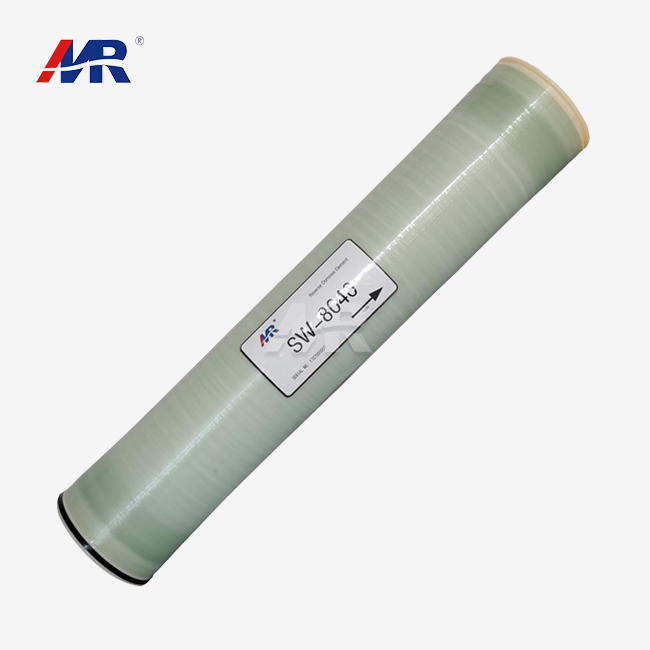
Understanding RO Membrane Fouling and Its Impact
One of the biggest problems that reverse osmosis plants always have is RO membrane cleaning challenges such as fouling. Over time, contaminants build up on the membranes and in the spacers that hold the feeds. This creates resistance that lowers the system's performance and raises its costs.
Types of Membrane Fouling
Four main types of fouling happen in industrial RO systems. When water concentrates during filtration, inorganic minerals like calcium carbonate, barium sulphate, or silica stick to the membrane surfaces and cause scaling. Biological fouling happens when bacteria stick to membranes and make biofilms that block flow pathways. When natural oils, humic substances, and organic matter stick to polymer surfaces, this is called organic fouling. Particulate fouling happens when solids in suspension, silt, and colloidal particles stick to membranes mechanically. To get back to working at its best, each type of fouling needs a different cleaning chemical and time of involvement.
Operational Warning Signs
Monitoring normalised performance parameters lets you find fouling early, before it does damage that can't be fixed. Watch out for a drop in permeate flow of more than 10% from the starting numbers; this means that passing through the membrane pores is being slowed down. Differential pressure rises of 15% or more show that resistance from foulant layers is building up. A rise in salt passage above 10% suggests that the membrane's integrity has been compromised or that it isn't rejecting enough salt because of surface contamination. By keeping an eye on these indicators on a regular basis, maintenance teams can plan cleaning sessions before they have a big effect on productivity.
Financial and Production Consequences
Ignoring signs of fouling raises operational costs in a number of ways. As resistance goes up, feed pumps have to work harder, which uses more energy and raises the cost of power. Water recovery rates go down, which wastes important feedwater and makes it more expensive to get rid of concentrate streams. When fouling isn't stopped, membranes last a lot less time, which means that new parts have to be bought too soon. When emergency repairs have to be done, they throw off production plans, which has effects on supply lines and customer promises.
RO Membrane Cleaning Process and Best Practices
Systematic RO membrane cleaning protocols get membranes working again by getting rid of built-up contaminants using targeted chemical dissolution and physical flushing. To make membranes last as long as possible, maintenance programs that work well balance how often they are cleaned, the chemicals they use, and how strictly they are followed.
Cleaning Protocol Fundamentals
Before adding cleaning chemicals, Clean-In-Place (CIP) procedures usually start with a low-flow flush to get rid of any loose particles. Alkaline cleaning solutions with surfactants and chelating agents work on metal oxides, biological films, and organic matter. These solutions are usually made with a pH of 10 to 12 and are pumped around at 30 to 40°C for 30 to 60 minutes. After cleaning with acid to get rid of mineral scales, solutions with a pH of 2 to 3 are used to get rid of calcium carbonate, metal hydroxides, and silicate deposits. There are washing and recycling stages in each cleaning stage to make sure that the chemicals get to all the dirty surfaces as much as possible. Before putting the system back into production mode, a thorough rinse gets rid of any remaining chemicals.
Cleaning Frequency Guidelines
The quality of the feed water has the most impact on how often the machine needs to be cleaned. Cleaning systems for high-turbidity surface water might need to be done every 60 to 90 days, while cleaning systems for pre-treated city sources might be able to work for 120 to 180 days without needing to be serviced. Fixed calendars are less reliable than performance monitoring when it comes to making scheduling decisions. No matter how long it's been since the last time something was done, cleaning is needed when the normalised differential pressure goes up by 10-15% or the permeate flow drops by the same amount.
Chemical Selection Criteria
The chemicals used for cleaning must match the fouling traits found in a membrane autopsy or feedwater study. Cleaners that are acidic and contain citric acid, hydrochloric acid, or phosphoric acid can remove carbonate scales and metal oxides without hurting polyamide thin-film composite membranes. Formulations that are alkaline and contain sodium hydroxide, EDTA chelators, and low-foaming surfactants get rid of biofilms and organic deposits. Protein-based foulants are common in food processing and biological treatment, and enzyme cleaners are designed to get rid of them in a specific way. Choosing the right chemistry keeps membranes from getting damaged and gets rid of foulants as efficiently as possible.
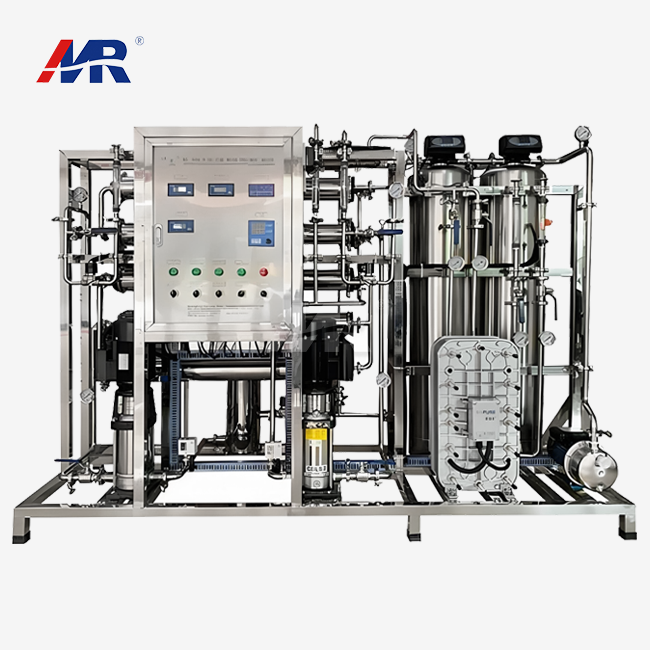
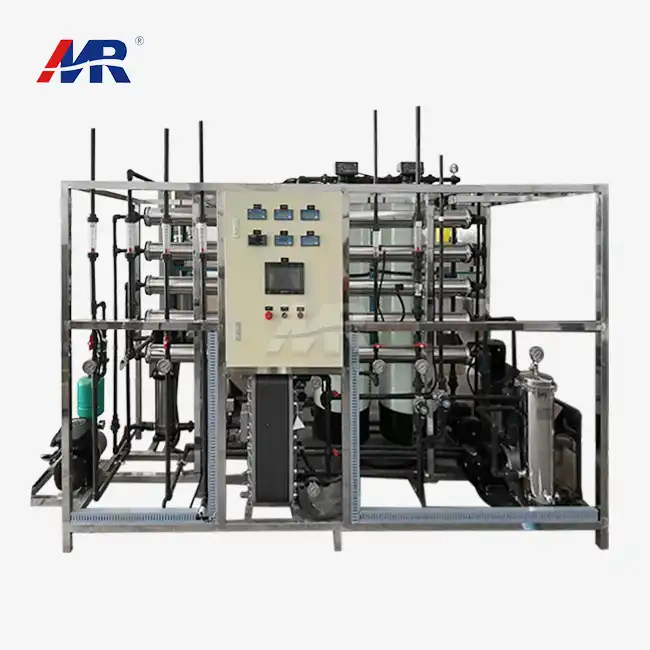
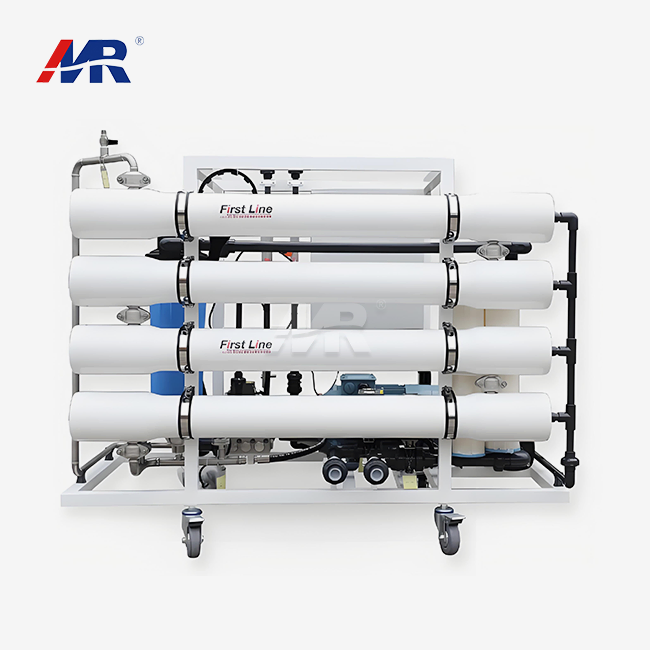
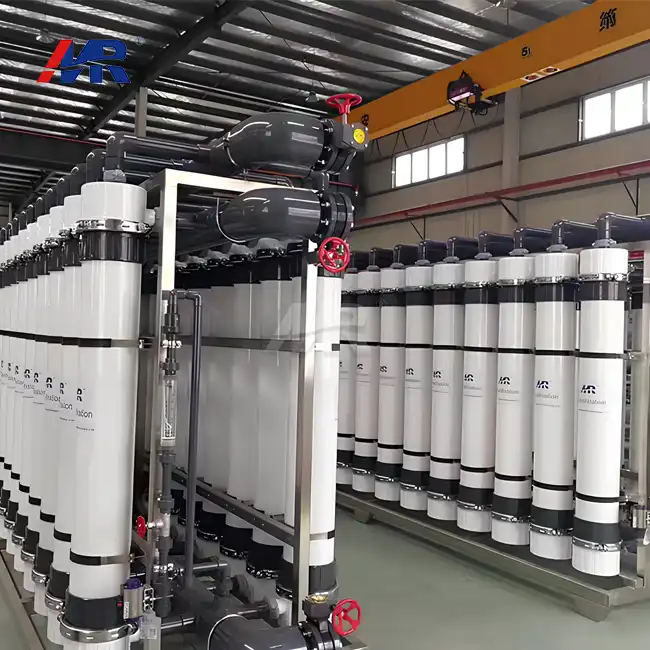
Morui combines cutting-edge membrane technology with useful ways to keep things in good shape. Our PVDF ultrafiltration membranes have pores that are between 0.1 and 0.4 μm in size. They work well in pH ranges from 2 to 11, so they are very compatible with both acidic and alkaline cleaning methods. This chemical resistance lets you clean the membrane thoroughly without damaging it. This increases its useful life while keeping its 99.9% removal efficiency for bacteria and suspended solids. The small size cuts down on the actual area by 50% compared to regular systems. This lowers the cost of installation and makes cleaning easier because the modules are easy to get to.
Cost Analysis: RO Membrane Cleaning vs Replacement
For purchasing choices, you need to look at more than just prices when you compare finances for RO membrane cleaning. The total cost of ownership includes up-front costs, effects on operations, and the value of the object over time.
Cleaning Cost Components
Chemical costs for a normal commercial cleaning cycle range from $500 to $3,000, based on the size of the system and the cleaning agent chosen. Labour costs add $300 to $1,500 per cleaning event, depending on whether the cleaning is done by someone in-house or by a professional service. Downtime in production is the biggest hidden cost, with medium- to large-sized facilities losing up to $50,000 per day in output. Cleaning restores 85–95% of the original membrane performance at a fraction of the cost of replacement. This makes it a good option for membranes that are less than five years old and have been cleaned less than eight times.
Replacement Cost Factors
For normal 8-inch industrial modules, new membrane elements cost $500 to $1,500 each. Depending on their capacity, big systems need 50 to 500 elements. 20–30% of the cost of materials goes to labour for installation. Fees for getting rid of used membranes add to the costs. Replacement projects for medium-sized buildings usually cost between $75,000 and $300,000. However, replacement guarantees performance restoration, resets warranty coverage, and gets rid of the need for regular cleaning for the next operational period.
Decision Metrics for Cost Optimization
When cleaning recovery drops below 75% of original performance, after more than ten cleaning rounds, or when the membrane is older than the manufacturer's suggested service life (usually 5 to 7 years), it's time to replace it. Keep cleaning when performance improvement is more than 85%, membranes are still within the first half of their expected service life, and cleaning intervals are longer than 90 days. Find the places where you break even by dividing the cost of replacement by the cost of cleaning each item. Keep in mind that preventative cleaning lowers the total cost of ownership over the span of a building.
Decision-Making Framework for Procurement Managers
For strategic maintenance planning to work, there needs to be a structured evaluation of RO membrane cleaning that goes beyond just looking at costs. The best procurement strategies are affected by technical performance, following the rules, and relationships with suppliers.
Performance Recovery Assessment
During membrane commissioning, write down standard performance measures like specific flux rates, salt rejection percentages, and differential pressure values. Figure out the normalised performance recovery as a percentage of the original capacity after each cleaning step. Membranes that regularly return above 90% are still great choices for cleaning. Recovery rates between 75% and 90% mean that membranes are getting close to needing to be replaced. Less than 75% healing means that there is permanent fouling or physical damage that needs to be looked at for replacement.
Lifecycle Stage Considerations
Cleaning methods usually work very well on membranes that are within their first two years of use, which is why they need to be maintained. Units that are used for three to five years need to be carefully monitored to find the best mix between how well they clean and when they need to be replaced. Systems that are more than five years old or have a manufacturer-specified service life need to be replaced before they break down, even if they seem to be working fine. This is because sudden failures can stop production more severely than planned upgrades.
In-House Versus Outsourced Services
Facilities with dedicated maintenance teams and the right equipment for handling chemicals can benefit from having cleaning services done in-house, which cuts down on response times and ongoing service costs. Even though the costs are higher per event, organisations that don't have the technical know-how or are limited by rules on chemical storage find it more sensible to hire outside cleaning services. This choice should be based on how often the area needs to be cleaned, the staff's skills, the resources available for safety compliance, and the total yearly cost of upkeep, not on the cost of each cleaning.
Our Team at Morui has over 14 years of specialised experience with more than 500 installations. We are backed up by 20 dedicated engineers who know how industrial membrane systems work. We make our own membrane elements in controlled facilities, which makes sure that the quality is always the same. We also offer full installation and commissioning services. Because we are vertically integrated, we can help our clients with customised upkeep plans, performance guarantees, and quick expert support when operating problems happen.
Environmental and Operational Benefits of Regular Membrane Cleaning
Proactive repair and RO membrane cleaning have benefits that go beyond just saving money right away. As rules on sustainability get stricter and production needs rise, environmental responsibility and operational dependability become more important in purchasing decisions.
Extended Asset Longevity
Regular cleaning stops fouling that damages membrane structures permanently and cannot be fixed. Systems that are kept on a regular basis usually last between 6 and 8 years, while systems that aren't taken care of usually break down within 3 to 4 years. It cuts down on the amount of materials used, the energy needed to make new membranes, and the amount of trash that needs to be thrown away, which frees up space in landfills.
Energy and Resource Optimization
When membranes are clean, they keep their hydraulic efficiency at its best, which means that 10–25% less feed pressure is needed than when membranes are fouled. When the working pressure is lower, the pump wears out less quickly and uses less electricity. Maximising water recovery rates keeps the amount of raw water and concentrate that needs to be disposed of low. Over thousands of hours of use, these efficiency gains add up to big savings on utilities and less damage to the environment.
Production Continuity Strategies
Scheduled repair during planned breaks keeps problems from happening at crucial times for output. When cleaning protocols are combined with predictive maintenance systems, operations teams can find the best time to step in based on actual performance trends instead of making up schedules on the spot. This method keeps things running smoothly even when production needs are high while minimising disruptions.
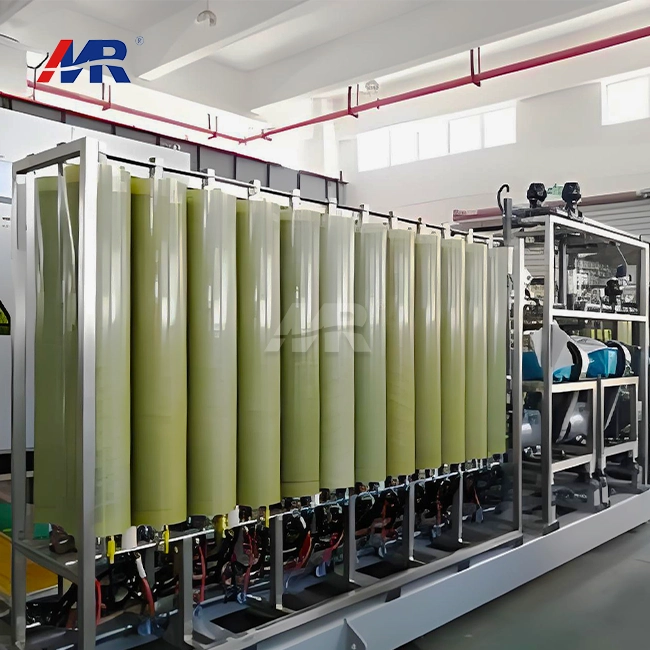
Our membrane systems can handle flux rates of 10 to 25 LMH and work well in temperatures ranging from 5 to 40°C. This gives them operational flexibility for changing seasons and different types of industrial processes. The design is energy-efficient and cuts down on power use by optimising flow dynamics. This helps meet green goals and lowers running costs. With simple maintenance steps and modules that can be replaced, service can be done quickly, reducing downtime and keeping production schedules even during regular maintenance windows.
Conclusion
Whether to perform RO membrane cleaning or replace something depends on how well it works technically, how much it costs, and how well it fits into the overall plan for operations. Professional cleaning of membranes on a regular basis increases their useful life, makes them more energy efficient, and lowers the total cost of ownership as long as they stay within their service window. When performance recovery slows down, cleaning needs to be done more often, or the working age goes over what the maker recommends, it's time to replace it. Procurement managers get the most out of their membrane investments while keeping production reliable and following rules in a wide range of industrial settings. They do this by using structured decision frameworks, keeping an eye on normalised performance indicators, and working with experienced suppliers.
FAQ
Q1: When should membrane cleaning be performed?
When normalised differential pressure goes up 15%, normalised permeate flow goes down 10%, or salt passage goes up 10% from baseline values, cleaning should begin. Systems that deal with difficult feedwater might need to be cleaned every 60 to 90 days, while systems that use good source water might be able to go longer between cleanings, up to 120 to 180 days. Fixed calendars are less reliable than performance trends when it comes to making plans.
Q2: Should acidic or alkaline cleaners be used first?
Most protocols start with alkaline cleaning to get rid of biofilms and organic films that cover up inorganic scales below. After organic removal, acid cleaning is done to get rid of any mineral layers that were left behind. This order makes the cleaning work better overall. This order may be switched in systems with mostly inorganic pollution, though, depending on the study of the feedwater.
Q3: Can cleaning restore chemically damaged membranes?
Cleaning gets rid of physical dirt, but it can't fix chemical damage to polyamide active layers that oxidants like chlorine, permanganate, or ozone do. When membranes are exposed to oxidising conditions, they need to be replaced instead of being cleaned.
Partner with Morui for Professional Membrane Solutions
Guangdong Morui Environmental Technology offers complete water treatment solutions backed by years of experience in manufacturing, a deep understanding of technology, and a dedication to operational excellence. By removing 99.9% of contaminants and supporting simple RO membrane cleaning methods that work with a wide range of chemical formulations, our PVDF membrane systems offer both high filtration efficiency and easy upkeep. We offer full procurement solutions with performance guarantees as both a membrane manufacturer and a systems integrator for top brands like Shimge Water Pumps, Runxin Valves, and Createc Instruments.
You can email our engineering team at benson@guangdongmorui.com to talk about your membrane care plan, figure out how much it would cost to clean vs. replace your membrane, or look through our selection of professional cleaning chemicals. Let our 20 experts and years of experience with installations help you get the most out of your water treatment capital and production.
References
1. Membrane Fouling and Cleaning in Industrial Applications, Water Research Foundation, 2019.
2. Economic Analysis of RO Membrane Maintenance Strategies, Journal of Membrane Science, 2020.
3. Best Practices for Reverse Osmosis System Maintenance, American Water Works Association, 2021.
4. Industrial Water Treatment: Membrane Technology Handbook, McGraw-Hill Professional, 2018.
5. Cost-Benefit Analysis of Membrane Cleaning Protocols in Manufacturing, Industrial Water Treatment Journal, 2022.
6. Sustainable Membrane Operations: Environmental and Economic Optimization, International Desalination Association, 2021.