

_1745823981883.webp)

How to Schedule RO Membrane Cleaning for Industrial Systems
Planning for effective membrane/8040-reverse-osmosis-membrane">ro membrane cleaning makes sure that your reverse osmosis systems keep working at their best while minimising unplanned downtime. Industrial facilities need to come up with organised ways to clean based on normalised differential pressure rises, permeate flow decreases, and salt rejection getting worse. By keeping track of these important signs in operational logs, cleaners can start their work exactly when the normalised permeate flow drops by 10% or the differential pressure rises by 15%. Setting up this data-driven approach stops membrane damage that can't be fixed and increases the useful life of systems used in pharmaceutical, food processing, power generation, and municipal water treatment.
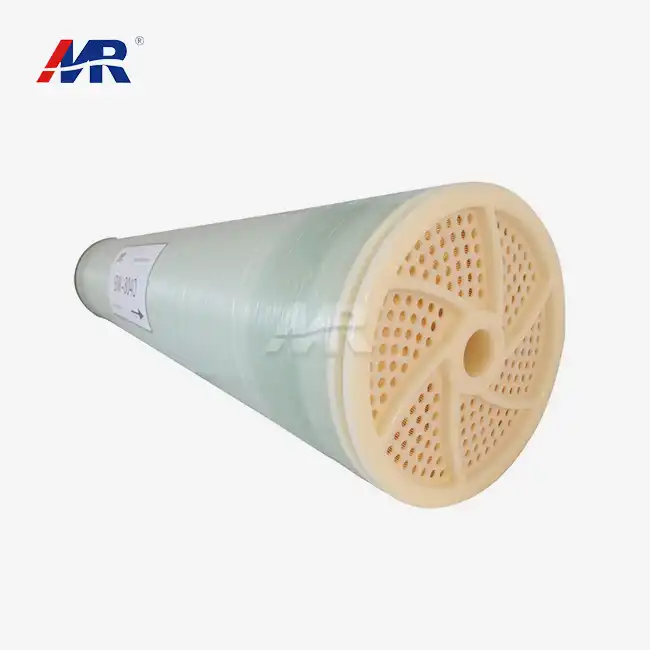
Understanding the Need for RO Membrane Cleaning
When you use industrial reverse osmosis equipment without following the right repair procedures, it stops working well and costs a lot of money. Seeing early warning signs helps protect your investment and keep water quality standards stable.
Common Symptoms of Membrane Fouling
When membrane fouling happens, it causes changes in the way the system works that can be measured and followed by operators through regular monitoring. Lower water flow rates mean that passages through membrane elements are getting blocked, and higher differential pressure means that resistance from foulant layers is building up. Higher conductivity levels and higher salt passage rates show that the permeate quality is getting worse. These symptoms show up slowly, so it's important to keep an eye on them regularly instead of just looking at them.
Factors Affecting Cleaning Frequency
The type of water that goes into membranes has a big effect on how fast foulants build up. For example, high levels of hardness speed up inorganic scaling, while high levels of organic material encourage biofilm growth. The throughput of the system is important because higher recovery rates bring contaminants closer to the membrane surfaces more quickly. Operating settings in chemical processing plants are rougher on membranes than those in public drinking water facilities, so they need to be fixed more often. Changing temperatures can affect the rate of fouling because warmer temperatures speed up biological growth, and cooler temperatures can help some types of crystallisation.
Consequences of Neglecting Cleaning
Putting off RO membrane cleaning that needs to be done causes problems that make operational problems worse. Higher feed pressures are needed to keep production goals at the same level after initial performance losses. This directly raises energy use and running costs. Long-term contact with foulants can cause damage that can't be fixed, as scaling gets into membrane pores and biofilms form protective colonies that are hard to clean with normal methods. When damage gets too bad to fix, the membrane has to be replaced before it's time. This means a big unplanned capital expenditure that could have been avoided with better planning.
Step-by-Step RO Membrane Cleaning Process for Industrial Systems
Following established safety standards and carefully planning how to clean things is necessary to do the job right. Industrial-scale tasks need professional-level methods that are different from home use.
Safety Protocols and Preparation
Cleaning chemical workers must wear chemical-resistant gloves, safety glasses, and chemical-specific apparel. Lockout-tagout operations shut down the system to prevent accidental startup during maintenance. Ventilation is essential when using combustible cleaning Products, especially in compact spaces where vapour buildup can be harmful. Emergency safety showers and eyewash stations should be accessible throughout the cleaning area.
Selecting Appropriate Cleaning Agents
The foulant's composition helps you choose the right cleaning agents. Citric acid or hydrochloric acid can dissolve hard water mineral scales such as calcium carbonate, calcium sulphate, and metal oxides. Sodium hydroxide or specific detergents can remove organic residue, biological films, and colloidal layers that acidic cleaners can't. Professional products contain sequestering agents to prevent metal ions from precipitating during cleaning. Morui PVDF membrane products resist chemicals in pH 2–11. Strong cleaning methods and 2000 ppm chlorine exposure do not damage them.
Manual versus Automated Cleaning Methods
Manual cleaning is appropriate for smaller projects or emergencies that require immediate assistance but little preparation time. By transferring cleaning solutions through dedicated pipes at controlled temperatures and flow rates, automated Clean-In-Place (CIP) systems make large-scale procedures reproducible. Supervisory control systems and automated systems track cleaning parameters and regulatory paperwork. Operational size, technical knowledge, and allowed downtime windows are considered while choosing a solution.
Cleaning Cycle Stages
Cleaning requires order. First, low-pressure flushing removes loose material and prevents foulant buildup. Soaking for 30–60 minutes, depending on pollution, lets chemicals enter fouling layers. Recirculation stages keep cleaning solutions on membrane surfaces as the temperature gently rises to a maker-approved 40°C. Before restarting, the system is rinsed many times to remove chemicals and impurities. Documenting each stage helps identify issues when results don't meet expectations.
How to Create an Effective RO Membrane Cleaning Schedule?
To make good cleaning schedules, you have to find a balance between operational needs and maintenance needs by regularly checking in and assessing.
Assessing System Conditions and Water Quality
Baseline performance data sets standards that are used to compare future measures and find trends of decline. A full water study finds specific pollutants in feed streams, such as the amount of hardness, the amount of organic carbon, the amount of silica, and the types of microbes that are present. Changes in the seasons can change the make-up of water because runoff from farms can add more organic matter during growth seasons, or changes in temperature can affect biological activity. When you install continuous monitoring equipment, you can see important parameters like differential pressure and permeate conductivity in real time.
Utilizing Sensor Data and Operational Logs
Modern instruments produce continuous data streams that show small changes in performance that can't be seen by taking readings every so often. Trending normalised parameters takes into account changes in temperature and pressure that affect raw measurements, giving you accurate indicators of performance. Automated data logging gets rid of mistakes made by people when keeping records and creates usable files of the past that help with root cause analysis. Pattern-recognition algorithms can find early signs of fouling before they affect production. This lets them be proactive instead of reactive.
Predictive Scheduling Approaches
Advanced analytics turn past data into models that can predict when cleaning will need to be done based on how the system is being used. Machine learning algorithms find links between the properties of the feedwater and the rate of fouling. This means that cleaning intervals are changed on the fly instead of being set in stone. Condition-based maintenance plans plan cleanings based on what's actually needed, which can be seen through performance monitoring, instead of picking random times. This method cuts down on cleanings that aren't needed and speeds up membrane wear while also making sure that action is taken before performance falls below acceptable levels.
In-House versus Outsourced Cleaning Services
For RO membrane cleaning, having cleaning services available in-house gives you more schedule options and lets you respond right away to dirty events that come up out of the blue. To increase this capacity, you need to train staff, buy cleaning supplies, and buy circulation equipment for CIP procedures. When you outsource to specialised service providers, you can get access to skilled technicians and cutting-edge tools without having to spend money on them yourself. When making a budget, you have to compare the cost of a cleaning service to the ongoing costs of keeping your business running, such as the cost of labour, chemicals, and equipment that breaks down over time.
Procuring RO Membrane Cleaning Chemicals and Services
Strategic choices about where to get materials affect both how well they clean right away and how well they work in the long term in a wide range of industry settings.
Evaluating Supplier Credentials
Reputable chemical companies provide detailed information about their products that includes information about what they are made of, how they should be used, and whether they are compatible with certain barrier materials. Industry licenses show that you follow quality standards and rules that apply to your business, like FDA rules for medicine uses or NSF standards for drinking water systems. Reading customer reviews from related businesses can help you understand how something works in the real world, not just what the company says it will do. When production schedules can't wait for delays caused by chemical shortages, supply chain reliability becomes very important.
Comparing Chemical Formulations
Choosing between acidic, alkaline, and enzymatic formulations depends on the type of fouling that is most common in the situation. Combination products that come in pre-measured kits with different cleaning stages make it easier to get what you need and make sure that the chemicals are mixed correctly. As sites look for biodegradable formulas and lower chemical discharge amounts, environmental concerns play a bigger role in buying choices. When figuring out how cost-effective something is, you have to take into account the dilution ratios and touch times that are needed. This is because concentrated goods that cost more per unit may be more valuable because they work better and require less usage.
Balancing Cost with Performance
When looked at as a whole, the initial purchase price is only one part of the total cost of cleaning. Chemical savings are outweighed by the costs of downtime caused by cheaper options that need longer contact times or more than one cleaning run. Cleaning that doesn't work well leads to premature membrane replacement, which costs a lot more in capital than using high-quality cleaning chemicals. By dividing the total cost of ownership by the expected lifetime of the membrane, you can see that it is more cost-effective to buy tried-and-true formulations from reputable suppliers than to save money on important maintenance supplies.
Best Practices for Post-Cleaning RO Membrane Maintenance
Cleaning can improve performance, but it needs careful aftercare and regular monitoring to keep those improvements.
Flushing and Chemical Removal
Rinsing well gets rid of any cleaning chemicals that might be left behind and hurt the quality of the permeate or the polymers in the membrane if they are exposed for a long time. Flushing keeps going until the pH of the effluent returns to neutral and the conductivity drops to the same level as the feed water. This usually takes a few system volumes. If you don't flush well, caustic or acidic residues can damage membrane materials during operation, especially when temperatures or pressures are high. Before going back to work, permeate quality testing makes sure that all chemicals have been removed and that the cleaning was successful.
Preservation Techniques During Downtime
Long periods of not being used subject membranes to biological fouling because still water is a good environment for microbes to grow. Biocides in preservation treatments stop germs from growing, and humectants keep membranes moist, which is important for keeping their permeability properties. Proper storage allows for quick restart without first cleaning cycles, which cuts down on downtime when production starts up again. In validated industries, keeping records of preservation procedures helps quality management systems and regulatory compliance.
Ongoing Performance Monitoring
Setting up regular monitoring schedules helps find new problems before they get so bad that they stop production. Recording operating parameters every day creates trending data that shows how performance is slowly declining and needs to be fixed by cleaning. By comparing present performance to baselines from after cleaning, you can figure out how fast things are breaking down and when the next cleaning cycle will need to be done. Instead of treating maintenance as an afterthought, putting monitoring into standard operating procedures makes people more aware of it.
At Morui, our cutting-edge membrane bioreactor technology combines biological treatment with membrane filtration. It removes 99.9% of suspended solids and bacteria through PVDF membranes with optimised 0.1–0.4 μm pore structures. When compared to traditional systems, this combination cuts down on building footprints by 50% while keeping flux rates between 10 and 25 LMH. The strong construction can handle temperatures ranging from 5°C to 40°C and the harsh RO membrane cleaning methods needed for long-term use in municipal wastewater treatment, industrial processing in food and beverage facilities, pharmaceutical manufacturing that needs to follow GMP guidelines, and chemical production that has to deal with complex effluent streams.
Cultivating Proactive Maintenance Culture
Training programs teach operators how to spot early signs of fouling and why maintenance procedures are done a certain way. This encourages an ownership rather than a compliance mentality. Standard operating procedures that are well-written and documented make it clear who is responsible for monitoring and what the reaction should be when limits are crossed. Support for preventive care from management, shown by allocating resources well and recognising upkeep contributions, makes it even more important. Continuous improvement projects take what they've learned from each cleaning cycle and use that information to make procedures better based on real-world experience.
Strategic Supplier Partnerships
Building relationships with knowledgeable chemical and equipment suppliers gives you access to technical knowledge that your own staff can't get on their own. Suppliers who know about your application can make suggestions that are tailored to the problems you face in your working setting. Maintenance programs stay up to date with the best practices in the business by giving them access to new technologies and better formulas. When cleaning results aren't what you expected or fouling patterns you didn't expect to see, technical help during repair speeds up the process of fixing the problem.
Conclusion
Setting up a regular schedule for RO membrane cleaning protects large investments in capital and makes sure that the water quality is the same for all industrial uses. Data-driven methods for keeping an eye on normalised performance parameters allow for preventative maintenance that makes membranes last longer and cuts down on unplanned downtime. By choosing the right cleaning chemicals that are matched to the specific fouling processes and following the cleaning steps correctly, system performance can be quickly restored. Strategic partnerships with experienced suppliers help operations run in a way that is good for the environment by giving technical advice and a reliable source for chemicals. Organisational dedication to preventive maintenance can be built through training and clear processes. This leads to operating excellence, which has measurable financial benefits such as lower energy use, fewer emergency fixes, and longer periods between capital replacement cycles.
FAQ
Q1: When should cleaning be initiated?
When normalised permeate flow drops by 10%, normalised differential pressure rises by 15%, or salt passage rises by 10% compared to standard readings set after commissioning or the last cleaning, cleaning protocols should begin. These events stop performance declines before they get so bad that they can't be fixed.
Q2: Can cleaning restore chemically damaged membranes?
Cleaning gets rid of the foulants that have built up, but it can't fix the damage that has been done to the membrane polymers by oxidising agents like chlorine, pH levels that are too high or too low, or thermal breakdown from temperatures that are too high. It is still very important to prevent problems by using the right pretreatment and operational controls.
Q3: How long does a typical cleaning cycle require?
Preparation, chemical circulation, soaking times, and thorough flushing are all part of full CIP processes that usually last between 4 and 8 hours per membrane step. Longer times may be needed to get good results in complicated systems with many stages or a lot of fouling.
Q4: Is heated cleaning solution necessary?
Increasing the temperature of the cleaning solution to 35–40°C makes it much easier for the dirt to dissolve and speeds up the chemical reactions, which makes the cleaning more effective. To keep thermal damage from happening, temperature rises must stay within the ranges specified by the membrane maker. This is especially important for composite polyamide membranes.
Partner with Morui for Comprehensive Membrane Solutions and Expert Support
Guangdong Morui Environmental Technology has 14 regional branches, 500 dedicated professionals, and 20 specialised engineers working for industrial clients all over North America. They offer a full range of water treatment solutions. Our unified method includes our own membrane production, the ability to process equipment, and strategic partnerships with top component suppliers like Shimge pumps, Runxin valves, and Createc instrumentation. We offer full RO membrane cleaning services, from buying chemicals to full-service upkeep plans made for use in pharmaceutical, food processing, power generation, and city settings. Our PVDF membrane products are very long-lasting and have been shown to be resistant to chlorine. They also have easier maintenance steps that make operations simpler while also increasing service life.
Email our technical team at benson@guangdongmorui.com to talk about the problems you're having with cleaning your membranes and to look into creating a custom maintenance plan. It includes approved cleaning chemicals, automatic CIP systems, and replacement membrane modules. As a reputable RO membrane cleaning provider, we offer affordable mass pricing, technical training programs, and ongoing support to make sure your systems work at their best for the duration of their useful lives.
References
1. American Water Works Association. (2020). "Reverse Osmosis and Nanofiltration: Manual of Water Supply Practices M46." Denver: AWWA Press.
2. Membrane Technology Research Institute. (2019). "Industrial RO Membrane Cleaning Protocols and Best Practices." Technical Report Series, Volume 15.
3. International Desalination Association. (2021). "Guidelines for Membrane Cleaning in Industrial Water Treatment Applications." IDA Technical Standards Committee.
4. Society of Chemical Industry. (2018). "Chemical Selection and Safety in Large-Scale Membrane Cleaning Operations." Process Engineering Division Publication.
5. Water Quality Association. (2022). "Preventive Maintenance Strategies for Industrial Reverse Osmosis Systems." Technical Standards and Research Committee.
6. National Water Research Institute. (2020). "Optimizing Clean-in-Place Procedures for Membrane Bioreactor and RO Hybrid Systems." Fountain Valley Research Monograph Series.
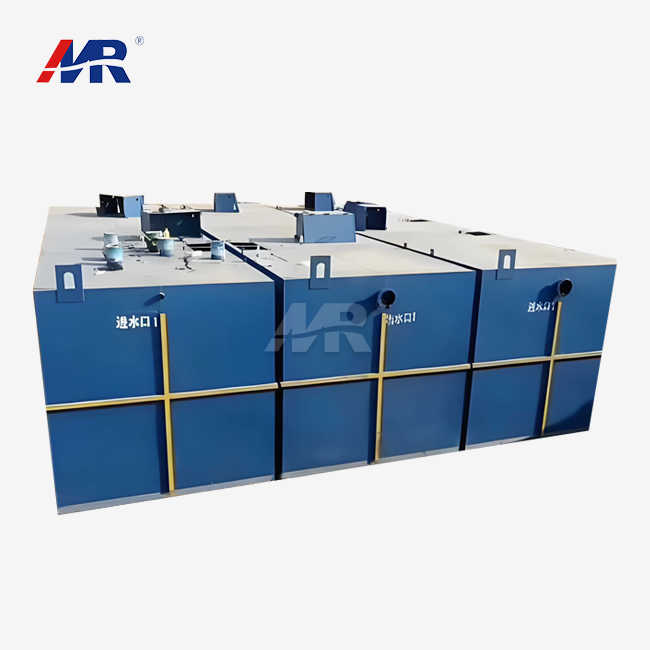 VIEW MOREcommercial sewage treatment plant
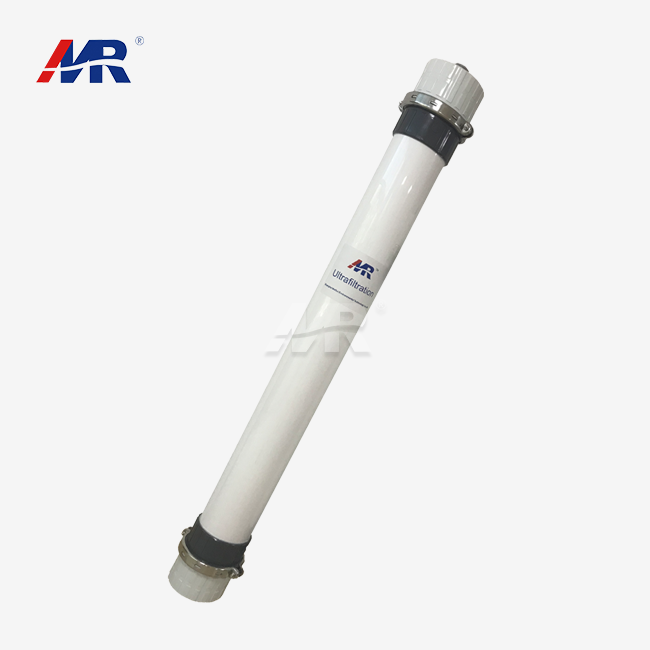 VIEW MOREultrafiltration membrane for wastewater treatment
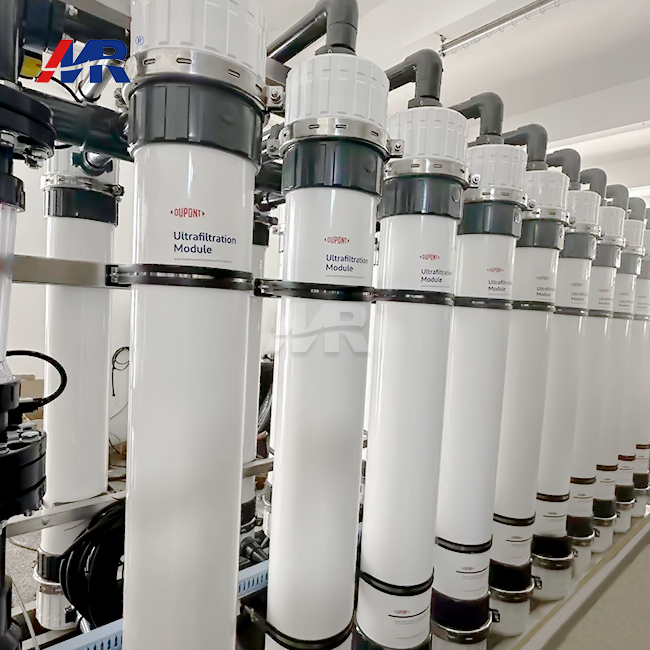 VIEW MOREultrafiltration water treatment system
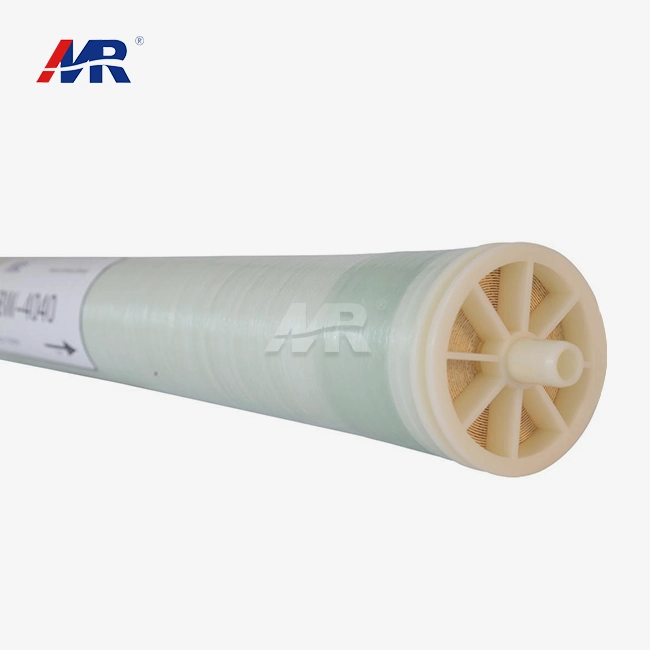 VIEW MOREro membrane
 VIEW MOREwaste water treatment system
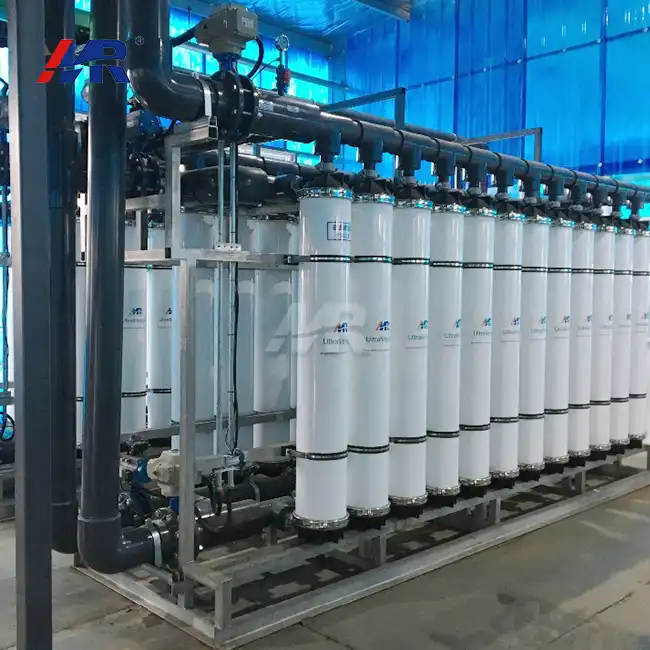 VIEW MORE50m3/hour ultrafiltration plant
 VIEW MOREwastewater treatment plant units
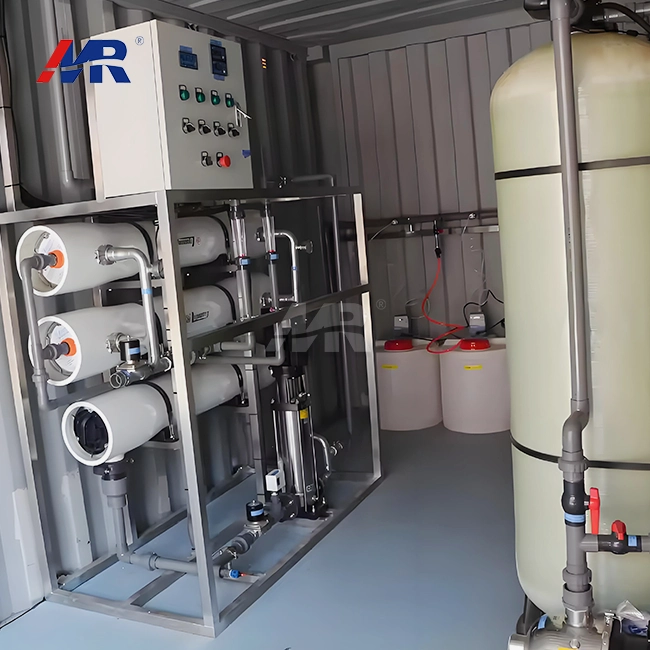 VIEW MOREcontainerized reverse osmosis system
