



MBR System for Wastewater Treatment: Complete Guide to Membrane Bioreactors
The membrane bioreactor system is a combination of biological treatment with membrane filtration for producing effluent that fulfills stringent reuse and discharge criteria. Compared to typical activated sludge systems, MBR technology uses high-precision membranes to physically separate the treated water from the biomass, hence removing the need for sludge settling and providing high-quality water on a continuous basis. Based on Morui’s hands-on experience with municipal, industrial, and decentralized wastewater projects, this book outlines how MBR systems function, their real-world applications, how they compare to alternatives, and what B2B customers should know before buying.
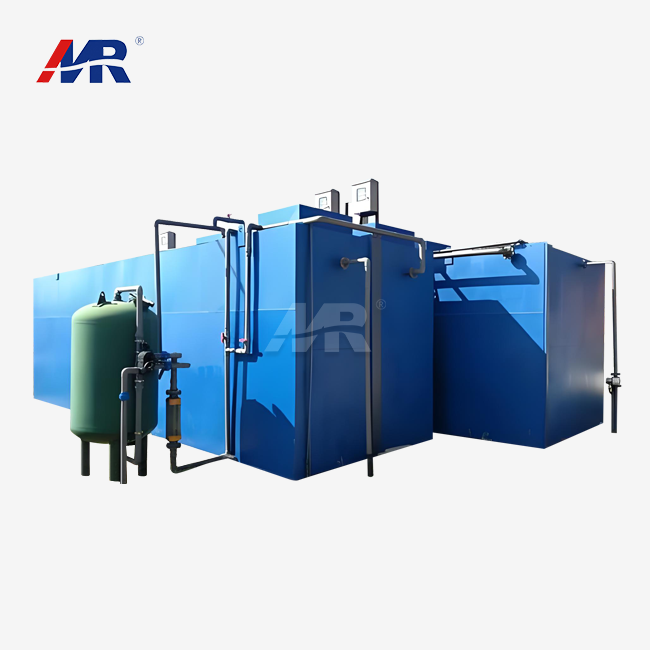
Understanding Membrane Bioreactor Systems
The MBR technology has seen substantial changes since its commercial use in the 1990s. Today it is one of the most trusted systems for treatment of industrial wastewater, reclaimed water, and household sewage.
What Is an MBR System?
An MBR system consists of a suspended-growth biological reactor coupled to a membrane filtering unit. Organic contaminants are degraded by microorganisms in the aeration tank, and a membrane separates clean water from the mixed liquor suspended solids (MLSS) instead of a clarifier. The effluent obtained has a turbidity of less than 1 NTU and a BOD of less than 5 mg/L, which is appropriate for direct reuse or release.
Key Components
The main components are the bioreactor tank, the aeration system, and the membrane module. The bioreactor usually has much higher MLSS concentrations, between 8000 and 12000 mg/L, which is much higher than traditional systems, thereby increasing treatment capacity per unit volume. The aeration system does two things: it provides oxygen for the bacteria, and it scrubs the membrane surface to prevent fouling.
Membrane Types and Configurations
mbr membranes are primarily classified into two types: hollow fiber and flat sheet. Hollow fiber membranes provide better packing density, yet flat sheet membranes are simpler to check and clean. The Morui MR-MBR-30 is supplied with a flat sheet membrane made of PVDF (polyvinylidene fluoride) with a pore size of 0.2 μm, a filtering area of 30 m2, and a size of 2000 × 1250 × 30 mm – a small configuration for underground, above ground, or containerized installations.
Benefits and Applications of MBR Systems
Traditional systems are often picked over membrane bioreactor systems because they take up less room, produce better waste, and cost less in the long run.
Effluent Quality and Reuse Potential
MBR permeate usually meets EPA Title 22 and NSF standards for reusing water that is not drinkable. Since the 0.2 μm layer is a physical barrier, it gets rid of bacteria, protozoa, and most viruses without having to clean it further. Now you know that water that has been treated with MBR can be used to water plants, cool factories, and clean toilets.
Compact Footprint and Low Sludge Output
Here are some of the best things about the Morui MR-MBR-30 that make it useful for projects that don't have a lot of room:
- Small physical footprint: The integrated flat sheet module measures just 2000 × 1250 × 30 mm, letting engineers fit treatment capacity into sites where conventional clarifiers would be impossible.
- Low sludge production: High MLSS concentrations extend sludge retention time, reducing excess sludge volume by roughly 30–50% compared to conventional activated sludge systems.
- Fully automated PLC control: The system supports remote monitoring and O&M, reducing on-site staffing requirements for rural or unstaffed sites.
Low production of sludge: Since there is more MLSS in the system, the sludge stays there longer. This reduces the extra sludge by 30–50% compared to regular activated sludge systems.- Fully automated PLC control: This method lets tracking and maintenance be done from afar, so places that are remote or don't have staff don't need as many people to work there.
Industry Applications
There are many places where MBR systems are used. They're used for community sewage plants and upgrades to wastewater treatment plants in city projects. Companies that make food and clothes depend on them for high-strength organic wastewater. The people in charge of aquaculture like how well the pathogens are removed. Because they are self-contained and don't need much maintenance, containerized MBR units are best for remote or island places. Modular structures that can be put together quickly are great for short-term uses like construction sites, scenic areas, and emergency response.
Comparing MBR Systems with Alternative Wastewater Treatments
When procurement teams know how MBR stacks up against other technologies, they can save money.
MBR vs. Conventional Activated Sludge (CAS)
Today's activated sludge membrane bioreactor systems use gravity to settle the MLSS in a secondary clarifier. This lowers the MLSS to around 3,000–4,000 mg/L and creates wastewater of different qualities. With MBR, there is no need for a clarifier at all. This means that more biomass can be used, the waste is more regular, and the size is about 35–50% smaller. On the other hand, MBR uses about 0.3 to 0.8 kWh/m³ more energy than CAS. However, new systems for low-energy aeration are closing the gap.
MBR vs. Ultrafiltration (UF) Alone
Pure UF gets rid of bacteria and solids that float on the surface, but it doesn't break down organics that are dissolved in water. When MBR is used alone, the wastewater has much higher amounts of COD and BOD than when MBR and membrane filters are used together. That being said, MBR is the better choice when you need to get rid of organic matter and separate solids from liquids.
CAPEX and OPEX Considerations
At first, MBR systems are more expensive to set up than CAS systems. But after 10 to 15 years, they can make up for this with lower land costs, lower sludge disposal fees, and cost savings from automation. It was written in 2022 in the Journal of Membrane Science that MBR OPEX can be similar to CAS when land costs and effluent reuse credits are taken into account. Not only ask how much the equipment costs, but also how much it will cost over its whole life.
Procurement Considerations for B2B Clients
Selecting the right MBR supplier involves more than comparing membrane specs.
Sizing and Influent Characterization
System capacity should be based on peak daily flow, not average flow. Engineers should characterize influent BOD, COD, TSS, and any industrial contaminants before specifying membrane flux rates. Morui's engineering team provides influent-based process design packages, which is important for clients treating mixed municipal and industrial streams.
Supplier Evaluation
The global MBR market includes established players—Kubota (flat sheet, known for municipal projects), Mitsubishi (hollow fiber, widely deployed in Asia), SUEZ (GE legacy platform, strong in North America), and Pentair (X-Flow hollow fiber). Each has distinct strengths. Morui differentiates itself by offering complete ODM services: membrane modules, integrated units, PLC control systems, and project-specific tank or container configurations under one roof, which reduces supply chain risk for B2B buyers.
Acquisition Models and Compliance
US buyers prioritize NSF, CE, and water-contact material Certifications. Morui supplies effluent quality test reports and energy data to support project permitting. Purchase, leasing, and phased procurement options are available depending on project financing structure. For OEM or private-label buyers, Morui signs NDAs and provides commissioning training as part of the standard service package.
Operation, Maintenance, and Troubleshooting
A well-maintained MBR system can deliver consistent performance for 10 years or more.
Membrane Cleaning Protocols
MR-MBR-30 has PVDF membranes that are suitable for relaxation cleaning (short interruptions in filtration to allow fouling to loosen) and chemical cleaning with sodium hypochlorite or citric acid. Maintenance cleanings are often performed weekly, and recovery cleanings are performed every 3 – 6 months depending on the fouling load. Integrity and flux of the membrane were protected as per the manufacturer’s procedure.
Process Monitoring Best Practices
Transmembrane pressure (TMP), dissolved oxygen (DO), MLSS concentration, and permeate turbidity should be checked daily by operators. An increase in TMP at constant flux is an early sign of fouling. DO levels less than 1.5 mg/L might stress the microbial population and impair the efficacy of BOD removal. The MR-MBR-30 has automated PLC systems that constantly record these parameters and provide alarms before issues arise.
Common Troubleshooting Scenarios
The most prevalent problem with the functioning of MBRs is membrane fouling. This is often due to high MLSS, inadequate aeration rates, or infrequent chemical cleaning. Physical membrane deterioration (seen as a rapid decline in effluent quality) will necessitate module examination and probable replacement. Shock organic loads that disturb the process may be controlled by temporarily lowering the influent flow and boosting aeration. Morui offers remote diagnostic assistance and a supply chain of replacement parts to help reduce unexpected downtime.
Conclusion
MBR technology is a compact automated package that can treat wastewater extremely effectively. The Morui MR-MBR-30 is compact and space-saving, making it ideal for cities, industries,s and decentralized membrane bioreactor systems. The pores are 0.2 µm in size and have an area of 30 m2. You can figure out MBR’s long-term worth by thinking beyond what you paid for it. You may construct a new plant, or you can upgrade an existing one. The result will rely on how you characterize the influent, study the providers, and establish a maintenance strategy.
FAQ
1. How long does an MBR membrane last?
PVDF membranes in well-maintained systems typically last 8–12 years. Membrane lifespan depends on cleaning frequency, chemical concentrations used during maintenance, and influent quality. Morui's flat sheet PVDF membranes are rated for high durability and are replaceable as modules, so the overall system does not need to be decommissioned when membranes reach end of life.
2. Is an MBR system more energy-intensive than conventional treatment?
MBR systems do consume more energy than conventional activated sludge, primarily due to membrane aeration. Typical energy consumption ranges from 0.8 to 1.5 kWh/m³. However, this is offset by savings on sludge disposal, chemical dosing, and land costs. For projects targeting water reuse, the energy trade-off is generally acceptable given the higher effluent quality produced.
3. Can MBR treat high-strength industrial wastewater?
Yes. MBR systems handle high BOD and COD loads effectively because the elevated MLSS concentrations support more active microbial communities. Food processing, textile, and aquaculture wastewater are all suitable MBR applications. For very high-strength or unusual influent streams, Morui recommends a pre-treatment step and a customized biological process design.
4. What certifications should US buyers look for?
US buyers should confirm NSF/ANSI 61 compliance for water-contact materials, along with any state-specific discharge permit requirements. Morui supplies effluent quality test reports and technical documentation to support permit applications.
Get a Quote from Morui — Your MBR System Manufacturer
Morui has engineers who can help you choose the best membrane bioreactor system for your project. We offer complete systems, from planning them to putting them to use. This is possible because we have our own plant for making membranes, 14 branches, 20 engineers, and we also handle our own equipment. If you want technical help and a price quote for your project, please email us at benson@guangdongmorui.com.
References
1. Judd, S. The MBR Book: Principles and Applications of Membrane Bioreactors for Water and Wastewater Treatment. Elsevier, 2011.
2. Krzeminski, P. et al. "Performance of full-scale membrane bioreactors for municipal wastewater treatment." Journal of Membrane Science, 2017.
3. Ng, A. N. L., & Kim, A. S. "A mini-review of modeling studies on membrane bioreactor (MBR) treatment for municipal wastewaters." Desalination, 2007.
4. Le-Clech, P., Chen, V., & Fane, T. A. G. "Fouling in membrane bioreactors used in wastewater treatment." Journal of Membrane Science, 2006.
5. Meng, F. et al. "Recent advances in membrane bioreactors (MBRs): Membrane fouling and membrane material." Water Research, 2009.
6. United States Environmental Protection Agency (EPA). Membrane Bioreactors: Wastewater Treatment Technology Fact Sheet. EPA, 2007.
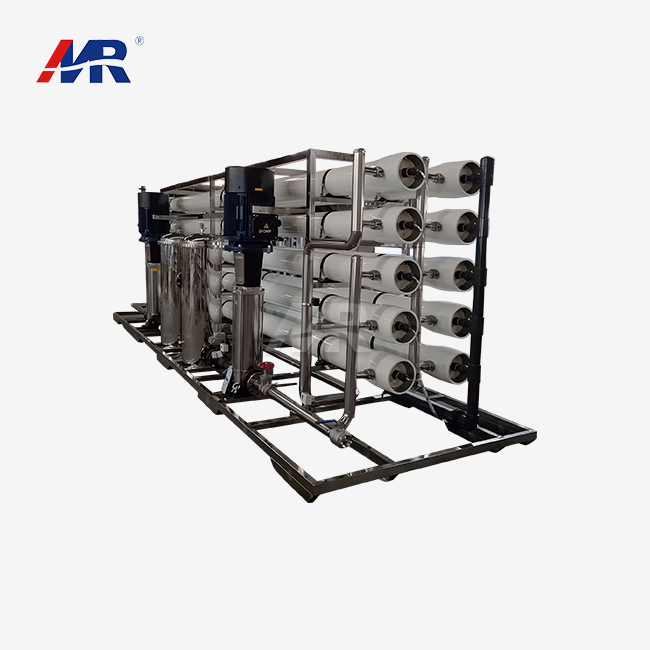 VIEW MORE2 stage reverse osmosis system
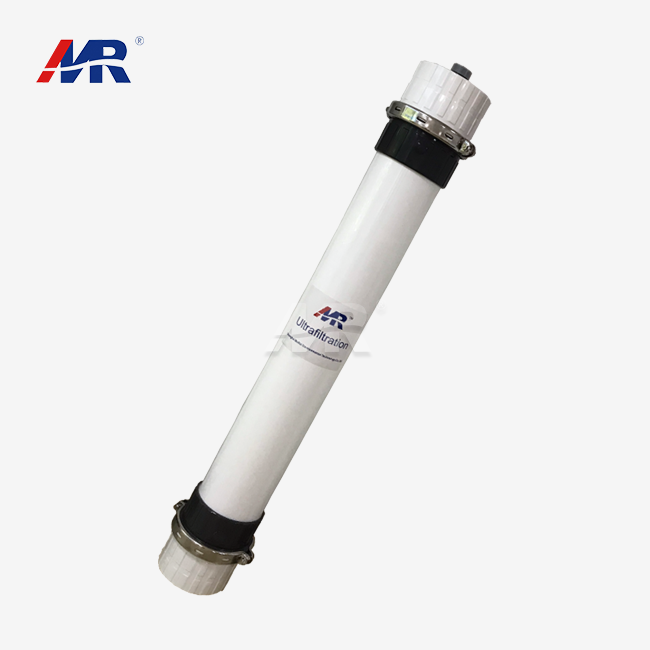 VIEW MOREultrafiltration membrane system
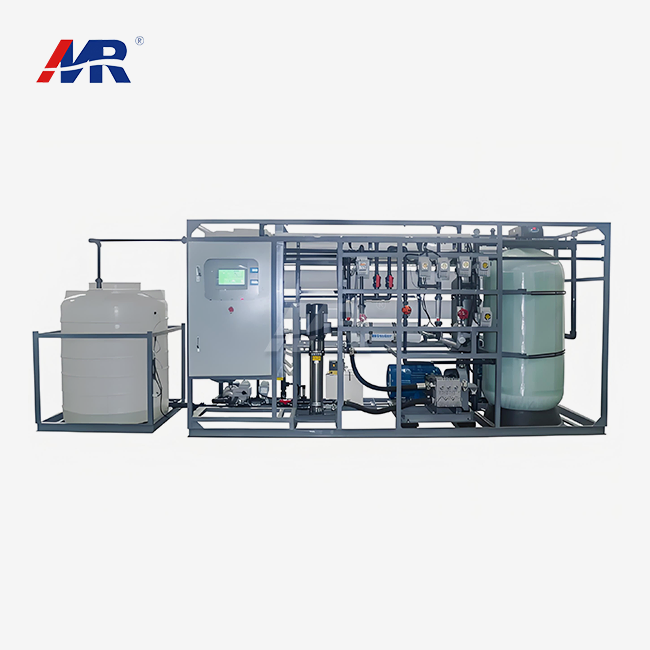 VIEW MOREseawater treatment system
 VIEW MOREseawater treatment plant
 VIEW MOREmembrane used for reverse osmosis
 VIEW MOREreverse osmosis water purification plant
 VIEW MOREcontainerized reverse osmosis system
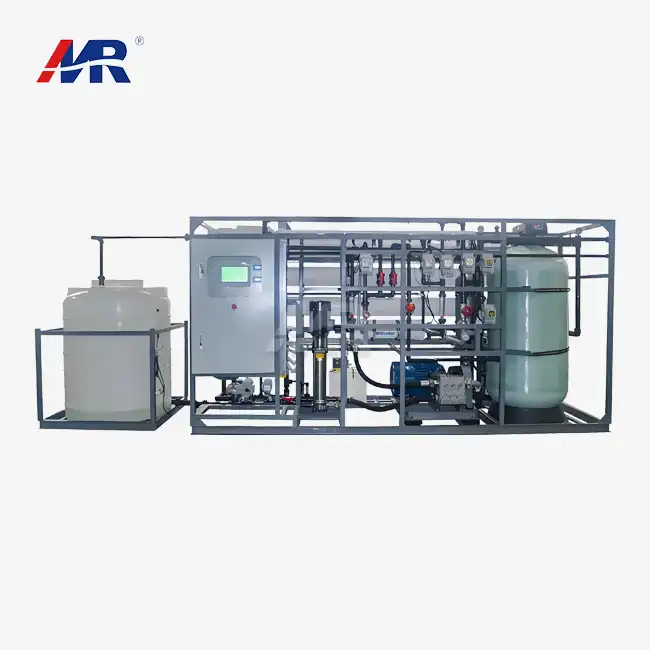 VIEW MORE5m3/hour seawater desalination equipment