

_1745823981883.webp)

Desalination Portable Solutions for Ships, Islands, and Coastal Sites
A desalination portable system may be the most feasible solution in situations where there is a scarcity of fresh water and supply channels are unable to reach the area. The use of small reverse osmosis machines provides direct access to drinkable water from the ocean, which is useful for a variety of purposes, including the management of water supply for a distant island population, the operation of activities on an offshore platform, and the resupply of a long-range vessel. At Morui, we have worked with customers in the marine, municipal, and industrial sectors to ensure that the appropriate system is matched to the situations that are encountered in the real world. Before you make a purchase, this guide will lead you through the most important topics.
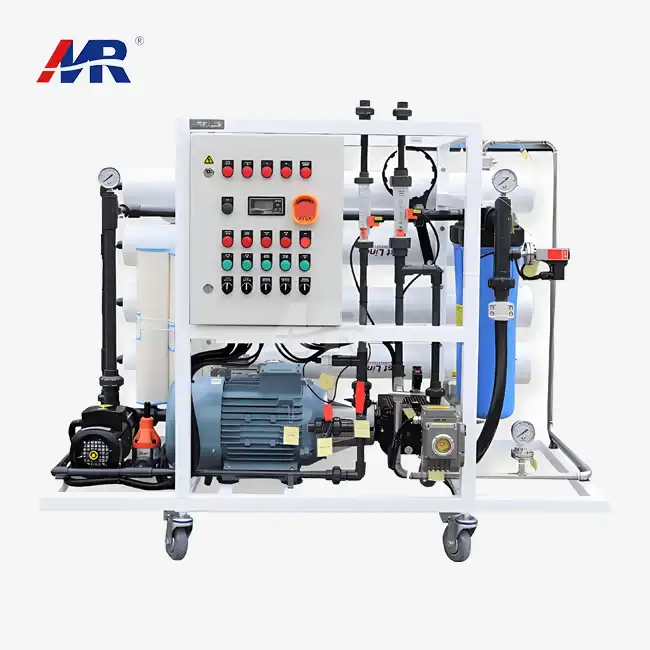
Understanding Portable Desalination Technology
How Reverse Osmosis Works at the Compact Scale
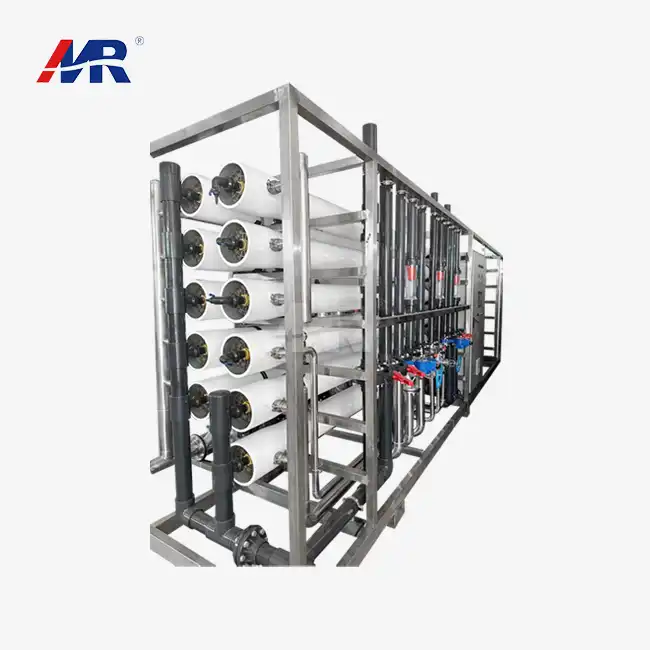
It is still the most widely used portable desalination technique, and that technology is reverse osmosis (RO). The use of high-pressure pumps allows seawater to be forced through membranes made of thin-film composite (TFC). More than 99.4 percent of the salts, bacteria, and heavy metals that are dissolved in the water are blocked by these membranes from entering the water. All of the water that is produced meets the criteria set by the WHO for drinking water. Compared to steam distillation systems, membrane-based systems are much more advantageous for use on ships, islands, and coastal places that have limited energy infrastructure. This is because membrane-based systems do not need a heat source.
System Types Worth Knowing
Desalination units that are portable may be divided into three distinct categories for your convenience. RO (Reverse Osmosis) systems that are based on membranes use the least amount of energy and are frequently employed. Due to the fact that solar-powered machines combine low-energy RO with photovoltaic panels, they use less energy in areas that get a lot of sunlight. In locations where sunlight is not constantly available, diesel-electric hybrid systems are a viable option for their application. Each kind is suitable for a different size, ranging from 100 litres per day for a small boat to over 3,000 litres per day for a camp or resort on the shore.
Why Portability Changes the Equation
In addition to its size, the capacity of a portable desalination machine to function without being linked to a power source is the primary factor that determines its value. The installation of systems that are mounted on skids or containers may be accomplished without the need for any building construction activity. Energy Recovery Devices, also known as ERDs, are able to significantly cut down on the amount of electricity that is used, often to less than 3.5 kWh per cubic metre. This is because materials that do not rust, such as duplex stainless steel, have a longer lifespan in harsh maritime environments. Portable units are an excellent option for procurement teams that want a rapid setup and do not require a significant amount of infrastructure because of the qualities that this kind of device has.
Comparing Portable Desalination with Traditional Methods
Size, Installation, and Flexibility
In order to be up and running, traditional centralised desalination facilities need a significant amount of land, permanent infrastructure, and a considerable amount of time. A portable RO unit, on the other hand, is provided with all of its components completely assembled and may be put to use within a few hours of its delivery. It is vitally crucial to note this distinction whether it comes to island settlements, vacations, or military ships that are attempting to save space.
Energy Consumption and Operating Cost
Centralised plants typically use between four and six kilowatt-hours (kWh) per cubic metre of product water. The International Desalination Association (IDA, 2023) discovered that contemporary desalination portable SWRO systems with ERDs typically operate at a rate of three to four kilowatt-hours per square metre. For distant locations that rely on diesel generators, a reduction in energy consumption immediately results in a reduction in fuel expenditures and carbon emissions.
When Desalination Outperforms Conventional Filtration
The removal of dissolved salts is not possible using conventional filtering methods such as ultraviolet light, activated carbon, and ultrafiltration. The only option to get water that is fit for human consumption, whether it originates from the ocean or a brackish aquifer, is via the process of desalination. When considering projects that include the sea or the ocean, procurement teams should not consider desalination and filtration to be the same thing since they are two separate approaches to solving different problems.
How to Choose the Right Portable Desalination Unit for Your Needs
It is possible that you could wind up purchasing a unit that is either too large or too small for your requirements if you purchase a unit that does not have a clear design structure. In the process of making a decision, the following are the primary considerations:
It is important to match production to daily high demand rather than daily average demand when it comes to the amount of space (m3/day or m3/hour). The kitchen, the laundry room, and the pool at a resort with 200 rooms need more water in addition to the water that is used for drinking.
- To match production to peak daily demand rather than average demand, capacity (m3/day or m3/hour) is the metric to use. In addition to providing drinking water, a resort that can accommodate 200 people has to have a buffer capacity for the laundry, kitchen, and pool top-up.
- Temperature and salinity of the feed water and total dissolved solids (TDS) in seawater normally vary from 32,000 to 45,000 mg/L. Depending on the feed circumstances that you have, the systems need to be rated. It is important to choose membranes that are suitable for your environment since high-temperature feed water (over 35 degrees Celsius) not only increases membrane flow but also accelerates deterioration.
- Verify that the device is compatible with the power source by determining if it operates on AC grid power, DC 12/24V, or solar input. Compatibility with several sources is often required for offshore platforms.
- High-turbidity feed water must undergo either ultrafiltration or multimedia pre-filtration prior to the RO stage in order to fulfill the specific pretreatment criteria. If you skip this step, the membrane's lifespan will be significantly reduced.
- Certifications: NSF/ANSI 58 and CE marks are the minimum standards for sales to customers in the United States. When making a commitment to a provider, it is important to get water quality test data.
Every one of these components contributes to the formation of the appropriate approach. An response that is different is required for a mining camp located in a salty groundwater zone as opposed to a military ship that is functioning in the open ocean. The greatest method to prevent making costly errors in the procurement process is to make certain that the specifications are satisfied by the circumstances that are present at the time.
Maintenance, Environmental Impact, and Operational Challenges
Routine Maintenance That Keeps Systems Running
Every three to six months, depending on the quality of the feed water, the membrane in a desalination portable unit must be cleaned on a regular basis. This is the recommended frequency for cleaning the membrane. Cleaning Products with a low pH or an alkaline pH that have been permitted for use should be used. You need to make sure that the pre-filter filters are checked once a month. It is impossible for biofouling and scaling to occur in between cycles of operation by virtue of the fact that excellent units automatically flush with fresh water. It is possible to prevent equipment in distant places from being down for extended periods of time by maintaining a limited store of replacement parts, such as O-rings, pressure gauges, and cartridge filters.
Responsible Brine Disposal
Ensure that the high-salinity reject stream, also known as brine concentrate, is treated in the appropriate manner. It is possible for wastewater to cause damage to marine environments if it is discharged directly into shallow coastal regions without being scattered out. It is recommended that, in accordance with the environmental regulations that are in place in the area, diffuser systems or dilution mixes be used prior to the act of dumping into the ocean. When solar energy is utilised to power the system, the whole carbon footprint is reduced by an even greater amount. Because of this, portable desalination is one of the less hazardous methods that may be used to provide water to less populated places.
Operational Challenges in the Field
The fact that the feed water is constantly changing is one of the most often reported issues by consumers. Turbidity levels may quickly increase or decrease due to seasonal algae blooms, storm runoff, and variations in the tide. These factors can also cause fluctuations in salinity levels. When events of this kind occur, it is difficult for systems that do not have adaptive preparation to maintain the quality of the output they normally provide. Workers are able to keep a close check on TDS levels, flow rates, and pressure in real time with the help of advanced skid-mounted systems that have remote monitoring. This allows them to identify any issues before they become catastrophic.
Leading Portable Desalination Brands and Procurement Insights
What to Look for in a Reliable Supplier
In addition to the equipment that comes from a dependable portable desalination provider, there should be other components. In addition to a history of completed projects in other countries, you should look for quality management systems that are documented (ISO 9001). There is a much reduced likelihood of the rollout being unsuccessful when providers provide resources such as site survey reports, data from pilot testing, and assistance with commissioning.
Morui's Factory-Integrated Advantage
Morui is the owner of a number of enterprises that process equipment in addition to a business that manufactures membranes. Consequently, this indicates that the SWro membranes, pressure tanks, and components of the whole system all originate from the same regulated source. When opposed to suppliers that mix together parts from a variety of sources, vertical integration makes it simpler to monitor quality and reduces the amount of time it takes to complete a project. It is possible to deploy Morui's systems in containers, on skids, or even on maritime vessels. It is possible to remotely monitor projects that are being carried out in other countries and to get professional assistance in a number of different languages. Additionally, the company is an official agent for the products of Shimge Water Pumps, Runxin Valves, and Createc Instruments. This guarantees that the whole system will be able to get parts that are dependable.
Pricing, Lead Time, and Warranty Considerations
The rate at which standard containerised units can generate (m3/day) is used to determine their prices. It is important for a wholesale customer to have written confirmation of the lead time before placing a bulk purchase. Additionally, the buyer should ensure that the price includes factory testing prior to shipping. When it comes to membranes and high-pressure components, these warranties might vary greatly from one vendor to the next. An example of this would be Morui, which has more than 14 branches and twenty engineers who work on water treatment projects in order to give documented after-sales assistance.
Conclusion
Desalination portable is now a useful and tried-and-true way for ships, islands, seaside getaways, offshore platforms, and remote industrial sites to get water. If you choose the right system for your feed water conditions, power source, and daily output, it will provide consistent drinkable water while using less energy and being set up faster than any centralized option. Whether you're looking for a single unit for a ship or a lot of them for a coastal city, getting the specs right from the start will save you time and money. Every time Morui gets a question, they bring factory-integrated expertise and project experience from the ground up.
Frequently Asked Questions
1. How quickly can a portable desalination unit be deployed on a ship or island?
Most pre-assembled containerized or skid-mounted systems can be operational within 24–72 hours of arrival on site, assuming power and feed water connections are in place. Custom configurations with pretreatment stages may require 3–5 days for full commissioning.
2. Can these systems run on solar power?
Yes. Many compact SWRO units are compatible with DC solar input or hybrid solar-diesel configurations. Energy Recovery Devices reduce power demand to the point where solar arrays of manageable size can sustain continuous operation in high-sunlight regions.
3. What certifications should I request from a supplier?
For the US market, request NSF/ANSI 58 certification and CE marking at minimum. Ask for third-party water quality test reports showing compliance with WHO or EPA drinking water standards.
4. Are bulk procurement or OEM options available?
Yes. Morui supports wholesale batch orders for standard containerized units and offers OEM/ODM customization including branded systems, adapted pretreatment, and custom skid configurations under NDA.
Get a Custom Quote from Morui — Your Trusted Desalination Portable Supplier
Morui has more than 20 water treatment engineers ready to help you find the best desalination portable system for your site. We offer proven performance, not just specs, thanks to our own membrane factory, full-equipment processing facilities, and finished projects in the marine and coastal sectors. Get in touch with us directly to get product lists, suggestions that are tailored to your site, or group prices. To start your question right away, email us at benson@guangdongmorui.com.
References
1. International Desalination Association (IDA). IDA Desalination Yearbook 2023–2024. Media Analytics Ltd., 2023.
2. Elimelech, M., & Phillip, W. A. "The Future of Seawater Desalination: Energy, Technology, and the Environment." Science, 2011.
3. World Health Organization. Guidelines for Drinking-Water Quality, 4th ed. WHO Press, 2017.
4. Fritzmann, C., Löwenberg, J., Wintgens, T., & Melin, T. "State-of-the-Art of Reverse Osmosis Desalination." Desalination, 2007.
5. Lattemann, S., & Höpner, T. "Environmental Impact and Impact Assessment of Seawater Desalination." Desalination, 2008.
6. U.S. Bureau of Reclamation. Desalination and Water Purification Research Program Report. U.S. Department of the Interior, 2020.
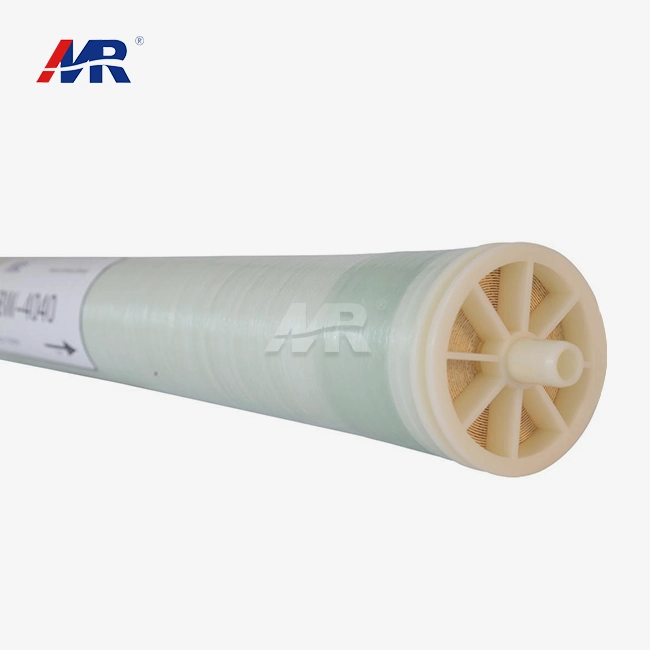 VIEW MOREro membrane
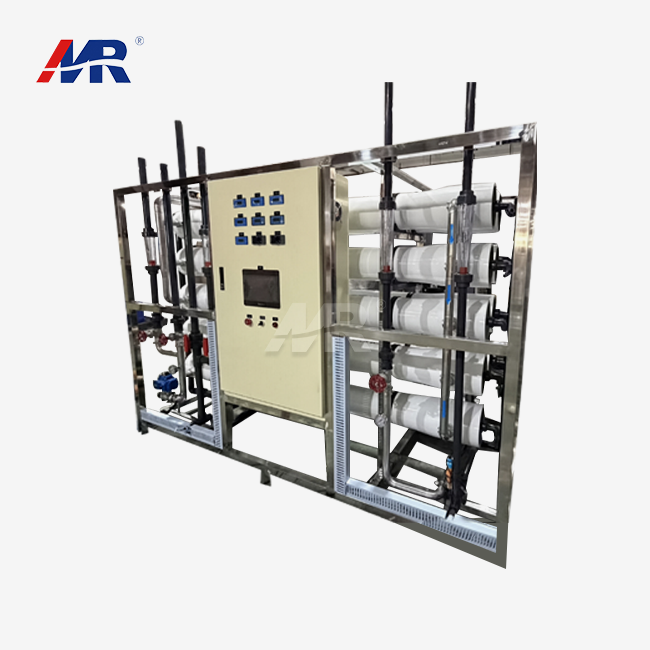 VIEW MORE8 stage reverse osmosis system
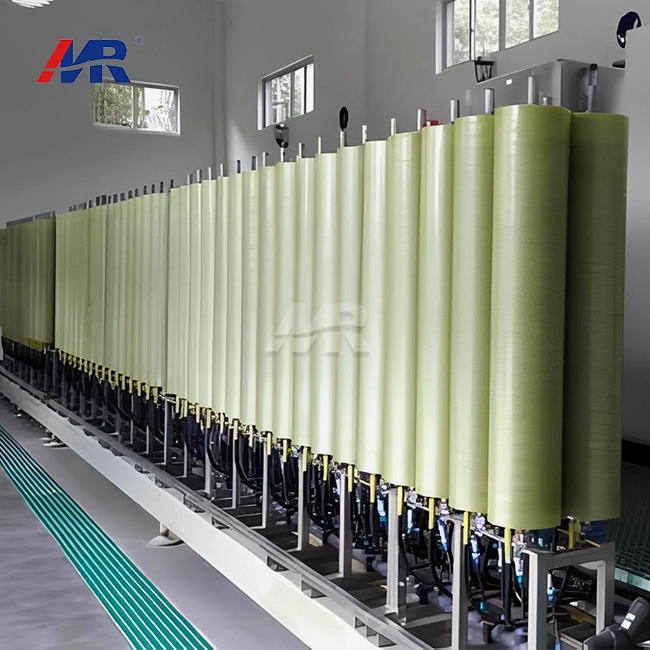 VIEW MORELeachate DTRO Treatment Equipment
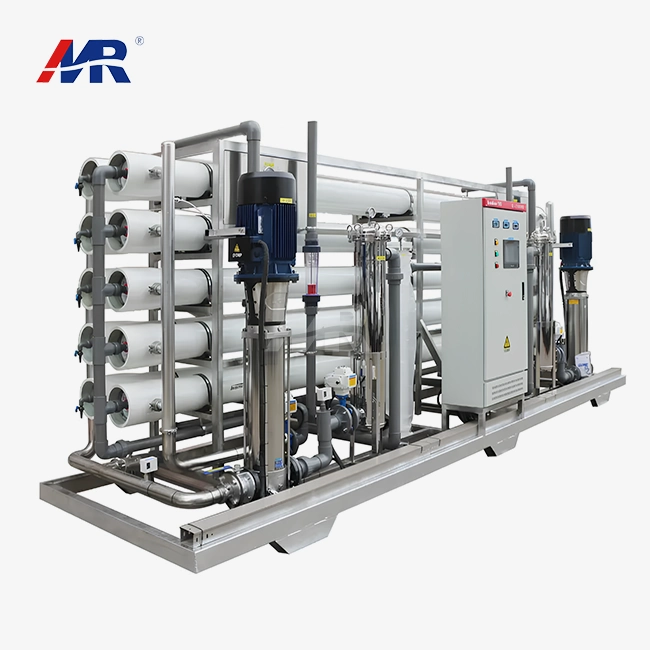 VIEW MOREreverse osmosis water purification plant
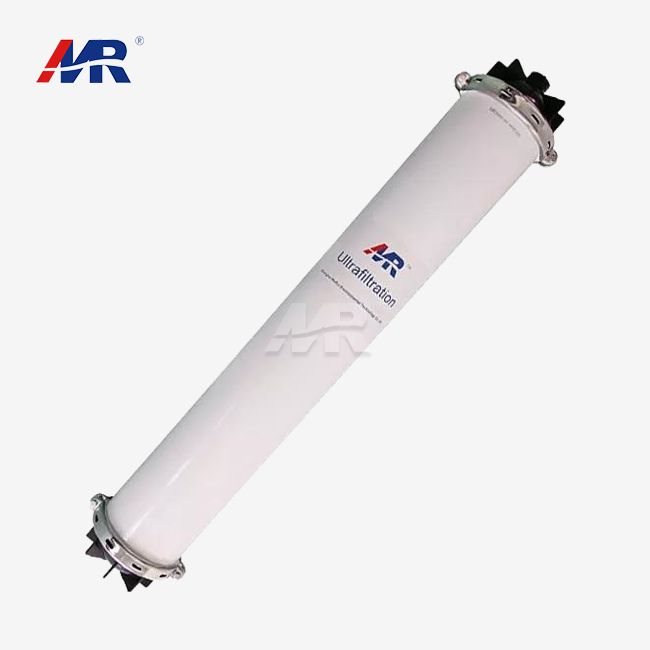 VIEW MOREultrafiltration membranes for water treatment
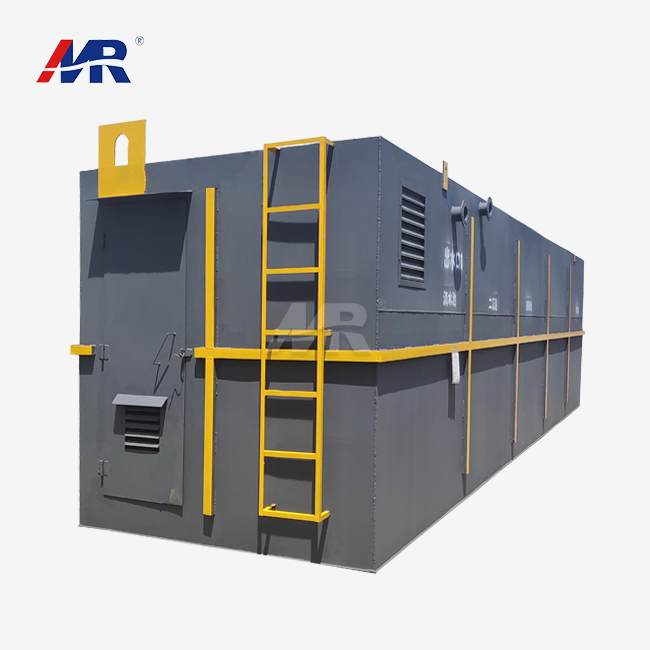 VIEW MOREhome wastewater treatment plant
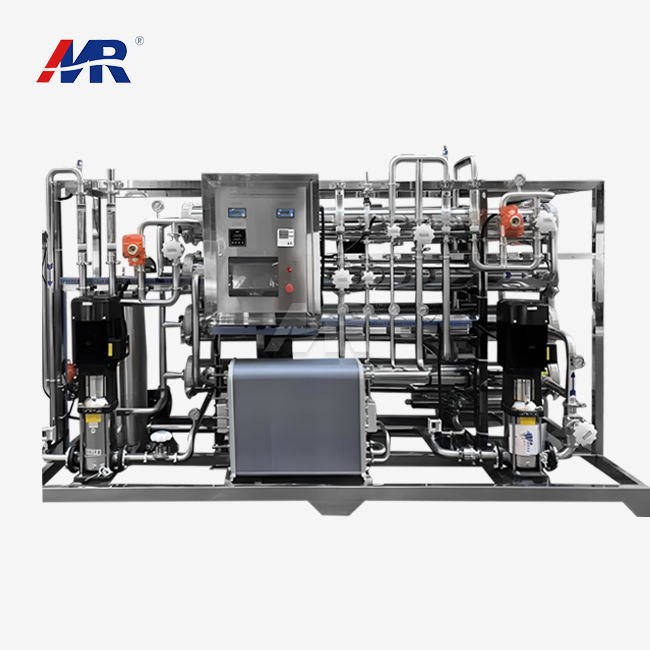 VIEW MOREelectro deionizer system
 VIEW MORE60m3/hour reverse osmosis plant
