

_1745823981883.webp)

Water Softener and Reverse Osmosis System for Pharmaceutical Water
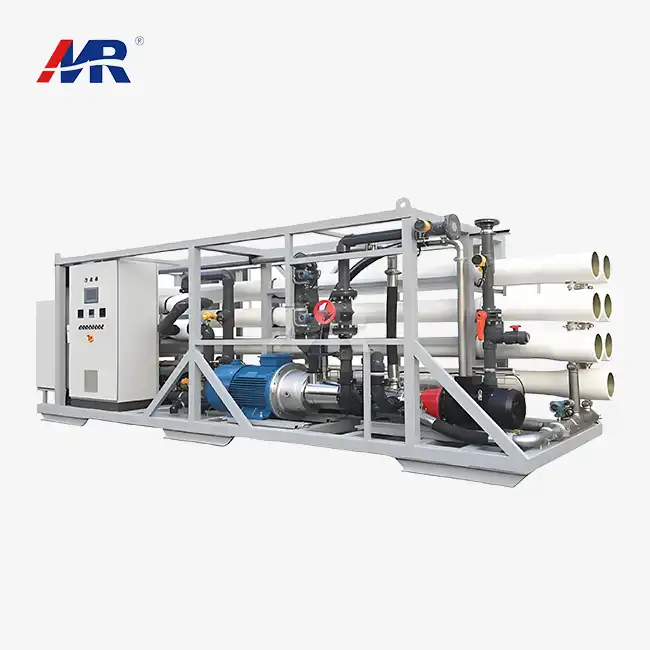
A water softener and reverse osmosis system is a dual-stage water treatment setup that is meant to facilitate the production of water that is of high purity for use in pharmaceutical applications. Through ion exchange, the softening step eliminates calcium and magnesium ions, which are responsible for the hardness of the water, thereby protecting the membranes farther downstream from scale deposits. After that, the ro membrane removes up to 99% of the dissolved particles, heavy metals, and microbes from the water filtration system. These technologies, when combined, are able to achieve the stringent purity requirements that are necessary in the manufacture of drugs. These criteria range from purified water (PW) to water for injection (WFI) precursor treatment. Additionally, they prolong the service life of equipment and reduce production downtime.
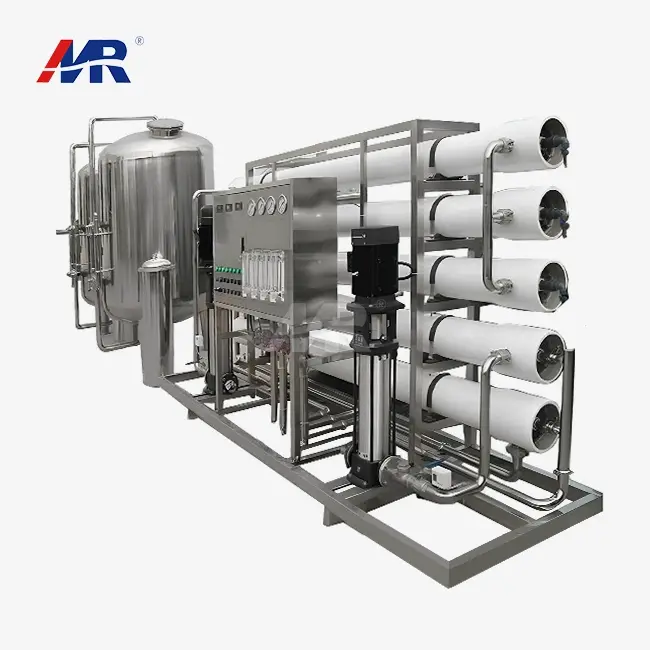
Understanding Water Softener and Reverse Osmosis Systems in Pharmaceutical Water Treatment
The pharmaceutical production business is known for having some of the most stringent water quality standards of any industry globally. Several categories of pharmaceutical water are defined by the United States Pharmacopoeia (USP), and the majority of manufacturing lines demand conductivity levels that are lower than 1.3 µS/cm at a temperature of 25°C. Having the appropriate pretreatment technique is the first step in achieving that consistently.
How Water Softeners Protect Pharmaceutical Equipment
The deposits of scale on heat exchangers, membranes, and pipe walls are caused by hard water, which is defined as water that contains dissolved calcium and magnesium at concentrations more than 60 mg/L as CaCO2. Softeners that use ion exchange replace the hardness ions with sodium or potassium, thereby lowering the danger of scaling and safeguarding the equipment that is considered capital. At pharmaceutical facilities, this phase is not optional; rather, it is an investment in the dependability of the process that has been carefully estimated.
How RO Membranes Achieve Pharmaceutical-Grade Purity
Dissolved salts, organic compounds, pyrogens, and microorganisms are all rejected by a reverse osmosis membrane with a rating of 0.0001 microns. In commercial RO systems, about 75–85 percent of the input water is recovered as permeate, while the remaining water is discharged as concentrate. Before polishing with mixed-bed deionisation or electrodeionization (EDI), a two-pass RO configuration is often used for pharmaceutical operations. This configuration reduces total dissolved solids (TDS) to a single-digit number of parts per million.
Indicators That Signal the Need for Combined Treatment
- When there is no softener installed upstream, TDS levels in the source water that are higher than 200 mg/L speed up the process of membrane fouling.
- In a matter of weeks, calcium carbonate scaling will appear on RO membranes if the hardness is more than 120 mg/L as CaCO2. This scaling will result in a significant decrease of 10–15% in permeate flow.
- In product water reports, conductivity or total organic carbon (TOC) exceedances are indicators that the pretreatment process is not adequately protecting the membrane train.
When these indications are recognised at an early stage, procurement teams are able to define the appropriate treatments prior to the acquisition of the system, hence avoiding expensive retrofits in the future.
Key Differences and Complementary Roles: Water Softener vs. Reverse Osmosis Systems
The pollution categories that are addressed by these two methods are distinct. For the purpose of identifying the appropriate combination system for a pharmaceutical site, it is vital to have a detailed understanding of where each one begins and ends.
Performance Scope and Operational Limits
Specifically, water softeners are designed to target divalent ions. The removal of nitrates, chloramines, heavy metals, and biological pollutants is not accomplished by them. The removal of a wide variety of dissolved and suspended solids is the primary function of RO systems; nevertheless, these systems are susceptible to membrane fouling if the hardness of the input water is not addressed. Both of these technologies are necessary in order to achieve the purity standards that are required for pharmaceuticals.
Practical Case: Protecting Membrane Lifespan
It has been reported that pharmaceutical facilities that install a water softener and reverse osmosis system prior to their RO train have longer membrane replacement cycles. According to statistics provided by the Water Quality Association (WQA), the process of pretreating hard feed water has the potential to decrease the frequency of membrane replacement by thirty to forty percent. This would result in considerable cost savings on consumables and labour over a period of five years.
Maintenance Schedules and Reagent Choices
Maintaining a softener mostly involves regenerating the resin bed, which normally occurs every three to seven days depending on the flow rate and the hardness of the source water. When it comes to chemical settings, the decision between sodium chloride and potassium chloride is very important:
- Although sodium chloride is more readily accessible and less expensive, it does add sodium to the water that has already been treated, which is then removed by the RO system that comes after it.
- Although it comes with a price premium of twenty to thirty percent, potassium chloride is the material of choice in situations where sodium discharge limitations are applicable or when downstream conductivity objectives are more stringent.
It is recommended that RO membrane integrity tests be carried out on a quarterly basis, with complete replacement being led by normalised permeate flow data rather than predetermined calendar periods.
Procurement Guide for Pharmaceutical Water Treatment Systems
The selection of which system to use is one that is influenced by a great deal of different aspects. When purchasing drugs, the documentation and safety involved are just as crucial as the price, which is a consideration.
Certifications and Regulatory Compliance
The United States Pharmacopoeia (USP) criteria for purified water and water for injection precursor streams, as well as the 21st Code of the Food and Drug Administration (FDA), must be adhered to by any water treatment equipment that comes into contact with pharmaceutical process water. The NSF/ANSI 61 certification is the minimum requirement for items that come into contact with water, and it is required for purchasers in the United States. Documents pertaining to the Installation Qualification (IQ), Operational Qualification (OQ), and Performance Qualification (PQ) must be submitted by the vendor or backed up by the seller.
Evaluating Technical Specifications and Scalability
There are a number of factors that should be considered by the teams who are in charge of purchasing goods. These include the membrane surface area, the system recovery rate, the volume of the softer resin, and the amount of regenerant. It is essential to have scalability when production is going to start growing. In the event that components from several manufacturers are assembled on-site, there is a possibility that the specifications will not be compatible with one another. Through the delivery of the softening back-end and RO machine as a single configured unit, Morui's ODM package method avoids the risk that was previously mentioned.
Total Cost of Ownership: Beyond the Purchase Price
Some of the most important aspects of cost that procurement managers with a great deal of expertise keep an eye on are as follows:
- System unit price, installation charges, and commissioning expenses are all included in capital expenditure (CapEx).
- Resin replacement, membrane replacement, energy usage, and regenerant cost are only some of the operating expenses (OpEx) that are incurred.
- Support beyond the sale includes a response time for technical concerns, the availability of replacement parts, and access to service experts who have received training.
The expenses that are incurred in the process of purchasing the system, installing it, and making it operational are referred to as capital expenditures (CapEx). The cost of regenerants, the cost of replacing resin and membranes, and the cost of consuming electricity are all examples of operational expenses (OpEx).
After-sales support encompasses a variety of aspects, such as the speed with which technical issues are resolved, the availability of replacement parts, and the ease with which one may communicate with service engineers who have received training.
Implementing Water Softener and Reverse Osmosis Systems in Pharmaceutical Facilities
During the installation process for a water softener and reverse osmosis system, the plans and the actual world come together. Even if the strategy is successful when used in a theoretical setting, it may not be successful when applied in practice if the circumstances of the location are not correctly analysed beforehand.
Baseline Water Quality Assessment
A comprehensive feed water analysis should be obtained by site engineers prior to the selection of equipment. This research should include tests for total dissolved solids (TDS), hardness, pH, chlorine/chloramine levels, silica, iron, and the number of microorganisms present in the water. This information is used in the process of selecting the softener resin, the material for the RO membrane, and the design of the prefilter. Skipping this phase is one of the most typical blunders that individuals make when they are constructing a facility for the pharmaceutical industry.
Integration and Validation Protocols
Validation of combined softener-RO units is required, according to the quality control system for the building since it is required. Each stage of the treatment process need to have its own distinct monitoring points, such as the hardness after the softener and the conductivity and total organic carbon after the RO. This will allow for the prompt identification and resolution of any issues that may arise. The engineering team at Morui provides assistance with the documentation associated with IQ/OQ as part of the approval procedure. The in-house validation personnel will find their job simpler as a result of this move.
KPIs and Ongoing Monitoring
Some of the most essential performance metrics for a water treatment system used in the pharmaceutical industry should include the following:
- The normalised permeate flow (NPF) indicates that membrane fouling or scaling has occurred when there is a 10–15% decrease from the baseline.
- A decrease in the salt rejection rate that is lower than 95% implies a loss of membrane integrity.
- When it comes to the effluent from the softener, any visible hardness indicates that the resin has been exhausted ahead of time.
Continuous live monitoring using conductivity and total organic carbon analysers prevents compliance from being violated in real time and reduces the amount of effort that is required to sample by hand.
Future Trends in Pharmaceutical Water Treatment
To a greater extent than the majority of purchasing cycles, the sector of pharmaceutical water treatment is constantly evolving. Maintaining current knowledge of the situation protects not only your company but also your regulatory standing.
Advanced Membrane Materials and Automation
According to research that was published in the Journal of Membrane Science, new thin-film nanocomposite (TFN) membranes allow twenty to thirty percent more water to travel through those membranes than traditional thin-film composite membranes. Automation technologies now make it possible to examine pressure differential, flow rates, and water quality parameters from a relatively remote location. This indicates that you are able to do preventive maintenance rather than repairs being performed after the fact.
Sustainability: Reducing Waste and Energy Use
In an increasing number of Cases, pharmaceutical facilities are being requested to submit data on the effectiveness with which they use water. When compared to earlier RO systems, which only attained 60–70% recovery rates, those that are newer and more efficient have the potential to achieve higher recovery rates. During each cycle of regeneration, the quantity of sodium chloride that is utilised may be reduced by as much as fifty percent by the use of salt reduction protocols such as counter-current regeneration. In accordance with both the realistic cost targets and the need that businesses report on their viability, these gains are in accordance with both.
Tightening Regulatory Expectations
Continued efforts are being made by the FDA and USP to enhance the quality requirements for water. As a result of the 2024 revision to USP 1231: Water for Pharmaceutical Purposes, the levels of total organic carbon and conductivity were required to be monitored with more attention. If procurement teams are searching for systems today, they should make sure that the equipment they are purchasing allows for continuous online monitoring rather than merely checking it by hand every so often. This will help them to keep ahead of these needs without falling behind.
Conclusion
The treatment of water for pharmaceutical purposes requires a system in which pretreatment and purification are integrated into one another without any gaps. Membrane protection, compliance with USP and FDA water quality requirements, and long-term cost predictability are all benefits that may be brought about by a water softener and reverse osmosis system that has been appropriately configured. There should be equal consideration given to Certifications, total cost of ownership, validation support, and scalability when making the choice on purchase. Selecting a vendor that provides both technical depth and documentation support is the most easy approach to compliance and dependable pharmaceutical water production. This is because standards are becoming more stringent, and there is an increasing expectation that they will be sustainable.
Frequently Asked Questions
1. How often should RO membranes be replaced in a pharmaceutical setting?
RO membrane replacement should be guided by normalized permeate flow data rather than a fixed schedule. Most pharmaceutical-grade membranes last 2–5 years under proper pretreatment conditions. A 10–15% drop in normalized flow, or salt rejection falling below 95%, indicates replacement is needed. Facilities with softer feed water and good pretreatment consistently achieve the longer end of this range.
2. Is RO water safe to use directly in pharmaceutical processes without additional treatment?
RO permeate alone typically does not meet USP Purified Water standards without post-treatment. A second RO pass, EDI, or mixed-bed polishing step is generally required to achieve conductivity below 1.3 µS/cm and TOC below 500 ppb. Direct use of single-pass RO water in drug manufacturing is not standard practice without supporting validation data.
3. Should I use potassium chloride or sodium chloride in a pharmaceutical softener?
Sodium chloride is the standard choice due to availability and cost. Potassium chloride is preferred when local discharge regulations limit sodium in wastewater or when downstream conductivity targets are particularly strict. Either option is acceptable if the downstream RO system is sized to handle the added ionic load. Always confirm reagent choice with your validation team before commissioning.
Partner with Morui for Your Pharmaceutical Water Treatment Needs
Instead of following a set plan, replacing a RO membrane in a water softener and reverse osmosis system should be based on standardized permeate flow data. If they are properly treated before use, most pharmaceutical-grade membranes last between 2 and 5 years. If the normalized flow drops by 10 to 15 percent or the salt rejection drops below 95%, it means that the part needs to be replaced. The longer end of this range is always reached by facilities with softer feed water and good preparation. Email us at benson@guangdongmorui.com.
References
1. United States Pharmacopeia. USP <1231> Water for Pharmaceutical Purposes. United States Pharmacopeial Convention, 2024.
2. Water Quality Association. Residential and Commercial Water Treatment Systems: Technical Reference Manual. WQA, 2022.
3. Crittenden, J. C., Trussell, R. R., Hand, D. W., Howe, K. J., & Tchobanoglous, G. MWH's Water Treatment: Principles and Design. John Wiley & Sons, 2012.
4. Jeong, B. H., et al. "Interfacial Polymerization of Thin Film Nanocomposites: A New Concept for Reverse Osmosis Membranes." Journal of Membrane Science, 2007.
5. U.S. Food and Drug Administration. Guidance for Industry: Pharmaceutical Water Systems and Specifications. FDA, 2021.
6. Baker, R. W. Membrane Technology and Applications. 3rd ed. John Wiley & Sons, 2012.
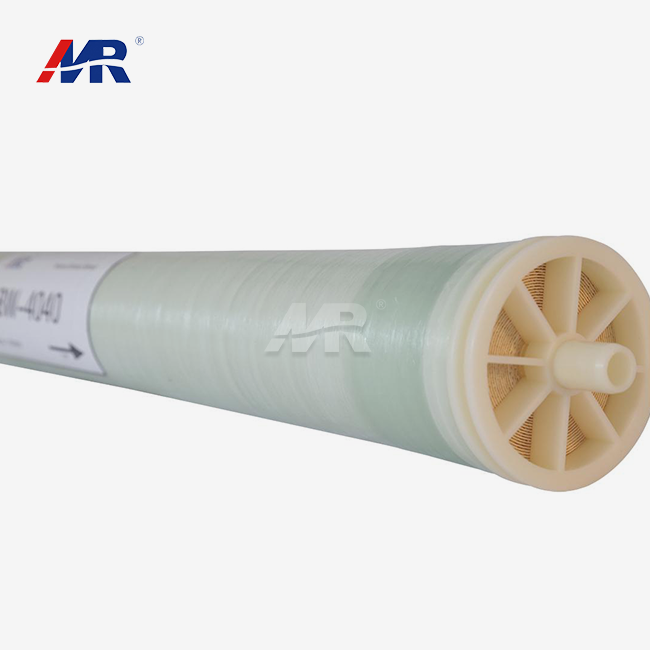 VIEW MOREindustrial reverse osmosis membrane
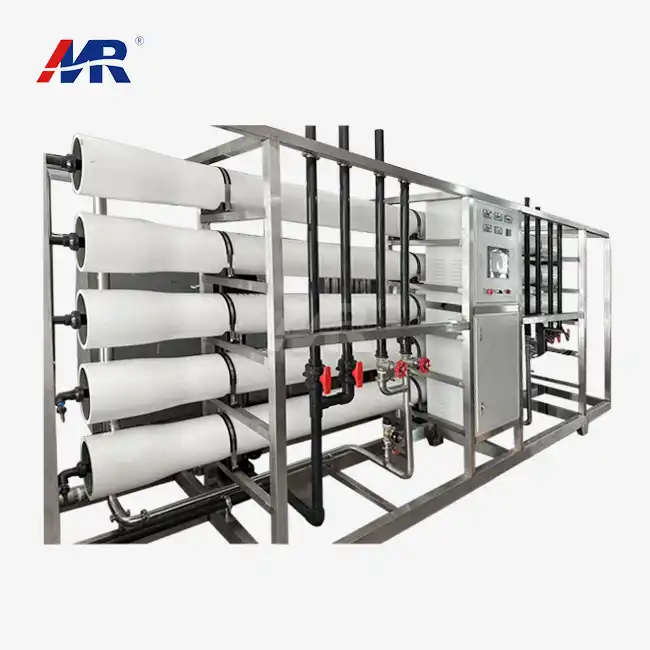 VIEW MORE25m3/hour reverse osmosis equipment
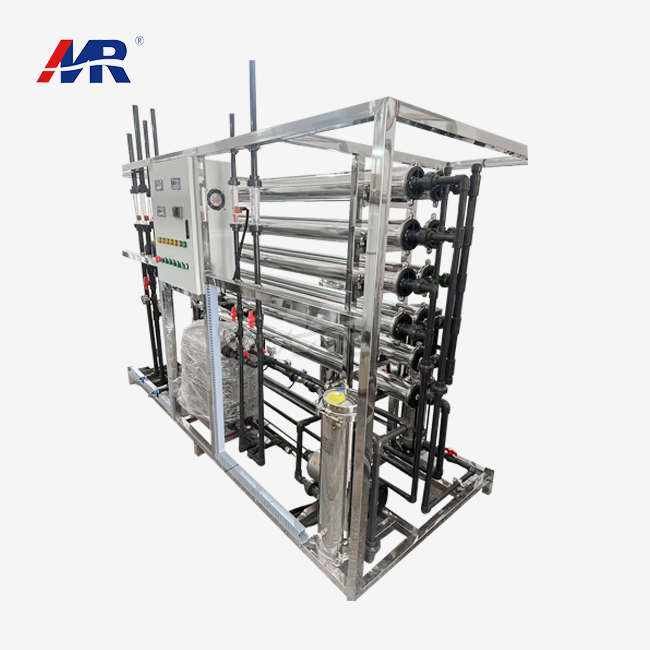 VIEW MOREedi system in water treatment
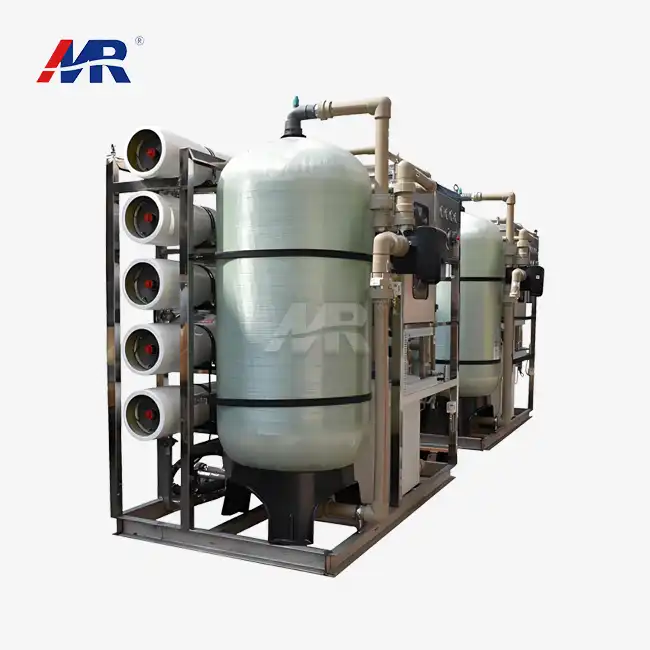 VIEW MORE8m3/hour seawater desalination equipment
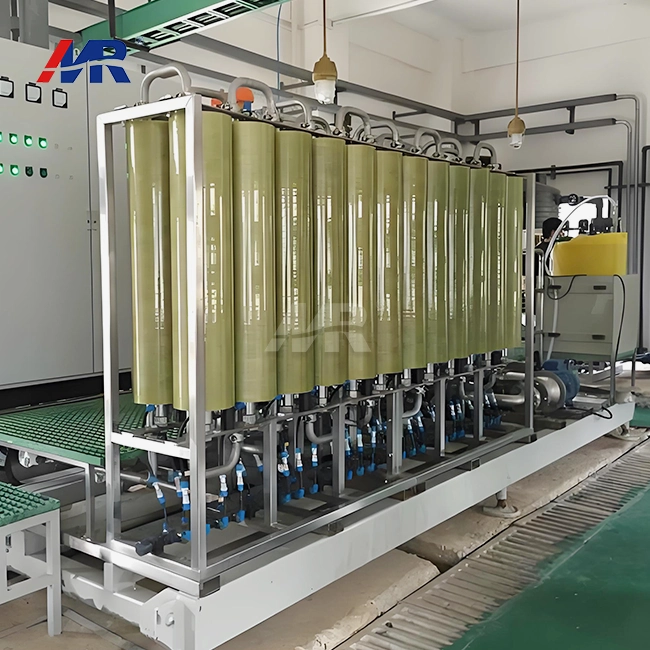 VIEW MOREDisc Tube Reverse Osmosis
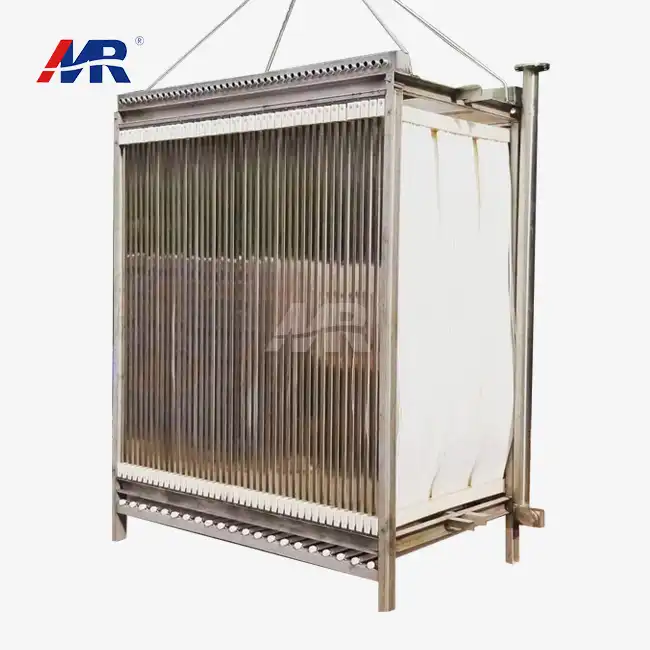 VIEW MOREmembrane bioreactor
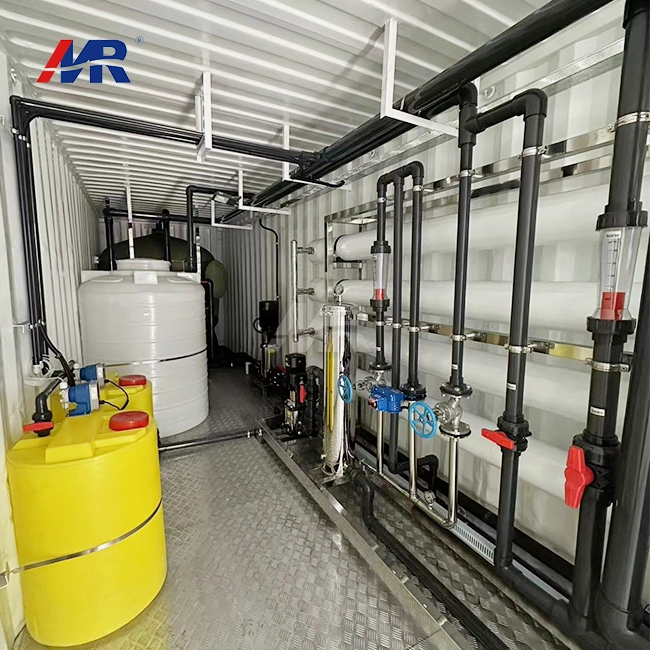 VIEW MOREcontainerized desalination plant
 VIEW MORE20m3/hour seawater desalination equipment
