

_1745823981883.webp)

What Materials Are Best for an RO Water Tank in Harsh Environments?
One of the most important things a purchasing manager or water treatment engineer can do in a tough business or industrial setting is pick the right material for their RO water tank. It is best to use stainless steel 316, high-density polyethylene (HDPE), or fiberglass-reinforced plastics when the going gets tough. Temperature, chemicals, and UV light all affect them in different ways. What you need to know about the site, the operating pressure, the water chemistry, and your budget will help you make the best choice. If you do this wrong, it could fail early, cause dirty water, and cause downtime that isn't needed.
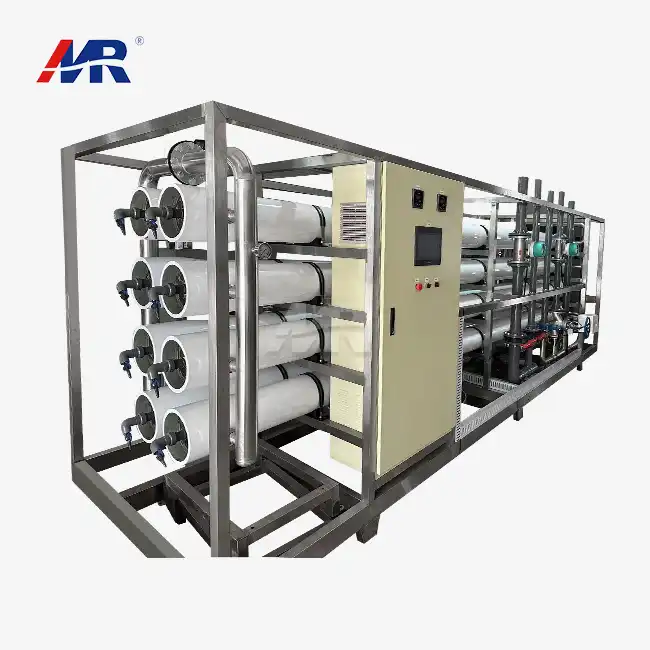
Understanding the Challenges of Harsh Environments for RO Water Tanks
There isn't always a clean room with the right temperature and humidity on a construction site. In business and industry, a lot of RO systems have to work in tough conditions that put a lot of stress on the hulls. To choose the right tank material, you need to know what you're up against.
Extreme Temperatures
Regular plastic tanks can bend when the temperature rises above 140°F/60°C, and bladders inside vessels that are under pressure break down more quickly. In cold places, water that freezes and thaws can crack tank walls and lines because it expands. The American Water Works Association says that heat cycling is one of the three main reasons why tanks in open industrial areas break down before they should.
UV Radiation and Weathering
Vinyl breaks down into polymer chains when UV light stays on it for a long time. If you leave plastic tanks out in the sun for 18 to 24 months, it will chalk, break, and make very small cracks on the surface. This is better done with tanks made of steel and fibreglass that are stronger and have gel coats that block UV rays.
Chemical and Corrosive Agents
In the air near the coast, chloride ions break down steel over time, even stainless steel 304. An acid, an alkaline cleaner, or feedwater with a high TDS can get into tanks in factories. Protecting something from poisons is not an extra; it changes how long it will last in that area.
Key Materials Used in RO Water Tanks and Their Properties
Most business and industry RO tanks are made from three different types of materials. Before you choose which one to buy, you should look at how well each one works.
Stainless Steel (304 and 316 Grades)
316-grade stainless steel tanks are the best choice for use in the sea, for medicine, food, and high salt levels. It can handle chlorides much better than grade 304 because it has 2–3% molybdenum in it. These tanks can handle temperatures and pressures up to 150 psi, which is a lot more than plastic tanks can. They meet the NSF/ANSI 61 standards, so you can also use them with water that you can drink. At first, it costs more and weighs more, which makes it harder to fit.
Polyethylene and Polypropylene (PE/PP)
Plastic tanks like an RO water tank are cheap, easy to carry, and many poisons can't harm them. Find ones that are safe for food and are made of HDPE or polypropylene. They're good at keeping air inside at a low to middling pressure. Pressurized hydropneumatic systems don't work well with them. These are common in RO systems that don't have bladders or bags inside. Things that aren't UV-stabilized really get damaged when they're outside. Normal PE tanks can only handle 140°F of heat, so they can't be used in those conditions.
Fiberglass-Reinforced Composite (FRP)
Fibreglass tanks are a good choice because they are cheap and useful. Chemicals and cold air can't hurt them. From -40°F to 200°F, depending on the type of cloth, they can handle it. Plus, they aren't as heavy as steel. Also, FRP tanks can be made in a lot of different sizes, shapes, and ways. This is very useful for EPC contractors and system designers who are working on projects with specific needs. One trouble with FRP is that it is easy to break when it gets hit. It needs to be moved and put together with care.
Comparative Analysis: Choosing the Best Material for Your RO Water Tank
All you need to know about these three materials is how hard the climate is, how much pressure the system needs, how well it meets standards, and how much it costs to own all of them.
These are the three materials' scores on the most important factors for B2B buyers:
- Near the coast, in pharmacies, and near food are the best places to find stainless steel 316. Made for systems that need a lot of pressure. It meets the standards for food contact set by the FDA and NSF/ANSI 61. With the right care, they can last 15–25 years or longer. The first one costs the most, but it's changed the least.
- It is best to store RO water indoors, at low pressure, or at room temperature in HDPE or PP tanks. The one with the least weight is the easiest to move and set up. Less expensive per unit. It needs to be UV-stabilized before it can be used outside. Not good for places that are hot or have a lot of chemicals.
- Fibreglass or FRP tanks work best for medium-duty outdoor systems, projects that remove salt from water, and one-of-a-kind setups. It is resistant to chemicals and works well across a wide pH range. Cost in the middle. Based on the building, it can be used for both air and pressure forms.
This range of abilities has a direct impact on how well the method works. The RO method can't work if a tank breaks down chemically because it can leak dirty water into clean water. When a physically broken tank stops making things, the pump stops working, and all of a sudden, repair costs show up.
People who are buying for North American markets should make sure that any tank that will hold drinking water is approved by NSF/ANSI 61. When people in Europe buy food-contact materials, they usually look at EN 1645 or other EU rules that are similar. In most areas, stainless steel 316 meets the most standards. Because of this, OEM installers and wholesalers who work with more than one market should choose it.
Best Practices for Maintaining RO Water Tanks in Harsh Conditions
Picking the right material is the first step for an RO water tank. The tank needs planned care that takes into account the material's weaknesses so it can last as long as it's meant to.
Stainless Steel Maintenance
When stainless steel tanks are first put in place, they should be passivated. They should also be cleaned every so often with Products that don't contain salt. 304-grade tanks shouldn't be cleaned with bleach if the air is very wet. Every year, look at welds and fittings for pitting rust. This is especially important in places close to the water. The seals and O-rings should be changed every 24 months.
Plastic Tank Care
HDPE and PP tanks should be checked for cracks on the surface, UV chalking, and stable fitting seals every three months. Tanks that are stored or put outside should be protected with covers or shields that block UV light. Stick away from strong oxidisers like ozone or chlorine with a lot of chlorine in it for a long time. These break down the structure of the polymer more quickly than water alone.
FRP/Composite Tank Upkeep
Fibreglass tanks should have their gel coat surface checked for cracks and delamination once a year. To keep water from getting into the laminate, any damage to the surface should be fixed right away. Do not let tanks load with a point hit. Metal parts that are near chemical plants or salt air have coatings that keep them from rusting. This makes them last a lot longer.
How to Choose and Procure the Right RO Water Tank for Harsh Environments
Do not look at a price list first if you want to buy industrial RO storage. Instead, tour the site. Before you talk to providers, you should write down the working temperature range, chemical exposure profile, pressure needs, space limits, and any licenses that apply.
When you look at sources, you should look for papers that show things like lists of materials, records of pressure tests, and third-party reviews of the work's quality. For more complicated projects, it's best to work with suppliers who can offer non-standard capacities, custom connection configurations, and NSF/ANSI or CE documentation for the people you want to sell to. For people who work in EPC and have to meet tight project dates, they also need to be able to deal with slow output and MOQ times.
Before you buy something big, ask to see the plant or have someone else look it over. You should make sure the seller can meet the production dates for your project before you sign. When making a choice, bulk prices should never be the most important thing to you. That weight should be put on good paperwork and help after the sale instead.
Conclusion
Choosing the right materials for an RO water tank in a harsh environment is a technical choice that will cost you in the long run. Stainless steel 316 is the most durable and meets all the requirements for tough sites. Both HDPE and PP work well indoors in low-stress situations where cost is important. FRP materials are flexible and don't rust, making them good for medium-sized outdoor projects or ones that are made to order. If you choose the right materials, follow a structured maintenance plan, and buy from a supplier with verified documentation, your RO storage system will work well for as long as it's supposed to.
FAQ
1. Why is stainless steel 316 preferred over 304 for coastal RO installations?
Molybdenum in Grade 316 protects against chloride-induced pitting corrosion. In coastal areas with constant salt air, 304 tanks get surface rust and eventually develop holes within 3 to 7 years. With Grade 316, that service window grows to 15 years or more under the same conditions, which makes the higher cost worth it for long-term deployments.
2. How often should an RO pressure tank be inspected in an industrial setting?
Visual checks should be done at least every three months to look for leaks, rust, or deformation, and a full check should be done once a year to check the state of the bladder inside, the pressure charge, and the stability of the fittings. In places where chemicals are dangerous, check visually every month instead of every two weeks.
3. Can plastic RO tanks be used outdoors in hot climates?
Yes, but only if the material is sealed against UV light and is rated for the temperature where it will be used. Normal HDPE tanks can't be left outside for long periods of time when the temperature is above 130°F. If you have to put the tank outside in a hot area, FRP or stainless steel tanks are better for the long run.
4. What certifications should a commercial RO storage tank carry for the U.S. market?
At the very least, NSF/ANSI 61 for potable water contact material. Tanks that are used to process food and drinks should also make sure that the wet areas are FDA-compliant. Depending on the system pressure ratings, pressure vessels may need to be in line with ASME Section VIII.
Partner with Morui for Your Next RO Tank Project
With engineering help and checked documents, Morui offers RO water tank options for businesses and factories. With our own facility for making membranes, in-house processing factories, and 20 engineers spread out across 14 branches, we can take care of projects from beginning to end. To talk about your needs with a professional RO water tank maker, email us at benson@guangdongmorui.com. For buyers in the U.S. and around the world, we offer customization, bulk discounts, and packing that is ready to ship.
References
1. American Water Works Association (AWWA). Water Storage Facilities: Design, Construction, Maintenance and Repair. AWWA, 2019.
2. NSF International. NSF/ANSI Standard 61: Drinking Water System Components – Health Effects. NSF International, 2022.
3. Crittenden, J.C., et al. MWH's Water Treatment: Principles and Design. John Wiley & Sons, 2012.
4. ASME. Boiler and Pressure Vessel Code, Section VIII: Rules for Construction of Pressure Vessels. American Society of Mechanical Engineers, 2021.
5. Metcalf & Eddy. Water Reuse: Issues, Technologies, and Applications. McGraw-Hill, 2007.
6. Water Quality Association (WQA). Reverse Osmosis Systems: Technical Application Bulletin. WQA, 2020.
 VIEW MOREhighest rated reverse osmosis system
 VIEW MOREmembrane used for reverse osmosis
 VIEW MOREDTRO for Wastewater Treatment
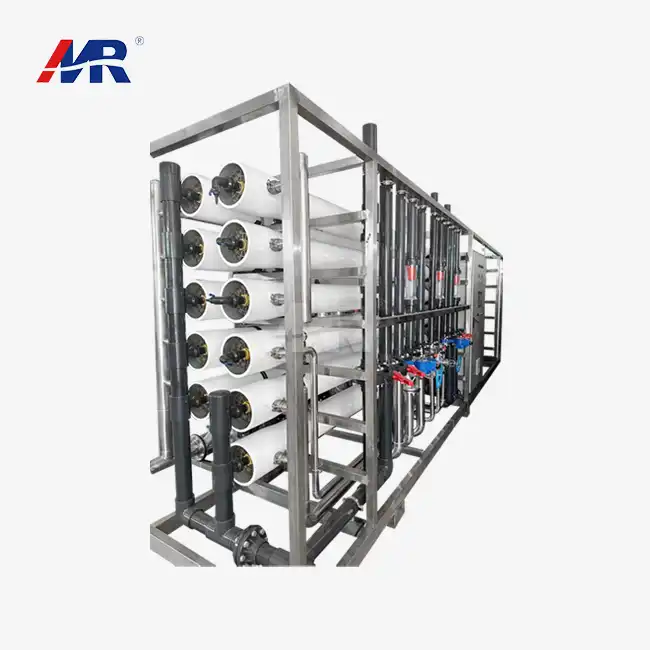 VIEW MORE60m3/hour reverse osmosis plant
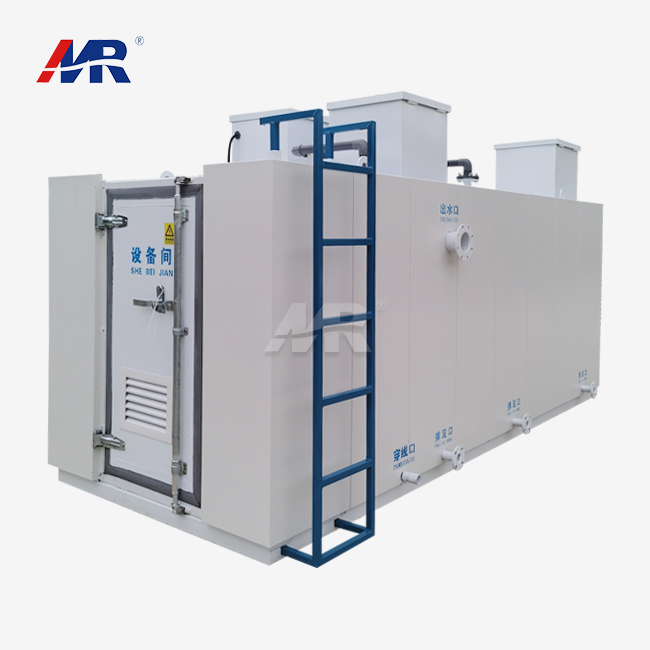 VIEW MOREwastewater treatment plant
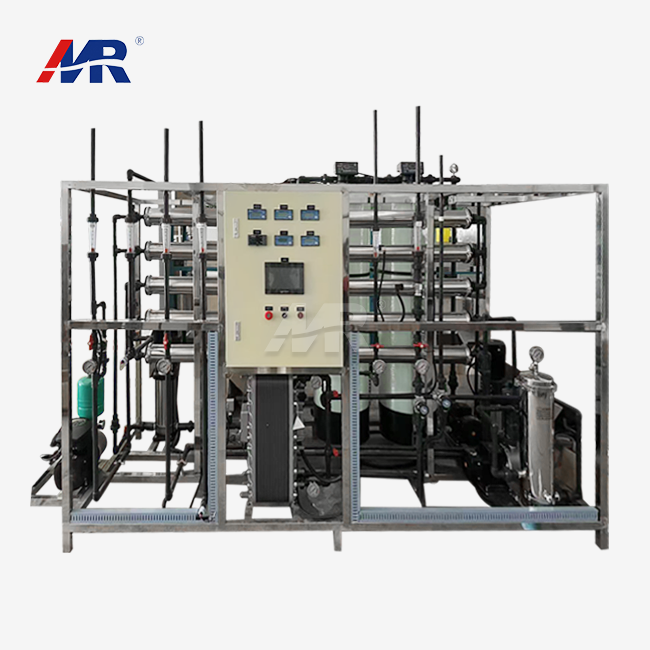 VIEW MOREedi purified water system
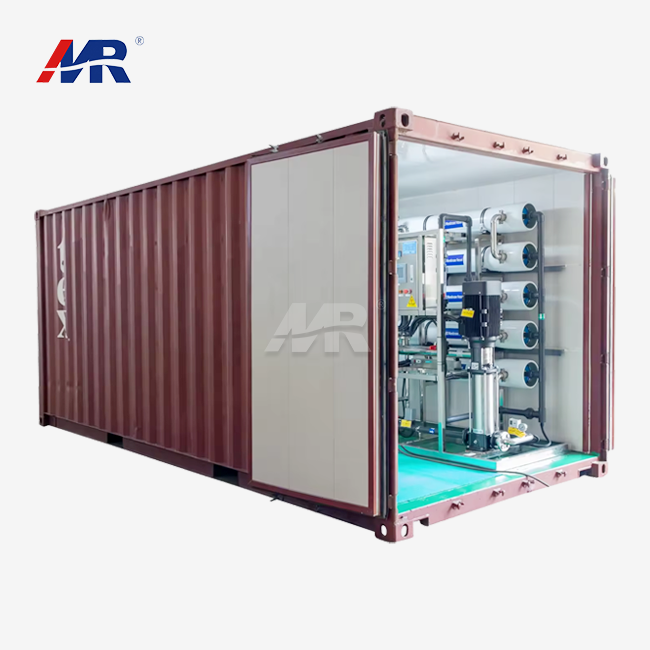 VIEW MOREmobile container reverse osmosis equipment
 VIEW MORE25m3/hour reverse osmosis equipment
