Benefits of Implementing a Reverse Osmosis (RO) System
The main benefits of implementing a reverse osmosis system are cleaner water, steadier quality, and better protection for downstream equipment. A new ro system pushes feed water through a semipermeable membrane that holds back dissolved salts, many metals, and other contaminants that ordinary filters miss. The result is water that meets a defined purity target, batch after batch. Plants also cut scale on boilers and process lines, and they rely less on trucked-in bottled water. In this guide, I explain how the technology works, where it fits, and how our model MR-BWRO-50TH serves pharmaceutical water production.
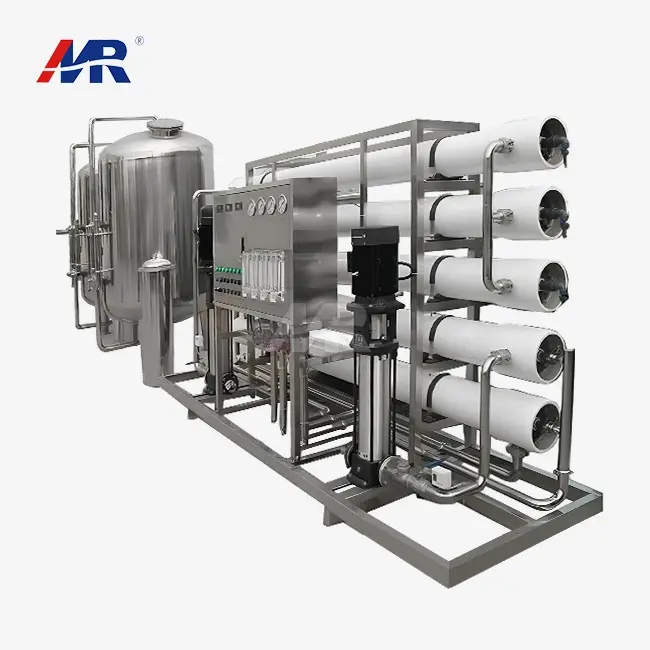
Why Water Quality Challenges Call for a New RO System
Dissolved Solids Cause Hidden Problems
Total dissolved solids (TDS) are hard to see in clear water. Another limit that the U.S. EPA has set for TDS is 500 mg/L. This is because too much can cause scale, a salty taste, and corrosion. In a plant, they build up into a crust inside pipes, boilers, and heat exchange zones. Things don't last as long when that crust is on them. Ions that are dissolved, stiffness, and organics can also hurt the quality of a product and group records in pharmacy work. An old method from the U.S. Geological Survey says that the TDS level of brackish water is between 1,000 and 10,000 mg/L. This amount of TDS is found in groundwater in some places of the US. When the water level is that low, it needs more than just a cartridge filter to clean it.
Why Filters Alone Fall Short
The work that filters do to catch sediment and carbon is useful. Sediment filters get rid of particles, and carbon filters get rid of chlorine, taste, and smell. There are too few holes in the salts for the filters to hold them, so neither one gets rid of them very well. Getting, moving, storing, using, and getting rid of bottled water all cost money. You should think about getting a new RO system if the one you have now can't meet the TDS level, process specs, or steady output you need. You can still use filters, but they work best as the first step to keep the membrane safe.
Start With Feed-Water Testing
The first thing that should be done in any good RO job is a water report. People who buy water tell me about the temperature, TDS, hardness, iron, silica, chlorides, pH, and amount of bugs in the water. The way the water levels in wells and on the surface change over the course of the year is also important. These numbers determine the pretreatment steps, the membrane stage, and the recovery rate. Some things, like calcium, iron, and hardness, can make membranes scale and get dirty, according to engineering books like "Water Treatment: Principles and Design." Things that are very hard should be softened or descaled, and iron that is very strong should be removed. People often clog membranes and make them not last long if they skip this step.
How a New RO System Works and What It Delivers
How Pressure and Membranes Separate Salts
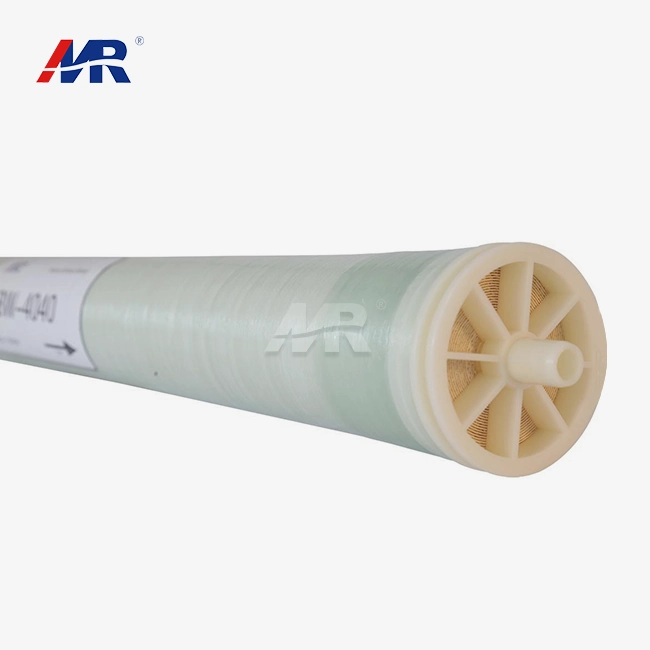
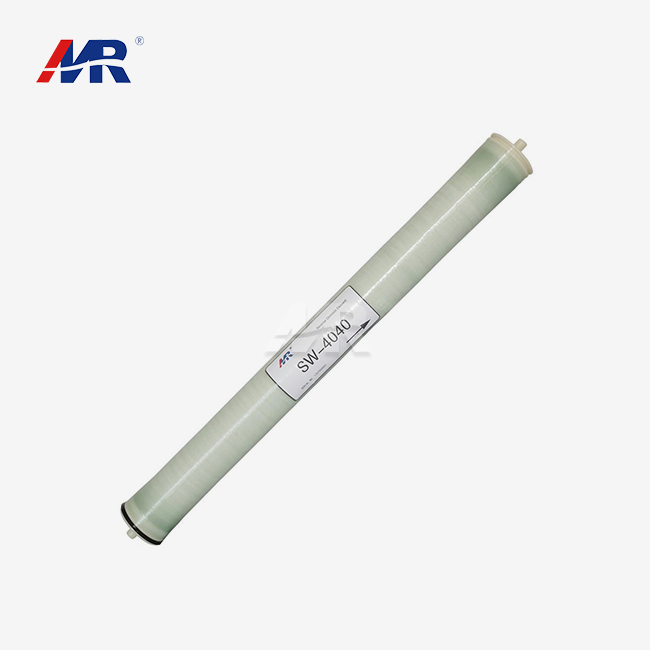
This is what reverse osmosis means: it changes the direction of natural flow. High-pressure water is pushed against one side of a barrier that lets some water through. Salts that have been broken down stay behind, but water drops move through. The clear stream is known as permeate, and the salty stream is known as concentrate, or just brine for short. A full new ro system has steps for pretreatment before the membrane and tracking after it. If needed, UV or remineralization steps can also be added. The AWWA Manual M46 tells you how to build and run RO and nanofiltration plants. This rate tells you how much feed changes into permeate. The process recovers 55 to 65 gallons of water for every 100 gallons that are fed in.
Major Benefits of Implementing a Reverse Osmosis System
They make a lot of good things happen very quickly. First, the water quality stays the same, which is good for processes that have to follow strict rules. Second, scale falls off of gear like heaters, cooling loops, and production lines, making them easier to keep up. Third, drinkable water, food and drink lines, labs, and business processes can all get their water from the same clean source. Fourth, making water on-site cuts down on the need to buy and transport water in bottles. Fifth, RO helps clean up wastewater so that plants can use less of it and send it out less. A paper by Elimelech and Phillip in Science says that RO cleans water a lot more efficiently than steam purification. This is one reason why people like membrane plants so much.
Comparing RO With Filters, Bottled Water, and Other Options
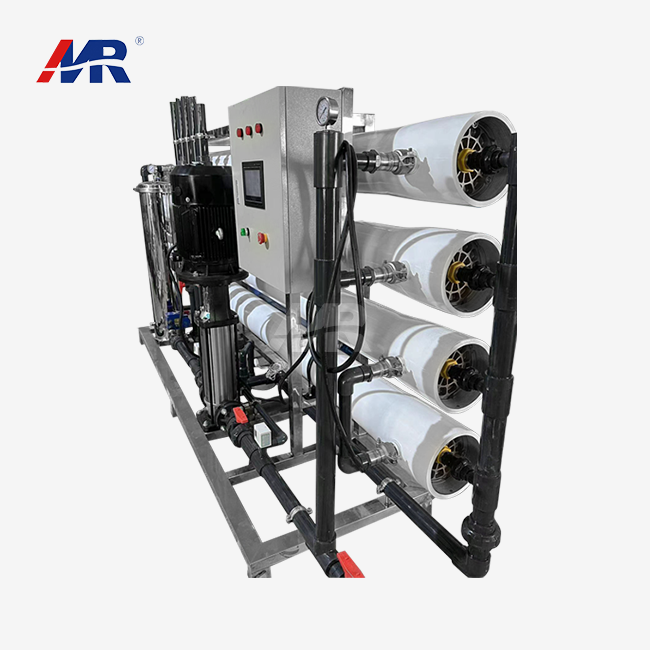
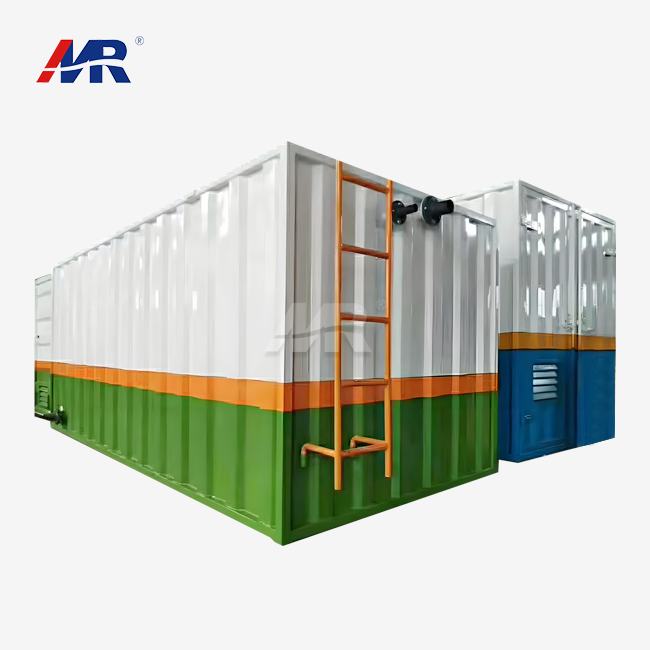
It can be helpful to do a quick comparison. Filters made of carbon and silt are cheap and can be used to cut down on particles, chlorine, and taste. When you first buy water in a bottle, it's cheap, but afterward, it costs more. When you need extra water, tank-based RO gives it to you. Tankless RO, on the other hand, only makes water when you need it, which saves room. A whole-building new ro system can bring clean water to many taps, but point-of-use systems are less expensive when only a few taps need it. When used in industry or medicine, a RO plant on a skid is better because it can handle continuous flow, instrumentation, and has been shown to work before. Pick the choice that best fits your daily needs and the purity level your process needs.
Model MR-BWRO-50TH for Pharmaceutical Water Production
Core Specifications of MR-BWRO-50TH
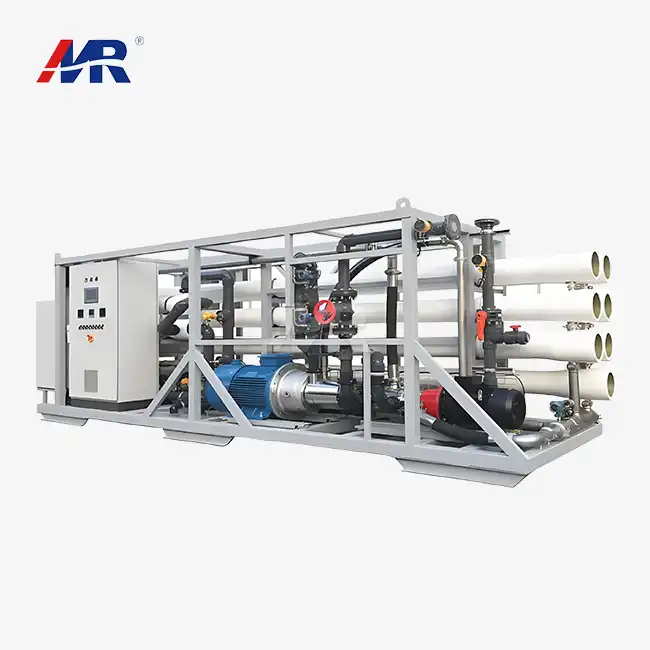
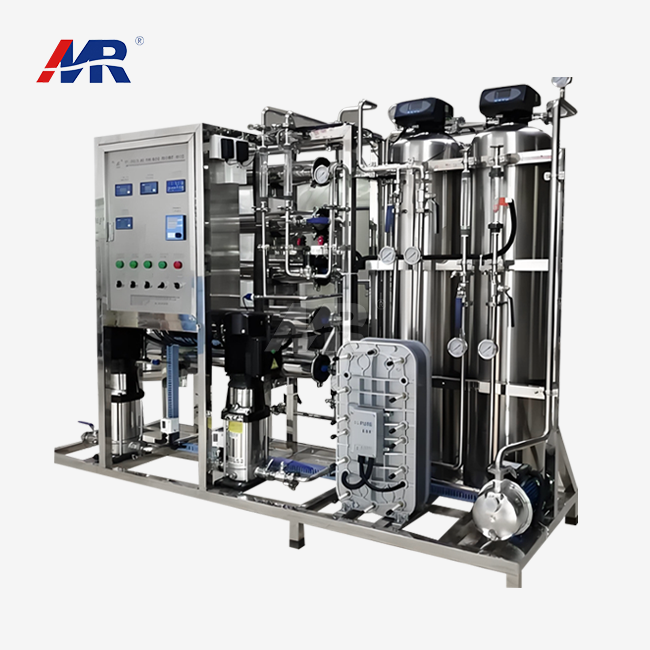
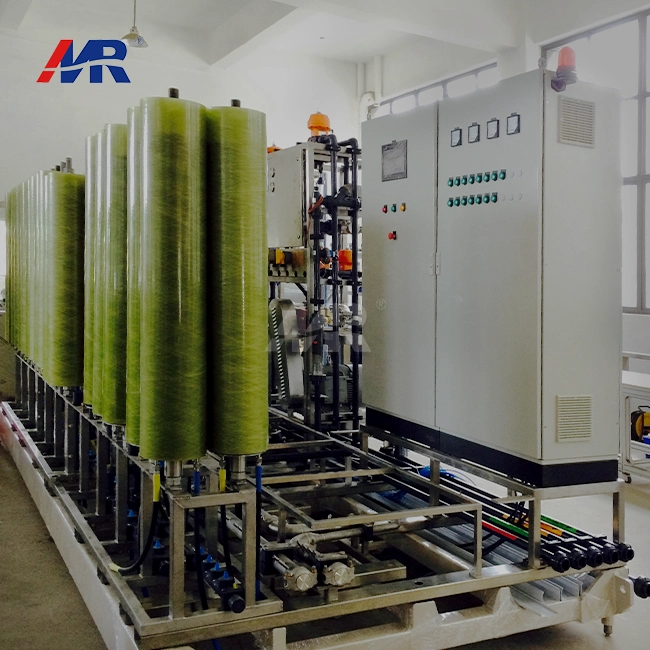
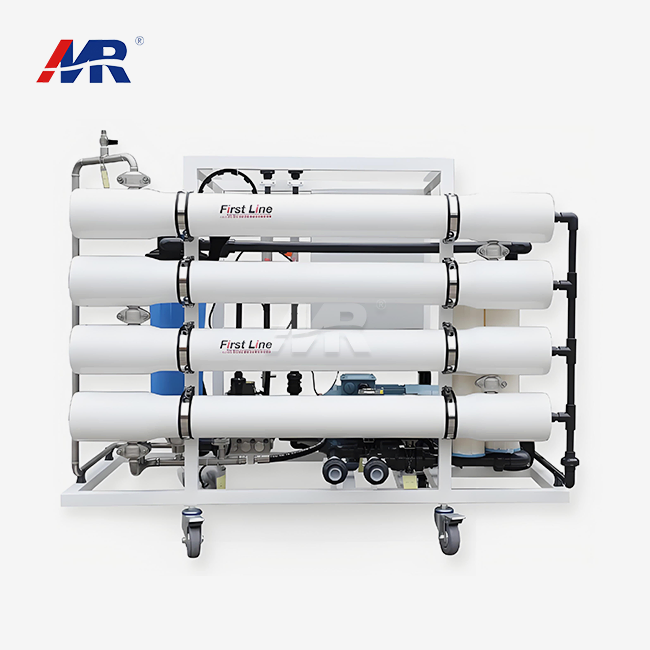
It is a complete brackish water RO system made by Morui that produces water for pharmaceutical use. About 55 to 65% of the salt is removed, and 55 kW of power is used. Up to 99% of the salt is thrown away. People who want to buy can look at those numbers to get an idea of how much it costs to run and how much is being rejected before they place an order. Pharmaceutically pure water often needs extra cleaning with EDI or UV, depending on the needs. Based on the ISPE Baseline Guide for water and steam systems, drug companies should plan and test these types of systems in a certain way. Our engineers first check the grade you need, and then they make sure the whole treatment train is correct.
Selecting a Process and Choosing a Supplier
Your raw-water report tells us how to build it. That report helped us choose the pretreatment, the membrane stages, and the rate of healing. Next, we add or remove pumps, controls, instruments, pipe materials, and monitoring from afar based on what you need. We can make a product based on a plan you give us at Morui. We do both OEM and ODM work. Find out who makes the tools. Some of Morui's plants that process equipment are also owned by the company. About 500 people work for our company, which has been around for 25 years and has 14 branch companies and 20 engineers. Not only that, but we also sell Createc instruments, Runxin valves, and Shimge pumps. Anyone who sells you something should be able to give you test records, drawings, manuals, warranty terms, lead times, and plans for spare parts.
Installation, Maintenance, and Measuring Results
Getting things ready for use is the first step to good performance. Before you start up, make sure that the power, temperature, drainage, input pressure, and preparation are all right. Also, make sure there are no leaks and check the conductivity of the water that was made to see if it matches your goal. Plan how you will keep track of TDS, flow, pressure, heating, and energy use when you're done. If the pressure or flow rate drops, it's likely that there is scaling or fouling. If you clean up soon enough, you can fix both of these issues. You can use data from the start to figure out the cost per gallon and compare it to how you did it before. Professionals with the right training should handle business systems, and Morui's equipment is already set up and installed.
Conclusion
Reverse osmosis is a safe way for businesses to get rid of the salts and other bad things that filters miss. The first step is to test the feed water, which sets the stage for preparation, the membrane stage, and recovery. Then, a new RO system gives you consistent water quality, less equipment scale, and less need for bottled water. Recovery and power data help you plan your costs. A pre-engineered skid can meet the ongoing needs of the pharmacy and manufacturing sectors better than filters, bottled water, and other plans. Based on the grade, the Model MR-BWRO-50TH can reject 99% of the salt and recover 55–65% of it. It needs 55 kW of power to make water for pharmaceutical use, and the extra polishing is set by the grade. During the completion process, the system is kept on track and checked often to make sure it keeps meeting its goals.
FAQ
1. Is RO alone enough for pharmaceutical water?
RO gets rid of most of the dissolved salts and a lot of the pollutants. A lot of the time, pharmaceutical grades need extra steps that have been tested and shown to work, such as EDI, UV, and tracking. Based on the grade that is needed, the final plan is made.
2. What does 55–65% recovery mean?
In other words, between 55% and 65% of the feed water is turned into product water, and the rest is sent away as concentrate. Higher recovery cuts down on feed water use but raises the risk of scaling, which is why it's important to prepare.
3. Can Morui customize the system?
Yes. We do work for both OEM and ODM. Based on the raw water report, we pick the cleaning, membrane stage, pumps, instruments, lines, controls, and remote tracking.
4. What should I send for a quote?
Send your water report with the amount of water you want, the grade of the water, the electricity you have, and the space you have available.
Request a New RO System Quote from Morui
Morui is a new RO system manufacturer. They have 20 experts on staff and offer a full installation and commissioning service. Your raw water report, goal flow, and water-grade needs will help Our Team come up with a process for model MR-BWRO-50TH or a custom OEM skid. Visit moruiwater.com to learn more about our Products and project support.
References
1. U.S. Environmental Protection Agency, Secondary Drinking Water Standards: Guidance for Nuisance Chemicals, 1992
2. U.S. Geological Survey, Saline-Water Resources of North Dakota, 1958
3. American Water Works Association, Manual M46: Reverse Osmosis and Nanofiltration, 2007
4. Science, The Future of Seawater Desalination: Energy, Technology, and the Environment, 2011
5. International Society for Pharmaceutical Engineering, ISPE Baseline Guide Volume 4: Water and Steam Systems, 2019
6. MWH, Water Treatment: Principles and Design, 2012