

_1745823981883.webp)

Water Softener and Reverse Osmosis System Flow Rate Considerations
Flow rate is one of the most overlooked variables in water treatment planning, yet it directly determines whether your system delivers clean, properly mineralized water or becomes a bottleneck in your operation. A well-matched water softener and reverse osmosis system manages both ion exchange and membrane filtration at rates that protect equipment, maintain water quality, and support real-world demand. This guide walks through what B2B procurement teams need to know before specifying or sourcing these systems at any scale.
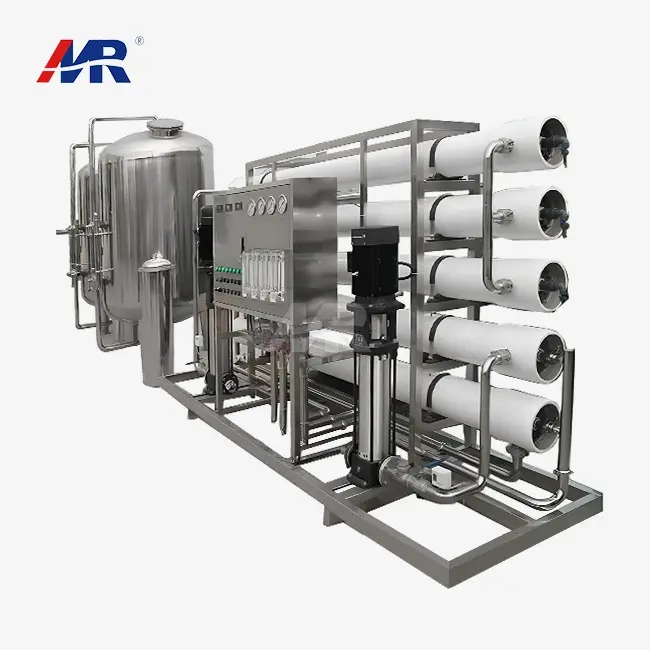
Understanding Flow Rate Fundamentals in Water Softener and RO Systems
Gallons per minute (GPM) or liters per minute (L/min) are two ways to measure flow rate. The flow rate determines how fast each step of cleaning water goes. It will cost you more money and wear out faster if you mess up the design.
What Flow Rate Actually Means in Practice
The flow rate is a measurement of how much clean water a machine can produce in a given length of time. Many single-point-of-use RO devices produce 50 to 100 gallons of water each day. Plants may be equipped with systems that can manage much more than the 500 to 5,000 GPD (gallons per day) a single company could consume. Too low a pace and there won't be enough water to go around. If the rate is too high, the resin beds or membranes will allow water to flow through quicker than the media can clean it. This makes the procedure less successful in removing pollutants.
How System Design and Water Conditions Affect Flow
You want to know whether the water from the well is hard or soft. The harder the water, the more work the ion-exchange resin needs to do each time it is utilized. This may slow down the process and create extra backwashing. And how hot or cold it is matters too. The permeate flux of a ro membrane lowers roughly 3 % / °C below 25 °C. Having pressure is also extremely crucial. Most RO membranes run at maximum speed at 50 to 80 psi. If the pressure is less than that, the flow of permeate is significantly slowed down.
Standard Flow Rate Ranges by Application Scale
Most household softener-RO systems will handle .5 to 2 GPM. The big majority of small enterprises like coffee shops, hospitals, and food prep lines need between 2 and 10 GPM. Central filtration systems for hotels or businesses may need 20 to 100 GPM or more. These ranges better represent genuine peak demand rather than average consumption. This will save you the exorbitant expenditures of purchasing systems that are too tiny or that don’t operate properly.
Comparing Water Softener and Reverse Osmosis System Flow Rate Characteristics
When two processes are used together, they affect each other in very different ways. These differences affect how the flow goes through the water softener and reverse osmosis system.
How Each Technology Handles Flow Differently
Ion-exchange resin water softeners can frequently manage flow rates of 5 to 20 GPM, depending on the size of the tank. Because of this, you may utilize them for high-demand operations like stove feed or whole-house supplies. A RO membrane system takes longer to do its job because only a tiny percentage of the water that flows in is converted into permeate. The average return rate for industrial units is 50% to 75%. For example, a RO system with a 10 GPM feed may produce 5–7 GPM of clean filtrate.
Managing Flow in Series Configurations
It has been demonstrated that adding a filter before a RO membrane may prolong the life of the membrane and maintain the flow of permeate steady. This machine pulls the calcium and magnesium out of the water before it gets to the membrane. This makes it less likely to scale. The softener service flow rate must exceed the input requirement of the RO system. Otherwise, the pressure drops, which damages the operation of the membrane. Morui cares that while they are assembling ODM packages, no portion of the flow connection interferes with the other.
Real-World Benefits Seen Across Industry Segments
Hotels and beverage chains that employ pre-softened RO systems indicate that the membranes last longer if the source water is harsh (over 200 mg/L as CaCO3). Some studies show the membranes even last 30 to 50 percent longer. OEM companies that utilize post-RO remineralization cartridges state that steady, regulated flow through the mineral bed leads to constant outlet TDS and pH, which is extremely essential for the quality of coffee extraction and how consumers taste it.
Flow Rate Optimization: Best Practices and Maintenance Tips
A well-designed system will break down over time if it is not checked and maintained regularly. If you do these things, the flow rates will stay the same for as long as the equipment lasts.
To start, we need to measure. For in-line monitoring, connect a flow meter that has been calibrated to the system's outlet. Meters that use ultrasound or turbines work well. In the beginning, write down the usual flow, and then every month, compare it to the first one. It's probably time for repair if the value drops by 15% or more from where it started.
Here are the main maintenance tasks that need to be done to help protect flow rate performance:
- Salt replenishment and resin inspection: Ion-exchange resin loses capacity if the brine tank runs dry or if resin beads fracture from mechanical stress. Fractured resin reduces bed porosity and increases pressure drop across the softener. Inspect resin annually and replenish salt before the tank falls below 25% capacity.
- RO membrane replacement: Most commercial membranes carry a 2–5 year service life under normal conditions. Fouled membranes show reduced permeate flow and rising salt passage. Replace based on performance data, not just calendar time.
- Pre-filter and carbon block changes: These protect the membrane from sediment and chlorine. Skipping changes accelerates membrane fouling and creates measurable flow restriction upstream.
- Valve and flow-control checks: Automatic control valves on softeners, particularly Runxin-type multi-port valves (which Morui supplies), should be inspected for seal wear and actuation timing annually.
– Putting salt back in and checking the resin: Ion-exchange resin can't hold ions anymore if the brine tank runs dry or if the resin beads break from stress. The pressure drop across the softener goes up when the plastic is broken. This makes the bed less porous. Check the resin once a year and add more salt before the tank is less than 25% full.
If everything goes as planned, most commercial RO membranes will last between 2 and 5 years before they need to be replaced. When membranes are dirty, less permeate flows through them, and more salt does. Change based on performance data, not just the date and time on the calendar.A pre-filter and a carbon block have been changed. These keep dirt and chlorine from getting into the membrane. It is possible to measure how much flow is limited upstream when changes are skipped.- Valve and flow-control checks: You should check the automatic control valves on softeners, especially the Runxin-type multi-port valves that Morui sells, for seal wear and the right time to turn them on once a year.
Selecting the Right Water Softener or RO System Based on Flow Rate Needs
To make a choice, buying teams only need to match the system's ability to meet high demand, think about water quality, and look at how much the whole thing will cost over its lifetime.
Calculating Your Required Flow Rate
First, think about what you want most. When the coffee shop is busy, it needs at least 4–5 GPM of flow and quality. It needs a water softener and reverse osmosis system that can handle 3 GPM. Add 20 to 25 percent to make more people want to buy. Think about how hard the water is and how much TDS it has. When the number is high, softeners need to be renewed more often, and RO filters will make less net output.
Evaluating System Configurations for Your Application
Remineralizing water after RO is becoming more and more important for drinking water stations and high-end drinks. A steady flow of 0.5 to 1 GPM through the mineral bed is needed for these back-end cartridge stages to release minerals. It leaves behind flat mineral profiles and uneven quality when water flows quickly through a remineralization filter. Each size in Morui's mineral cartridge line is designed to have a certain flow rate. If that works, people won't need to add any extra limiters because the cartridge will already work with their device.
Cost, Efficiency, and Environmental Considerations
When you use higher-recovery RO filters, it costs less to run and clean the wastewater. When they work at 75% recovery instead of 50%, they cut the amount of wastewater in half. Lots of water is saved in places that already have trouble with it. This is a big reason why eco-friendly people should buy these systems. How fast booster pumps work and how much pressure they are under determine how much energy they use. In the long run, it will save you money to only buy what you need instead of too much.
Installation and Future-Proofing: Ensuring Sustainable Flow Rate Performance
If the expected flow rate is met in the field, it will depend on how well the installation was done.
Pipe Sizing, Pump Selection, and Valve Placement
Because the supply lines aren't big enough, pressure drops happen before the water even gets to the treatment train. At least one inch-wide pipe needs to be on the side that comes in for systems that handle more than 5 GPM. The booster pumps should be big enough to keep the membrane working at full design flow, not just average flow. Morui is authorized to sell Runxin control valves. These valves have renewal methods that are already set, but they can be changed to match how they are being used instead of set times. This keeps water and salt from going to waste.
Scalability and Smart Monitoring
Buyers in the business world don't have to change whole systems to add more space; they can do it in steps with flexible system design. The Internet of Things (IoT) connects flow meters and TDS monitors to a main screen. This lets building managers see changes in performance right away, before they become service calls. Company groups with many locations, like gas stations or hotel chains, need to manage many systems at once. This method works well for them.
Regulatory Trends and Forward Procurement Planning
A lot of businesses in the US already need to be approved by NSF/ANSI 58 and NSF/ANSI 44 in order to treat water. As the EPA's rules on PFAS and lead in drinking water systems get tighter, more tests and paperwork are likely to need to be required. Teams that buy things should make sure that the systems they get now meet the most recent NSF standards and that the companies that sell them can give them up-to-date paperwork showing that they follow the rules in case the rules change.
Conclusion
Find out how well a water softener and reverse osmosis system work, how long they last, and how much value they provide by reading about flow rate. It is possible for systems to consistently work better than those that fail in the background. This is because systems that always work well match the flow rate to the demand, keep the filter and membrane steps in good shape, and plan for future growth. If you need to buy a post-RO remineralization cartridge for a beverage brand, whole-house softeners in bulk, or a combined unit to add to your OEM product line, these tips can help you decide what to get.
FAQ
1. Can a water softener affect the flow rate of a downstream RO system?
If they aren't, drops in pressure across the resin bed stop the membrane feed pressure. This can make it easier for salt to get through the barrier because it slows down the flow of permeate. You can avoid this by making sure the softener is at least 20% bigger than the RO unit's inlet flow needs.
2. What signs indicate that flow rate has dropped below acceptable performance levels?
Less water coming out of the tap, longer times to fill up the tank, growing permeate TDS levels, and changes in the way the water tastes or smells are usually signs. Flow problems in businesses are usually found before they affect end users. This is done by keeping an eye on systems and looking for longer cycle times or higher reject-to-permeate ratios.
Partner with Morui for Your Water Treatment System Needs
Guangdong Morui Environmental Technology Co., Ltd. has 500 people whose job it is to help with production and technical issues. We also have our own membrane production plant and are official agents for Runxin Valves and Createc Instruments. We help make private-label cartridges for water softeners and water softener and reverse osmosis systems and make sure your system documentation is NSF-compliant. We can also put together softener-RO packages that meet your flow rate needs. Email us at benson@guangdongmorui.com to get a sample or a price that is just right for you.**
References
1. Crittenden, J. C., et al. MWH's Water Treatment: Principles and Design. Wiley, 2012.
2. AWWA (American Water Works Association). Water Quality and Treatment: A Handbook on Drinking Water. McGraw-Hill, 2011.
3. Metcalf & Eddy. Water Reuse: Issues, Technologies, and Applications. McGraw-Hill, 2007.
4. NSF International. NSF/ANSI Standard 58: Reverse Osmosis Drinking Water Treatment Systems. NSF International, 2023.
5. NSF International. NSF/ANSI Standard 44: Residential Cation Exchange Water Softeners. NSF International, 2022.
6. Crittenden, J. C., & Hand, D. W. Membrane Filtration Guidance Manual. U.S. Environmental Protection Agency (EPA), 2005.
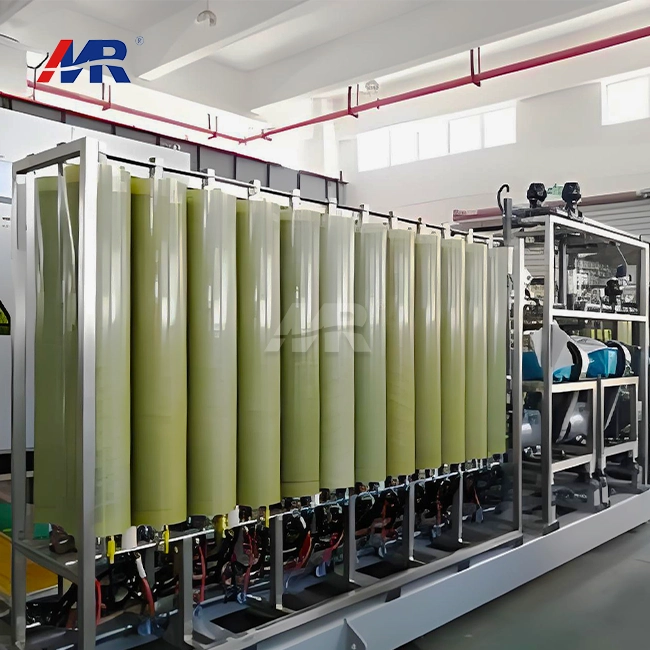 VIEW MOREDTRO plant
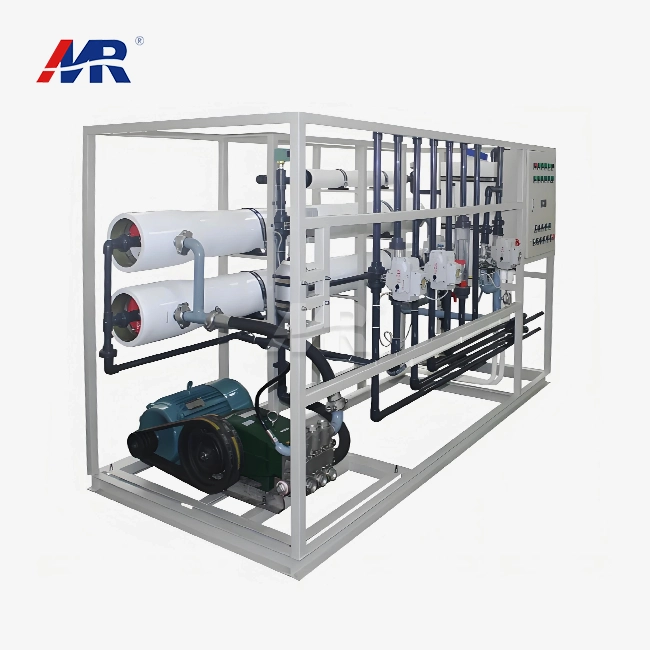 VIEW MOREseawater desalination pre-treatment
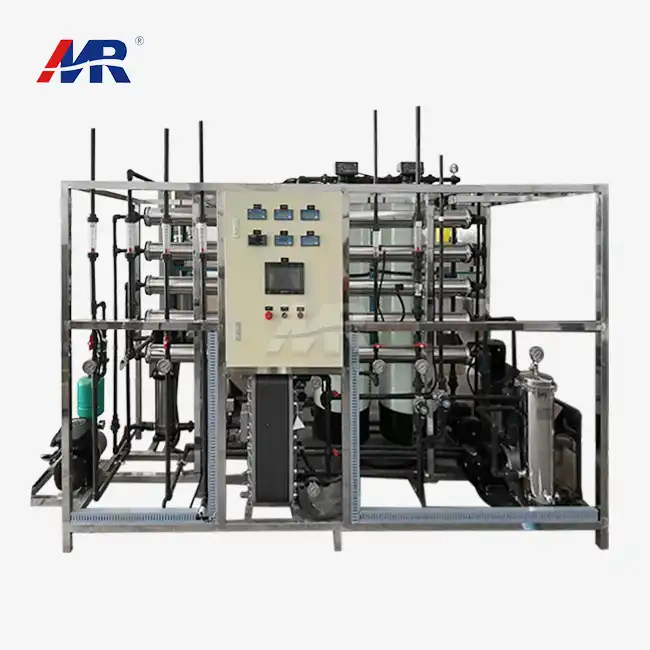 VIEW MOREedi water purification system
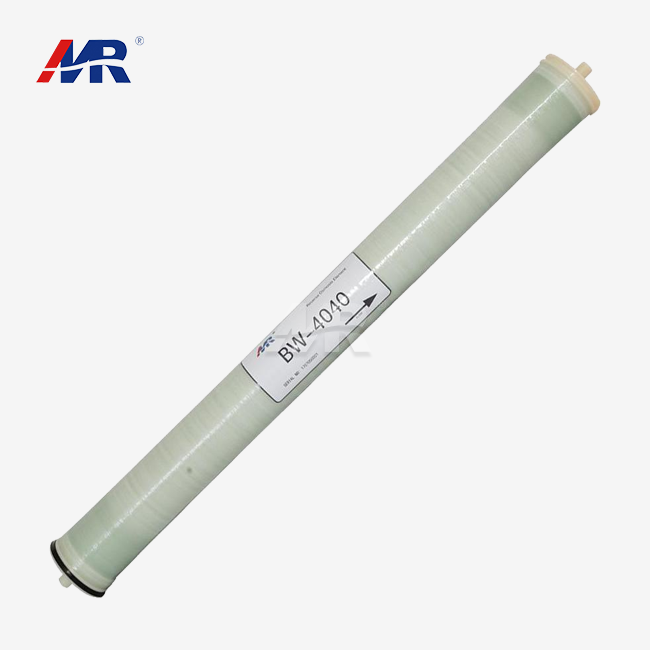 VIEW MORE4040 reverse osmosis membrane
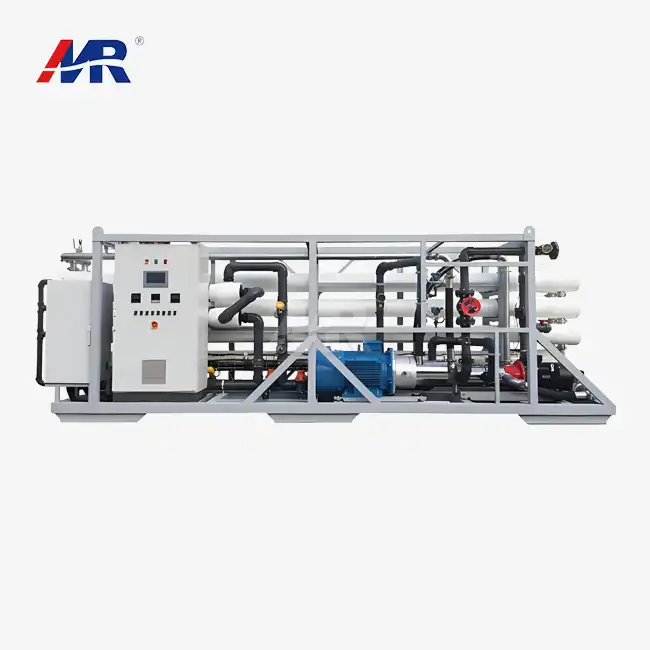 VIEW MORE15m3/hour seawater desalination system
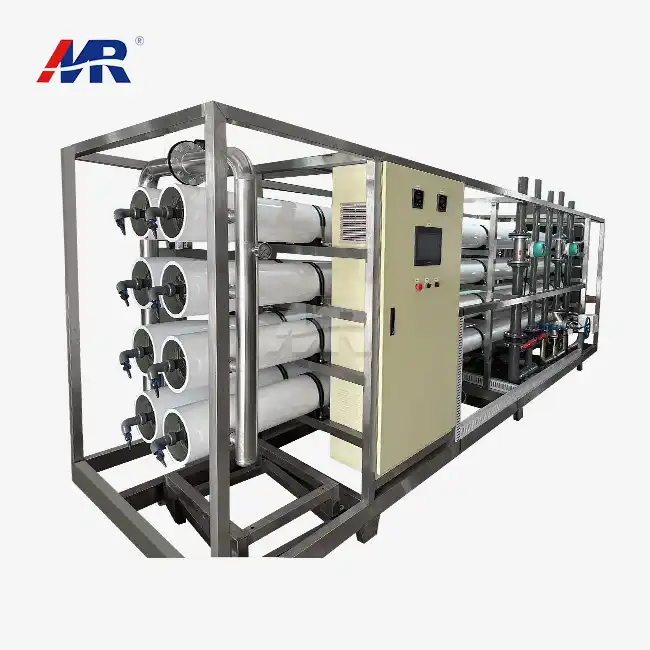 VIEW MORE8m3/hour two pass reverse osmosis system
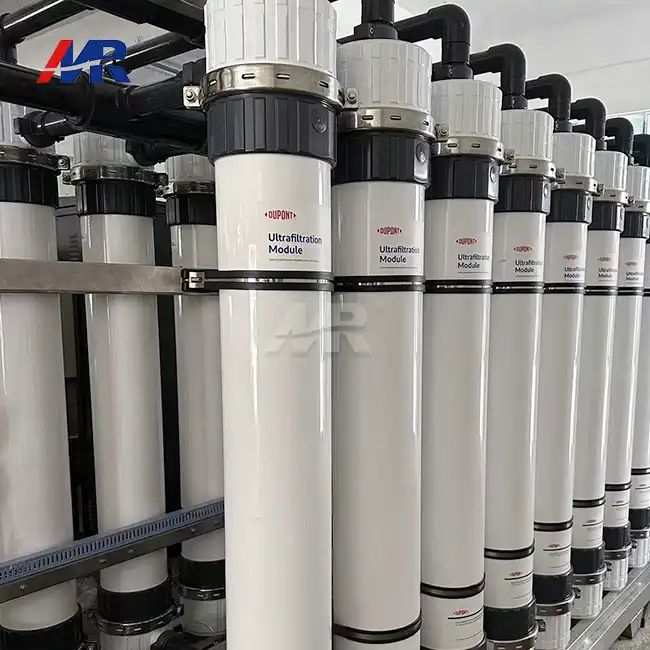 VIEW MORE100T/H ultrafiltration equipment
 VIEW MOREMBR wastewater treatment plant
