

_1745823981883.webp)

SWRO Membrane Cleaning: Best Practices for Longer Life
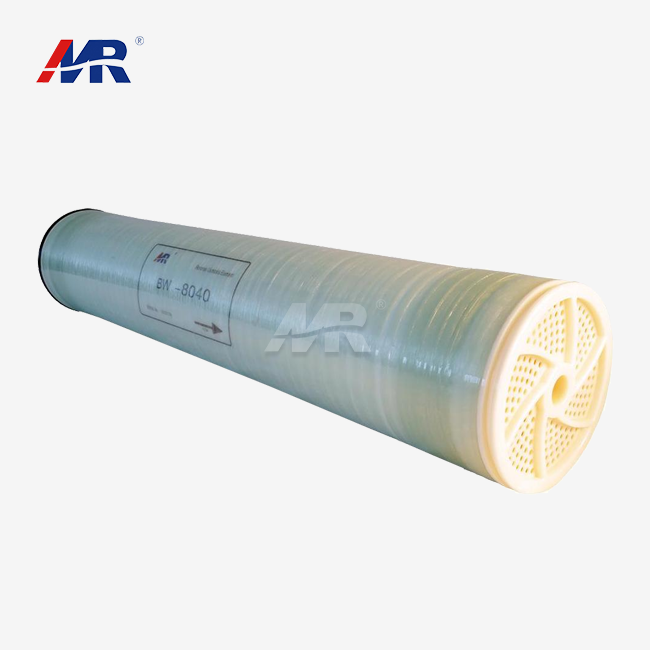
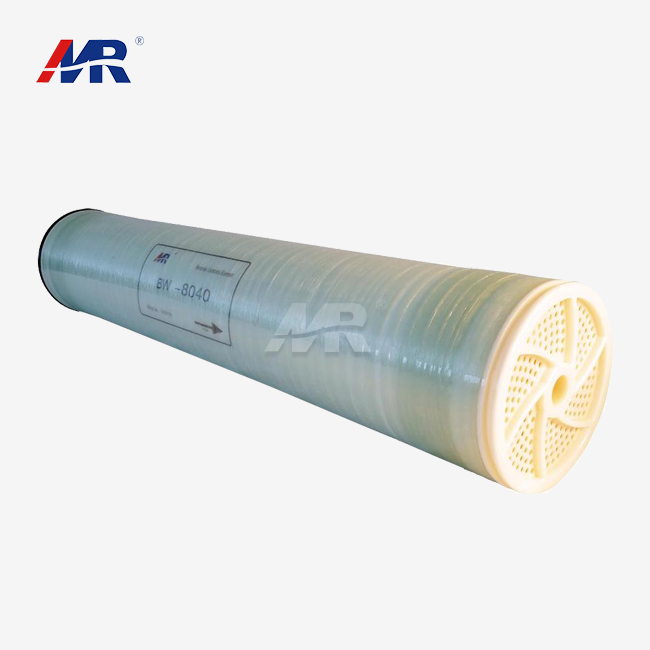
Proper maintenance of an membrane/8040-reverse-osmosis-membrane">SWro membrane directly determines how long your seawater desalination system remains productive and cost-efficient. When fouling accumulates unchecked, salt rejection drops, energy consumption climbs, and membrane replacement costs spike — problems that hit food and beverage plants, pharmaceutical facilities, offshore platforms, and municipal water utilities equally hard. A disciplined cleaning regimen protects your capital investment, preserves permeate quality, and keeps downtime to a minimum. This guide walks through practical, proven cleaning strategies tailored for industrial-scale operators and procurement teams who need reliable results from their seawater reverse osmosis systems.
What Makes SWRO Membrane Fouling Different — and Why It Matters?
The Four Fouling Mechanisms Degrading Your System
There are a lot more types of contaminants in seawater than in brackish water or tap water. Four different types of fouling usually happen on spiral-wound SWRO membranes:
- The growth of marine microorganisms (biofouling): This happens on membrane surfaces quickly, creating biofilms that block permeate flow and raise differential pressure. Coastal intake water is especially at risk when it's warm outside or when algal blooms happen.
- Mineral scaling: Calcium carbonate, calcium sulfate, and barium sulfate form crystals when operating pressures are high, usually between 5.5 and 7 MPa in high-salinity situations. These crystals form dense deposits that can't be removed by washing the surface.
- Organic waste: Humic acids, natural organic matter, and oil traces from offshore environments stick to the polyamide selective layer, which slows down flow over time.
- Colloidal/particulate fouling: Silt, iron oxides, and suspended solids block the feed channels, which makes the pressure drop across the membrane element happen faster.
All of these fouling routes have the same effect: they slowly make the system less effective. The International Desalination Association says that biofouling that isn't handled can cut normalized permeate flow by 20–40% in just one operating quarter. Early diagnosis is very important. It's time for a cleaning when the normalized difference pressure goes up by more than 15%, or the normalized permeate flow goes down by more than 10%.
What Cleaning Chemistry Actually Works for Seawater RO Membranes?
Matching Chemical Agents to Fouling Type
Most of the time, and most expensively, people who maintain membranes choose the wrong cleaning agent. The chemistry has to be the same as the foulant, and it has to work with the polyamide composite construction standard used in modern SWRO elements.
Here is an organized list of cleaning Products that are good for different kinds of fouling:
| Fouling Type | Recommended Chemical | pH Range | Target Action |
|---|---|---|---|
| Mineral scale | Diluted citric acid and HCl | 2–4 | Gets rid of carbonate and sulfate scales |
| Biofouling | DBNPA and sodium hypochlorite | Neutral or alkaline | Breaks up biofilm matrix |
| Organic waste | EDTA and sodium hydroxide | 11–12 | Soaps up and spreads out organics |
| Colloidal or silt | SDS (sodium dodecyl sulfate) | Alkaline | Spreads out fine particles |
Instead of sticking to a strict calendar, the number of times you clean should be based on operational data. Cleaning high-salinity seawater intake systems every 30 to 90 days is normal, but it depends on the quality of the feed water and how well the pretreatment works. Keeping a cleaning log and comparing it with normalized performance data gives engineering teams the proof they need to show financial leaders why maintenance budgets are necessary.
Safety and respect for the earth are musts. According to EPA rules for industrial wastewater, all chemical waste made during cleaning needs to be neutralized to a pH level between 6 and 9 before it can be released. People who work with biocides or concentrated acids must wear the right PPE, and storing chemicals must be done according to the SDS (Safety Data Sheet) rules.
How Should You Execute a Cleaning Cycle Step by Step?
A Repeatable Protocol That Restores Membrane Performance
A systematic cleaning procedure takes the guessing out of cleaning and keeps chemicals from getting on the SWRO membrane when they don't need to. In business settings, this is the order that always gets the job done:
Do a pre-cleaning survey before you start using chemicals to clean. Look over the logs of salt rejection, normalized flux data, and pressure differential readings. Do a silt density index (SDI) test on the feed water to find out what fouling characteristics are most common. This step figures out what kind of cleaning solution to make and how strong it should be.
The cleaning cycle goes like this: first, a low-pressure flush with permeate or RO water gets rid of any loose deposits; next, a chemical solution is added at the right concentration and temperature (usually 30–35°C for getting rid of organic fouling). After 30 to 60 minutes of static soak, low-flow return through the pressure tank should start again for another 30 to 90 minutes. Finish the cycle by giving it a good rinse with clean permeate water until the pH and conductivity of the rinse discharge are back to normal.
Many workers don't do a good job of post-cleaning checking. Record normalized permeate flow and salt rejection after each cleaning event to figure out how much restoration has happened. When a spiral-wound seawater membrane is cleaned properly, it usually gets back 80–95% of its original flow. If healing goes below this range after two cleanings in a row, replacing the membrane should be looked into.
What Maintenance Practices Extend Membrane Service Life?
Routine Monitoring and Proper Handling Protect Your Asset
Monitoring parameters on a regular basis is the most cost-effective tool that any operations team can use. Every week, keep an eye on these important numbers: the pressure of the feed, concentrate, and permeate; the flow rates in each vessel; the conductivity of the permeate; and the system recovery ratio. If any of these numbers start to change, it's a sign that something needs to be done before the speed loss gets too bad.
Use the Morui MR-SW-4040 as a true point of comparison. This SWRO element from the 4040 series works at 5.5–7 MPa, has an active area of 7.9 m², and rejects 99.5% of salt under normal test conditions. It also has a flow rate of 1,400 GPD permeate. To keep the rated performance over the membrane's lifespan, which is usually 5–7 years with proper care, these specs call for exact working discipline, such as stable feed pressure, temperature, and clean pretreatment.
Correct keeping is just as important. When membranes are stored dry for a long time, they need to be re-wetted before they can be used. Elements that are kept wet must stay in a solution of 1% sodium bisulfite at temperatures below 35°C. To keep the telescoping or end caps from getting damaged during installation or replacement, you should only use element loading tools that have been approved by the manufacturer.
Professional expert help from the company that sells you the membrane is another safety measure. Morui's engineering team helps with setup, audits performance, and trains operations staff. This lowers the risk of operator mistakes, which is a big reason why membranes fail before they should.
How Does SWRO Cleaning Compare with Other Filtration Maintenance Approaches?
Why Chemical Cleaning Remains Irreplaceable
If you want to understand why chemical cleaning is such an important part of desalination system maintenance, you should look at how SWRO membrane maintenance is different from other filter technologies.
| Maintenance Method | Applicable Technology | Effective Against Biofouling? | Removes Mineral Scale? | System Downtime |
|---|---|---|---|---|
| Backwash | UF and MF membranes | Partial | No | Short |
| UV treatment | UV lamp sterilization | Yes (bacteria) | No | Minimal |
| Chemical CIP | SWRO membranes | Yes | Yes | Moderate |
| Physical scrubbing | Open-channel filtration | Partial | Partial | Long |
Chemical clean-in-place (CIP) methods are different from ultrafiltration backwash or UV light because they remove all types of fouling that build up inside high-pressure spiral-wound elements. Established biofilms can't be broken through by UV light, and backwash doesn't work with spiral-wound structures. For systems that desalinate seawater that serve power plants, offshore platforms, public utilities, or the production of pharmaceutical-grade water, chemical CIP is still the best way to keep them running smoothly.
Conclusion
To make seawater SWRO membrane last longer, you have to keep an eye on fouling tests, chemistry choices, cleaning procedures, and parameter tracking. When it comes to energy use, chemical use, and capital replacement cycles, there is a big difference in the operating costs between a system that isn't well kept and one that is. It doesn't matter if you're cleaning a municipal desalination plant on the coast, an offshore vessel, a facility that makes food-grade water, or a boiler feed system for a power plant; following good cleaning habits will save you money and make your system more reliable. If you buy the right methods now, your membranes will work the way your business needs them to.
FAQ
1. How often should SWRO membranes be cleaned?
How often you clean depends on the quality of the feed water and how well the preparation works. Every 30 to 90 days, most industrial systems need to be cleaned. Normalized performance data is the most accurate trigger: if normalized differential pressure goes up 15% or normalized permeate flow goes down 10% from baseline, you should plan a cleaning right away.
2. What happens if membranes are cleaned with incompatible chemicals?
If you use the wrong chemical, like chlorine on a polyamide element without carefully controlling the dose, the selective layer can become damaged and lose its ability to reject salt forever. Before washing an SWRO membrane, you should always check with the maker to make sure that the chemicals will not damage it.
3. When should I consider replacing the membrane rather than cleaning it?
If two cleaning processes in a row fail to bring back normalized flux above 80% of baseline, or if salt rejection falls below what you consider reasonable for your application, it is cheaper to replace the filter than to keep trying to clean it. A well-kept SWRO element will usually last between 5 and 7 years.
4. Can the same cleaning protocol work for all seawater RO systems?
No, the chemistry of the feed water, the working pressure, the design of the pretreatment, and the age of the membrane all affect which approach works best. Cleaning choices should always be based on medical data that is specific to the site.
Partner with Morui for Reliable SWRO Membrane Solutions
Morui offers certified SWRO membranes, such as the MR-SW-4040, along with full system integration, on-site testing, and specialized engineering support for municipal, industrial, and desalination uses. As a reliable provider of seawater desalination solutions, we bring real technical depth to every project. We have our own facility for making membranes and 20 expert engineers working for us. Reach out to Our Team today at benson@guangdongmorui.com to request details, prices, or a personalized maintenance consultation.
References
1. Hydranautics Technical Service Bulletin — Cleaning Procedures for RO/NF Membranes, Hydranautics, 2021.
2. Fritzmann, C. et al. — State-of-the-Art of Reverse Osmosis Desalination, Desalination Journal, 2007.
3. l-Ahmad, M. & Aleem, F.A. — Scale Formation and Fouling Problems in Membrane Desalination Plants, Desalination, 1993.
4. Dow Water & Process Solutions — FILMTEC Reverse Osmosis Membranes Technical Manual, Dow Chemical Company, 2020.
5. Guo, W. et al. — A Review of the State of the Art of Membrane Bioreactors and Their Cleaning, Bioresource Technology, 2012.
6. International Desalination Association (IDA) — World Congress on Desalination and Water Reuse: Membrane Fouling and Mitigation Strategies, IDA, 2019.
 VIEW MOREwaste water treatment plant
 VIEW MOREDTRO for Wastewater Treatment
 VIEW MOREbiological reactor wastewater treatment
 VIEW MOREsubmerged membrane bioreactor
 VIEW MOREultrafiltration membrane system
 VIEW MORE500LPH EDI equipment
 VIEW MOREdomestic wastewater treatment plant
 VIEW MORE8040 reverse osmosis membrane
