



RO Filtration System Integration: Interlocks, VFDs and SCADA Alarms
A well-integrated ro filtration system uses interlocks to block unsafe pump and valve states, VFDs to match pump speed to pressure and flow demand, and SCADA alarms to report abnormal pressure, conductivity, or tank levels before damage occurs. Together, these layers protect membranes, cut wasted energy, and give operators clear data. I wrote this guide for OEMs, distributors, maintenance teams, and engineers who want to specify controls correctly from the start. The sections below cover logic, drives, alarms, performance checks, and maintenance in plain terms.
Control Basics: Problems, Interlocks, and Architecture
Define the Control Problem Before Choosing Equipment
There are two types of risks: process risks and physical risks. This is where I always start. A RO plant often has issues like unsteady feed pressure, pumps running dry, valves in the wrong places, membrane fouling, and too much concentrate being discharged. When operators use hand switches and fixed-speed pumps, these things don't get a lot of attention. A written control goal takes care of that. What needs to be protected, what tests show that everything is working properly, and who gets each alarm should all be written down. In the US, buyers often ask for this document during the technical review process. Having it ready ahead of time will save time. It will save you a lot of money when an OEM puts pumps, valves, and membranes together in one machine if you agree on these things before you buy.
Interlocks: The Safety Logic of an RO System
Pumps, valves, and membrane trains can be set up to only work when certain conditions are met. I separate events into four groups: permissives (which let the machine start), protective trips (which stop the machine), emergency shutdowns, and alarm-only events. A low or high feed tank level, a stopped pretreatment, pump dry-run safety, valve position confirmation, and high conductivity are some of the most common ones. For each link, there needs to be a clear fail-safe valve setting and a way to restart it. It is important to record and clear any bypasses that are left in place for too long because they can damage the membrane and pump. The logic is easy for commissioning crews to understand because it is shown in a simple cause-and-effect table.
Control Architecture: From Sensors to SCADA
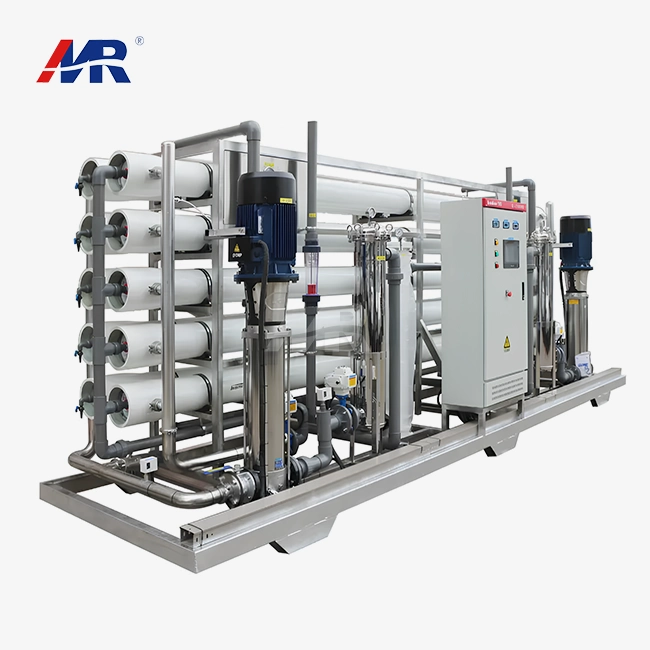
A control architecture connects field instruments, pumps, drives, valves, a PLC, an HMI, and the SCADA layer. The PLC starts and stops the process and also controls how the pump spins, flushes, and moves the product. Each instrument that feeds it has to be perfect for its purpose: pressure emitters that are the right size for the process range; conductivity sensors that work with the chemistry of the water; and flow meters that are precise enough to figure out the recovery. It takes less time to commission when there are clear models of the feed line, vessels, instruments, and transmission lines. For example, Modbus RTU and Modbus TCP allow a RO filtration system to share data with a plant network that is already set up.
VFDs and SCADA Alarms Working as One
VFD Integration for Pressure Stability and Energy Use
VFDs change the speed of the motor, so the pump doesn't run at full speed. Instead, it changes speed based on how much water is needed. The motor starts more smoothly, there is less stress on the parts, and the pressure stays the same. The pump handbook from the U.S. Department of Energy says that these savings come from the pump affinity laws, which say that power demand goes down about as the cube of speed. The rating of the motor, its safe speed range, its PID tuning, the condition of the enclosure, its harmonic limits, and its bypass options are all things that engineers need to look at. I also confirm the slowest speed that still gives the membrane the pressure it needs. If the pump or membrane array is too small or doesn't fit right, the drive can't fix them. This is why hydraulic design is very important.
SCADA Alarms That Operators Will Use
SCADA decides what to do based on raw data. Every event is written down and the state is shown. It also keeps track of the conductivity and tank levels. warning management is a lifetime in the eyes of the ISA-18.2 standard, and each warning must be dealt with by an operator. I divide alarms into three groups: alarms that require operator action, alarms that send maintenance alerts, and emergency trips. When there are delays in time, alerts don't go off when pressure drops for a short time. Acknowledgments keep track of who replied and when. You can tell the membrane is getting worse before the output drops by seeing slow changes in differential pressure or permeate conductivity. Looking over the warning list after the first few months of use gets rid of any information that isn't needed.
How the Three Layers Work Together
The layers do their best when they work together in a ro filtration system. When the machine turns on, SCADA makes sure it's ready, interlocks check the water supply and the state of the valves, and the drive sets the pump to its setting. The PLC then keeps the flow or pressure steady while sensors check the quality of the permeate. After a certain point, either the drive slows down, or the pump stops. It keeps track of what happened and sends a message to help fix it. The product water might not go into the storage tank if the conductivity is high. Instead, it might go down the drain. A broken drive can stop machines that depend on it, as shown by the cause-and-effect matrix. This keeps one mistake from affecting other people.
Performance, Maintenance, and Troubleshooting
Measuring Recovery, Energy, and Water Quality
Recovery is equal to the difference between the permeate flow and the feed flow times 100. There isn't a single number that works for all sites because it depends on the chemistry of the feed, the risk of scaling, the shape of the membrane, and the max concentrations. The amount of energy the pumps use, in kWh per cubic meter, tells you how well they turn electricity into water. If you check the conductivity, you can quickly tell if salt is moving through. As an additional rule, the U.S. EPA sets 500 mg/L for total dissolved solids in drinking water. As soon as the system is turned on, I write down the pressure, flow, conductivity, recovery, and power use. This is because trends that came after those numbers only make sense when looked at together.
Preventive Maintenance Guided by Data
You can't always tell what's going on from a calendar. I keep an eye on the differential pressure from before, the motor current, the valve feedback, the sensor calibration, the drive cooling, and the flow through the membrane that has been normalized. You should change filters and membranes more often than just on a certain date. They should be changed when the pressure drop goes up, the permeate flow goes down, or the conductivity goes up. Any readings that change over time won't set off false alarms because the conductivity and pressure sensors are calibrated at set times. Recorded data can also help with guarantee talks since it shows how the unit really worked. Uptime can be cut down by having extra cartridges, seals, and sensors on hand. This is especially important for distributors and service shops that restock often.
Common Integration Faults and Fixes
Most problems in the field for an ro filter price begin with a short list. If a switch doesn't work right, it can stop a pump for no reason. If monitors aren't set up correctly, they can give fake alarms or hide real ones. It goes from high to low when PID values are not stable. When communication breaks down, SCADA screens go blank, and processes get stuck when valve feedback goes wrong. Manual override rules that aren't clear cause the most damage. These problems don't happen because I test every trip, let things go during commissioning, back up PLC programs and drive settings, and make sure the site manual always has an alarm list. As soon as a test stops a long failure, it's over.
MR-BWRO-10TH and Morui Project Support
MR-BWRO-10TH Specifications
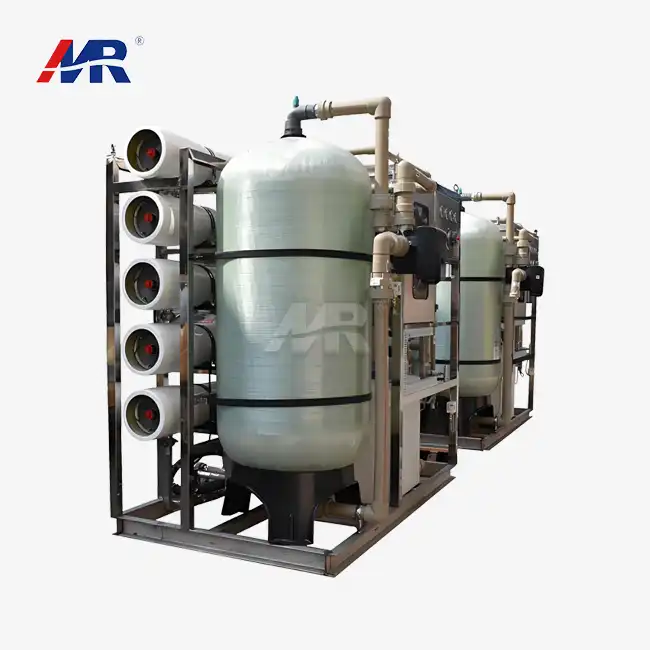
This is what the MR-BWRO-10TH is for: making water that you can drink. It says it takes 15 kW of power, that it recovers 55% to 65% of the salt, and that it rejects 98% of the salt. How well it works in that range depends on the feed's chemistry and the chance of scaling. A rejection rate of 98% means that most of the dissolved salts stay out of the product stream. Send us your feed-water analysis so that we can be sure we have the right operating point. A project at a time can be used to talk about control choices such as interlocks, drives, and SCADA communication. You can avoid mistakes at startup by making sure these specs match the data on your site.
What to Request Before You Buy?
People should ask for performance graphs, electrical drawings, a control story, warning and interlock lists, drive parameters, setup requirements, warranty terms, and the availability of spare parts before they buy. People from the US often add certification papers and water quality test reports to that list. It is also used when the project needs it from the NSF. We can make sure the package meets both your standards and the standards of your inspection if you ask early. People who install and review your system won't have to guess how it works or what settings it has if you give them a full set of papers.
Why Morui for OEM and Distribution Projects?
Guizhou Morui Environmental Technology Co., Ltd. has its own factory that makes membranes and sells Other instruments, Shimge water pumps, and Runxin valves. When OEMs buy pumps, valves, tools, and membranes, they can get them all from the same place, and the guarantee covers all of them. More than 500 people work for our company, and there are more than 20 engineers. We do installation and start-up. Distribution centers and repair shops can buy large amounts of spare parts and new membranes. You can talk about private-label packaging or custom interface parameters while the samples are being sent out.
Conclusion
It is just as important to know how to control the system well as it is to have good membranes for a RO filtration system to work. Interlocks stop starts that aren't safe, drives change the speed of the pump based on demand to save power, and SCADA alarms make sure that readings are acted on right away. For trends to make sense, recovery, specific energy usage, and conductivity all need to start from a certain point. Also, instead of the date, pressure drop, flow, and conductivity work best when used as guides for upkeep. Bad interlock logic, sensors that aren't calibrated, and bad documentation are all things that often go wrong. Tests make sure that none of these issues happen. This 15-kW MR-BWRO-10TH has a recovery rate of 55–65% and a salt rejection rate of 98%. These are the specs that buyers should compare to data from the feed water.
FAQ
Q1: Do I need a VFD on every RO system?
A: Not at all. Drives work best when there is a lot of pressure or when demand changes a lot. If the need for a small machine is steady, it might not need one.
Q2: What should an alarm package monitor?
A: There should be three levels of information on it: maintenance, operator, and emergency. It's important to list the pressure, flow, conductivity, tank levels, pretreatment condition, drive status, and communication health as levels.
Q3: Can the system connect to my existing SCADA?
A: Yes, very often. Modbus RTU and Modbus TCP are used by a lot of people. Check the rules right away.
Q4: When should I replace membranes?
A: Not just on the date, but also when the conductivity changes, the pressure drops, or the permeate flow changes from what you set as the standard.
Discuss Your RO Filtration System Integration Requirements with Morui
Talk to Morui about your next RO filtration system project. Please email benson@guangdongmorui.com with your feed-water data and control needs if you need to find a provider of RO filtration systems for OEM packages or big amounts of replacement membranes. The MR-BWRO-10TH will be compared to your spot, and they will answer your questions.
References
1. ANSI/ISA-18.2 Management of Alarm Systems for the Process Industries, International Society of Automation, 2016
2. Improving Pump System Performance: A Sourcebook for Industry, U.S. Department of Energy and Hydraulic Institute, 2006
3. Membrane Technology and Applications, Richard W. Baker, 2012
4. The Guidebook to Membrane Desalination Technology, Mark Wilf, 2007
5. Water Treatment Plant Design, American Water Works Association and American Society of Civil Engineers, 2012
6. Standard Methods for the Examination of Water and Wastewater, American Public Health Association, American Water Works Association, and Water Environment Federation, 2017
 VIEW MORE50m3/hour reverse osmosis equipment
 VIEW MORE60m3/hour reverse osmosis plant
 VIEW MORE45m3/hour seawater desalination system
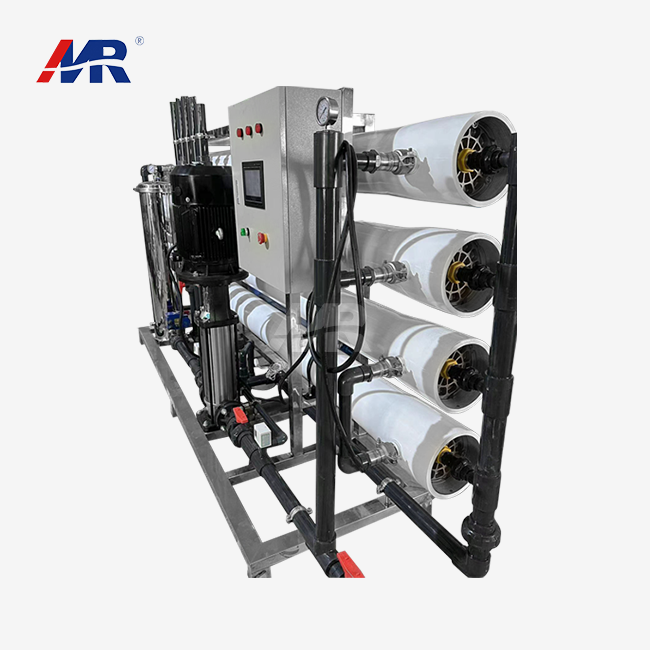 VIEW MOREunder counter reverse osmosis water system
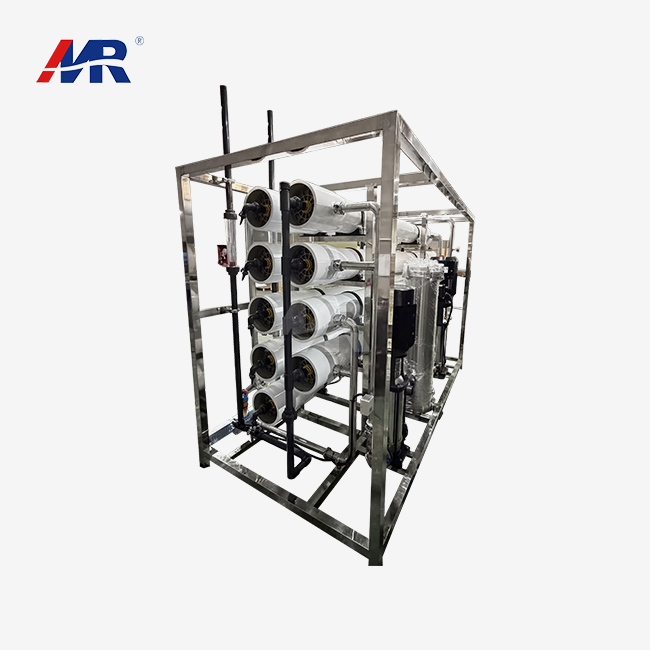 VIEW MOREro reverse osmosis water filter
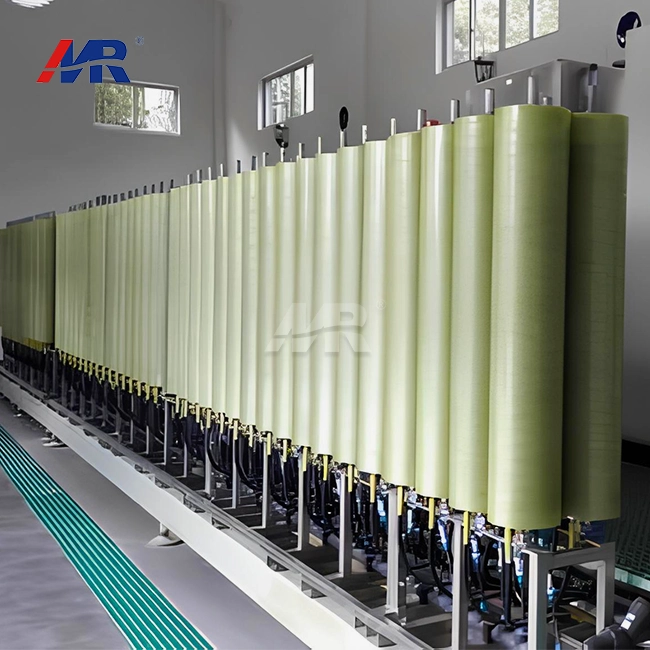 VIEW MORELeachate DTRO Treatment Equipment
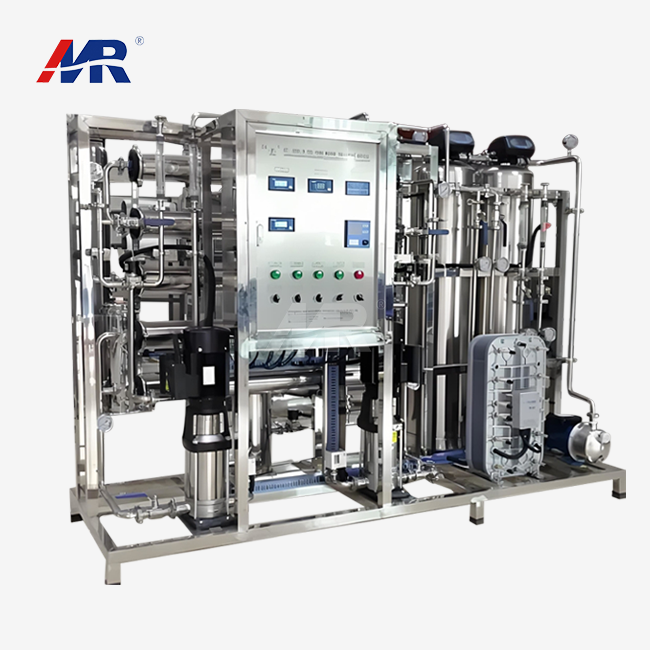 VIEW MORE1000LPH EDI system
 VIEW MORE8m3/hour seawater desalination equipment