


Seawater Desalination Plant: Working Process Explained
A seawater desalination plant moves seawater through a series of treatment stages: intake and screening, pretreatment, high-pressure reverse osmosis, post-treatment, and brine discharge. Each stage protects the next, and the membranes do the actual salt removal. I think of the whole system as a seawater treatment plant rather than a single machine, because water quality at the intake shapes everything downstream. In this guide, I explain the seawater desalination plant process in plain language, compare technologies, and share what I check when reviewing capacity, energy use, and the Morui MR-SWRO-8TH system.
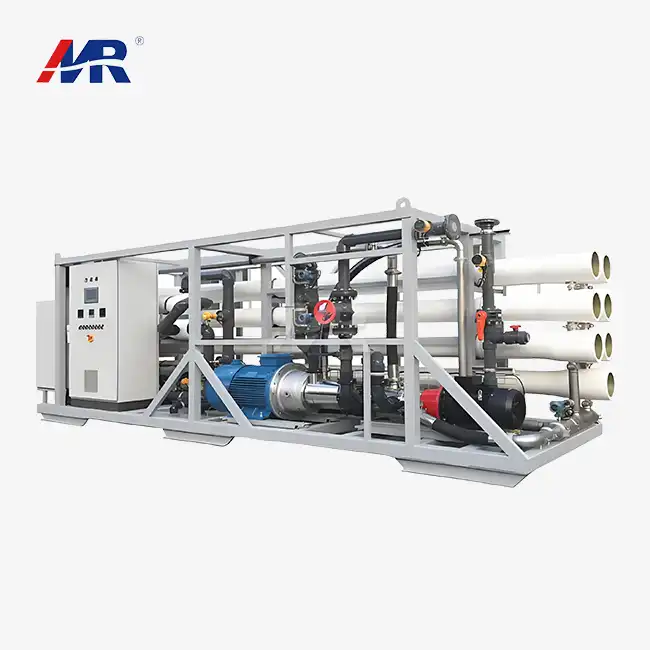
How Does the Seawater Desalination Plant Process Work?
When saltwater enters a seawater desalination plant, it is screened and pretreated. It then goes through high-pressure reverse osmosis, post-treatment, and brine release. The membranes get rid of the salt, and each stage keeps the ones below it safe. It doesn't seem like a single machine to me; it looks more like a seawater treatment plant. This is because everything further down the line is affected by the water quality at the very beginning. This guide explains in simple terms how a saltwater desalination plant works. Another thing it does is compare different technologies and show me what I should look at when I check out the Morui MR-SWRO-8TH system's price, capacity, and energy use.
Intake, Screening, and Pretreatment
Taking in is where it all starts. There are ocean pipes or beach wells that bring water in from the ocean. Screens keep shells, seaweed, and fish out. Most seawater has about 35,000 mg/L of dissolved salts. However, it also has sand, algae, and oil that make membranes dirty very quickly. There is work to be done by preparation. If there are solids in the water, ultrafiltration or multi-media filters get rid of them, and cartridge filters finish the job. A measure called the sand density index (SDI) helps workers figure out how good the feedwater is. People who want to buy seawater should try it out at different times of the year because algae blooms and temperature changes can mess up the design. It is much cheaper to use filtration methods that work well for seawater than to buy new membranes every time they get dirty.
Seawater Reverse Osmosis Treatment
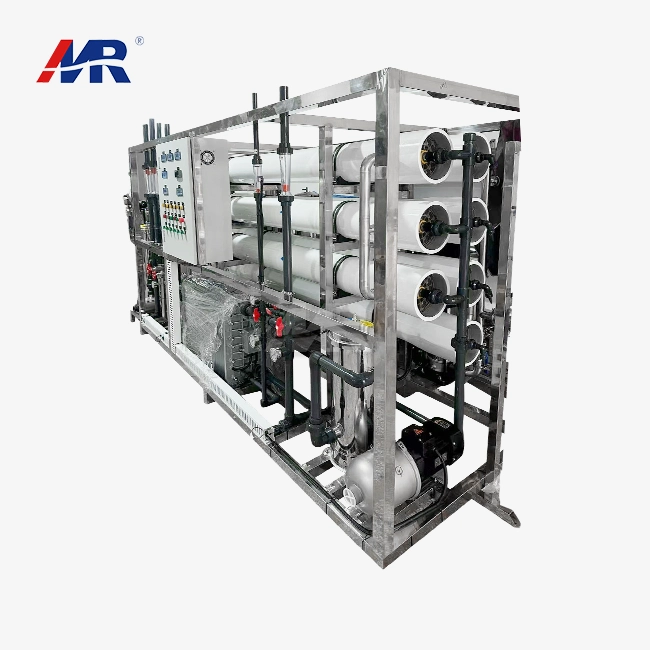
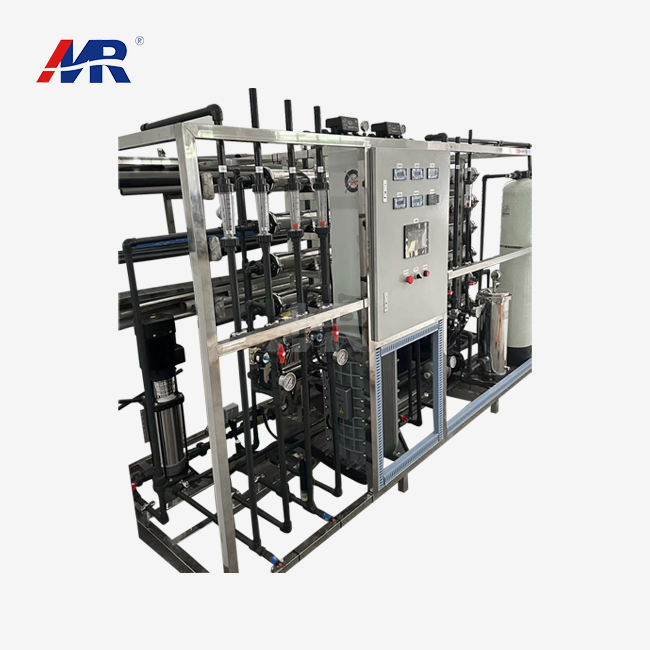
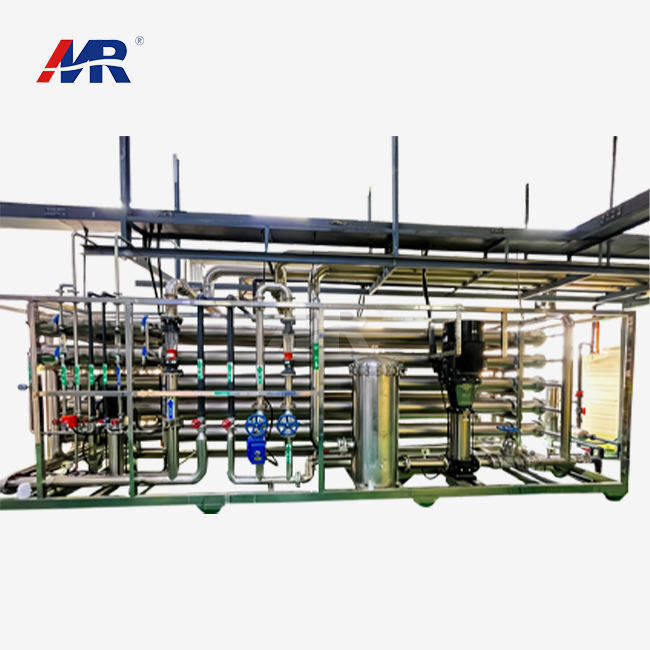
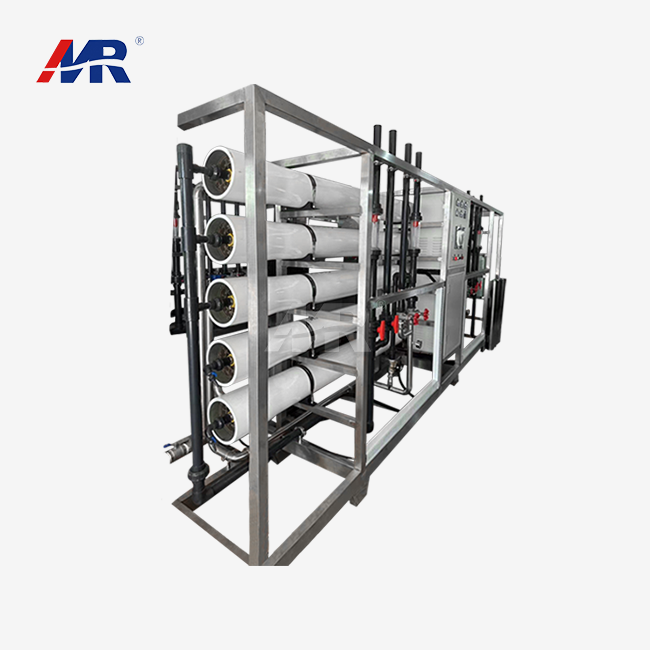
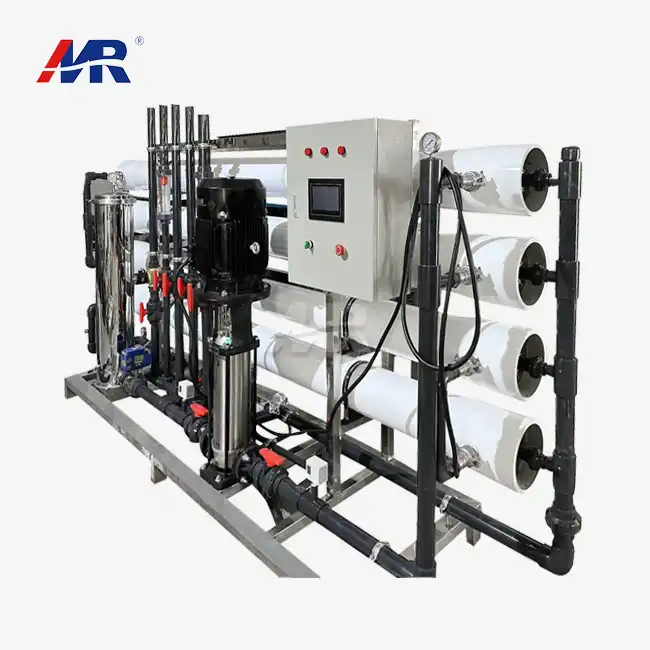
This is where the salt comes out. Outside of pressure tanks, a high-pressure pump pushes water that has already been cleaned against barriers that let some water through. The water molecules move through, but most of the salt ions stay behind. The salty water is called brine, and the clear water is called permeate. Most of the time, the pressure should be between 55 and 80 bar because saltwater has a lot of osmotic pressure. The MR-SWRO-8TH is made to do this job. It rejects salt 99% of the time and recovers it 38–45% of the time. Recovery is the amount of water that goes from being feed to being product. The rest is used as brine.
Energy Recovery, Post-Treatment, and Brine Handling
It's still very hard on the membranes after brine is added. A gadget that recovers energy takes that pressure and adds it back to the water that is coming in. The main pump doesn't have to work as hard. What comes next is treatment. This RO permeate doesn't have many minerals in it, and it can rust pipes. To make the water safe to drink, plants change the pH, add minerals, and clean it. Total dissolved solids should not be more than 500 mg/L, according to the US EPA. This is a good goal for taste. Finally, a vaporizer dilutes the salt before it is released in line with local laws. As soon as possible, make plans for how to deal with salt, since licenses can change the plans just as much as equipment does.
Comparing Technologies and Sizing Your Plant
Reverse Osmosis vs. Thermal Desalination
Plants that remove salt from seawater in a seawater treatment plant use two main types of technology. Hot plants, like multi-stage flash, boil water from the sea and then cool the air. They can work in places where waste heat is cheap, and feedwater isn't good. RO plants don't need heat, so they use less energy per cubic meter, take up less room, and begin running faster. RO can now remove salt from water better than any other method. RO is what I usually tell buyers on the coast who don't have extra steam. The rest of this guide is mostly about RO.
How to Size Your Plant Capacity
Size depends on how many people want it, not on the tools. My clients tell me about their busiest days, seasonal changes, business hours, and how much storage space they need. A mine camp that is always full of people needs a different layout than a summer resort that is always full of people. Also, getting better is important. Because plants recover 38–45% of the water they use, they take in more than twice as much from the sea as they use. This means that the intake and pretreatment systems need to be able to handle the extra flow. Allow time for breaks to clean and for future growth. Because it is modular, you can add trains later without having to rebuild the plant.
Containerized, Modular, and Permanent Layouts
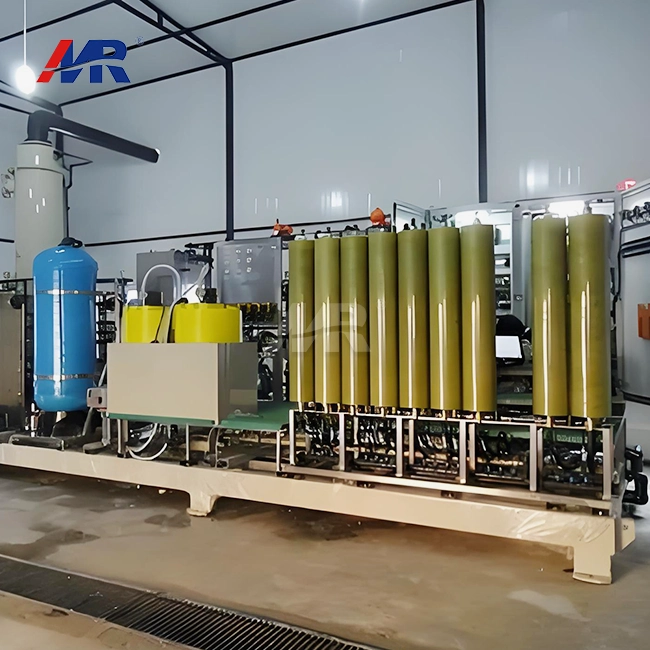
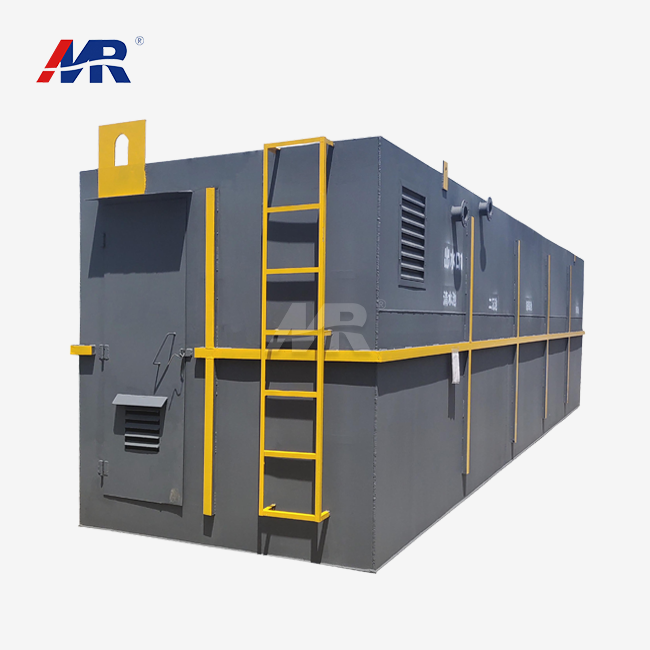
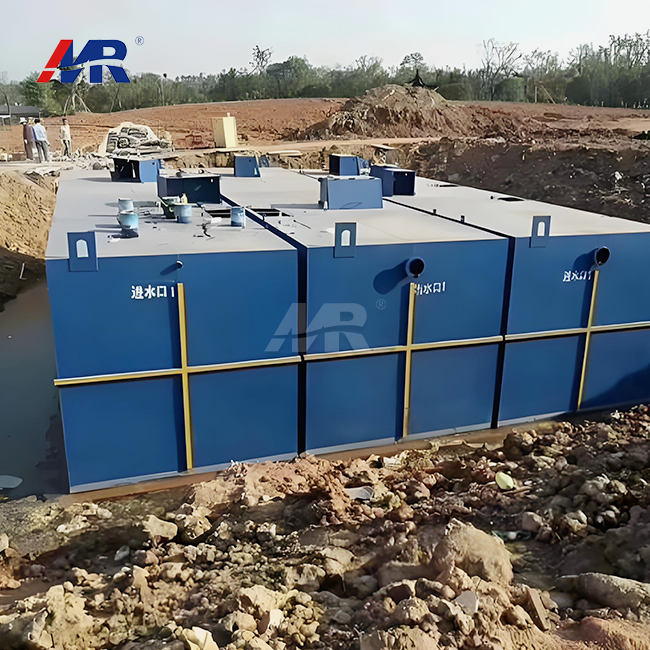
You have more choices and can change the delivery times with layout. A containerized unit ships ready to connect, which makes it great for islands, camps in the middle of nowhere, and stores that need emergency supplies. It's easy to put skid-mounted units on top of buildings or on boats. Permanent civil-built plants make sense for projects in big cities that are meant to last a long time. Morui has forms that can be used to install in boats, on skids, and in containers, so the same process can be used in a lot of different places. Before giving the go-ahead, I tell people in the US to ask about weather protection, materials that won't rust, and electrical paperwork. This is because inspectors and utilities may look over them. You can also slowly add more containers if you need to. Add more if you need to after the first one.
Energy Use, Cost, and the MR-SWRO-8TH
Understanding Energy Use
Power is where most seawater treatment plant facilities spend most of their money, and the high-pressure engine uses the most of it. New, large plants that reuse energy use around 3 to 4 kWh per cubic meter, according to reviews of the field. This number can be kept low with clean membranes, variable-frequency drives, and pumps that are the right size. I look at the exact amount of energy used (in kWh/m³), the rate of recovery, and the amount of salt that is thrown away when I compare quotes. Sometimes, just one number can be wrong. I also ask each seller to tell me how they got the number.
MR-SWRO-8TH Specifications at a Glance
Morui's ready-to-use seawater reverse osmosis device, the MR-SWRO-8TH, can take salt out of seawater. The sheet shows that the power use is 38.5 kW, the recovery rate is 38–45%, and the salt rejection rate is 99%. Because it uses less energy per ton of water, it combines energy recovery with SWRO screens that keep the water clean. While Morui owns both its tools and membrane plants, the pressure tanks, membranes, and the whole system all come from the same place. You can change the form of the container or skid to fit the temperature, turbidity, and salt level of your saltwater. You can also change the pretreatment, remineralization, and online tracking.
Cost and Procurement Considerations
The price in the store isn't the only cost. The cost of capital includes buying the equipment, engineering it, installing it, and turning it on. Electricity, chemicals, labor, cleaning, extra parts, and replacing the membrane are some of the things that the business needs to run. If you clean and treat ro membranes well, they should last between three and five years. In the US, people should ask for test results on treated water, lists of Products, electrical paperwork, and guarantee terms that are easy to understand. When you write a strong proposal, you spell out the conditions of the design, the guaranteed output, recovery, energy use, delivery time, and who is in charge of each task on site. Instead of just comparing prices, look at how much it will cost you to own the plant over five or ten years. This will give you a more accurate picture.
Choosing a Supplier and Planning Your Project
What to Look for in a Seawater Treatment Plant Supplier?
A company that is good at providing seawater treatment plants knows a lot about the subject and has a history with it. Ask for jobs that have the same amount of room, weather, and water quality as the ocean. You should check to see if the firm keeps track of all the parts and puts the equipment through pressure tests. The Morui company has more than 14 locations, 500 workers, and 20 experts. There is a main office for it in Guangdong. Make tools, Runxin valves, and Shimge water pumps are also sold there. Help after the equipment is delivered is just as important as the equipment itself. An English-speaking support team, help with setup, training for users, and extra parts are what keep a plant running after it has been turned on.
Where Seawater Desalination Plants Are Used
This can be used for many things. Islands and the coast use desalination to make water that people can drink. Resorts and hotels set up small automatic systems to handle the busiest times of the year. Ships, shipyards, and platforms in the ocean need parts that don't rust, don't take up much room, and can be run by small groups. It is too expensive to bring water by truck to mines and oilfield camps that are far away. Instead, they like containerized systems. Boron and salt amounts need to be closely watched on farms. People really do need it. In 2022, WHO and UNICEF said that around 2.2 billion people did not have access to clean water. The product water specs should be used to guide each design.
A Practical Project Plan
I think you should take five steps. Get information about the usual salinity, temperature, turbidity, SDI, and algae levels in the ocean over the course of a year. Second, make a list of things like power supply, capacity, high demand, and product quality. Pick the pretreatment, membranes, and layout as the third step. This should be done after a test run with hard water. Fourth, make sure you have written proof of the equipment's boundaries, testing, setup, training, installation, and warranty. Fifth, look at how well it works after starting up and compare it to the numbers that were planned. Follow this order to make it easier to compare quotes. It keeps things from being a surprise and gives all the suppliers the same information.
Conclusion
At the beginning of a seawater treatment plant, there is screening. Next is pretreatment, which includes reverse osmosis, energy recovery, post-treatment, and handling the brine. The data on the feedwater and good filtration are just as important as the membranes because they keep the next step safe. When there isn't a lot of cheap waste heat, RO works well for projects by the water. When there is extra steam, thermal systems work well. The total cost of ownership is a better way to compare things than just price. Capacity should take into account peak demand and the rate of recovery. That much power is what the MR-SWRO-8TH can handle. It can also recover 38 to 45% of that power and reject 99% of salt. A good project plan talks about the supplier's experience, offers paperwork, and offers help after the sale.
FAQ
Q1: What is the difference between a seawater treatment plant and a desalination plant?
A: A desalination plant and a seawater treatment plant are two different types of plants. A seawater treatment plant takes in water, treats it first, removes the salt, treats it again, and takes care of the brine. It is generally reverse osmosis that gets rid of the salt that has been dissolved.
Q2: How does seawater reverse osmosis treatment work?
A: How does the process of treating saltwater with reverse osmosis work? Pumps move seawater that has already been cleaned through semi-permeable membranes. While the MR-SWRO-8TH lets water through, it blocks about 99% of the salt. Between 38 and 45% of the feedwater is turned into fresh water, and the rest leaves as brine.
Q3: Are containerized systems suitable for industrial use?
A: Is it possible to use containerized systems in factories? Yes, as long as it fits the site's needs. They come ready to work at camps, ports, and mines that are far away. First, make sure you have enough power, the right tools, and a safe place to work.
Q4: What information do I send for a quotation?
A: How do I write something to get a quote? Feel free to send us your daily capacity, seawater analysis, application, location, power supply, delivery schedule, and layout choice. Based on these details, the specifications will be set in stone.
Request a Seawater Treatment Plant Solution from Morui
Need to find a seawater treatment plant provider for a project? Its own plants make membranes and other equipment, and that's where Morui builds the MR-SWRO-8TH. Its team also helps with setup and start-up. Please email benson@guangdongmorui.com with your power information, seawater analysis, and capacity. That's it for now. We'll look over your information and get back to you with a price and a suggested setup.
References
1. Elimelech, M., & Phillip, W. A. The Future of Seawater Desalination: Energy, Technology, and the Environment. Science (2011).
2. Voutchkov, N. Desalination Engineering: Planning and Design. McGraw-Hill (2012).
3. Jones, E., Qadir, M., van Vliet, M. T. H., Smakhtin, V., & Kang, S. The State of Desalination and Brine Production: A Global Outlook. Science of the Total Environment (2019).
4. Park, K., Kim, J., Yang, D. R., & Hong, S. Towards a Low-Energy Seawater Reverse Osmosis Desalination Plant: A Review and Theoretical Analysis for Future Directions. Journal of Membrane Science (2020).
5. U.S. Environmental Protection Agency. Secondary Drinking Water Standards: Guidance for Nuisance Chemicals (1992).
6. World Health Organization and UNICEF. Progress on Household Drinking Water, Sanitation and Hygiene 2000–2022 (2023).