



When Does a Reverse Osmosis Water Filter Outperform UF Pretreatment?
A reverse osmosis water filter outperforms UF pretreatment when the main problem is dissolved contamination instead of suspended particles. UF pores measure roughly 0.01 to 0.1 microns. They stop turbidity, colloids, and bacteria, but dissolved salts, fluoride, and nitrate pass through. An RO membrane rejects most of those ions, which makes it the better barrier for high TDS, salinity, and dissolved metals. I wrote this guide for OEMs, installers, distributors, and plant buyers who need to match the technology to the water. Below, I cover the differences, decision steps, and sourcing points.
How Do RO and UF Work Differently?
What Each Membrane Removes?
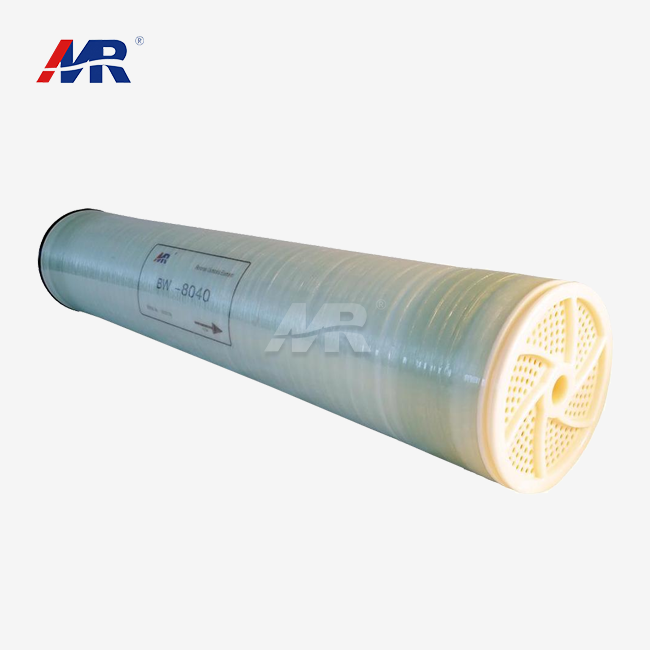
UF is a great screen. A lot of bigger biological molecules, colloids, soil, and bacteria can't move because of it. Since its pores are not as big as the pores in UF, sodium, chloride, fluoride, and nitrate don't get stuck. RO does things in a unique way. Many people use this method to lower TDS and get rid of salt in water. Pressure pushes water through a thick semipermeable barrier that stops most dissolved ions. UF deals with particles, and RO deals with dissolved matter. This is a simple way to help people choose between the two.
Typical System Layout
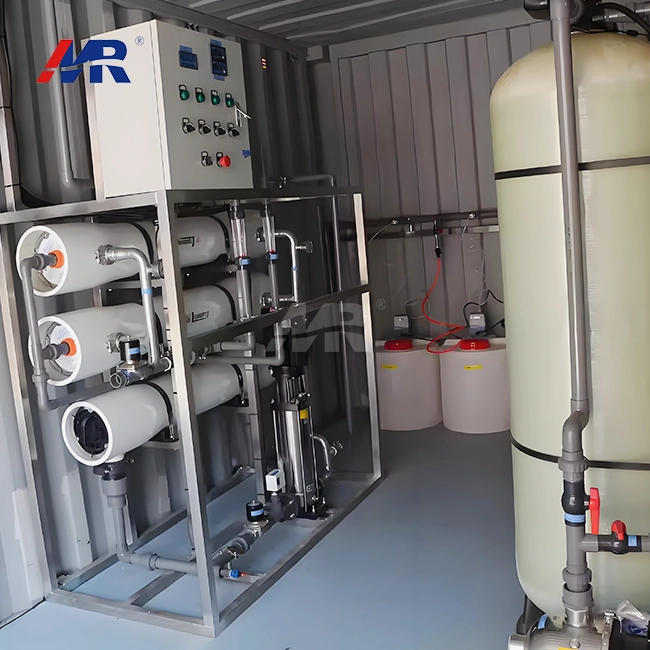
When a RO train is built, the first step is to treat the carbon and soil. The feed water is then pumped to the ro membrane. It splits into a permeate stream and a concentrate stream at that point. Post-carbon cleaning, UV, or remineralization can follow, depending on the use. It is important to have carbon because chlorine can damage thin-film hybrid membranes. When the feed has a lot of particles, UF can come before RO. A lot of companies that make membranes say that the SDI should be less than 5 at the RO inlet. UF is a good way to get that number for surface water.
Energy and Water Use
RO needs more electricity than UF, which only needs a small amount of electricity. This number tells you how much feed water is turned into product water. RO can also make a stream of concentrate. Many times, UF needs less water, mostly when it backwashes. This is why it costs less to run UF when the water already has the right TDS level. They also talk about why RO costs more when it can't be used because of a contaminant that has dissolved in it. People who want to buy should compare how much energy is used and how much is recovered on the same sheet of paper.
When RO Wins and When UF Is Enough
Dissolved Contaminants That Need RO
Once tests in the lab show that the issues have been fixed, a reverse osmosis water filter is the better option. The U.S. EPA, on the other hand, sets a limit of 4 mg/L for fluoride and 10 mg/L for nitrate as nitrogen. Clear groundwater can go over either limit and still look great because UF doesn't get rid of dissolved ions. For PFOA and PFOS, the EPA's 2024 PFAS rule sets limits of 4 ng/L. The EPA says that reverse osmosis is one of the best ways to get rid of these chemicals. Labs, coffee shops, and beverage plants also use RO to keep scale and taste in check.
Situations Where UF Is Enough
If the problem is turbidity, colloids, or the amount of bacteria, and the TDS is already fine, UF is the best choice. An important rule set by the EPA is 500 mg/L for secondary TDS. If a source is well below that amount, it usually doesn't need to be desalinated. Then UF gets rid of wastewater, saves energy, and leaves minerals in the water. It works well with water at the surface, in wells with a lot of cloudiness, and in business lines with a lot of junk in them. When people buy water, they sometimes ask for RO when all it needs is particles taken out. It costs more to handle the extra pressure and get rid of the concentrate, but there is no quality gain.
When a Combined UF-RO System Makes Sense
It's possible that some sites need both of them. Things that get into water from rivers, lakes, and small wells can quickly clog RO filters. It's possible for these particles to carry salts that have been mixed with water. Putting UF before RO lowers turbidity and particle fouling, which helps the flow stay steady and makes it possible to go longer without cleaning. It says in the EPA Membrane Filtration Guidance Manual that UF blocks both particles and pathogens. This means that the two work well together. I only recommend this setup when tests of the feedwater show problems with both solids and liquids. This is because it costs more up front.
How to Choose Based on Your Water?
Start With a Lab Report
Before making a decision about a reverse osmosis water filter, you should not look at price or fame. Instead, you should look at the water. You should get test reports for bacteria, turbidity, hardness, pH, TDS, fluoride, nitrate, chlorine, and iron. For particles, the barrier should be UF; for chlorine and taste, it should be carbon, and for dissolved contaminants, it should be RO. Every seasonal change is also important because after a heavy rain, the water on the surface can become less clear. It's possible for one sample to be wrong, so if the source changes, test at different times.
Check Flow, Recovery, and Pressure
Once you know the depth of the water, you can set the daily demand and equipment limits. It is based on the room, flow rate, recovery, feed pressure, and temperature that is accessible. More TDS in the feed means more pressure, and when the water is cold, the membrane output goes down. This means that a grade from one test won't work in another. Find out how well each provider does when the temperature, TDS, and return are all the same. Without that match, you can't really compare the two quotes. Also, make sure you understand who will be in charge of the plant. The tools are hard or easy depending on how skilled the person is who is using them.
Compare Total Cost of Ownership
There's more to it than just the price of the gear. Include pumps, pretreatment, tanks, controls, drainage, setup, electricity, replacement cartridges, cleaning, work, and moving the concentrate. Usually, sediment and carbon cartridges need to be replaced every six to twelve months. RO membranes last between two and five years in ideal conditions, but the quality of the water can shorten that time. A cheap unit that fouls early can cost more over five years. I believe you should make a long-term plan before you buy anything.
The Morui MR-BWRO-10TH and Sourcing Points
MR-BWRO-10TH Specifications
The Morui MR-BWRO-10TH reverse osmosis water filter is made to make water that can be drunk. It says that 15 kW of power is used every hour and that 98% of the salt is thrown away. Between 55% and 65% of the feed is recovered. The membrane stops most of the dissolved salts in the feed (98% of the time). This makes it useful for sources with high salt where UF alone fails. The recovery range of 55–65% tells you about how much feed turns into product water, which helps you figure out how much to feed and how to plan for concentrate. We look at the feed TDS, temperature, and pressure first, because those still affect the end results.
Why the Supply Chain Matters
Guangdong Morui Environmental Technology Co., Ltd runs its own plant that makes membranes and also sells Shimge water pumps, Runxin valves, and Createc instruments. That means OEM buyers can get pumps, valves, filters, and tracking all from the same place. More than 500 people work for our company, and there are more than 20 engineers. We sell gear and also set it up and turn it on. It's easier to make sure that goods will work together when they are bundled. You can also talk to one group when a part needs to be changed.
Documents US Buyers Should Request
Price isn't always the most important thing to US buyers. There should be clear information about which licenses cover the whole system and which only cover parts. Test results for treated water should also be given. Find out about relevant standards, such as the NSF/ANSI requirements for materials that come into contact with drinking water. Before giving your customers a quote, make sure you fully understand what those standards mean. Also, find out what kind of membrane it is, how it will be tested, how long the wait will be, and what part numbers are needed for replacements. People who buy under a private label should include terms for samples and packaging. People who buy in bulk should include a minimum order quantity and a list of items that are always in stock.
Conclusion
A reverse osmosis water filter works better than UF preparation when the water already has high TDS, fluoride, or nitrate in it. So ions can't get through because the pores in UF are too big. UF is still the best and least expensive choice when turbidity, colloids, or bacteria are the main issue and TDS is fine. For sources, a UF-RO train does these two things. Lab tests, flow and healing goals, and long-term costs like energy, cartridges, and membrane life will help you choose the best option. It's possible to avoid systems that are too specific or don't work well enough if you match the barrier to the contaminant and test all providers the same way.
FAQ
Q1: Does UF remove fluoride or nitrate?
A: Not at all. Since these ions are broken up, they are small enough to fit through the holes in UF. The effects depend on the type of membrane and how it is used. Most of the time, RO membranes throw them away.
Q2: Do I need UF before RO?
A: Not all the time. Most of the time, solids and carbon are all that clear city water needs to be cleaned up first. Particles don't stick to the RO filter, so UF helps feed water that is cloudy or has a high SDI.
Q3: How often should I replace filter parts?
A: The sediment and carbon cartridges need to be changed every six to twelve months. This is based on the feed they are given and how well they are cared for.
Q4: What recovery rate does the MR-BWRO-10TH offer?
A: The MR-BWRO-10TH has a 98% salt rejection rate and a recovery rate of 55% to 65%. Five to six-fifths of the feed is turned into product water, and the rest is waste.
Talk to Morui About Your Reverse Osmosis Water Filter Needs
The Morui team can look at your feed-water report and suggest a UF stage, a reverse osmosis water filter, or a combination train. To buy a lot of reverse osmosis water filters, as an OEM product, or under your own brand name, email benson@guangdongmorui.com with information about the water you want to filter, how much you need every day, and more.
References
1. U.S. Environmental Protection Agency, Membrane Filtration Guidance Manual, 2005
2. U.S. Environmental Protection Agency, PFAS National Primary Drinking Water Regulation, 2024
3. American Water Works Association, Water Quality and Treatment: A Handbook on Drinking Water, 2011
4. Richard W. Baker, Membrane Technology and Applications, 2012
5. Jane Kucera, Reverse Osmosis: Industrial Processes and Applications, 2015
6. Crittenden et al., MWH's Water Treatment: Principles and Design, 2012
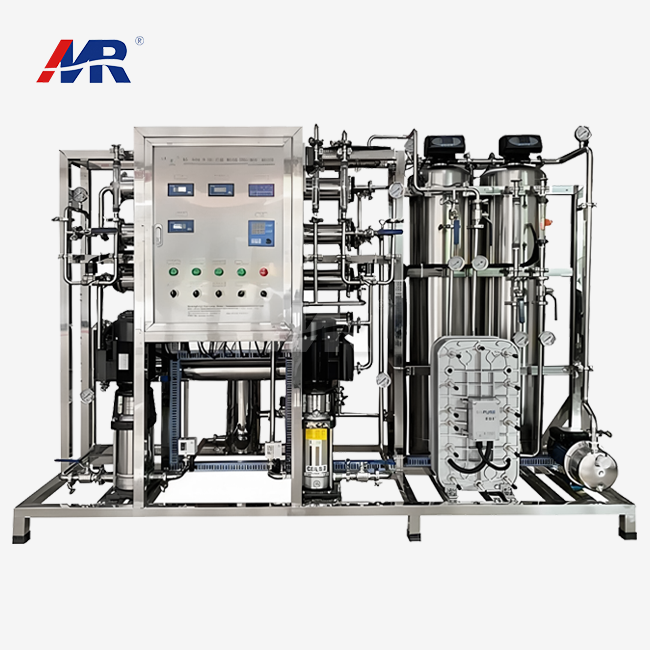 VIEW MOREElectrodeionization system
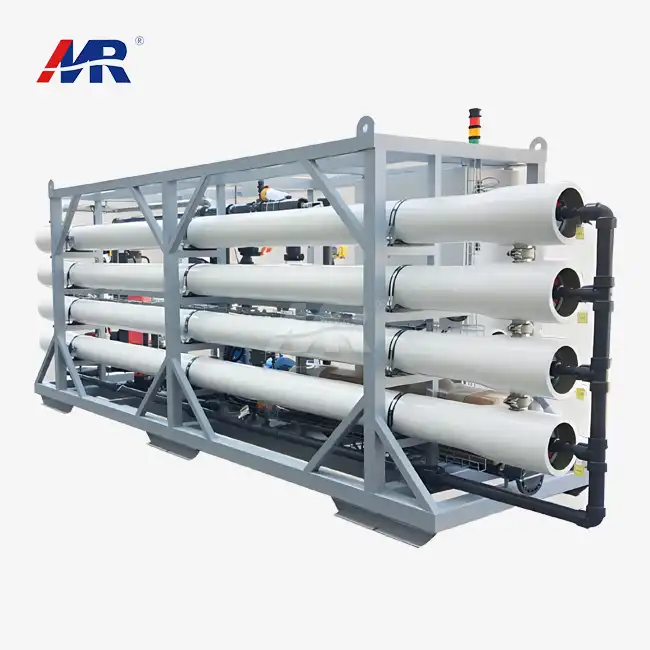 VIEW MORE12m3/hour seawater desalination equipment
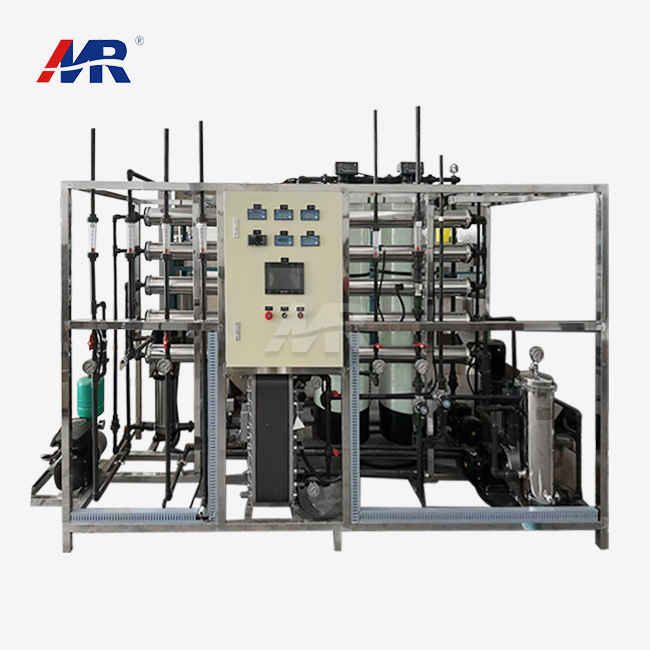 VIEW MOREedi purified water system
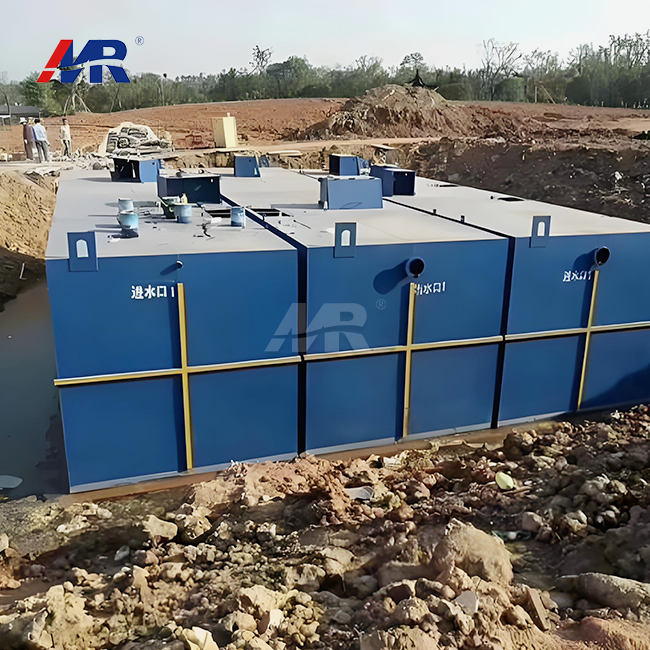 VIEW MOREwastewater treatment plant units
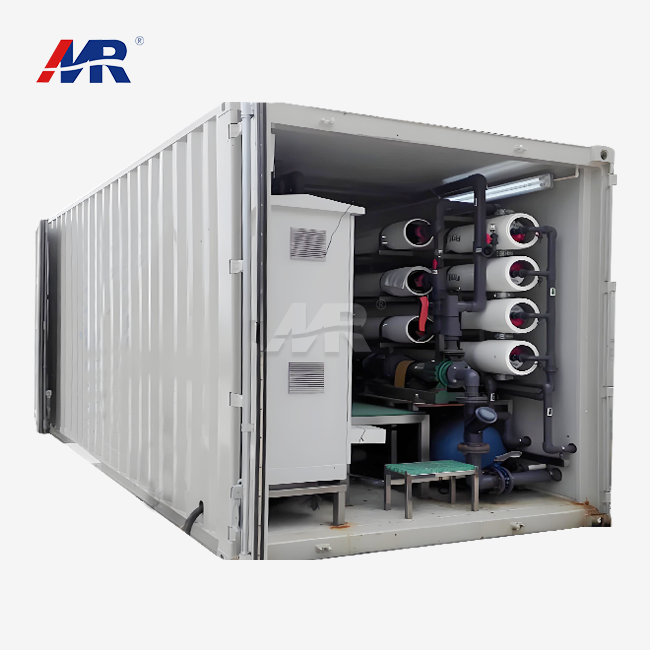 VIEW MOREcontainer seawater desalination equipment
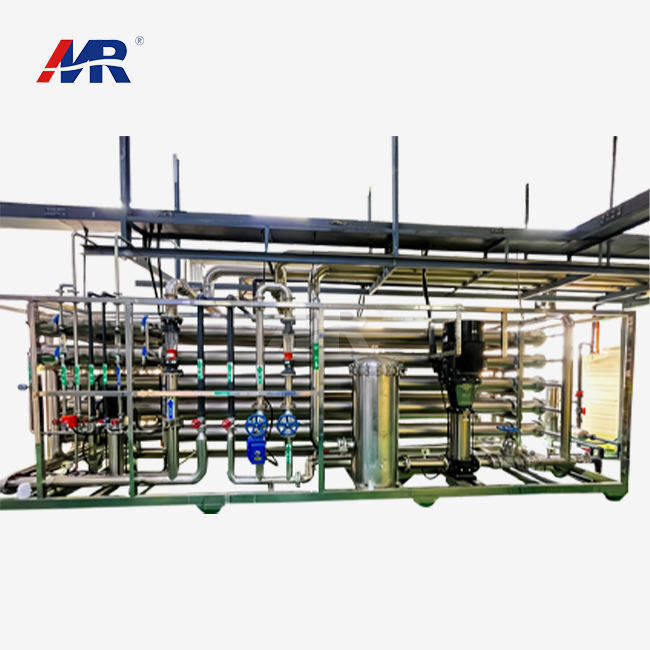 VIEW MOREnew ro system
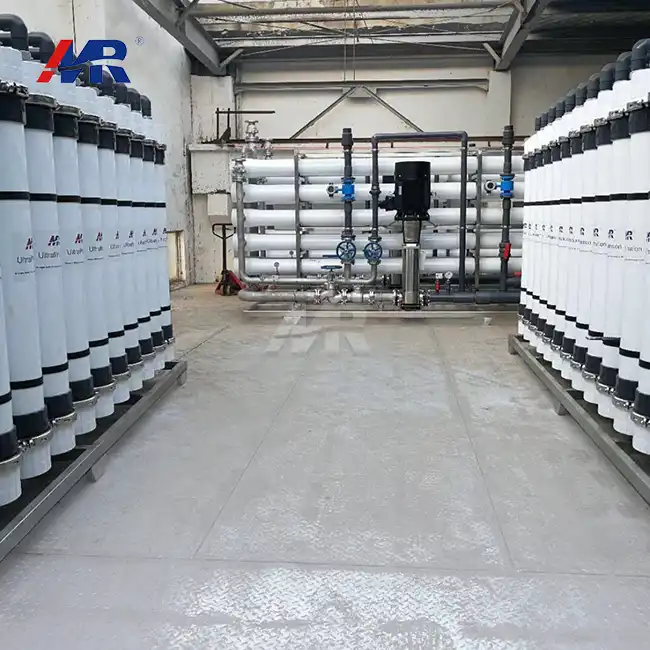 VIEW MORE2000m3/day ultrafiltration equipment
 VIEW MOREcontainerized reverse osmosis system