


How Is Seawater Treated? Solutions for Boats and Coastal Sites
The seawater is treated in a number of stages. water is drawn in by a saltwater intake system or onboard pickup, screened and filtered to eliminate debris, pumped through high-pressure reverse osmosis membranes, and treated to make the freshwater suitable for use. These phases are interconnected by controls and brine handling in a full seawater treatment system. In this tutorial, I explain how each step works, what technology suits boats and coastal places, and what to examine before you purchase. I also note where our MR-SWRO-8TH saltwater desalination unit fits in.

Why Boats and Coastal Sites Need a Seawater Treatment System
About 97 percent of Earth’s water is salty. Open-ocean saltwater has roughly 35 grams of dissolved salt per liter, which is too much for humans, plants, boilers, and fish tanks to deal with. The water also transports sand, algae, germs, organic waste, and even oil from harbor traffic. Another issue for resorts, ports and island communities is that it is very expensive to transport or truck in freshwater. The equipment is continuously exposed to the stress of corrosion, scaling, and fluctuations in feedwater quality. An appropriately scaled seawater treatment system reduces reliance on foreign sources. Sizing should be based on actual water consumption, site circumstances, and projected expansion.
What Is in Seawater and Why It Is Not Ready to Use
Some 97 percent of the water on Earth is salty. Typical open-ocean saltwater has roughly 35 grams of salt dissolved in every liter, significantly more than humans can drink, and more than crops and industrial boilers can handle. There’s sand, algae, bacteria, organic debris, and, often, oil from ships in the port. Health and equipment might be damaged by these impurities, and they must be eradicated.
How a Seawater Treatment System Works, Step by Step
I prefer to think of the process as having seven links in a chain:
- Intake screening keeps fish, seaweed, and big debris out of the system.
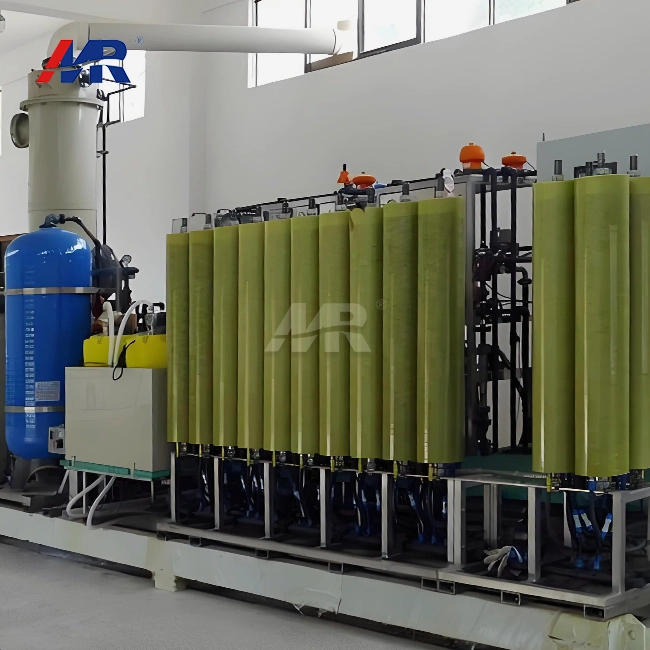
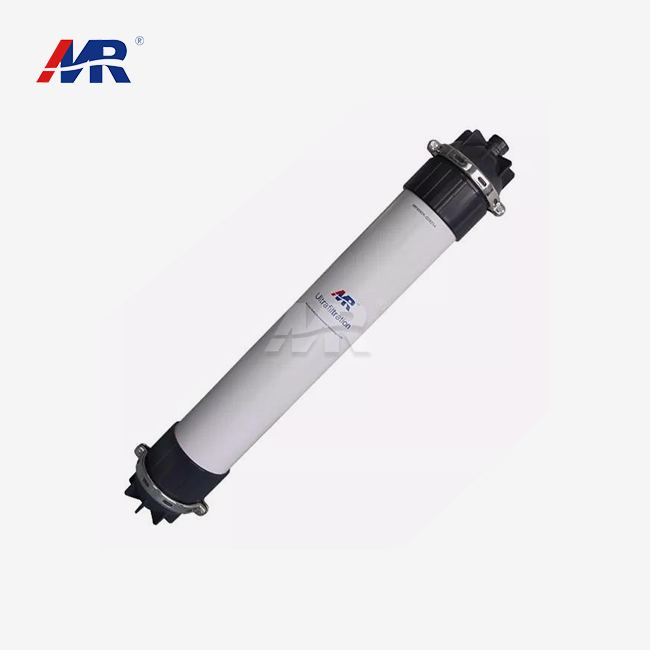
- The fine particles are removed by pretreatment, for example, using multimedia filters or ultrafiltration.
- Pumps boost the water to the required pressure. This is frequently between 55 and 70 bar for seawater.
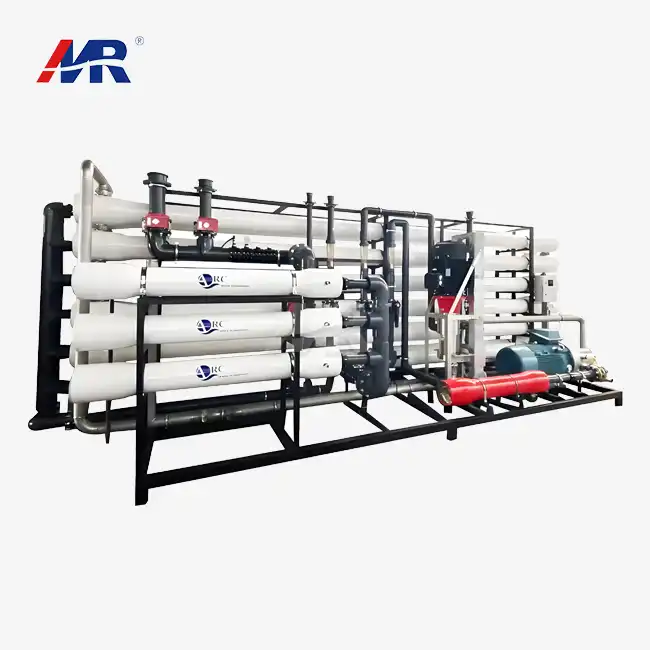
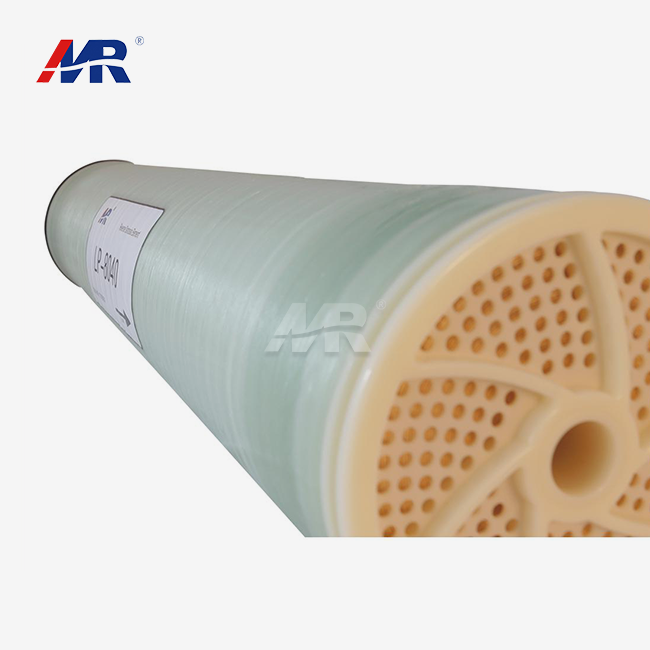
- Reverse osmosis membranes allow water molecules to flow through while rejecting most salts.
- Post-treatment includes pH adjustment, addition of minerals, or disinfection with UV radiation or chlorine, depending on the final usage.
- The fresh water is kept in a tank for use.
- Brine management returns the concentration to the sea under local permission conditions.
Any weak link in the chain, notably in input or in pretreatment, reduces the performance of the whole line.
Main Components That Keep the System Running
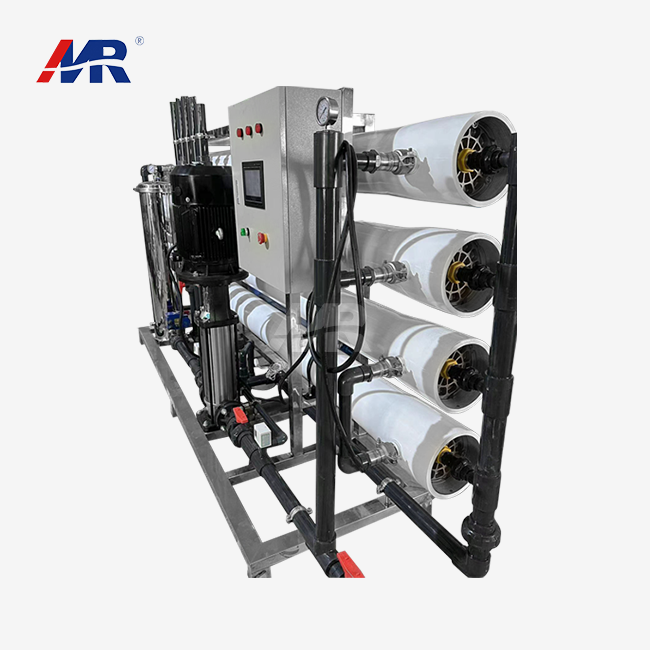
Behind those stages is a series of components: input pipes, screens, feed pumps, strainers, filtering units, chemical dosing equipment, high-pressure pumps, membrane pressure vessels, instruments, and a control panel. All equipment coming in contact with saltwater or brine should be constructed of corrosion-resistant materials. Salt destroys regular metals fast; thus, marine-grade polymers and duplex stainless steel are typical.
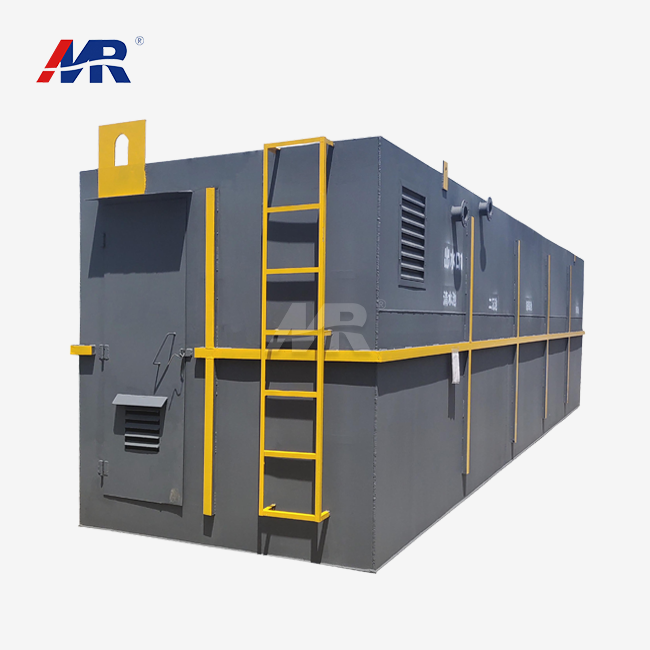
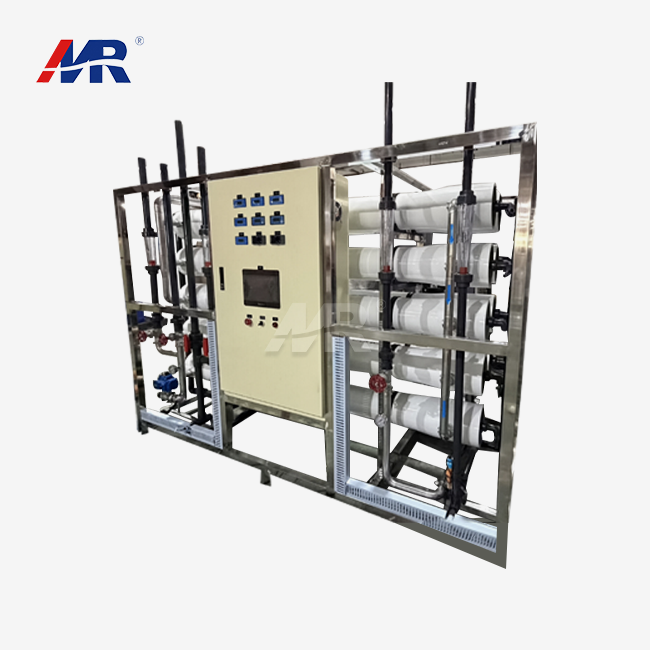
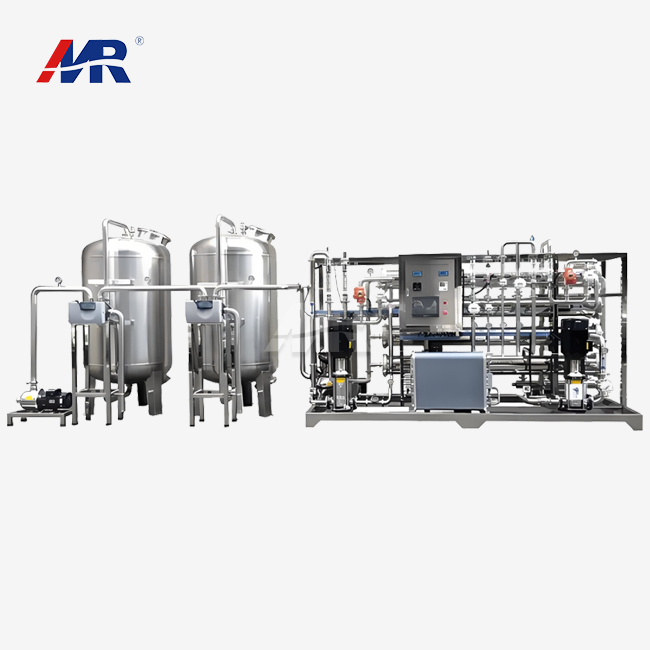
Large seawater treatment systems frequently include energy recovery devices, variable frequency motors, automated backwashing, and remote monitoring. Skid-mounted and containerized options facilitate setup for coastal facilities, offshore locations, and distant camps. They also enable modular expansion and simpler maintenance. Our MR-SWRO-8TH incorporates energy recovery and anti-fouling SWro membranes and is available in container, skid, or marine installation.
Seawater Treatment Solutions for Boats and Coastal Sites
For ocean water, resorts, yachts, and industrial workshops, reverse osmosis is the most frequent option. It provides flexible capacity, operates at room temperature, and installs flexibly. Thermal desalination is suitable when waste heat or steam is available, mainly in extremely large plants. Ultrafiltration and microfiltration are good at removing suspended particles and microbes but cannot remove dissolved salt; hence, they are a pretreatment step rather than a substitute for a whole saltwater treatment system.
Which Technology Fits: RO, Thermal, or Filtration?
Seawater reverse osmosis will be chosen by most yachts and seaside resorts. It is modular and operates at room temperature. Thermal technologies are employed mostly at big industrial sites with abundant waste heat. Ultrafiltration and microfiltration may remove particles and bacteria but not dissolved salt. Hybrid designs are a combination of RO with ultrafiltration or renewable energy when energy supply is limited. Large RO systems with energy recovery are incredibly efficient and often use just 3 to 4 kWh per cubic meter.
Solutions for Boats, Ships, and Offshore Platforms
Yachts and small boats require compact, low-weight, low-vibration devices with easy controls and minimal power demand. Commercial ships and offshore rigs typically need redundancy, remote monitoring, and linkages to existing utility systems. Every choice is space and weight driven thus I always inquire about footprint and available power before I talk about capacity. Salt rejection is also important. The MR-SWRO-8TH is rated for 99% salt rejection, bringing 35,000 mg/L saltwater down to 350 mg/L, much below the acceptable limit of 600 mg/L set by the World Health Organization.
Solutions for Resorts, Islands, and Remote Sites
Demand for hotels and resorts swings with occupancy, laundry, and seasonal peaks. Storage tanks and modular devices serve to smooth out these oscillations. Containerized units, local storage, and renewable energy linkages help remote islands. Mines and oilfield camps work on a similar self-supply rationale. Aquaculture and farming may need special regulation of boron, sodium, and salinity. Seawater has naturally occurring boron in the range of 4-5 mg/L. The WHO standard for drinking water is 2.4 mg/L.
How to Choose, Price, and Maintain a Seawater Treatment System
To choose the appropriate seawater treatment system, begin with the desired application. Drinking water, boiler feed water, cooling water, and irrigation water all have distinct quality criteria. Calculate your average, peak, and emergency needs. Have a professional feedwater analysis considering salinity, temperature, turbidity, SDI, oil, and microorganisms. You also have to check power availability, footprint, noise limitations, and municipal regulations for brine discharge and intake licenses.
How to Choose the Right Seawater Treatment System
First, find out the intended application, since water quality requirements vary for irrigation, drinking, and industrial usage. 3. Then figure out your peak and seasonal demand. Feedwater analysis is critical to verify salt levels, temperature, turbidity, SDI, and organics. And last, check the electricity, space, and local environmental regulations for your location. The pretreatment should be adequate for the site circumstances, and an engineering evaluation should always be performed prior to final equipment selection.
Price, Capacity, and Total Project Cost
The price varies with capacity, materials, automation, and energy recovery characteristics. Often an equipment-only quotation will not include intake structures, civil works, storage tanks, and operator training, all of which may dramatically influence the overall turnkey cost. The recovery rate also impacts the budget. The MR-SWRO-8TH has a recovery rate of 38 to 45 percent. This means the intake and pretreatment have to handle more than double the flow of the end product. Always ask for a quotation that breaks out equipment, consumables, and maintenance services.
Efficiency, Reliability, and Working With a Manufacturer
Stable functioning relies on proper intake protection, good pretreatment, accurate chemical dosing, and the condition of membranes. Keep an eye on turbidity, SDI, flow, and salt rejection, and schedule frequent cleaning of membranes and replacement of filters. Energy savings via efficient pumps and energy recovery equipment. The MR-SWRO-8TH consumes 38.5 kW and employs anti-fouling membranes to reduce energy expenditures. Morui is a Guangdong-based company with 14 locations and 500 staff. We also provide Shimge water pumps, Runxin valves, and Createc instruments.
Conclusion
Seawater has roughly 35 grams of salt per liter, along with particles, germs, and occasionally oil; thus, it requires complete treatment before it can be used. This is accomplished via a seawater treatment system consisting of input screening, pretreatment, high-pressure pumping, RO membranes, post-treatment, storage, and brine management. For most boats and coastal settings, reverse osmosis is the most adaptable solution. The proper choice relies on capacity, but also on feedwater analysis, power, and space. The total expenditures should include installation and civil works. Corrosion-resistant materials and frequent maintenance are the key to continuous functioning.
FAQ
1. How is seawater treated on a boat or at a coastal site?
The water passes through screens and pretreatment filters, then high-pressure pumps push it through RO membranes. Post-treatment adjusts the pH, adds minerals, or disinfects the product water before it is used.
2. What are the key specifications of the MR-SWRO-8TH?
The MR-SWRO-8TH is a seawater desalination system with 38.5 kW power consumption, a 38 to 45 percent recovery rate, and 99% salt rejection. It features energy recovery and anti-fouling SWRO membranes.
3. What information should I send to get a proposal?
Send your seawater analysis, target water quality, daily and peak demand, power availability, site limits, and compliance requirements. With these details, we can recommend the best pretreatment and layout.
Request a Seawater Treatment System Quote From Morui
Morui can size a seawater treatment system for your boat, resort, port, or remote site. As a manufacturer with its own membrane plant and equipment factories, we offer the MR-SWRO-8TH in container, skid, or marine forms, plus installation, commissioning, and multilingual support. Send your feedwater analysis, daily demand, and power details to benson@guangdongmorui.com to see our full range of solutions.
References
1. World Health Organization, Guidelines for Drinking-water Quality, Fourth Edition Incorporating the First Addendum, 2017
2. Science, The Future of Seawater Desalination: Energy, Technology, and the Environment, 2011
3. McGraw-Hill, Desalination Engineering: Planning and Design, 2013
4. Science of the Total Environment, The State of Desalination and Brine Production: A Global Outlook, 2019
5. Water Reuse Association, Seawater Desalination Power Consumption, 2011
6. Water Research, Reverse Osmosis Desalination: Water Sources, Technology, and Today's Challenges, 2009