



Exploring the Benefits of Seawater Treatment Plants
A seawater treatment plant facility converts salty ocean water into fresh water for consumption, industry, and everyday use. It eliminates suspended particles and debris, pushes water through reverse osmosis membranes, and prepares the product water for its ultimate application. The key advantages include a climate-independent supply, scalable capacity, controlled water quality, and reduced impact on stressed freshwater sources. I prepared this guide for utilities, resorts, ports, offshore operators, and project developers who wish to comprehend the process, evaluate choices, and appraise a system like the Morui MR-SWRO-8TH.

How a Seawater Treatment Plant Works
From Intake to Product Water
Seawater contains roughly 35,000 mg/L of sodium. The U.S. EPA indicates that the second quantity of total dissolved solids acceptable for drinking water is 500 mg/L. That gap has to take out over 98% of the salt.
Typically, I divide it into six parts — pretreatment, high-pressure pumping, membrane desalination, post-treatment, and storage. First, you have to clean and take in water. Before treatment, media filters, ultrafiltration, cartridge filters, and chemical dosages are used to reduce the risk of turbidity and fouling entering the water. Then the clean feed is pumped through membranes, which split it into two kinds of liquid: clear liquid with less salt and salty liquid with more salt. Once the water has undergone remineralization, pH alteration, or cleansing, it is finally fit for use.
Main Components That Protect the Membranes
A plant that cleans seawater has many parts that all work together to keep the other parts safe. Structures and screens that let water in keep trash from the ocean. The water moves with feed pumps and lines that don't rust and don't break down quickly in salty conditions. To get it ready for the membranes, dosing units and pretreatment filters clean it up. Finally, cartridge filters protect it one last time.
There is a high-pressure pump, RO screens, and pressure vessels that separate the things. There is a device that takes pressure from the brine stream and puts it back into the process. Equipment that cleans membranes in place makes them work again, and sensors monitor temperature, conductivity, pressure, flow, and pH. Alarms and shut-down features keep the equipment safe when something goes wrong.
Seawater Reverse Osmosis vs. Thermal Desalination
Seawater treatment plant reverse osmosis takes the salt out of water using pressure and screens. Some thermal methods, such as multiple-stage flash and multiple-effect distillation, use heat and evaporation to do their work. Experts have written in Science that RO distillation needs a lot less power than steam distillation. RO makes up most of the distillation plants that have been looked at around the world.
RO can be put away in small boxes or skids, which makes it useful for islands and other faraway places. It's still possible for thermal systems to work if they can get cheap steam or heat from power plants. You shouldn't just look at one top number. I tell buyers to think about capacity, feedwater conditions, available energy, room, scheduling, and discharge rules as a whole.
Key Benefits and Practical Applications
Supply Independence and Scalable Capacity
The first excellent thing is that you can control the supply. WHO and UNICEF projected in 2022 that 2.2 billion people will lack access to safe drinking water. There is enough water in the sea, so the plant does not have to worry about rivers or rain or dry springs. It continues to yield Products in times of drought and heavy demand.
Containerized forms are faster to transport and set up and, because of their modular designs, owners may expand the area as required. The treated water may be utilized for drinking, heating, cooling, or other operations. The sustainability still relies on how the intake is designed, how much energy is utilized, how the chemicals are managed, and how the brine is securely disposed of. That's why I always think of these items as part of the project, not as extras.
Where These Systems Are Used
Where do I perceive the most need for water? For drinking water in islands and coastal towns, ships and offshore platforms, mines and oilfield camps, and emergency or transportable units.
It is utilized in parks, hotel rooms, restaurants, and washrooms. "People want tiny systems that don't rust and don't take up a lot of space offshore and in the water. Distant businesses don’t have to pay for water to be pumped to them. Containerized units are also well-suited for disaster response teams and temporary camps because of their ease of transport and rapid set-up. Some in company do stove or other tech cleaning after RO. How much water does the location really require each day? What sort of water? This is usually the first question asked.
The MR-SWRO-8TH at a Glance
Morui MR-SWRO-8TH is a system to remove salt from saltwater. It is composed of SWro membranes. Specs state power is 38.5 kW, recovery is 38-45% of the salt, and rejection is 99.99% of the salt.
We measure the quantity of feedwater converted to product water. This is called recuperation. That implies 0.38 to 0.45 cubic meters of salt water being converted to fresh water. The remaining water, which is salty, is termed a brine. For example, 99% of the feed points range from 35,000 mg/L to roughly 350 mg/L. But true outcomes rely on water temperature and flow velocity. Morui can customize the pretreatment, energy recovery choices, remineralization, container or skid configuration, and remote monitoring to meet the demands of the site.
Buying Guide: Cost, Supplier Checks, and Risks
Looking at Total Cost and Energy Use
A low price is not necessarily the greatest value as time goes by. It is contingent upon how much water, how clean it is, how the system is set up, how automated it is, what materials are utilized, and how large the installation is. There are a lot of little things that build up, like the cost of electricity, chemicals, personnel, maintenance, managing brine, and downtime.
The energy used will vary with the state of the membrane, the temperature, the recovery, the pressure, and the efficiency of the pump. "It has been claimed that present SWRO seawater treatment plants with energy recovery utilize roughly 3 to 4 kWh/m3. That seems like an excellent plan. Collect energy statistics from each bidder and use that data to compare the offers.
Questions to Ask a Supplier
If someone is skilled at what they do, they have probably worked on RO systems for the ocean, containerized systems, drinking water projects, or military locations in the past. You want to ask for process diagrams, listings of the tools used, test protocols for the plant, test results for the water that has been treated, and references. The inhabitants of the United States should find out what documentation covers areas of their project that will be wet or electrical.
Then you have to discuss who will be responsible for shipment, installation, commissioning, training, warranty, and spare parts. Morui employs 20 engineers, and the firm has more than 14 branches. It has its own enterprises that create barrier plants and other things. We also sell water pumps, Runxin valves, Createc instruments, among other things. This implies that one individual may be responsible for membranes, pressure vessels, and whole systems.
Avoiding Common Procurement Mistakes
Many difficulties begin before the tools are delivered. If a basic unit doesn’t have a comprehensive seawater study, then membranes may become blocked, recovery can be poor, chemical consumption can be excessive, and output can be unsteady. It is useful to quote brine systems, additional parts, warranty, pretreatment, and controls. Read each price, line by line.
Define clearly the responsibility of the site. This includes buildings, drains, electricity, storage, entrance, and discharge. Studies on desalination in the environment state that the flow of the brine and the design of the intake are highly essential. Just plan these things out ahead of time. Items to purchase. Simple items. My small list. List the purposes and capacities, and acquire the temperature, salinity, turbidity, and SDI of the feedwater. Compare formats, look at suppliers, and make sure you know how much the system will cost in the long run.
Conclusion
Cities, resorts, ships, offshore platforms, and remote industrial locations may use seawater treatment plant facilities to provide a water supply that does not rely on rain or aquifers. The stages are: putting water into the process, pretreatment, reverse osmosis, and post-treatment. All these actions ultimately safeguard the membranes and the purity of the water. Thermal distillation normally requires more energy than RO, although the decision for a particular location will depend on the circumstances. The MR-SWRO-8TH is said to use 38.5 kW of electricity, recover 38 to 45 percent of it, and throw away 99 percent of the salt. The expense of the brine is only part of the equation. Other expenses include energy, chemicals, filters, maintenance, and brine transport. Procurement risk is reduced when feedwater is adequately assessed, providers have defined responsibilities, and brine strategies are developed early on.
FAQ
1. How long do SWRO membranes last?
Most RO membranes last between 3 and 5 years if they are cleaned and handled properly before they are put in place. How well the feedwater is maintained and how good it is is what shapes the number.
2. What does a 38–45% recovery rate mean?
In other words, 38% to 45% of the salt water that goes into the MR-SWRO-8TH is turned into fresh water. The rest of the share is released as concentrated brine.
3. How is brine discharge managed?
These days, plants use high-velocity diffusers to dilute concentrates very fast. The projects also follow the rules in their area for how to do an environmental impact assessment.
4. What do you need to prepare a quotation?
Tell me how much power you need, what the site is like, how you want the work to be set up, when you need it delivered, and what kind of service you want.
Request a Seawater Treatment Plant Quote from Morui
I'd like to help you find a system that fits your site's needs. Morui builds plants that clean seawater. It has its own membrane factory, 20 engineers, and services for setting up and installing the seawater treatment plant. If you want to get your daily volume, feedwater analysis, power information, and delivery date, please email benson@guangdongmorui.com.
References
1. WHO and UNICEF, Progress on Household Drinking Water, Sanitation and Hygiene 2000–2022 (2023)
2. Science, The Future of Seawater Desalination: Energy, Technology, and the Environment (2011)
3. Science of the Total Environment, The State of Desalination and Brine Production: A Global Outlook (2019)
4. McGraw-Hill, Desalination Engineering: Planning and Design (2012)
5. Desalination, Environmental Impact and Impact Assessment of Seawater Desalination (2008)
6. U.S. Environmental Protection Agency, Secondary Drinking Water Standards: Guidance for Nuisance Chemicals (1992)
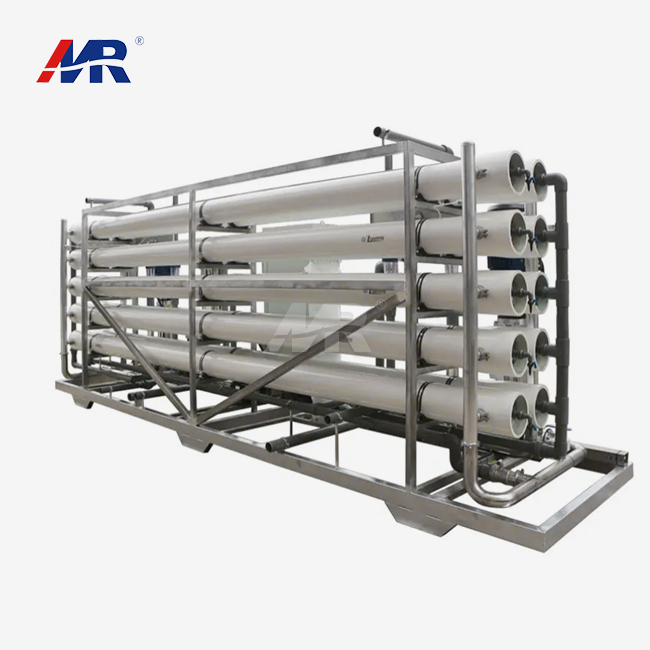 VIEW MOREbrackish water reverse osmosis systems
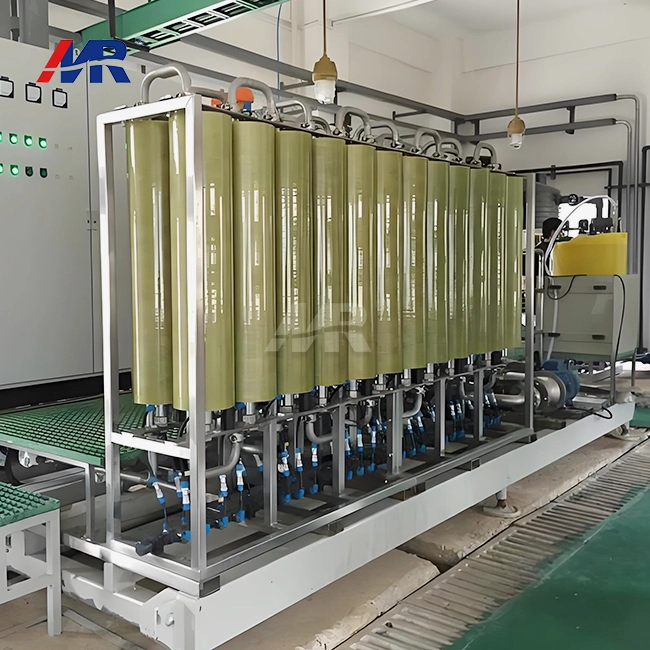 VIEW MOREDisc Tube Reverse Osmosis
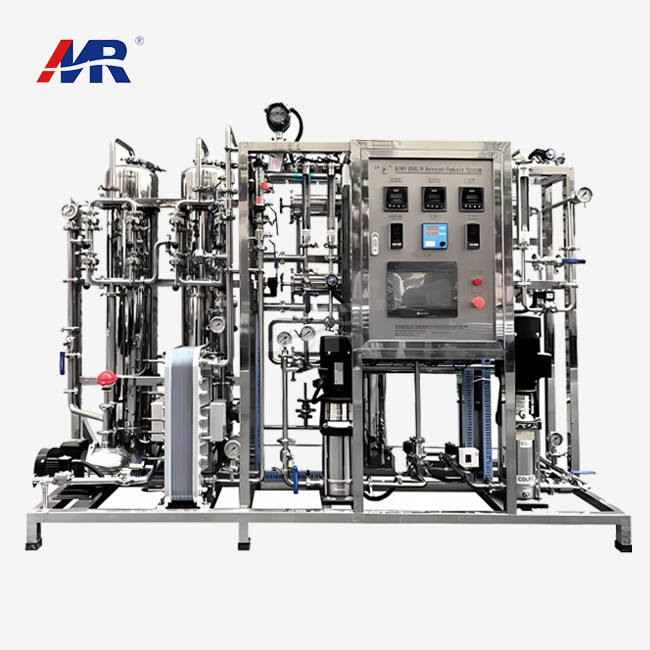 VIEW MORE1000LPH EDI plant
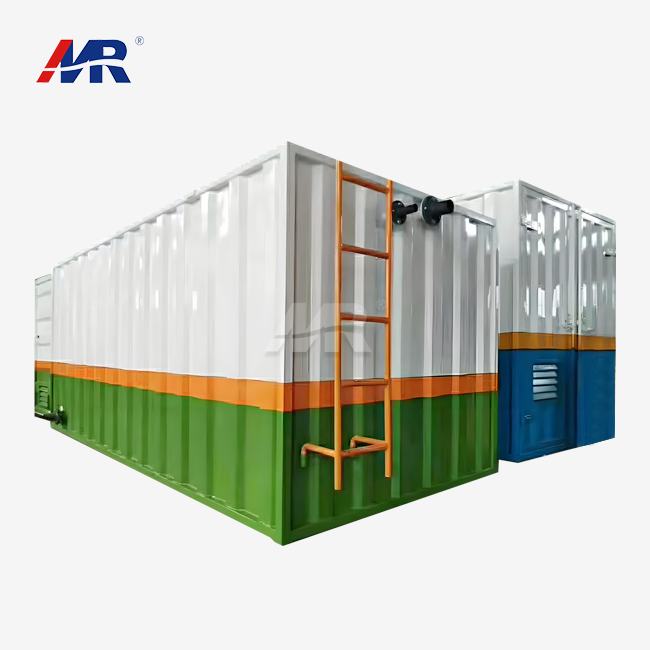 VIEW MOREindustrial sewage treatment plant
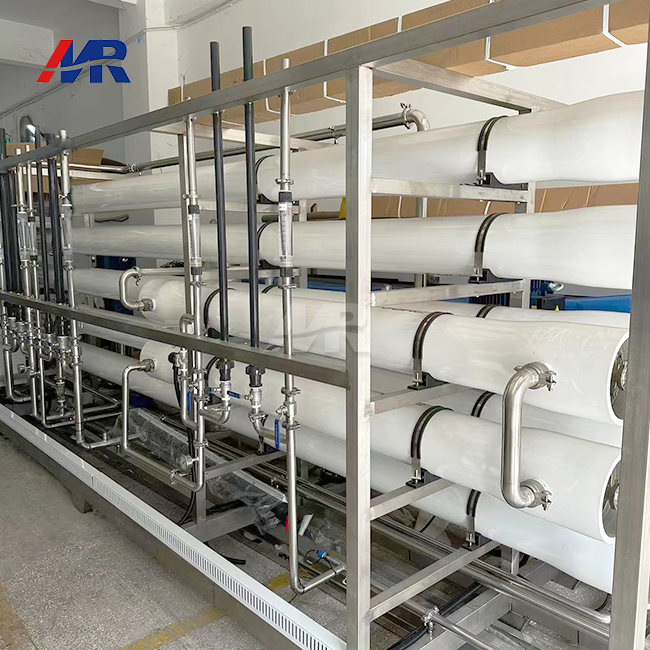 VIEW MOREosmosis drinking water system
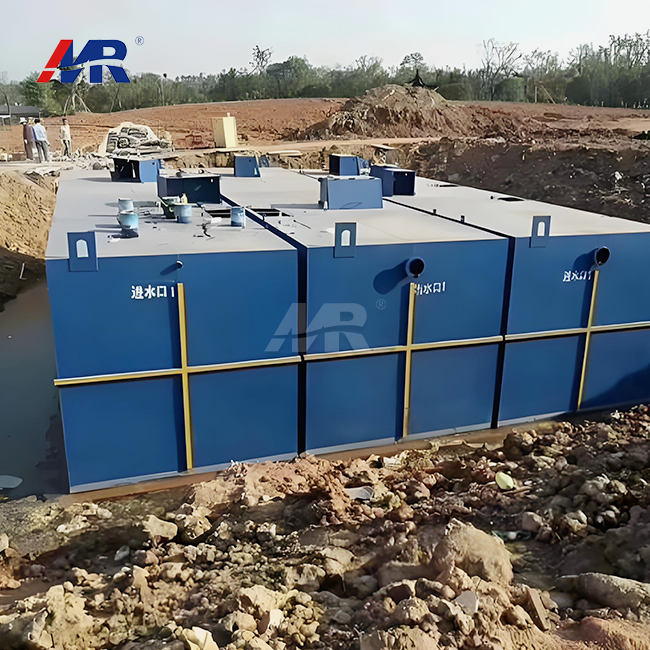 VIEW MOREwastewater treatment plant units
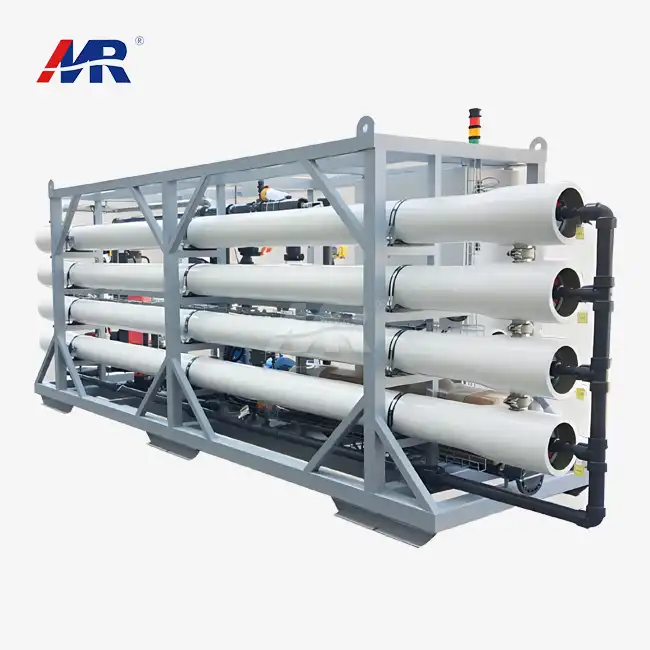 VIEW MORE12m3/hour seawater desalination equipment
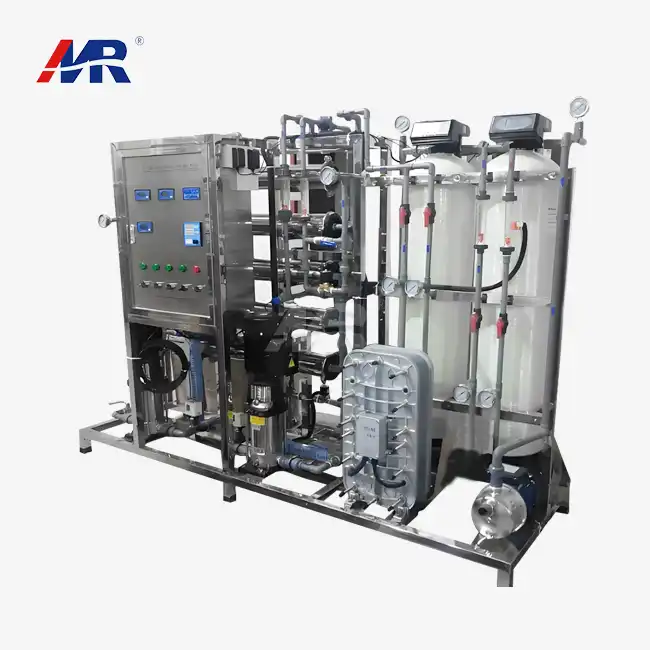 VIEW MORE1T/H EDI system
