Is an 8 Stage Reverse Osmosis System Better for Commercial Use?
Does an 8-step reverse osmosis system work better for commercial use? Sometimes, however, it is not the number of stages that matters. An 8 stage reverse osmosis system includes post-treatment stages such as remineralization or UV disinfection in addition to the regular filters and membrane. Those actions assist if flavor, microbiological control, or consistency is a consideration. They also increase expense, maintenance, and space requirements. A modest location with a reliable supply of tap water may be fine with a simpler device. When dealing with brackish groundwater or a big facility, the number of stages is less important than membrane design, pressure, and recovery rate. Below, I go over those points.

What Is an 8 Stage Reverse Osmosis System?
Definition of an 8-Stage RO Water Purification System
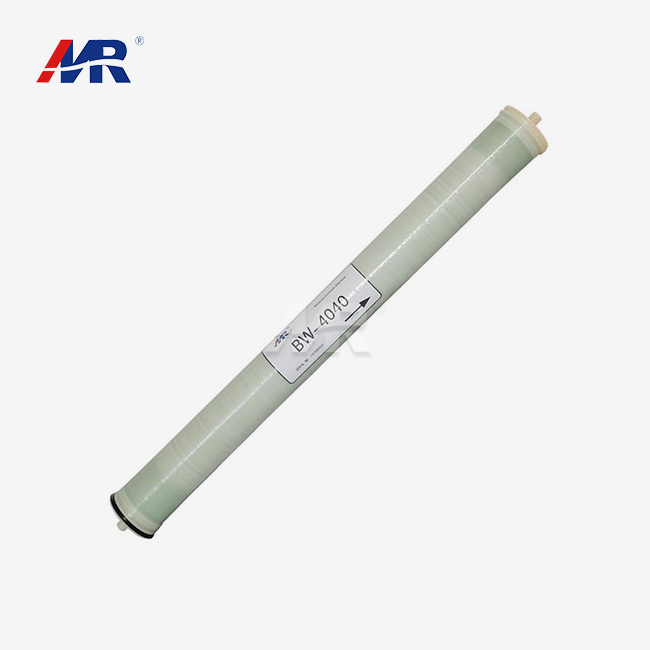
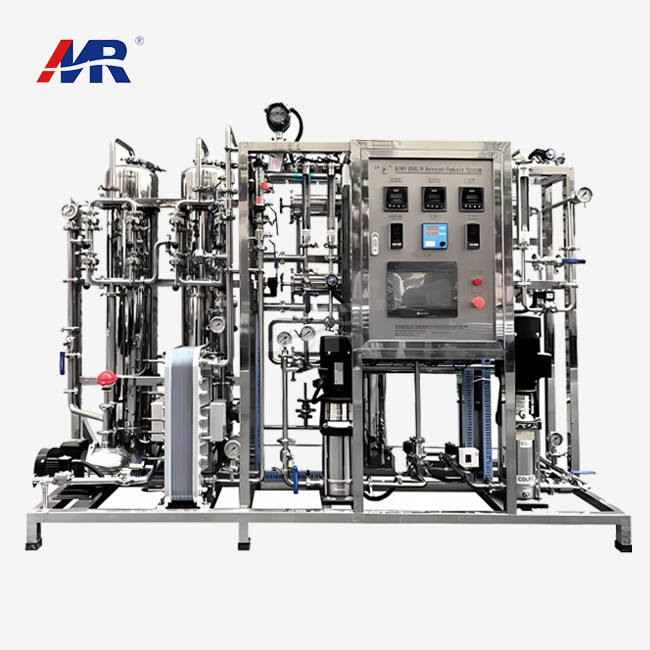
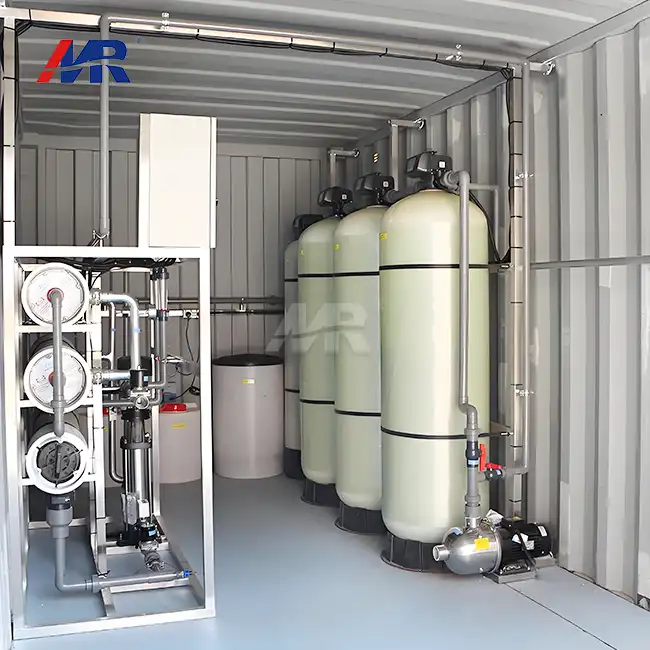
A procedure of cleaning water in 8 phases is called an 8-stage reverse osmosis system. An 8-stage reverse osmosis system is a device that filters water in eight stages. These phases include what to do before, during, and after treatment. The housing count often refers to eight individual housings. A cartridge may accomplish more than one thing. Each firm has its own style of constructing stages, so two units with the same name may not operate together. I constantly encourage people when they purchase anything to get the step-by-step manual and learn how well the specific model works. Reverse osmosis gets rid of a lot of the salt. Next steps alter the water or maintain the barrier safely.
Typical Filter Stages
The first one is a sediment filter, the second one is granular activated carbon, and the last one is a carbon block. These processes remove sand and chlorine, both of which are detrimental to membranes. There is a post-carbon filter after the ro membrane that makes the flavor even better. UV cleaning and remineralization are often performed during the latter stages. Other proposals employ a nano-silver or ceramic stage instead. This arrangement doesn’t have to be this way. It’s not a rule. Water that is hard, or high in iron or silica, may need to have an acid or softener added to it before entering the membrane. When preparing, it is vital to observe the water report.
How the System Works
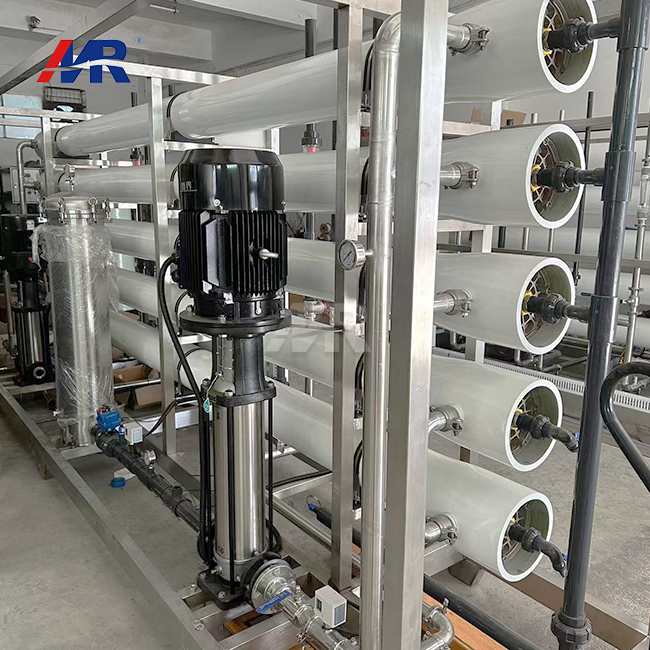
Filters reduce silt in the feed water. Carbon removes chlorine and organics. Then a motor pushes the water against the membrane. Much water goes through, but most of the broken-down salts remain behind, leaving in a mixed form. The product water is purified, its minerals regulated, and it is disinfected. Then it is saved and distributed. The size and strength of the pump are important since the procedure requires pressure. In each phase, something new happens. The membrane has a dislike for dissolving salts, so you can’t use UV to kill bacteria instead.
When an 8 Stage System Fits Commercial Use
Comparison with 5-Stage and 7-Stage Units
Most 5-stage units have a membrane, carbon, sediment, and polishing after the carbon. Because it has fewer parts, it costs less and is easier to fix. A 7-stage unit usually has one more step, while an 8-stage unit usually has one more step, such as UV. Even though adding more steps can make the taste better and kill germs, they don't make the barrier better at keeping salt out. The flow rate depends on how big the membrane and pump are. Before I look at the stage numbers, I look at the service needs, recovery rate, and membrane grade. If the 5 stages are built well, they may work better than the 8 stage reverse osmosis systems if the building isn't done well.
Benefits and Trade-Offs
Since water is served straight from the tap in hotels, restaurants, and water pumps, they want it to taste the same and have more bacterial control. It can make the taste better because RO water doesn't have many chemicals in it. A UV step adds a wall to protect stored water from getting dirty. There are real costs and benefits. Price goes up, replacement parts numbers go up, and service times get longer as there are more stages. After a while, the remineralization media wears out, and the UV lamps need to be charged and switched out. It's not very helpful to use steps that are based on taste if your process needs water that is low in minerals, like boiler make-up.
Alkaline Filters and UV Versus Carbon Polishing
A lot of times, people get RO and alkaline filtration mixed up. If you put up a barrier, the salts will not dissolve, but an alkaline capsule will change the pH and add minerals. Once more, UV does not work like other light. The U.S. Environmental Protection Agency says that ultraviolet light damages microorganisms' DNA and kills them. However, it does not get rid of solids that have been dissolved. Most post-carbon filters make the water smell and taste better, but they don't clean it. Which one to use depends on your goal: get rid of salt, make food taste better, or kill germs. The membrane usually goes in first, and the other stages help it stay put.
How I Evaluate and Match a Commercial RO System
Performance Indicators
I begin with facts, not marketing. The main indicators are TDS reduction, salt rejection, product water flow, recovery rate, and operating pressure. The recovery rate is the flow of product water divided by the flow of input water, multiplied by 100%. As the recovery rate increases, less water has to be drained. But if pushed too high, the membrane might start scaling up. You will need to have a new water test done that includes iron, manganese, silica, hardness, chlorine, TDS, and the danger of microorganisms. If it is designed for clean city water, it may not perform well with hard water, salt water, or water that has a high iron content. Be sure to check what Certifications are required in your market, e.g., NSF/ANSI 58.
The MR-BWRO-10TH in Practice
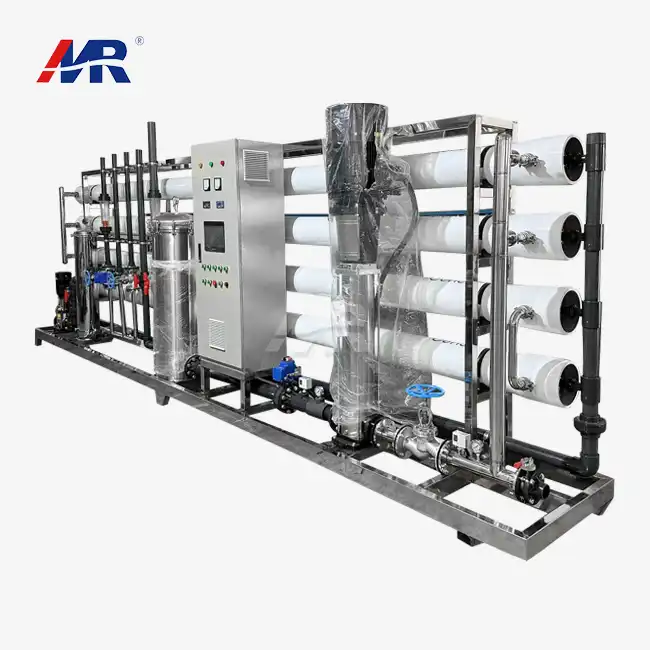
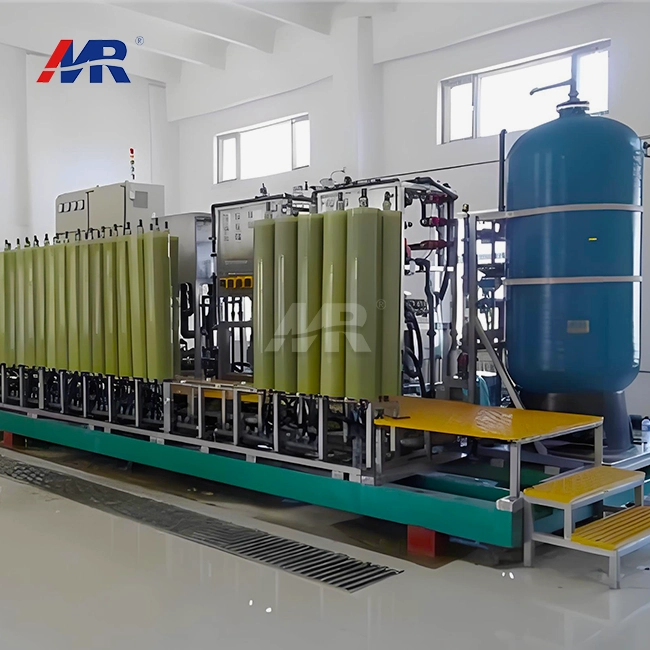
Enter the MR-BWRO-10TH. This is an industrial local RO device for brackish water to create drinking water. It removes 98% of the salt and recovers between 55% and 65% of that salt with a power output of 15 kW. 60% recovery means that 100 units of feed water will produce 60 units of product water. The remainder will be ground into powder. Your raw water report may be used by our specialists to determine the best way to set up the pretreatment, membrane phases, and post-treatment. The stage count doesn’t fluctuate with variations in water level.
Installation and Maintenance
A good match extends the barrier. Check the power supply, the temperature and pressure of the input water, the drain for the concentrate, and the area for replacing the filters. Install the filters in the proper locations, clean the 8 stage reverse osmosis system, and check for leaks. Also, take notice of the first TDS reading. Work is done once a year before and after treatment, and visual inspections are done once a week. The UV lamps are replaced according to the manufacturer’s plan. Replace pre-filters every three to six months. Low flow may typically be due to blocked filters or low input pressure. If a membrane has a high TDS result, it may be ancient. YOU CANNOT USE ANY OTHER FUNCTIONS. ALWAYS follow guidelines that come with your product.
Procurement: Manufacturer, OEM, and Total Cost
Manufacturer Versus Distributor
If you purchase from a manufacturer, you generally have greater input into how it is configured and get factory documentation and support from the OEM. Or you might get a lower price per item if you purchase a lot. A local merchant could have more on hand, might deliver quicker, and might have spare filters nearby. Makers are wonderful for custom, one-off projects; merchants are perfect for rapid, common requirements. Morui is a privately-owned manufacturing firm. The corporation has its own factory for the production of membranes and other factories for the handling of gear. We have been in business for 25 years, with 14 branch firms and 20 engineers, and employ about 500 people. Now we are responsible for delivering the membranes and assembling them on the skids.
OEM and ODM Options
Many Americans like unique brands and designs. Morui offers OEM and ODM services. Tell us about your water quality, and we can assist you in choosing the proper parts and technique. We may also give life to your own notion. Pumps, controllers, instrumentation, pipe materials and online tracking may be added or deleted anytime. We also offer CNC tools, Shimge pumps, and Runxin valves. Make sure you understand the minimum order quantity, sample approval, branding options, wait time, warranty, packaging, and other compliance documents your project may require if you want to place an order.
Total Cost of Ownership
The purchase price depends on membrane capacity, pumps, UV and remineralization equipment, storage, automation, materials, license, and certification. A cheap quotation does not always guarantee a low price in the long term. Count persons, water, power, filters, membranes, lighting, installation, and downtime. To figure out your return on investment, compare your spending on treated water to your spending on bottled water or store-bought water. For the MR-BWRO-10TH, I would take the 15 kW power use and 55-65% recovery rate to calculate the cost of the water and energy.
Conclusion
There is an 8 stage reverse osmosis system that is only good for corporate usage when those additional processes are required. It removes the salt, then remineralization, UV purification, and carbon purification remove the flavor and destroy the microorganisms. But five- and seven-stage units might be effective when demand is low, and water level is steady. But it’s not simply the number of steps that tells you anything about performance. Flow, pressure, and salt rejection are all equally significant. The enduring impact of checking your water supply, ensuring sure everything fits well, doing routine maintenance, and figuring out the cost of ownership. If someone is looking to acquire a brackish water RO system, they should look at this type of information. The MR-BWRO-10TH removes 98% of salt and recovers 55-65% of it.
FAQ
1. Is an 8-stage system better than a 5-stage system?
Not all the time. The results rely on the quality of the membrane, the flow, and the study of the water. More steps can clean or condition the water, but not always.
2. How many filters does it have?
It's not always eight. You should count the treatment steps and housings separately because some cartridges can be used for more than one thing.
3. Does it need a booster pump?
Low input pressure most of the time calls for one. It's important to know how much pressure your model needs.
4. What is the recovery rate?
It changes based on how it works and how much water it gets. The MR-BWRO-10TH has a recovery rate of 55–65%.
5. Can it be customized for OEM projects?
Yes. Morui supports OEM and ODM work, including pumps, controls, instruments, piping, and remote monitoring.
Contact Morui for an 8 Stage Reverse Osmosis System Manufacturer Quote
Want to know how much something costs? Morui, an 8 stage reverse osmosis system manufacturer, can match the MR-BWRO-10TH to your water test results. Send an email to benson@guangdongmorui.com with your source-water analysis, daily and peak demand, inlet pressure, electrical details, certificates, order number, and delivery date. Twenty engineers will help you pick out a configuration, and our membrane plant can handle both OEM and ODM jobs.
References
1. Water Treatment: Principles and Design (MWH), 2012
2. Guidelines for Drinking-water Quality (World Health Organization), 2017
3. Ultraviolet Disinfection Guidance Manual for the Final Long Term 2 Enhanced Surface Water Treatment Rule (U.S. EPA), 2006
4. The Guidebook to Membrane Desalination Technology (Mark Wilf), 2007
5. Understanding the Safe Drinking Water Act (U.S. EPA), 2004
6. NSF/ANSI 58 Reverse Osmosis Drinking Water Treatment Systems (NSF International), 2022