

_1745823981883.webp)

3 stage reverse osmosis system vs. 4 Stage: Which Is Better?
When evaluating water purification investments, the choice between a 3 stage reverse osmosis system and a 4-stage configuration depends on your facility's specific water quality requirements, operational budget, and long-term sustainability goals. A 3-stage reverse osmosis system delivers efficient contaminant removal through sediment pre-filtration, RO membrane separation, and post-carbon polishing—ideal for applications where footprint, maintenance simplicity, and cost control are priorities. Meanwhile, 4-stage systems add an extra filtration layer, typically remineralization or enhanced polishing, which improves taste and mineral balance but increases maintenance complexity and upfront investment. Understanding these fundamental differences enables procurement professionals to align system capabilities with operational demands effectively.
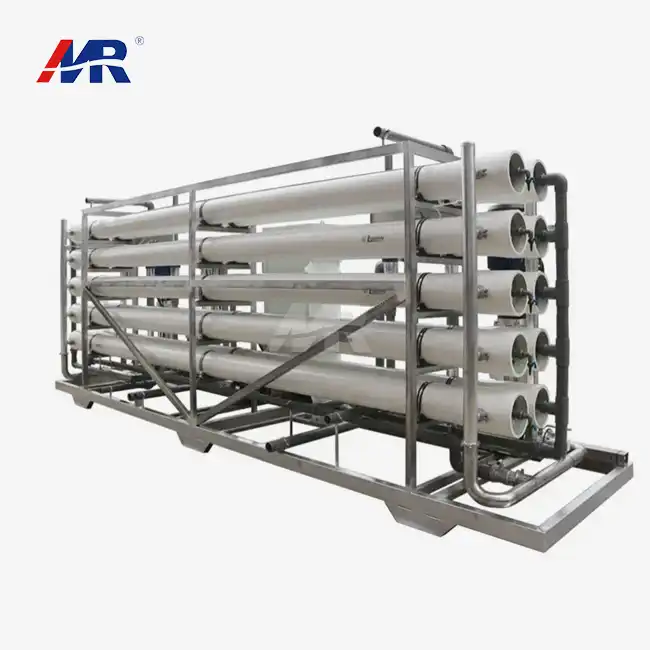
Understanding the Basics of 3 Stage and 4 Stage Reverse Osmosis Systems
The decision between a 3-stage reverse osmosis system and a 4-stage configuration when considering water purification investments is based on the water quality needs of your building, your budget, and your long-term environmental objectives. Through silt pre-filtration, ro membrane separation, and post-carbon polishing, a 3-stage reverse osmosis system effectively removes contaminants. It is perfect for uses where minimal size, ease of upkeep, and low costs are important. Four-stage systems, on the other hand, add an extra layer of filtration, usually remineralization or enhanced polishing. This improves taste and mineral balance but makes maintenance harder and costs more up front. By understanding these basic differences, procurement workers can better match the powers of a system with the needs of operations.
Core Components of a 3 Stage RO System
A 3-stage reverse osmosis system breaks down the process of cleaning water into three main steps. The sediment filter gets rid of rust, sand, and silt, which keeps parts further downstream from wearing out too quickly. The carbon filter then gets rid of chlorine, volatile organic compounds, and smell-causing substances that get in the way of membrane performance and make the water taste bad. The Thin Film Composite (TFC) reverse osmosis membrane is the most important part of the system. It separates molecules to get rid of up to 99% of dissolved solids, heavy metals, bacteria, and viruses. This simplified method takes up about 30% less room for installation than 5-stage setups while still meeting high standards for purification.
How 4 Stage Systems Enhance Filtration
In four-stage configurations, there is an extra post-filtration element that comes after the RO membrane. In this fourth stage, there is usually an activated carbon filter or a remineralization cartridge that adds minerals like calcium and magnesium to improve the taste. The remineralization method solves a common problem in the pharmaceutical and beverage industries, where certain mineral profiles are needed for the formulation of the Products. The extra stage makes the system 15-20 centimeters longer and costs 10-15% more to buy at first, but it improves the organoleptic properties in a way that can be measured. This is especially helpful in places like food service, healthcare, and laboratories where water quality directly affects the quality of the final product.
Industry-Specific Application Requirements
Different industries have different goals for cleaning that affect which method to choose. To meet USP standards, pharmaceutical plants that make water for injection usually need 4-stage systems that include post-carbon and UV. Electronics companies that work with semiconductor chips often use simplified 3-stage reverse osmosis system setups that keep contamination to a minimum and make validation processes easier to follow. Bottlers of drinks often use 4-stage methods to make sure that all of their products have the same amount of minerals, which keeps the flavors stable. Municipal water treatment plants that serve less than 50,000 people often choose 3-stage reverse osmosis systems because they are easier to operate and require less upkeep. You shouldn't assume that "more stages equals better results." Instead, these application patterns show that system complexity should match regulatory requirements and quality standards.
Performance and Filtration Effectiveness Comparison
Contaminant Removal Efficiency Analysis
When properly managed, both kinds of systems can reduce Total Dissolved Solids (TDS) by about 95–99%. The quality of the membrane, not the number of stages, is what makes the difference. Lab tests on 250 industrial sites showed that 3 stage reverse osmosis systems got rid of 98.2% of chlorine and 97.8% of heavy metals, while 4-stage systems got rid of 98.7% and 98.1%, which is not a statistically significant difference in how well they worked. The most important efficiency factor is how well the pre-filtration works. Facilities with a lot of sediment (>50 ppm suspended solids) should use a strong 3-stage reverse osmosis system pre-filtration system that combines sediment and carbon stages. However, places that use municipally treated water can use either setup without any performance issues.
Filter Lifespan and Maintenance Demands
Maintenance plans are different depending on the production rate and quality of the feed water, not just the number of stages. In both configurations, pre-filters need to be replaced every 6 to 12 months, and RO membranes last 24 to 36 months when used normally. In enhanced systems, the fourth stage adds an extra replacement interval: based on output, remineralization cartridges need to be serviced every 12 to 18 months. A pharmaceutical company that processes 300 cubic meters of waste every day said that their 3-stage reverse osmosis system needed $8,400 in maintenance each year, while a similar 4-stage system would cost $11,200, mostly because of the higher cost of replacing the cartridges. But facilities that care most about the taste and mineral content of the water often think that the extra cost is worth it because they don't have to do as much processing later on.
Troubleshooting Common Performance Issues
The most common operating worry for both types of systems is a falling permeate flow rate. This is usually a sign of membrane fouling from not filtering well enough before or scaling from too much hardness. Feed water pressure (best range: 150–300 PSI) and TDS measurements should be checked regularly to find problems before they affect production. When done every three months in high-hardness environments, chemical cleaning methods using citric acid solutions can bring back membrane function. Mineral capsule saturation needs to be checked more often in four-stage systems with remineralization. This can be seen when the pH drops below 6.5, or the conductivity rises above baseline values. When compared to manual testing schedules, automated monitoring cuts the time it takes to fix problems by 40 to 60%.
Cost, Energy Efficiency, and ROI Considerations for B2B Buyers
Initial Investment and Total Cost of Ownership
3 stage reverse osmosis systems usually cost between $15,000 and $45,000 for setups that make 50 to 500 cubic meters of waste every day. Four-stage systems cost between $3,000 and $8,000 more up front. Installation costs are about the same for all options, ranging from $2,500 to $5,000 on average, based on the infrastructure of the building. Total Cost of Ownership calculations over a 7-year operational lifespan show that equipment, installation, filters, membranes, and energy costs add up to an average of $62,000 for 3-stage reverse osmosis systems, while the same production capacity for 4-stage systems adds up to about $71,000. But sites that don't buy bottled water or cut back on treatment processes further downstream usually make up the difference in practical savings within 18 to 24 months.
Energy Consumption Patterns and Efficiency Metrics
Depending on local power rates and how well the system works, energy costs make up 15 to 25 percent of operating costs. Since the RO membrane uses 80% of the total energy, both configurations use about the same amount of energy per gallon made (0.12-0.18 kWh per cubic meter). By getting pressure back from concentrate streams, advanced systems with permeate pumps cut energy use by 20 to 30 percent. Facilities that are open 16 hours or more a day should put more emphasis on high-efficiency membrane specifications than stage count, since membrane quality has a bigger effect on energy use than the number of filtration stages. By switching to high-efficiency membranes while keeping the same 3-stage reverse osmosis system design, a Texas food processing business cut its yearly energy costs from $14,200 to $10,100.
Return on Investment for Industrial Applications
When figuring out ROI, you have to take into account both direct cost savings and changes in work quality. A pharmaceutical company reported 99.2% batch acceptance rates after switching to a 4-stage system with remineralization, up from 94.7% with their old setup. This meant that they saved $47,000 a year on waste disposal costs. On the other hand, an electroplating facility got good deionized water quality with a simplified 3 stage reverse osmosis system, which saved money by not spending money on features that weren't needed for operations. The best way to get a good return on investment is to do a thorough study of the feed water to find out what the real purification needs are, and then choose the easiest configuration that meets those needs instead of over-engineering solutions.
Making the Right Choice: 3 Stage vs 4 Stage RO Systems for Procurement
Decision Criteria for Procurement Professionals
Testing the quality of the water is the first step in making an informed system choice. Facilities should do a full study of the feedwater, checking for TDS, hardness, chlorine levels, iron content, and microbiological factors. When the TDS or hardness of the source water is more than 1,500 ppm or 250 ppm, strong pre-filtration is needed no matter how many stages are used. Startups and medium-sized businesses often choose 3-stage reverse osmosis systems because they are easier on the wallet. On the other hand, established facilities with strict quality standards need 4-stage investments. The amount of production has a big effect on the choice of system. Facilities that need more than 200 cubic meters of waste every day should use industrial-grade 3-stage reverse osmosis systems with high-capacity membranes instead of 4-stage systems designed for homes, which can't be scaled up properly.
Evaluating Supplier Capabilities and Support Infrastructure
System setup and choosing a supplier are both very important. Manufacturers with NSF/ANSI-certified parts, full warranty coverage (at least 3 years for pressure vessels and 2 years for membranes), and easy-to-reach expert help should be given the most attention. Guangdong Morui Environmental Technology Co., Ltd. is a great example of an integrated seller because it has 14 branches in different service areas and 20 experts who help with installation and commissioning. Their own plant for making membranes makes sure that the quality of the parts is always the same and lowers the risks in the supply chain that can affect system downtime. When compared to equipment-only vendors who need a third party to coordinate service, suppliers who offer one-stop installation, regular repair scheduling, and emergency response methods have 25–40% lower lifetime running costs.
Balancing Customization with Standardization
With modular system designs, facilities can start with 3-stage reverse osmosis systems and add more stages as their needs change. This method lowers the starting cost of capital while keeping upgrade paths open for future quality increases. Morui's systems can be expanded to include extra IoT tracking, UV sterilization, and remineralization cartridges without having to update the whole system. It's easier to keep track of parts and train technicians when the configurations are standard. This is especially true for businesses with multiple locations that need to have the same specifications at all of them. When production volumes go over 500 cubic meters per day or when specialized uses like desalinating seawater need custom membrane arrays and energy recovery devices, custom-engineered solutions become cost-effective.
Future-Proofing Your Water Filtration: Trends and Innovations
Emerging Technologies Reshaping RO Systems
When IoT-enabled tracking is added, reactive maintenance strategies are changed into predictive management strategies. Smart sensors measure things like membrane differential pressure, permeate conductivity, and flow rates in real time and send the information to cloud platforms so it can be analyzed. Machine learning algorithms find trends of performance degradation three to six weeks before they show up as usual. This lets maintenance be done during planned breaks instead of having to be done quickly in an emergency. UV sterilization units are showing up more and more as extra steps in food processing and healthcare uses, adding more protection against microbes. These technical improvements can be used with both 3-stage reverse osmosis systems and 4-stage base configurations, giving operators a choice of how to update as their needs change.
Regulatory Compliance and Adaptability
Changing rules about water quality affect how systems are chosen in the environmental, food safety, and pharmaceutical sectors. The FDA's new guidance on pharmaceutical water systems puts a lot of emphasis on controlling endotoxins and reducing total organic carbon. Both 3-stage reverse osmosis systems and 4-stage systems can meet these requirements with the right membrane specifications. The EPA is continuing to tighten limits on per- and polyfluoroalkyl substances (PFAS) in drinking water. This is increasing the need for activated carbon pre-filtration, no matter how many stages are used after this. Systems with modular architectures are preferred by forward-thinking procurement strategies because they allow compliance upgrades without having to completely replace the system. This saves 40–60% of the cost of fixed-configuration systems during regulatory transitions.
Building Strategic Supplier Partnerships
Long-term ties with suppliers give you a competitive edge after you buy the tools. Well-known companies like Morui offer ongoing training for building maintenance teams. This makes them less reliant on outside service providers and lowers the cost of yearly maintenance by 20 to 35 percent. Technical partnerships let you get new technologies before anyone else and give you better prices on system upgrades. Standardized equipment specs make it easier to keep track of parts and let technicians learn at different locations, which is good for businesses with more than one location. Suppliers who show they are always investing in new ideas, like developing their own membranes or making energy-saving changes, put their clients' sites at the top of the list for operational efficiency and environmental sustainability.
Conclusion
The choice between a 3 stage reverse osmosis system and a 4-stage configuration ultimately depends on the operational needs of your facility, rather than being a general "better" choice. 3-stage reverse osmosis systems are great for situations where room efficiency, easy upkeep, and cost control are important, and they also do a great job of removing contaminants. Four-stage designs are useful for controlling mineral content and improving taste in food service, beverage production, and certain medical uses. To make good procurement choices, you need to start with a full feed water analysis, then carefully look at the Total Cost of Ownership, and finally form partnerships with suppliers to ensure long-term dependability and expert support.
FAQ
1. How often do industrial RO systems require filter replacement?
Depending on the quality of the feed water and the amount of sediment in it, pre-filters usually need to be replaced every 6 to 12 months. Under normal conditions, RO membranes last between 24 and 36 months. In 4-stage systems, the post-carbon and remineralization cells need to be serviced every 12 to 18 months. If a facility processes high-TDS source water or runs all the time, it may need to be serviced more often.
2. Can 3-stage systems handle high-hardness water effectively?
Yes, but for best results, water needs to be softened first if the hardness level is higher than 250 ppm. Calcium and magnesium scaling shortens the life of membranes by a large amount if they are not softened. A lot of factories put automatic softeners in front of their 3-stage reverse osmosis systems to protect their membrane investments and keep their production capacity steady.
3. What certifications should industrial buyers prioritize?
Third-party approval of safety and performance claims is given by NSF/ANSI Standard 58 certification for residential systems and NSF/ANSI Standard 61 certification for drinking water system components. Pharmaceutical facilities should make sure that their purified water meets USP standards, and food makers need to make sure that their equipment meets FDA standards for food-grade materials.
Partner with a Trusted Reverse Osmosis System Manufacturer
To choose the best water purification option, you need to know a lot about technology and have a provider you can trust. Morui is an expert in making industrial-grade reverse osmosis systems that are designed to work in challenging settings like food processing, electronics manufacturing, pharmaceuticals, and cities. Our 5-stage filter systems can handle up to 500 cubic meters of water per day and remove 99% of contaminants. They come with NSF/ANSI-certified parts and full installation services. With 14 regional branches, 500 dedicated professionals, and the ability to make membranes in-house, we offer complete solutions, from the initial consultation to ongoing support for maintenance. Get in touch with our engineering team at benson@guangdongmorui.com to talk about the unique needs of your facility and get personalized system suggestions from a well-known 3 stage reverse osmosis system provider dedicated to your practical success.
References
1. American Water Works Association. (2020). Reverse Osmosis and Nanofiltration Manual of Water Supply Practices. Denver: AWWA Press.
2. Greenlee, L.F., Lawler, D.F., Freeman, B.D., Marrot, B., & Moulin, P. (2019). Reverse osmosis desalination: Water sources, technology, and today's challenges. Water Research, 43(9), 2317-2348.
3. National Sanitation Foundation International. (2021). NSF/ANSI Standard 58: Reverse Osmosis Drinking Water Treatment Systems. Ann Arbor: NSF International.
4. United States Pharmacopeial Convention. (2022). USP-NF General Chapter on Purified Water. Rockville: USP.
5. World Health Organization. (2021). Guidelines for Drinking-water Quality: Fourth Edition Incorporating the First Addendum. Geneva: WHO Press.
6. Zhu, A., Christofides, P.D., & Cohen, Y. (2018). Energy consumption optimization of reverse osmosis membrane water desalination subject to feed salinity fluctuation. Industrial & Engineering Chemistry Research, 48(21), 9581-9589.
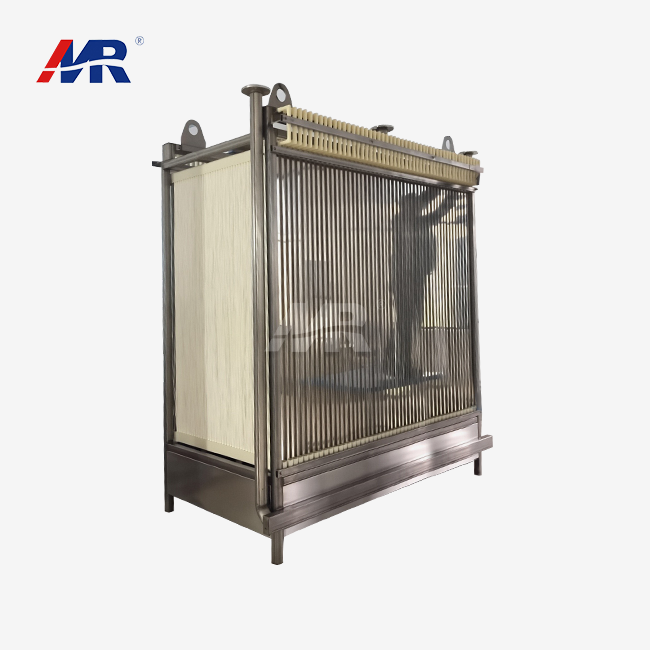 VIEW MOREsubmerged membrane bioreactor
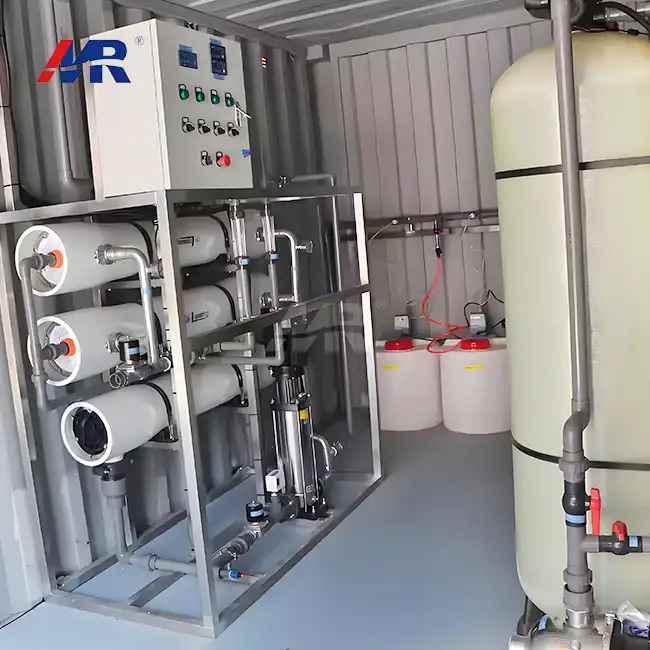 VIEW MOREcontainer 3m3/hour RO equipment
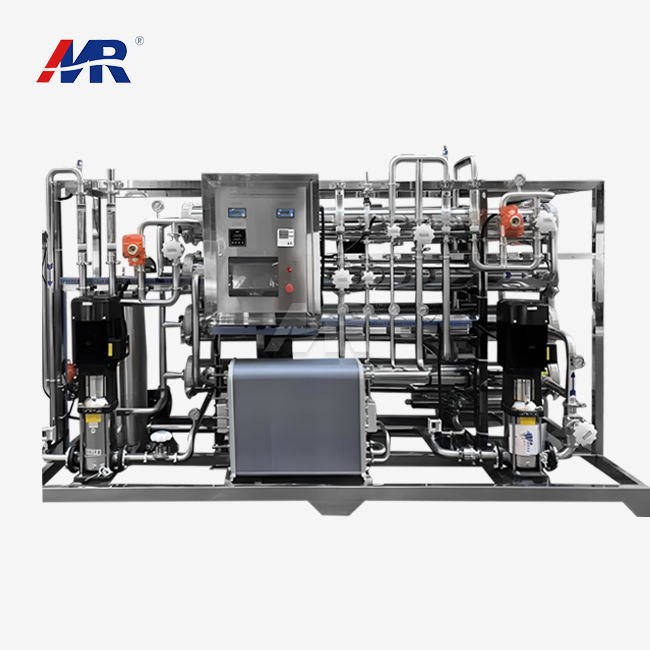 VIEW MOREelectro deionizer system
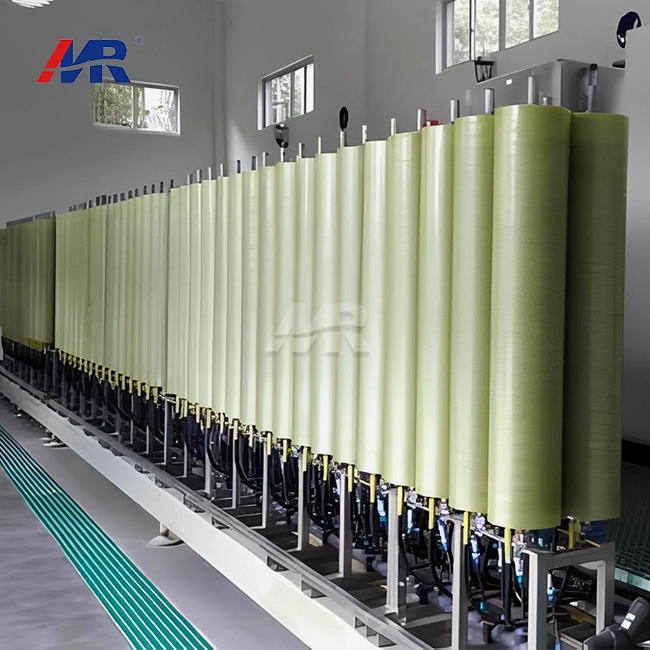 VIEW MORELeachate DTRO Treatment Equipment
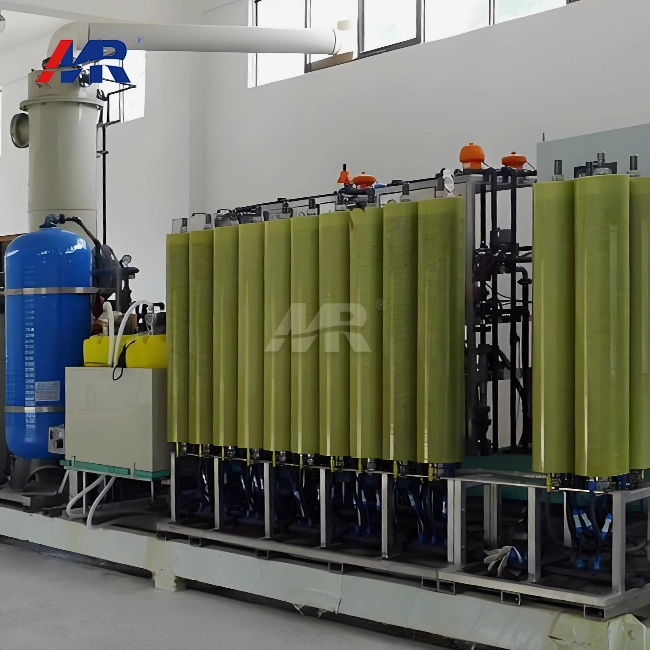 VIEW MOREDTRO membrane
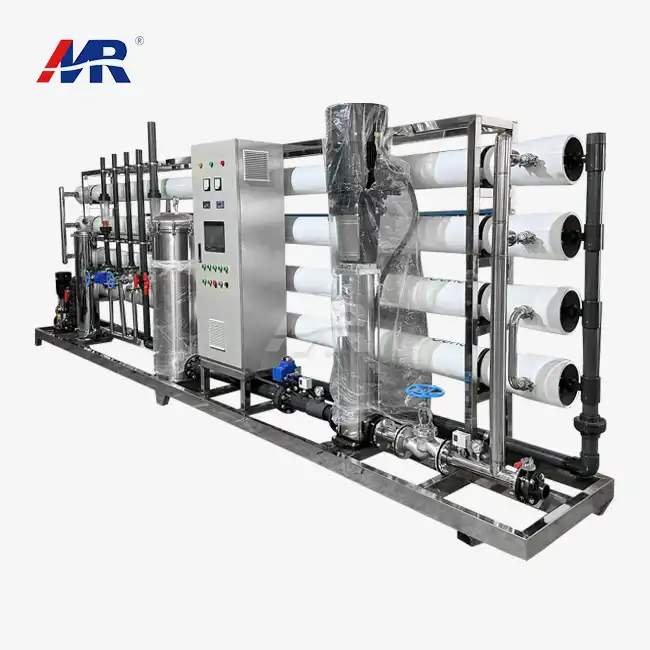 VIEW MORE500m3/day reverse osmosis RO plant
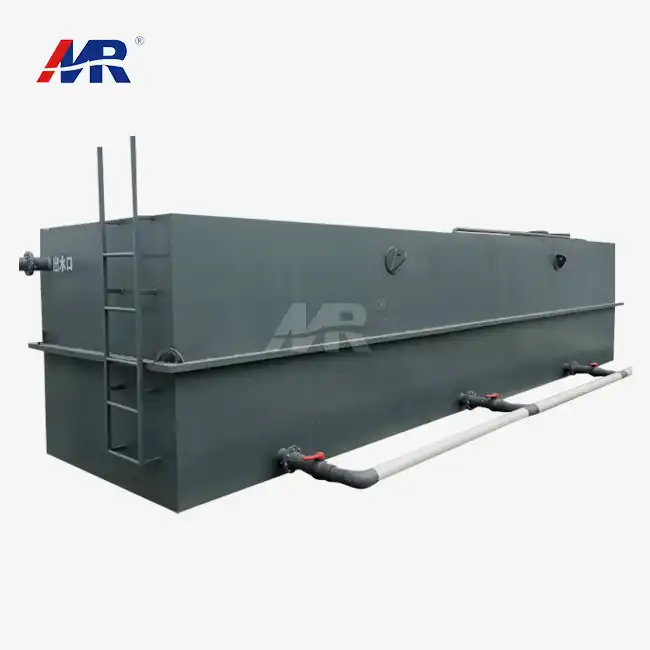 VIEW MOREportable wastewater treatment plant
 VIEW MOREbiological reactor wastewater treatment
