


How to Choose a 2 Stage Reverse Osmosis System for Industrial Water
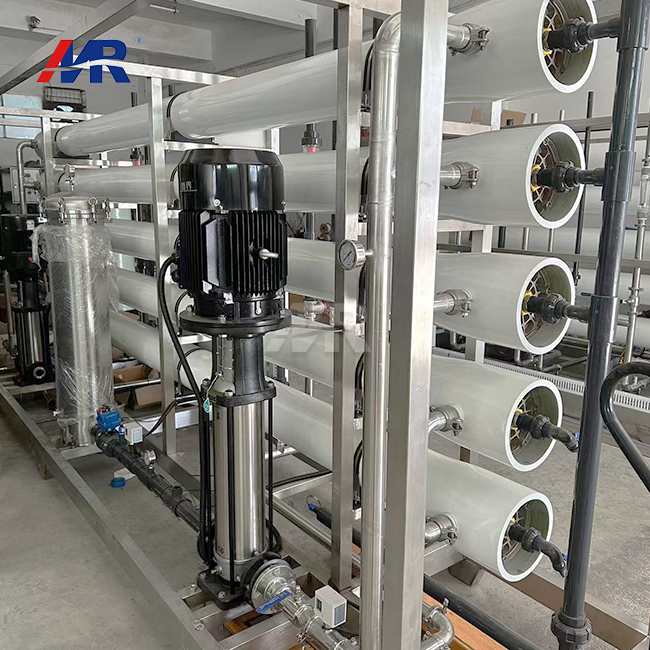
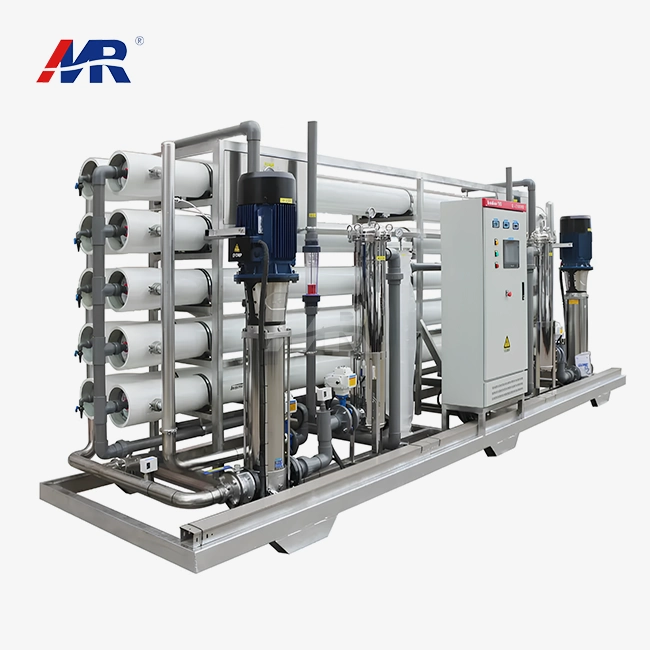
To choose a 2 stage reverse osmosis system for industrial water, start with a current water analysis. Then match capacity, recovery, and permeate quality to your process. A 2-stage design sends the concentrate from the first array of pressure vessels into a second array, which recovers more permeate from the same feed. Next, check pretreatment, materials, controls, and total ownership cost. Finally, confirm that the supplier can document performance under your feedwater conditions. In this guide, I walk through each step and show where the Morui MR-BWRO-50TH fits potable water projects.
Start With Your Water and Your Targets
Test Your Feedwater First
It all starts with a new sound design lab report. You should find out the pH, turbidity, iron, manganese, silica, chlorine, total dissolved solids (TDS), and number of bacteria. The U.S. Geological Survey says that water with dissolved solids of 1,000 to 10,000 mg/L is mostly salty. A lot of brackish wells are in this. There may be times when the numbers don't match up, so get more than one example. This is because iron, manganese, and silicon damage membranes more quickly than salt. They can often tell you how much preparation you need. I always tell people to get new data before they size tools because an old report can mess up the plan.
Set Capacity and Quality Goals
Write down daily demand, peak flow, working hours, and storage amount next. Then look at the quote and see if it shows feed flow or permeate flow. There is a big difference between the two. At 60% recovery, 100 gallons of feed are turned into about 60 gallons of permeate. The U.S. EPA sets 500 mg/L as the second-highest level of TDS that can be found in drinking water. This helps you set a reasonable goal for how the water should look and taste. Allow for membrane fouling, repair breaks, and future growth. Don't just judge the business by how much it says it makes.
Know What "2 Stage" Means
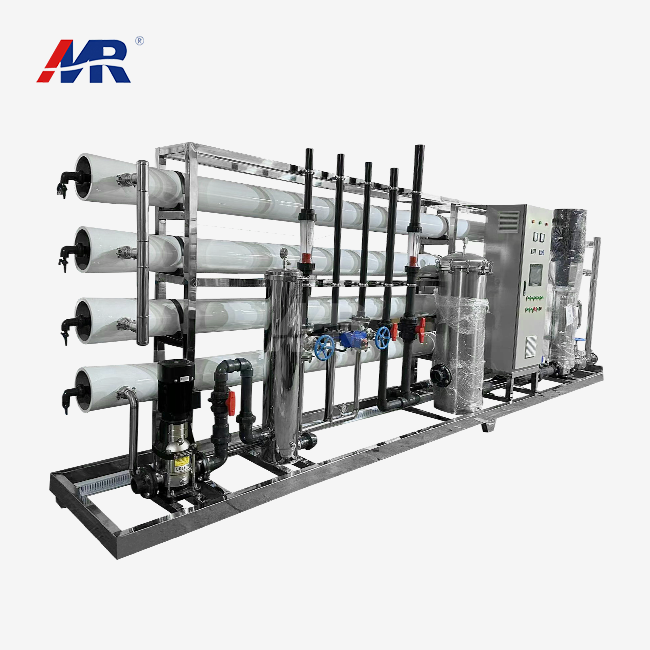
It's hard to understand the word. A 2 stage reverse osmosis system allows the plant to get more permeate from the same feed by feeding the concentrate from the first set of pressure tanks to the second set. A two-pass system is different because it cleans the permeate a second time. "Two stage" can also mean "two filter steps," which is not the same thing. To make sure that all of the quotes are the same, ask for a process flow model before you compare them.
Judge the System, Not the Brochure
Read Recovery, Rejection, and Energy Together
All three of these numbers are the same. When you have high recovery, you save feedwater and make less concentrate, but the risk of scaling goes up because salts build up inside the vessels. What it costs each month depends on how much energy is used and how much salt is thrown away. When the feedwater is cold, the flow slows down and the needed pressure goes up. Ask the companies that sell you their goods how well they work at the temperature and TDS you give them. A score that was given when everything was perfect doesn't tell you much about your site. The MR-BWRO-50TH lets you get back 55–65% of the salt, throw away 99% of the salt, and use 55 kW of power. These numbers match the ones in your water report.
Compare Alternative Configurations
A single-stage unit costs less and gives back less permeate from the same water if you use cleaner feed. To make permeate smoother, a two-pass design works well. In a home, two screens can be used together, but they're not made to work all the time in a business, so don't use them instead of each other. Bugs can't get through UV light, but it can't get rid of salts that have been dissolved. To make the right choice, check more than just the label. The configuration should also match your feedwater and purity goals.
Plan Pretreatment and Post-Treatment
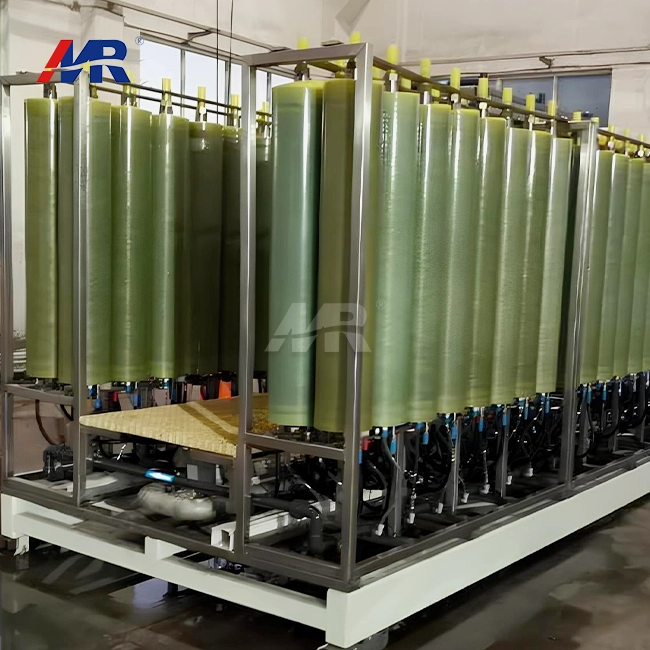
It is safe for the membranes in a 2 stage reverse osmosis system because they have been treated first. Use activated carbon or a chemical reducing agent to get rid of chlorine before the RO stage. Polyamide membranes can be broken by chlorine. Based on your report, you can add color and iron removal, softening, antiscalant dosing, multimedia filtration, and cartridge filters. Cleaning and adjusting the pH level of drinking water may be part of the process after it has been treated. Ask for water-contact paperwork, such as NSF/ANSI/CAN 61 for system parts, if your project needs it. This is because drinking systems come in contact with the product. More often than not, a low price that doesn't include preparation will cost you more in the long run because you'll have to fix the membrane and deal with downtime.
Match the Equipment to the Supplier
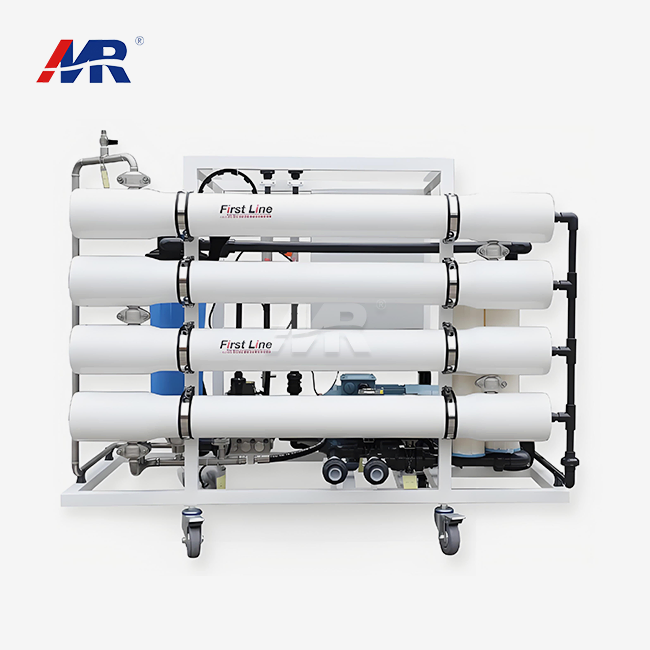
Meet the MR-BWRO-50TH
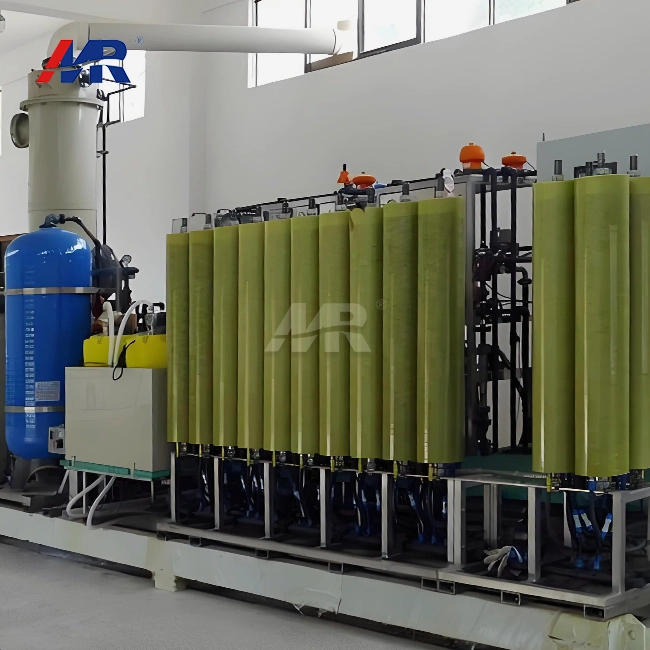
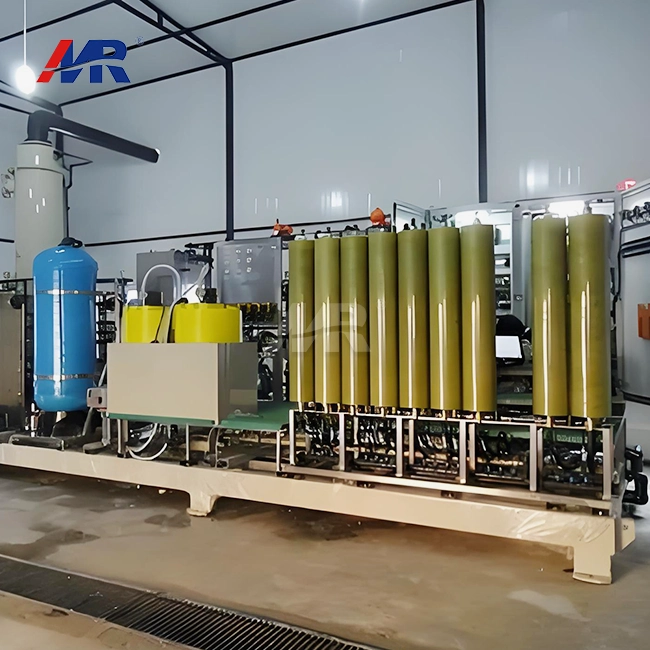
The MR-BWRO-50TH is our ready-to-use unit for making drinking water. Here are the most important things about it.
- Output quality: The machine rejects 99% of the salt that comes through it. This means that under regular conditions, the amount of salts that are dissolved in the permeate drops to about 1% of the feed level. What happens at the end relies on the water temperature and flow rate. We compare the grade to your lab report before we sign off on a plan.
- Recovery and power: The recovery rate is between 55% and 65%, which means that some of the feed goes through as permeate and the rest goes out as concentrate. It takes 55 kW of power. Plan for both numbers when you think about how much concentrate you will make, how much power you will need, and how much it will cost each month to run. Then, ask us how they were found.
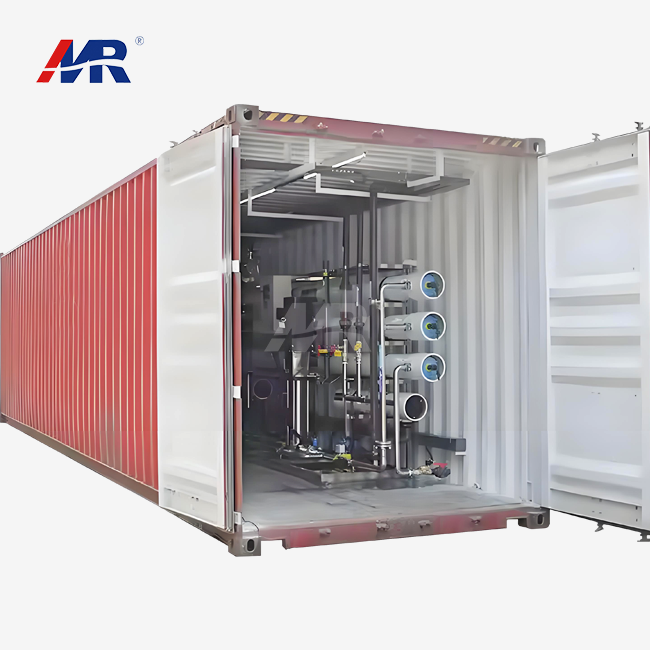
- Flexible build: As soon as you place your order, we set up the pumps, controls, tools, pipe materials, and monitoring from afar. You can choose parts that fit your own maintenance plans instead of taking a set parts list because our company also sells Shimge pumps, Runxin valves, and Createc instruments.
These specs answer three common questions people have when they are buying: what kind of water they will get, how much it will cost to run, and whether the skid fit in their space.
Review Total Cost and Installation
Check out more than just the price of the gear. Pretreatment, tanks, controls, installation, commissioning, shipping, import taxes, and extra parts are all covered by a full budget. Energy, feedwater, removing concentrates, membranes, cartridges, chemicals, and staff are some of the things that run costs more. Take a look at the costs of owning something over three to five years. A lower purchase price may not be as good in this case. Also, look at the site. Things like electricity, drainage, floor space, airflow, and access to services can all affect the installation. Plan for operator training as well, since a plant can't work well without workers who know how to set the alarms and clean the equipment.
Qualify the Manufacturer
It shows what a good supplier does. For 25 years, Morui has been a group. It has 500 employees, 20 engineers, 14 branch companies, its own plant that makes membranes, and a number of factories that process equipment. We can make a finished skid from your own design or choose a process based on your water report. Our company does OEM/ODM work. There should be a clear scope that includes Incoterms, commissioning, records of factory tests, guarantee terms, an extra parts plan, and a process flow map. This should include what is not covered. A price list is not the same as an important partner because they need written answers.
Conclusion
The first step in choosing a 2 stage reverse osmosis system for industrial water is to conduct a current feedwater analysis and establish clear capacity and quality goals. A 2-stage design sends first-array concentrate into a second array to speed up recovery, as opposed to a two-pass system that polishes permeate. It's important to look at energy use, salt rejection, and recovery all at the real PID and TDS. The membranes are safe because they are pretreated to get rid of chlorine and keep scale in check. The cost of ownership over three to five years is a better way to compare things than the price they cost to buy. With supplier documentation, component options, and a clear goal, the evaluation is over. If you choose a system based on price or label, it will not work as well as one that is made for the water and the job.
FAQ
Q1: What is a 2 stage reverse osmosis system?
A: Because the concentrate from the first vessel array feeds a second array, the total 2 stage reverse osmosis system permeate recovery goes up.
Q2: How is it different from a two-pass system?
A: A two-pass system treats permeate again to make it purer. When there are two stages, the concentrate is used again to get more water back.
Q3: Can it treat well water?
A: Yes, as long as the pretreatment fits the size of the water. Iron, manganese, hardness, and silica are usually the best places to start.
Q4: What are the MR-BWRO-50TH performance figures?
A: The model says that the recovery rate for making potable water is between 55 and 65%, the salt rejection rate is 99%, and 55 kW of power is needed.
Request a 2 Stage Reverse Osmosis System Quote From Morui
A 2 stage reverse osmosis system manufacturer, Morui has its own membrane plant, 20 engineers, and OEM/ODM service. Send information about the spot, a water study, and the flow you want to achieve to benson@guangdongmorui.com, and Our Team will help you pick the best configuration for your project.
References
1. Membrane Technology and Applications, Richard W. Baker, 2012
2. MWH's Water Treatment: Principles and Design, John C. Crittenden et al., 2012
3. Desalination: Water from Water, Jane Kucera, 2014
4. Desalination: A National Perspective, National Research Council, 2008
5. Secondary Drinking Water Standards: Guidance for Nuisance Chemicals, U.S. Environmental Protection Agency, 1992
6. NSF/ANSI/CAN 61: Drinking Water System Components – Health Effects, NSF International, 2023