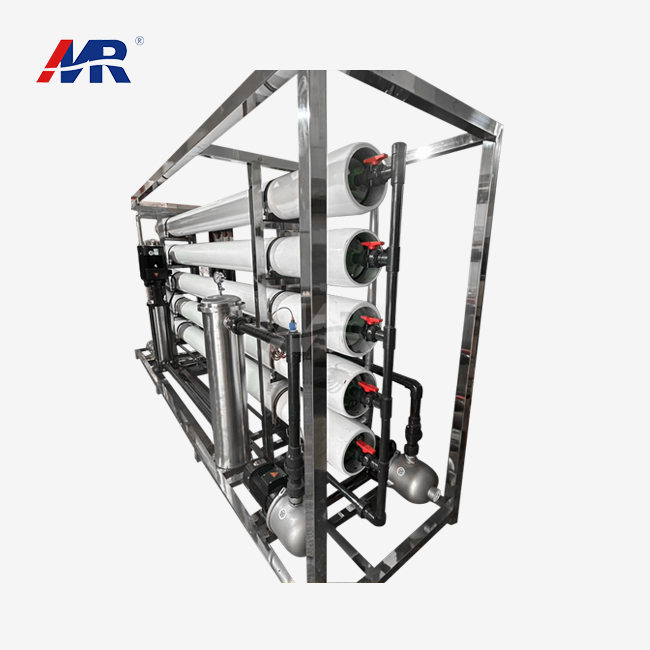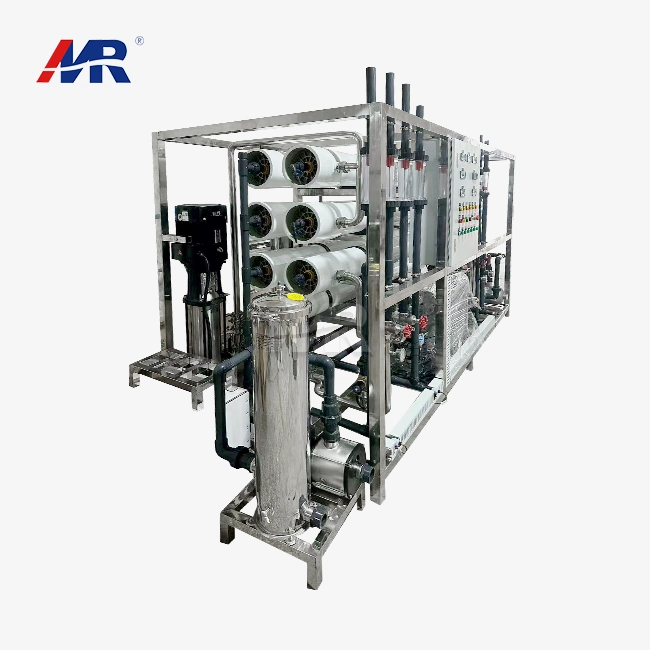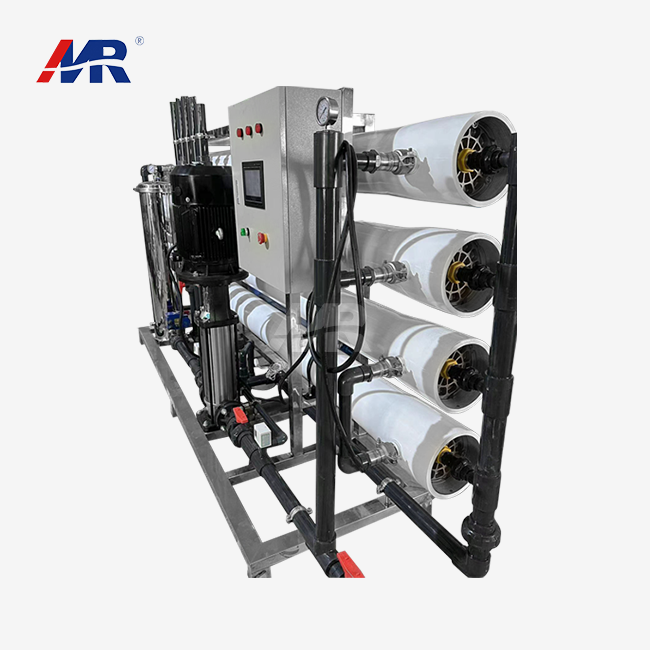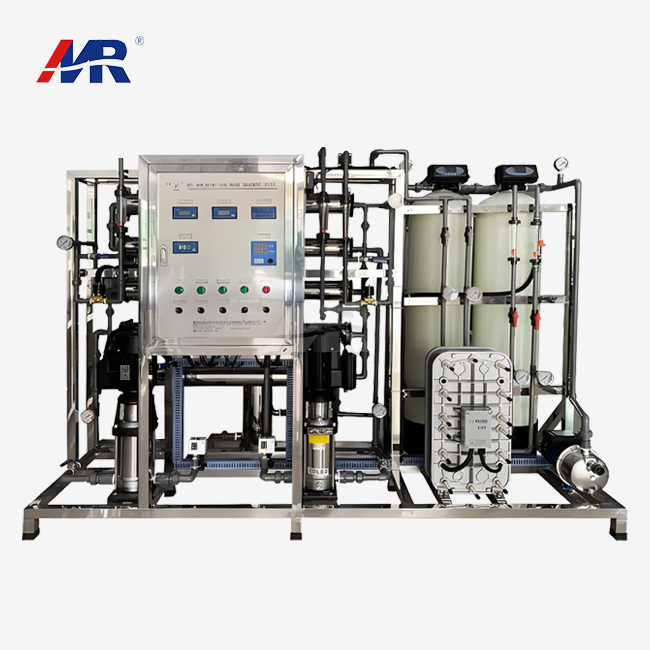



RO Water Treatment Machine Specs: 99% Rejection, 3 to 8 Bar Duty
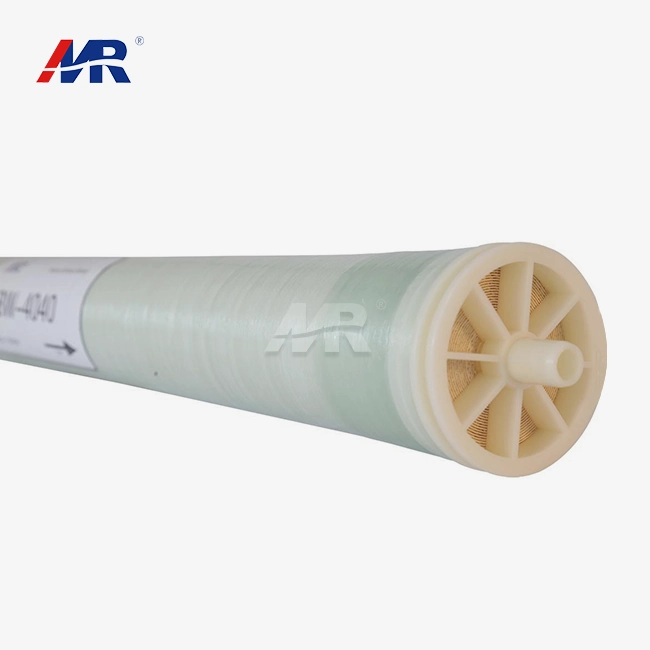
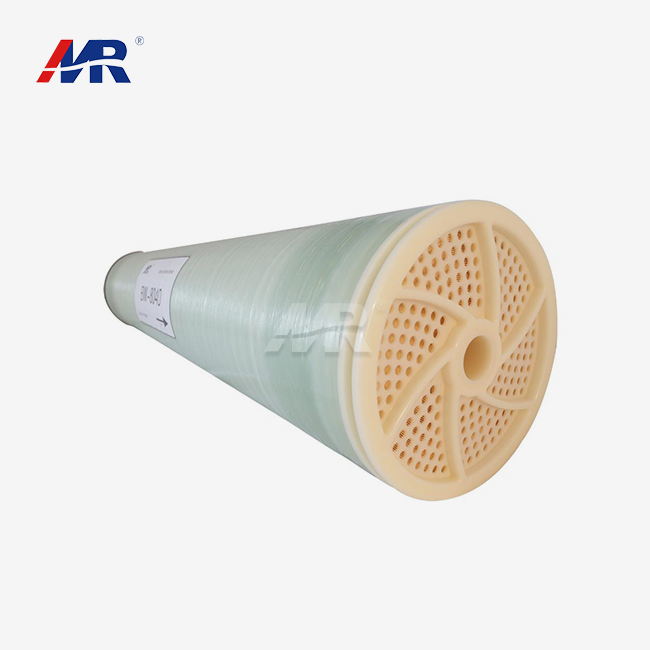
A ro water treatment machine with 99% rejection removes about 99 percent of dissolved salts from the feed water when it runs at its rated test conditions. The duty range of 3 to 8 bar is for low-pressure systems treating low-salinity water such as municipal tap water. For saltier feed water, higher pressure is needed. Our Morui systems have a 99.5% rejection rate and work at 10 to 16 bar, suitable for input water up to 10,000 mg/L TDS. Here’s how to understand these specifications, analyze treatment choices, and produce a request for technical proposal.
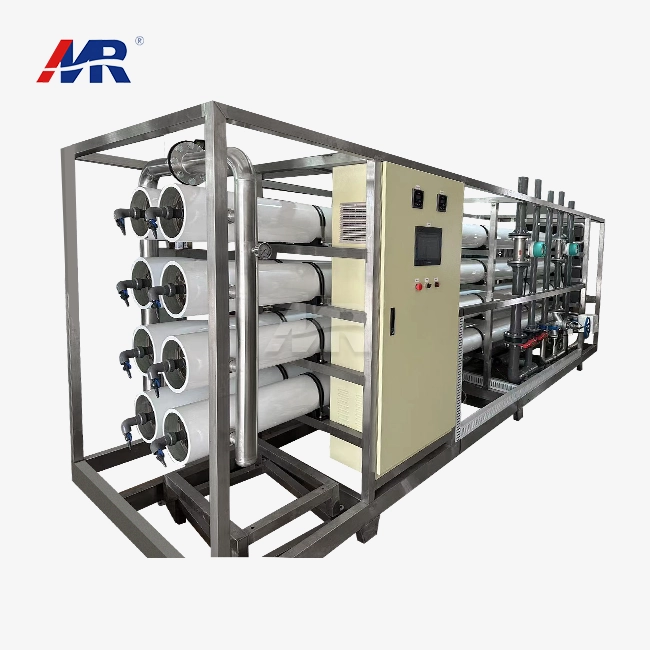
Reading RO Specs: Rejection, Pressure, and Recovery
What a 99% Rejection Rate Really Measures?
Rejection is the difference between the salt content in the feed water and salt in the permeate. For example, if the input water has a TDS of 1000 mg / L and the permeate has a TDS of 10 mg / L, the RO water treatment system has a rejection rate of 99%. These values are normally provided by membrane manufacturers under conventional test settings, i.e., feed concentration 2,000 mg/L sodium chloride, pressure 225 psi (approx. 15.5 bar), temperature 77°F (25°C), and recovery 15%. Field systems seldom meet these precise criteria, and actual results vary with temperature, operating pressure, recovery rates, and membrane age. Our systems are intended to provide a 99.5% rejection rate as per our technical datasheets, and we encourage purchasers to check the exact test foundation for any rejection claim.
Why 3 to 8 Bar Is a Reference, Not a Rule?
The operating pressure has to be high enough to overcome the osmotic pressure of the feed water. Typically, for every 1000 mg/L of TDS, the osmotic pressure goes up by around 0.7 bar. Low-pressure membranes may work in the 3-8 bar range, with municipal tap water at 300 mg/L TDS requiring very little pressure. However, with feed water TDS = 10,000 mg/L, the osmotic pressure is around 7 bar. As it progresses down the membrane, the side of the membrane with the concentrate becomes saltier. The high-pressure pump has to overcome losses from piping and membrane resistance also. Thus, brackish water facilities are often run at greater pressures. The 3 to 8 bar range is a guide for low salinity water, not a universal setting.
Morui Operating Parameters at a Glance
Our industrial and municipal skids are characterized by these parameters:
- Capacity of 1,000 to 100,000 GPD (about 3.8 to 378 m³ per day), customizable
- Recovery up to 75%
- Rejection rate of 99.5%
- Power consumption of 1.5 to 2.5 kWh/m³
- Operating pressure of 10 to 16 bar
- pH range of 3 to 11
- Feed water TDS up to 10,000 mg/L
The reason these standards are higher than the 3 to 8 bar range is that they are designed for brackish water duty. Recovery will depend on the source of the feed, and optimum recovery will not be attained with excessively salty water. If the salinity of your source water is low, kindly email us the water report, and our experts will assist you in determining the appropriate pressure and membrane design.
How the System Works and Where It Fits?
From Raw Water to Product Water
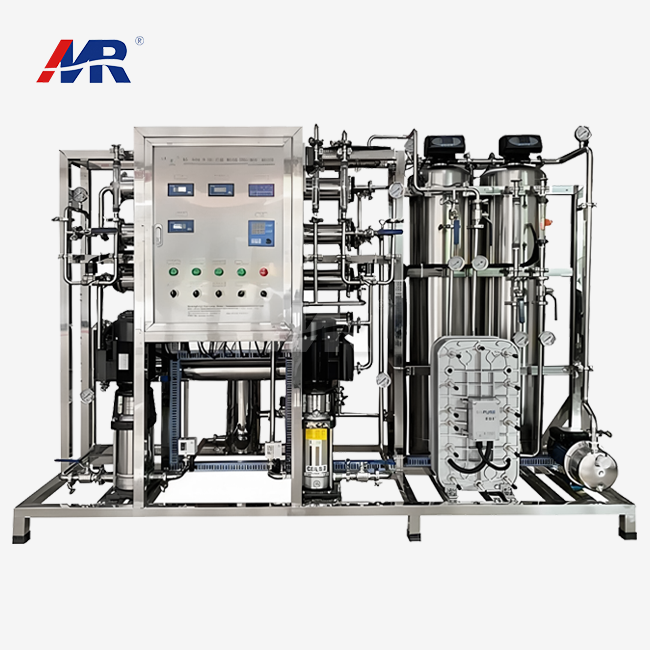
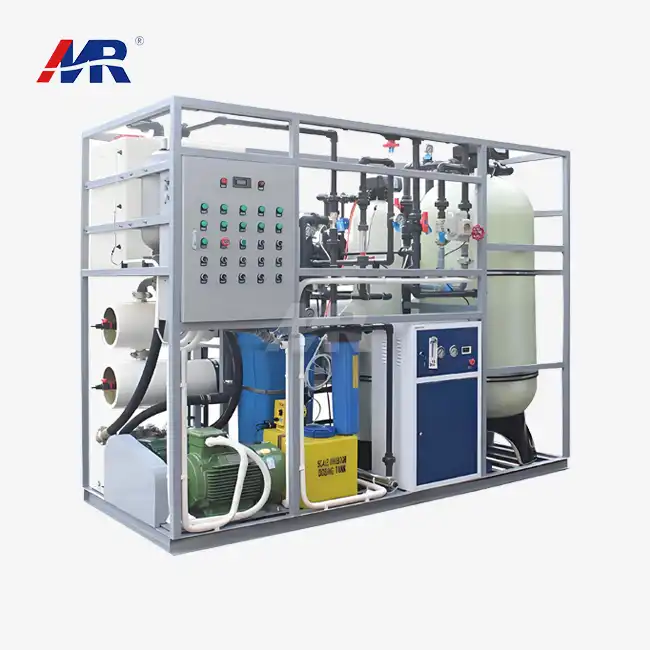
Every RO water treatment machine begins with a pretreatment stage designed to remove suspended solids and other contaminants. Depending on your water analysis, this may be a strainer, multimedia filter, activated carbon, water softener, or cartridge filter. The activated carbon is especially important since chlorine may irreversibly destroy polyamide membranes.
After pretreatment, a high-pressure pump pumps the water to the membrane pressure. The membrane then divides the flow into a low-salt permeate stream and a concentrate stream, taking rejected salts to the drain. If the individual end use necessitates it, post-treatment processes such as pH correction or remineralization are undertaken. Finally, the purified water goes to storage to be distributed. The whole process is automated by a PLC, gauges, flow meters, and sensors that sound alerts if performance wanders. As a dealer, we also provide Shimge pumps, Runxin valves, and Createc instruments.
How an RO Water Treatment Machine Compares With Other Methods?
The different technologies have different goals in water treatment. Sand and multi-media filters are very good at removing suspended particles, but cannot remove dissolved salts. Activated carbon removes chlorine and organic contaminants. Ultrafiltration is widely used as a pretreatment step for the removal of germs and small particles. Nanofiltration targets mostly divalent ions like calcium and sulfate; therefore, it softens water efficiently but removes less sodium chloride than reverse osmosis.
Ion exchange is often used to polish the RO permeate by ion exchange and chemical regeneration. Distillation is boiling water. It needs a rather large heat source. In reality, these approaches frequently complement rather than compete with a RO system. RO delivers constant quality and high salt rejection, but is energy intensive and needs pre-treatment and meticulous membrane maintenance.
Applications We Serve
reverse osmosis equipment is used in municipal drinking water supply, the food and beverage industry, pharmaceutical manufacturing, power plant boiler feed water, electronics process water, and water purification for hotels and resorts. Each application has its own aims. For instance, boiler feed water must have low conductivity to avoid scale accumulation, whereas electronics production needs very consistent water quality to rinse components.
Beverage companies will treat raw water before blending and bottling. Pharmaceutical users often need extra polishing and validation stages in an effort to fulfill local standards. Municipal initiatives often convert brackish groundwater into drinking water, adding minerals where needed. Matching the system configuration to the intended usage is more important than just matching a capacity number.
Choosing, Maintaining, and Buying an RO System
Size the System From Water Data
Sizing an RO water treatment machine starts with a comprehensive water analysis. The report should also include TDS, hardness, turbidity, iron, silica, chlorine, pH, and microbiological parameters since high levels of iron, silica, and hardness are the main causes of scaling and fouling. Then convert your demand to a daily flow rate; for example, 20,000 GPD is around 75.7 m³ per day. It’s crucial to prepare for peak demand and future growth. And last, think about energy use. This means that a plant producing 100 m³ a day would need to use between 150 and 250 kWh per day, with our range of 1.5 to 2.5 kWh/m³. Total cost of ownership should include purchase price, membrane replacements, consumables, shipping, and Technical support.
Maintenance That Protects the Membranes
Early identification of performance problems is facilitated by daily records. Operators should record feed and stage pressures, permeate and concentrate flow rates, conductivity, temperature, and any system alerts. It is also important to examine pumps and pipework for leakage. Cartridge filters need timely replacement, while media filters, softeners, and carbon units need periodic servicing to safeguard the membranes against scale, fouling, and damage due to chlorine. Industry experts say membranes should be cleaned when normalized permeate flow has decreased by 10%, salt passage has increased by 5 to 10%, or the pressure drop has increased by 10 to 15%.
ALWAYS compare current measurements to the baseline established at commissioning. Keeping extra O-rings, valves, pump seals, and probes on hand may minimize downtime. Don’t raise the pressure to compensate for fouling. This puts stress on the membranes and increases the energy expenses. Always clean the system first.
Supplier and Quotation Checklist
Be specific in your request for quotation (RFQ) to get accurate and comparative bids. Include feedwater analysis, necessary capacity, operational hours, desired water quality, intended use, voltage requirements, and site location. For US projects, check whether particular clearances are required, for example NSF/ANSI 61 for components in contact with water or UL certification for control panels. Ask for a comprehensive package which includes a datasheet, process flow diagram, bill of materials, membrane and pump specifications, warranty conditions, and a commissioning scope. In every project, Morui provides 25 years of experience with 20 engineers and 14 branches. We have our own membrane manufacturing facility and many processing factories, providing OEM and ODM services.
Conclusion
A 99% rejection rate and a 3 to 8 bar pressure band are useful starting points, but they do not fully describe the performance of a RO water treatment machine. Rejection is largely a function of test circumstances, feed salinity, temperature, and membrane age. Required pressure is mostly a function of feed TDS and osmotic pressure. 3 to 8 bar may be appropriate for low salinity water. However, brackish water up to 10,000 mg/L TDS will often need 10 to 16 bar. Successful installation needs precisely matched pretreatment, high-pressure pumps, membranes, and controls. You may drastically cut energy use and membrane wear by sizing the system based on complete water analysis and monitoring performance against commissioning data.
FAQ
Q1: What does 99% rejection mean?
A: This indicates that the membrane removes approximately 99% of dissolved salts under specific test conditions. In the field, the actual performance of a RO water treatment machine will vary based on feed TDS, water temperature, and recovery rates.
Q2: Is 3 to 8 bar enough for every application?
A: No. While that range is suitable for low-salinity feed water, it is not sufficient for brackish or salty water. Saltier water requires higher pressure; our systems generally operate between 10 and 16 bar.
Q3: Can RO treat well water?
A: Yes, provided the pretreatment system is matched to the water analysis. Parameters such as iron, hardness, silica, and bacteria must be addressed before the water reaches the membranes. Our systems can handle feed water with up to 10,000 mg/L TDS.
Q4: What information do you need for a quotation?
A: Please provide a detailed water analysis, required daily capacity, target water quality, voltage, and site details. This information allows our engineers to select the most appropriate process and components for your needs.
Request an RO Water Treatment Machine Quotation From Morui
Planning a water treatment project? Send your water analysis, daily demand, target water quality, voltage, and site details to benson@guangdongmorui.com. As a RO water treatment machine manufacturer with its own membrane production factory, Morui can recommend the ideal pretreatment, membranes, pumps, and controls for your specific feed water.
References
1. Greenlee, L. F., et al. Reverse Osmosis Desalination: Water Sources, Technology, and Today's Challenges. Water Research, 2009.
2. Elimelech, M., and Phillip, W. A. The Future of Seawater Desalination: Energy, Technology, and the Environment. Science, 2011.
3. American Water Works Association. Manual M46: Reverse Osmosis and Nanofiltration, 2nd Edition, 2007.
4. Crittenden, J. C., et al. MWH's Water Treatment: Principles and Design, 3rd Edition. John Wiley & Sons, 2012.
5. U.S. Environmental Protection Agency. Secondary Drinking Water Standards: Guidance for Nuisance Chemicals (EPA 816-F-10-079), 2010.
6. ASTM International. ASTM D4516: Standard Practice for Standardizing Reverse Osmosis Performance Data, 2019.