


What Drives Industrial Reverse Osmosis System Price in 2026 Quotes?
The industrial reverse osmosis system price in 2026 quotes depends mainly on feedwater quality, required permeate flow, recovery rate, pretreatment, materials, automation, and the scope of supply. Two 5,000 GPD systems can cost very different amounts if one treats clean municipal water and the other treats high-TDS groundwater. Quotes also differ in whether they cover only the skid, a delivered package, or a full turnkey plant. Freight terms such as EXW, FOB, CIF, or DDP change the total too. I wrote this guide to help you read each line item, compare offers fairly, and send a complete request for quotation.
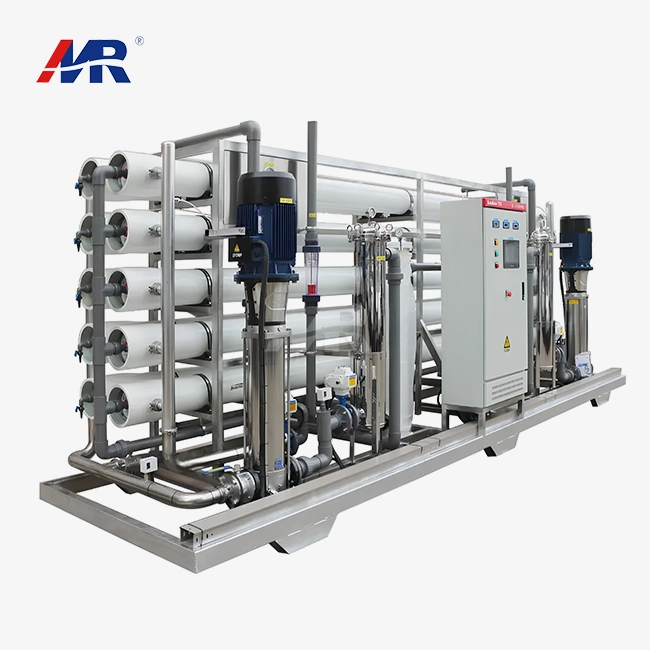
What Is Inside an Industrial Reverse Osmosis System Price?
Equipment-Only Quotes
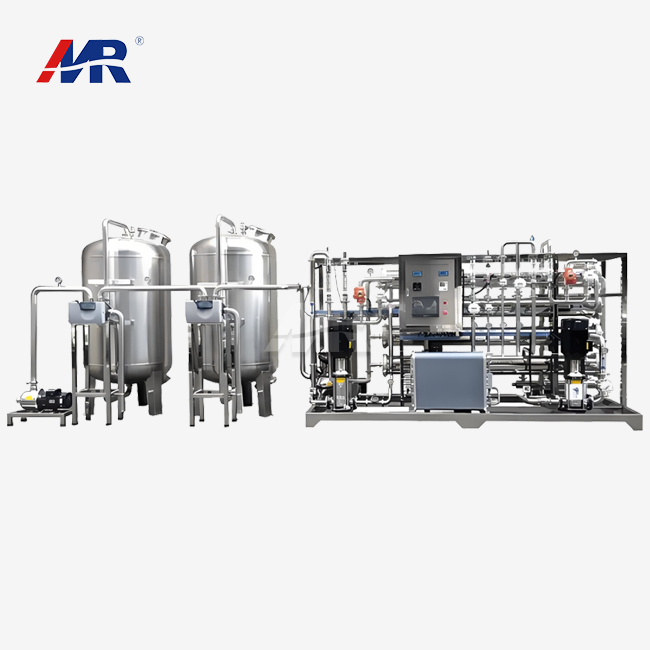
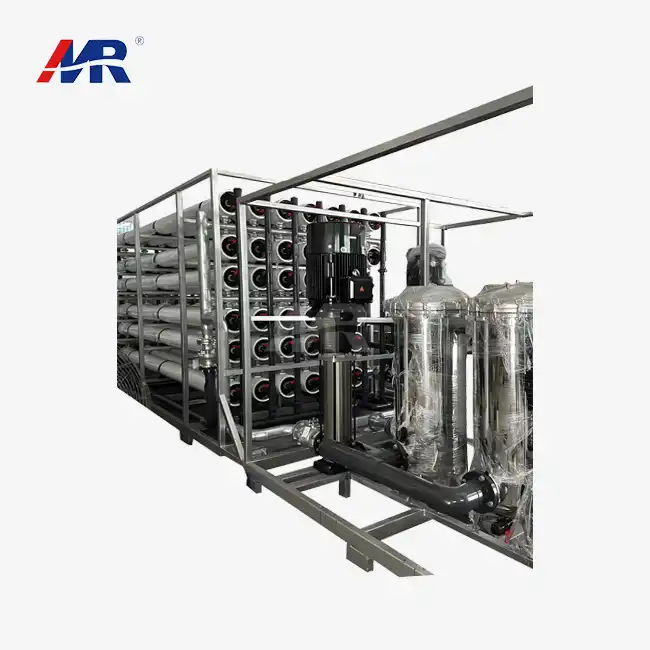
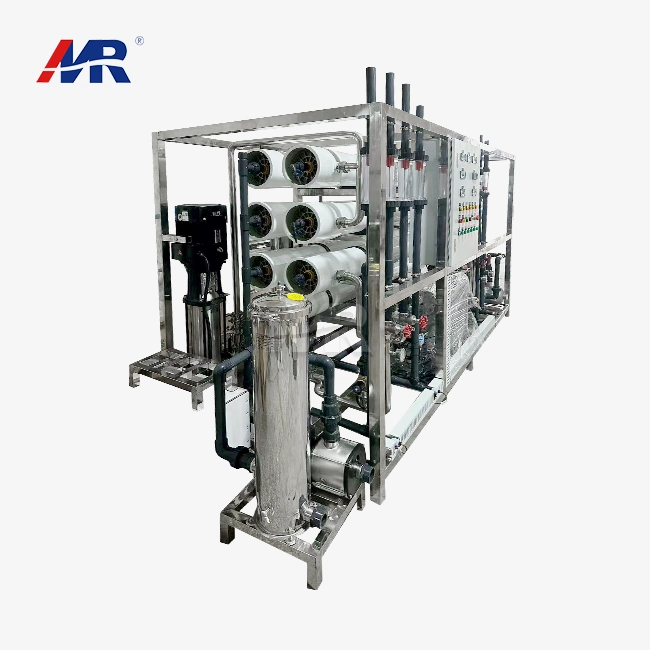
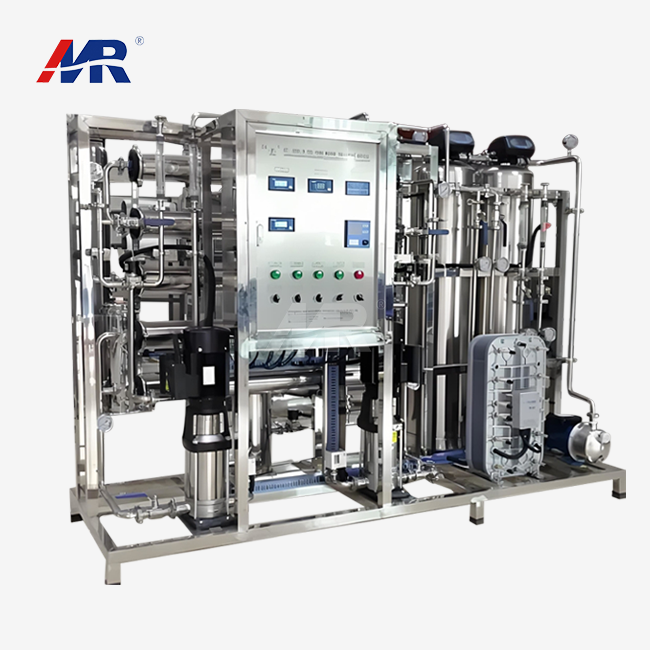
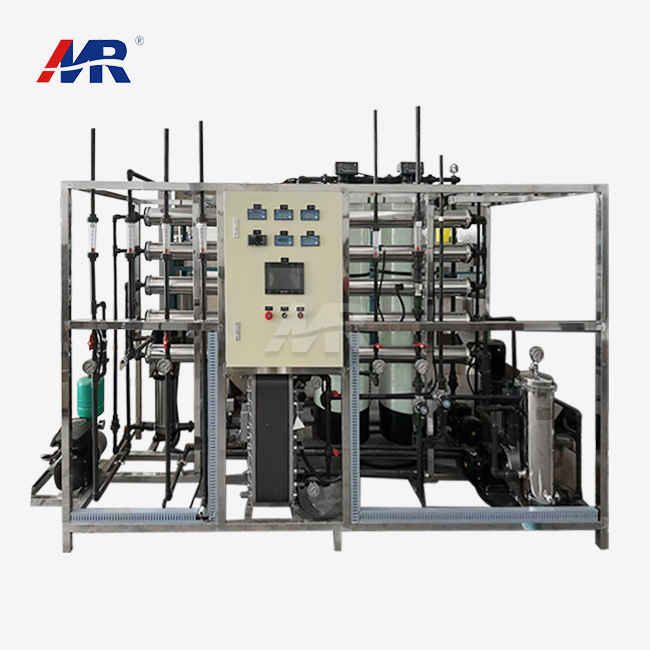
Most of the time, the price of just the equipment includes the RO skid, which is made up of the frame, membrane elements, pressure tanks, high-pressure pump, valves, instruments, pipes, and control panel. For the most part, it doesn't cover tanks, preparation, freight, installation, or testing. It's most likely that this style will be chosen first because its headline number is the smallest. People should only use it as a tool, not as the final price, I tell them. When you add your things to the price, a skid that looks cheap might not be able to hold everything. Ask each supplier to give you a list of the pump brand, membrane model, instrument type, and control hardware that they have. This is the only fair way to compare all of their bids.
Complete Purification Packages
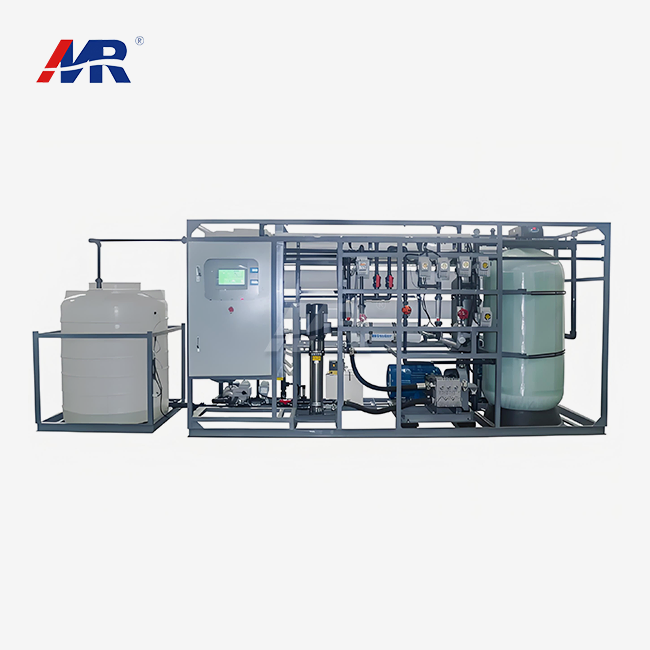
The RO process is finished and protected by a full package that includes intake, filters, chemical dosing, storage tanks, delivery pumps, and post-treatment. Electrodeionization (EDI) can be used to clean boiler feed in power plants. To meet USP standards for clean water, people who work with pharmaceuticals may need designs that can be cleaned with heat and made in a clean way. Every new thing that is added costs more, but they are all useful because they protect the membranes or meet a process need. When I get a request, the first thing I do is check to see if the water is going to a boiler, a beverage line, or a plating bath. This tells me what the scope is after treatment.
Turnkey Projects and Delivery Terms
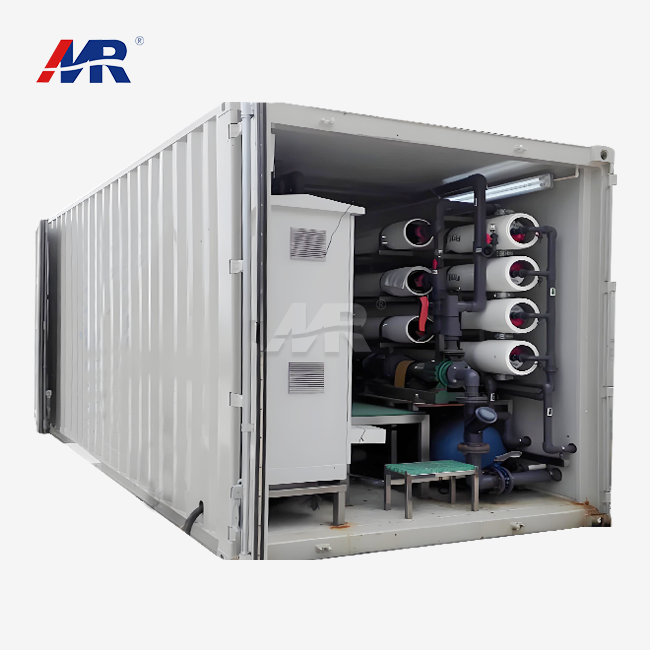
Engineering, civil and electrical work, shipping, installation, testing, user training, and startup are all part of the "turnkey" package. Delivery terms are just as important as scale. When the price is EXW, you are responsible for freight, insurance, and customs. With DDP, the seller is responsible for most of these jobs. Also, find out about import taxes, local permits, and who will be in charge of unloading at the project site in the U.S. Lots of people who want to buy something need proof of what it's for, like NSF/ANSI 61 for drinking water system parts or UL-listed control screens. You should ask for these things in your request. Morui not only sells tools, but they also set them up and make sure they work. You can get a price for either of these parts on their own.
Core Technical Drivers of Industrial RO Cost
Feedwater Quality and Pretreatment
The chemistry of the feedwater has the most effect on the industrial reverse osmosis system price. The city water might only need to be cleaned and treated. The iron in the groundwater might need to be taken out or made less hard. Some industrial wastewater may need to be ultrafiltered, have its pH adjusted, or be dosed with an antiscalant.
For saltwater and high-TDS brackish water, you also need materials that don't rust, like duplex stainless steel, and higher pressure rates. If you don't prepare to save money, it usually backfires because fouling and scaling make cleaning more frequent and the membrane lasts less long. A full lab study that checks for TDS, hardness, silica, iron, and organics can help an engineer figure out the right size of preparation. The raw water report from the customer helps our engineers decide which parts and steps to use in the process.
Capacity, Recovery, and Staging
Cost doesn't go up straight as capacity goes up because the settings, amount of membranes, pump size, and pipe size all change. Every day, 5,000 GPD is equal to 19 m³, and every day, 50,000 GPD is equal to 190 m³. Some bigger plants have more than one train so they can have backup power and make maintenance easier. Also, getting better is important. Higher recovery lowers the concentrate amount and saves feedwater, but it also raises the risk of scaling. To fix this, more membrane steps may need to be added, or the antiscalant control may need to be tightened. Least recovery is easier to use, but it wastes more water and water. It can cost more to get licenses and clean wastewater, so I see recovery as both a planning choice and a financial one.
Automation, Pumps, and Materials
The parts and controls change both the price and the uptime. A simple panel with push-button valves costs less than a PLC system that has flow, conductivity, and pressure sensors, as well as tools for logging data and keeping an eye on things from afar. It's important to pick the right high-pressure pump because it uses a lot of power. Research has shown that brackish systems use less energy than ocean RO systems, which use about 3 to 4 kWh per cubic meter. The price can also be affected by things like PVC or stainless steel pipes, FRP or stainless steel pressure tanks, and a clean finish for medical use. Based on what the customer wants, Morui can add or remove controls, instruments, pumps, pipes, and remote monitoring. Not only that, but we also sell Createc instruments, Runxin valves, and Shimge pumps.
How to Compare Quotes and Choose a Supplier?
Normalize Cost and Track Operating Expense
If you want to know how much an industrial reverse osmosis system price costs per GPD (or per m³/day for international engineers), divide its price by the amount of work it is supposed to do each day. To give you an idea, a 10,000-GPD skid that costs $50,000 costs $5 per GPD. Break down the costs of the tools, installation, and lifetime. This is because the costs of freight, civil work, labor, and energy change from site to site.
Then add up how much it costs to run the machine every day, including the cost of electricity, feedwater, chemicals, cartridge filters, labor, repairs, and membrane replacement. It depends on how often it is cleaned and treated and how many years it really lasts, so ask each provider what time frame they use. When you don't have to buy water, pay less for discharge fees, and have steady production, you get a return on your investment. The deal that pays off the fastest isn't always the one that costs the least in cash.
Mistakes That Raise Project Cost
That's the same mistake I keep seeing. When people buy boats, they don't think about how cold the water changes or the seasons, so the boats are too small. If someone doesn't do a lifecycle review, they pick the cheapest pumps, instruments, or controls and then have to pay for broken parts. A lot of people forget to get licenses for wastewater. A mistake that costs a lot of money could be an unfinished RFQ that leads to unclear exclusions, change orders, and delays. You should send each service a standard request that includes information about flow, water analysis, goal quality, working hours, recovery, site power, shipping terms, and certification needs. This way, you won't have to deal with these problems. After that, every service company charges the same amount for the span.
Why Manufacturing Capability Matters?
Controlling the manufacturing process changes price, lead time, and customer service. A company called Morui makes membranes and other things that are used to make other things. The company owns its own plants. The company has 500 workers, 20 engineers, and 14 branch companies. It has been around for 25 years. Because we work with Shimge, Runxin, and Createc, we can directly describe and provide core parts. As part of our OEM/ODM services, we can help you pick the right parts and processes based on the quality of your raw water. You can also give us your own design, and we'll make it. The fact that our RO skids have been used on projects in more than one country helps us be clear about design assumptions and scope.
Standard Series vs. Custom OEM Skids
Most of the time, what bulk buyers and agents want are standard series machines with set settings for flow, recovery, and rejection. In this case, get written quotes from each company and look at the stock they have, the wait time, the price of the machine, and the terms of their guarantee. Check to see if you can reorder in bulk. A report on the raw water is usually the first thing that custom buyers want.
They also need a process, like pretreatment, membrane staging, and a recovery goal. They might also want a private name, the option to add a skid or container, the ability to change the PLC, the ability to watch from afar, and extra tools. In your first reply, let people know if your idea is a secret. People in the U.S. should include a list of the paperwork they need, such as NSF/ANSI 61 for parts that will be in contact with drinking water, so that the proposal can cover it right away.
Conclusion
Rather than rated capacity, industrial reverse osmosis system prices in 2026 depend on the size, type of water, and design choices. The words "equipment-only," "packed," and "full" all mean different things, so make sure that the scope and shipping terms match up before you compare. The need for pretreatment and materials is based on the quality of the feedwater. The concentrate and membrane needs are set by recovery and staging. The capital and ongoing prices are based on automation, pumps, and energy use. To get a good picture, you should round down the cost per GPD or m³/day, add up the costs of running the system and fixing the membrane, and check for errors like requests that are too small or not full. The cheapest quote doesn't always mean the lowest price for everything. The best deal is on a system that gives you stable permeate quality at a price you can budget for its whole life.
FAQ
Q1: Why do two 5,000 GPD quotes differ so much?
A: The price changes based on the scope, materials, controls, recovered water, and pretreatment. There may be more than one price for tanks, dosing, and installation. One quote might only cover a skid.
Q2: What information should I send for an accurate quote?
A: Please let us know the permeate flow rate you need (in GPD or m³/day), a water analysis, the quality of the product you want, the working hours, the goal for recovery, the power at the site, the delivery terms, and the certification needs.
Q3: Is industrial RO more expensive than commercial RO?
A: Most of the time, yes. It is easier to repair industrial units because they can handle longer duty cycles, higher flow rates, harder materials, and longer duty cycles. Get quotes for both the installation and running costs separately.
Q4: Can Morui build to my own design?
A: Morui does offer OEM/ODM service, which means they can make a finished skid from your design and choose the right parts and processes based on the quality of your raw water.
Request Your Industrial Reverse Osmosis System Price from Morui
Morui makes things and has its own factory for membranes with 20 engineers. We will provide you with an industrial reverse osmosis system price that includes pretreatment, membrane staging, and OEM choices. All you have to do is send us your raw water report, the flow rate you want, and some information about the site. Send an email to benson@guangdongmorui.com to start the pricing process.
References
1. Greenlee, L.F., et al. Reverse Osmosis Desalination: Water Sources, Technology, and Today's Challenges, Water Research, 2009
2. Elimelech, M., and Phillip, W.A. The Future of Seawater Desalination: Energy, Technology, and the Environment, Science, 2011
3. AWWA Manual M46: Reverse Osmosis and Nanofiltration, American Water Works Association, 2007
4. Membrane Concentrate Disposal: Practices and Regulation, U.S. Bureau of Reclamation, 2006
5. NSF/ANSI/CAN 61: Drinking Water System Components – Health Effects, NSF International, 2023
6. Seawater Desalination Power Consumption, WateReuse Association, 2011