



How to Commission a New RO System for Reliable Performance?
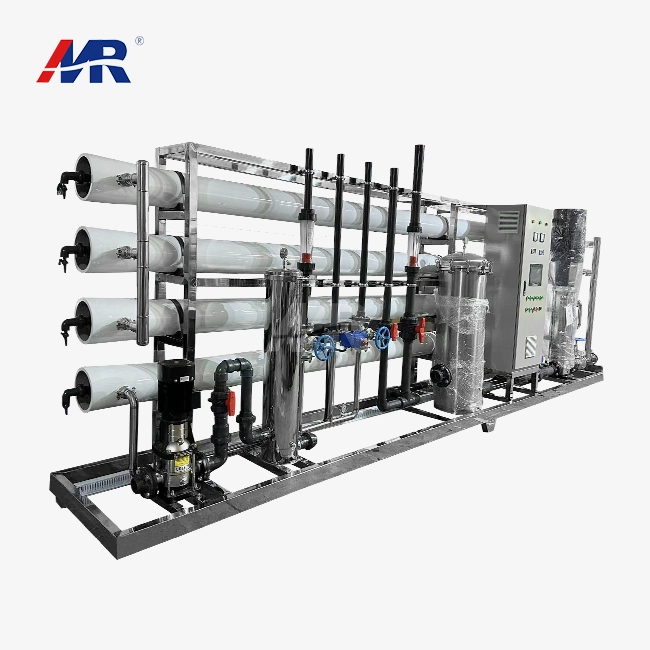
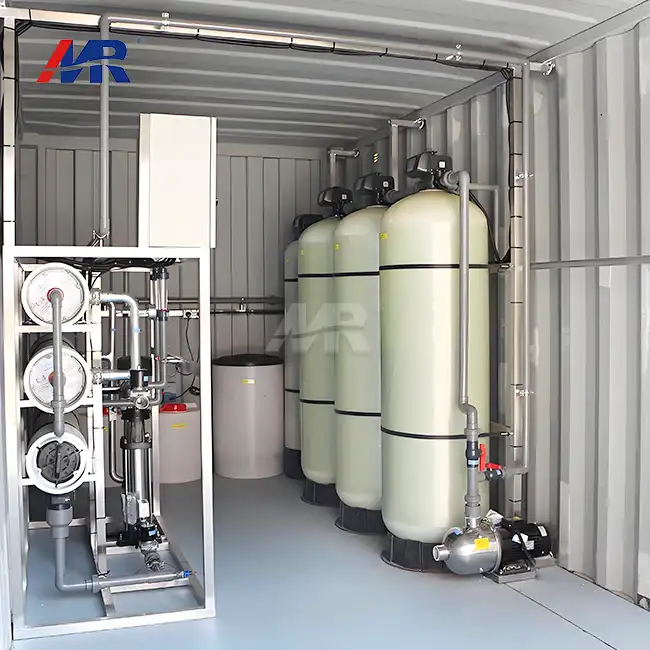
To commission a new ro system for steady performance, I start with a current water analysis. Then I confirm the site, inspect and flush the equipment, and record baseline pressure, flow, and conductivity. After that, I test the permeate against the approved specification. I finish with a continuous run, a restart test, and a signed acceptance record. This order keeps problems small and easy to trace. In this guide, I use our MR-BWRO-50TH, a brackish water reverse osmosis unit for pharmaceutical water production, to show how each step works in practice.
Plan the Project Before Your New RO System Arrives
Good commissioning starts a long time before the truck pulls up. The goals I test later are set by these three steps of planning.
Define Water Quality and Capacity Targets
I need a recent lab report that shows changes in TDS, hardness, iron, chlorine, turbidity, microbial counts, and the time of year. The silt density index (SDI) test is described in ASTM D4189. When making membranes, they usually ask for an SDI15 number below 5 at the membrane entrance. The next thing I do is write down the daily runtime, recovery, rejection, and target permeate flow. The MR-BWRO-50TH is supposed to be able to recover 55–65% of the salt and reject 99% of it. When the recovery rate is 60%, 100 liters of feed make 60 liters of permeate and 40 liters of concentrate. This kind of clear math makes the later test of admission fair for everyone.
Match the Configuration to Pharmaceutical Use
A hotel, a farm, and a drug plant all have different needs. The MR-BWRO-50TH is used to make water for pharmaceutical use, and it uses 55 kW of power. RO is just one part of the process for me; it's not the whole thing. Pretreatment keeps the membranes safe, and depending on the grade you need, polishing steps may come next. Conductivity and microbial boundaries are set by the USP–NF for purified water. The FDA's guide to checking high purity water systems stresses the need to control microbes. For your design, Morui can add or take away pumps, instruments, piping materials, controls, and remote monitoring. This is possible because we offer OEM and ODM service.
Prepare the Site and Documentation
It's my job to make sure there is enough floor area, drainage, inlet pressure, power, air, and room to pull filters and membranes before I bring the machine. Then I get the paperwork: the datasheet, the P&ID, the electrical drawings, the installation manual, the operating instructions, the list of spare parts, and the warranty terms. The ISPE Baseline Guide for water and steam systems explains what qualification records pharmaceutical users need, such as installation and operational qualification. Early matching of pipe, fitting, and pump specs keeps installation day from being delayed. For jobs in the US, please let us know what your voltage standard is and what your area electricity needs are before you ship.
Commission the New RO System Step by Step
Once the unit gets to the job site, the work is done in a set way that makes it safe and easy to track. This is how I do it.
Inspect and Flush Before Startup
I start with a walk-around for a new ro system. Damage from shipping, tubes, fittings, wires, valves, sensors, gauges, and safety devices are all things I check. Then I flush the pretreatment filters and membranes along the lines suggested by the manufacturer. The first flush is then sent to the drain. I slowly open the feed supply so that the pressure rises gradually. This is because membrane makers like FILMTEC recommend gradual pressure ramps to keep the elements safe. After that, I check for leaks and make sure that the pump, automatic shutdown, low-pressure, high-pressure, and leak-detection features all work as they should.
Record Baseline Data
I keep track of the operating pressure, permeate and concentrate flow, feed and product conductivity, recovery, and temperature once the unit is up and running. When the feed gets warmer or cooler, the water flow changes, so temperature is important. You can compare readings from different days by normalizing the data in AWWA Manual M46. For troubleshooting, maintenance, and warranty talks, this first set of numbers is used as a guide. If you don't have it, you won't be able to tell if a later drop in flow was caused by fouling, a problem with the pump, or a cold feed.
Verify Water Quality and Run Acceptance Tests
Then I test the permeate conductivity (TDS), pH, and any contaminants that are connected to your feed source. After getting the measured values, I figure out the salt rejection: one minus the permeate conductivity divided by the feed conductivity. A score close to 99% matches the design rating. I also figure out recovery from measured rates and compare it to the range of 55–65%. Both a continuous run test and a restart test show that the pressure, flow, warning, and automatic cleaning are all stable. Lastly, we sign an acceptance record that has the results, serial numbers, actions to be taken to fix problems, and training for the operator.
Keep Performance Steady After Startup
Getting accepted is just the beginning. These habits will keep the result safe for years to come.
Avoid Common Commissioning Problems
Most early failures for a new ro system are caused by poor preparation, incorrect pressure settings, or parts that don't fit together. Running above the design recovery or having a low feed temperature can stop the permeate flow or make the membranes get bigger. Water that is hard, well water, or very cloudy needs extra treatment before the membranes can be used. It's easy for me: just change one setting at a time and write it down. Before I do anything else, I stop and compare the present data to the baseline if TDS rises suddenly, flow drops, or alarms go off more than once.
Build a Maintenance Plan
A plan that only uses calendar times doesn't take into account how things really work. Keep an eye on pressure drop, flow drop, and permeate conductivity. When the trends tell me to, I clean or replace parts. There are sediment and carbon filters, membranes, pumps, valves, instruments, and a list of who does what in the plan. Operators need to be taught how to start up, shut down, check for leaks, clean, and change filters. Due to the 55 kW draw, I also keep track of energy use along with flow. Engineers can keep an eye on trends between site visits with the help of remote monitoring, which we can add to your order.
Evaluate Suppliers and OEM Support
When you decide to buy something, price is only one factor. I also look at the engineer's experience, documentation, ability to provide spare parts, experience exporting, warranty, and response time. As a privately owned company, Morui has its own plant for making membranes and a number of plants for processing equipment. The history of our group goes back 25 years. We have 14 branch companies, 500 employees, and 20 engineers. We also sell Shimge water pumps, Runxin valves, and Createc tools. OEM and ODM buyers can ask about private labeling, skid integration, PLC settings, samples, and consistency in repeat orders.
Conclusion
Setting up a new RO system works best when done in order. Set goals and standards for water quality, make sure the setup works with the application, get the site and records ready, check and clean, record baseline data, and use measured numbers to confirm rejection and recovery. When making water for pharmaceutical use, RO is one of the most important steps in the process. Other steps include pretreatment, polishing, and qualification records. It is easy to see what to test against the MR-BWRO-50TH's 99% salt rejection and 55–65% recovery. Performance stays the same with good pretreatment, the right pressure settings, trend tracking, and a supplier that backs up their work with good documentation and spare parts. If a system is ready for use, it is based on measured facts, not theories.
FAQ
Q1: How long does commissioning take?
A: The time will depend on how ready the site is, how much pretreatment is needed, and how much paperwork needs to be done. Most of the work is done during flushing, baseline logging, and acceptance tests. After going over the details of your job, we agree on a plan.
Q2: Is RO alone enough for pharmaceutical water?
A: Not all the time. RO is an important part of purification, but the final grade of the water depends on how it was pretreated, polished, and tested to meet the standards of your quality system and pharmacopeia.
Q3: What should I send before ordering?
A: Send your report on the raw water, the target flow, the voltage standard, the installation location, the end use, and the project timeline. With these insights, our engineers can come up with a good process suggestion and a technical plan.
Q4: Can the MR-BWRO-50TH be changed to fit my design?
A: Yes. We are an OEM and ODM manufacturer, which means that we can add or take away pumps, instruments, piping materials, controls, and remote monitoring based on your needs.
Talk to Morui About Your New RO System Project
Morui is a new RO system manufacturer with its own plant for making membranes, 20 engineers, and supports OEM and ODM for pumps, controls, and instruments. If you email benson@guangdongmorui.com your raw-water report, target flow, and project schedule, we will help you come up with a plan for your MR-BWRO-50TH project.
References
1. U.S. Food and Drug Administration, Guide to Inspections of High Purity Water Systems, 1993
2. United States Pharmacopeia–National Formulary, General Chapter <1231> Water for Pharmaceutical Purposes, 2023
3. International Society for Pharmaceutical Engineering, ISPE Baseline Guide Volume 4: Water and Steam Systems, 2019
4. American Water Works Association, Manual M46: Reverse Osmosis and Nanofiltration, 2007
5. FILMTEC Reverse Osmosis Membranes Technical Manual, 2013
6. ASTM International, ASTM D4189 Standard Test Method for Silt Density Index (SDI) of Water, 2014
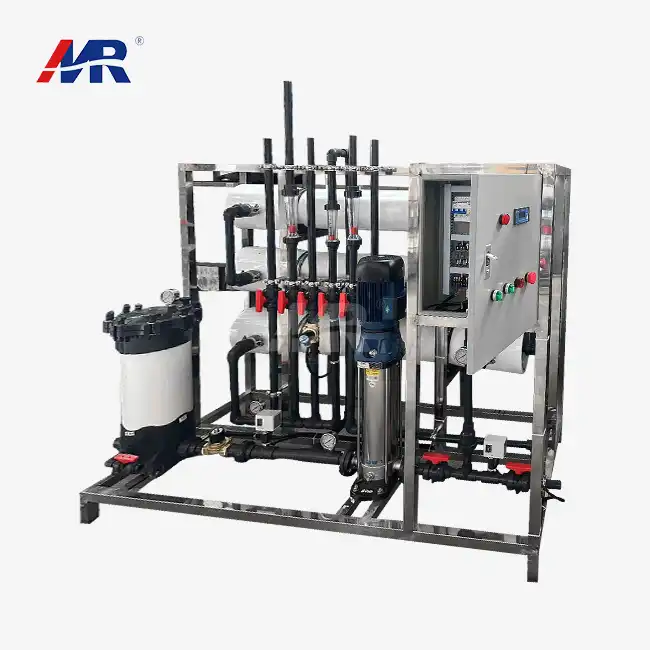 VIEW MORE3T/H reverse osmosis equipment
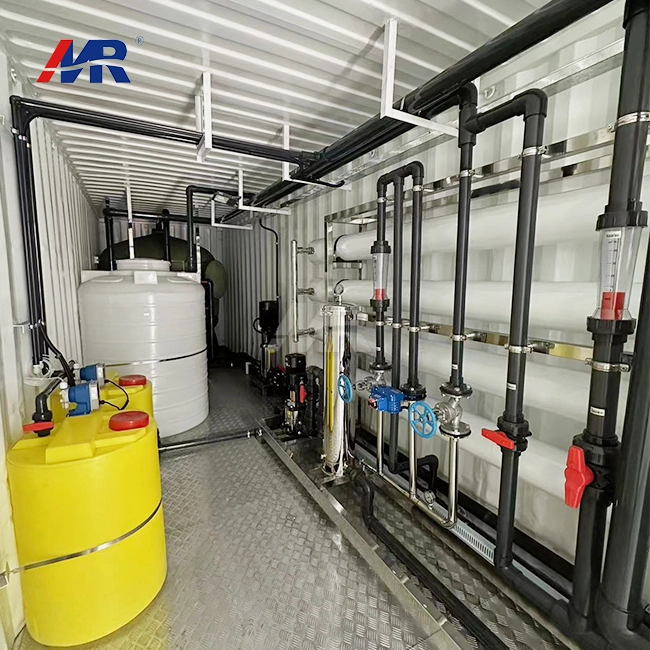 VIEW MOREcontainerized desalination plant
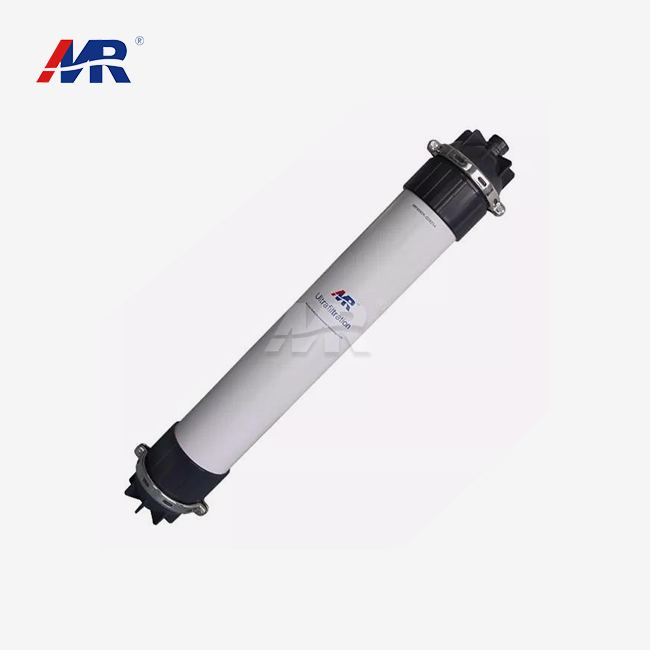 VIEW MOREultra filter membrane
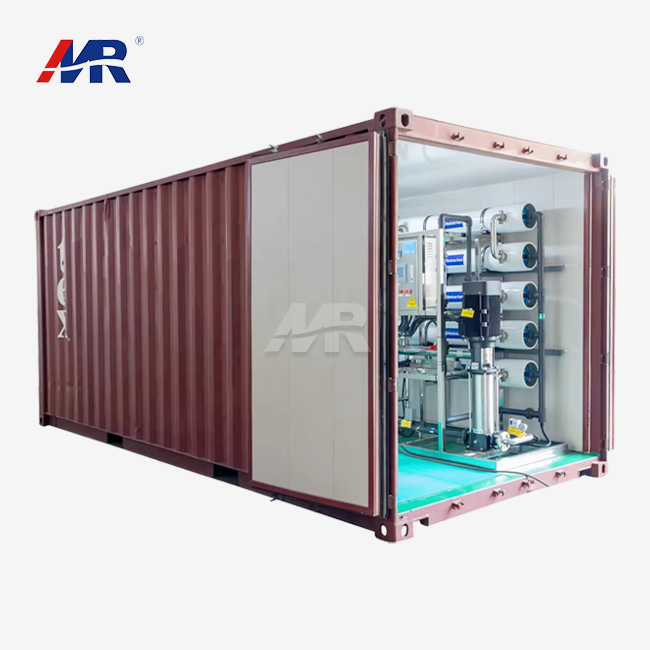 VIEW MOREmobile container reverse osmosis equipment
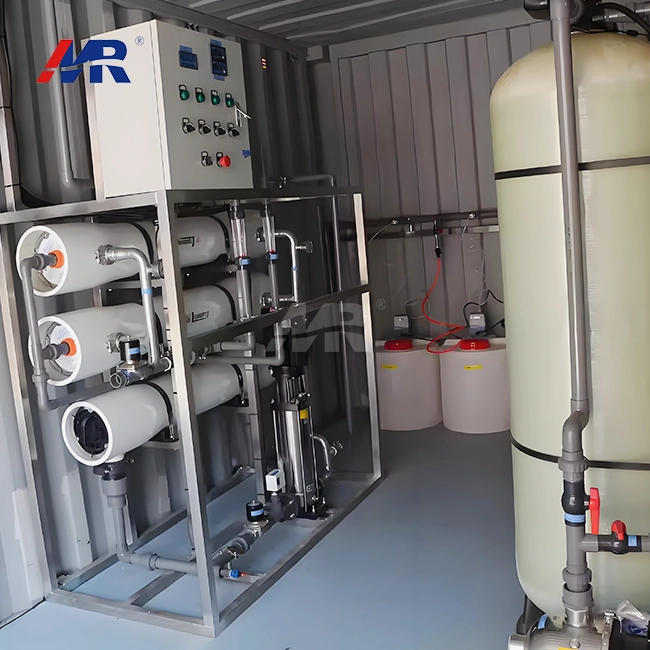 VIEW MOREcontainerized reverse osmosis system
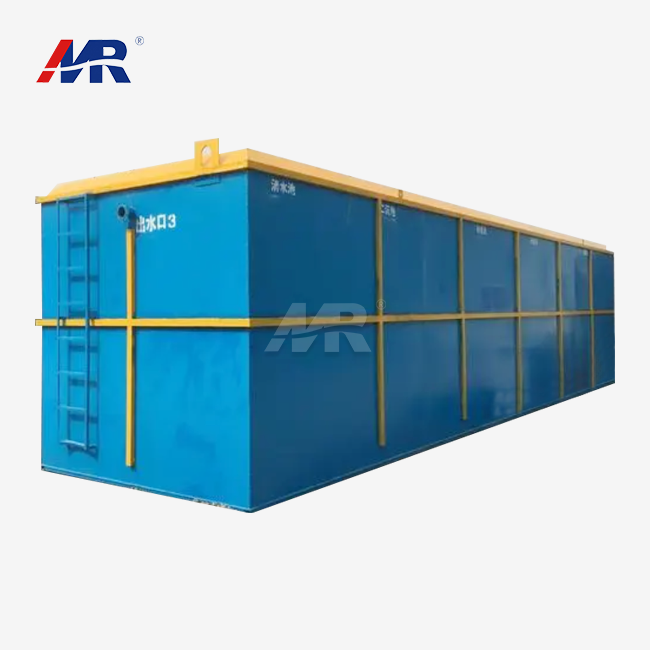 VIEW MOREwaste water treatment plant
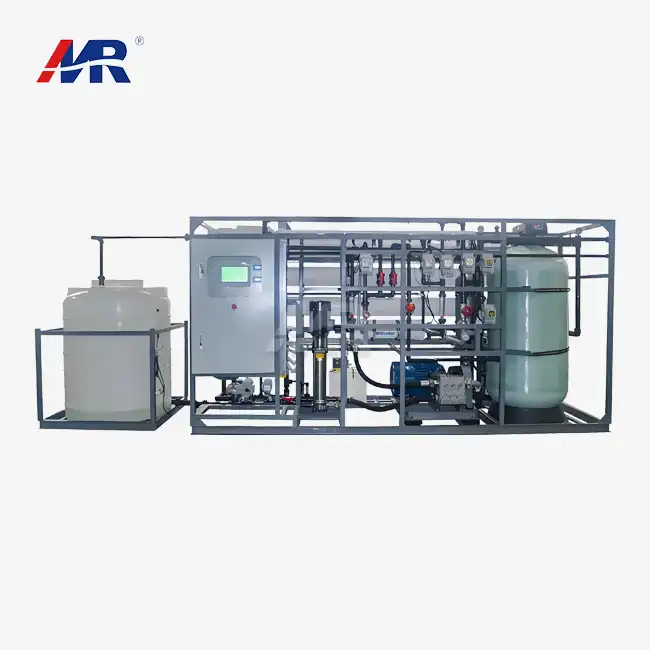 VIEW MORE5m3/hour seawater desalination equipment
 VIEW MOREcontainer ro equipment
