

_1745823981883.webp)

Industrial Reverse Osmosis Membrane: Features, Benefits, and Applications
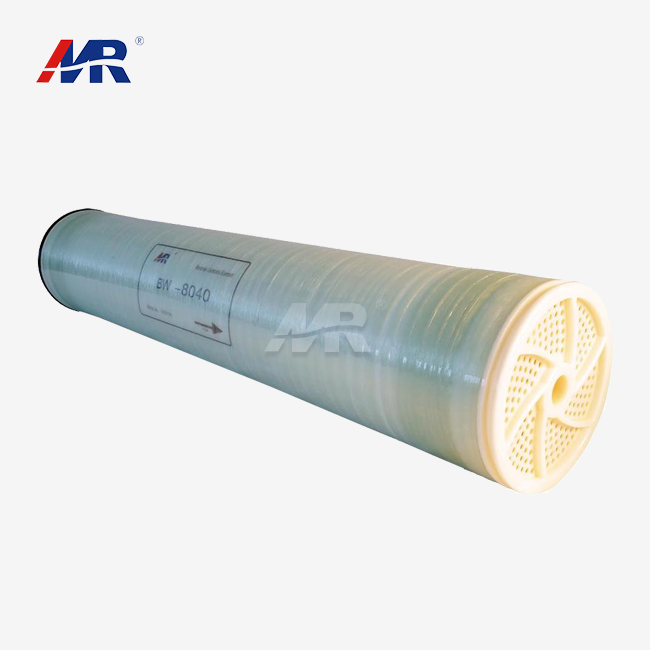
If you operate a water treatment plant or source membranes for your product line, you realize how much one element may impact your whole business. That equation revolves around the industrial ro membrane. It’s about how much water you make, how clean it is when it comes out, and how long your system works before you have to get involved. This essay covers what makes these membranes tick, what to look for when purchasing, and how Morui’s MR-BW-4040 fits into that picture.
Understanding Industrial RO Membrane Technology
In reverse osmosis, water is forced through a filter. Some of it passes through; some of it doesn't. It prevents the passage of bacteria, dissolved salts, and living organisms. This divides the water such that one side gets permeate water and the other side gets concentrated refuse. The principle works for filters of any size, from one on your kitchen counter to a municipal plant that cleans 10,000 cubic meters of water every day.
Thin-Film Composite (TFC) Polyamide Construction
Today, most industrial membranes are based on TFC polyamide. The construction consists of a polyester base and a thin active layer bonded together. Engineers can adjust the amount of salt rejected without altering the volume of water that passes through. This was not achievable with the previous cellulose acetate membranes. Under typical test conditions, the polyamide layer may reject more than 99% of the chloride salt.
How Industrial RO Differs From UF and NF
Ultrafiltration (UF) removes suspended particles and colloids in the water at low pressures, generally less than 100 psi. NF is used in the recovery of divalent ions. It is good at moderate pressures. Brackish water industrial RO systems may operate at pressures up to 225 psi or more, and saltwater at over 800 psi. It removes single-charged ions that NF may not always capture.
Spiral-Wound Element Design
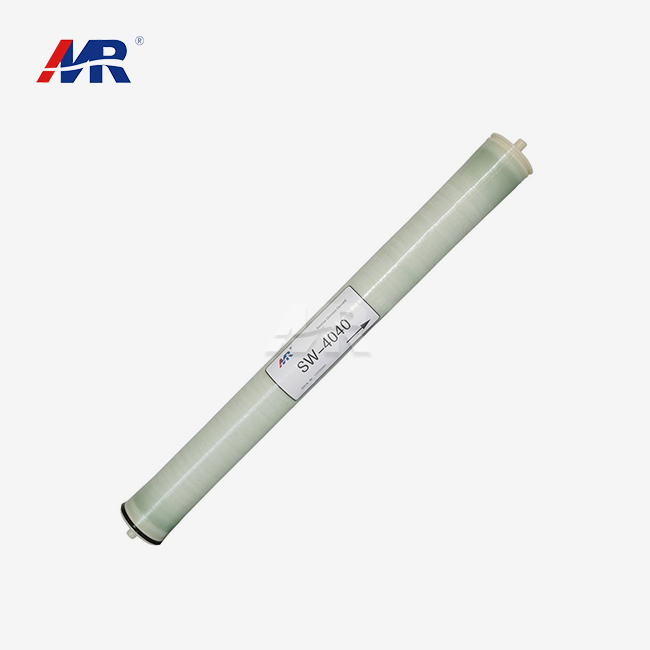
There are standard industrial parts with spiral-wrapped geometry. In the center of the collecting tube are rolled-up feed spacers, membrane sheets, and filtrate carriers. This form allows a lot of work area to fit into a tiny pressure tank. The 4040 format (4 inches in diameter and 40 inches in length) and the 8040 format (8 inches in diameter and 40 inches in length) are the most often utilized. They can be utilized with pressure tanks from practically all major system manufacturers in both sizes.
Key Features and Benefits of Industrial RO Membranes
The choice of industrial ro membrane is not simply a question of taste; it also influences the cost of operating your system per cubic meter of water it produces. A decrease in the flow of a membrane over time indicates a less frequent requirement for cleaning. This saves chemicals and time/money.
Here are the most crucial things to remember while shopping:
- Salt rejection rate: The Morui MR-BW-4040 has a NaCl rejection rate of 99.5% under the stated test circumstances. This means that less than 0.5% of the dissolved sodium chloride flows into the permeate stream. That number is important for boiler feed or process water in the pharmaceutical industry.
- Permeate Flow: The MR-BW-4040 is rated at 2,500 GPD (about 9.5 m³/day) per element and provides a reliable output that system designers can depend on for array size calculations.
- Active membrane area: With 7.2 m² of active membrane area, this element offers sufficient surface area for effective crossflow filtration without undue pressure loss across the element.
- Operating pressure: Rated for 1.55 MPa (about 225 psi) and compatible with common brackish water system designs without the need for high-pressure pumps or pressure vessel upgrades.
These specifications allow for the planning of maintenance operations, reduced energy consumption per unit volume, and fewer components in each train. That makes it easy for distributors and system integrators to arrange their supply and support for clients.
Morui has its own membrane manufacturing plant; thus, it does not require OEMs to evaluate the quality of these parts. Rather, Morui accomplishes it itself. “We are a factory direct company so we can offer private label options, customized flux grades and complete paperwork packages with test results and data sheets for customers who want to obtain NSF or CE system Certifications.”
Industrial RO Membrane Applications Across Sectors
The same spiral-wound element form can be used to treat a lot of different types of water. The only things that change are the pressure in the system, the chemistry of the feed water, and the pre-treatment upstream.
Brackish Water and Well Water Desalination
City water plants and food processing plants often use groundwater sources that are brackish and have TDS levels between 1,000 and 10,000 mg/L. The MR-BW-4040 works well with this range. As part of a well-thought-out pre-treatment train that keeps the SDI below 3, coagulation, media filtration, and antiscalant doses are used. The U.S. Environmental Protection Agency (EPA) and most industrial ro membrane makers agree that this level is safe for feed water quality.
Power Generation and Boiler Feed Water
Power plants need boiler feed water that doesn't conduct electricity very well so that turbine blades don't rust and scale. The water that comes out of a two-pass RO system and mixed-bed deionization always has less than 0.1 µS/cm of conductivity. As the water is being cleaned, RO filters lower the ionic load by getting rid of a big part of the salt. In the US, this is one of the hardest and most common ways that industrial membranes are used.
Commercial and Private-Label Purifier Cartridges
The shape of the 4040 element fits right into standard housing configurations for people who are making their own water purifier brands. Because Morui offers customized production runs, non-disclosure agreements, and membrane data files that help with whole-machine verification, it is possible to make Products under your own brand name. This way works best for brands that want to sell in the U.S., where retailers and distributors often need NSF/ANSI 58 certification.
How to Select the Right Industrial RO Membrane for Your Business
The membrane specification that works for a coastal desalination plant will not necessarily work for a beverage manufacturer drawing from a municipal supply. Feed water chemistry drives nearly every sizing decision.
Evaluate Feed Water Chemistry First
Request a comprehensive water analysis before specifying any membrane. Key parameters include TDS, hardness, silica, iron, SDI, and pH. High silica or barium concentrations require antiscalant selection before you finalize flux targets. Running a membrane system with inadequate pre-treatment is the single most common cause of premature element failure in the field.
Match Element Specifications to System Pressure
Brackish water elements like the MR-BW-4040 are designed for feed pressures up to approximately 225 psi. Pushing them at seawater pressures damages the element structure. Confirm that your operating pressure aligns with the element's rated range. Morui's engineering team can provide application-specific selection guidance if your feed water characteristics fall outside standard parameters.
Verify Certifications and Documentation Requirements
U.S. buyers typically require NSF/ANSI 58 compliance, water contact material approvals, and third-party permeate quality test reports. Confirm that your membrane supplier can provide these documents before you commit to a bulk order. Morui supplies full data packages for buyers pursuing system-level certification.
Common Challenges and Maintenance Tips for Industrial RO Membranes
A well-defined system may be utilized wrongly. Being aware of what to look for and how to correct it may more frequently help you avoid unscheduled downtime.
Fouling vs. Scaling: Two Different Problems
Because there is an excess of these on the concentration side to be dissolved, mineral acids such as calcium carbonate, barium sulfate, or silica precipitate on the surface of the membrane. This is known as scaling. That's termed fouling when organic materials, colloids, or biological slime deposit. Acids work well to get rid of scale, and alkaline or enzyme cleaners do a good job of removing organic fouling. If you don’t identify the problem correctly, chemicals are wasted, and cleaning won’t work.
Cleaning Triggers and CIP Protocols
If normative permeate flow is down 10 to 15 percent, normalized salt passage is up 5 to 10 percent, or pressure differential across a vessel is 15 percent over baseline, initiate a Clean-In-Place (CIP) operation. The ball may foul out, and there is no fixing that if you wait too long. In the first 24 to 48 hours after commissioning, record the baseline performance so that you have the right figures to use as a reference.
Chlorine Damage and Chemical Compatibility
Free chlorine level > 0.1 mg/L indicates that the active layer is being oxidized. The increase in salt passage is so steep it is irreversible. Chlorine must be removed from the feed water prior to the addition of the membrane array by means of sodium bisulfite or activated carbon. Keep any spare parts, sealed in their original packaging, somewhere cold, out of the way, and out of direct sunlight. Use an SMBS solution that contains 1%.
Conclusion
(One of the few components that may simultaneously affect the quality of the water, the output of the system, and the cost of operating it is an industrial ro membrane.) The Morui MR-BW-4040 can desalinate brackish water to generate boiler feed and industrial filters with a 99.5% salt rejection rate, 2,500 GPD flow rate, 7.2 m² active area, and 1.55 MPa operating pressure. Choosing the proper component and maintaining it well can save you money and increase the longevity of the system.
FAQ
1. How long does an industrial RO membrane typically last?
Service life ranges from 3 to 7 years, depending on pre-treatment quality, operating pressure consistency, and cleaning frequency. Maintaining SDI below 3 and following scheduled CIP protocols are the two factors that most reliably extend element life.
2. Can I use a brackish water element for seawater applications?
No. Brackish water elements like the MR-BW-4040 are rated for feed pressures around 225 psi. Seawater applications require dedicated high-rejection elements rated for 800–1,200 psi. Operating outside rated pressure damages the element and voids the warranty.
3. What causes a sudden drop in permeate flow?
The most common causes are biological fouling, particulate plugging of feed spacers, or a broken O-ring allowing bypass. Check differential pressure first. If DP is elevated, fouling or scaling is likely. If DP is normal but flow is down, inspect seals and connections.
4. Does Morui offer private-label membrane production?
Yes. Morui's own membrane plant supports dedicated OEM production runs with private labeling, custom specifications, and full documentation packages for system certification.
Partner With Morui for Your Next RO Membrane Order
Morui makes and sells industrial ro membranes. They have their own engineering team, do production directly from the factory, and provide all the paperwork needed to comply with U.S. market standards. We can send you samples and prices quickly, no matter if you need a lot of standard 8040/4040 parts or a private-label run with NSF-01 data files. Send us an email at benson@guangdongmorui.com to find out more or get a quote.
References
1. Fritzmann, C., Löwenberg, J., Wintgens, T., & Melin, T. (2007). State-of-the-art of reverse osmosis desalination. Desalination.
2. Elimelech, M., & Phillip, W. A. (2011). The future of seawater desalination: Energy, technology, and the environment. Science.
3. Crittenden, J. C., et al. (2012). MWH's Water Treatment: Principles and Design (3rd ed.). John Wiley & Sons.
4. U.S. Environmental Protection Agency. (2018). Reverse Osmosis and Nanofiltration (Manual of Water Supply Practices M46). American Water Works Association.
5. Greenlee, L. F., Lawler, D. F., Freeman, B. D., Marrot, B., & Moulin, P. (2009). Reverse osmosis desalination: Water sources, technology, and today's challenges. Water Research.
6. AWWA Membrane Technology Research Committee. (2005). Microfiltration and Ultrafiltration Membranes for Drinking Water (Manual M53). American Water Works Association.
 VIEW MOREmembrane bioreactor mbr
 VIEW MOREhighest rated reverse osmosis system
 VIEW MOREunder counter reverse osmosis water system
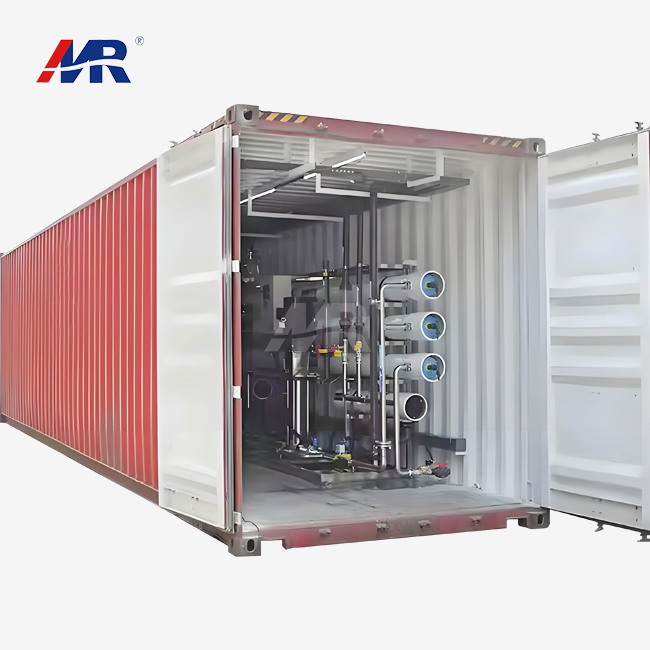 VIEW MOREContainerized Reverse Osmosis Systems
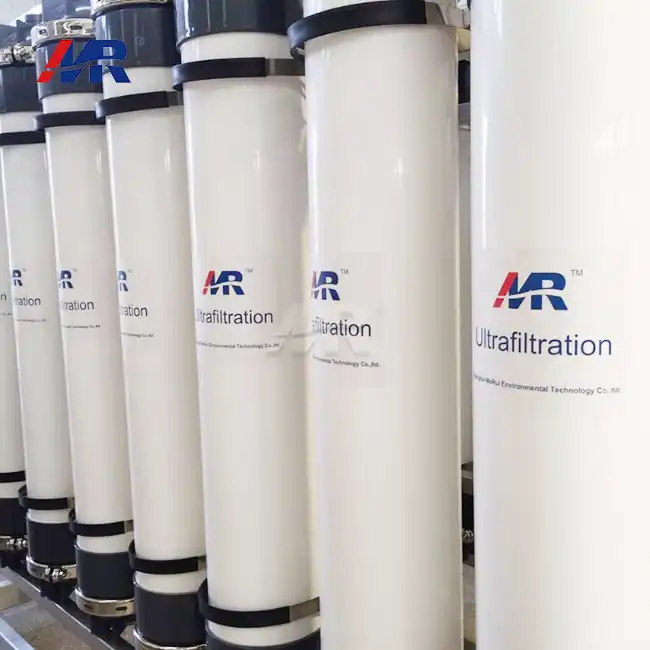 VIEW MORE90T/H ultrafiltration equipment
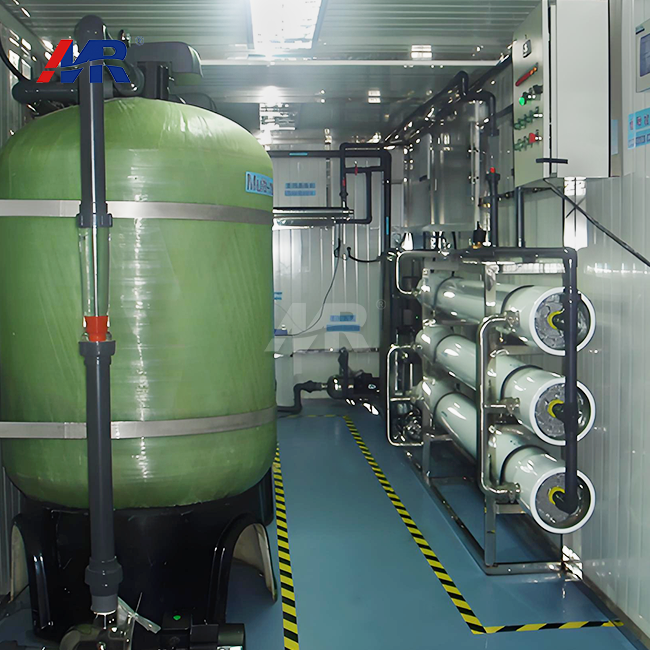 VIEW MOREContainerized Mobile Water Treatment Systems
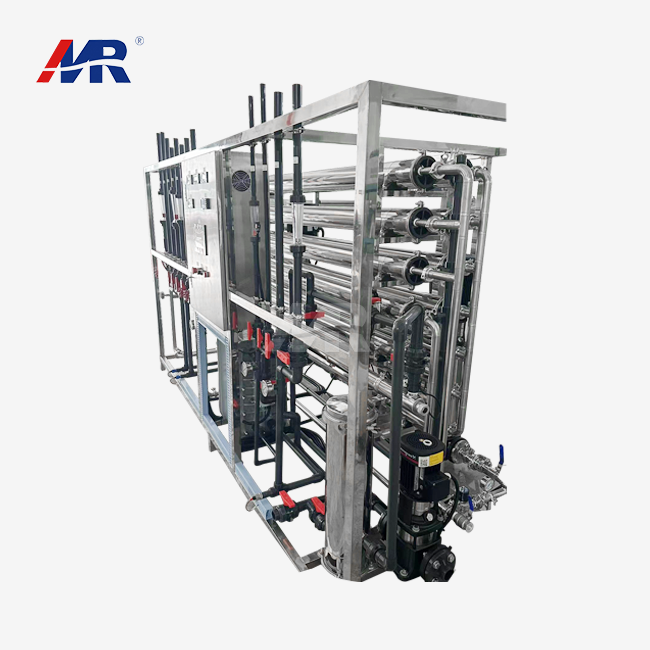 VIEW MOREedi water plant
 VIEW MOREswro membrane
