



How to Choose a 200m3/hour UF Plant for Large Water Reuse Projects?
Before buying a 200m3/hour UF plant, compare feed-water statistics to membrane flux, recovery goals, pretreatment design, and automation needs. The same problem happens when I choose and commission ultrafiltration systems for municipal utilities, food plants, and industrial reuse projects in Asia, Africa, and South America. Buyers compare pricing before water-quality tests. Tech checks, cost drivers, and supplier questions separate a 200m3/hour UF plant from one that fouls within six months. You may provide suppliers with project numbers, troubleshooting tables, and procurement checklists.
Before signing a purchase order, very crucial. In continuous operation, a 200m3/hour UF plant treats 4,800 cubic meters per day; however, backwash and cleaning cycles reduce output. Ultrafiltration removes suspended particles, colloids, bacteria, and most turbidity but not dissolved salts, hardness, or nitrate; hence, desalination plants need reverse osmosis. The system maintains rated flow for 10 years or months depending on pretreatment design, membrane material, and recovery rate. Automation and spare parts decide whether a breakdown costs an afternoon or a week of production.
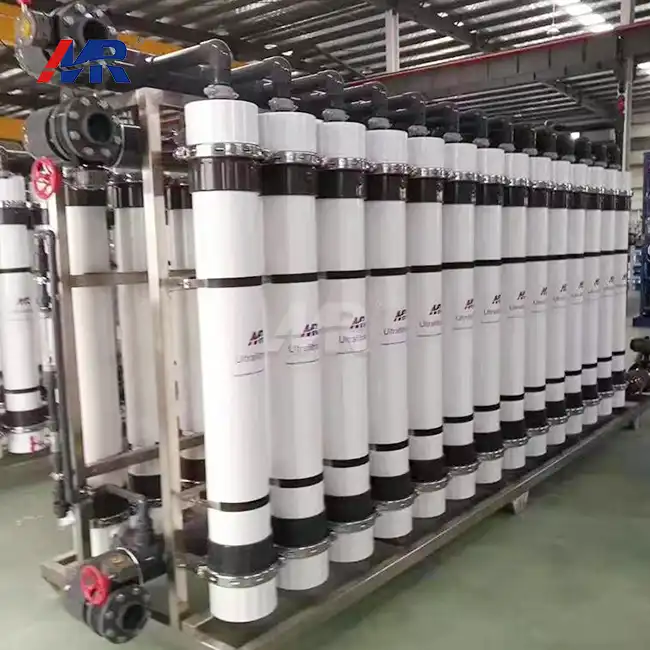
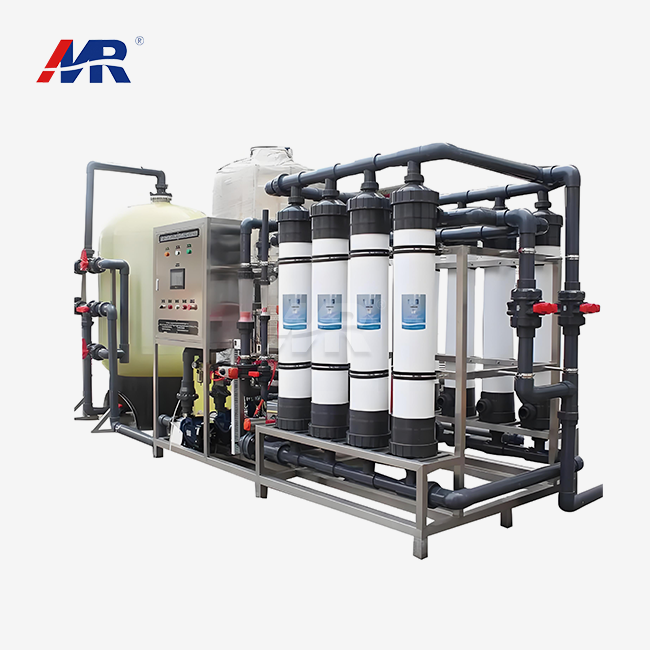
What Is a 200 m³/hour UF Plant?
200 m³/hour UF Plant Capacity and Meaning
When you read "200 m3/hour UF plant", it is the nominal permeate flow. This is the clean water flowing out of the plant, not the nasty water entering the plant. It gets flushed, backwashed, and a lot of water is continuously flowing in. Built-in capacity and operational capacity are different also. Membranes lose part of their ability to move over time.
I explain this distinction to practically all my new customers since it has an impact on the pricing I charge. A system that claims "200 m^3/hour feed flow" will only provide you 180 m^3/hour of usable permeate if you factor in the time it takes to shut down and resume. Compare prices, but always ask the salesperson what number they are providing you.
What Ultrafiltration Removes and What It Does Not
This is because the pores are barely 0.1 to 0.01 microns wide, and nothing can flow through. This technology is superior to sand screens for removal of dissolved solids, bacteria, protozoa, and high-molecular-weight organic materials.
UF contains pores in it that cannot be passed by dissolved acids, fluoride, nitrate, and low-molecular-weight pollutants. That is to say, they do not pass through. The salt has to be removed from the water following the UF phase. The process is reverse osmosis. If the water is high in nitrates, UF still has to be cleansed using ion exchange or RO after UF cleans the water.
Initial Design Basis for a Large Reuse Project
Before you ask for quotes, make the list below. With it, providers don't have to guess about the right sizes for membranes, pumps, and drug doses.
| Design parameter | Information required |
|---|---|
| Required product flow | 200 m³/hour average, peak, or guaranteed flow |
| Feed-water source | Surface water, municipal wastewater, industrial wastewater, or process water |
| Operating schedule | Hours per day and days per year |
| Target water quality | Turbidity, SDI, microbial targets, TOC, conductivity |
| Recovery target | Product-water flow divided by feed-water flow |
| Site conditions | Temperature, altitude, climate, utilities, drainage |
| Future expansion | Modular trains, spare capacity, or additional skids |
| Hours they're open | Days and times they're open |
This is what we want the water quality to be: turbidity, SDI, microbial targets, TOC, and conductivity.
What Feed Water Quality Suits a 200 m³/hour UF Plant?
Suitable Feed-Water Sources
A 200m3/hour UF plant can treat diverse sources of fresh water. The prep train varies depending on the source of the water. These are the most common ways into a field.
- Drinking water storage facilities and industrial process lines must be fed with municipal or surface water that has been filtered to remove turbidity and pathogens. Seasonal sediment loads carried by rivers and lakes cause spikes in turbidity following rains; therefore, the UF system has to have margin built into its operational flow.
- Tertiary-treated wastewater is refined before being used for non-potable reuse, cooling-tower make-up, or RO feed. This stream still frequently has some residual biological activity;y therefore, the sequencing of disinfection is as important as the membrane itself.
- Industrial process water has to have suspended particles removed to avoid fouling of downstream membranes or sending to production equipment. This category includes food and beverage facilities, textile and electronics industries.
- OEM integration initiatives provide UF modules in a packaged system manufactured by another equipment integrator under private label. This is typical of engineering organizations designing containerized desalination pretreatment skids.
Over the last several years, I have spoken extensively on initiatives in Latin America, Southeast Asia, and the Middle East. Most of them go down these 4 pathways.
Feed-Water Parameters That Control UF Design
But with no lab or pilot, no one can assure flux or returns. This is what I need to present to a customer initially with a technical plan.
- Turbidity and total suspended solids define the baseline fouling risk and determine how vigorous the pre-treatment must be before water reaches the membrane modules.
- Temperature and pH impact the membrane permeability and the chemical cleaning compatibility. Cold water decreases the flow, and severe pH may destroy certain polymer membranes over time.
- Conductivity and total dissolved solids inform you whether downstream RO is required and aid in estimating chemical dosage for scale control during backwash cycles.
- The oil and grease content is an important parameter since tiny levels of oil and grease cause permanent fouling of the hollow-fiber membranes and require an oil-separation phase before the UF step.
- TOC, COD, and biological activity are indicators of the organic fouling potential and may be used to decide the frequency and kind of chemical to be used for cleaning.
- Iron, manganese, silica, and hardness levels impact scaling risk inside the membrane modules and backwash pipework.
Algae, EPS and colloidal particles dramatically increase cleaning frequency, typically requiring coagulation or DAF pretreatment.
Microbiological indicators indicate pathogen-reduction performance objectives to achieve drinking-water or reuse requirements.
Case Study: Correcting a Seasonal Turbidity Spike at a Mekong Delta Waterworks
I was working for a customer in the Mekong Delta in 2023; he was in charge of the waterworks. In the dry season, the river water was rough and murky at 15 NTU. During the monsoon floods, it reached >400 NTU. The initial pre-treatment plan they devised was not large enough for the increase since it was developed for when things were normal. In the busy storm weeks, it was hard to write, and the UF train lost electricity twice.
We installed a leveling tank, a coagulation and clarification step, and an on-line turbidity sensor coupled to an automated bypass valve in front of the 200m3/hour UF plant stage. The facility could maintain the permeate turbidity below 0.1 NTU following the repair, even during the floods. There were no unscheduled shutdowns during a period of twelve months. There were six of them during the rains. It was simple: prepare for the worst week of the year, not just any day.
Feed-Water Acceptance Checklist
Before you trust any feed-water research, here is a list to read.
- Is the feed water analysis reflective of the seasonal circumstances encompassing the wettest and driest months of the year?
- Do you have data on peak turbidity and shock-loading occurrences with dates and particular numbers, not just generic descriptions?
- Can the oil, grease, or solvent be contaminated at any stage of the supply chain, including temporary storage tanks?
- Are the chemicals used in upstream processes compatible with the membrane material suggested for the project?
- Do we need to do a pilot test before the provider locks in flux and recovery figures in a formal contract?
- Are there local discharge limitations for backwash and cleaning wastewater that might impact waste handling design and permitting?
How Does a 200 m³/hour UF Plant Compare With Other Systems?
UF Plant Versus RO Plant
A lot of clients ask if they need UF, RO, or both. How do you find the real answer? You need to look at what is dissolved and what is floating in the water.
| Criterion | UF plant | RO plant |
|---|---|---|
| Main separation mechanism | Size exclusion through porous membranes | Solution diffusion through dense membranes |
| Removes suspended solids | Excellent | Requires pretreatment |
| Removes bacteria and protozoa | High reduction with validated operation | High reduction |
| Removes dissolved salts | Generally no | Yes |
| Typical pressure | Lower | Higher |
| Energy demand | Usually lower | Usually higher |
| Common role | Clarification, polishing, pretreatment | Desalination and dissolved-contaminant removal |
For most projects that use seawater to make fresh water, both are needed. The UF process gets rid of sediment and reduces the chance of bacterial fouling. The RO process gets rid of salt. And the ro membrane won't last as long if you don't do the UF step. This is because the smaller, less flexible RO holes get clogged up first.
UF Versus Conventional Filtration
UF is the best approach to get rid of germs; however, dissolved-air flotation, cartridge filtering, and sand filtration are also helpful. Larger particles are more likely to be caught on media displays. But bacteria and tiny colloids may pass through. UF is best for killing bacteria and protozoa. Conversely, a basic sand filter needs nothing in the way of chemical cleaning or backwashing. There are more chemicals to choose from, making it tougher to know how to utilize the automation.
Hollow-Fiber Versus Flat-Sheet Membranes
Hollow-fiber modules are used in most city and factory systems with a lot of flow because they pack faster.
| Factor | Hollow-fiber UF | Flat-sheet UF |
|---|---|---|
| Typical use | High-flow municipal and industrial systems | Specialized or robust wastewater applications |
| Packing density | High | Moderate |
| Cleaning method | Backwash, air scour, chemical cleaning | Crossflow or surface cleaning, depending on design |
| Mechanical considerations | Fiber breakage monitoring | Sheet or channel fouling |
| Scale-up | Often modular | Often selected for specific process conditions |
UF with hollow fibers and UF with flat sheets are not the same.
A lot of the time, high-flow systems in towns and workplaces, and jobs that are hard or specialized with wastewater
How dense the packing is: High, Moderate, or Low
There are different ways to clean, such as backwash, air scour, chemical cleaning, crossflow cleaning, or surface cleaning.
What Recovery Rate Should a 200 m³/hour UF Plant Achieve?
Recovery Calculation
Recovery means keeping track of how much of the feed water is converted into usable product water. It's clear:
Flow of feed / flow of filtrate / 100 = recovery (%)
For a plant that needs 200 m³/h of permeate, the recovery goal determines how much feed flow is needed.
| Target recovery | Approximate feed flow for 200 m³/hour permeate* |
|---|---|
| 90% | 222 m³/hour |
| 92% | 217 m³/hour |
| 95% | 211 m³/hour |
Note that the numbers shown are just examples. The final plan needs to take cleaning, backwashing, slowing down production, and peak flow into account.
Factors That Affect UF Recovery
There are several factors that might influence the speed of recovery. First-time purchasers are often surprised at how everything fits together.
- The number of backwash cycles is closely related to feed turbidity and suspended-solids loading, which decreases net recovery during periods of high turbidity.
- A 200m3/hour UF plant that cleans aggressively will recover less day-to-day than its nameplate indicates, since the frequency of backwash and forward flush uses product water.
- Chemical-enhanced backwash needs include the chemical expense and increased water usage during the actual cleaning cycle.
- The amount of wastewater to be cleaned has a disposal or reuse route that influences the recovery math and environmental permits.
- The membrane integrity and operational flux control the system’s drive to achieve its goal output. If the flux is pushed too high, the fouling will accelerate.
- Environmental restrictions may mandate reject streams to be discharged locally or reused, which might lead to a reduced recovery objective, especially in water-stressed areas.
Recovery, Operating Cost, and Environmental Trade-Offs
95% of our commodities are returned under ordinary feed circumstances. But I usually advise my customers that chasing the best rate of return isn’t necessarily the cheapest path. Too much recovery results in higher expense to dispose of the waste, as the membrane is under more fouling stress and requires more cleaning chemicals. The ideal recovery target is a function of the amount of water recovered, the cost of the chemicals, and the life of the membrane. This is not the case with a Gulf desalination plant as it is with a mine in the Andes.
How Much Pretreatment Does a 200 m³/hour UF Plant Need?
Typical Pretreatment Process Flow
This is how most projects usually go:
When water comes in, it first goes through a coarse screen, then a fine screen, then clearing or equalization, then coagulation or DAF (if needed), then safety filtration or cartridge filtration, then UF, then cleaning or RO, and finally storage and distribution.
The exact set-up will depend on how the feed water is studied and how the pilot tests go for bigger projects. There is less work to do to clean the water in a city that a drinking water plant gets than in a town that gets its water from a dirty river.
Pretreatment by Feed-Water Type
| Feed-water condition | Possible pretreatment |
|---|---|
| Low-turbidity groundwater | Screening and cartridge filtration |
| Variable surface water | Coagulation, clarification, media filtration, or DAF |
| Secondary or tertiary wastewater | Fine screening, biological control, and cartridge filtration |
| Oily industrial water | Oil separation, flotation, activated carbon, or specialized treatment |
| High-algae water | Screening, coagulation, DAF, and enhanced cleaning strategy |
Pretreatment Risks and Mitigation
When individuals begin a new project, they typically forgo the stages that prepare the surface … to save money immediately.
- Risk: Large solids penetrate the membrane modules and dirty or damage the membrane physically. Mitigation: Install dependable screening with automated differential pressure alarms to detect blockages before they reach the membrane bank.
- Risk: Oil or grease causing permanent fouling that cannot be removed by backwashing. Mitigation: Add an oil separation step and verify chemical compatibility with the membrane provider prior to starting.
- Risk: Storm events or industrial discharge disturbances may cause sudden surges in turbidity that overburden the system. Mitigation: Equalization tanks, automatic bypass logic, on-line turbidity monitoring, and explicitly stated shutdown limits included in the control logic.
Which UF Membrane Type Fits Large Reuse Projects?
Membrane Materials for a 200 m³/hour UF Plant
Its ability to be cleaned with chemicals will give you an idea of the kind of material it is and how frequently it should be cleaned.
- PVDF has good chemical and mechanical resistance for industrial and municipal applications, and this is why most big 200m3/hour UF plant systems I specify include PVDF hollow-fiber membranes as the default option.
- PES is often utilized for water and wastewater filtering applications when the chemical exposure is mild, and cost sensitivity is greater.
- Ceramic UF may be used for high-temperature, abrasive, or chemically hostile streams but is more capital intensive than polymer membranes.
- Other polymers should only be assessed against published temperature, pH, oxidant, and cleaning restrictions from the manufacturer and not marketing promises.
Our UF plant (200 m3/hour) employs PVDF hollow-fiber membranes with pore sizes of 0.01-0.1 microns. The filter operates from outside to inside; the pressure is 0.1-0.3 MPa. It works more than 95% of the time and can remove up to 99.99% of pollutants, including bacteria, proteins, and dissolved solids, most of the time.
| Parameter | Specification |
|---|---|
| Capacity | 200 m³/hour |
| Membrane type | PVDF hollow fiber |
| Pore size | 0.01 to 0.1 micron |
| Operating pressure | 0.1 to 0.3 MPa |
| Filtration mode | Outside-in |
| Recovery rate | Above 95% |
Flux and Membrane Area Calculation
These things have to do with how big a membrane area is:
The flow rate (L/h) times the design flux (L/m²·h) gives you the membrane's area (m²).
The design flux will be different depending on the type of feed water, how the temperature is set, the shape of the module, the material of the membrane, how often it is backwashed and cleaned, and the results of a pilot test that was approved by the provider. I don't give out a single "best" flux number because the right number hinges on where the water comes from. Giving you a flux price before seeing your water study is just a guess.
Membrane Selection Checklist
Before you purchase a membrane, be sure that the firm you bought it from understands these facts.
- Please confirm whether the pore-size rating is nominal or absolute and ask about the test procedure used to certify it.
- Don't support claims of log removal or pathogen reduction with in-house marketing data; use third-party test data.
- Before signing off the cleaning process, review the limitations of chemical cleaning for pH range, oxidant content, and maximum exposure duration.
- Verify the membrane integrity test technique utilized at commissioning and in continued operations.
- Look at the cost of replacing modules and membranes over a 10-year period, not just the original purchase price.
Evaluate module standardization for future build-out stages to enable addition of trains with comparable parts.
How Should UF Capacity Match Large Water Demand?
Train Configuration for 200 m³/hour
A 200 m³/h train can’t wait for other trains in a structure that cannot afford downtime. There are many parallel membrane trains to ensure the availability of backup at all times. There are duty-and-standby pairs, modular skids for progressive development, N+1 capacity for times when work needs to keep flowing without halting, and distinct trains for feed streams with various quality criteria. A drinking water project in the region with just one source of water might employ a different two-train split. Most typically, in a corporate environment, the N+1 approach is required to maintain a costly RO train downstream safely.
Peak Flow, Average Flow, and Availability
Peak demand every hour is different from peak demand every day. A facility designed for typical demand will not be able to manage peak demand. There are times when maintenance is scheduled, periods when the volume of feed water fluctuates with the seasons, and times when cleaning and backwashing are needed. So a 200m3/hour UF plant that is designed to produce 200 m³/h requires 10 to 15% additional fixed membrane capacity to make sure it can still produce that volume of water after being cleaned and backwashed once a week.
Footprint, Utilities, and Site Planning
There's no design for the location until the boxes or skids come up and take up too much area. Plan to acquire membrane skids with all-around service access, and with feed, permeate, backwash, and drain lines sized for the flow you require. Also, the power and control panels should be sized to accommodate the whole system. Tools are subject to certain civic requirements before being given out. Some of the characteristics include adequate drainage, sufficient instrument air, clean-in-place space, access to ventilation and lifting, and a location to store and dispense chemicals.
What Operating Data Matters for a 200 m³/hour UF Plant?
Key Operating Parameters
It is checked every day by the staff, who find fouling issues weeks before the system is shut down. I believe you should keep track of the permeate's turbidity, the conductivity of both the feed and the permeate, the pH and temperature, the recovery and water balance, the chemicals used, how often the backwash and cleaning happen, how much energy is used in kWh per cubic meter, and how fast the feed, the permeate, and the backwash flow. Plants need to keep this log because they almost never find fouling until their output has dropped a lot.
Automatic Versus Manual Control
How much control there is changes both how much the work costs and how well it is done.
| Control approach | Advantages | Limitations |
|---|---|---|
| Manual | Lower initial complexity; suitable for small or simple systems | Higher labor demand and greater operator variability |
| Semi-automatic | Balances control and cost | Requires trained operators |
| Fully automatic | Consistent sequences, alarms, data logging, and remote monitoring | Higher controls cost and commissioning requirements |
Our automated control solutions include PLC and HMI systems, which may be connected to the internet, exchange data, and review historical warnings. For larger projects, we can also include basic security measures in SCADA so 200m3/hour UF plant managers may monitor remotely. By going from totally manual to totally automated control, the operators worked around 60% fewer hours. It also reduced the frequency of unexpected outages caused by missing backwash cycles.
Operating Cost and Maintenance Model
The cost of something is more than just how much it cost at first. Every step of the process should have its own line item in a full lifecycle view. This includes labor, calibrating the instruments, getting rid of wastewater, regular maintenance, service, spare parts, and the chemicals used to clean the uf membrane and prepare it for use. People who only look at the first quote often find out years later that the money they saved was quickly wasted when they learn that the cheaper system cost more in chemicals and energy.
How Can a 200 m³/hour UF Plant Control Fouling?
Main Fouling Mechanisms
Fouling may take place in many distinct ways at the same time. There is more than one there most of the time. On top, the solids and colloids in the threads form a cake-like section. These two items stay together and form a film that is difficult to remove with backwash. As pressure and temperature fluctuate, minerals that have been broken down fall to the bottom. That’s called scaling. It becomes worse over time from things like oil and grease, improper backwash sequences, and cleaning with too little chemical or for too short a period.
Backwash and Chemical Cleaning Strategy
Part of a healthy cleaning schedule. These include frequent hydraulic backwash, air scour when the module design permits, forward flush or drain down steps, chemically enhanced backwash for stubborn fouling, and comprehensive clean-in-place operations scheduled at regular intervals. Don’t assess cleaning ends by the date on the calendar, but by how effectively the transmembrane pressure or permeability changes. The membrane manufacturer regulates chemical type, concentration, temperature, and duration of exposure to light. Always adhere to them. If you go above certain boundaries, the membrane will never again have that lifespan.
Fouling Troubleshooting Table
Start with this table if speed isn't what it should be.
| Symptom | Possible cause | Corrective action |
|---|---|---|
| Rising TMP | Solids, biofouling, or inadequate backwash | Check pretreatment, backwash sequence, and cleaning response |
| Falling permeability | Scaling, organic fouling, or temperature decline | Review feed chemistry, temperature correction, and CIP results |
| High permeate turbidity | Membrane damage, seal failure, or integrity-test issue | Isolate train and perform integrity testing |
| Frequent cleaning | Excessive flux or unstable feed quality | Reduce design stress and improve pretreatment |
| Low recovery | Excessive backwash, leaks, or poor sequencing | Verify flow meters, valves, and water balance |
Supplier Capability & Evaluation for a 200 m³/hour UF Plant
How to Evaluate a UF Plant Manufacturer or Supplier
Not every manufacturer selling a 200m3/hour UF plant also makes the membranes that go inside it. Make sure that any vendors you are considering have considerable expertise with systems handling 200m³/h or more. You should also look at the results of a pilot test or reference project, their design calculations and process guarantees, their automation and integration skills, their factory acceptance testing, their assistance with installation and commissioning, the availability of spare parts, their warranty terms and service response times, and the export paperwork that meets the requirements of your country.
Procurement Requirements for a Turnkey UF System
A good quote request would contain: a list of what is included and excluded, what is meant by "200 m³/hour capacity", the feed-water design basis, the guarantyd permeate quality, recovery and energy assumptions, the membrane type, area and flux, the pretreatment and chemical systems that are included, the PLC, SCADA and electrical standards that are used, the delivery lead time and commissioning schedule, the minimum order quantity (MOQ) for modular equipment or replacement membranes, the payment terms (e.g., EXW, FOB, CIF, or DAP), packing, shipping, insurance and who is responsible for imports, the warranty and membrane replacement terms, and finally, training, manuals, drawings and a list of spare parts.
Quality Verification, Compliance, and Documentation
Both sides of the agreement are secure thanks to stringent screening. Before you start building anything, check the authorized formulae, datasheets, drawings, and P&IDs. Look at the lot numbers and the ease of finding parts while you’re making the membrane. Lastly, make sure the plant is operational and check for any leaks, gas, and electricity before sending it out. Make sure to review copies of the software. Calibration Certifications for the equipment and the factory acceptance test records. When the plant is ready to start, utilize the agreed-upon parameters for water quality to undertake testing for site approval. You need to record what the system did at the time: temperature, flow rate, and pressure. So, if the promise comes up again, everyone will have something to speak about.
Different projects need different rules and licenses. Setting up quality management systems is what ISO 9001 is all about (ISO, 2015). People need to know how to service and manage drinking water when they need to (ISO, 2012). A CE-marked product signifies that it fulfills EU requirements for electricity, pressure, machinery, and electromagnetic fields (EMF). NSF/ANSI 60 and 61 cover the chemicals and components to be utilized to purify the drinking water for the project. (NSF International, 2024)** The person installing the device must be UL- or equivalent electrically approved. You only have to obey FDA standards if the product is likely to come in contact with food or any other restricted product.
Why Morui's Membrane-to-Machine Approach Reduces Project Risk
Guangdong Morui Environmental Technology Co., Ltd. is particularly excellent at cleaning water. They do this to clean up rubbish from homes and businesses and the ocean. This is how they create drinking water. We both sell tools, and we put them up and make sure they operate. We have 14+ sites and 500+ staff, including 20 engineers. There is also a membrane factory and a few others working with tools. We have worked with well-known firms as their local partner, such as Shimge Water Pumps, Runxin Valves, and Createc Instruments. We don't have to obtain key elements from many different sources anymore to make up full systems.
We don't purchase modules from outside and charge extra for them since UF is one of our key goods. So we can control the cost and the quality of the membranes. This implies we don't have to put a conventional skid on a non-standard issue." We can adjust the system configuration, control architecture, pore size, and membrane material depending on the water quality and location, whatever the customer needs. The ability to attach a membrane to a machine helps the guaranteed process proceed more quickly. It works for folks who want PVDF membranes or PES membranes, integration on a skid or a container, or a UF-plus-RO train that works with everything else.
Conclusion
The size of a UF plant of 200m3/hour UF plant is less significant than the quality of the feed water. When you compare items, you want to look at them all at once. This comprises permeate quality, recovery, membrane flow, pretreatment, automation, footprint, energy consumption, cleaning requirements, lifetime cost, and compliance. For most large reuse projects, the specification document should specify the water flow, feed-water envelope, membrane type, target recovery, cleaning technique, guaranteed performance, testing method, documentation, and duties for the provider. No tools should be produced till then. Missing this step on paper is a guaranteed way to pay for it later in the plant.
FAQ
1. What is a 200 m³/hour UF plant?
A 200 m³/hour UF plant is an ultrafiltration system designed to produce approximately 200 cubic meters of treated water per hour under defined operating conditions. At continuous operation, this equals approximately 4,800 m³ per day before accounting for downtime and cleaning cycles.
2. How does a 200 m³/hour UF plant work?
Feed water passes through porous UF membranes that retain suspended solids, colloids, bacteria, and many larger microorganisms through size exclusion. The system periodically uses backwash, air scour, and chemical cleaning to control membrane fouling and keep flux stable over time.
3. Is UF better than RO for a 200 m³/hour water treatment plant?
UF suits suspended-solids removal and pathogen-barrier applications, while RO handles dissolved-salt and many dissolved-contaminant removal jobs. UF is also commonly installed directly ahead of RO, since it protects the tighter RO membranes from fouling and extends their service life.
4. What recovery rate should a 200 m³/hour UF system achieve?
The right recovery rate depends on feed-water quality, pretreatment design, fouling potential, discharge limits, and cleaning frequency. A project specification should state recovery alongside guaranteed permeate flow and a complete water balance, not as a single standalone number.
5. What pretreatment does a 200 m³/hour ultrafiltration plant need?
Pretreatment may include screening, coagulation, clarification, dissolved-air flotation, media filtration, cartridge filtration, or oil separation depending on the source. The correct combination depends on turbidity, suspended solids, algae, oil, organic matter, and how much the feed water changes across seasons.
6. How much does a 200 m³/hour UF plant cost?
Price depends on membrane area, pretreatment design, automation level, civil works, installation, chemical dosing systems, instrumentation, and documentation requirements. A fair quotation should separate equipment cost, installation, commissioning, freight, taxes, consumables, and projected lifecycle expenses rather than bundling everything into one number.
7. What information do I need to get an accurate 200 m³/hour UF system quotation?
Suppliers typically need a feed-water analysis, required permeate quality, operating hours, site conditions, utilities available, discharge requirements, preferred standards, delivery location, automation requirements, and installation scope. Sending incomplete data is the most common reason quotes come back inaccurate or inconsistent between vendors.
Ready to Specify Your Water Reuse Project?
If you are comparing vendors for a 200m3/hour UF plant manufacturer right now, sending a vague inquiry will only get you a vague quote. I recommend preparing a short feed-water summary first, even a rough one, so suppliers can give you a realistic flux and recovery estimate instead of a generic number copied from another project. Morui builds UF systems in-house, from membrane production through skid assembly, which means our proposals reflect your actual water chemistry rather than a catalog average. Reach our technical team at benson@guangdongmorui.com with your project details, and we will respond with a design basis review within a few working days.
References
1. U.S. Environmental Protection Agency. Membrane Filtration Guidance Manual. 2005.
Referenced for: UF membrane filtration principles, membrane integrity testing, pilot testing, and system implementation considerations.
https://nepis.epa.gov/Exe/ZyPURL.cgi?Dockey=901V0500.TXT
2. DuPont Water Solutions. DuPont™ IntegraTec™ Process & Design Manual. 2025.
Referenced for: UF process design, feed-water characteristics, pretreatment, membrane fouling, backwashing, and chemical cleaning.
https://www.dupont.com/content/dam/water/amer/us/en/water/public/documents/en/UF-IntegraTec-Process-Design-Manual-45-D00874-en.pdf
3. World Health Organization. Guidelines for Drinking-water Quality: Fourth Edition Incorporating the First and Second Addenda. 2022.
Referenced for: Membrane treatment technologies, ultrafiltration characteristics, and the differences between UF and RO processes.
https://cdn.who.int/media/docs/default-source/wash-documents/water-safety-and-quality/chemical-fact-sheets-2022/treatment-methods-and-performance.pdf
4. U.S. Environmental Protection Agency. Overview of Drinking Water Treatment Technologies.
Referenced for: Reverse osmosis principles and the removal of dissolved salts and other contaminants.
https://www.epa.gov/sdwa/overview-drinking-water-treatment-technologies
5. NSF International. Water and Wastewater Standards.
Referenced for: NSF/ANSI/CAN 60 requirements for drinking-water treatment chemicals and NSF/ANSI/CAN 61 requirements for drinking-water system components.
https://www.nsf.org/nsf-standards/standards-portfolio/water-wastewater-standards
6. American Water Works Association. M53: Microfiltration and Ultrafiltration Membranes for Drinking Water.
Referenced for: Technical guidance on MF and UF membrane processes for water treatment operators, engineers, and utility management.
https://www.awwa.org/resource/membrane-processes/
About the Author
Bin Liu is a Senior Overseas Water Treatment Technical Manager at Guangdong Morui Environmental Technology Co., Ltd. He has experience in the design, selection, and commissioning of UF, RO, and wastewater reuse systems for municipal and industrial projects. His work focuses on membrane selection, pretreatment design, system sizing, automation, and troubleshooting, supporting water treatment projects across Asia, Africa, and South America.
 VIEW MOREDTRO Landfill Leachate Treatment
 VIEW MORE2000LPH EDI system
 VIEW MORE200m3/hour ultrafiltration equipment
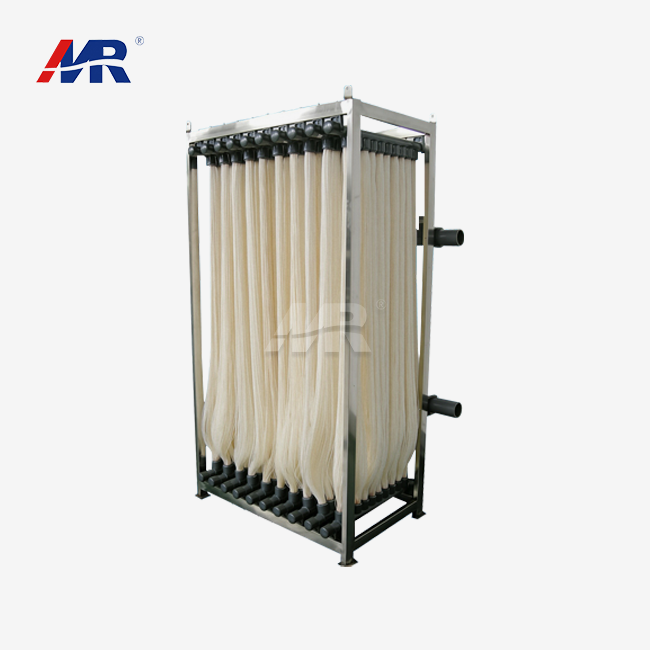 VIEW MOREbiological reactor wastewater treatment
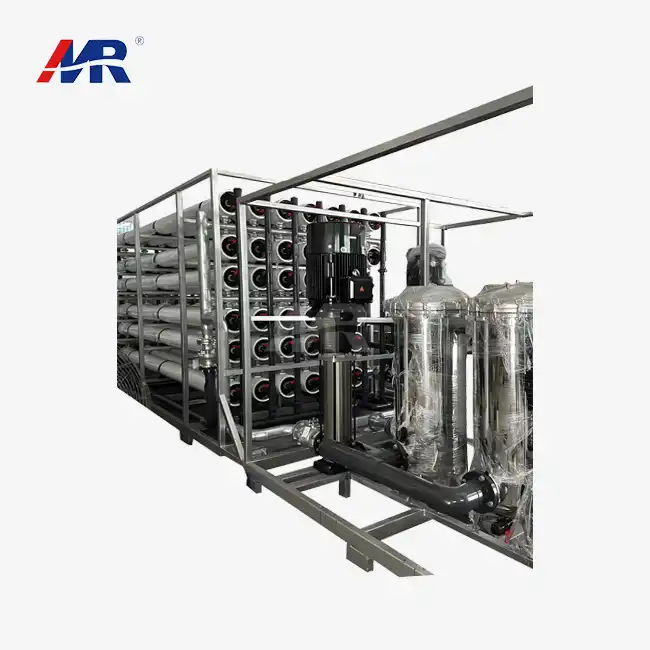 VIEW MORE150m3/hour reverse osmosis plant
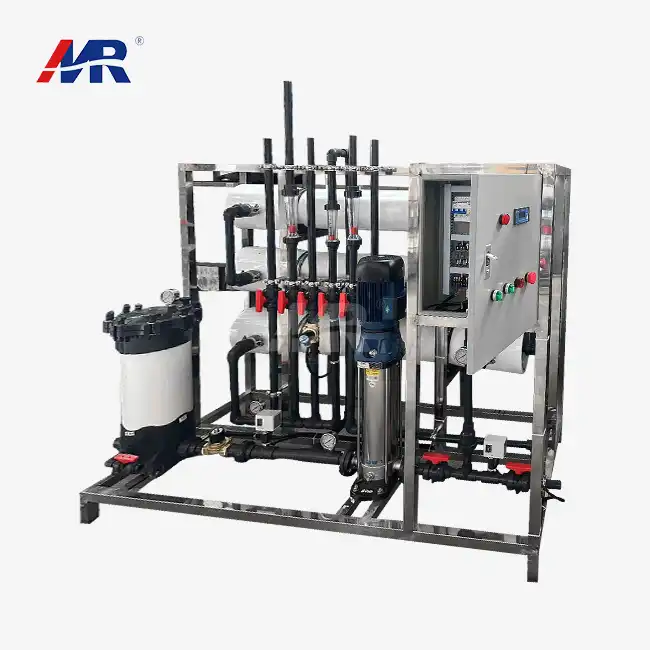 VIEW MORE3T/H reverse osmosis equipment
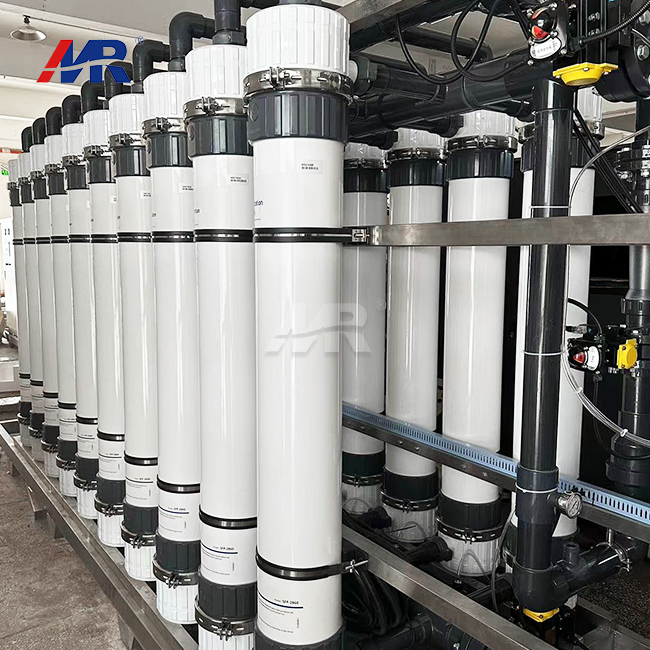 VIEW MOREwater ultrafiltration system
 VIEW MOREuf ultrafiltration