_1745823981883.webp)

What Are Wastewater Treatment Plant Units?
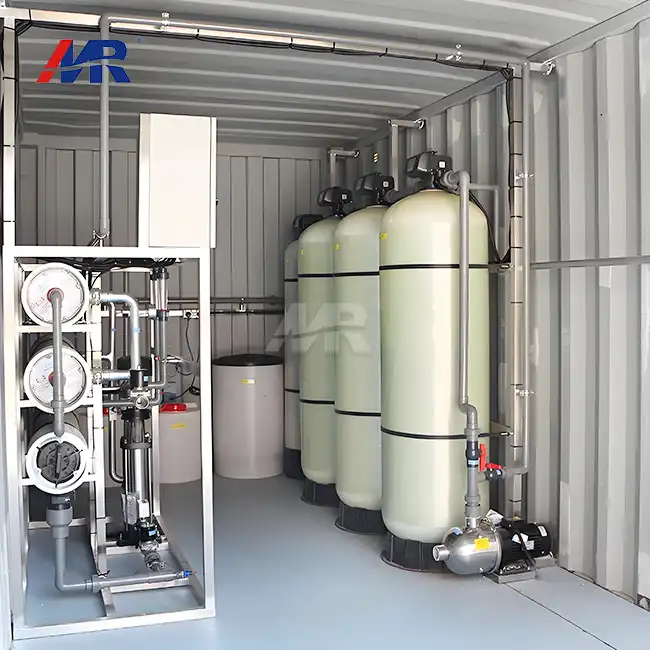
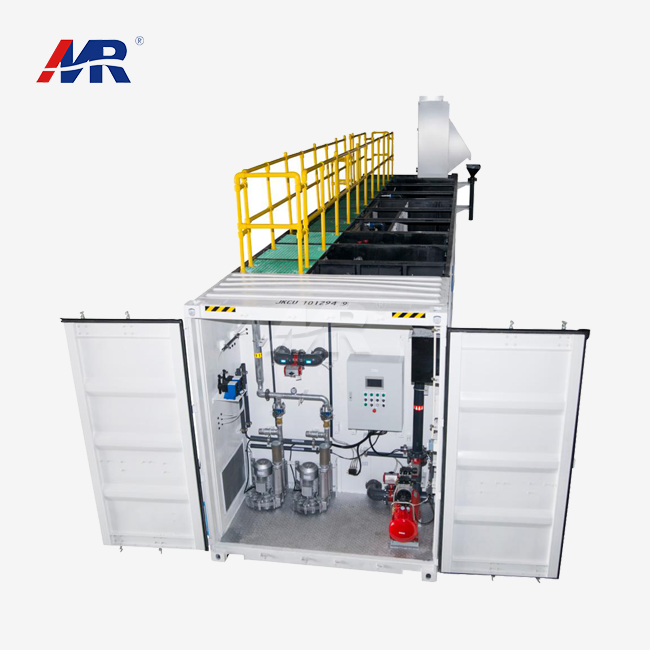
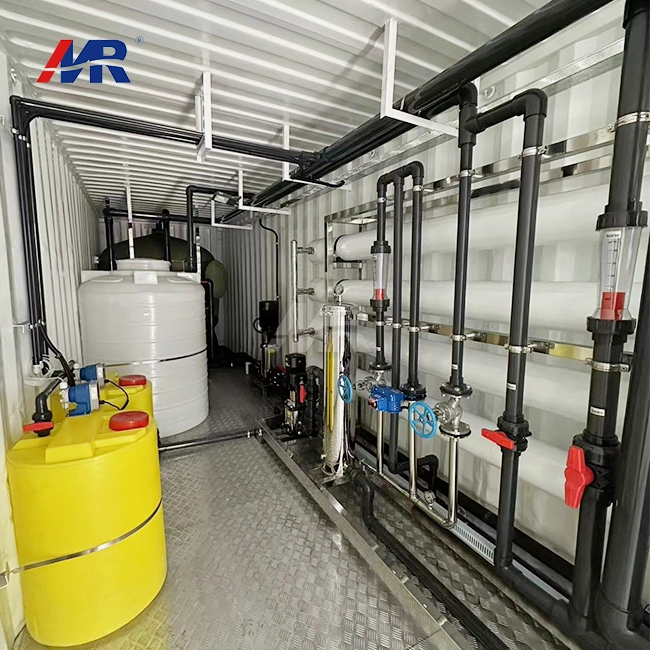
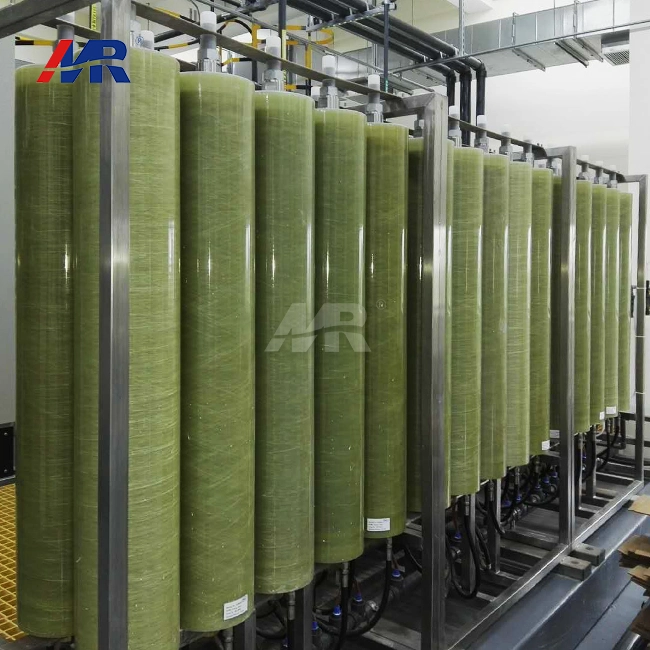
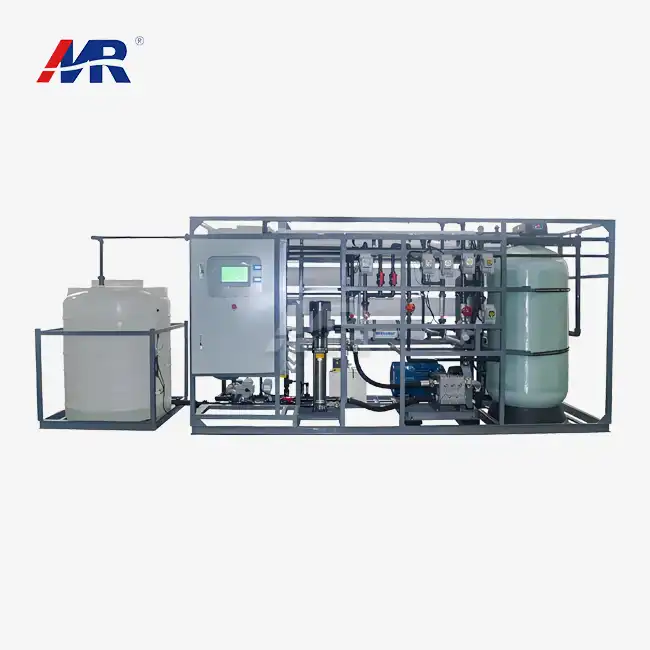
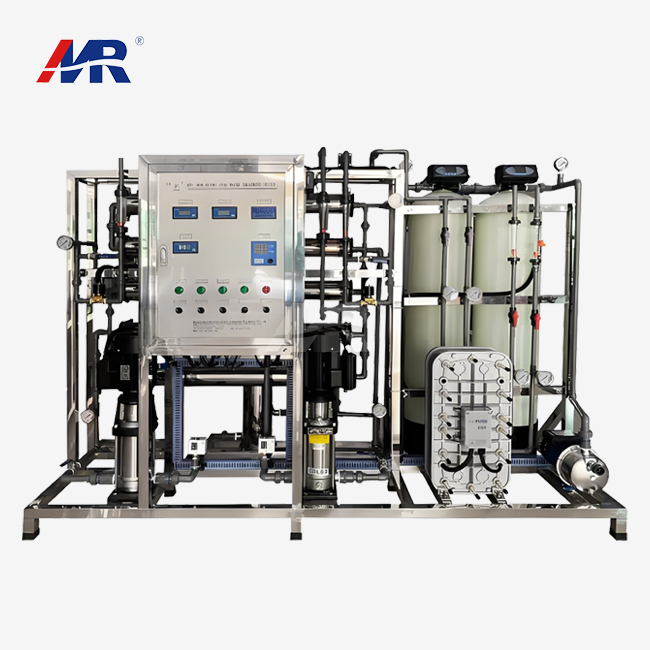
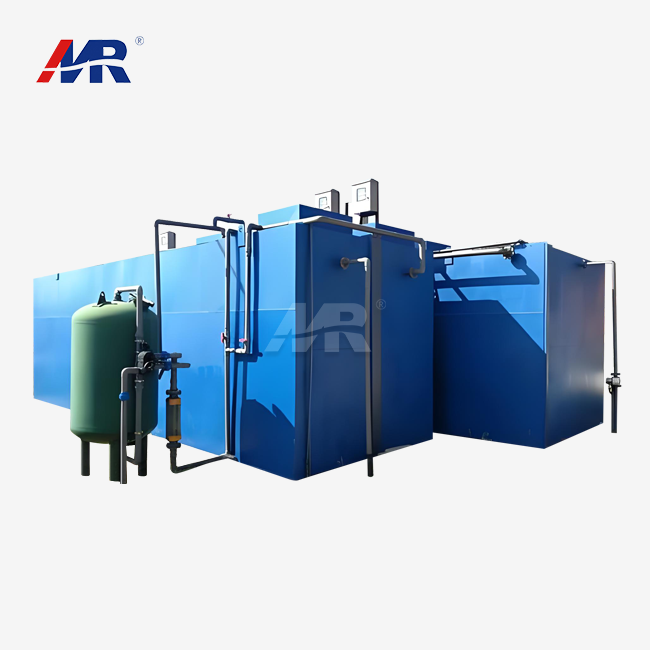
Wastewater treatment plant units are the individual operational components—such as screens, bioreactors, clarifiers, and disinfection systems—that work together to remove contaminants from sewage and industrial effluent. These units process influent through a structured sequence of physical, chemical, and biological stages, producing treated water that meets EPA discharge or reuse standards. In modern applications, they often appear as packaged or containerized systems that integrate multiple treatment steps into one compact assembly, making them suitable for municipal facilities, industrial sites, and decentralized locations where space and operational resources are limited.
Understanding Wastewater Treatment Plant Units
Any buying team or project engineer can make faster, more informed choices if they have a good idea of how these systems are put together. From rough removal to final finishing, most treatment trains work in a sensible order.
Primary Treatment Components
Physical separation of objects is taken care of by primary treatment. Bar screens get rid of small pieces of trash, grit chambers catch sand and gravel, and primary clarifiers let bigger pieces settle. The US EPA says that basic treatment alone gets rid of about 50–70% of the solids that are suspended in raw sewage before the bacterial steps start.
Secondary Biological Treatment
The real load reduction takes place in secondary treatment. Microbial activity breaks down dissolved organics in biological reactors like activated sludge tanks, MBBR media beds, and MBR membrane chambers. Most U.S. disposal permits require that the BOD level be removed by more than 95%, which can be done with a well-designed secondary stage.
Tertiary and Disinfection Stages
Tertiary units clean the wastewater so that it is good enough to be reused. TSS must be less than 5 mg/L and turbidity must be less than 1 NTU before it can be filtered, UV disinfected, or chlorinated. These last steps make it possible for cleaned water to be reused for things like flushing toilets, watering plants, or cooling factories instead of being dumped directly into a body of water.
Comparing Different Types of Wastewater Treatment Plant Units
There are different ways to fix issues. The best option relies on the amount of room available, the strength of the influent, the discharge goals, and the budget cycle. These are all very different in a rural area compared to a food processing plant.
Conventional Activated Sludge vs. MBR Systems
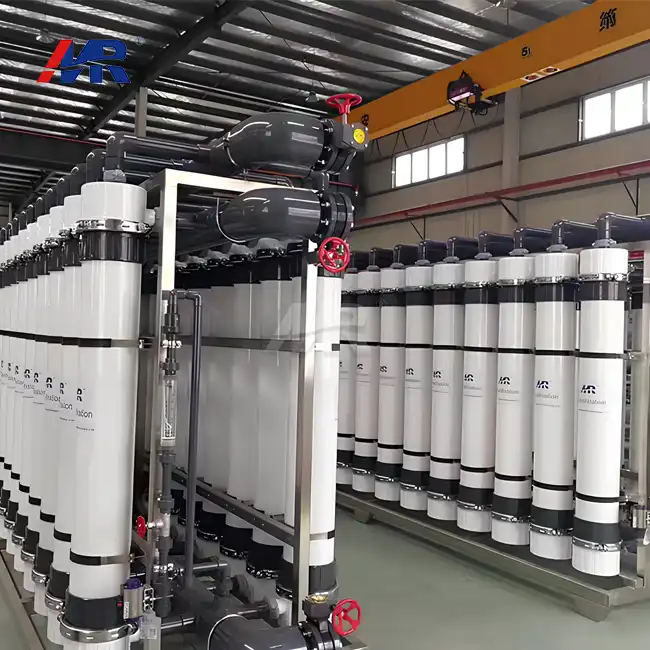
Traditional activated sludge (CAS) systems have been used for a long time and don't cost much to build. However, they need big clarifier areas and make a lot of sludge. MBR systems use hollow-fiber membranes instead of clarifiers, which reduces the plant's size by up to 50% while still producing consistently better effluent. This is a big benefit when land is expensive or discharge standards are strict.
Compact Packaged Units vs. Civil-Built Plants
When compared to civil-built options, packaged wastewater treatment plant units come already put together and tested. This cuts down on the time needed to build them on-site by 60–80%. For resorts, construction camps, or small towns that are far away, this speed of deployment directly lowers project risk and capital costs during the building phase.
Municipal vs. Industrial Treatment Configurations
Municipal systems are built to handle steady household loads, but industrial systems have to deal with very different inputs, like high COD from food preparation, high salt from some factory streams, or toxic compounds from chemical production. Industrial units that were built just for that purpose have equalization tanks and biological stages that are designed to handle these organic and hydraulic surges without stopping the process.
These differences have a direct effect on the total cost of ownership. When you choose the cheapest option, you might save money at first, but the fines and unplanned maintenance costs that come with an undersized or mismatched unit are much higher.
Design Principles and Maintenance of Wastewater Treatment Units
A well-thought-out method is only as good as the upkeep plan that backs it up. When planning the job, both places should get the same amount of attention.
Core Design Considerations
So that units don't get bypassed during storm waves, design engineers size them based on peak hydraulic flow instead of normal daily flow. They also think about changes in temperature (below 10°C, biological activity slows down a lot) and choose materials that are rated for that weathering environment. Usually, they choose SS304/316L stainless steel or HDPE-lined carbon steel for pH levels between 5 and 10.
Routine Maintenance Protocols
To maintain their permeability, mbr membranes need a chemically improved backwash once a week. After that, they need a full clean-in-place (CIP) cycle every three to six months, based on trans-membrane pressure readings. A planned repair log should be used to keep track of how often to check the blower air filters, diffuser assemblies, and UV lamp sleeves.
Troubleshooting Common Operational Issues
When foam builds up in aeration tanks, it generally means that there is an imbalance of filamentous bacteria that can be fixed by changing the loss rate. Usually, more sludge in clarifiers means that denitrification is happening in the sludge blanket. This can be fixed by shortening the time the sludge stays in the system. By doing daily visual checks, these problems can be found early on, before they get worse and shut down the whole train.
Procurement Guide for Wastewater Treatment Plant Units
To get the right system, you have to weigh the technical requirements against the supplier's ability, the quality of the documents, and the availability of long-term assistance. Here are the things that experienced buying managers always put first:
Selection Criteria and Capacity Planning
To find the design hydraulic capacity, start with the daily flow rate and add 1.5 times the peaking rate. Make sure the supplier can give you effluent quality test reports that have been checked by a third party and show that the unit meets the BOD, COD, TSS, TN, and TP limits set by your permit. For projects in the United States, make sure that any parts that come into contact with treated water that will be used again have NSF or a similar water-contact approval.
Evaluating Suppliers and Certifications
A reliable provider of wastewater treatment plant units should be able to show proof of the Factory Acceptance Test (FAT), records of the weld inspections (NDT/DPI), and rust protection Certifications that use ISO 12944. Suppliers who make their own membranes instead of getting them from a third party offer better quality control and faster logistics for replacing membranes, which is important if your operating budget includes an annual membrane reorder.
Total Cost of Ownership Factors
These are the cost causes that buying teams miss the most:
- Energy consumption: Aeration blowers account for 50–70% of operating power. Units fitted with VFD-controlled blowers and fine-bubble diffusers can target specific energy consumption below 0.4 kWh/m³, generating measurable annual savings.
- Sludge disposal costs: High-efficiency aerobic digestion within the unit reduces volatile solids volume, directly cutting hauling and landfill fees.
- Membrane replacement cycle: Membrane life and flux rating determine how frequently you spend on consumables. Clarify expected membrane lifespan upfront and get it written into the warranty.
When you look at these three cost drivers over the next five to ten years, you may change your mind about choosing the lowest bid.
Future Trends and Innovations in Wastewater Treatment
The business world is quickly shifting toward systems that make money instead of just getting rid of waste. Several changes are already having an effect on choices about what to buy today.
Automation and Remote Monitoring
Quality-packed units now come with a PLC/SCADA interface built in as standard. Operators can check flow rates, TMP, dissolved oxygen, and alarm states from their smartphones using remote O&M platforms. This means that fewer staff members are needed on-site, which is great for facilities in remote or hard-to-reach areas.
Energy Recovery and Resource Reuse
High-strength industrial wastewater can be treated anaerobically to get biogas out of it. This can help offset some of the energy costs of pumping. At the same time, tertiary-treated effluent is becoming more recognized as a resource that can be used again through state-level water recycling programs. This changes the business case for advanced treatment from a cost center to a source of income.
Regulatory Pressure and Circular Economy Standards
The EPA is currently changing its rules on sewage, and more and more states are putting in place systems for reusing water. This is pushing owners to treat their wastewater at higher levels. Systems that make wastewater that can be reused now put owners ahead of when regulations are likely to get stricter, which will save them a lot of money in the long run.
Conclusion
Wastewater treatment plant units come in a variety of configurations, from simple screening equipment to fully integrated MBR systems. To pick the best design, you must match the process needs to the site conditions, the rules, and the long-term running costs. Packaged systems have caught up to civil-built plants in terms of performance and dependability. Automation and online tracking have also made it much easier for operators to do their jobs. The most important decision in the specification stage is choosing the right units. This is true whether you are building a new municipal station, improving an industrial pre-treatment line, or setting up a decentralized system for a remote site.
FAQ
1. What components are inside a packaged sewage treatment unit?
For getting rid of solids, a normal packed unit has a bar screen or fine screen, an anoxic or anaerobic zone for reducing nitrogen, an aeration bioreactor, a membrane filter module or clarifier, and a disinfection stage.
2. How long do MBR membranes typically last?
Hollow-fiber MBR membranes usually last between five and ten years with regular care, like chemically improved backwashing once a week and CIP cleaning every so often. How long a membrane lasts depends a lot on the quality of the influent, how often it is cleaned, and the operating flux rate compared to the design flux.
3. Can packaged treatment units handle variable industrial loads?
Yes, as long as the unit has an adjustment tank to smooth out flow and organic load spikes. Systems that use MBBR or MBR technology have higher amounts of biomass than regular activated sludge. This makes them more resilient when the strength or flow rate of the influent changes quickly between production shifts.
4. What certifications should I request from a U.S.-market supplier?
Ask for NSF/ANSI standard compliance for materials that come into contact with water, CE or UL certification for electrical panels, effluent quality test records from a third party, and ISO 12944 corrosion protection paperwork for any steel-made parts.
Request a Quote from Morui — Trusted Wastewater Treatment Plant Units Manufacturer
Morui plans and builds sewage treatment systems that are fully integrated and meet the needs of real projects. The MR-MBR-5TH treats 100 m³/day of household wastewater in a 9 × 2 × 2.4 m footprint using an AAO+MBR method. It is fully automated with a PLC, and the effluent is checked to make sure it meets standards for reuse. Membrane modules, control systems, and containerized wastewater treatment plant units are all made in our plant. To get a detailed plan, email Our Team at benson@guangdongmorui.com.
References
1. U.S. Environmental Protection Agency. Wastewater Technology Fact Sheet: Membrane Bioreactors. EPA 832-F-07-008. 2007.
2. Metcalf & Eddy / Tchobanoglous, G., et al. Wastewater Engineering: Treatment and Resource Recovery. 5th ed. McGraw-Hill. 2014.
3. Water Environment Federation. MBR Technology: A Practitioner's Guide. WEF Press. 2012.
4. Judd, S. The MBR Book: Principles and Applications of Membrane Bioreactors for Water and Wastewater Treatment. 2nd ed. Elsevier. 2011.
5. U.S. EPA. Guidelines for Water Reuse. EPA/600/R-12/618. 2012.
6. Crittenden, J.C., et al. MWH's Water Treatment: Principles and Design. 3rd ed. John Wiley & Sons. 2012.