

_1745823981883.webp)

RO EDI Water System for High-Purity Water Production
If your facility demands water purity at the 18.2 MΩ·cm level, a RO EDI water system is likely the most practical path forward. This dual-stage technology pairs reverse osmosis with electrodeionization to continuously produce ultrapure water without acid or caustic chemical regeneration. Industries ranging from semiconductor fabrication to pharmaceutical manufacturing rely on this approach because it delivers consistent resistivity, lower chemical handling risk, and a smaller operational footprint than traditional ion-exchange methods.
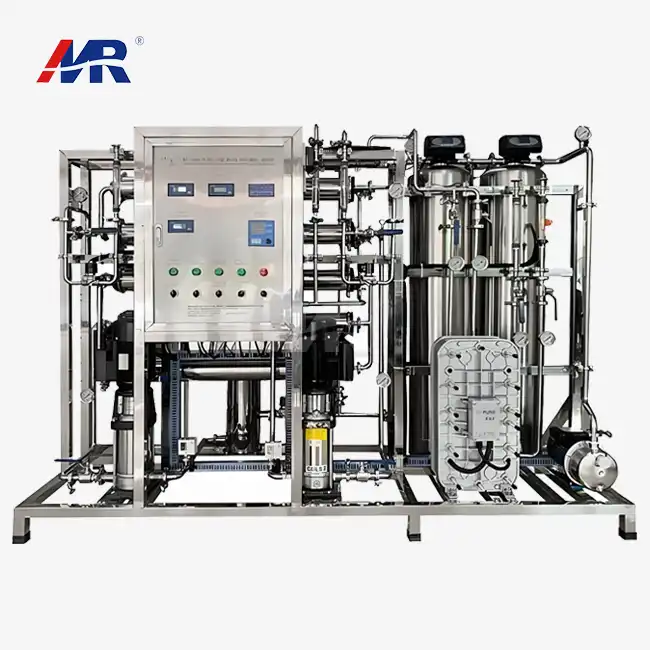
Understanding RO EDI Water Systems: Technology and Benefits
How the Two-Stage Process Works
First, reverse osmosis does all the hard work. The feed water is pushed through a semipermeable barrier, which gets rid of up to 99% of the dissolved salts, organics, and particles. The RO permeate then goes into the EDI module, where ion-exchange membranes and a direct-current electric field keep getting rid of the trace ions that are still there. The end result is always very clean water with no batch downtime.
Why Chemical-Free Operation Matters
Traditional mixed-bed deionizers need to be regenerated with hydrochloric acid and caustic soda every so often. These chemicals pose a threat to safety, cost a lot to get rid of, and change the quality of the material between regeneration rounds. All of that is taken care of by an electrodeionization system. The electric field keeps renewing the resin, so the quality of the water stays fixed all the time. This is very important for rinsing semiconductor wafers and making sure that medicinal processes are sterile.
RO Alone vs. RO + EDI
Standard RO usually only gets the wastewater conductivity to 1–5 µS/cm, which is not good enough for electrical or pharmaceutical uses. When you add an EDI stage, the resistance goes up to 18.2 MΩ·cm. One example is the Morui MR-EDI-5TH, which rejects 99.99% of salt while only using 16 kW/hour of power. This makes it a cost-effective choice for places that need truly ultrapure output.
Selecting the Best RO EDI Water System: Market Insights and Procurement Tips
Key Performance Benchmarks to Check
Set your basic needs before you start comparing sources. When water goes into the EDI stage, its conductivity must not be higher than 40 µS/cm. If it is, a double-pass RO setup is needed. As for the MR-EDI-5TH, the system has a 55% recovery rate. This means that procurement teams need to include the amount of concentrate discharge in their water balance estimates. Always ask for certified test reports that show the real water resistance of the object at the rated flow rate.
Comparing EDI with Alternative Technologies
UV purification can get rid of biological impurities but not ionic ones. Traditional ion exchange gets very pure results, but each batch isn't always the same, and it costs a lot of chemicals. At the intersection, there is an RO EDI water system train. This train handles both ionic and microbial loads (when UV polishing is added), runs continuously, and doesn't use any dangerous chemicals. Any approved product sold in the US should come with safety paperwork like CE, NSF, and water-contact material approvals.
Procurement Tips for B2B Buyers
There's more to finding a solid electrodeionization device than just looking at price sheets. Here are the things that procurement managers with a lot of experience put first:
- Resistivity guarantee under load: Make sure the supplier gives you measured data at the rated flow, not just theoretical maximums, so you don't get any surprises about how well it works after installation.
- Module service life data: An EDI module that is well taken care of and has the right RO cleaning usually lasts between 3 and 5 years. Not just claims on a spec sheet; ask for data from the field.
- After-sales parts availability: To avoid long periods of downtime, make sure that new membranes, resin stacks, and control parts are either readily available in the United States or have a short wait time.
These standards help narrow down the list of suppliers to those who can really support an ultrapure water program for a long time. Morui backs up its systems with IQ/OQ validation papers, material certificates, and pilot-run schedules for OEM users who need proof to send to regulators.
Installation and Maintenance of RO EDI Water Systems
Site and Piping Requirements
For the MR-EDI-5TH to work, the feed must have a stable pressure, a steady temperature, and a conductivity of less than 40 µS/cm. Engineers in charge of facilities should make sure there is enough floor space, inlet/outlet isolation valves, and a specialized electrical circuit with a 16-kW continuous draw rating. To meet hygiene standards, pharmacy setups should use sanitary stainless steel pipes.
Membrane Replacement and Scheduled Servicing
It's not possible for RO filters to last forever. If the standardized permeate flux drops by 10 to 15 percent, it usually means that a Clean-In-Place (CIP) cycle or a new membrane is needed. When compared to regular plastic beds, the self-regenerating electric field system makes EDI modules last a lot longer. Still, long-term performance loss can be stopped by checking the electrode plates and ion-exchange gaps on a regular basis.
Troubleshooting Common Issues
Biofouling, high CO₂ in the RO extract, and hardness scaling on the membranes are the three most common performance issues in a RO EDI water system train. A softener or antiscalant dosing system of the right size placed before the RO stops hard water from scaling. Putting a degasser between the RO and EDI steps fixes the problem of low end resistivity caused by high CO₂. Biofouling needs to be cleaned up on a regular basis, especially in pharmacy settings.
Use Cases and Applications of RO EDI Systems in B2B Settings
Semiconductor and Electronics Manufacturing
Making chips and solar panels needs rinse water that is at least 18.2 MΩ·cm. Defects at the sub-micron level can be caused by very small amounts of ionic contamination. A system of ultrapure water built around the MR-EDI-5TH gives wafer-cleaning processes the consistent resistivity they need. It works nonstop without the quality drops that come with batch deionization.
Pharmaceutical and Biotech Water Systems
Both USP Purified Water and WFI preparation need to keep the conductivity low and keep microbes under control. Morui sets up clean RO EDI water systems with sanitary pipes, live resistance tracking, and fittings that are compatible with aseptic processes. When quality assurance teams get validation packages with IQ/OQ documents, they have the audit record they need for FDA or EP compliance reviews.
Power Generation and Laboratory Applications
Power plants use very clean boiler make-up water to keep the turbines and heat exchangers from scaling, which shortens the life of the equipment and lowers its thermal efficiency. Water levels must be below 0.1 µS/cm in labs that use analytical instruments like ICP-MS or HPLC so that they don't mess up the signals. An EDI-based cleaning stage can give constant, chemical-free output that is useful for both uses.
Conclusion
A well-designed RO EDI water system bridges the gap between regular RO output and the 18.2 MΩ·cm purity that tough businesses need. The Morui MR-EDI-5TH meets the main production needs (rejects 99.99% of salt, uses 16 kW/hour of energy, and recovers 55% of salt) without the need to handle chemicals as much as traditional ion exchange does. This technology makes it easy for semiconductor plants, drug factories, power plants, and research labs to make ultrapure water that is reliable and doesn't cost too much over its lifetime.
FAQs About RO EDI Water Systems
1. Why is a softener or antiscalant required upstream?
ro membranes and EDI concentrate channels get scaled over by calcium and magnesium ions. These hardness ions are stopped or removed by a water softener or antiscalant dosing system before they reach the membrane. This protects the equipment's life and the consistency of the water quality.
2. How long do EDI modules typically last?
An EDI module usually lasts between 3 and 5 years if it gets the right RO pretreatment and the feed conductivity stays below 40 µS/cm. This lasts a lot longer than traditional mixed-bed resin, which needs chemical regeneration every few weeks when it's used a lot.
3. What impact does CO₂ have on EDI performance?
The CO₂ in the RO permeate turns into carbonic acid, which breaks down into ionic species that load the EDI stack and lower the final resistivity. Putting in a membrane degasser between the RO and EDI stages gets rid of the dissolved CO₂ and makes it possible for the system to regularly hit the goal resistivity levels.
4. Can the system handle high-salinity feed water?
A one-pass RO-EDI water system works best with feed water that has less than 2,000 ppm TDS. To get the conductivity in the range that EDI accepts, a higher salt feed needs to go through a double-pass RO setup. Based on the feed water analysis at your place, Morui experts can figure out the right size setup.
Get Ultrapure Water Solutions from Morui — Request a Quote Today
The MR-EDI-5TH RO EDI water system from Morui can make RO, EDI, and UF lines all from a single source and comes with full validation paperwork for both pharmaceutical and electronic projects. As a reliable provider of RO EDI water systems, Morui offers flexible schedules for trial runs, the ability to integrate online resistivity tracking, and reasonable prices. Get in touch with our tech team to get a custom system quote and specs. We can be reached at benson@guangdongmorui.com to start a discussion.
References
1. ASTM International. ASTM D5127: Standard Guide for Ultra-Pure Water Used in the Electronics and Semiconductor Industries. ASTM International, 2022.
2. United States Pharmacopeia. USP <1231>: Water for Pharmaceutical Purposes. USP–NF, 2023.
3. American Water Works Association. Electrodeionization: Water Treatment Technology Fact Sheet. AWWA, 2020.
4. Water Quality Association. Deionization and Electrodeionization Technical Reference Manual. WQA, 2021.
5. International Water Association. Membrane Technology for Water and Wastewater Treatment: Advances and Applications. IWA Publishing, 2019.
6. Ultrapure Water Journal. Benchmarking EDI Performance in Semiconductor UPW Systems. Ultrapure Water Journal, 2022.
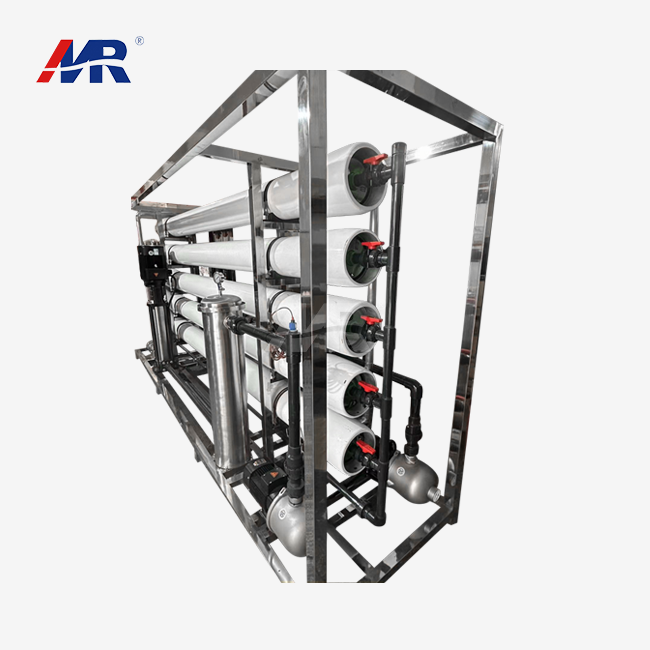 VIEW MOREreverse osmosis water treatment equipment
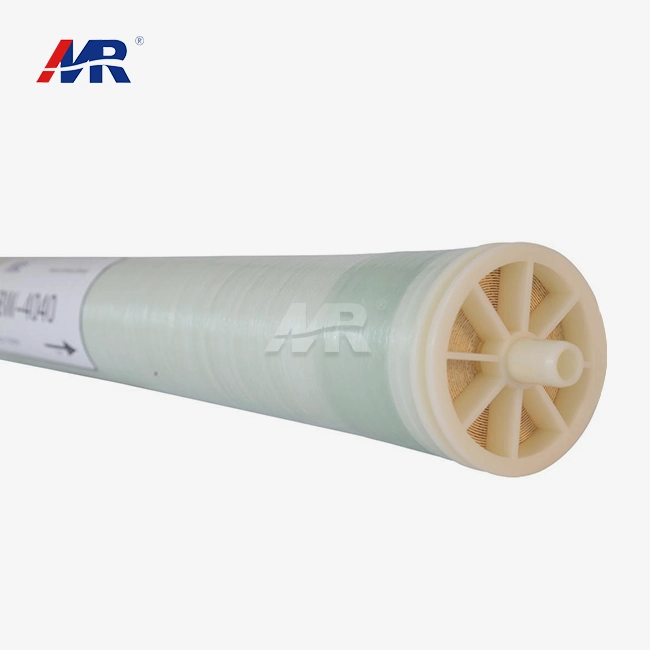 VIEW MOREro membrane
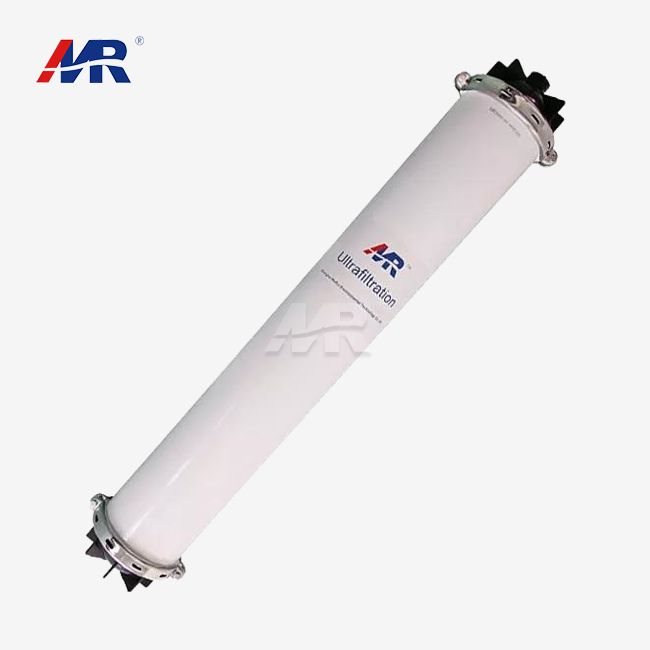 VIEW MOREultrafiltration membranes for water treatment
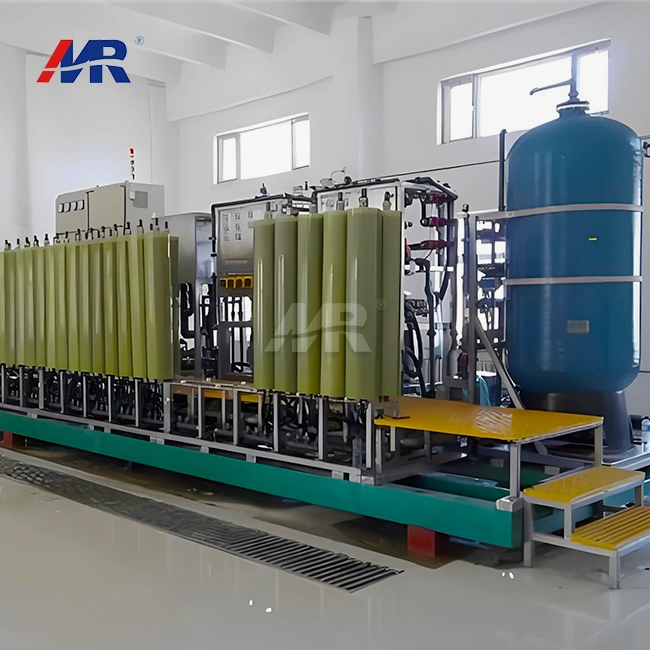 VIEW MOREDTRO system
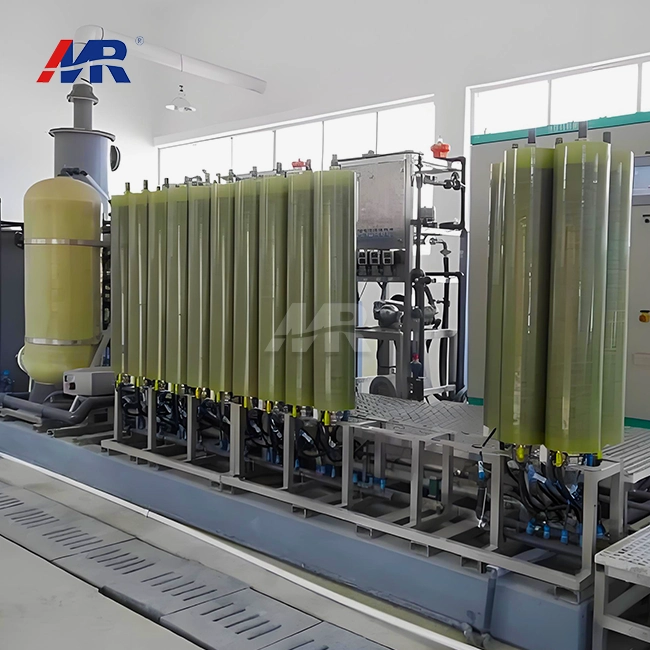 VIEW MOREDTRO Landfill Leachate Treatment
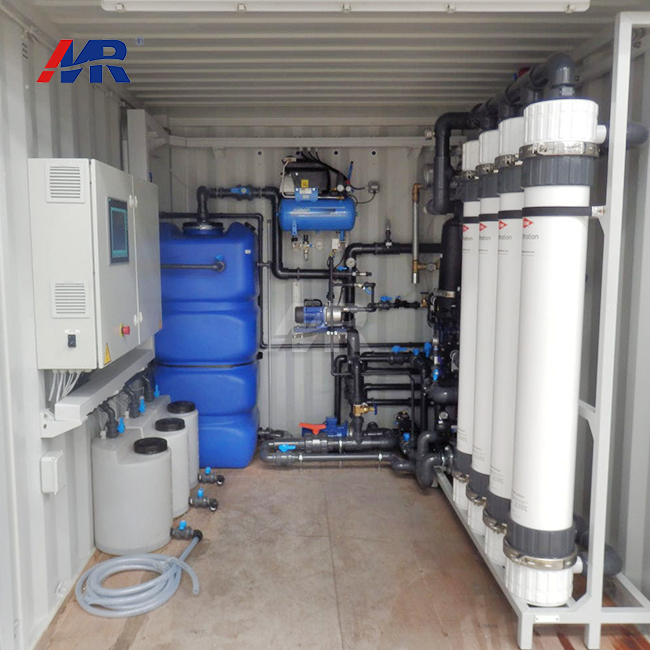 VIEW MOREcontainerized ultrafiltration equipment
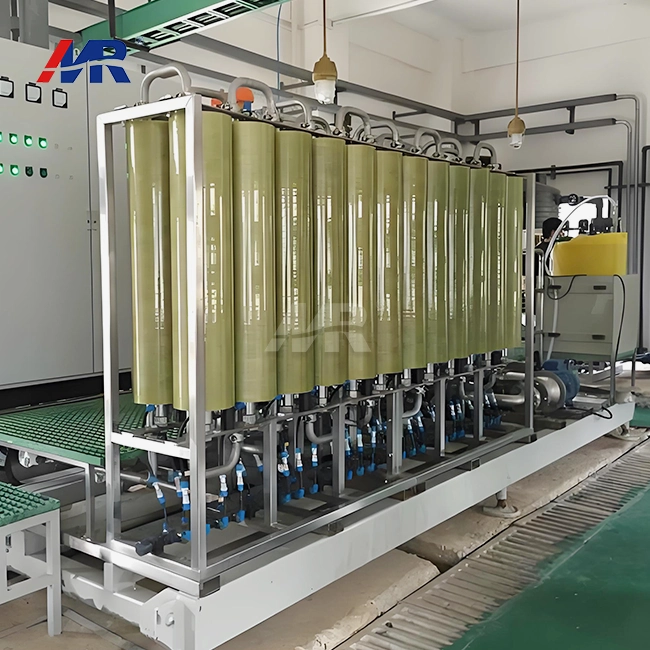 VIEW MOREDisc Tube Reverse Osmosis
 VIEW MOREportable wastewater treatment plant
