



An Introduction To The Importance Of Seawater Desalination
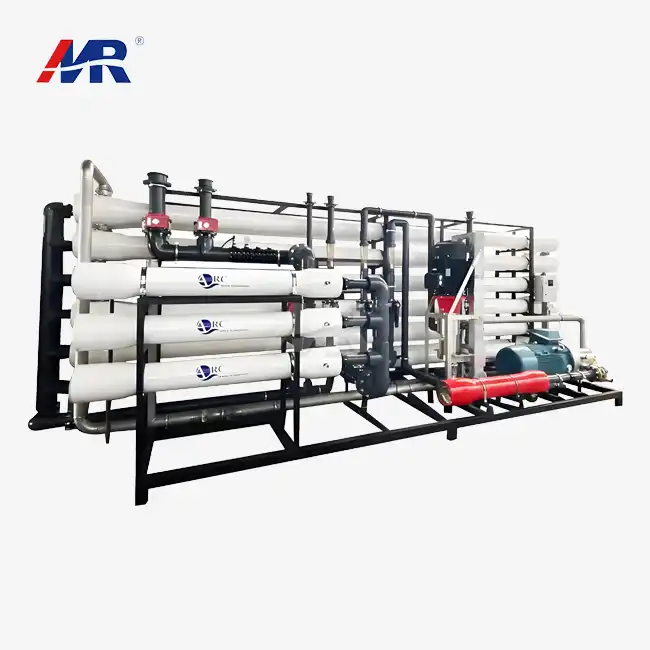
Desalination of seawater eliminates dissolved salts from ocean water so that communities and industry may make fresh water without depending on rainfall. Seawater Desalination Equipment achieves this by integrating intake, pretreatment, high-pressure pumping, reverse osmosis membranes, and post-treatment into a regulated system. The ocean may contain some 97% of Earth’s water, yet the WHO and UNICEF reported in 2022 that 2.2 billion people still did not have access to properly regulated drinking water. This book will show you why desalination is important, how the process works, what it costs, and how to choose a system for a coastal city, resort, port, or isolated industrial location.
Why Seawater Desalination Matters for Water Security
Growing Pressure on Freshwater Supplies
Desalination is the removal of salts from ocean water. Businesses and consumers may utilize this to get fresh water without having to wait for it to rain. There is technology for desalting seawater that performs this. It is comprised of one regulated system of intake, pretreatment, high-pressure pumps, reverse osmosis membranes, and post-treatment. 97% of the world's water is stored in the seas, yet in 2022, 2.2 billion people still lacked access to clean water. Why do we need to desalinate water? How does it function? How much does it run? This advice will assist you to select a system that works for a city, a beach resort, a port, or an industrial location in the middle of nowhere.
Where Desalination Already Works
The more people there are, the more business there is. Bad weather and lack of rain may also impact lakes, rivers, and streams. Many cities, villages, and companies are directly on the water, which is a supply that never runs out. Salt is the problem. Ocean water contains roughly 35,000 parts per million of dissolved solids. For drinking water, this level should be less than 500 parts per million. That's different from reusing or recycling water. It brings water that remains even when there isn’t enough in some years. This allows managers to choose better solutions for the long term.
Who Needs Seawater Desalination Equipment Most
Several groups depend on it. Drinking water for people on islands and coastal utilities. Often resorts, hotels, ports, and offshore platforms cannot get their supply from a pipeline and must create it themselves. Ships filter seawater on deck. Mines, oilfield camps, and isolated farms require a reliable water supply when fresh water is limited. We provide saltwater desalination equipment for municipal supplies, industrial processes, power plants, oil and gas activities, agriculture and irrigation, and hospitality and tourism. For each user, the priority is different: a utility watches cost per cubic meter, a resort watches footprint, a mine watches uptime and replacement parts. If you realize your priorities early, then all the decisions subsequently are easy.
How Seawater Desalination Equipment Works
The Five Steps From Seawater to Drinking Water
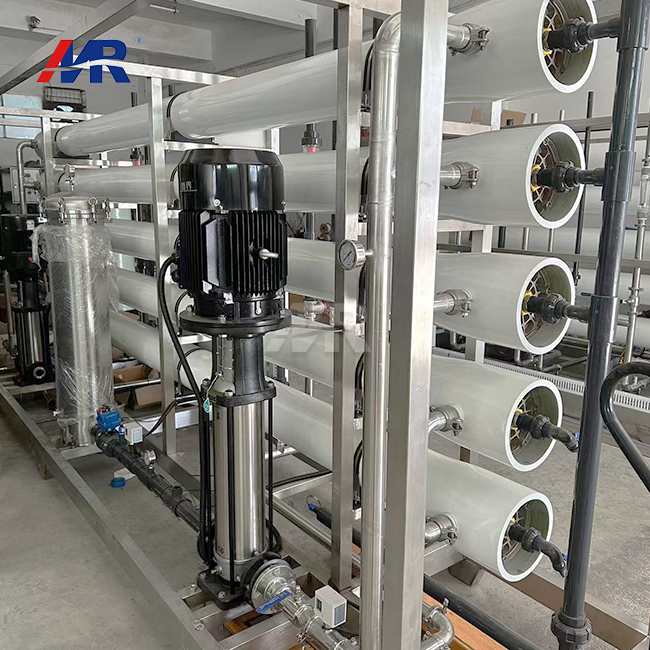
Show the five steps that make up our processes. A pipe brings water from the sea in, and it first goes through pretreatment. A high-pressure pump then raises the feed to the right pressure for reverse osmosis. It lets water through but not salts. This is the next type of membrane used in seawater desalination equipment. There are two kinds of streams: those that spread out and those that gather. It's the salty stream that stays behind. It's also written as brine. Minerals are added to the water to make it taste good and keep the pipes safe. The pH is changed. The water is then put away and sent to different places. There are things that add pressure to the process from the brine stream. It takes less power to do this.
Why Pretreatment Protects the Membranes
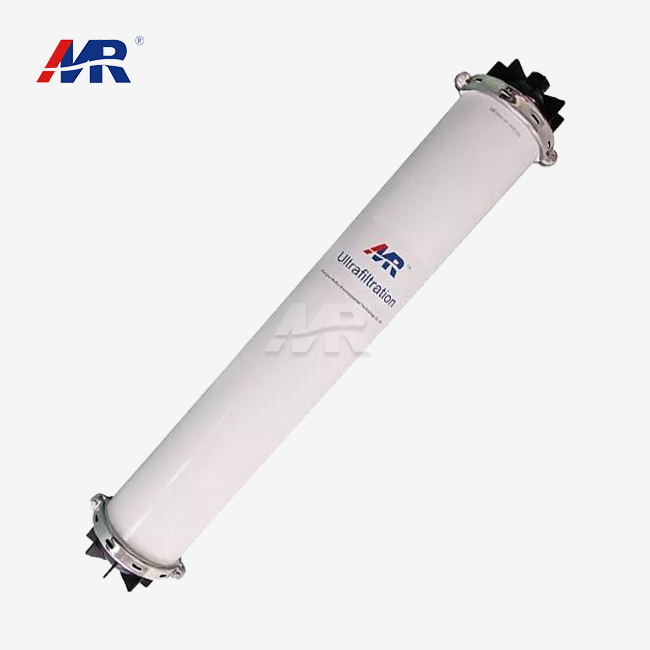
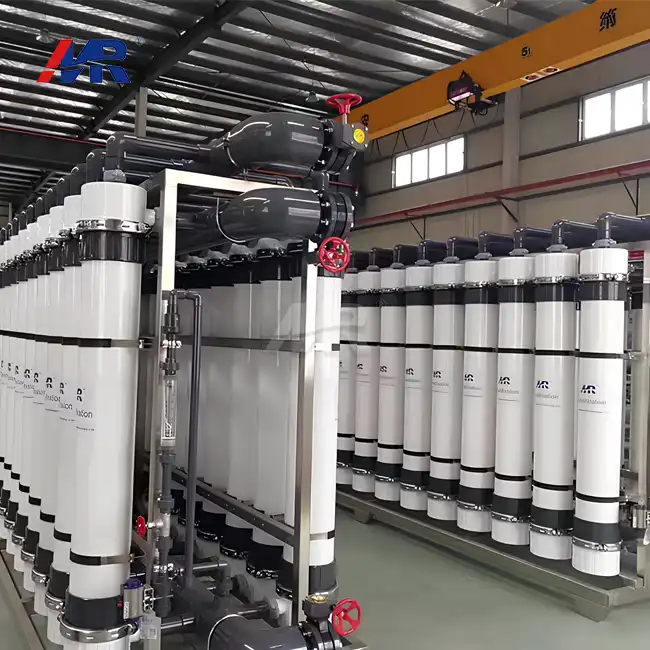
What you do to membranes before you use them can change how long they last. Sticky stuff like biofouling, dissolved solids, algae, oil, and organic matter can get stuck on barrier surfaces. They need to be cleaned more often because the pressure goes up. Depending on the type of seawater, pretreatment can include chemical dosing and multiple media filters, ultrafiltration, or both. The design team can now plan around the warm, clear, and salty water thanks to a new study of seawater. Do not take this step right now if you want to save money. It's possible that cleaning, new membranes, and downtime will cost you more. Since we make the membranes ourselves, we can choose ones that fit with the design of the process.
Recovery Rate and Brine Management
How much of the feed water is turned into product water is shown by the recovery rate. We can go as high as 45%, which is just above the 40% to 50% range for saltwater reverse osmosis. Every day, it takes about 2,222 m³ of feed to make 1,000 m³ of water at 45%. Salt is made from the extra water. As per Jones et al., 142 million m³ of brine are made by desalination plants every day. Lattemann and Höpner looked into how this affects the environment. In the US, projects that want to get release permits have to follow certain rules. Diffusers, dilution, and monitoring should be built in from the start because of this.
Choosing Equipment: Types, Formats, and Applications
Reverse Osmosis Compared With Thermal Desalination
The steam inside hot water settles down as it boils. A lot of people do it with flash distillation with more than one stage or effect. They work well in places like power plants that have cheap steam or waste heat. In reverse osmosis, electricity and pressure are used instead of heat. The modules are now more useful and take up less space. In Science, Elimelech and Phillip wrote that reverse osmosis is now the most common way to make new plants from seawater. This is mostly because it needs less energy. One of the main things we do is reverse osmosis. It doesn't lose heat and works well for most projects in factories, on the coast, or on islands.
Modular Capacity and Compact Formats
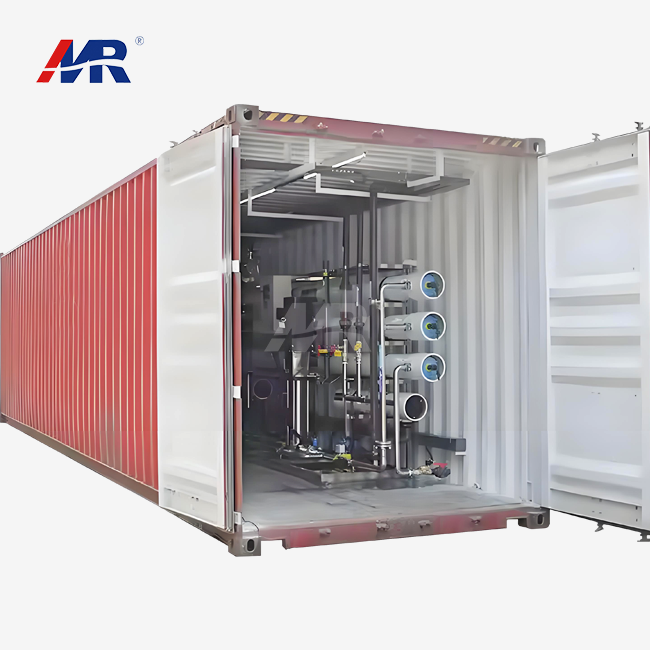
How much the system costs and how long it takes to ship depend on its size and style. It can be between 0.26 and 26.4 million gallons per day, or 1,000 to 100,000 m³. It's flexible, so a business owner can start with one train and add more as needed. Leave a small mark when there isn't much room, like on islands, ports, and platforms. It's simple for groups to move and connect portable units of seawater desalination equipment that come in boxes or on wheels. This makes them good for holidays, camps in the middle of nowhere, and emergency supplies. In big towns, several trains run at once so that one can stop and clean while the others keep going.
Matching Water Quality to the Application
The level of treatment is based on the last time it was used. We need to clean the water we drink and add minerals to it again. It's cleaned up in a lot of places, like power plants and tech companies. You can set different watering goals, but plants still need to know how much salt and boron they can handle. The daily demand is the first thing that is used to choose how much space to use. It needs 500 m³ and is used by the hotel for 20 hours a day. Things need to move at 25 m³ per hour. The feed pump needs to send about 55.6 m³ per hour at 45% recovery. When you add room for storage and long-term growth, you get a real number instead of a guess.
Energy, Cost, and Supplier Selection
What Drives Energy Use
The quantity of energy recovered, temperature, pace of recovery, pump efficiency, preceding pressure loss, condition of the membrane, and amount of energy recovered might vary. They were able to locate roughly 1 kWh/m³ of energy at 50% recovery, which was the minimum they could find. People in the industry believe that energy recovery devices in modern systems get 2.5-3.5 kWh/m³. It may be reduced to 3 kWh/m³. That's around 30 cents worth of electricity for every kWh that costs. Make sure to find out whether the pricing is for the whole plant or just the main pump.
Counting the Full Cost
Quotes reflect a fraction of the price. There is enough money in the budget to pay for shipping, setup, startup, replacement of membranes, chemicals, electricity, maintenance work, and brine management. Think about how much water costs or what the water you create is worth. This can help you figure out how much money you earn. Add how frequently you use the equipment, how you pay for it, how long it will last, and how long it will be down. When you’re done, conduct a sensitivity test. What does a 20% change in the price of power imply for the return? Smart tools that can be seen from a distance and materials that are free of rust allow workers to see issues early and remedy them before they get worse.
Choosing a Manufacturer
When choosing a service, don’t just look at pricing; search for evidence. The output alternates between normal and peak. What’s the difference? How long does the reaction take? What is included in the guarantee? What will they do with the spare parts? Then ask for a plan. Guangdong Morui Environmental Technology Co., Ltd. has more than 14 offices and more than 500 personnel, including 20 engineers. We do have a plant that produces membranes and a few firms that produce other items. ISO certified in our manner of manufacturing. It manufactures water pumps, valves, and instruments. Createc produces instruments while Runxin makes valves. Then the sensors, pumps, and valves will all be compatible with the way the system is set up. We undertake design work exactly how you want it, installation, commissioning, user training, maintenance, spare parts, and more. People in the US need to get in contact with us ASAP so they know what to do to acquire water and electricity.
Conclusion
Salt is collected out of the ocean to provide a dependable supply of fresh water when rivers, rain, and groundwater are insufficient. Another process, reverse osmosis, heats salt water, applies pressure, and filters out salt using membranes. Then the water that runs through these seawater desalination equipment systems gets mineralized again. We limit environmental impact and energy consumption by reusing energy and handling brine responsibly. Factors such as speed of recovery, salt, temperature, and quality of preparation might affect how well it works and how much it costs. The budget should include the cost of the tools and the cost of putting them up, procuring supplies, electricity, and maintenance. Reverse osmosis can do a lot of things, but it is at its finest when there is waste heat. Buyers receive the most accurate results by matching data from the actual site to size, format, and water quality.
FAQ
1. How does seawater desalination equipment work?
For starters, it heats the saltwater. After that, high-pressure water is pumped through reverse osmosis filters. These filters keep the salt away. At last, it lets the water go. The pH is changed, and vitamins are added to the food after it has been cleaned. After that, the food is put away and sent out.
2. How much energy does a system use?
Most systems that are used these days use about 2.5 to 3.5 kWh/m³. It might get as low as 3 kWh/m³. Check to see if the price comes with the whole plant or just the main pump.
3. What information do you need for a quotation?
We need to know how much water you want, how often you need it, the power source, the space you have, and the shape you want, like a skid or a container. These factors help our experts make a schedule, a plan, and a list of things that need to be done.
4. Can a system expand later?
Yes. It's easy for owners to add up to 100,000 m³ of extra space every day if they need to.
Request a Seawater Desalination Equipment Assessment From Morui
Some tools made by Morui are used to remove salt from water. The way it makes seawater desalination equipment is ISO-certified, and it has its own membrane machine. It also comes with full installation and training. We will help you pick a system and a delivery plan based on your daily needs, an analysis of the seawater, the conditions of the site, and your product-water goal. Get in touch with us at benson@guangdongmorui.com with these details.
References
1. WHO and UNICEF Joint Monitoring Programme, Progress on Household Drinking Water, Sanitation and Hygiene 2000–2022, 2023
2. Elimelech, M. and Phillip, W. A., The Future of Seawater Desalination: Energy, Technology, and the Environment, Science, 2011
3. Jones, E., Qadir, M., van Vliet, M. T. H., Smakhtin, V., and Kang, S., The State of Desalination and Brine Production: A Global Outlook, Science of the Total Environment, 2019
4. Voutchkov, N., Energy Use for Membrane Seawater Desalination – Current Status and Trends, Desalination, 2018
5. Ghaffour, N., Missimer, T. M., and Amy, G. L., Technical Review and Evaluation of the Economics of Water Desalination, Desalination, 2013
6. Lattemann, S. and Höpner, T., Environmental Impact and Impact Assessment of Seawater Desalination, Desalination, 2008
 VIEW MOREosmosis water purification system
 VIEW MOREultrafiltration membranes for water treatment
 VIEW MOREContainerized Reverse Osmosis Systems
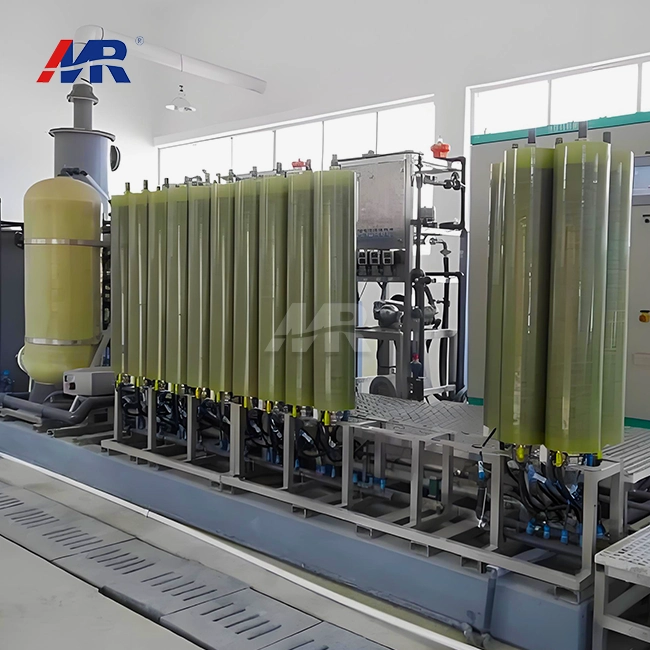 VIEW MOREDTRO Landfill Leachate Treatment
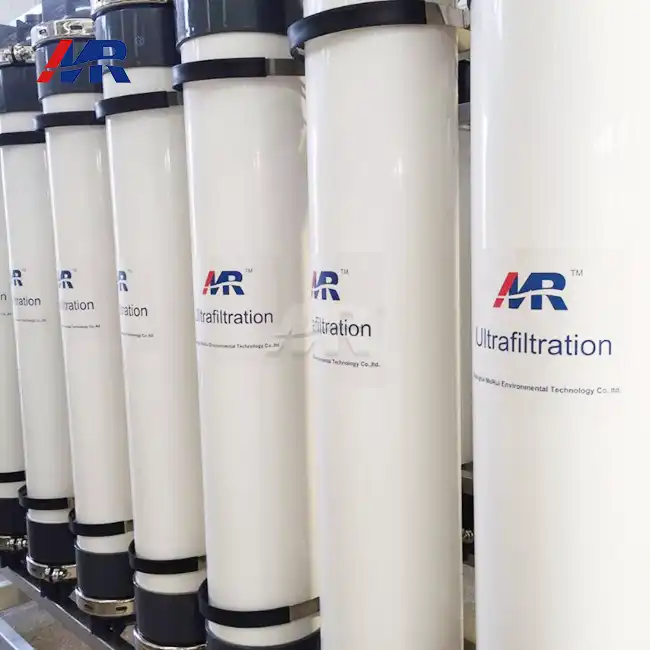 VIEW MORE90T/H ultrafiltration equipment
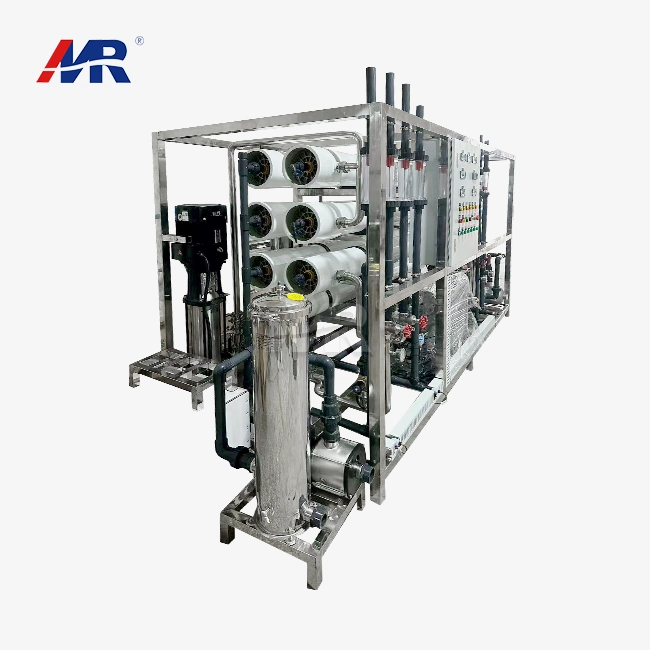 VIEW MOREedi module
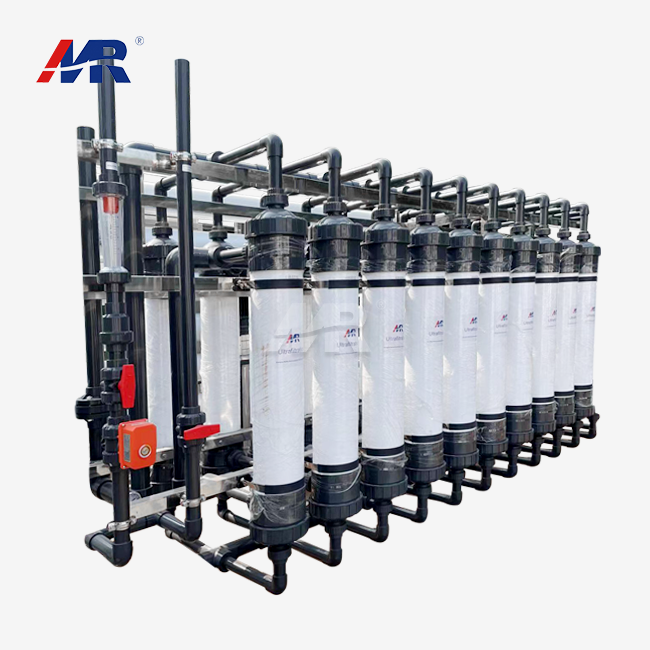 VIEW MOREultrafiltration drinking water system
 VIEW MORE200m3/hour UF plant
