



Desalination Plant for Industry: Making Seawater Work
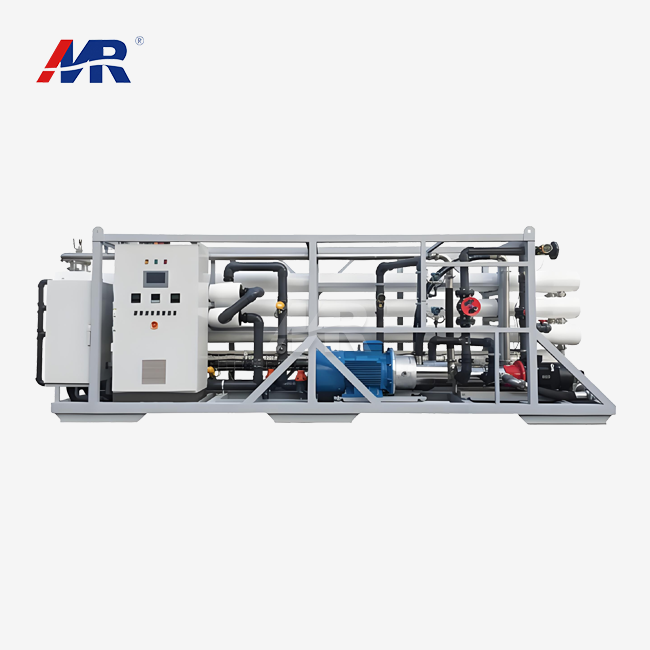
A desalination plant for industry turns seawater into usable fresh water by removing dissolved salt with reverse osmosis membranes. A well-designed seawater treatment plant combines intake screening, pretreatment, high-pressure membrane filtration, and post-treatment to produce drinking or process water on site. I wrote this guide for facility owners, engineers, and buyers who want a dependable supply without relying on strained municipal networks. Below, I explain how the technology works, what drives cost, and how the Morui MR-SWRO-8TH fits real projects, so you can decide with clear facts and a short list of questions for suppliers.
Why Industry Is Turning to Seawater Desalination
Water Pressure on Coastal and Remote Sites
A lot of places on the coast and in the middle of nowhere can't count on groundwater, rain, or a stable power line. Aquifers near the coast can get salty, and it is expensive to bring water to an island or mine camp by truck. The only source of water that most nearby places always have is the sea. There is a lot of salt in the ocean, with an average of 35,000 mg/L. This means that it needs strong cleaning. According to a 2019 study in Science of the Total Environment, there were almost 16,000 desalination plants running around the world. Each day, these plants made about 95 million cubic meters of water. That scale shows that the technology has been used for a while and is no longer a niche choice.
What a Seawater Treatment Plant Can Supply
A seawater treatment plant can make different kinds of water depending on what you add to it after it's been cleaned. Hotel and island utilities use the product as drinking water after it has been cleaned and remineralized. It cleans things, builds cooling towers, and does other general process work in industries. Most of the time, the boiler feed needs extra cleaning, like an extra pass or electrodeionization. Mines, drilling camps, ports, and offshore sites use small units to cut down on the amount of water that needs to be moved. The number of steps needed, the materials used, and the final price are all based on the end use, so I always tell buyers to start with that. You won't have to think again after giving that one answer.
Treatment, Desalination, and Reuse Compared
People often mix up three words. Any way you clean seawater is called "seawater treatment." This includes filtering water for cooling. Getting rid of the salt that has been dissolved is done by reverse osmosis or steam distillation. Whether the garbage comes from your own process or a public source, reusing it cleans it up. But it needs a steady supply of used water because there is less salt in the water when it is reused. Anyone who can get to the sea can use desalination. A lot of places do both. They reuse some water to meet some needs and have a desalination plant for business to meet the rest. You don't have to process as much seawater when you use that mix.
How Seawater Treatment and Reverse Osmosis Work
Intake and Pretreatment Come First
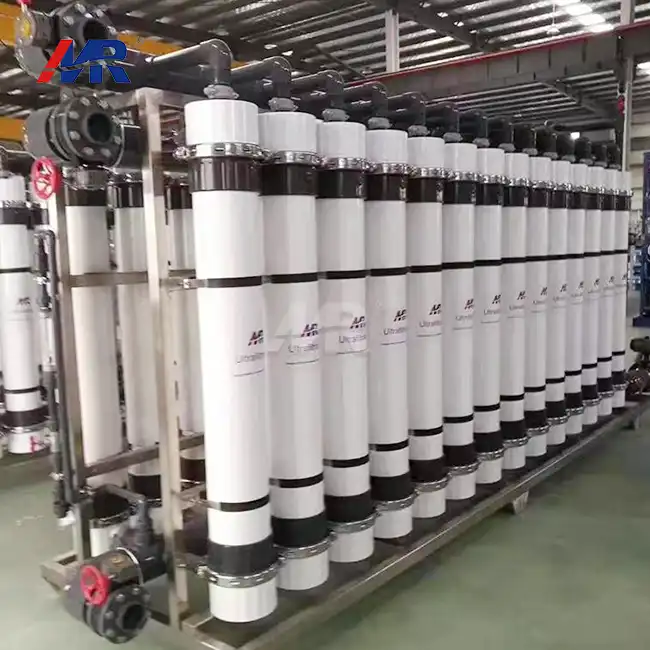
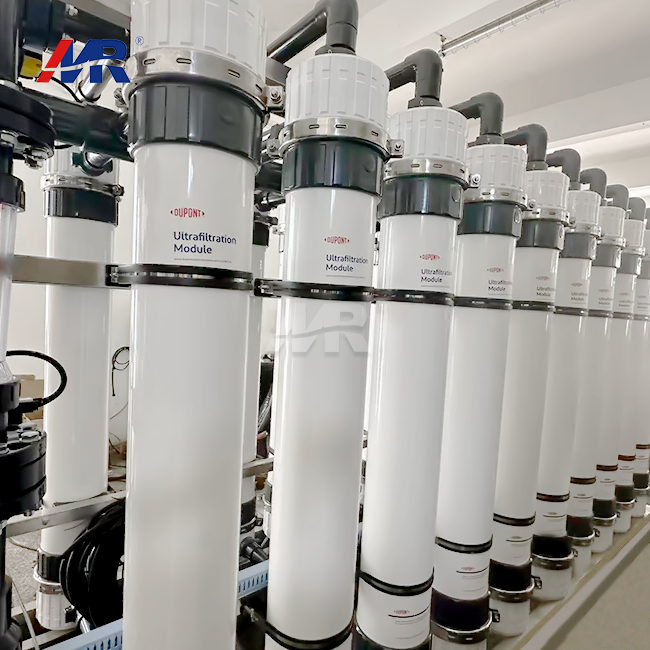
The most important part of any seawater treatment plant is the pretreatment, which keeps the membranes safe. Catch screens get rid of weeds, fish, and other junk. After that, ultrafiltration or multi-media screens get rid of the algae, turbidity, and solids that are suspended in the water. Adding chemicals stops scaling and biological growth before water gets to the membranes. When you foul the water, it gets hot, cloudy, or full of algae, which loses energy and makes it harder to clean. In general, ultrafiltration gives a more stable feed quality than multi-media screens alone, even though it costs more. The creator will not have to guess which pretreatment is best if they take water samples from your access point at different times of the year.
Membranes, Energy Recovery, and Brine
It is first cleaned and then forced through reverse-osmosis membranes by a high-pressure pump. Water passes through, but a stream of brine contains most of the salt that has been dissolved. Most of the time, pumps utilize the most power. There is a gadget that removes the pressure from the brine and returns it to the supply. This means decreased energy use per cubic meter. In a 2011 Science paper, Elimelech and Phillip concluded that removing salt from seawater at a 50 percent recovery rate would need at least 1.06 kWh per cubic meter of water. Plants need more; thus, it’s necessary to design patterns that function well.” The salty water is released at a licensed outlet or diffuser.
RO, Thermal, and Containerized Options
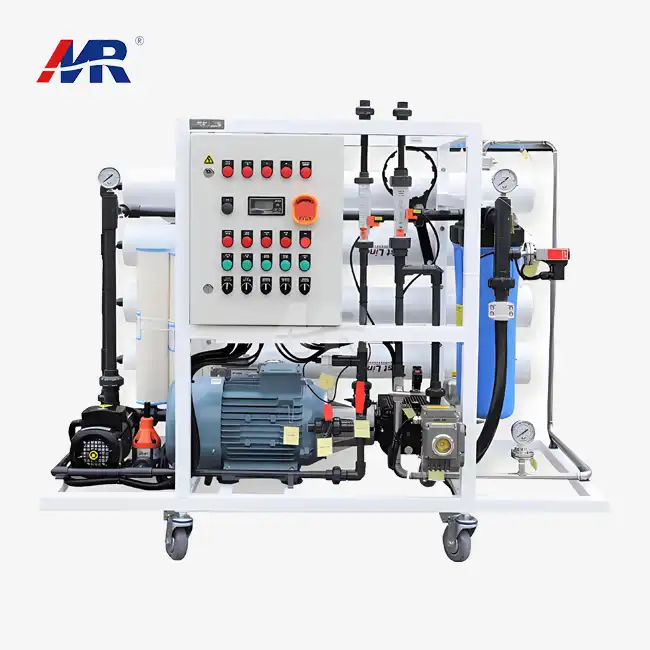
Easy to install extra units. Takes up minimal space. Quick to start up. Reverse osmosis is the best approach to filter saltwater for new projects. This might be advantageous if a power plant or operation already generates inexpensive steam or waste heat. If the need is far away, or has to be fulfilled in a hurry, a containerized unit is available assembled. All you need to do on site is connect the electricity and pipes and turn it on. Marine and skid-mounted styles are available for docks and boats when space and weight are at a premium. You may put it on a flexible plan if you need extra space. I believe for long-term municipal supplies, the form should be adapted to your location. e.g., permanent civil works for campgrounds, resorts, and short-term or emergency demands.
Morui MR-SWRO-8TH: What Buyers Should Know
Core Specifications
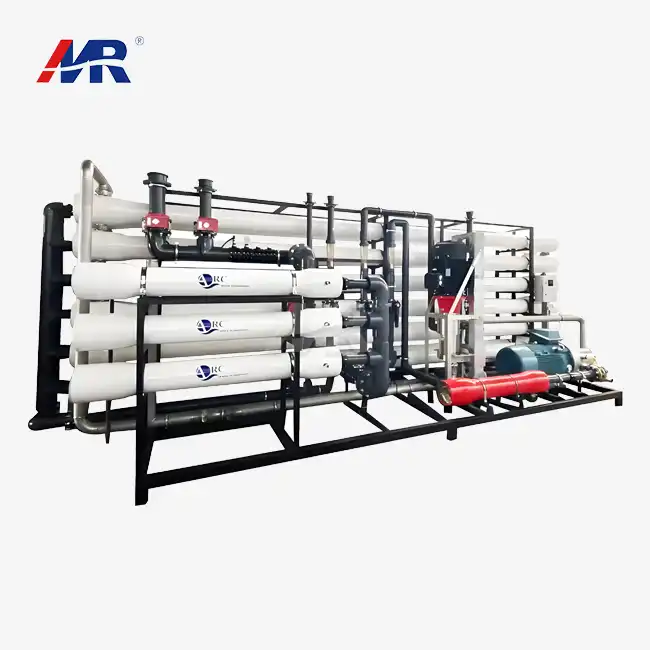
With the MR-SWRO-8TH, you can take the salt out of seawater. This is a ready-to-use double-layer membrane device. It is said to utilize 38.5 kW per hour of electricity to collect 38% to 45% of the salt and to reject 99% of the salt. And those membranes work together to reduce the energy consumption per ton of water. They achieve this by recovering energy and by preventing water pollution. This machine turns salty or brackish water into clean water, which may be utilized for drinking or business. Those figures are a fantastic starting point for comparing offers. For each provider, get the data on power, recovery, and rejection at the same temperature, same units, and the same quantity of salt in the feed. It’ll be fair to compare now.
What the Numbers Mean for Budget
The recovery rate is the quantity of feed water that is converted to product water. A unit producing 10 cubic meters per hour of water requires 25 cubic meters per hour of water at 40 percent recovery. Systems that utilize seawater require a long time to recover due to the high salt content, which increases the chance of scale and pressure as more water is removed. Divide the product flow per hour by the electricity utilized to obtain kWh per cubic meter. This will give you an estimate of the energy cost. Then take that figure and multiply it by the cost of power in your area. A 99% salt rejection on 35000 mg/L saltwater indicates that there is still roughly 350 mg/L of salt in the final water.
Custom Options for Your Site
Because the water along each coast is different in temperature, clarity, and saltiness, we make the package fit your water. Some of the choices are ultrafiltration or multi-media preparation, the SWRO stage, remineralization, energy recovery devices, and tracking from afar. We have installation forms for ships, containers, and skids, and we can talk about what you need for site surveys and pilot tests. For places outside or near the coast with salt air, it's important to have designs that can stand up to the weather. We have one group that works on pressure tanks, membranes, and whole systems. This is because Morui has its own tools and seawater treatment plant. Our service network speaks more than one language, so we can help with projects in other countries. Before you tell us about the project, you can sign a non-disclosure agreement (NDA).
Sizing, Cost, and Supplier Checks
Size Your Seawater Treatment Plant From Real Demand
Use real water usage for the start, not base rates. Write down average and peak daily demand, fluctuations throughout the year, plans for shifts, how much storage space, and future expansion. Add time for resting and cleaning the membrane. Divide the flow of product water by the flow of feedwater required to determine the recovery rate. It has to pull 600 cubic meters of saltwater a day for a site that requires 240 cubic meters of water a day. Water is stored in tanks so there is no need to construct equipment for peak demand. “This could help lower the cost of the equipment.” Run a pilot test or a complete feedwater study and verify that your assumptions hold true for all seasons.
Cost Drivers and Quote Comparison
The price depends on the flow rate, quality of the feedwater, materials, automation, energy recovery, civil works, and the quantity of brine that flows in and out. If you are only looking at tools vs. training, installation, and testing, it might seem like two very different rates. You should question each provider for a list of what they don’t supply, how much they can generate, the quality of the water, how much energy they consume, their warranty, replacement parts, delivery time, and what they do supply. Work that requires licenses and power might also cause price changes. The cost of energy, chemicals, membranes, labor, and maintenance throughout the life of the plant may be more than the price of the plant itself. ro membranes should last 3-5 years. If you clean and maintain them thoroughly before you utilize them. You're supposed to obtain new ones every three to five years. Not only the first measure, but every bill that came up.
Choosing a Manufacturer and Avoiding Risks
Most of the difficulties with desalination do not start with its operation, but with the way the project is designed. If you don’t plan for base capacity, if you don’t prepare well enough, if you don’t acquire brine permits, you may have delays and shutdowns. A reputable provider will test your water, recommend a method, test the equipment at the facility, ensure it is installed and operating properly, and educate yOur Team. Morui Group has more than 14 branch offices; we have more than 500 people and 20 engineers. Not only that, but we also sell Createc instruments, Runxin valves, and Shimge pumps. To purchase stuff in the U.S., many times people demand findings on tests that verify the purity of water, details on energy usage, and documents for water-related objects. Let us know what you need for your project, and we’ll try to assist.
Conclusion
Your business can get water from the coast and the middle of nowhere if you build a desalination plant. The water doesn't have to come from underground sources or the weather. A seawater treatment plant goes through several steps, including screening at the intake, pretreatment, high-pressure reverse osmosis, energy recovery, post-treatment, and permitted brine disposal. To get good results, make sure that the pretreatment is done on real feedwater, that the size is based on real demand, and that you compare quotes based on cost over the whole life of the system, not just price. The MR-SWRO-8TH uses 38.5 kW/hour of power, but only gets back 38–45% of that. It also throws away 99% of the salt. Buyers should write down these numbers and give them to any seller. Project risk is lower when there is clear data, a clear scope, and plans for membranes, energy, and brine that are based on reality.
FAQ
1. How long do SWRO membranes last?
If you treat them right before you put them down and clean them while they're in place, SWRO membranes should last between three and five years. As the temperature, turbidity, and working pressure of the ocean change, so does that range. Remember to keep an eye on the normalized flow and cleaning frequency so you can plan replacements before output drops. Your water company should be able to tell you when to repair your pipes based on the data they have about your feedwater.
2. What does the MR-SWRO-8TH produce?
You can use the MR-SWRO-8TH to change seawater or high-salinity brackish water into water that can be used for drinking or business. It can get rid of 99% of salt, recover 38–45% of it, and uses 38.5 kW/hour of power. The feed and any remineralization or second-pass steps that are added affect how good the water is in the end. That's why we make sure of our goals while the planning is going on.
3. What information do you need for a quote?
Please send a study of the seawater, the daily or hourly capacity needed, the goal water quality, the site's location, the working plan, the power that is available, and the timeline for the project. If you don't have a full report yet, let us know where you are and what you want to use it for. We can then talk about sampling and field tests. We can start by signing an NDA.
Contact Morui About Your Seawater Treatment Plant Project
Want to buy a seawater treatment plant from a business that makes its own membranes? Morui puts together SWRO membranes, pressure vessels, and whole systems that come in container, skid, or marine forms. They offer support in more than one language for projects in other countries. Send an email to benson@guangdongmorui.com with information about your seawater, capacity, and schedule, and our engineers will either suggest the MR-SWRO-8TH or make a design just for you.
References
1. The State of Desalination and Brine Production: A Global Outlook, Science of the Total Environment, 2019
2. The Future of Seawater Desalination: Energy, Technology, and the Environment, Science, 2011
3. Seawater Desalination Power Consumption, Water Reuse Association, 2011
4. Water Treatment: Principles and Design, John Wiley & Sons, 2012
5. Guidelines for Drinking-water Quality, World Health Organization, 2017
6. Desalination: Water from Water, Wiley-Scrivener, 2014
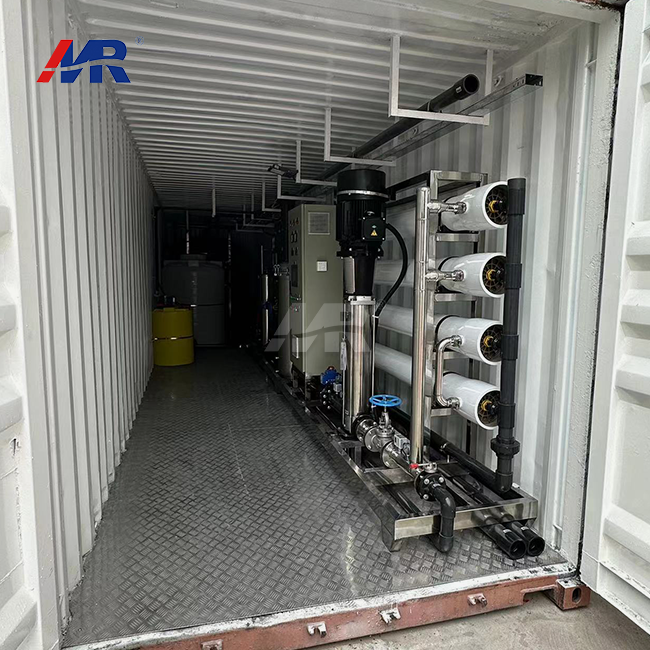 VIEW MOREcontainerized ro system
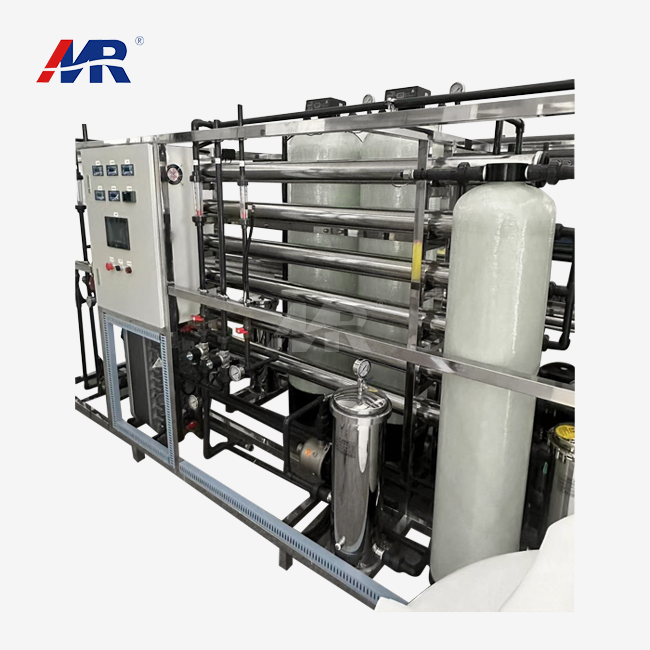 VIEW MOREelectrodeionization edi system
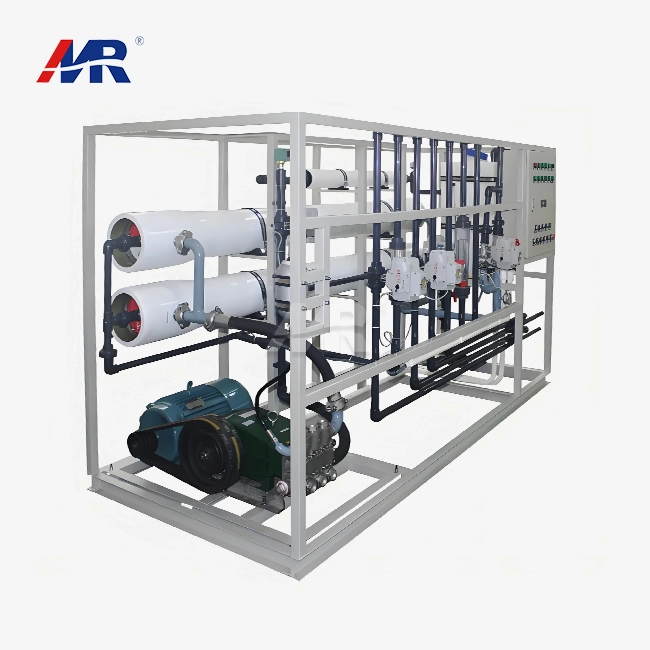 VIEW MOREseawater desalination pre-treatment
 VIEW MORE70m3/hour ultrafiltration plant
 VIEW MOREultrafiltration water treatment system
 VIEW MORE25m3/hour seawater desalination plant
 VIEW MORE2m3/hour seawater desalination equipment
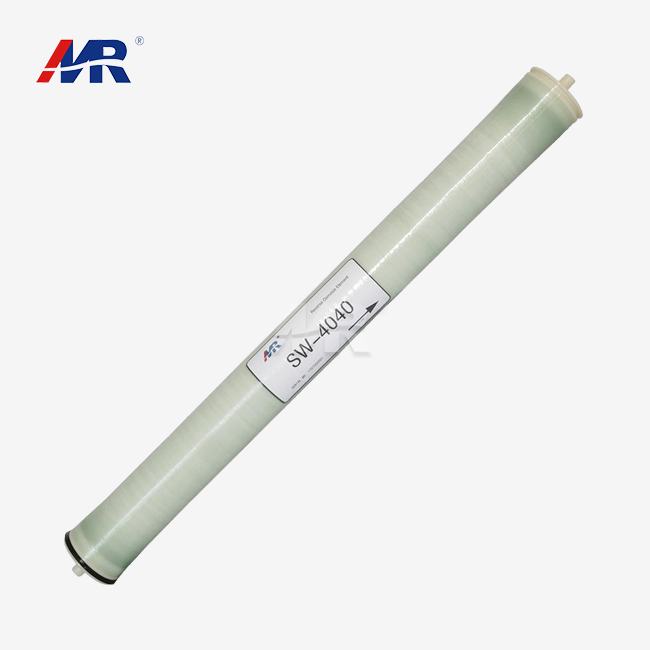 VIEW MORE4040 seawater reverse osmosis membrane