_1745823981883.webp)

How to Choose the Right containerized ro system
Choosing the right containerized RO system can feel overwhelming, especially when your operation depends on clean water reaching the right place at the right time. A mobile reverse osmosis unit housed inside a standard ISO shipping container brings together pre-treatment, membrane separation, and post-treatment in one ready-to-run package. Whether you manage disaster relief logistics, run a remote mining camp, or operate as a rental water service provider, this guide walks you through what actually matters when selecting a mobile water purification system that fits your site, budget, and compliance requirements.
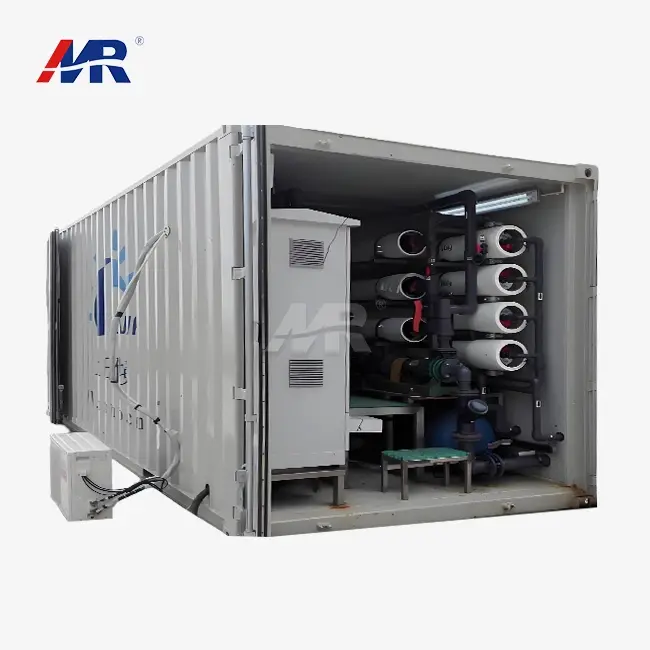
Understanding Containerized RO Systems and Their Advantages
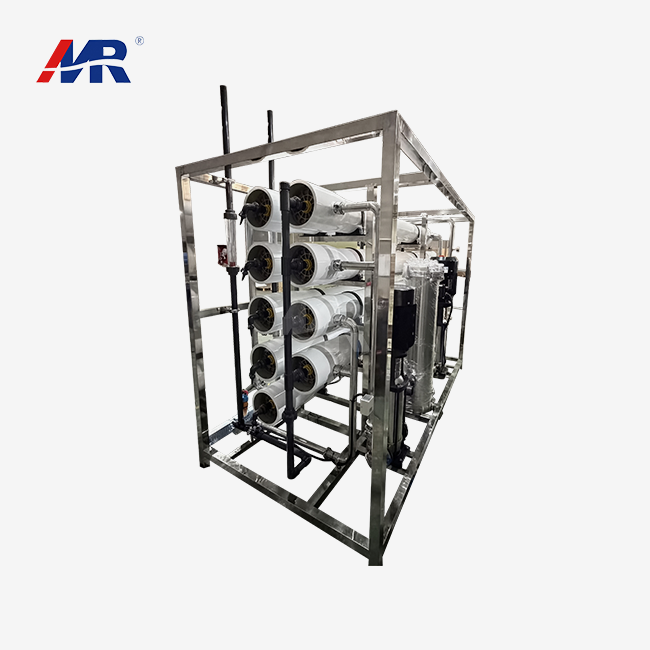
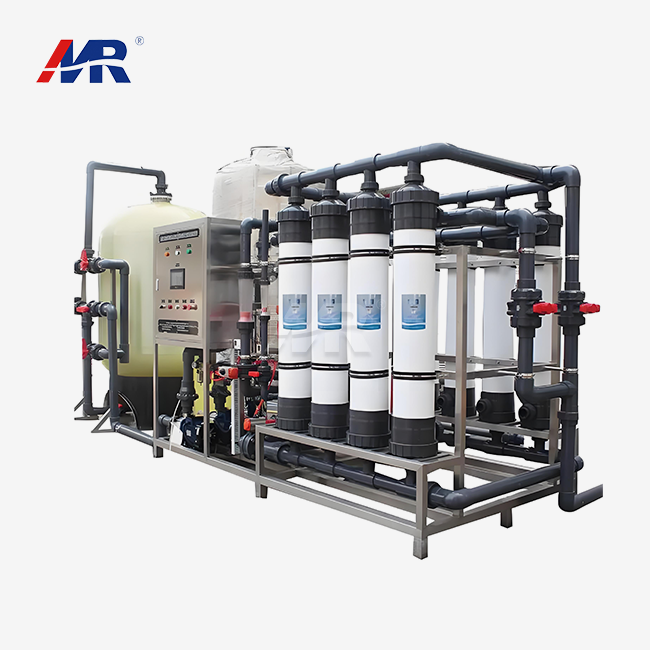
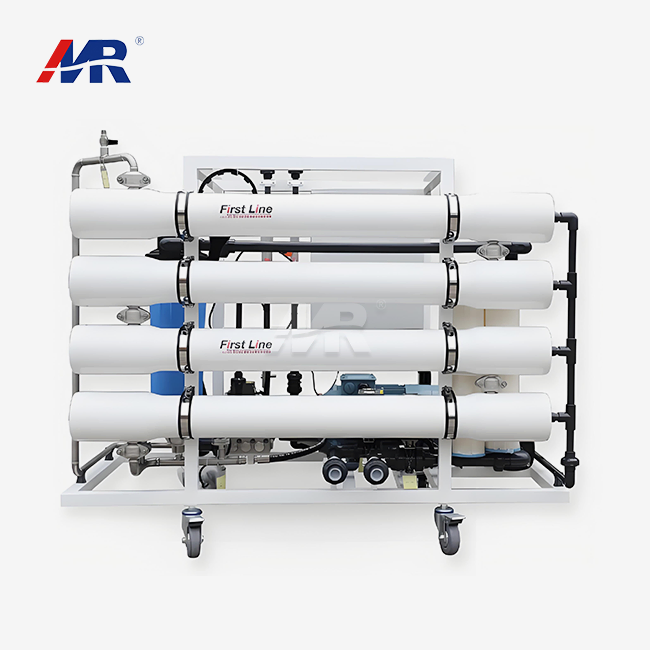
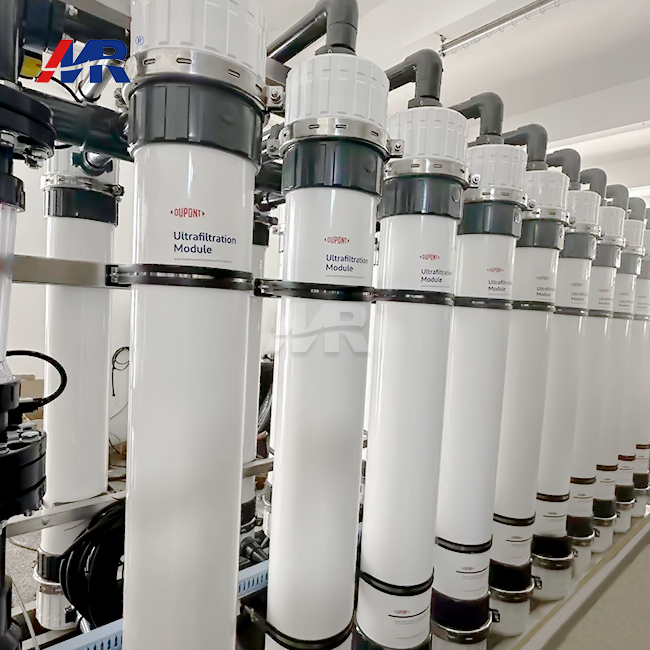
An RO system that is built inside a normal 20- or 40-foot shipping container is called a containerized RO system. The pipes, electrical cables, pumps, media filters, and ro membranes are all set up at the plant. When you get there, you just plug in power and a water source, and the system treats the water for you without any building work being needed.
How It Differs from Traditional RO Units
For traditional fixed-plant RO systems to work, they need concrete foundations, special buildings, and weeks of assembly on-site. Skid-mounted systems are somewhat portable, but they still need casings that go on the outside. A containerized unit is shipped as a weatherproof, sealed assembly that is ready to be put into service.
Core Operational Design
When fresh water comes into a containerized brackish water RO (BWRO) unit, it usually goes through media filtration, cartridge filtration, high-pressure pumping, membrane separation, and permeate gathering. Using chemicals to add antiscalant and change the pH level saves membrane life. This is exactly how the Morui MR-CTRO-25TH works: a media filter comes first, then BWRO membranes.
Key Performance and Mobility Advantages
The main things that make containerized mobile RO different from other options are listed below:
- Rapid deployment: Factory-built and pre-wired, the unit can be operational within hours of arrival, which matters critically in emergency water supply or disaster-relief scenarios.
- Relocatable design: Standard ISO container dimensions mean the unit loads onto any flatbed truck, cargo ship, or rail car without special permits in most jurisdictions.
- Scalability: Multiple container units can run in parallel, allowing water output to grow with demand without redesigning the plant.
These benefits directly solve the problems that purchasing managers encounter when they need to find water treatment for short-term or faraway locations. A single containerized unit can be used instead of months of traditional plant building, which saves time and money on the capital budget.
Critical Factors to Consider When Choosing a Containerized RO System
It's not always possible to use the same containerized RO system or containerized water treatment unit. Before you sign a lease or purchase order, you should honestly look at a number of technical and operational factors.
Feed Water Quality and Process Train Selection
Membrane selection is based on the nature of the feed water. The best groundwater for a BWRO is one that is brackish and has a TDS of 1,000 to 10,000 mg/L. When the TDS of seawater is more than 35,000 mg/L, SWRO membranes and higher-pressure pumps are needed. Before confirming the process train, you should always ask for a feed water analysis report. The Morui MR-CTRO-25TH has a media filter + BWRO design, which makes it perfect for use with brackish source water that is common in mining camps, building sites, and rural towns in the middle of the country.
Capacity, Energy, and Recovery Rate
The daily peak demand must match the capacity, not the average demand. The MR-CTRO-25TH, which can produce 25 tons per hour, needs 32 kW of power every hour. At a recovery rate of 55–65%, about 55 to 65 liters of every 100 liters that go into the system are turned into cleaned permeate. The leftover concentrate needs to be properly planned for release. At 98% salt rejection, the permeate TDS is always low, which means it meets most standards for drinking water and process water. Before making a decision, compare these numbers to your site's power source and brine disposal choices.
Maintenance Access and Lifespan Expectations
There is only so much space inside a container. Before you buy, make sure that the high-pressure pumps, cartridge filter housings, and membrane tanks can be serviced regularly without having to take apart equipment that is nearby. Ask the supplier how often the membrane and filters need to be changed and if there is a built-in CIP (clean-in-place) flushing system. A BWRO membrane that is well taken care of will usually last three to five years. Taking into account the availability of extra parts and the time it takes for service technicians to arrive at the site helps avoid unplanned downtime that costs a lot more than the maintenance contract itself.
Comparing Containerized RO Systems Against Alternative Solutions
Buying teams can make a good choice when they know where a containerized mobile RO unit works better than others and where it doesn't.
Containerized vs. Skid-Mounted RO Systems
Skid-mounted units are cheaper up front, but they need an outside enclosure, an electrical room, and sometimes civil work to be done on the ground. They work well for long-term setups inside where the temperature and area are controlled. Because the frame, insulation, lighting, and air of the container are all included, the unit cost of a containerized system is a little higher. The all-in-one form of a containerized unit lowers the total cost of installation for activities that happen outside, temporarily, or at more than one location.
Portable Containerized Units vs. Fixed Containerized Setups
Some RO systems that are shipped in containers are permanent installations that just show up in a container shell. True mobile units, on the other hand, have isolation valves, quick-connect lines for the inlet and exit, and a frame that can handle being lifted and moved over and over again. If you need to move the unit every six to eighteen months, as rental companies and EPC workers do, make sure that it is rated for transport-loaded situations as well as static operation.
Cost and Value Assessment
Containerized RO systems have a wide range of prices that depend on their capacity, process complexity, and level of customization. A normal 20–30-ton-per-hour BWRO container unit costs between $80,000 and $180,000 USD, but this depends on the brand of membrane, the amount of automation, and the type of container. It costs more for custom seawater units or cold climate setups. When reviewing quotes, don't just look at the unit price; also think about the cost of shipping, setting up, teaching the operator, and parts that will break during the first year.
How to Select the Best Containerized RO System Supplier and Brand
The company that backs the system is the only thing that makes it reliable. As much care should be put into choosing the equipment as into choosing the supplier.
Certifications and Compliance Standards
Water-contact material compliance, CE marking, NSF approval for relevant parts, and UL-listed electrical panels are all things that are expected in the US and EU markets. Not just specification sheets; ask suppliers to give you actual test reports on the quality of the treated water. Third-party lab results from unbiased testing groups are more reliable than data made by a business.
Warranty, After-Sales Support, and Spare Parts
Standard warranties cover mechanical and electrical parts for at least 12 months. What's more telling is whether the supplier keeps spare parts in stock locally or ships from a central warehouse, as well as how quickly they promise to respond to critical failures. When a supplier's engineering team can view system data and fix problems online, this is called remote monitoring. It makes downtime at faraway sites much less common.
OEM Customization and Long-Term Partnership
The company that makes Morui, Guangdong Morui Environmental Technology Co., Ltd., makes both standard and OEM containerized water treatment systems. The company Morui makes its own membranes and has more than 500 employees spread out over 14 sites. It offers UF+RO, RO+EDI, and seawater process choices in 20-foot or 40-foot containers. Distributors and hire fleet owners in other countries can get private label paperwork, local certification files, and remote O&M support.
Practical Steps to Procure and Implement Your Containerized RO System
A structured buying process keeps you from making common mistakes that cause costs to go up and launching to be delayed.
Define Scope and Build a Technical Specification
Starting with a written document that includes: an analysis of the quality of the feed water, the daily output needed, the available power supply (voltage, frequency, generator, or grid), the site's climate range, the preferred container size, and the limits on the discharge. This paper is used as a guide for every seller quote you ask for, and it keeps bids from being misaligned.
Evaluate Quotations Side by Side
When you get quotes, make sure to compare them based on the same criteria: rated output at your feed water TDS, energy consumption per cubic meter of permeate, recovery rate, membrane brand and model, container material grade, and the scope of the commissioning that is included. There is a risk of procurement when suppliers can't give these details in writing.
Commission, Train, and Monitor
When the system is delivered, it should be set up by a qualified commissioning engineer who should also check the flow rates and quality of the permeate and record baseline performance data. After that, operators should get training on daily checks, chemical doses, CIP processes, and how to respond to an alarm. Once the system is up and running, it should be checked against the baseline every month. Keeping an eye on changes in feed pressure, permeate TDS, and energy use can help you spot membrane fouling or scaling early, before it turns into a costly failure.
Conclusion
It's not enough to just buy the cheapest containerized RO system mobile RO water treatment unit; you also need to make sure that the technical specs match the conditions at your site. Choose the type of feed water, the amount of space you need, the power source, and how often you want to move first. Then, look at the suppliers' Certifications, their infrastructure for after-sales service, and their ability to make changes when your project needs them. With its media filter and BWRO process, 32 kW power consumption, 55–65% recovery rate, and 98% salt rejection, the Morui MR-CTRO-25TH is a good place to start for emergency response, mining, construction, and rental service markets that need to deal with brackish water.
FAQ
1. How often does a containerized RO system need maintenance?
As part of regular maintenance, the antiscalant chemical is topped up every one to three months, and the CIP membrane is flushed every three to six months, based on the quality of the feed water. Pump seals, the stability of the pressure vessel, and electrical links should all be checked once a year. At the time of commissioning, the provider should give you a full repair plan.
2. What is the typical operational lifespan of a containerized RO unit?
A containerized RO unit that is well taken care of can usually last between ten and fifteen years. Most RO membranes need to be replaced every three to five years. If the container is made of marine-grade or galvanized steel, the structure itself can last longer than the equipment inside if it is treated for corrosion on a regular basis.
3. Can I lease a containerized RO system instead of buying?
Yes. A lot of suppliers, including distributors that work with Morui, let rental operators and EPC project companies lease and pay for things over time. Leasing is a good option for short- to medium-term projects that care more about protecting their cash than owning an asset for the long run.
4. Is the MR-CTRO-25TH suitable for seawater applications?
The MR-CTRO-25TH has a BWRO process train that works best with salty water that has a modest TDS. For desalinating saltwater with a TDS level above about 35,000 mg/L, you need a specialized SWRO configuration with a higher working pressure. As a separate line of Products, Morui has containerized units that are designed to work with seawater.
Get a Custom Quote from Morui — Trusted Containerized RO System Manufacturer
The engineers at Morui are ready to help you find the best containerized RO system setup for your project. We can help both wholesale buyers and people who want to buy one-offs with everything from standard MR-CTRO-25TH units to full OEM builds with private labeling. You can get a detailed document, a water quality test report, or a quote for your project by emailing us at benson@guangdongmorui.com.
References
1. World Health Organization. Guidelines for Drinking-Water Quality, 4th Edition. WHO Press, 2017.
2. American Water Works Association. Reverse Osmosis and Nanofiltration (M46), 2nd Edition. AWWA, 2007.
3. Fritzmann, C., Löwenberg, J., Wintgens, T., & Melin, T. "State-of-the-art of reverse osmosis desalination." Desalination, 2007.
4. Voutchkov, N. Desalination Engineering: Planning and Design. McGraw-Hill Education, 2012.
5. U.S. Environmental Protection Agency. Membrane Filtration Guidance Manual. EPA, 2005.
6. International Desalination Association. IDA World Congress on Desalination and Water Reuse Proceedings. IDA, 2019.