_1745823981883.webp)

Membrane Used for Reverse Osmosis: Types and Benefits
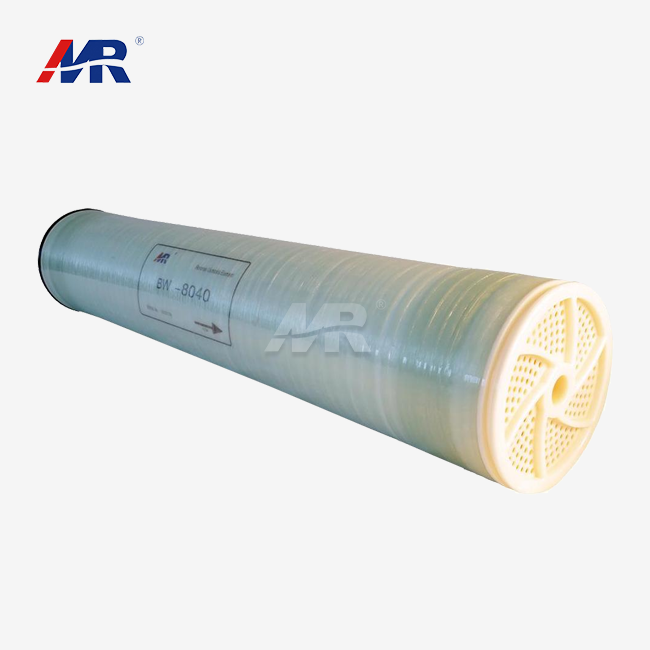
A membrane/8040-reverse-osmosis-membrane">membrane used for reverse osmosis is a semi-permeable barrier engineered to remove dissolved salts, heavy metals, bacteria, and organic compounds from water through a pressure-driven process. Applied hydraulic pressure forces water molecules through a dense polyamide layer while blocking up to 99.5% of solutes. In industrial water treatment, this technology addresses high TDS levels, contamination control, and the demand for consistent pure water output. Whether you operate a municipal water plant, run an OEM equipment line, or stock membranes for distribution, choosing the right ro membrane directly affects system output, operating cost, and service life.
Understanding Reverse Osmosis Membranes: Fundamentals and Key Benefits
How RO Membranes Work
RO membranes work by letting water diffuse through them. The applied pressure is higher than the natural osmotic pressure of the feed water. This forces water molecules through the thick polyamide barrier layer of the membrane while ionic contaminants are rejected. A normal Thin-Film Composite (TFC) element is made up of three layers: a polyester non-woven backing web that is about 120 µm thick, a polysulfone microporous interlayer that is about 40 µm thick, and an ultra-thin polyamide active layer that is about 0.2 µm thick and is made by interfacial polymerization. This shape lets a lot of permeate flow through while keeping ion rejection rates above 99%.
Key Performance Benefits
RO filtering is better than other treatment methods in measured ways. The Water Research Foundation says that RO systems are the best way to treat salty water, boiler feed water, and process water because they can lower TDS by over 95% in a single pass. The amount of energy used in current low-pressure elements has gone down a lot. According to figures from the International Desalination Association (2022), specific energy consumption in well-designed systems can drop to 3.0 kWh/m³.
Lifespan and Total Cost of Ownership
If you keep an industrial RO membrane in good shape, it should last between two and five years, depending on the quality of the feed water, the operating pressure, and how often you clean it. When procurement teams plan replacements instead of responding to performance drops, unplanned downtime is cut down, and the system lasts longer overall. Monitoring the normalized flow of permeate and salt once a month lets you know when a membrane is about to stop working properly.
Types of Reverse Osmosis Membranes and Their Industrial Applications
Thin-Film Composite (TFC) Membranes
TFC membranes are the standard for RO systems in businesses and factories. Their polyamide active layer can handle a wide range of pH levels (2–11 for cleaning cycles) and rejects salts at high rates (usually above 99%). Salty water, well water, city feed water, and Zero Liquid Discharge (ZLD) concentration stages are all good places for TFC elements to work. In this case, Morui's MR-LP-8040 is a TFC element that can reject 99.5% of salt and has a flow rate of 10,500 GPD and a working pressure of 1.55 MPa.
Cellulose Acetate (CA) Membranes
Cellulose acetate membranes were around before TFC technology and have one useful benefit for a membrane used for reverse osmosis: they can handle some chlorine, which lowers the cost of pre-treatment in some urban settings. Their salt rejection rates are lower (usually 95–98%), and they break down faster when the pH is not between 4 and 6. Ca elements aren't used as much in new industrial setups, but they're still used in old systems that haven't been upgraded to TFC yet.
Matching Membrane Type to Water Source
Sources of brackish water (TDS 1,000–10,000 mg/L) work well with low-energy TFC elements that work at lower feed pressure. For use in seawater (TDS greater than 35,000 mg/L), high-rejection SWRO elements that can handle up to 83 bar of pressure are needed. Compact 4040-standard parts are used in home and small business air purifiers. If you choose a membrane without making sure it works with the chemistry of the feed water, it will foul up quickly, use more energy, and have shorter element life.
Selection Criteria and Performance Factors for Optimal RO Membrane Procurement
Core Performance Metrics to Evaluate
Checking the numbers is the first thing you should do to get the right membrane for your system. Before placing an order, every procurement team should check these key performance indicators:
- Salt rejection rate: The MR-LP-8040 achieves 99.5% rejection under standard test conditions, meeting the benchmark for industrial brackish water applications.
- Permeate flow: At 10,500 GPD (approximately 39.7 m³/day), the MR-LP-8040 supports medium-to-large system configurations without requiring excessive element count.
- Active membrane area: Available in 34 m² or 37 m² options, giving engineers flexibility to fine-tune flux density for specific feed water conditions.
- Operating pressure: Rated at 1.55 MPa, the element balances output and energy draw for low-pressure brackish water service.
It is important to check these numbers against the manufacturer's test data sheet because they affect system size, pump choice, and long-term energy costs.
Fouling Resistance and Chemical Tolerance
The main reason why membranes fail too soon is fouling, which can be biological, colloidal, or scaling. Biofouling doesn't stick to TFC polyamide membranes that have smoother surfaces and changed surface charges. Chemical tolerance is important for cleaning protocols; parts that can handle pH levels 1–13 during rough Clean-in-Place (CIP) cycles last longer before they need to be replaced. Before you place a large order, you should always ask the seller for a membrane data file and a history of fouling.
OEM and Custom Configuration Options
A lot of the time, equipment makers and private-label water filter brands need more than just a basic catalog item. OEM owners can very exactly match performance to the needs of their machines by choosing their own active area, flux grades, and treatment levels. Morui has its own membrane production plant and can offer private label elements with specialized production runs, NSF-compliant paperwork, and failure-analysis support. All of these things lower the risk of certification for whole-machine approvals.
Common Issues with RO Membranes and Maintenance Best Practices
Fouling, Scaling, and Chemical Degradation
Over time, fouling from dissolved solids and bacterial growth slows down the flow of permeate, and scaling from calcium carbonate and silica raises the feed pressure needs for a membrane used for reverse osmosis. Free chlorine is the chemical that most often damages polyamide TFC membranes. Even 0.1 ppm of free chlorine exposure over long periods of time damages the active layer irreversibly. Putting in an activated carbon pre-filter of the right size and the right amount of antiscalant protects the membrane and keeps it working at its rated rejection rate.
Cleaning Protocols and Replacement Timing
When normalized permeate flow drops by 10–15%, regular chemical cleaning with low-pH citric acid solutions (for scale) and high-pH alkaline detergents (for biological foulants) brings flux back to normal. Cleaning cycles depend on the type of feed water. For example, city feed may need to be cleaned every three months, while high-silica well water uses may need more frequent cycles. If the standardized salt passage goes up by more than 15% from the starting point, you should replace the parts because continuing to work past this point makes the treatment process harder.
Case Example: Planned Replacement Cycles
After switching from reactive to planned replacement cycles tied to normalized performance data, a local water plant in the southwestern U.S. cut the cost of replacing membranes every year by 22%. The plant cut the number of emergency shutdowns from six a year to one by removing elements when they reached the 15% salt passage level instead of waiting for output to drop clearly. Regular upkeep is just cheaper than fixing problems when they happen.
Leading RO Membrane Suppliers and Procurement Guidance for B2B Buyers
Established Market Brands
Filmtec (DuPont), Hydranautics (Nitto), Toray, and LG Chem are all big names in the industrial RO membrane market. All of them have good technical documentation and sell their Products all over the world. People in the West who need NSF/ANSI 58 certification and third-party test results are especially interested in these names. The price is based on the name premium and the sales margin. This is a fair trade-off when regulatory compliance paperwork is the main reason for the purchase.
Evaluating Factory-Direct Suppliers
If you buy 8040 or 4040 elements in bulk by the pallet or crate, factory-direct buying is the best way to save money per unit without losing performance. The most important checks are warranty terms and batch consistency, which is shown by salt rejection and flux testing done by a third party on multiple production lots. If a seller backs up their guarantee with a 12-month warranty and traceable production data, distribution buyers can defend themselves with their own end customers.
Why Supply Chain Stability Matters
There are months of planning that go into the membrane repair processes in water plants. A supply problem in the middle of the cycle causes emergency sourcing at prices that are not fair. If a buyer checks out two or three suppliers for their standard element sizes instead of relying on just one, they can keep their negotiating power and make sure they always have supplies. Before you sign an annual supply agreement, get a written statement of your production ability and lead time promise.
Conclusion
When it comes to water quality, energy use, and service life, the membrane used for reverse osmosis is the only part that counts. For the most industrial, business, and OEM uses, TFC polyamide parts in normal 8040 and 4040 shapes are the best choice. Decisions like matching membrane specs to actual feed water conditions, planning preventative maintenance, and choosing suppliers based on performance data instead of price alone are what set apart water treatment operations that work well from those that have to deal with membrane failures all the time. Having the right technical data at the start can save you time and money later on, whether you are looking for a new installation, planning a replacement cycle, or looking at private-label options.
Frequently Asked Questions
1. How often should industrial RO membranes be replaced?
Most industrial TFC membrane elements last two to five years under normal operating conditions. Replacement timing depends on feed water quality, operating pressure, and cleaning frequency. The standard industry trigger is a 15% increase in normalized salt passage or a 15% drop in normalized permeate flow from baseline. Scheduled replacement based on performance data is more cost-effective than waiting for visible output failure.
2. What is the difference between TFC and cellulose acetate RO membranes?
TFC (Thin-Film Composite) membranes use a polyamide active layer that delivers salt rejection above 99% and tolerates a wide pH range for cleaning. Cellulose acetate membranes offer moderate chlorine tolerance but lower rejection rates (95–98%) and a narrow operational pH band (4–6). For most new industrial installations, TFC is the standard choice.
3. Can one membrane element handle both brackish and seawater?
No. Brackish water RO membranes are designed for TDS ranges of 1,000–10,000 mg/L at lower feed pressures (typically under 20 bar). Seawater RO membranes handle TDS above 35,000 mg/L and require operating pressures up to 83 bar. Using a brackish water element on a seawater feed will result in poor salt rejection and rapid membrane damage. Always match the element to the source water TDS.
Request a Sample or Bulk Quote from Morui — Membrane Used for Reverse Osmosis Supplier
Morui sells industrial-grade TFC membrane used for reverse osmosis elements, like the MR-LP-8040, straight from our own production plant. This way, we can control the quality, make the specs clear, and give you factory prices. Our engineering team can help you with everything from choosing the specs to getting technical help after the sale. Whether you need a sample package for system testing, a container order for distribution stock, or private-label parts for your OEM product line, we can meet your needs. You can email us at benson@guangdongmorui.com to get a price list or data sheet for your next order.
References
1. Water Research Foundation. Membrane Technology for Water and Wastewater Treatment. Water Research Foundation, 2019.
2. International Desalination Association. IDA Desalination Yearbook 2022–2023. Media Analytics Ltd., 2022.
3. Fritzmann, C., et al. "State-of-the-art of reverse osmosis desalination." Desalination, 2007.
4. Petersen, R. J. "Composite reverse osmosis and nanofiltration membranes." Journal of Membrane Science, 1993.
5. AWWA (American Water Works Association). Reverse Osmosis and Nanofiltration Manual of Water Supply Practices — M46. AWWA, 2007.
6. Baker, R. W. Membrane Technology and Applications, 3rd ed. Wiley, 2012.