

_1745823981883.webp)

Biological Reactor Wastewater Treatment Process Explained
In the process of biological reactor wastewater treatment, microbial populations interact with polluted water in order to break down organic contaminants, nitrogen, and phosphorus. This process is under regulated conditions. In order to speed up the process of pollutant degradation, these designed systems, which include membrane Bioreactors (MBR), Sequencing Batch Reactors (SBR), and Moving Bed Biofilm Reactors (MBBR), keep high concentrations of biomass under conditions that have been optimised. This technique immediately solves the problems that have been plaguing the sector, such as high COD discharge, excessive sludge formation, limited land availability, and the inability of physical-chemical solutions to achieve Class A discharge regulations in an economically viable manner.
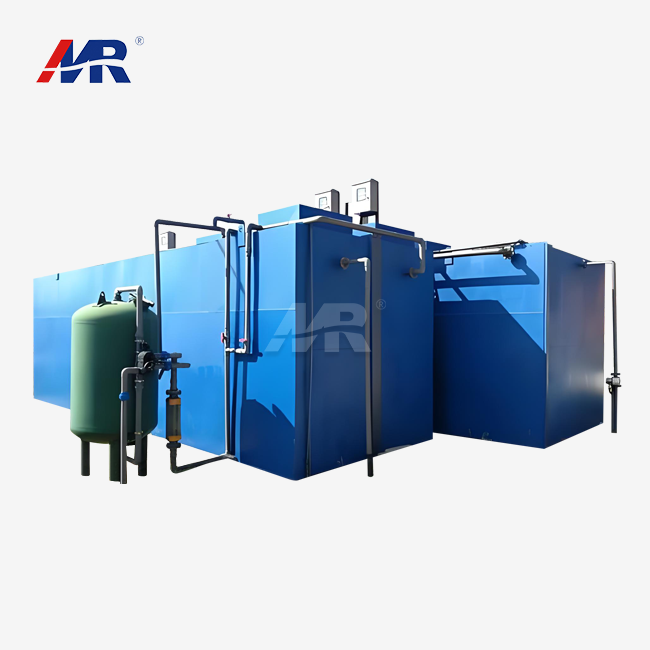
Understanding the Biological Reactor Wastewater Treatment Process
Step 1 — Influent Characterization and Pretreatment
Prior to the wastewater being introduced into the reactor, operators filter and characterise the influent wastewater. Measurements of the dissolved solids, nutrient loads, BOD, and COD, as well as pH, are one method for accomplishing this goal. The pretreatment process often includes components such as equalisation tanks, bar screens, and grit chambers. Equalisation, when performed correctly, makes it possible to prevent flow and concentration jumps from occurring before they reach the subsequent biological stage. Because of this, the microbial population is prevented from becoming unstable as a result of shock loading.
Step 2 — Biological Treatment Stages
In the biological stage, the majority of the job is completed. In aerobic zones, bacteria are responsible for the process of nitrification, which involves the breakdown of liquid organic matter and the transformation of ammonia into nitrate. In environments devoid of oxygen, bacteria that denitrify have the ability to convert nitrate into nitrogen gas. The removal of phosphorus may be accomplished by biological processes in some systems that have anaerobic zones. The levels of dissolved oxygen (DO) in aerobic sections are often maintained at a range of 1.5 to 3.0 mg/L. This ensures that bacteria are able to continue their job without experiencing any loss of energy.
Step 3 — Biomass Management and Effluent Discharge
Clarifiers or membrane units are used to separate the activated sludge from the treated wastewater that has been brought through the biological treatment process. It is necessary to dispose of excess sludge at a controlled pace in order to maintain a healthy Sludge Retention Time (SRT), which in MBR systems typically ranges from ten to thirty days. In order to prevent the sewage from being discharged or utilised once again, it must first be cleaned and then disinfected. A number of important control elements, including temperature (between 15 and 35 degrees Celsius), pH (between 6.5 and 8.5), and Hydraulic Retention Time (HRT), have a direct impact on the efficacy of the treatment process and the quality of the effluent.
An MBR unit was installed in lieu of the previous activated sludge system at a food processing organization located in the Midwest region of the United States. In addition to removing more than 95% of the COD, it was able to fulfil the discharge limits set out by the EPA at all times and reduce the expenses associated with getting rid of the sludge by around 30%.
Types of Biological Reactors and Their Applications
Activated Sludge Systems
A lot of wastewater from cities is treated with activated sludge, which is the most common biological treatment technology in the world for biological reactor wastewater treatment. It works well for modest organic loads and gives you options for how to run your business. But it needs big tanks for settling and careful control of the concentration of mixed liquid suspended solids (MLSS), which is usually kept between 2,000 and 4,000 mg/L.
Biofilm-Based Reactors (MBBR and Fixed Film)
MBBR systems put groups of microbes on plastic frames that move around easily in the reactor. This biofilm structure makes the system better able to handle changes in organic load and harmful shock loads. Fixed-film and packed-bed reactors work in a way that is similar, but their media stay in place. These setups work well with wastewater from industries like aquaculture, food processing, and textile dyeing where the quality of the input water changes a lot.
Membrane Bioreactors (MBR)
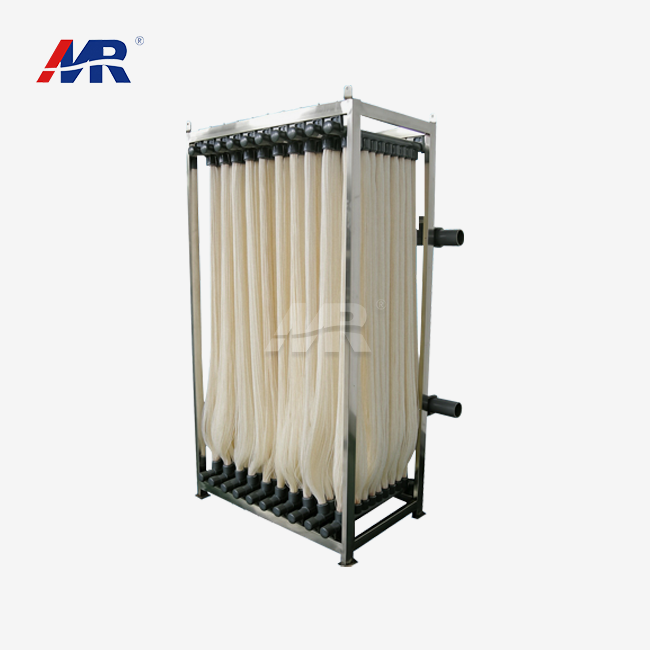
MBR technology combines activated sludge biology with membrane filtration in a single unit. The membrane takes the place of the secondary clarifier, making waste water that is directly safe for reuse. MBR systems keep MLSS levels at 8,000–12,000 mg/L, which is much higher than regular systems. This means that the reactor area is much smaller. The MR-MBR-20 from Morui is a real-world example of this technology. It has a PVDF flat-sheet membrane with 0.2 µm pores, a 20 m² effective filter area, and a small module size of 2000 ×578 ×39.4 mm, making it perfect for places with limited room.
Advantages and Optimization of Biological Reactors in Wastewater Treatment
For large-scale removal of dissolved organic matter, biological treatment always works better than chemical or physical-only methods. The cost per unit of treated volume is lower over the lifetime of the system, and it has a much smaller impact on the environment because no coagulant chemicals are used in the biological stage.
Because biological reactor systems work better than other options, they are a popular choice for businesses and cities.
- High effluent quality: MBR systems routinely achieve BOD < 5 mg/L and TSS < 1 mg/L, meeting Class A reuse standards or EPA secondary treatment benchmarks without tertiary polishing in many cases.
- Reduced sludge output: Operating at longer SRT means less excess sludge is wasted daily. MBR systems typically generate 30–50% less sludge than conventional activated sludge processes, cutting biosolids disposal costs meaningfully.
- Compact footprint: Replacing the clarifier with a membrane module reduces the plant area requirement by up to 50%, which matters greatly for urban upgrades and remote-site installations.
- Automation-ready design: Modern MBR units include PLC-based control with automated backwash, aeration cycles, and remote monitoring, reducing the need for constant on-site operator attention.
These benefits directly lead to real practical savings and trust in regulatory compliance for both city and business operators using biological reactor wastewater treatment. This performance can be maintained by keeping an eye on DO levels, cleaning the membranes on a regular basis, and checking the health of microbes on a regular basis. These actions stop fouling and keep the system running well all year long.
Choosing and Procuring Biological Reactor Systems for Your Facility
Matching Technology to Wastewater Characteristics
Before choosing a reactor type, you should first do a full analysis of the influent. MBBR or MBR configurations are often good for high-strength organic wastewater from the textile or food industries. Compact integrated MBR units work well with sewage from homes in neighborhoods or construction sites. Containerized systems with self-contained settings are the best choice if the place is far away or only there for a short time.
Evaluating Suppliers and Customization Options
When looking for a biological reactor wastewater treatment system, make sure the seller has the right licenses and can give you real test results on the effluent quality. Find out how long the membrane should last, how to clean it, and how much energy it uses. These things have a direct effect on your total cost of ownership. You can make sure that the suppliers who offer OEM/ODM options can change the tank layout, PLC programming, and module size to fit your site's layout and discharge standard. Here are some things you should look for in biological reactor wastewater treatment suppliers:
Key Procurement Considerations
If you choose a supplier that does both membrane manufacturing and full system integration, you only have to deal with one person from concept to commissioning. This makes the job much less risky.
- Membrane specification: Confirm material (PVDF is preferred for chemical resistance and long service life), pore size (0.2 µm for pathogen removal), and effective area relative to your daily flow.
- System configuration: Buried, above-ground, or containerized options affect civil construction cost and installation timeline significantly.
- After-sales support: Ask about commissioning training, spare parts availability, and remote O&M capability—especially important for decentralized or international projects.
- Compliance documentation: U.S.-based buyers should request NSF/ANSI compliance data, energy-efficiency reports, and treated-water quality certificates before finalizing any purchase.
Selecting a supplier who combines membrane manufacturing with complete system integration gives you a single point of accountability from design through commissioning, which reduces project risk considerably.
Conclusion
Engineers can meet today's stricter standards for release and reuse in a safe and space-efficient way with biological reactor wastewater treatment systems. Choosing the right technology, from activated sludge to advanced MBR configurations, relies on the type of influent, the limitations of the site, and your long-term operating budget. The MR-MBR-20 is a useful, tried-and-true solution for municipal, industrial, and decentralized treatment needs in the US and beyond, thanks to its 20 m² PVDF membrane, 0.2 µm filtration accuracy, and small 2000×578×39.4 mm module. Compliance doesn't have to be hard to get to if you have the right process understanding and the right tools.
Frequently Asked Questions
1. What is the difference between aerobic and anaerobic biological reactors?
Oxygen is supplied to aerobic reactors to bacteria that break down organic matter and nitrify it. They work best with sewage from homes and moderately strong commercial wastewater. Anaerobic reactors don't need air to work, so they're better for processing strong organic garbage. As a byproduct, they make biogas. Many advanced methods use both zones together to get rid of nitrogen and phosphorus at the same time.
2. How long does a biological reactor system typically take to start up?
Startup, also known as biomass seeding and adaptation, usually takes two to six weeks, but this can change based on the type of wastewater and the availability of seeding sludge from an existing plant. When sludge is added to MBR systems, they can reach stable operation faster than systems that start from scratch.
3. What routine maintenance does an MBR system require?
Every day, operators should check DO, MLSS, and transmembrane pressure (TMP). Chemically enhanced backwash (CEB) with sodium hypochlorite or citric acid is done on a regular basis to recover flow. Membrane relaxation cycles happen on their own. Most unexpected downtime can be avoided by checking the diffusers, pumps, and level monitors physically once a month.
4. What is the expected lifespan of PVDF membranes?
Flat PVDF membranes usually last between 5 and 10 years if they are well taken care of and go through normal CEB cycles. The 0.2 µm PVDF membranes used in Morui's MR-MBR-20 were chosen because they are stable over time and don't react to chemicals that are used for cleaning.
Partner with Morui for Your Biological Reactor Wastewater Treatment Needs
Guangdong Morui Environmental Technology Co., Ltd. has its own workshop for making membranes and several sites for processing equipment. Twenty engineers and a staff of 500 people spread across 14 branches help the company run. Morui is a biological reactor wastewater treatment manufacturer that can do both original equipment manufacturer (OEM) and custom design manufacturing (ODM). They can make membrane modules, integrated MBR units, and control systems that are suitable for your input quality and output standards. We can plan, build, install, and provide assistance for your system after the sale, whether you need a standard MR-MBR-20 unit or a fully containerized custom system. You can get a technical datasheet, effluent quality report, or quote for your project by emailing us at benson@guangdongmorui.com.
References
1. Metcalf & Eddy / AECOM. Wastewater Engineering: Treatment and Resource Recovery. McGraw-Hill Education, 2014.
2. Judd, S. The MBR Book: Principles and Applications of Membrane Bioreactors for Water and Wastewater Treatment. Elsevier, 2011.
3. U.S. Environmental Protection Agency. Membrane Bioreactor Technology for Wastewater Treatment. EPA/600/R-10/075, 2010.
4. Tchobanoglous, G., Stensel, H. D., Tsuchihashi, R., & Burton, F. Wastewater Engineering: Treatment and Sustainability. McGraw-Hill, 2014.
5. American Water Works Association. Microfiltration and Ultrafiltration Membranes for Drinking Water. AWWA Manual M53, 2008.
6. Water Environment Federation. Biological Nutrient Removal (BNR) Operation in Wastewater Treatment Plants. WEF Manual of Practice No. 30, 2005.
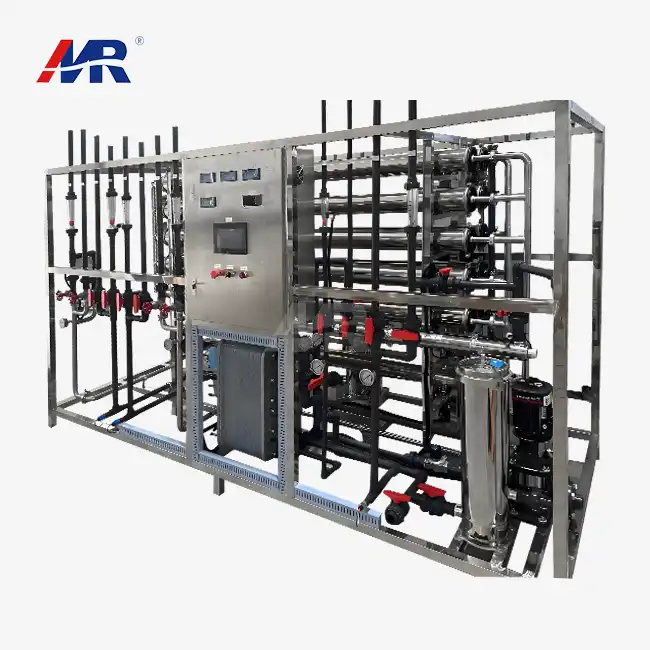 VIEW MORE2000 liters/hour EDI system
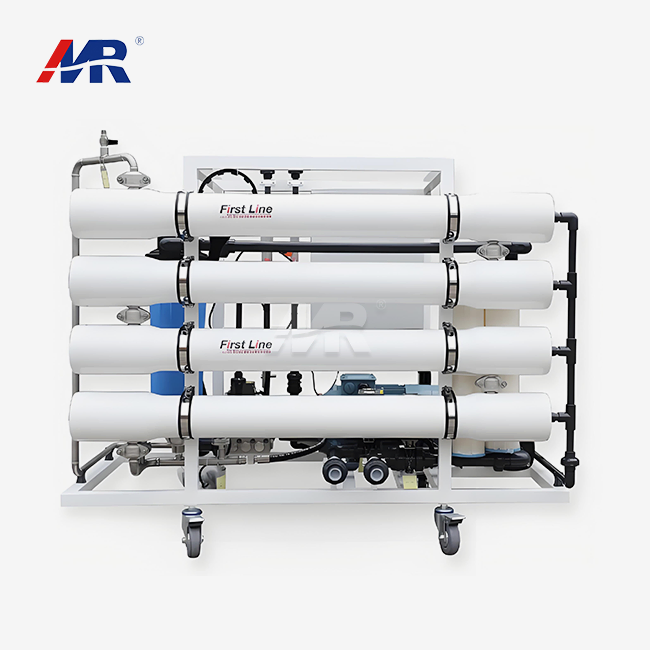 VIEW MOREseawater desalination equipment
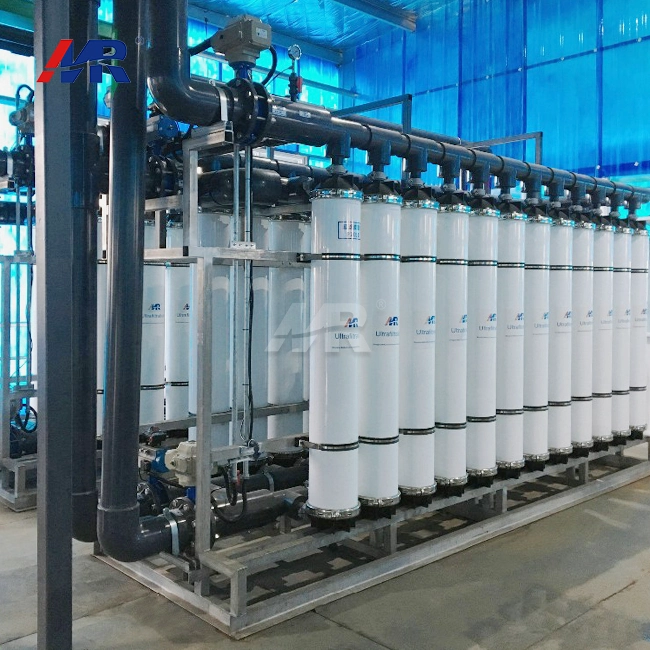 VIEW MOREultrafiltration equipment
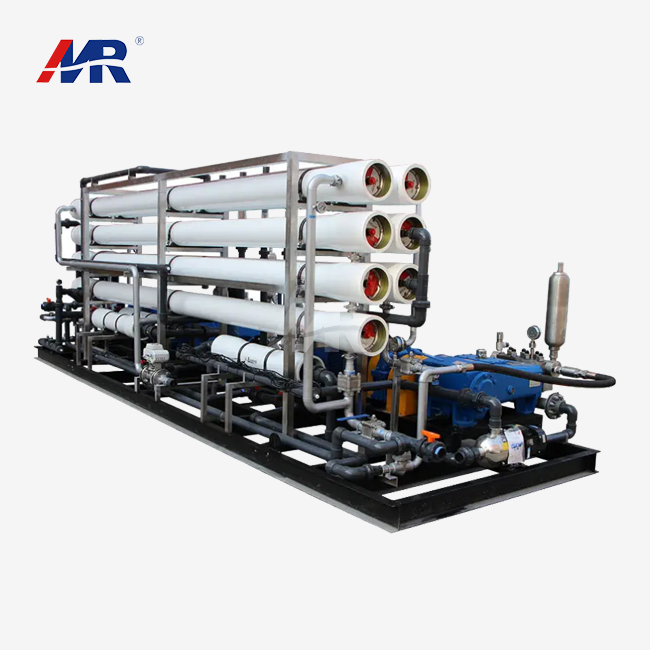 VIEW MOREseawater desalination machine
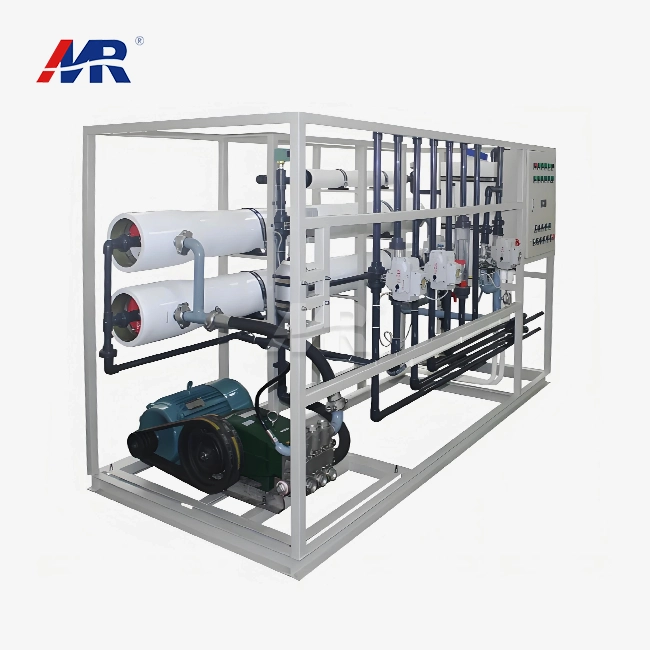 VIEW MOREseawater desalination pre-treatment
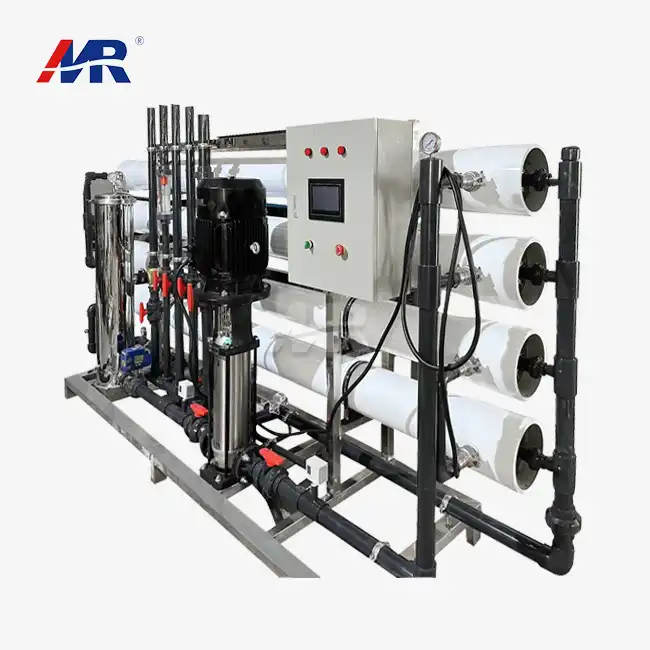 VIEW MORE12m3/hour reverse osmosis BWRO system
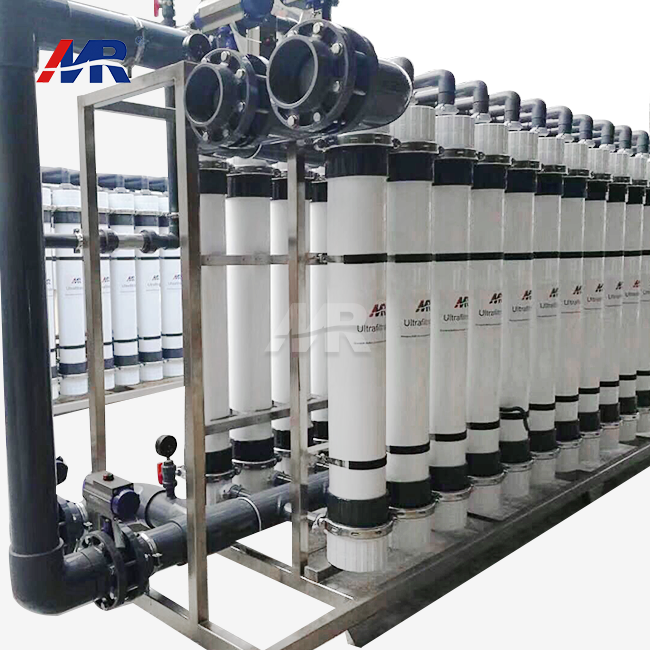 VIEW MOREultrafiltration water system
 VIEW MOREbiological reactor wastewater treatment
