_1745823981883.webp)

Ultra Filter Membrane for Industrial Filtration
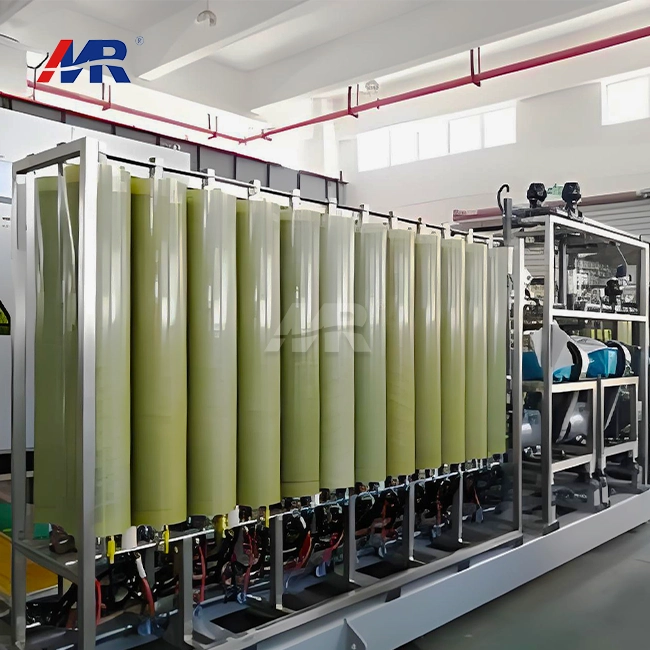
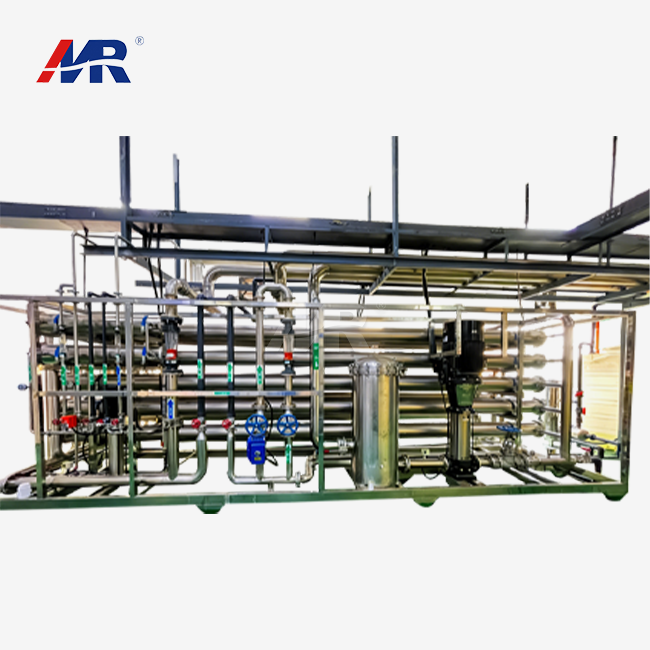
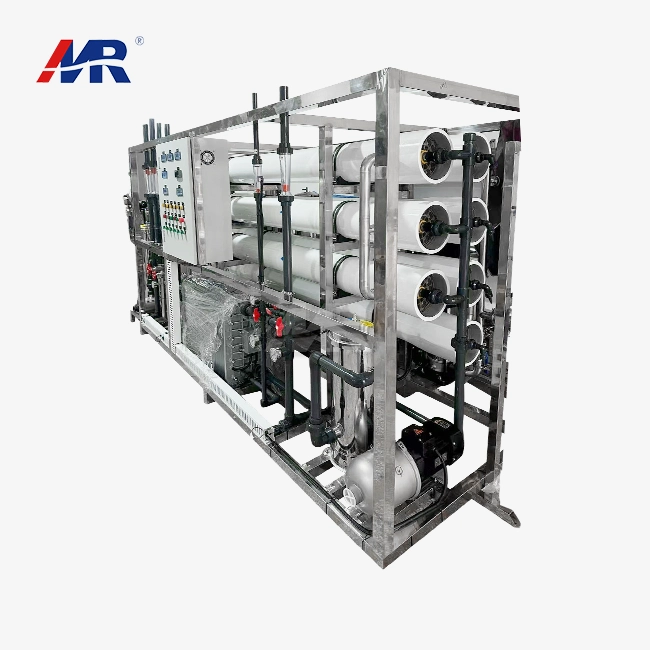
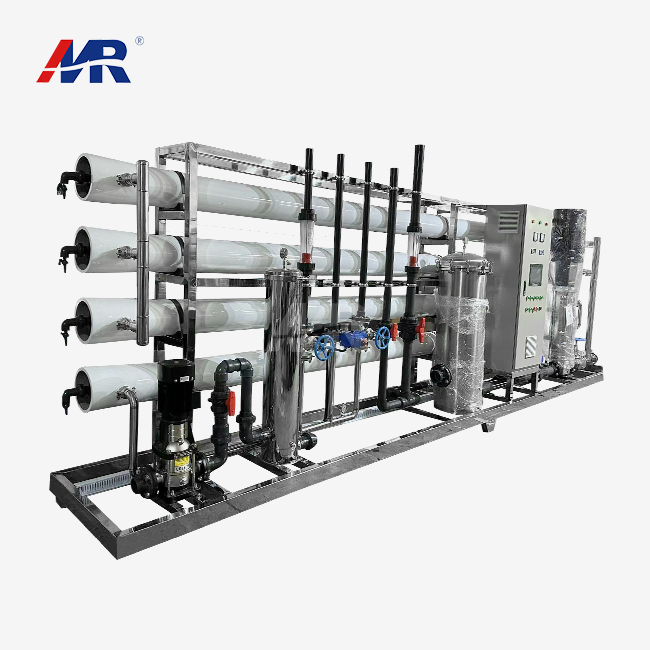
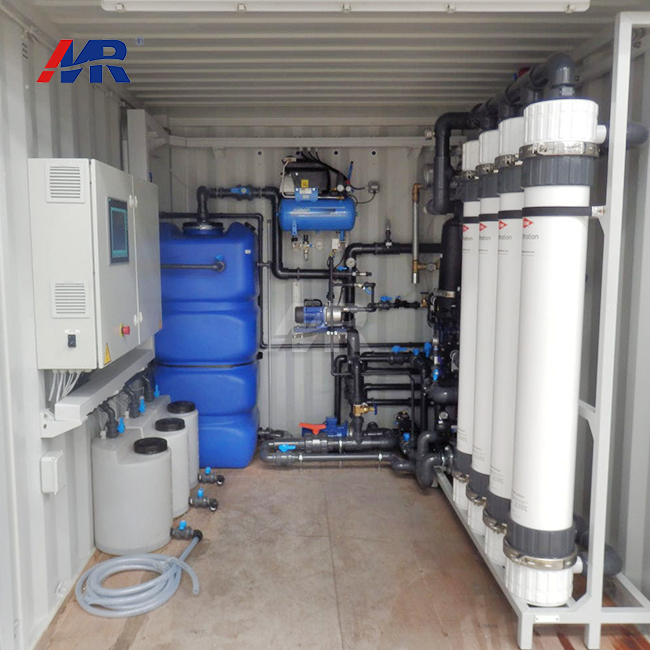
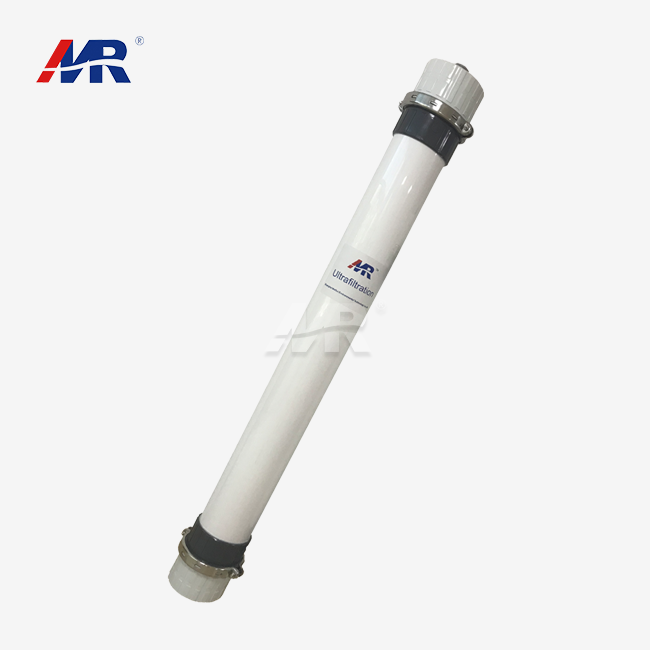
If you work in water treatment, you already know that feed water quality can change without warning. An membrane/ultrafiltration-membrane-for-wastewater-treatment">ultra filter membrane gives you a physical barrier—rated at 0.01 to 0.1 microns—that stops suspended solids, bacteria, and colloidal particles before they reach sensitive downstream equipment. Whether you are protecting an RO train, running a municipal drinking-water plant, or building a household purifier, the right hollow-fiber ultrafiltration module keeps turbidity low and system uptime high. This guide walks through technology, selection, maintenance, and procurement so you can make a confident buying decision.
Understanding Ultrafiltration Membrane Technology
How Pressure-Driven Sieving Works
The basic idea behind ultrafiltration is simple: pressurized feed water flows through a membrane wall, leaving behind anything bigger than the rated pore size. Transmembrane pressure (TMP) is usually kept between 0.5 and 2.0 bar, which is not nearly as high as RO. Studies have shown that UF systems can use 30–50% less energy than thermally based separation methods for the same output. This low-pressure operation directly leads to less energy use.
Key Material Options: PAN, PVDF, and PES
The choice of membrane polymer affects all decisions that follow. For a reasonable price, polyacrylonitrile (PAN) strands like the ones used in the Morui MR-UF-8060 are good at repelling water and chemicals. Polyvinylidene fluoride (PVDF) is the best choice for high-chlorine settings because it can handle oxidants better than other materials. Polyethersulfone (PES) is in the middle because it is both highly porous and easy to clean. It's important to match the polymer to the feed water chemistry because each material has a different cost-to-service-life trade-off.
Performance Advantages Over Competing Technologies
When compared to regular multimedia filters, hollow-fiber UF modules consistently lower the amount of turbidity in the flow to less than 0.1 NTU and kill 4 times as many germs without using chemicals to kill them. UF lets salts and minerals through, but not RO, which keeps the water's chemistry when it's used for drinking. Because of these benefits, UF is the usual first step in pre-treatment before RO/NF systems in desalination and industrial process water plants around the world.
Ultrafiltration Membrane Types and Performance Comparison
Polymeric vs. Ceramic Modules
Most of the ultra filter membrane market is made up of polymeric hollow-fiber modules, which are easy to change and cost less per square meter of filter area. Ceramic membranes, on the other hand, can handle streams with very high temperatures and pH levels, but they cost five to ten times more per unit. Polymeric modules are more cost-effective than other types of modules for most commercial and local uses where temperatures stay below 45 °C and pH levels stay between 2 and 11.
UF vs. RO vs. NF: Choosing the Right Barrier
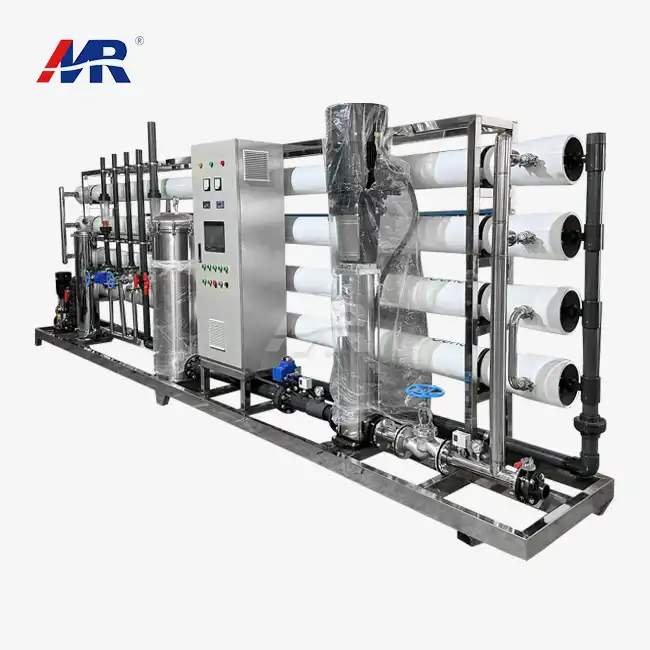
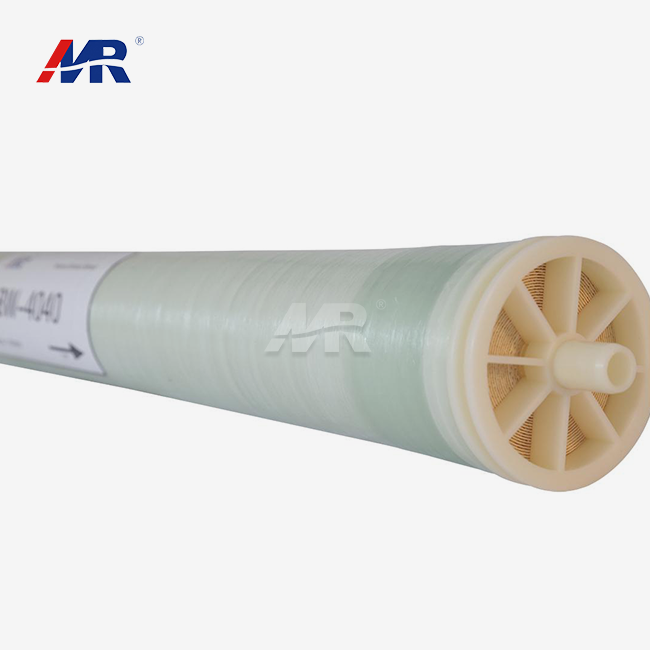
The three methods are aimed at different types of contaminants. Bacteria, colloids, and suspended solids are all removed by UF (0.01–0.1 µm). NF (0.001–0.01 µm) can hold some organic molecules and divalent ions. RO (<0.001 µm) doesn't accept most dissolved salts. A lot of plants put UF before RO because UF lowers the Silt Density Index (SDI) below 3, which keeps expensive RO parts from filling up faster.
Performance Metrics That Matter to Buyers
When procurement engineers compare modules, they always use these criteria:
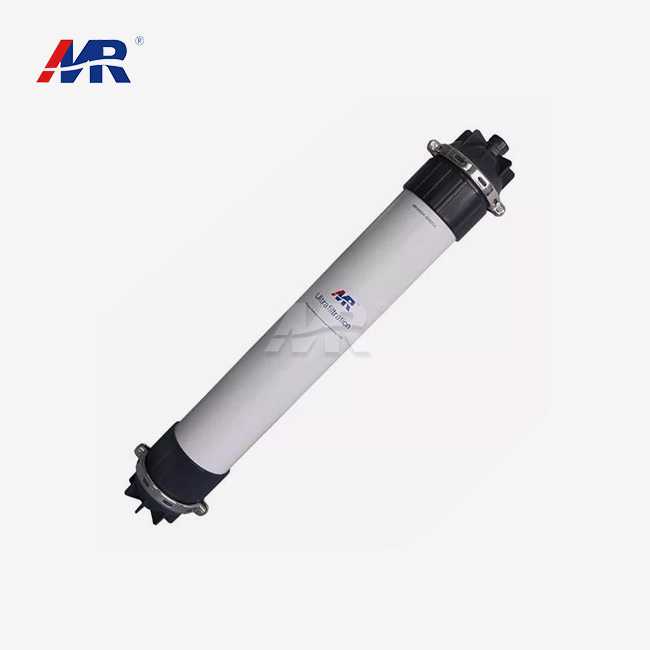
- Flux rate (LMH): The Morui MR-UF-8060 operates at 40–120 LMH, covering a wide range from conservative municipal design to aggressive industrial cycling.
- Membrane area: At 50 m² per element, the MR-UF-8060 packs substantial capacity into a standard 8-inch × 60-inch housing, simplifying rack layout.
- Fiber integrity: Tensile strength above 40 N per fiber is the industry benchmark for hollow-fiber modules; higher values reduce breakage during backwash.
- Cleaning recovery: A well-designed module should recover ≥ 95 % of initial flux after a standard CIP cycle with dilute NaOCl and citric acid.
Instead of depending only on marketing words, these measures give procurement teams a real list they can use to compare quotes side by side.
Procurement Guide for Ultrafiltration Membranes
Aligning Membrane Specs to Feed Water Quality
Before you ask for a quote, make a map of your feed water that shows the temperature, pH, turbidity range, and SDI. When the surface water is cloudy, you need a wider flux range. The MR-UF-8060's 40–120 LMH window works well in this case. When the organic load in groundwater is low, it lets the sustained flux be higher, and the CIP intervals be longer. If you give your seller a water research report up front, you can avoid having different requirements later on.
Pricing, Bulk Orders, and OEM Options
Tier-one manufacturers' standard 8-inch hollow-fiber modules cost around 200 to 600 USD each, depending on the size of the polymer and membrane. When you buy in bulk on a crate or in a container, the price per unit usually goes down by 10–20%. Morui accepts both stock sales and OEM programs. Buyers can choose the connector type, pore size, fiber material, and private label packaging. Before agreeing to a production run, you can get samples that are covered by an NDA.
Supplier Qualification and Logistics
Three things you should look for in an ultrafilter membrane provider are third-party test reports for NSF/ANSI 61 or a similar water-contact safety standard, fiber-breakage rates from production QC that have been recorded, and lead-time guarantees. Morui makes its own membrane fibers, from the spinning line to putting together the elements. This means that the plant has full control over all the variables, which cuts down on wait times and ensures stability between batches. For buyers in the US, this paperwork is a must; waterworks procurement teams often need treated-water quality data before they approve a new membrane supplier.
Maintenance, Cleaning, and Lifespan Optimization
Standard CIP Protocol
When TMP rises 10–15% above baseline, Clean-In-Place processes for an ultra filter membrane bring back membrane flux. First, an alkaline soak (NaOCl at 200–500 ppm, pH 11–12) is used to get rid of organic foulants. Next, an acid soak (citric acid at 0.2–0.5%, pH 2–3) is used to get rid of mineral scale. It takes two to four hours to do the whole thing. For the PAN-based MR-UF-8060, operators should keep the amount of free chlorine exposure below the maximum set by the maker to protect the fiber's life.
Preventive Monitoring Strategies
Problems are caught early on by routine tracking, before they cost a lot of money. An inline turbidimeter on the permeate line (a spike above 0.1 NTU means fiber compromise) and a differential pressure gauge that tracks the TMP trend over time tell you most of what you need to know. By writing down both numbers every day, you can plan CIP ahead of time instead of after the fact. This makes the module last longer, up to the 3–5 years that are normal for PAN hollow-fiber elements in well-run systems.
Troubleshooting Fiber Damage and Seal Failures
As per ASTM F316, the standard way to find broken fibers or potting-seal leaks is to do a pressure-hold or bubble-point test. If a single module fails the test, individual fibers can be pinned (plugged) to get the element back to work until a new one is sent. Keeping two or three extra parts on hand is a cheap way to protect against unplanned plant downtime.
Case Studies & Practical Insights: Ultrafiltration in Action
Municipal Drinking-Water Plant, Midwest USA
A medium-sized water treatment plant that deals with river water that gets cloudy at times uses hollow-fiber UF modules as the first step in cleaning the water before disinfecting it. When the plant switched to 8-inch elements with a value of 0.02 µm (equivalent to the MR-UF-8060 standard), the permeate turbidity stayed below 0.05 NTU, and chlorine dosing was cut by 35% because less organic matter went into the chlorination stage, which meant that fewer disinfection byProducts were made.
RO Pre-Treatment for Seawater Desalination
At an industrial site on the coast, ro membranes had to be changed every 18 months because of particle fouling. The SDI of RO feed water dropped from 5.2 to below 2.5 after a UF pre-treatment rack was added. The rack worked at 60 LMH and had daily backwash cycles. The time between replacing RO elements got longer, up to more than three years. This meant that the UF capital investment paid for itself in less than 14 months.
Emerging Trend: Sensor-Integrated Membrane Systems
Pressure and turbidity sensors are being built directly into membrane housings by equipment makers. These sensors send real-time data to SCADA systems. This lets predictive CIP schedules be based on real fouling rates instead of set calendar times. Several US water companies have stated that trial installations have cut chemical use by up to 20%.
Conclusion
Hollow-fiber ultrafiltration technology has grown up and become a reliable way to treat water in factories using an ultra filter membrane. The Morui MR-UF-8060 has 50 m² of PAN fiber at 0.02 µm and a rating of 40–120 LMH. It has a common style that can be used for city pretreatment, RO protection, wastewater recovery, and home purifier cores. When CIP is scheduled correctly, integrity tests are done, and the feed water is characterized. This keeps modules working at their best for years. The most important thing to do when buying something is to make sure that the membrane specs fit how it will be used. This is true whether you are buying a case of repair elements or planning a full OEM product line.
FAQ
1. How long do hollow-fiber UF modules typically last?
PAN and PVDF hollow-fiber modules usually last between three and five years in systems that are well taken care of and have stable feed water and regular CIP processes.
2. Does UF remove dissolved salts or hardness?
No, ultrafiltration pores are too big to retain dissolved ions at 0.01–0.1 µm. UF gets rid of germs, colloids, and dissolved solids.
3. How often should industrial systems run CIP?
The amount of CIP varies with the quality of the feed water and the daily flow. A 10–15% rise in TMP above baseline is a useful signal. Many city plants run CIP once a month, while industrial feeds that are high in fouling may need to be run once a week.
4. What is the difference between UF and microfiltration?
Microfiltration (MF) works with pores that are 0.1 to 10 µm in size and gets rid of bigger particles and some bacteria. UF at 0.01–0.1 µm can also pick up viruses and high-molecular-weight organics, reducing pathogens more effectively with only a small rise in operating pressure.
Partner with Morui for Your Next Ultra Filter Membrane Project
From fiber spinning to final assembly, Guangdong Morui Environmental Technology Co., Ltd. makes ultra filter membrane hollow-fiber ultrafiltration modules. This gives you direct control over quality and lead time. You can order the MR-UF-8060 in bulk or as part of a full OEM/private label program. As a company that sells ultrafilter membranes and has 20 engineers and equipment factories, Morui can help with sampling, nondisclosure agreements, and service after installation. To get prices and details, email us at benson@guangdongmorui.com.
References
1. Crittenden, J. C., et al. MWH's Water Treatment: Principles and Design. Wiley, 2012.
2. Metcalf & Eddy. Wastewater Engineering: Treatment and Resource Recovery. McGraw-Hill, 2014.
3. Baker, R. W. Membrane Technology and Applications. Wiley, 2012.
4. AWWA (American Water Works Association). Microfiltration and Ultrafiltration Membranes for Drinking Water. AWWA Manual M53, 2020.
5. Pearce, G. K. "UF/MF Pre-treatment to RO in Seawater and Wastewater Reuse Applications." Desalination, 2007.
6. NSF International. NSF/ANSI Standard 61: Drinking Water System Components — Health Effects. NSF International, 2023.