



How Often Should UF Membrane Filtration Backwash Be Triggered?
In most uf membrane filtration systems, I start backwashing every 30 to 60 minutes for clean feedwater, every 15 to 30 minutes for moderate surface water, and every 5 to 15 minutes for heavily fouling wastewater. Treat these numbers as commissioning references, not fixed rules. Feedwater quality, flux, pretreatment, and membrane design all move the ideal interval. The best trigger combines a maximum filtration time with transmembrane pressure (TMP), permeability, and turbidity signals. Below, I explain how backwash works, how to read your operating data, and how to choose a module that supports your plan.
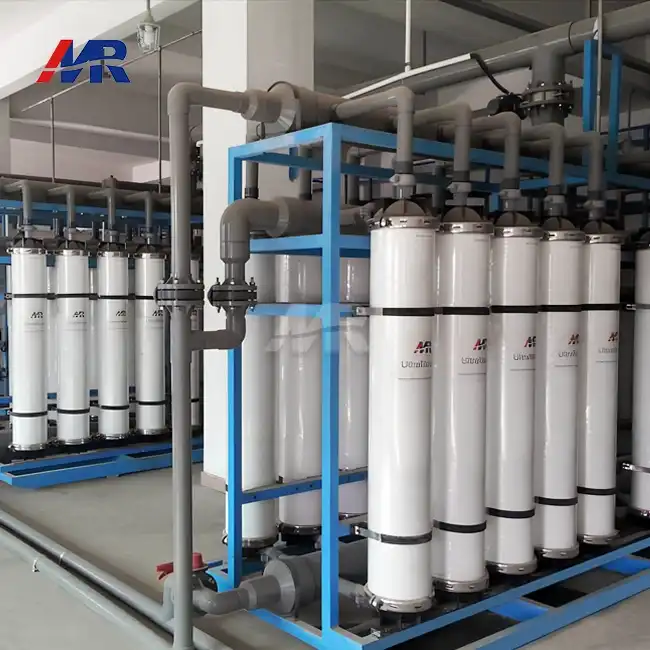
Backwash Basics and Trigger Intervals
What Is Backwash in UF Membrane Filtration?
Backwash changes the direction of the filtrate flow through the membrane wall. Things like solids, colloids, biological deposits, and bacteria are moved off the fiber surface and down the drain when you move backward. A normal cycle includes filtration, isolation, reverse-flow backwash, possible air scour, drainage, and return to service. Regular hydraulic backwash can get rid of gunk that can be reversed. Chemically improved backwash (CEB) and clean-in-place (CIP) can get rid of deposits that stick to the membrane. When you use backwash to clean, you lose product water for one minute for every minute you clean. Also, every cycle sends water down the drain. Because of this, I change all three settings at once instead of one at a time.
How Often Should Backwash Be Triggered?
First, use the time intervals I gave you. Then, make changes based on what you find. It's simple to understand and use time-based control, but it takes a long time to adapt to changes in feedwater after a storm or an upstream upset. When you look at TMP, uniform flow, porosity, turbidity, and solids loading, the picture changes more quickly. Most of the time, I recommend a hybrid trigger. These events can happen in any order: the maximum filtration time, a set TMP rise, a measurable permeability drop, or an alarm for bad feedwater quality. This way of doing things keeps the membrane safe on bad days and clean on good days without the need. We use hollow fiber units that work at 0.1 to 0.3 MPa, which is why I keep the trigger limits in that range.
What Factors Determine Backwash Frequency?
The frequency depends on how well the system design and fouling potential work together. Turbidity, oil, natural organic matter, algae, iron, manganese, and biological growth are all things that speed up the filtration process. The rate of flux and healing goes up, but cake formation and TMP growth speed up. I think you should run our units at a flow rate that is safe for your water instead of the highest stated in the datasheet. They can handle up to 150 LMH and up to 95% recovery. It's also important to do this before treatment. A lot of the time, screening, coagulation, clarification, oil separation, or multimedia filtering make cleaning chemicals last longer and clean things less. It is also important what the weather is. Anywhere from -1°C to 40°C is fine for our units. It gets more pressure when the water is cold because it is thicker.
Reading Your Data and Matching Strategy to Application
How to Identify the Correct Trigger from Operating Data?
Start by giving some background on commissioning for uf membrane filtration. Keep an eye on the TMP, flow, turbidity, recovery, backwash flow, cycle length, feed and permeate pressure, and backwash flow. Then don't just look at one reading, but also at trends. Faulting that can be fixed is shown by a slow TMP rise that starts all over again. Scaling, a sensor fault, or fiber damage could happen if the pressure drops quickly or doesn't recover quickly. There could also be a feedwater shock. PLC and SCADA systems can automate the logic behind the triggers. These systems can also store data and sound an alarm when the backwash stops restoring permeability. Providers can use this record to figure out what's wrong and how well each rack is doing in plants with more than one module.
Recommended Backwash Strategies by Application
City drinking water plants should make plans for things like turbidity, algae, trash from rain, and pure organic matter. Biosolids and oil that get brought over need to be taken into account by systems that reuse wastewater. A pilot test is usually the first thing you should do if your industrial wastewater has a lot of metals, oils, or COD. This is because fouling is very site-specific. Food, drink, and drug plants now have clean designs and records of cleaning. Getting rid of salt from water and getting it ready for RO is done to keep the quality of the RO feed stable. In other words, the backwash settings need to keep the SDI and turbidity stable even when algae blooms happen. Our tools let you do all of these things. I think you should separate the oil upstream if there is any because oil can make the membrane surface clear.
Common Backwash Control Mistakes
Most people get this wrong: they think there is only one interval that is always the same. Others are going at too high of a flow, not taking into account problems in the pretreatment process, and only looking at the amount of time that has passed. Things are wasted, chemicals and energy cost more, and membranes last less long when people do these things. This is the first place I check when a plant backwashes a lot more often than it should. Most of the time, it's not the membrane that's broken, but a screen that's broken, bad bleeding, or too much oil. When a pressure, flow, or turbidity monitor moves, I can't make a bad choice. That's why I also check the instruments. It is also important for operators to know the difference between ongoing fouling and reversible fouling. If the fouling won't go away, you need CEB or CIP instead of fresh water.
Tuning Frequency and Choosing the Right Module
How to Fine-Tune Backwash Frequency?
First, come up with goals that can be tracked for uf membrane filtration, like net output, recycling, TMP, water quality, energy use, chemical use, and so on. Then, set up a trial where you change one factor at a time, such as the filter length, flow rate, backwash length, air scour, or CEB settings. Watch out for both the long-term permeability and the short-term recovery after each cycle. There's no such thing as the best time.
It checks the net output, the amount of trash, the energy used for pumping, the cost of cleaning, and the cost of getting a new membrane. Find out how things turned out for each season, shift, feed source, and age of mesh. A lot of research on membrane fouling, like the work of Guo and colleagues (2012), supports this idea. This research shows that fouling behavior changes depending on the feed composition and operating conditions.
Choosing a UF Membrane Filtration System with the Right Backwash Capability
I think about the type of membrane, the size of the pores, the module area, the design flux, the working pressure, the backwash flow, the air-scour needs, the automation, and the compatibility with CEB and CIP when I look at the different options. There are pores in our PVDF/PVC membranes that are 0.01 to 0.1 microns wide. The pH range of these membranes is 2 to 11, which means they can handle most cleaners.
Because they are small, they don't take up much floor space and can handle chlorine. For OEM and distributor projects, we can talk about how to make the pore size, connector, and length fit. This is because Morui has its own membrane factory. When they need to, US buyers will often ask for proof, such as test reports for treated water and water-contact approvals like NSF/ANSI 61. I believe you should quickly ask any provider for those records.
A Practical Backwash Decision Matrix
With just a few lines of code, you can turn conditions into control logic. Water that is steady and has low turbidity can run mostly on time with the help of TMP and standardized flux. When the surface water changes, TMP, turbidity, and weather alerts work well together to make hybrid control work well. Performance alarms and a review of the cleaning process need to be done on wastewater with a lot of solids or oil before the time is cut short.
You should look at permeability, turbidity, SDI, and RO pressure to figure out when UF should protect RO. Food and drug systems usually need to be run by following written directions. It's best to include initial settings, trigger limits, adjustment ranges, alarms, data logging, and steps for manual override in the purchase specifications. This way, both your operators and your supplier will be able to use the same information.
Conclusion
Every plant is different for uf membrane filtration, so there isn't just one right time to backwash. It depends on the feedwater, flux, pretreatment, and design of the membrane. You can set the start time to anywhere from 5 to 60 minutes. A hybrid trigger that combines a maximum filtration time with TMP, permeability, and turbidity signals is the best way to deal with changing conditions. A setting is correct if the operating data, which can be shown by permeability recovery, is right. Most of the time, backwashing means that there is something wrong with the cleaning or the tools. If the gunk won't come off, you need CEB or CIP. The net output, wastewater, energy use, and cleaning costs must all be kept in check while the machine is being tuned. So, there is a written strategy based on data and a module whose specs are the same as the water it cleans.
FAQ
Q1: A lot of people want to know how often most systems should backwash.
A: Many systems need to backwash every 15 to 60 minutes, but wastewater that has a lot of dirt needs breaks that are shorter. The feedwater, flux, TMP, and the treatment that came before all affect the end setting.
Q2: What is the difference between backwashing and using chemicals to clean?
A: Backwash is a way to clean with water that can go either way. CEB and CIP can get rid of buildups that water or air scour can't.
Q3: Do you believe that a UF module can protect a RO system?
A: Yes. A lot of the time, UF is used before RO because it gives stable SDI and low turbidity. I think you should do a pilot test before you choose the final gear.
Q4: How long does a cell last?
A: Most units last between three and five years when they are used in plants with good pre-filtration and CIP processes.
Discuss Your UF Membrane Filtration Backwash Plan with Morui
Morui can help you make a plan for backwashing and give you modules that will work with it. They clean water and have their own factory that makes membranes. If you need to find a source for UF membrane filtration for OEM, distributor, or project sales, email benson@guangdongmorui.com with the information about your feedwater and how much it can hold. An engineer from our company will get back to you with sample and price options.
References
1. Membrane Filtration Guidance Manual, U.S. Environmental Protection Agency, 2005
2. Water Quality & Treatment: A Handbook on Drinking Water, American Water Works Association, 2011
3. MWH's Water Treatment: Principles and Design, John Wiley & Sons, 2012
4. Membrane Technology and Applications, John Wiley & Sons, 2012
5. A Mini-Review on Membrane Fouling, Bioresource Technology, 2012
6. Wastewater Engineering: Treatment and Resource Recovery, McGraw-Hill Education, 2014
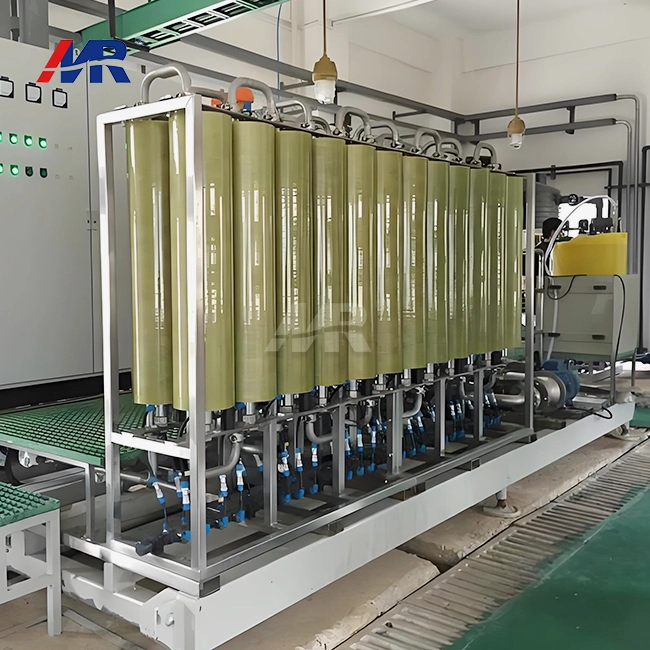 VIEW MOREDisc Tube Reverse Osmosis
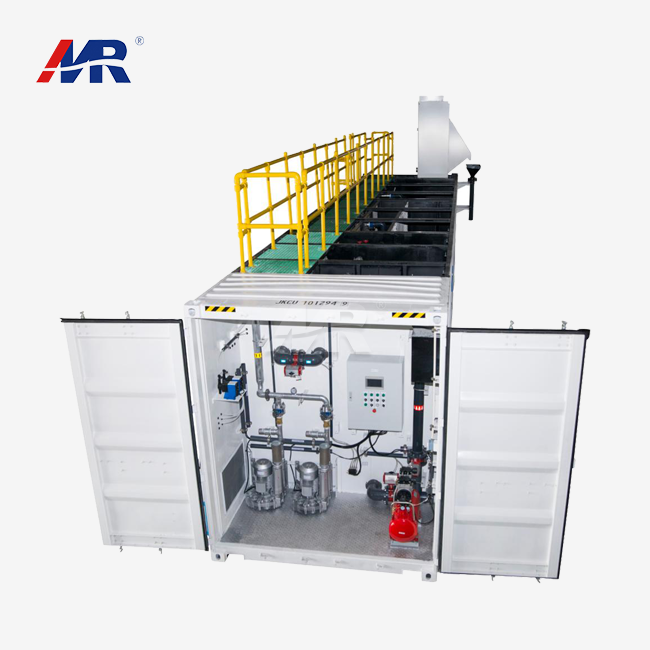 VIEW MOREhome sewage treatment plant
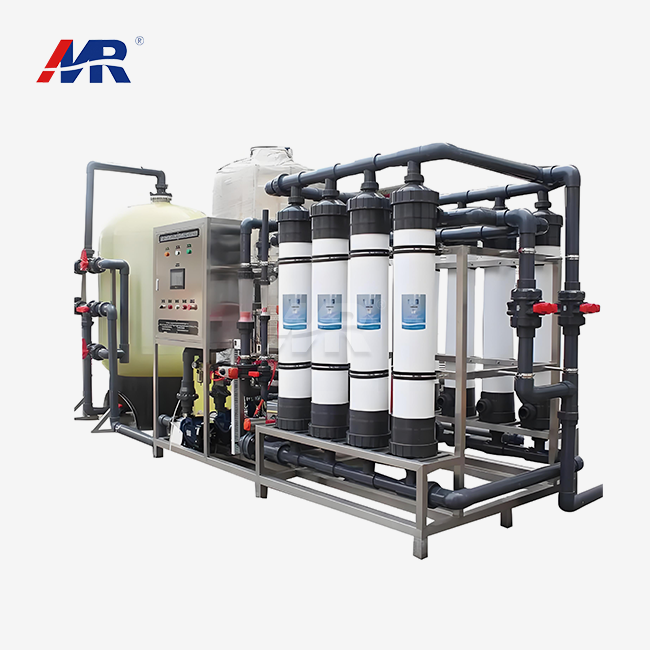 VIEW MOREuf ultrafiltration
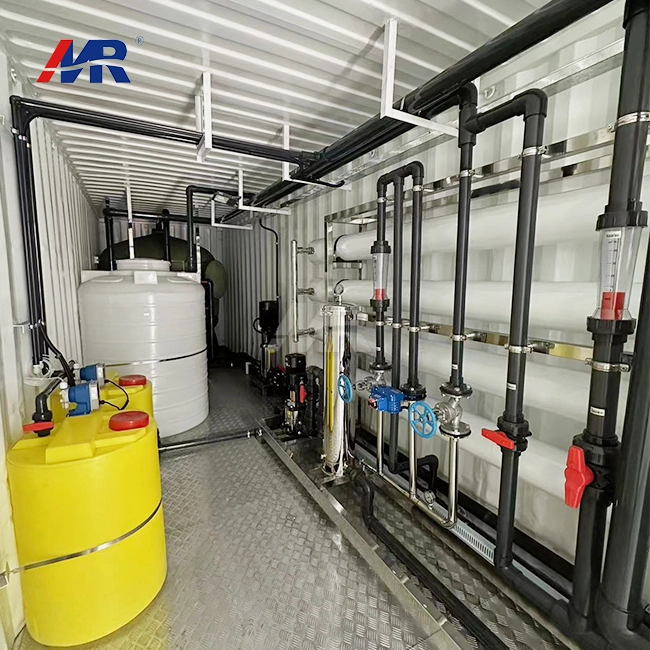 VIEW MOREcontainerized desalination plant
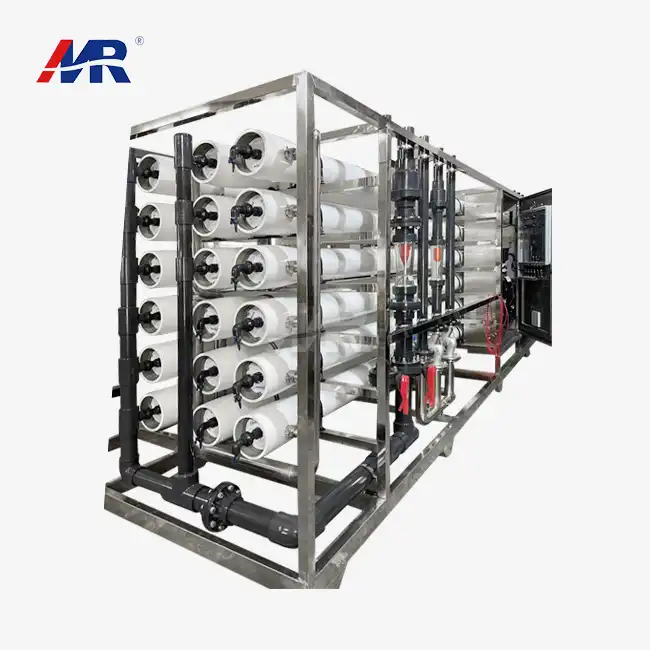 VIEW MORE100m3/hour reverse osmosis equipment
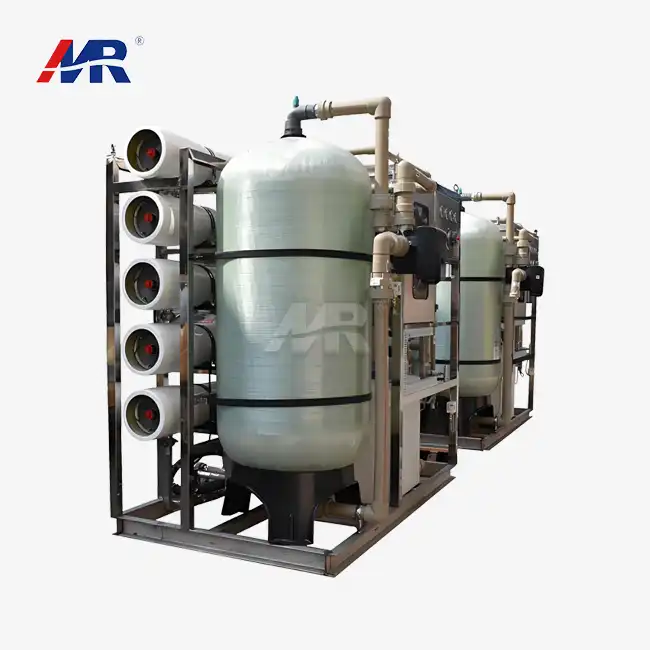 VIEW MORE8m3/hour seawater desalination equipment
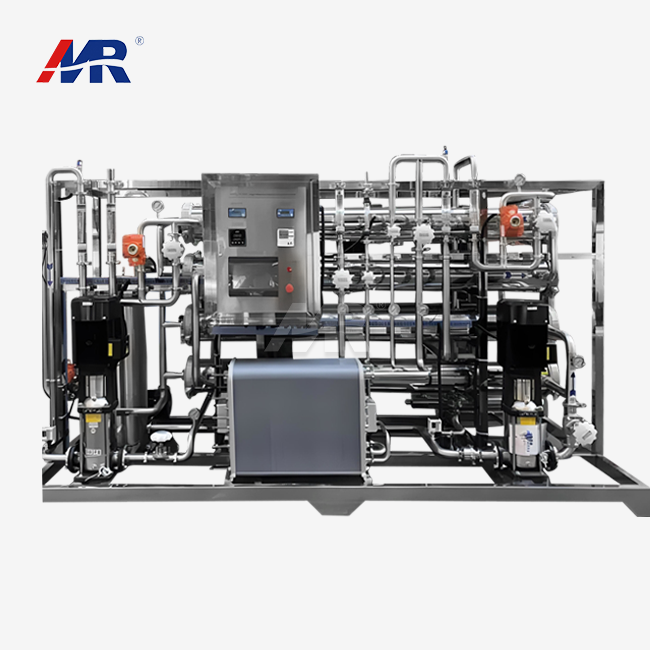 VIEW MOREelectro deionizer system
 VIEW MORE2000 liters/hour EDI system
