



Home Water Purifier Guide: UF, RO and Filters Explained
The right home water purifier depends on what is in your water. A UF filter removes suspended solids, bacteria, and colloids at low pressure, while an RO system removes dissolved salts, hardness, and many heavy metals. Sediment and carbon cartridges handle sand, chlorine, and taste. An ro uf filter setup pairs the two membranes, so UF protects the RO element and RO treats dissolved contaminants. In this guide, I explain how each option works, how to choose, and where our MR-UF-80TH fits. Start with a water test, and the rest of the decision gets easier.
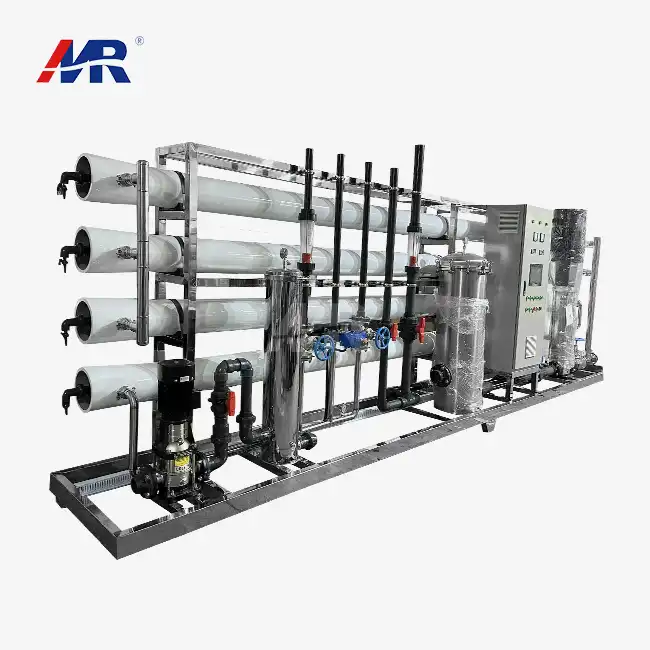
Why the Right Filter Matters for Home Water Purification
Start With Your Source Water
The issues that come up with surface water, well water, and city water are different. Chelate or another pesticide is still in a lot of city water, and old pipe silt is sometimes in it too. No utility company will test your private wells for germs, iron, manganese, nitrate, or arsenic. In public water systems, the U.S. EPA wants to see arsenic levels of 10 micrograms per liter and nitrate levels of 10 milligrams per liter. This lets people who own wells make plans. I always tell them to start with a lab report. It checks your water for hardness, TDS, microbes, and metals, and you only pay for the steps you need.
Why No Single Filter Fixes Everything
Every kind of filter does a different thing well. Settlement cartridges catch sand and rust. Carbon that has been activated gets rid of chlorine and bad smells and tastes. The UF barriers stop particles, colloids, and bacteria from getting through. Dissolved salts don't work well with RO filters. A UF filter or a carbon block will not get rid of nitrogen or fluoride in hard water. Also, the sand should go in first, then the carbon, and finally the film. This is because each stage keeps the one below it safe. When someone buys a filter and asks for a filter that does everything, I tell them that the best filter is a set of steps that work together.
A Practical Selection Process
A sound pick comes next after a short process. First, check the water. Second, make a plan. For example, make sure the water is clean, or the gear is secure. Third, give details about the daily volume, peak demand, and flow rate. Fourth, check the power, space, pressure at the intake, and drainage. Fifth, make sure you know what kind of maintenance is needed and what parts are available. Someone might pay for RO when UF would do, or things could be too general and break after a few weeks if they are put in this way. Procurement teams should ask for datasheets and test conditions before they compare quotes. That's because ratings that are based on different factors don't really match up.
UF Filters, RO Systems and the RO UF Filter Combination
What a UF Filter Does and How It Works
Water flows through a membrane with holes that are about 0.01 to 0.1 microns wide in an RO UF filter. Things that stay behind are colloids, turbidity, solids in suspension, bacteria, and other germs. Every so often, they are flushed or backwashed away. Hollow-fiber designs are used a lot in homes, companies, and workplaces. The Membrane Filtration Guidance Manual from the EPA says that Giardia and Cryptosporidium are examples of protozoa that can't get through microfiltration and ultrafiltration. UF works with low pressure and keeps most of the minerals that are broken down. You should check the feed water before you buy, though, because it doesn't get rid of salts, hardness, nitrates, or fluoride.
UF vs. RO: Which Technology Is Better?
Because it doesn't make much wastewater and doesn't use much energy or pressure, UF works best with sources that are cloudy or full of germs. Minerals stay in place. RO uses more pressure to get rid of heavy metals, hardness, and salts that have dissolved in water. But it needs more power, more tools, and a plan for how to get rid of the water. Elimelech and Phillip wrote a report in 2011 about science. They say that the high cost of RO distillation is due to the need for a lot of energy and pressure. The steps of sedimentation, carbon, UV, and microfiltration don't take the place of either membrane; instead, they make them work better. The goals for purity, flow rate, operating cost, and lab data can all be used to sort the results.
When an ro uf filter Setup Makes Sense
On a ro uf filter, the uf membrane comes before the ro membrane. The RO element gets stuck less often and needs to be cleaned more often because UF drops the flow rate and the amount of particles. Because there are no bacteria, living things don't stick to the RO surface either. Some designs mix UF water with RO water to keep some minerals in the water, but the amounts that are mixed need to be perfectly planned and checked. This pair works with cloudy well water that has solids dissolved in it or source water that changes all year. CO2 and RO might be enough to make the water in a city clean.
Choosing, Configuring and Maintaining UF Systems
Choosing a UF Filter for Home, Well and Commercial Water
In towns, water often needs sand, carbon, and something to keep bacteria out. To begin, the water from a well needs to be tested for TDS, hardness, iron, manganese, nitrate, arsenic, and bacteria. UF by itself is not enough when the water is hard or has a high TDS. We need softening or RO. Check to see how long the membrane lasts, how it needs to be treated first, and how much electricity it needs. Then, look at the difference between the rated flow and the actual flow at the pressure drop. As a business, you should choose a system size based on simultaneous peak use rather than the daily average. This is because a system that's too small for the average won't be able to handle the morning rush. You can change the cartridges, so leave room around the housing.
System Configurations and Procurement Options
For UF, there are portable units, under-sink RO UF filters, whole-house systems, and business or industrial skids. Small rooms and clean water are good for under-sink models. For models that work for the whole house, there needs to be more flow and less strain. Larger systems have more than one membrane module, as well as pumps, control screens, storage bins, cleaning tools, and emptying that happens on its own. Before you get quotes, you should make a list of what you need in terms of flow, recovery, membrane specifications, connection standards, Certifications, packaging, private labeling, and flow. As long as you give suppliers a clear plan, they can match housings, fittings, and valves to your product in the first draft. You won't have to send as many emails back and forth.
Maintenance and Membrane Replacement
Pretreatment, flushing, and monitoring all need to be done as planned for UF to work well. Change or clean the sediment prefilters before big loads stop the flow. It's not enough to just look at the date; you should also smell, taste, and check for pressure and flow decreases. Most UF tubes last between six and twenty-four months when used at home. Heavy-duty membranes can last for many years if they are well taken care of. When you order new ones, make sure you check the membrane's material, size, pore size, connections, chemical compatibility, and how it is cleaned. Keep track of your work. They'll tell you if a drop in output is because of dirt, a worn-out pump, or a broken seal.
MR-UF-80TH and Supplier Evaluation
MR-UF-80TH Specifications
This is what our MR-UF-80TH can do. Its job is to clean up wastewater. It runs at 0.2 to 0.3 MPa of pressure and uses 15 kW/hour of power. It gets back 80% to 90% of the water that goes through it. Based on the UF principle we just talked about, the low pressure makes sense, and the high return rate means that not much of the feed is lost. Please remember that this type can only be used for wastewater. It should not be put on a kitchen counter or under a sink. Send me some facts about your project, and I'll look into the flow rate, membrane details, and site requirements.
What to Request From Any Supplier
For everything you buy, make sure you get datasheets, drawings, test conditions, the material of the membrane, the pore size, the effective area, the rated flow, the pressure range, and proof that the product has been tested for integrity. A lot of people in the US look at water quality test results and ratings from groups like NSF and ANSI. For example, NSF/ANSI 58 is used for RO systems that are used at the point of use. Ask for the papers you need for your goods and make sure you know who has each one. Then, look at the total cost of ownership, which includes how much it costs to install, run, clean, maintain, replace parts, ship, get a warranty, have the equipment fixed, and own it. A low unit price is no longer appealing when it takes weeks to get new membranes. When people buy from OEMs, they should also ask about wait times, private labeling, and different types of connections.
Morui's Membrane Plant and Component Supply
This company, Guangdong Morui Environmental Technology Co., Ltd., works on projects to remove salt from the ocean, clean up garbage from homes and workplaces, and make drinking water. We have more than one factory that works on tools and our own that makes membranes. As a business, we also offer Shimge water pumps, Runxin valves, and Createc tools. We can put together the main machine with pumps, valves, and membranes, and we can also install and start it up for you. Twenty engineers work for us, and there are more than 14 branches. People who buy from both OEMs and wholesalers like this setup because it means that new parts and questions about warranties are taken care of by the same team.
Conclusion
Test the water before you buy a home water filter because each method gets rid of different kinds of contaminants. Sand and carbon filters remove particles, chlorine, and bad tastes from water. Minerals are kept by UF when the pressure is low. It gets rid of colloids, bacteria, and suspended solids. RO gets rid of salts that have been dissolved, hardness, and some metals, but it costs more in energy and pressure. When you arrange them in a ro uf filter way, the UF can shield the RO membrane. The best choice relies on the flow of work, high demand, upkeep, and how well the parts can connect with each other. The total cost and proof from the supplier are also very important. With 0.2 to 0.3 MPa of pressure and 15 kW/hour of power use, the MR-UF-80TH is made to clean wastewater, not drinking water.
FAQ
1. Does a UF filter remove salts or hardness?
There is no way for dissolved salts, hardness, nitrate, or fluoride to get through UF. Floating solids, germs, and colloids are the only things it stops. You can use RO, softening, or another stage that is made to deal with those.
2. Can I combine UF and RO in one purifier?
Yes. If you have a multistage system set up correctly, UF comes before RO. This keeps the RO membrane from getting clogged up. Tests of the water should be used to make the plan.
3. How often should I replace a UF cartridge?
For home use, most refills last between six and twenty-four months. You should get a new one if the flow slows down, the pressure drops, or the taste and turbidity change.
Plan Your RO UF Filter Project With Morui
The company Morui makes ro uf filters and has its own membrane plant, Sigma pump, Runxin valve supply, and installation support. If you email benson@guangdongmorui.com with the results of your water test, your flow goal, and your application, our engineers will help you choose between a UF, RO, or mixed setup. If you need to deal with wastewater, they might suggest the MR-UF-80TH. You can get in touch with us to talk about OEM options, samples, and replacement parts.
References
1. World Health Organization, Guidelines for Drinking-water Quality: Fourth Edition Incorporating the First and Second Addenda, 2022
2. U.S. Environmental Protection Agency, Membrane Filtration Guidance Manual, 2005
3. Crittenden et al., MWH's Water Treatment: Principles and Design, Third Edition, 2012
4. Baker, Membrane Technology and Applications, Third Edition, 2012
5. Elimelech and Phillip, The Future of Seawater Desalination: Energy, Technology, and the Environment, Science, 2011
6. NSF International, NSF/ANSI 58: Reverse Osmosis Drinking Water Treatment Systems, 2026.
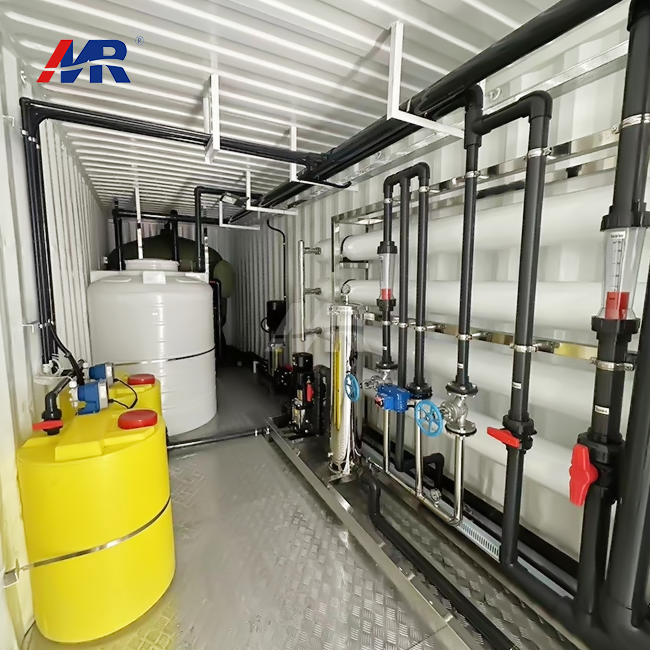 VIEW MOREcontainer reverse osmosis equipment
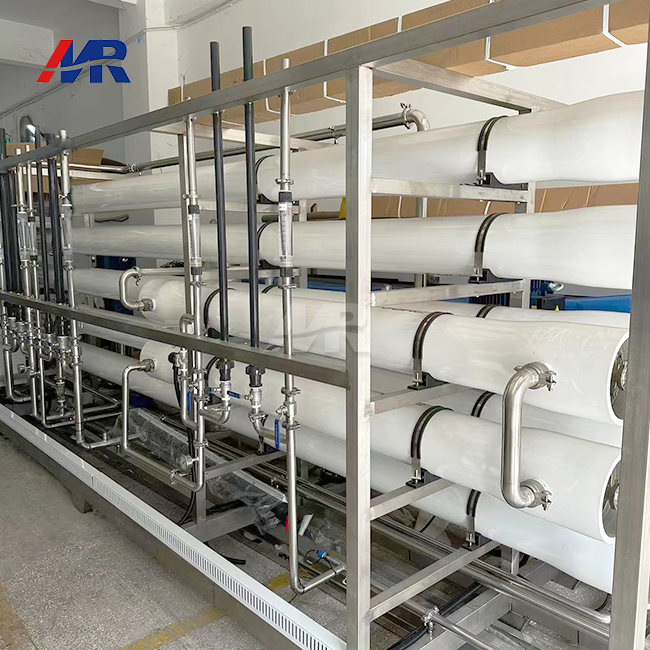 VIEW MOREosmosis drinking water system
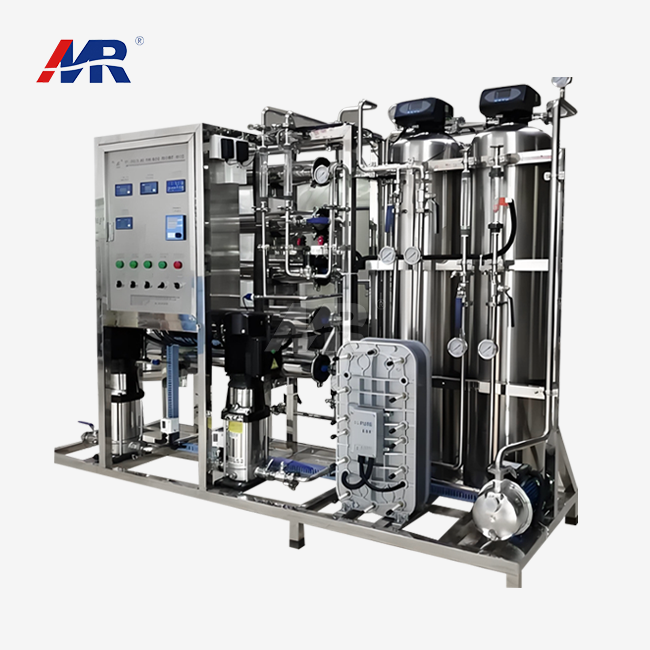 VIEW MOREEDI plant
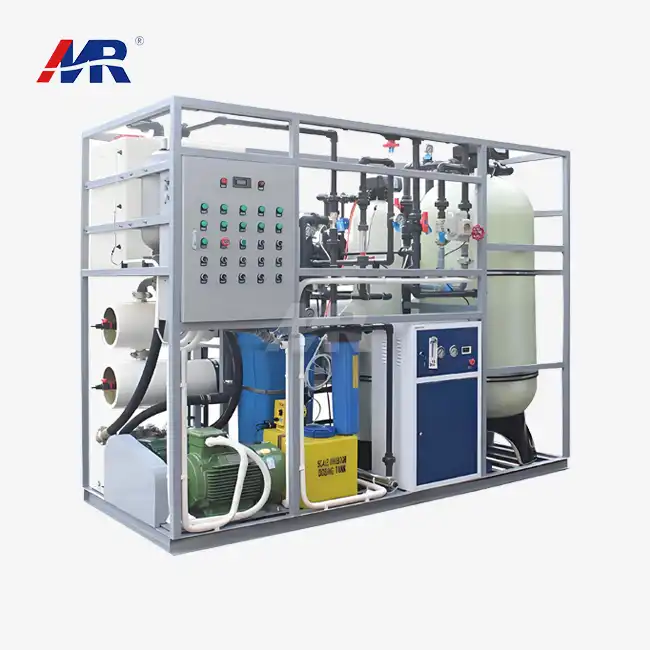 VIEW MORE2T/H seawater desalination plant
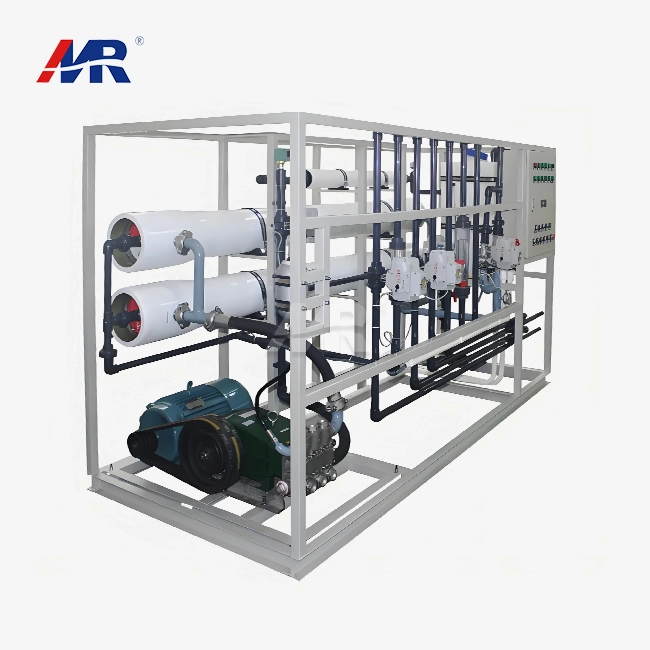 VIEW MOREseawater desalination pre-treatment
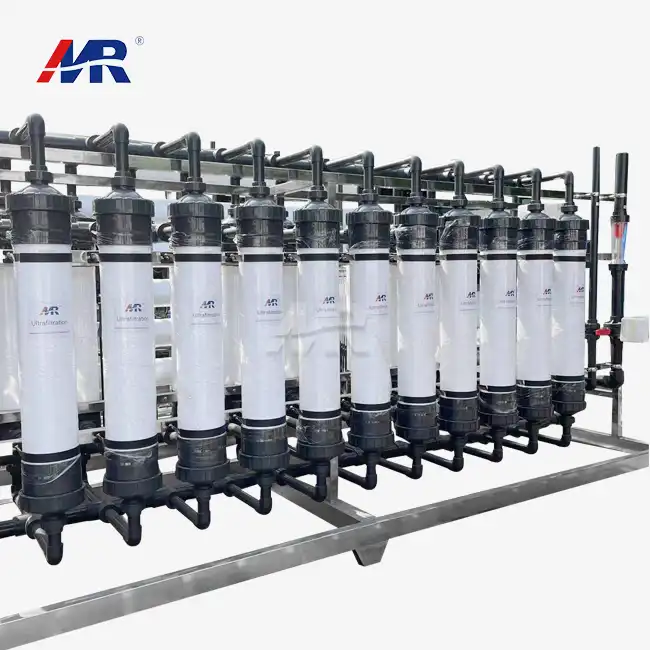 VIEW MORE30m3/hour ultrafiltration equipment
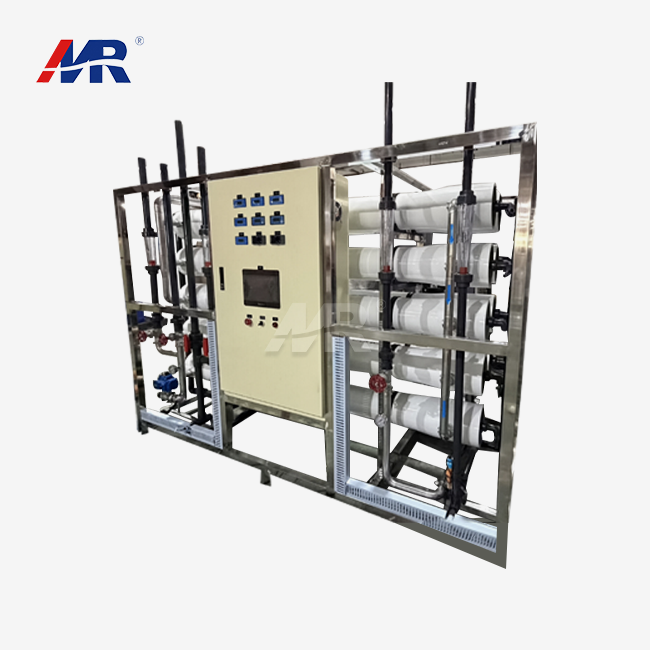 VIEW MORE8 stage reverse osmosis system
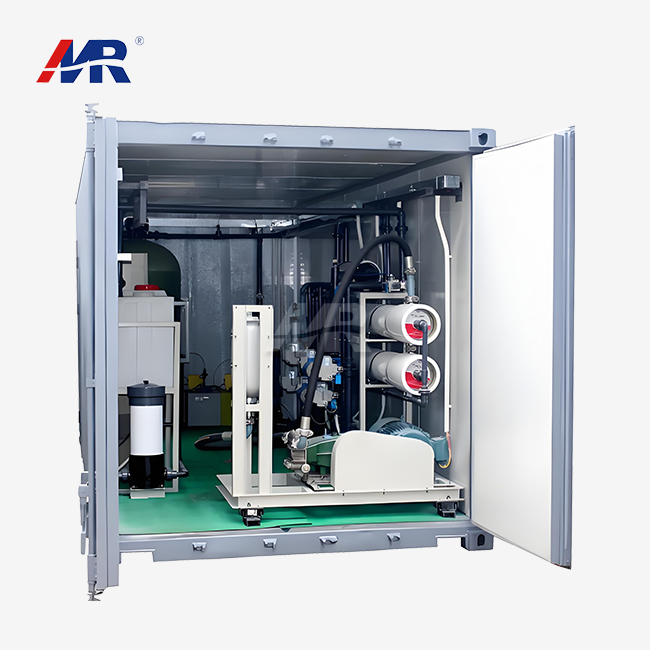 VIEW MOREcontainerized UF+RO system