How to Optimize Performance & Ongoing Operation in Your SWRO Plant
To keep a swro desalination plant running well, I start with a clear performance baseline. Then I fix pretreatment, pump, and membrane problems in order of impact. Next, I tune recovery and energy use, clean membranes based on normalized data, and track results with sensors. Seawater reverse osmosis is a steady process, but small drifts in pressure, salt passage, or feed quality add cost fast. This guide walks through each step in plain language. It uses figures from published sources and the specifications of the Morui MR-SWRO-2TH, so you can run your system with fewer surprises and a lower cost per cubic meter.
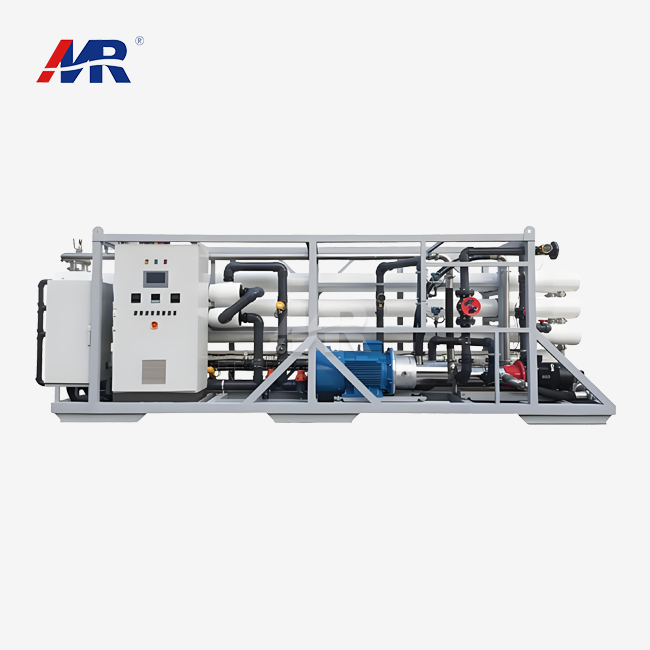
Measure First: Baseline and Bottleneck Checks
Define the Core Operating KPIs
Before I change the setting, I always write down where the plant is. The main numbers are the permeate flow, the permeate conductivity, the recovery, the feed pressure, the difference pressure, the power used, the chemicals used, and how often the filter needs to be cleaned. To find the exact amount of energy used in kWh/m³, divide the power draw by the volume of the permeate. That number is better than a power bill. The MR-SWRO-2TH says it needs 12 kW of power, can recover 38–45% of the salt, and keeps it out 99% of the time. That number makes it simple to decide. They should stay the same, but if your readings change, you need to fix something.
Compare Actual Results with Design Conditions
Numbers by themselves can be wrong because the water in the sea changes all year. Both permeate flow and salt passing speed up when water is warm. To keep the same flow, water needs more pressure when it's cold. There is usually more turbidity and algae in the water when it rains or blooms in the summer. There is a match between the salinity, temperature, and SDI numbers from today and the plan sheet. The next thing I did was set the flow and salt passage to their normal settings. Seawater has an osmotic pressure of about 35,000 mg/L, which is equal to about 25 to 27 bar. This means that the pump has to be stronger than that before any water can pass through the membrane. It is possible to tell the difference between a real membrane problem and a temperature change when the data is normalized.
Diagnose Pretreatment, Pump, and Membrane Bottlenecks
Just before the barrier, there are a lot of speed drops. First, I check the SDI because the feed SDI15 should be less than 5, and lower is better. This is what most RO makers want. After that, I look at the records for the chemical dose, the pressure drop in the cartridge filter, and how well the pump is working. The lead end is likely to foul if the pressure in the first stage goes up but stays the same in the last stage. It seems that chlorine is damaging the polyamide membranes by oxidants if the amount of salt that can pass through them goes up across the whole array. Having these checks in place keeps me from having to change membranes when the real issue is a filter that is clogged or a sensor that isn't set up correctly.
Tune Treatment Stages and Cut Energy Use
Protect the Intake and Pretreatment
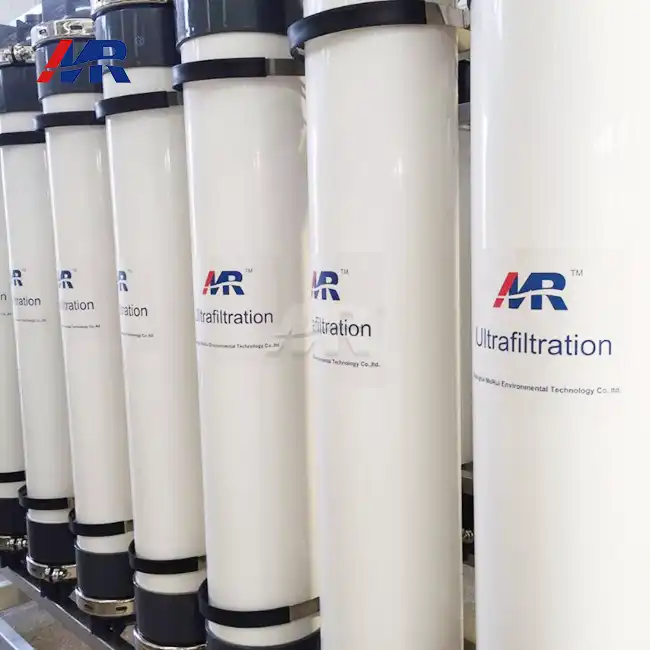
Everything behind it is safe with good prep. Intake screens keep marine life and other things from getting in. Coagulation with media filtration or ultrafiltration gets rid of suspended solids and colloids. The right amount of chemicals must be added to the feed. There needs to be enough coagulant so that particles don't get through. If there is too much, it will leave a film on the cartridge filters. When I dose sodium bisulfite to get rid of any chlorine that is still there, I keep an eye on the ORP reading. The oxidant can't get to the membrane for this reason. This last capsule filter, which generally has a rating of 5 microns, picks up what's left. I keep an eye on the difference in pressure between each filter because a regular rise means the media needs to be changed or cleaned in an SWRO desalination plant.
Keep High-Pressure RO and Recovery Within Safe Limits
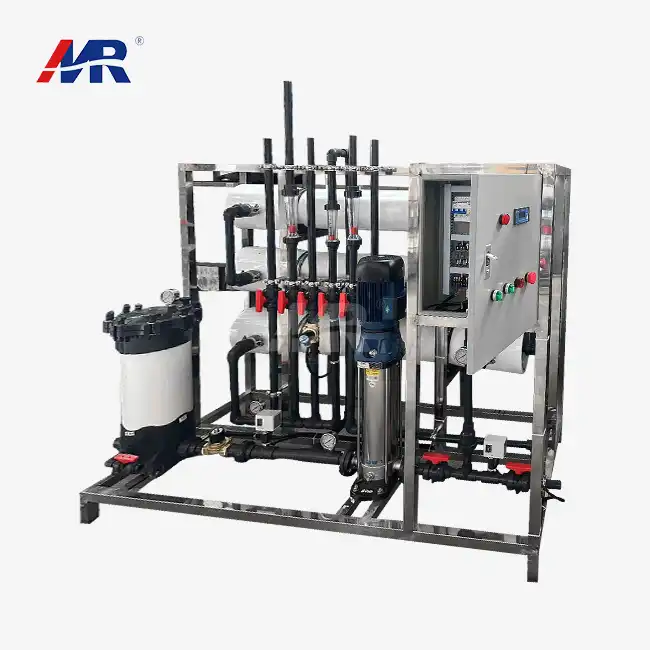
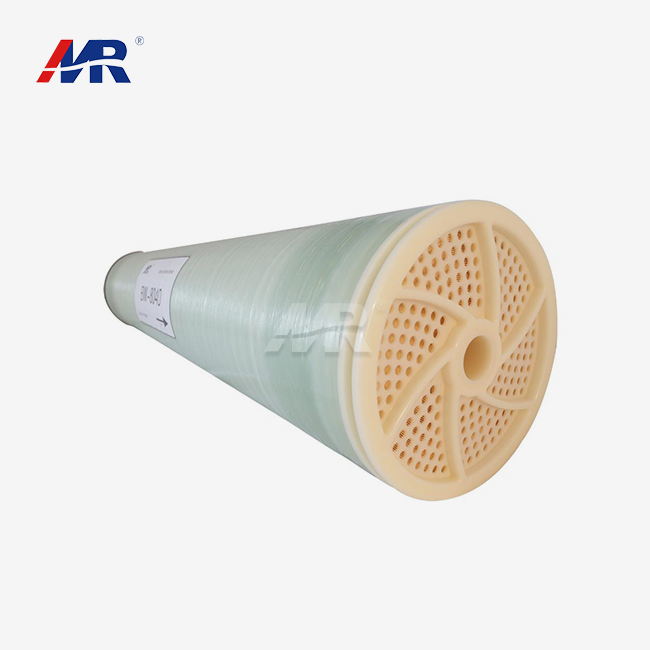
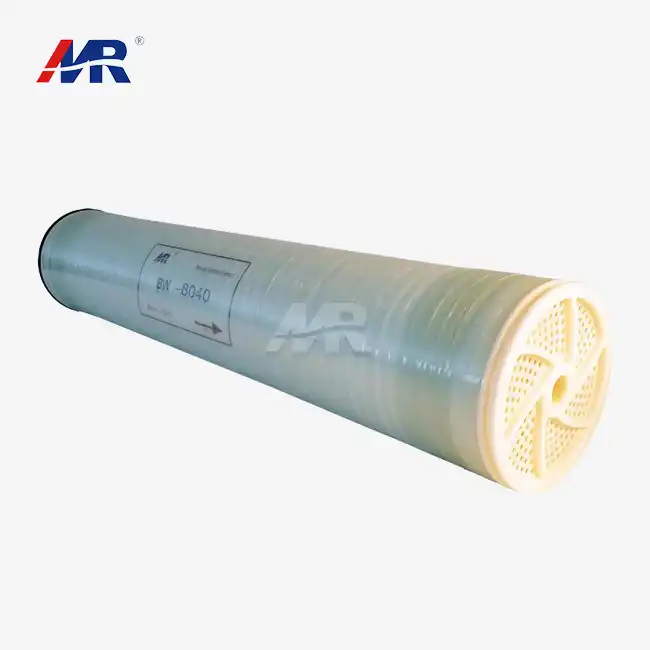
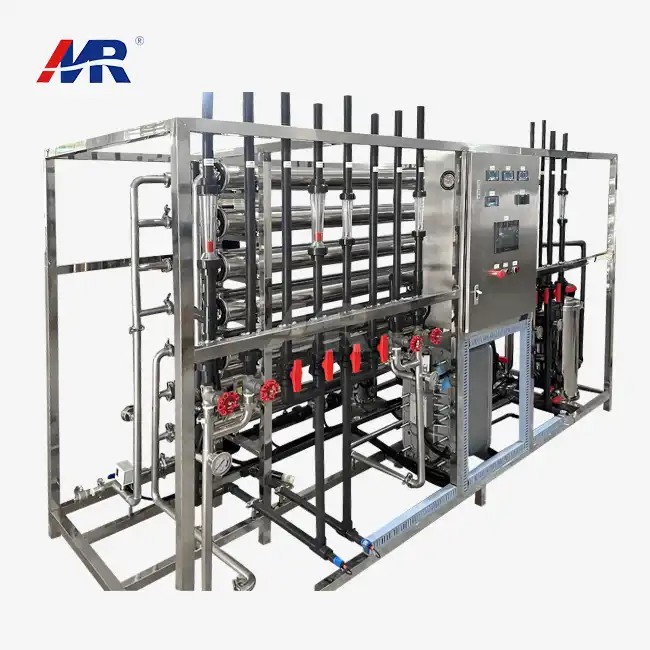
The membrane array works best when the temperature, recovery, pressure, and pH are all within the ranges set by the manufacturer. The MR-SWRO-2TH is a saltwater desalination machine that can get 99% of the salt out of saltwater and get back 38–45% of the water. More recovery means more water for every cubic meter of input, but the salts in the brine get stronger. As calcium, sulfate, silica, and pH rise, the chance of scaling also rises. I don't really see the healing range as a goal, but more as a place to work. If the number of times I clean, the pressure, or the amount of energy I use go up, I step back. Every time I get a reading, I write down the permeate conductivity and wait for it to stay the same.
Lower Energy Use with Pumps and Energy Recovery
There are times when energy costs are the most important part of running costs. It is thought that about 1 kWh/m³ is the least amount of energy that can be recovered from seawater by Elimelech and Phillip (2011). Large-scale desalination plants, on the other hand, need about 3 to 4 kWh/m³. There is a difference because of pump losses, a drop in pressure, and the load on the pretreatment. Being able to change the frequency of the drive lets me match the pump's flow to the need and keep it close to where it works best. Some tools that recover energy, like pressure exchangers, send a lot of the hydraulic energy in the brine back to the stream. That's why I always make sure the flow and pressure balance on the salt side. That gives you a set number to compare to the amount of permeate you measure. The MR-SWRO-2TH says it needs 12 kW of power.
Maintain, Monitor, and Choose with Confidence
Clean and Store Membranes by the Data
When you clean the membranes on a calendar, you lose chemicals and put stress on them. A 10% drop in normalized permeate flow, a 10% rise in salt passing, or a 10 to 15% rise in pressure drop are all things that need to be cleaned, according to the 2016 DuPont FilmTec guidebook. I find the foulant first. An acid cleaner gets rid of scale, while an alkaline cleaner gets rid of organic and biological buildup. Every time I turn off the swro desalination plant system, I flush it and use a good solution to keep the membranes in good shape so bacteria don't grow. Spare parts are identified, sealed, and kept away from heat. People I hire also learn how to deal with chemicals and shut down in case of an emergency. This is because a well-trained crew can spot drift early.
Monitor Sensors and Prove Results
Guesswork is turned into trends by sensors that are very good at what they do. Pressure, flow, conductivity, pH, temperature, turbidity, and chlorine readings at each stage show that the output is slowly going down before it drops. It is important to keep your tools calibrated because a moving conductivity probe can hide a problem with salt flow. There isn't an engineer on site at mine camps, island resorts, ports, or containerized units, but monitoring from afar helps. I still set the warning limits, tell the plant who to call, and walk it a lot. When I make a change, I check the before and after kWh/m³, recovery, salt rejection, cleaning frequency, and downtime over a time period that includes seasonal changes. I then figure out payback by dividing the money I saved by how much it cost to train and fix up.
Choose a Plant and Supplier That Fit Your Site
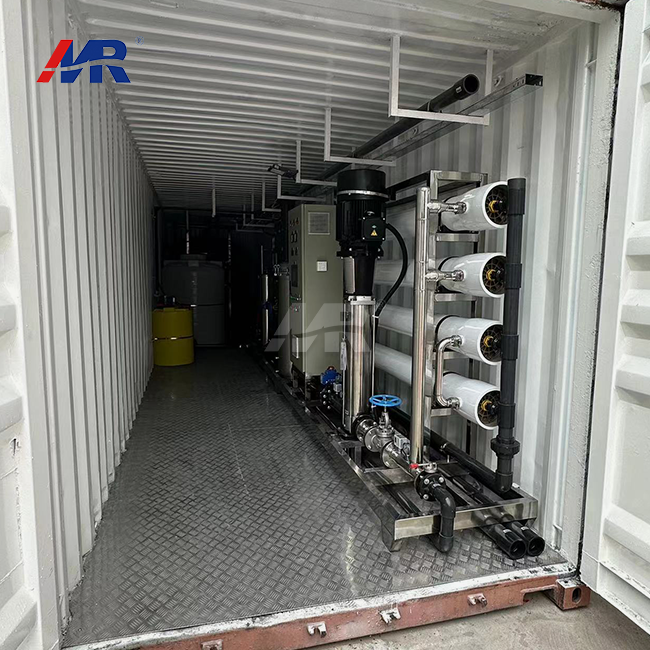
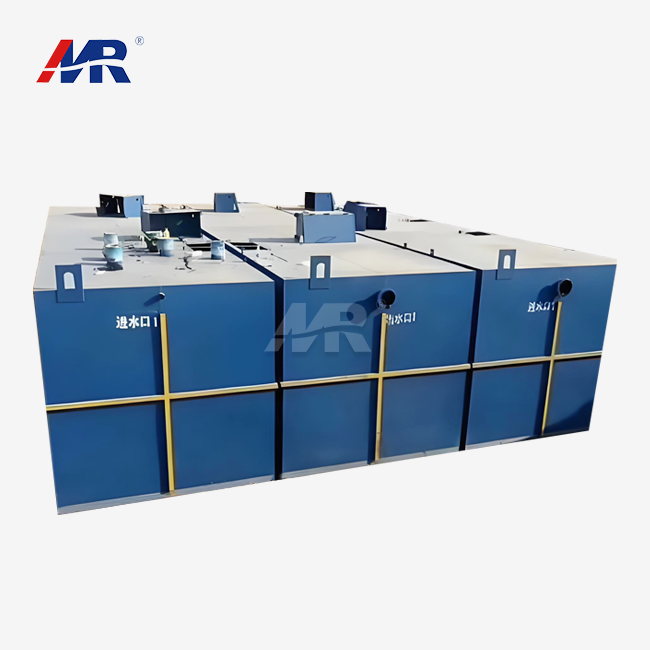
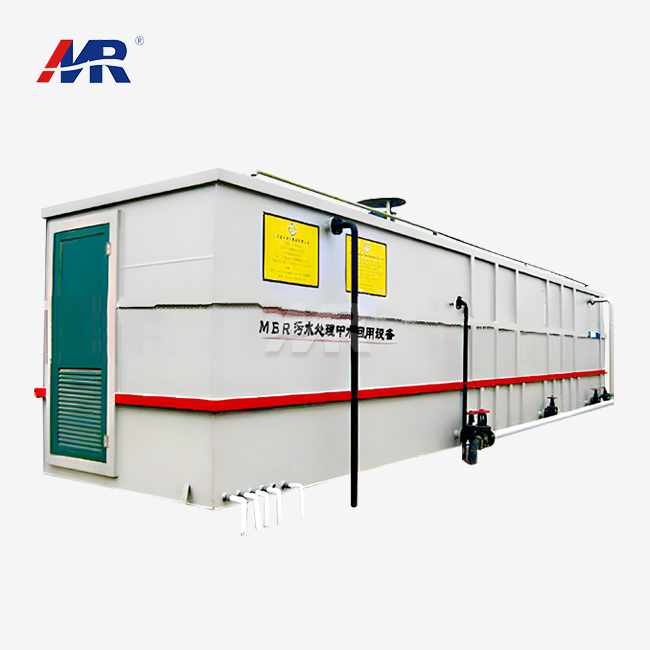
Take a look at the job and see if it fits the setup. When it comes to city projects, safety and backups are usually very important. Small skid or container forms are better for resorts, ports, offshore areas, and temporary camps, on the other hand. When you compare options, you shouldn't look at the price, but at the total cost of ownership. Ask each service to show you their factory test records, past work as a RO expert, a plan for extra parts, and help with getting the system up and running. For US jobs, you should also ask for NSF/ANSI 61 documents for parts that will be in contact with drinking water. More than one factory in Morui makes membranes and tools, so we can put membranes, tanks, and whole systems together. You can also tell us about changes we need to make to pretreatment, remineralization, and monitoring based on the seawater.
Conclusion
An SWRO desalination plant should be set up with pretreatment, pumps, membranes, and controls in that order. Normalized data can tell the difference between changes in the seasons and real fouling, and cleaning at set times stops membranes from wearing out. The amount of energy used goes down when pumps meet demand and energy recovery works well. But recovery goals must not go over the limits of scaling. With 12 kW of power use, 38–45% recovery, and 99% salt rejection, the MR-SWRO-2TH makes it easy to start tracking. The changes made are clear if they are worth it because of sensors, online tracking, and being able to see how things were before and after. When picking a supplier, you should think about the total cost of ownership and the recorded help.
FAQ
1. What energy use should I expect from SWRO?
Elimelech and Phillip (2011) say that full-scale plants use around 3 to 4 kWh/m³. Look at kWh/m³ with the same feed conditions if you want to compare small units.
2. What causes SWRO membrane fouling?
Fouling is mostly caused by poor pretreatment, suspended solids, biological growth, scale, oil, and chemical damage. It is easy to find the source early on by looking at the SDI and filter pressure drop.
3. When should I clean membranes?
FilmTec says that a film is clean when the normalized flow drops by about 10%, the salt passage rises by about 10%, or the pressure drop rises by 10 to 15%.
4. Is a containerized SWRO unit suitable for remote sites?
Yes, as long as the place has electricity, a way to get water from the sea, and workers who have been trained. Docks, camps, and ports can all use container or skid forms to speed up the building process.
Talk to Morui About Your SWRO Desalination Plant Project
Tell Morui about the spot's salinity, temperature, daily water need, and location, and our engineers will make a good plan and give you a quote. As a provider of SWRO desalination plants, we help with installation, testing, and spare parts. We have our own membrane factory, 20 engineers, and more than 14 branches. Send an email to benson@guangdongmorui.com to talk about the MR-SWRO-2TH or a custom system.
References
1. Voutchkov, N. Desalination Engineering: Planning and Design, McGraw-Hill, 2012
2. Elimelech, M., and Phillip, W. A. The Future of Seawater Desalination: Energy, Technology, and the Environment, Science, 2011
3. Fritzmann, C., et al. State-of-the-Art of Reverse Osmosis Desalination, Desalination, 2007
4. Jones, E., et al. The State of Desalination and Brine Production: A Global Outlook, Science of the Total Environment, 2019
5. DuPont (Dow Water & Process Solutions). FilmTec Reverse Osmosis Membranes Technical Manual, 2016
6. American Water Works Association. Manual M46: Reverse Osmosis and Nanofiltration, 2007