


When Should You Replace DTRO Elements in a Treatment System?
You should replace DTRO Elements when normalized permeate flow stays low, salt rejection keeps falling, or operating pressure keeps rising. This applies after a proper chemical cleaning and after you have ruled out feedwater, pump, and instrument problems. Visible leakage or physical damage also calls for immediate action. A calendar date does not settle the question. Verified performance data does. In this guide, I explain the warning signs, the cleaning checks, the factors that shorten service life, and the buying points for landfill leachate plants, including our MR-DTRO-40TD system.
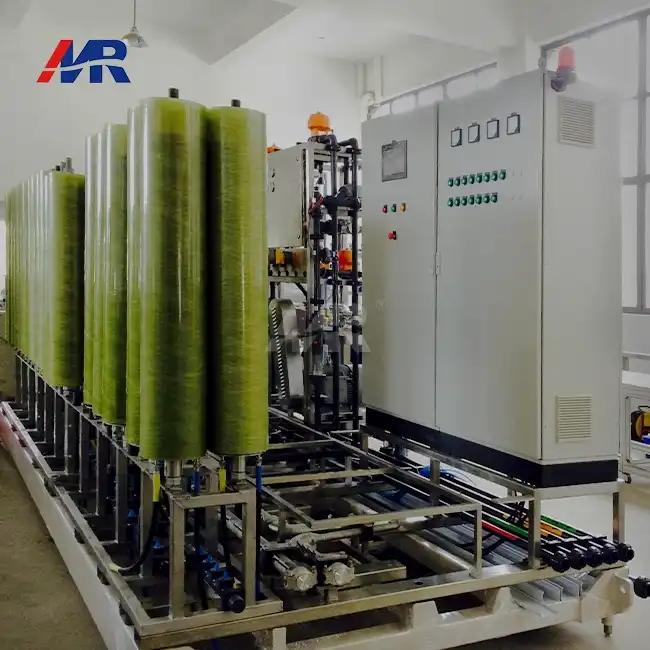
The Main Signs That a DTRO Element Should Be Replaced
Persistent Permeate Flow Decline
A drop in the flow of permeate is the first thing that most workers notice. Raw flow rates aren't always accurate because the feed's temperature, pressure, and saltiness change every day. I use normalized flow instead, which changes the data to match the rules in ASTM D4516. Normalized flow goes down and stays low after the membrane has been cleaned properly. This means that the membrane is either old or the fouling or scaling is now permanent. Just because the landfill had a bad week after a lot of rain doesn't mean that they need to buy something. If you clean it several times, a steady drop does the trick.
Declining Salt Rejection and Rising Permeate Conductivity
This measure tells you if the membrane can still stop dissolved salts from passing through it. Conductivity may go up even if the feed quality and pressure stay the same. This could mean that the membrane surface is worn, chemically damaged, or squished together. The same pattern can be caused by hardware that isn't tight enough, so I check that before I blame the membrane. It's also more likely that people will break the rules when they dump trash at a landfill when conductivity goes up. When you clean, you get rid of deposits, but you can't fix damaged membrane material. This is why a steady rise in conductivity generally means the old part needs to be changed.
Higher Pressure, Energy Use, and Physical Damage
When the working pressure and energy use go up, the pumps have to work harder to keep the load the same. This makes the price of electricity per m³ go up. When there is less cleaning or cleaning is done faster, it means that the working life is almost over. Fix any leaks, broken parts, or covers that don't work right away. A broken seal is all that needs to be replaced. But a broken disk or membrane cushion means the whole element needs to be replaced. As soon as you notice leaks and a drop in quality, you need to take action.
How to Determine Whether Cleaning or Replacement Is Needed
Confirm the Decline and Rule Out Other Causes
Next, look at the trend with typical flow, salt rejection, differential pressure, and specific energy use. We can help with spiral wounds. Sometimes, RO will tell you to clean when the standardized flow drops by about 10% or the differential pressure rises by 10 to 15%. I only use those numbers as a starting point. The DTRO Elements provider sets the limits that I can go over or below. Next, make sure that the problem isn't caused by something outside the system. This could be a low feed temperature, a recovery setting that is too high, pH drift, suspended solids, wearing out pumps, or sensors that don't work right. A conductivity meter needs to be calibrated, which costs a lot more than a new set of things.
Perform the Appropriate Cleaning Procedure
How to clean a sound DTRO Element is done in a certain way. To keep everyone safe, turn off the system and then flush the waste out with clean water. To get rid of biological and organic buildup, move an alkaline solution around and rinse. Then, use an acid solution to get rid of scale like calcium carbonate. An acid load needs acid first most of the time, while a scale load needs alkaline first. Always use chemicals, temperatures, and pH ranges that have been approved by the company that made the membrane. Harsh solutions can damage them. Rinse until the pH and conductivity are back to normal.
Evaluate Recovery and Inspect the Hardware
Once the system has been cleaned, it should be run at standard conditions. Then, the adjusted flow, rejection, and pressure should be compared to data from when it was first put into service. The cleaning worked if the flow returns to normal and stays that way for weeks. Not all of the membrane will recover, or it will lose its gains quickly. At this point, it is almost no longer useful. Then check the seals, tie rod parts, links, and pressure tank for wear, leaks, or deposits. Keep track of all the results. It's easy to explain why you chose to repair something if you have a written history. It also helps you talk to the seller about the guarantee.
DTRO Element Lifespan: What Affects Replacement Frequency?
Feedwater Quality and Pretreatment
Because each leachate is different, there is no one-size-fits-all lifespan. It fouls up more quickly when there is a lot of salt, grit, silica, grease, humic substances, metals, and dissolved solids. Because it is made with an open-channel disk, DTRO Elements works better with high COD and high SDI than spiral-wound RO. That's why leachate from landfills works well for it. Even after sound pretreatment, deposits still don't build up as much, and it takes longer for cleanings to happen. A lot of the time, steps like screening, filtering, and pH control are done before the high-pressure pump. Tang and colleagues' review from 2011 backs this up: organic and colloidal deposits cause a lot of the flux loss in RO.
Operating Pressure, Recovery, and Temperature
The barrier doesn't last as long when the machine is being used more quickly. It is more likely for scaling to happen when the recovery rate is high because salts and organics move closer to the flow path. I think you should stay in that range and make changes based on your leachate because the MR-DTRO-40TD has a recovery rate of 50–70% for landfill leachate. When the pressure is higher than the design rating, the membrane may get smaller. When feed is very cold, it slows flow and makes workers want to put more pressure on it. Keeping daily records of temperature, pressure, and healing will help you figure out what caused a drop in any of these things.
Chemical Compatibility, Storage, and Handling
When cleaning goods are used the right way, they last longer. When they are not used properly, they last less long. Check the pH and temperature limits every time you clean. Take care of other parts too. Keep them from freezing. Keep them in the box they came in, somewhere cool and dry that isn't in direct sunlight. For storage, do what the provider says, make sure the connections are tight enough to hold the needed pressure, and flush the system before you turn it on. Leaks that look like the membrane has failed can be caused by parts that don't fit right, so be careful with the new parts and your replacement budget will be safe.
How to Choose the Right Replacement DTRO Element
Weigh Replacement Cost Against Continued Operation
Price alone does not cover the full cost of the item. Compared to what an old set costs you every month: more work, more chemicals, more electricity, less permeate output, more work, more concentrate to haul away, and the chance of breaking the rules if effluent drifts. Then you have to add the cost of shipping, importing, setting up, commissioning, and downtime to the cost of the replacement. In a reasonable amount of time, when monthly losses get close to the cost of the purchase, it makes financial sense to get a new one. It can take longer than planned to shut down because of wait times, paperwork for customs, and technical approvals. So make sure you order early.
Match the Element to Your Application
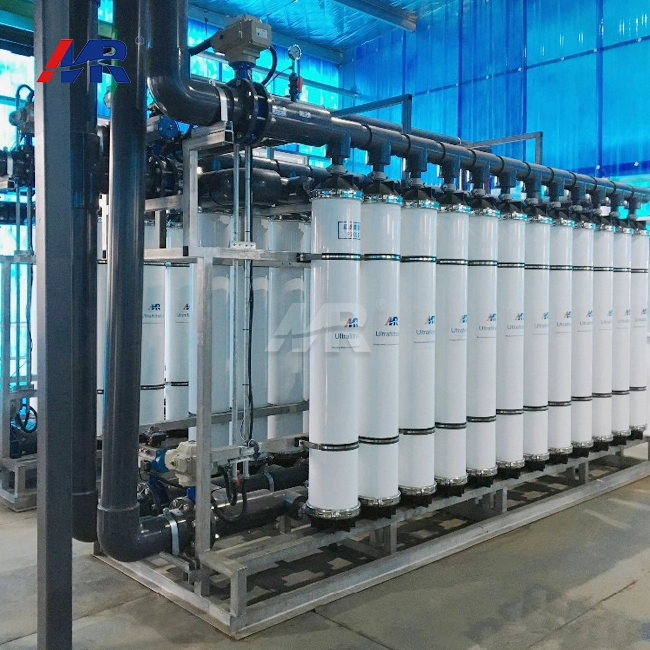
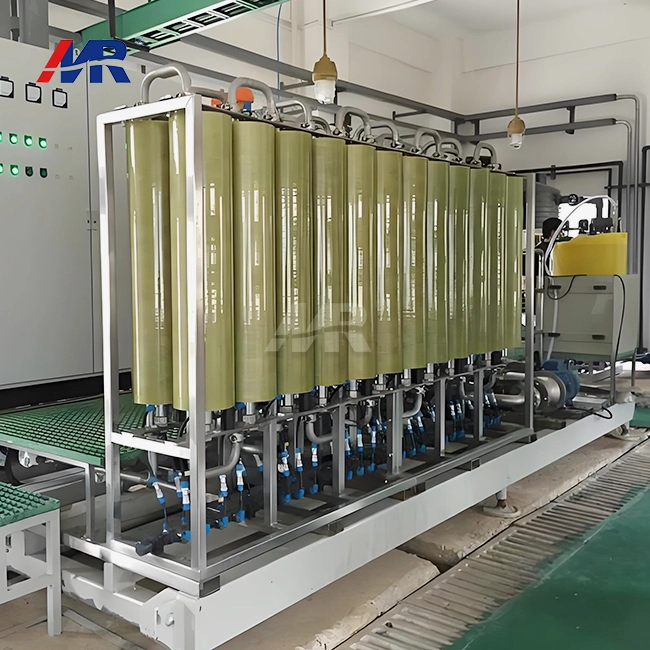
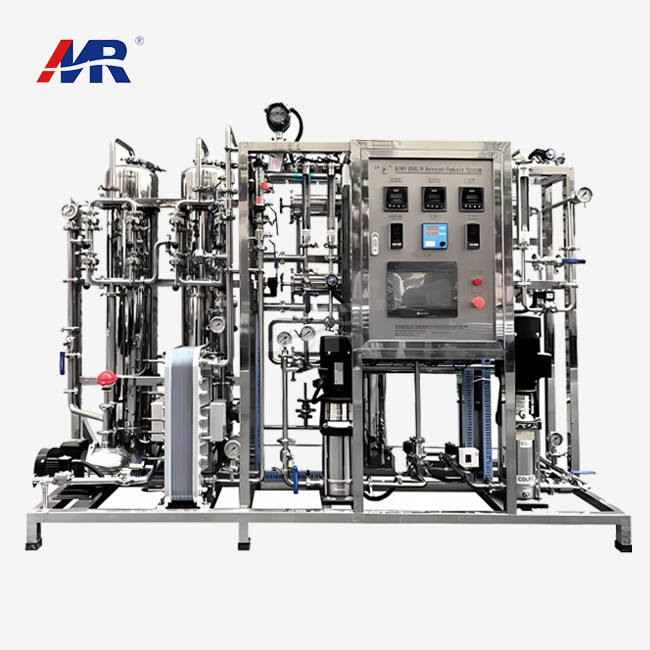
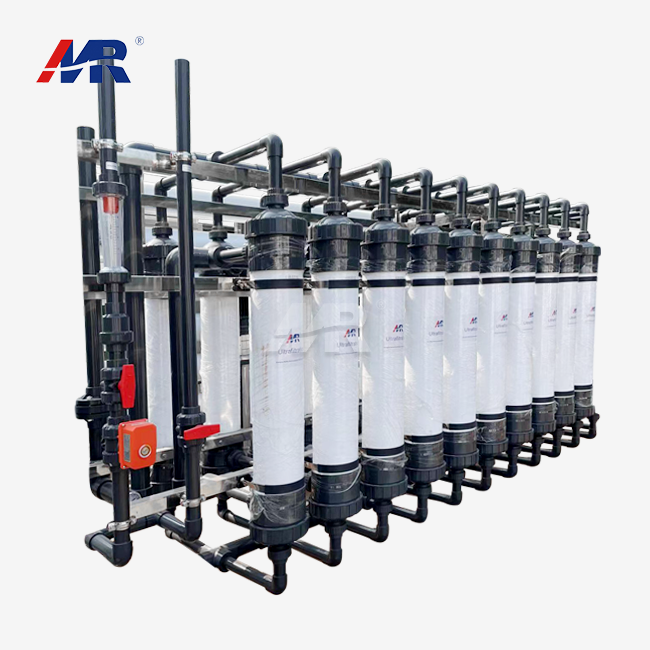
You should know about the pressure vessel interface, its size and shape, the material of the membrane, the pressure range, the temperature and pH limits, seals, and cleaning chemicals before you place your order. Afterward, match the part to the wastewater. The MR-DTRO-40TD is made to handle leachate from landfills that has a COD level below 25,000, a recovery rate of 50–70%, and a power need of 32 kW. Send me your water analysis first if you want a different COD level or a front end that doesn't let any water out. The working limits must always be checked, and the feedwater must always be studied before a choice is made. You can also use a test run to make sure the fit is good.
Assess the Supplier and Request Documents
When you pay for a DTRO Elements replacement, a good company will give you datasheets, quality control records, warranty terms, lead times, and help lines. You should ask for packing and export papers as well as test results from a third party on the effluent. Our group has more than 14 branches, more than 500 workers, and twenty engineers. Morui has its own workshop that makes membranes. We offer preparation, the DTRO Elements core, and handling of containerized concentrates while keeping an eye on things from afar. We also sell Shimge pumps, Runxin valves, and Createc instruments and work on OEM projects while being bound by an NDA.
Conclusion
After being tested and shown to function properly, DTRO Elements should not be changed on a predetermined date. Leaks, high pressure and energy use, persistent flow loss, falling salt rejection, and rising permeate conductivity are the main signs that something is wrong. Before placing an order, check the trend against standard data to make sure it is correct. Also, make sure there are no issues with the feed, pump, or instruments, and clean the membrane in a way that the manufacturer approves. The amount of time something lasts depends on where it's used, how it's prepared, how long it lasts, the pressure, the temperature, the chemicals used, and how it's handled. If you look at the costs of energy, missed output, chemicals, labor, compliance risk, freight, and downtime, you can decide if repair is even worth it. When you use the right element for the job, like landfill leachate with an inlet COD of less than 25,000, you can be sure of how well it works and how much it costs.
FAQ
1. How often should DTRO elements be replaced?
There's no set time between them. What affects the service life of a membrane is the feedwater, pretreatment, pressure, recovery, cleaning, and its condition. It should be changed when the normalized performance trends tell you to.
2. What are the clearest signs that a DTRO element needs replacement?
There are leaks that won't go away even after cleaning and checking the system. There is also higher pressure and flow loss that won't go away.
3. Can cleaning restore an old DTRO element?
It is possible to get rid of dirt and scale by cleaning. A: It can't fix membranes that are old, squished, or chemically broken.
4. How can I reduce DTRO element fouling?
It is important to follow the right pretreatment steps, not exceed the recovery and pressure limits, clean based on how well it works, and only use chemicals that have been approved.
5. How do I choose a DTRO membrane replacement supplier?
It is important to ask for test results, datasheets, guarantee terms, wait times, and ways to get help. Check to see if it fits your pressure vessel.
6. Are DTRO elements suitable for landfill leachate and high-TDS wastewater?
There is no doubt that it works for both with the open-channel system. Before a decision can be made, the feedwater needs to be analyzed, and the operating limits need to be reviewed again.
Need Help Selecting Replacement DTRO Elements from Morui?
Is the flow going down or up in terms of conductivity? If you give Morui your data, it can tell you if it makes sense to delete or add something. We offer DTRO Elements and have our own factory that makes membranes. We offer OEM choices for the MR-DTRO-40TD, as well as pricing, paperwork, extra parts, and checks on the feedwater and pressure vessels. Follow this link or email benson@guangdongmorui.com to get a copy or price.
References
1. Renou et al., Landfill Leachate Treatment: Review and Opportunity, Journal of Hazardous Materials, 2008
2. Peters, Membrane Technology for Water Treatment, Chemical Engineering & Technology, 2010
3. ASTM International, ASTM D4516 Standard Practice for Standardizing Reverse Osmosis Performance Data, 2019
4. Tang, Chong, and Fane, Colloidal Interactions and Fouling of NF and ro membranes: A Review, Advances in Colloid and Interface Science, 2011
5. Dow Water & Process Solutions, FilmTec Reverse Osmosis Membranes Technical Manual, 2016
6. Wiszniowski et al., Landfill Leachate Treatment Methods: A Review, Environmental Chemistry Letters, 2006