



When Should You Replace a Reverse Osmosis RO Membrane Element?
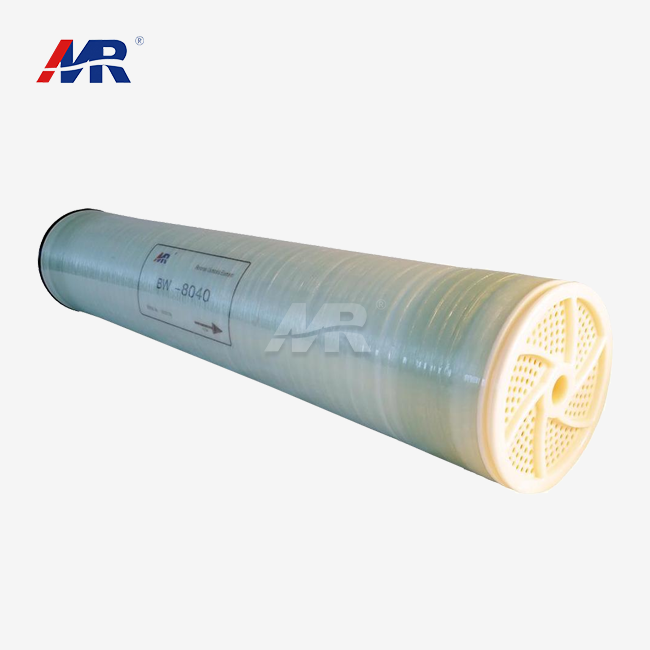
You should replace a membrane/8040-reverse-osmosis-membrane">reverse osmosis ro membrane element when normalized permeate flow stays low and salt rejection keeps falling, even after you fix pretreatment problems and complete a proper chemical cleaning. Rising differential pressure, increased permeate salinity, physical damage, and oxidation from exposure to chlorine are other warning indicators. Your trend data is more important than calendar age. When your system requires a replacement, like the Morui MR-8040 seawater element, I describe how to interpret those patterns, rule out simple explanations, and choose one in this article.
How to Tell When a Reverse Osmosis RO Membrane Reaches the End of Its Life?
Many plants do not suddenly shed a membrane. Since performance declines gradually, it is best to keep an eye on the trend rather than responding to a single figure. I never begin with unprocessed data. Rather, I begin with normalized data. This shift might make the raw flow seem to be fouling when the feed is cold in the morning. Once things return to normal, such adjustments will not be possible.
Performance Trends That Matter Most
Three numbers must be monitored at each stage: the salt passage, the normalized permeate flow, and the differential pressure. The cleaning procedure often begins when the normalized permeate flow or the differential pressure both decrease by 10%. It indicates that as the permeate salinity increases, less salt is rejected. One reading doesn't appear correct; therefore, we need to investigate it more. If you read something repeatedly and it continues to travel in the wrong direction for weeks, it probably needs to be replaced.
Rule Out System Problems First
Many issues that seem to be membrane failures really originate elsewhere. A filthy cartridge filter, a gauge that doesn't read correctly, a high-pressure pump with limited power, or a valve that won't move may all reduce output. If you don't apply enough antiscalant, scale may build, and if dechlorination doesn't work, you can rapidly harm a reverse osmosis membrane. Before placing your purchase, check the feed temperature, flow rate, and feed pressure with a calibrated gauge. If you have seal bypass, the permeate may get saltier even if the membrane is still functioning. Examine the brine seals and O-rings; replacing these is much more expensive.
When Cleaning No Longer Helps
Reversible fouling and scale may be removed by cleaning, but a fractured polyamide layer cannot be repaired. The reverse osmosis membrane may still be viable if cleaning improves flow and rejection. Damage is probable if they fall fast again or if rejection remains low after cleaning. Chlorine oxidation, particle abrasion, pressure spike compression, and telescoping are common causes. An autopsy of a sample component or a probe test may determine what went wrong. The most obvious reason to replace the element is rejection loss that cannot be recovered by cleaning, as each additional week of delay adds more salt to the water in your product.
What Shortens or Extends the Service Life of a Reverse Osmosis RO Membrane?
No universal replacement interval exists. Each reverse osmosis ro membrane can last a certain amount of time based on the feed water quality, pretreatment efficiency, operating limits, and general care.
Pretreatment and Feed Water Quality
More than any other procedure, pretreatment protects the membrane. Hardness and silica may produce scale on the surface, whereas organics, iron, suspended particles, and biological growth can induce fouling. A low silt density index (SDI) is the goal of seawater designers, and many membrane manufacturers want an SDI of less than 5. Oxidants are equally important. I treat any free chlorine in the feed as a hazard and remove it before water reaches the elements since the Morui MR-8040 can manage chlorine levels below 0.1 ppm. The intervals between cleanings and replacements are extended by good filtration, appropriate chemical dosing, and routine cartridge filter changes.
Pressure, Temperature, and Recovery
Membrane life is limited by operating restrictions. The MR-8040 is rated for pH levels between 2 and 11, temperatures up to 45°C (113°F), and pressures up to 1,200 psi (8.27 MPa). The element is protected by staying within certain bounds. Although it may marginally reduce salt rejection, a higher temperature increases flux. The membrane material may be compacted by pressure spikes during initiation. Running at an excessively high recovery increases the chance of fouling by pushing salt and scale-forming ions toward the concentrate end. The weather is protected by a gradual ramp-up of the high-pressure pump and consistent operation; frequent starts and stops increase stress, so align your duty cycle with the system design.
Cleaning, Storage, and Record Keeping
Not on a set date, but when the data indicates it. Rinse well, remain within the pH range, and use chemicals that are compatible with the reverse osmosis membrane. A membrane that dries out might permanently lose performance; therefore, idle parts must remain moist. A proper preservation solution should be used, and the elements should be shielded from heat and cold. Record the installation date, membrane model, batch, operating circumstances, cleaning outcomes, and the cause for replacement in a journal for every pressure vessel. These data let you predict your next order months in advance, assist warranty negotiations, and show a gradual decrease.
Replacing Your Element with the Morui MR-8040 Seawater Membrane
When the data points to replacement, the next step is choosing an element that fits your system and your water chemistry.
MR-8040 Specifications at a Glance
Here are the facts I share with buyers who ask about this model of reverse osmosis ro membrane. The Morui MR-8040 has a permeate flow rate of 6,000 GPD (22.7 m³/d) and an active area of 400 ft² (37.2 m²). It rejects 99.8% of salt. It can withstand temperatures as high as 45°C (113°F) and pressures as high as 1,200 psi (8.27 MPa), with a pH range of 2 to 11 and a tolerance to chlorine of less than 0.1 ppm. By limiting biofouling and scaling, its fouling resistance maintains low energy consumption while providing consistent flux and rejection over time. Typical applications include emergency water supply, offshore platforms, power plant cooling, industrial process water, municipal desalination, and coastal resorts.
Steps for a Safe Replacement
Compare the size, rated flow, salt rejection, pressure rating, end-cap, and brine-seal design of the new and old elements. After turning off the power and supply water, lower the vessel's pressure. Note the location and flow direction of each component, and look for scaling, biofouling, telescoping, and seal damage on the removed membranes. The old element's failure is explained by that evidence. Avoid overtightening the end caps, load each component in the proper direction, and lubricate O-rings with a suitable lubricant. After flushing the new components, note the flow, pressure, rejection, and penetration TDS as your baseline. Every subsequent choice is made simpler by that baseline.
Buying for Plants, OEMs, and Distributors
Before authorizing a purchase, US buyers often request datasheets, test results, and comprehensive documentation; I advise all purchasers to take the same action. In addition to operating its own business, Morui manufactures desalination equipment. In addition to supporting OEM private-label projects, batch planning, and sampling, we can provide standard 8040 reverse osmosis membrane parts in large quantities. Our company employs 500 people, has 20 engineers, and more than 14 branches. Stock and delivery are important to plants that change components on a regular basis. Equipment manufacturers are concerned about the membrane's compatibility with their energy-recovery and pretreatment designs. Examine the whole cost of ownership rather than just the unit price.
Conclusion
A reverse osmosis ro membrane should be replaced based on performance data, not age. Sustained loss of normalized permeate flow, rising salt passage, and growing differential pressure point to wear, but only after you check pretreatment, pressure, temperature, seals, and cleaning results. Chlorine oxidation, scale, fouling, pressure spikes, and poor storage shorten membrane life, while steady operation within rated limits and careful records extend it. When replacement is needed, the new element should match system design, water chemistry, and rated specifications. The MR-8040, for example, lists 99.8% salt rejection and 6,000 GPD of permeate flow for seawater service. Tracking data lets operators avoid both early spending and late action.
FAQ
Q1: How often should I replace a reverse osmosis ro membrane?
A: No fixed schedule applies. Replace the element when normalized flow and salt rejection stay off baseline after cleaning and system checks.
Q2: Can cleaning fix a worn membrane?
A: Cleaning removes reversible fouling and scale. It cannot repair oxidation, severe compaction, or permanent salt rejection loss.
Q3: What causes a sudden drop in salt rejection?
A: Chlorine oxidation and O-ring bypass are common causes. Rejection testing and an element autopsy can confirm which one applies.
Q4: Does temperature change my readings?
A: Yes. Warmer water flows more easily, so flux rises while salt rejection can dip slightly. Use temperature correction factors for accurate comparisons.
Request a Reverse Osmosis RO Membrane Quote from Morui
Morui can help you choose the right replacement. Send us your feed water analysis, current membrane model, quantity, and destination. As a reverse osmosis ro membrane supplier with our own membrane factory and in-house desalination equipment, we support bulk orders, OEM private label, and project quotes. Email benson@guangdongmorui.com to request datasheets, samples, or pricing for the MR-8040.
References
1. Kucera, J. Reverse Osmosis: Design, Processes, and Applications for Engineers, Wiley-Scrivener, 2015.
2. Baker, R. W. Membrane Technology and Applications, Wiley, 2012.
3. Wilf, M. The Guidebook to Membrane Desalination Technology, Balaban Desalination Publications, 2007.
4. MWH. Water Treatment: Principles and Design, Wiley, 2012.
5. ASTM International. ASTM D4194, Standard Test Methods for Operating Characteristics of Reverse Osmosis and Nanofiltration Devices, 2023.
6. ASTM International. ASTM D4516, Standard Practice for Standardizing Reverse Osmosis Performance Data, 2019.
-
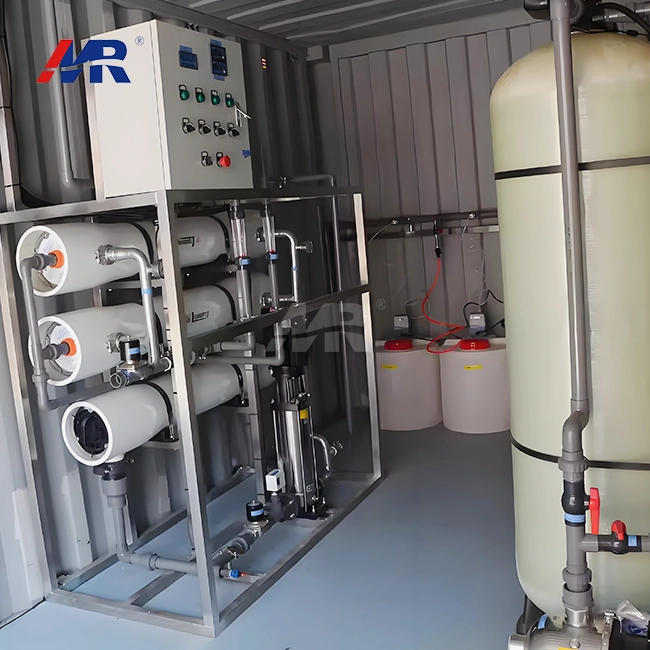 VIEW MOREcontainerized reverse osmosis system
-
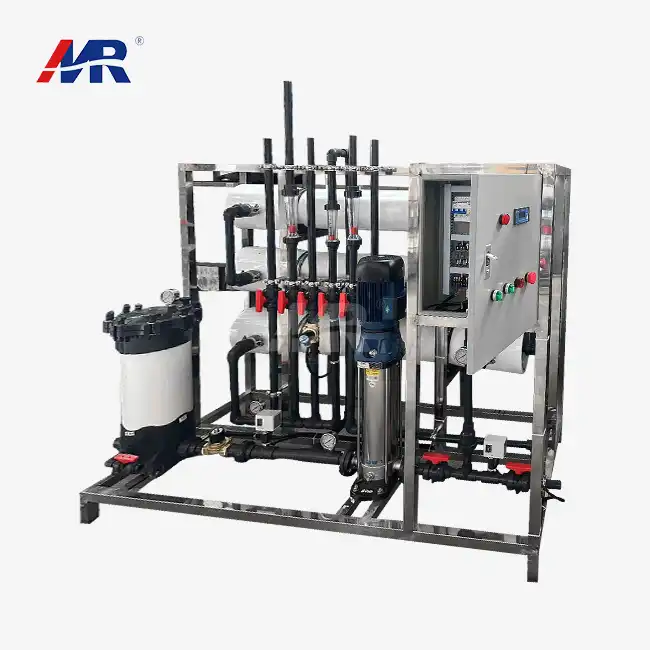 VIEW MORE3T/H reverse osmosis equipment
-
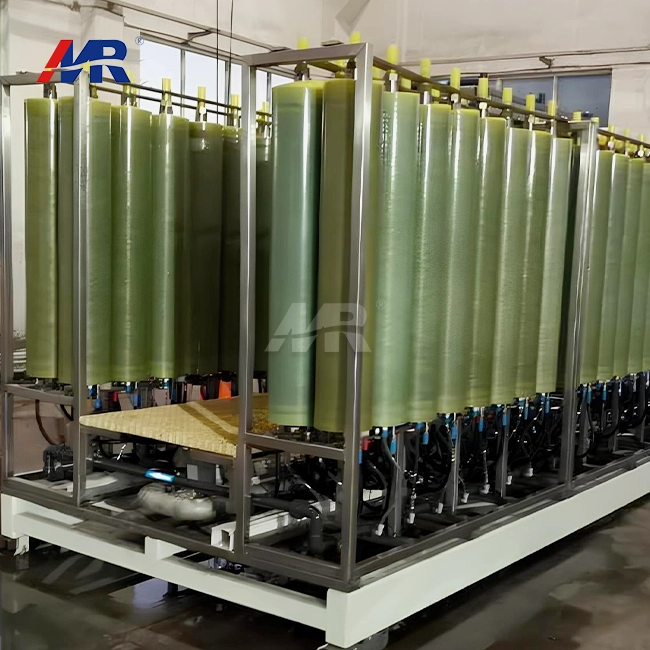 VIEW MOREDTRO for Wastewater Treatment
-
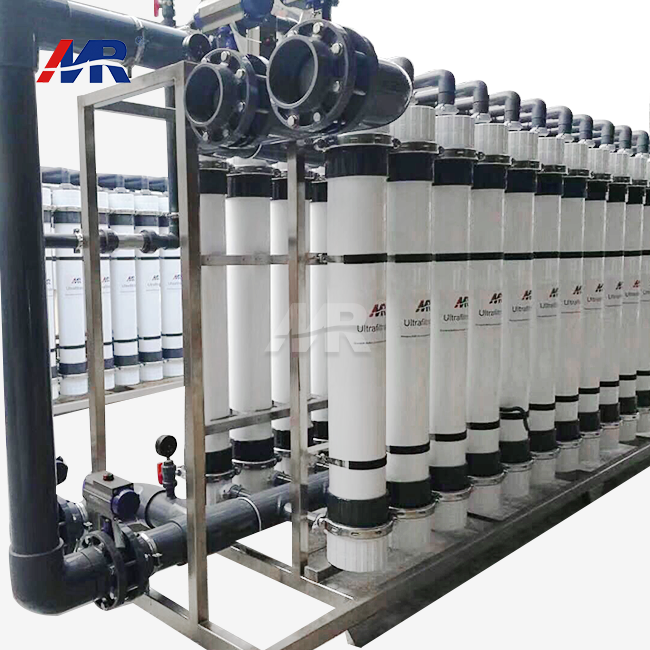 VIEW MOREultrafiltration water system
-
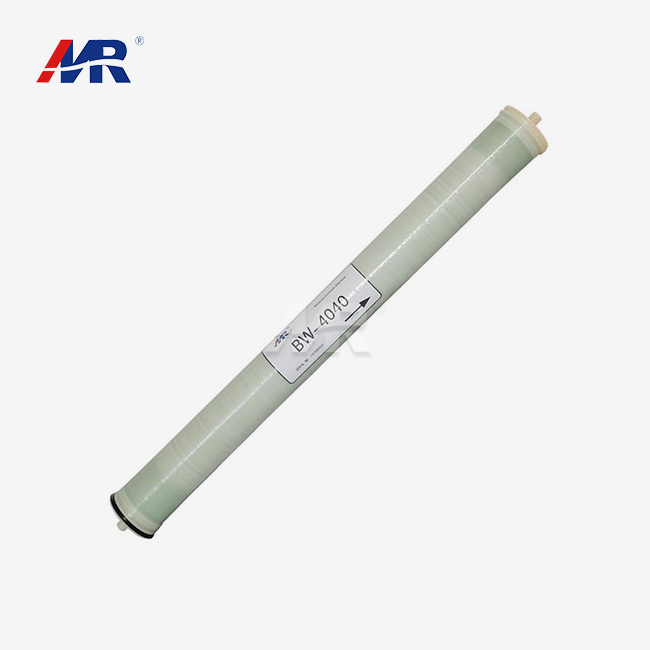 VIEW MOREindustrial ro membrane
-
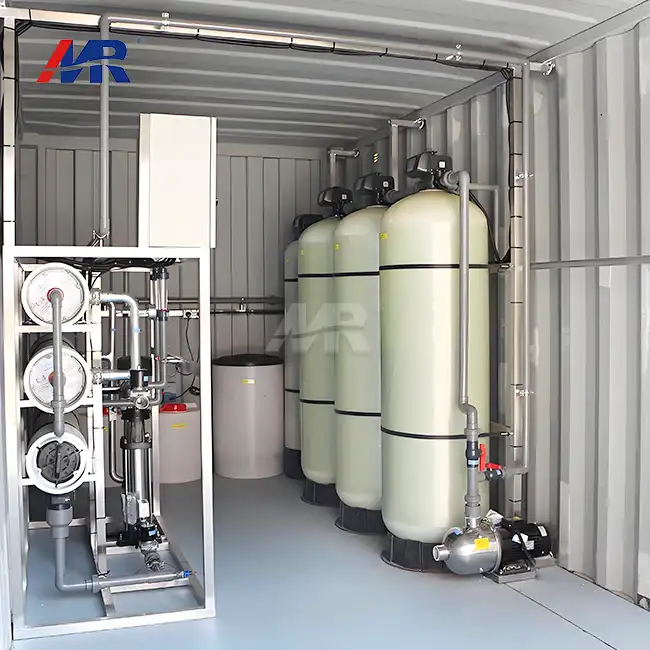 VIEW MOREcontainer ro equipment
-
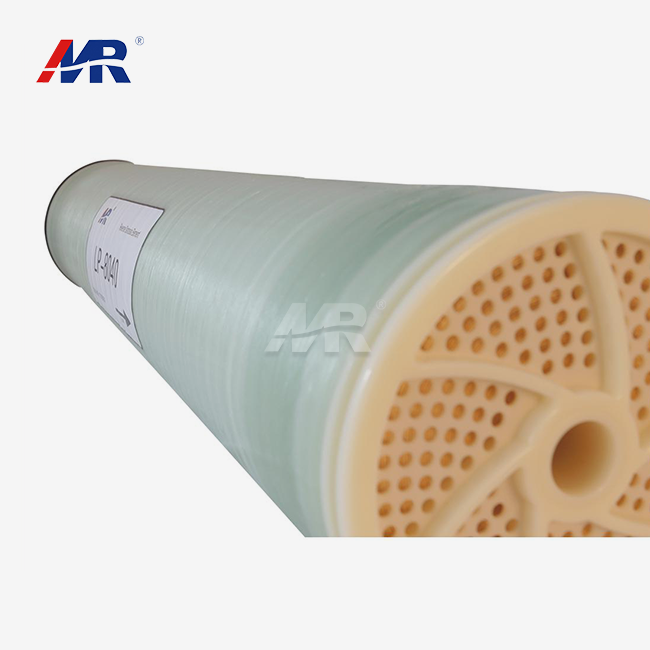 VIEW MOREmembrane used for reverse osmosis
-
 VIEW MOREultrafiltration water treatment system