



When Does a 2 Stage Reverse Osmosis System Beat Single Pass RO?
A 2 stage reverse osmosis system beats single-pass RO when the feed water carries high or fluctuating dissolved solids, when the plant needs higher recovery to cut wastewater and disposal costs, or when product conductivity must stay consistently low. Single-pass RO remains the sensible choice for stable, moderate-TDS water and small, cost-sensitive projects. The deciding factor is operating conditions, not stage count. In this article, I compare both designs, explain the trade-offs, and show where the Morui MR-BWRO-50TH, a brackish water unit for potable water production, fits into that decision.
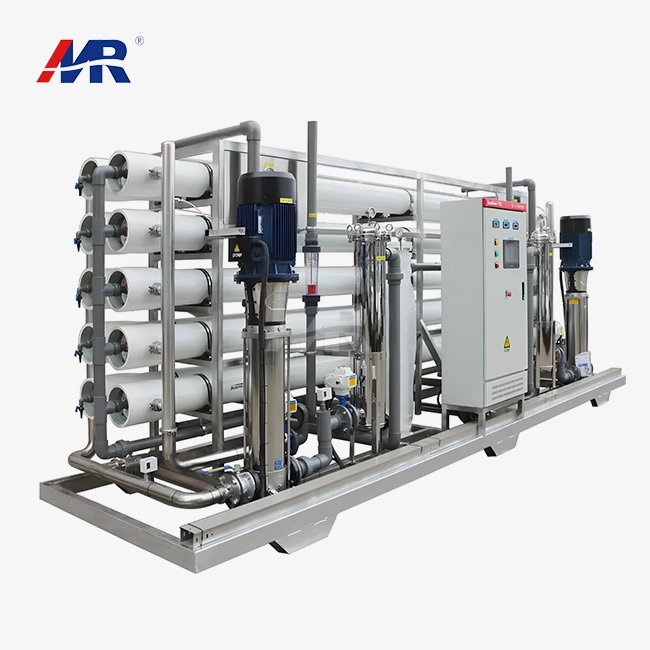
What a 2-Stage RO System Is and How It Compares with Single-Pass RO?
What Defines a Genuine 2-Stage Configuration?
A real 2 stage reverse osmosis system uses the concentrate from the first set of pressure tanks to feed the second set. It gets back extra permeate from water that would have gone down the drain all at once. In the second step, some designs use a managed return stream or treat permeate. A two-pass method is another name for this. Providers always explain what version they mean. There is no such thing as membrane staging in a purifier with two filters, one for sediment and one for carbon. Get a written copy of the process flow plan, membrane arrangement, recovery goal, and water path before you compare quotes.
Main Components Buyers Should Confirm
Business gear isn't just clothes in a frame. Along with a high-pressure pump, monitoring tools, automatic flushing, a storage tank, and pretreatment like multimedia or cartridge filtration, a standard package includes these things. Some of the choices are UV light, chemical doses, and clean-in-place (CIP) tools. Every part affects the quality of the water and how long it works. The feed pressure is set by the pump, and sensors that check the pressure and conductivity can tell when the pump is getting clogged early on. The flow diagram and equipment list must match exactly when I look over a proposal. I also make sure that nothing important to the process has been left out to save money.
Single-Pass and Two-Stage RO Side by Side
Take a quick look at how these general patterns stack up:
| Factor | Single-pass RO | 2-stage RO |
|---|---|---|
| Recovery | Lower | Higher, depending on feed chemistry |
| Footprint | Smaller | Larger |
| Capital cost | Lower | Higher |
| Maintenance | Simpler | More monitoring and balancing |
| Typical use | Stable, moderate TDS | High or variable TDS, high wastewater cost |
Trends, not promises, are shown in the table. Recovery may go faster, the amount of concentrate may go down, or the quality of the permeate may get better if the second stage treats either concentrate or permeate. If you ask for a membrane estimate based on your own water study, you can see real numbers.
When a 2-Stage RO System Beats Single-Pass RO
High or Unstable Feed-Water TDS
Salty well water changes at different times of the year and at different pumping rates. It takes more pressure and better conductivity to make a single pass as TDS rises. The load is spread out over many vessels when the membrane array is put in stages. Each stage works within its own design flux. A second limit set by the US EPA for TDS in drinking water is 500 mg/L. This means that source water that is a lot higher than that level must be able to get rid of salt consistently. Before you choose a style, I think you should look at the feed for a few weeks. One lab result can hide the changes that happen when one pass is enough.
Recovery and Wastewater Cost
Return is the amount of water that goes from feed to output. Most of the time, single-pass units are close to 50%, which means that almost half of the feed goes to the drain. A well-designed 2 stage reverse osmosis system can reach about 75% to 85% on a suitable brackish feed, reducing the amount of raw water required and increasing the volume that is concentrated. The difference in prices between companies that clean sewers, haul brine, and pump wells is one dollar. More recovery also means more hardness and silica, so the savings only apply if the scaling stops before the treatment. Get your own water and garbage disposal costs to figure out how much it will cost you in return.
Industries Where Two Stages Pay Off
This helps in some places more than others. Not as many dissolved solids in the boiler-make-up water means less blowdown and buildup. Food and drink plants need steady conductivity to make sure their Products are always the same. For electronics and lab work, you need low conductivity that doesn't change much. Municipal and industrial brackish groundwater projects want smaller reject volumes when they can't release as much water. RO is used to clean raw water in plants that bottle water. All of these can run continuously if the feed water and the way the system is built work well together. This can be done with online tracking, automatic flushing, and flexible membrane trains.
Limits, Water Quality Factors, and Choosing Between the Two
Limits and Trade-Offs of Two Stages
Sometimes two stages are better than one in a 2 stage reverse osmosis system. Costs go up at the start because of extra housings, pumps, controls, instruments, setup, and commissioning. There are two groups that operators need to keep an eye on and balance. They also need to clean more carefully and keep more extra parts on hand. Scaling agents like silica and hardness salts are concentrated at higher recovery levels. This means that you may need to soften, dose antiscalants, or clean with chemicals. A way that hasn't been thought out can be harder to keep up and use more energy, but it won't make things better or help the healing process. Single-pass RO is a good choice when the feed quality stays the same, and the wastewater costs are fair.
Water Quality Factors and Performance Metrics
The pretreatment keeps the membranes safe. It could include screening for media or filters, softening, getting rid of iron and manganese, and adding antiscalant in the right amount. The first RO stage's main job is to separate the salts. It is the job of the second stage to add capacity, clean the filtrate, or stage the concentrate. To rate success, look at the feed and output conductivities, the amount of salt that is rejected, the recovery, the permeate flow, the differential pressure, and the normalized flow. I can't give you a single number for TDS removal because it depends on the feed's chemistry, the temperature, the pressure, and the recovery. Ask your provider to estimate what will happen based on what they find out about your water.
Steps for Choosing Between the Two
Start by writing down the goal, the amount of water you want to make, the flow rate you need, the hours you can run it, and the rules. Next, do a test in the lab to see the TDS, conductivity, pH, hardness, alkalinity, silica, iron, manganese, chlorine, turbidity, microbiological indicators, and turbidity. Then, think about how much energy it will use, how big it will be, how automatable it will be, and how much salt it will reject. Lastly, make a list of all the costs that come with owning the system. These include setting it up, pretreatment, power, trash, membranes, filters, chemicals, labor, and downtime. Mixed options, like RO with UV, softening, or EDI, may be better than either of the pure options when different needs are met.
MR-BWRO-50TH, Installation, and Supplier Checks
MR-BWRO-50TH at a Glance
The Morui MR-BWRO-50TH is a 2 stage reverse osmosis system designed to produce potable water from brackish or groundwater sources. It is said to send 99% of the salt away, get back 55% to 65% of that, and use 55 kW of power. That healing range isn't as high as the 75–85% range that some planned designs can reach. This keeps the concentrate from being too concentrated and makes scaling on hard wells easy to handle. This is possible because Morui has its own membrane factory and equipment-processing plants. We can add or remove pumps, instruments, pipes, controls, and remote monitoring to match your water report. Use these scores as design values and compare them to your feed analysis.
Installation, Start-Up, and Maintenance
Before you turn on the system, make sure the feed, drain, electricity, pressure, air, tank, and pretreatment links are all in order. As part of the start-up process, you must check for leaks, flush the membrane, slowly raise the pressure, take baseline readings for flow and conductivity, set up recovery, and test the alarm. It is part of routine care to change cartridges and pretreatments, check the membranes, calibrate the instruments, service the pumps, and clean them. It's the first thing I check when product TDS goes up, permeate flow goes down, concentrate runs high, or the unit trips a lot. Find out if replacement parts are available and how quickly help will be sent before you buy.
Evaluating a Manufacturer
Do not only look at the price in the catalog. A good maker looks over your water analysis, draws up process flow and pipe plans, projects membranes, helps with factory testing, and gives you paperwork for starting up the system. For US projects, ask for proof that parts that will be in contact with drinking water are safe, such as NSF/ANSI 61 ratings. You should also ask about insurance terms and performance guarantees. When distributors and OEM buyers check, they should also look at the minimum order amounts, wait times, packing, private label options, spare parts availability, and export paperwork. Ten of the 500 people who work for the Morui group are engineers. The group has been around for 25 years and has 14 branch companies that work on these projects.
Conclusion
A 2 stage reverse osmosis system is better to a single-pass RO system when the TDS of the feed water is high or changing, when recovery and wastewater cost are important, or when conductivity goals are strict. Single-pass RO is still good for small projects that don't need a lot of money and have water that is stable and has a low TDS. Two stages raise the risk by adding more stages, equipment, and monitoring. So, the result rests on how the water is treated first, how well the planning is done, and how accurate the estimates are based on real water analysis. It is possible to figure out which design really adds value by looking at lab data, performance measures, and the cost over its lifetime. That value will be safe over time if you keep good records for installation, maintenance, and suppliers. The staged brackish water design of the MR-BWRO-50TH gets rid of 99% of the salt and gets back 55–65% of the water.
FAQ
Q1: Is two-stage RO always better than single-pass RO?
A: No, it depends on the feed water quality, the target conductivity, the recovery, the capacity, and the running costs. Most of the time, one pass is enough when the water is solid and has a low TDS.
Q2: Can a 2-stage system treat well water?
A: Yes, as long as the right pretreatment and a lab test come first. Hardness, silica, iron, and manganese can foul membranes quickly.
Q3: Is a residential "four-stage" filter the same thing?
A: Not at all. Tags like these help you keep track of filter tubes like dirt and carbon. It's called "membrane staging" how the RO rows are set up.
Q4: How often do membranes need replacement?
A: How long a membrane lasts depends on the feed quality, the pretreatment process, and the cleaning process. Because of this, there is no one time that works for all places.
Q5: What should I request from a manufacturer?
A: Request process flow maps, membrane projections, part lists, upkeep plans, performance guarantees, and the warranty's terms and conditions.
Request Your 2 Stage Reverse Osmosis System Assessment from Morui
Morui is a 2 stage reverse osmosis system manufacturer with its own membrane plant and 20 engineers. This is how you can get a custom MR-BWRO-50TH suggestion: email benson@guangdongmorui.com with your feed-water analysis, target flow, TDS goal, and work plan. People who buy from distributors and OEMs can ask for details like specifications, lead times, and private-label options.
References
1. AWWA Manual M46: Reverse Osmosis and Nanofiltration, 2007
2. Water Treatment Plant Design, 2012
3. Membrane Technology and Applications, 2012
4. Reverse Osmosis: Design, Processes, and Applications for Engineers, 2019
5. Secondary Drinking Water Regulations: Guidance for Nuisance Chemicals, U.S. Environmental Protection Agency, 1992
6. NSF/ANSI/CAN 61: Drinking Water System Components, 2023
 VIEW MOREosmosis water purification system
 VIEW MOREindustrial ultrafiltration systems
 VIEW MOREreverse osmosis water purification plant
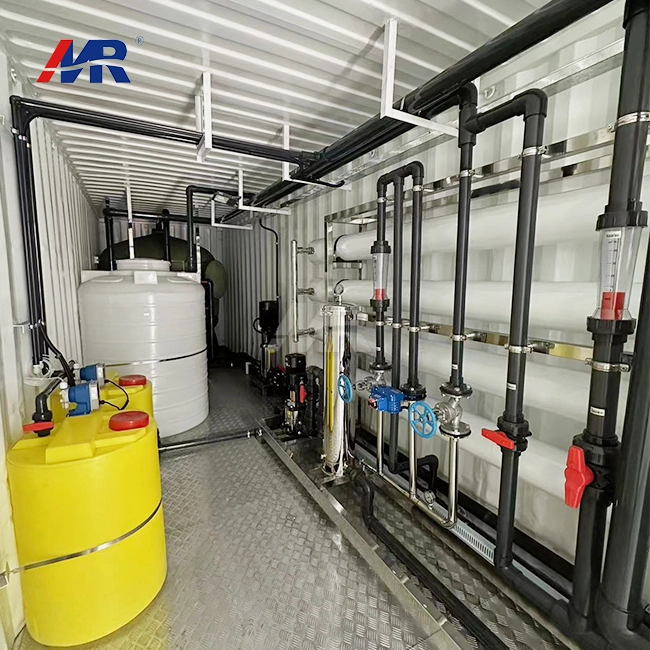 VIEW MOREcontainerized desalination plant
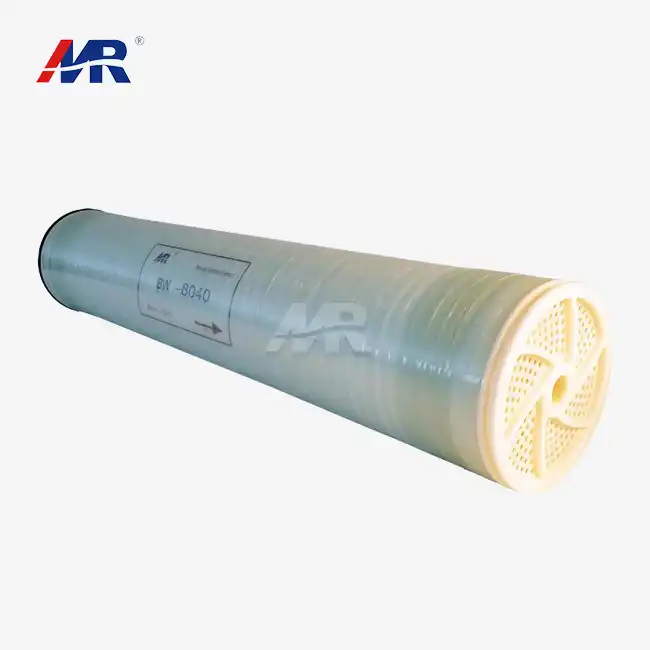 VIEW MORE80 40 ro membrane
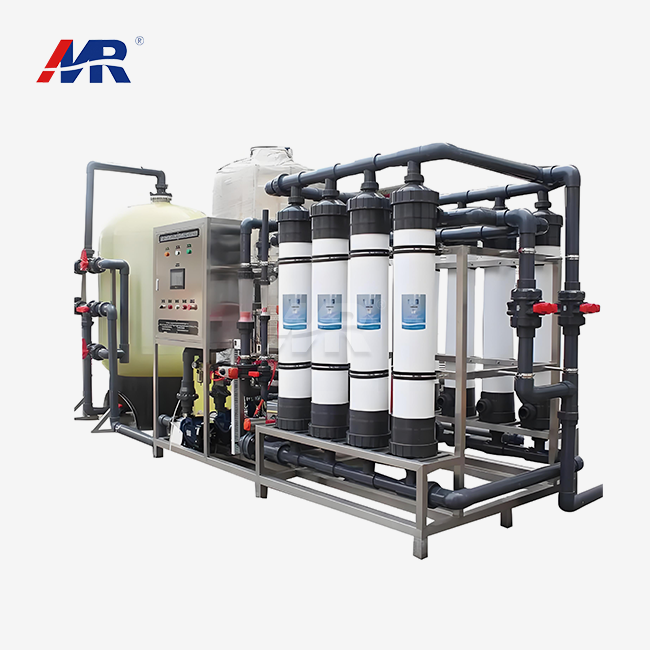 VIEW MOREuf ultrafiltration
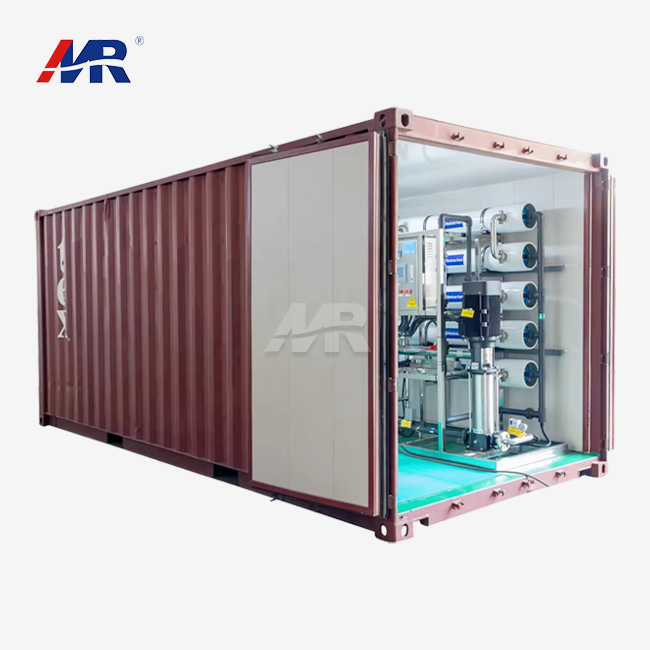 VIEW MOREmobile container reverse osmosis equipment
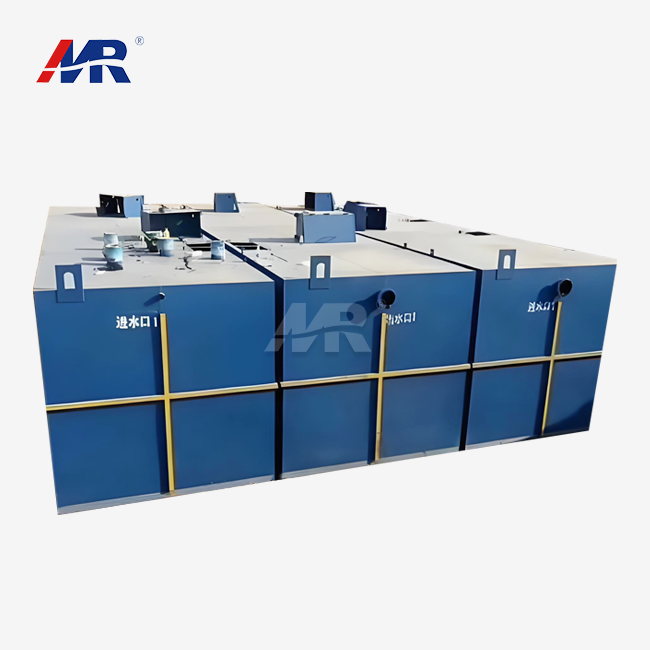 VIEW MOREcommercial sewage treatment plant