



SWRO Desalination Plant vs BWRO: Pressure, Membranes and Cost
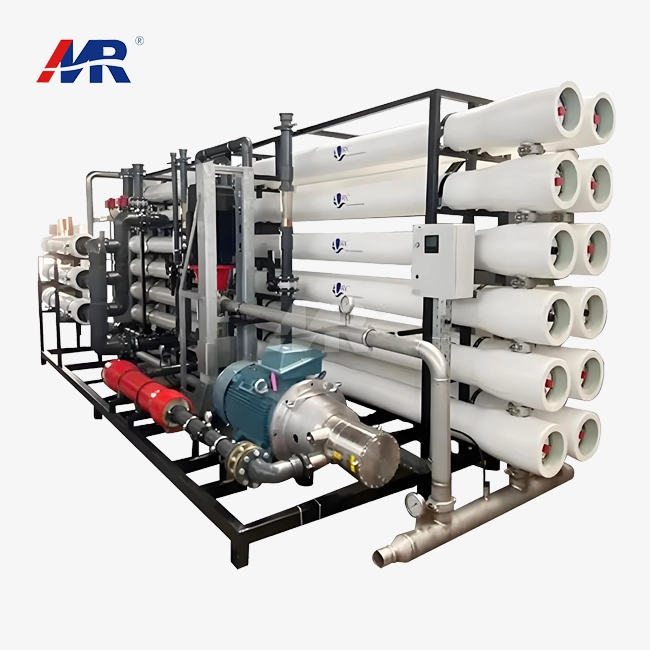
A swro desalination plant treats seawater at roughly 55–80 bar, while a BWRO system treats lower-salinity brackish water at about 10–25 bar. That pressure gap shapes everything else. SWRO needs membranes built for high salt rejection, corrosion-resistant hardware, energy recovery, and stronger pretreatment, so its capital cost is higher. BWRO usually costs less to buy and run, and it often reaches higher recovery. The right choice depends on your feedwater, not on price alone. Below, I compare pressure, membranes, and cost so you can specify the right system.
Feedwater, Pressure, and Recovery: Where the Two Systems Split?
Why Feedwater Chemistry Sets the Design?
At sea, the TDS level is usually around 35,000 mg/L. In salt water, it's usually between 1,000 and 10,000 mg/L. The pump knows how hard it needs to work based on the osmotic pressure. When there is more salt, the osmotic pressure is higher. Before I recommend a swro desalination plant, I look for a lab report that includes TDS, temperature, turbidity, pH, hardness, silica, iron, manganese, and organics. If the water has silica or is hard, it can be harder to recover when it is cold. Even if two projects use the same amount of water every day, they may need very different designs if the water that feeds them is different. This is the reason why a water study should always come after a clear quote.
Operating Pressure in SWRO and BWRO
When seawater has 35,000 mg/L of salt in it, the osmotic pressure is about 27 bar. Because the concentrate gets saltier as it moves along the membrane array, most swro desalination plants work at 55 to 80 bar. Ten to twenty-five bar is where most BWRO systems work. What tools are used depends on that gap. Pressure vessels that are strong, high-pressure pumps, pipes and valves that don't rust, and often energy recovery are all things that swro desalination plant needs. When the BWRO pressure is low, there is less noise, less power use, and less stress on the motor. Stress is one thing that can change, though. In order for the plant to work, it must strike a good balance between salt rejection, flux, recovery, fouling risk, and membrane life.
Recovery Rate and Product-Water Quality
This is the amount of feedwater that changes into permeate. The osmotic pressure in saltwater systems goes up as recovery goes up. This is why a swro desalination plant usually sets it between 40 and 50 percent. More than 99.7% of salt is removed by our bodies, and that number can go as high as 50%. BWRO can get back a lot more most of the time, but silica, sulfate, and hardness can stop it. We add minerals and change the pH of seawater permeate before we send it out because it doesn't have many minerals in it. The 500 mg/L TDS level set by the EPA is a good rule of thumb for drinking water. Hospitals, food plants, and labs might need more work.
Membranes, Pretreatment and Maintenance
How SWRO and BWRO Membranes Differ?
There are two different types of thin-film composite polyamide elements. Both are wound in a spiral shape, but they are made to do different things. Even if there is a lot of osmotic load, swro desalination plant elements can handle it and keep rejecting salt. When the pressure is low, BWRO elements let more water through. This means that feed with less salt works best. If you put a BWRO element on saltwater, it might not be able to separate the water and could be stressed mechanically. The tools and factories for making membranes are in Morui, so we can make the membranes, the pressure vessels, and the whole system. Membranes that work very well help our swro desalination plant get rid of salt from water.
Pretreatment Requirements
Filters made of polyamide get dirty and scale up quickly if the water that goes through them isn't properly prepared. The first step in our process for treating seawater is a carefully planned intake. After that, we get rid of the big pieces and biological toxins. Multimedia filtration, ultrafiltration, cartridge filters, antiscalant doses, and dechlorination are some of the things that can be done. Chlorine is bad for polyamide, so these steps need to be avoided. An SI value of less than 5 is needed by many companies that make membranes. Its main goals are to change the pH, get rid of iron and manganese, and make the material softer. It takes less time to clean, replace membranes, and deal with unexpected downtime when priming is done right.
Maintenance and Monitoring
People who work in the plant need to keep an eye on the temperature, flow, recovery, rejects, and feed pressure. Trends in normalized permeate flow and rejection show that the rate of decline starts early, before the output starts to drop. A swro desalination plant must also keep an eye on rust, the parts that take in water, and the parts that turn energy back into water. A lot of the time, BWRO units need to have their filters backwashed and looked at for iron fouling or scaling. Our tools can be watched from away and work on their own, which helps teams find drift more quickly. Flushing, cleaning, training operators, and planning for spare parts during startup and shutdown can all extend the life of a membrane.
Cost, Energy and Project Formats
Capital Cost: Why SWRO Costs More?
The bigger gap in a swro desalination plant is due to higher pressure. There must be energy recovery, improved pretreatment, a seawater intake, stronger vessels, materials that don't rust, and a concentrate release for a system that works with seawater. For the most part, BWRO tools need less pressure, simpler ways to get water in, and smaller sizes. Everything needs to be looked at in order to make a fair comparison. This includes the pumps, membranes, chemicals, installation, testing, building works, automation, spare parts, and brine management. In the US, you usually need a permit to release concentrates, which can make it harder to make plans and keep track of costs. Make it clear to each bidder what they will and will not include.
Energy and Operating Cost
Electricity is a big part of the cost of desalinating seawater. Based on work by Elimelech and Phillip, seawater has a thermodynamic minimum of about 1 kWh/m³ at 50% recovery. Still, plants need more power than that. Pressure is taken from the concentrate stream and sent back to the feed by energy recovery devices. This lessens the load on the pump. We get 3–4 kWh/m³ from our systems and use them to make energy. Because BWRO has less pressure, it usually needs less per cubic meter. It costs a lot because of chemicals, labor, cleaning, and membranes. Figure out how much it costs per cubic meter over the life of the plant.
Containers, Skids and Remote Sites
It depends on the type of job and how the process is designed. Small containers and skid-mounted units make moving easier and cut down on work that needs to be done on-site. They are also good for jobs that are far away or only last a short time. Every day, our machines clean up 1,000 to 100,000 m³ of saltwater. People in coastal towns get their water from this source, and high-purity water is used in industry. It is also used to water farms in dry coastal areas and for oil and gas operations at sea. In the salty air of the ocean, things that don't rust are better. Monitoring from afar lets a small group of people keep an eye on several places. When you're specifying, make sure the design can withstand the elements and works with the power standards in your area.
Choosing, Specifying and Buying with Confidence
When to Choose SWRO, BWRO or a Hybrid
If the source is ocean water or water with a lot of salt in it, and the location can handle high-pressure equipment, an intake, and a concentrate output, swro desalination plant is the best choice. BWRO is the way to go if you want to treat groundwater, surface water, or brackish industrial water with less energy, a smaller design, or more recovery. This kind of train works well in places where quality isn't always the same or where the product needs to be softened, ultrafiltered, EDI, UV, or remineralized. Even though they are close to the water, BWRO is the cheaper way to go for some seaside wells with mild salt. The choice should be based on feed data, lifecycle costs, compliance, and growth plans.
How to Evaluate a Supplier
First, find out if the company makes things, installs things, builds things, or sells things. Our company, Morui, treats water. We have more than 14 locations, more than 500 employees, 20 engineers, our own factory that makes membranes, and several factories that work on equipment. Make tools, Runxin valves, and Shimge pumps are some of the other things we work with. People in the US should ask for test reports on treated water, information on energy use, and proof for materials that come into contact with water, such as NSF/ANSI 61 when it applies. Check out the FAT and SAT options, as well as the services for getting spare parts, the guarantee terms, and the time it takes for expert support.
A Practical Procurement Process
First, figure out what the feedwater is made of and how it changes with the seasons. Then, list the daily and peak capacities, the recovery goal, the quality of the permeate, and the rules in your area. Next, ask for business and technical plans that include a process flow diagram, a list of equipment, figures of how much energy and chemicals will be used, a list of utilities, a supply schedule, a guarantee, and a list of spare parts. Compare the value over the whole lifetime and cross out things that shouldn't be counted, like building work, power lines, water intake, or brine discharge. It's safer to use pilot tests and site study reports when the water is hard to work with. Last but not least, write down the terms for FAT, SAT, commissioning, teaching the user, and remote support. There won't be any more arguments when the written scope is clear and the price is low.
Conclusion
The main difference between swro desalination plant and BWRO is the water that goes into them. Seawater with about 35,000 mg/L needs tougher preparation, better membranes, and hardware that doesn't rust. It also needs energy recovery. With 10–25 bar of salty water, it gets more back and costs less to buy and run. This means that a swro desalination plant costs more to set up. But the price alone doesn't tell you how much it will cost in the long run. Chemicals, maintenance, energy use, membrane life, and how the brine is managed all play a role. The choice should be based on the quality of the product water, the project format, the supplier's paperwork, and the analysis of the water. Plants that use a mix of sources work best. Having a clear description of the buying plan helps keep things on track and prevents surprises.
FAQ
Q1: Why does SWRO cost more than BWRO?
A: The swro desalination plant needs more pressure, materials that don't rust, better preparation, energy recovery, and a way to take in and discharge seawater.
Q2: Can a BWRO membrane treat seawater?
A: Most of the time, no. The pressure and salt load of seawater are too much for it to handle, so rejection drops and the element could get broken.
Q3: How much energy does a SWRO desalination plant use?
A: Our methods that get energy back use 3–4 kWh/m³. It takes less energy than BWRO because it works at lower pressure.
Q4: Does Morui offer remote monitoring?
A: Yes. Our systems can be monitored from afar and controlled automatically.
Q5: What data do you need for a quotation?
A: Please send a study of the feedwater, the capacity that is needed, the standards for the product water, the site conditions, and the project scope.
Request Your SWRO Desalination Plant Design from Morui
Plan a project in the water near the ocean, the coast, an island, a vacation, or a mine. Morui can help you choose the right size swro desalination plant based on the saltwater you provide and the amount of water you need to process. We have our own membrane factory and make swro desalination plants. We help plan crates and skids, put them together, get them up and running, and get replacement parts. Email benson@guangdongmorui.com to get a full price and help with your project.
References
1. Science, 2011 – Elimelech, M. & Phillip, W. A., "The Future of Seawater Desalination: Energy, Technology, and the Environment."
2. Water Research, 2009 – Greenlee, L. F. et al., "Reverse Osmosis Desalination: Water Sources, Technology, and Today's Challenges."
3. Desalination, 2007 – Fritzmann, C. et al., "State-of-the-Art of Reverse Osmosis Desalination."
4. Desalination, 2007 – Stover, R. L., "Seawater Reverse Osmosis with Isobaric Energy Recovery Devices."
5. McGraw-Hill, 2012 – Voutchkov, N., "Desalination Engineering: Planning and Design."
6. Wiley, 2012 – Baker, R. W., "Membrane Technology and Applications."
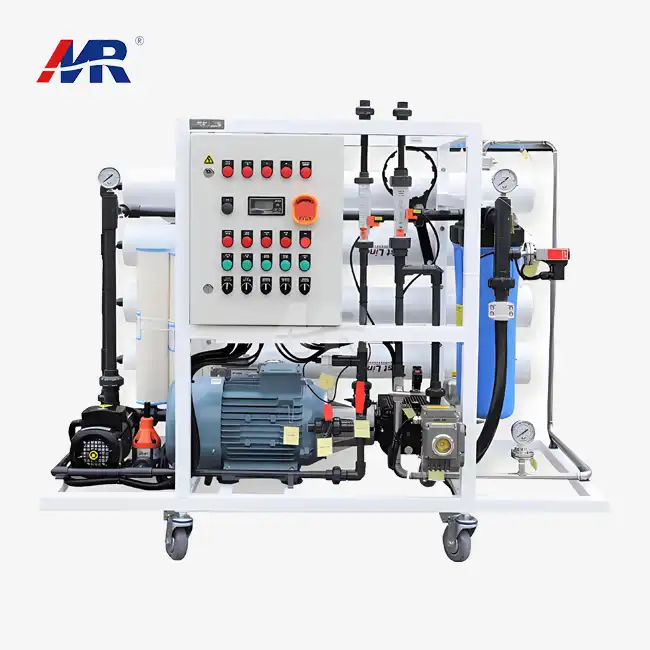 VIEW MORE2m3/hour seawater desalination equipment
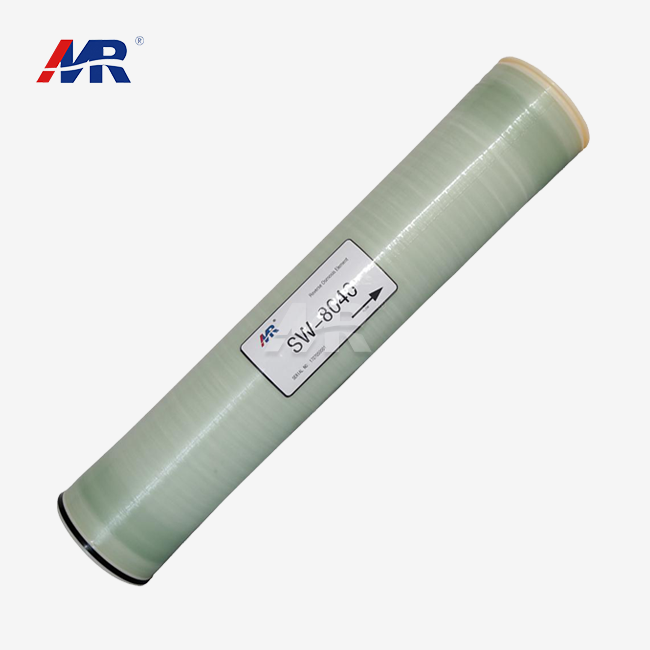 VIEW MORE8040 seawater reverse osmosis membrane
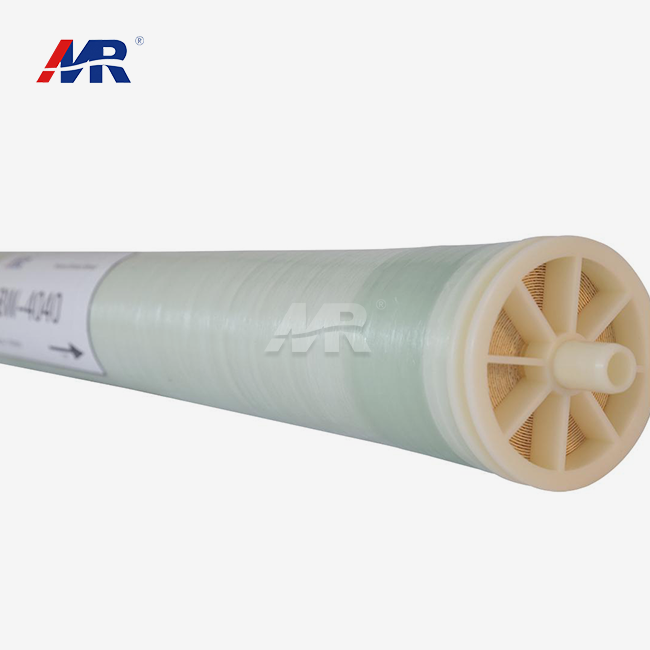 VIEW MOREindustrial reverse osmosis membrane
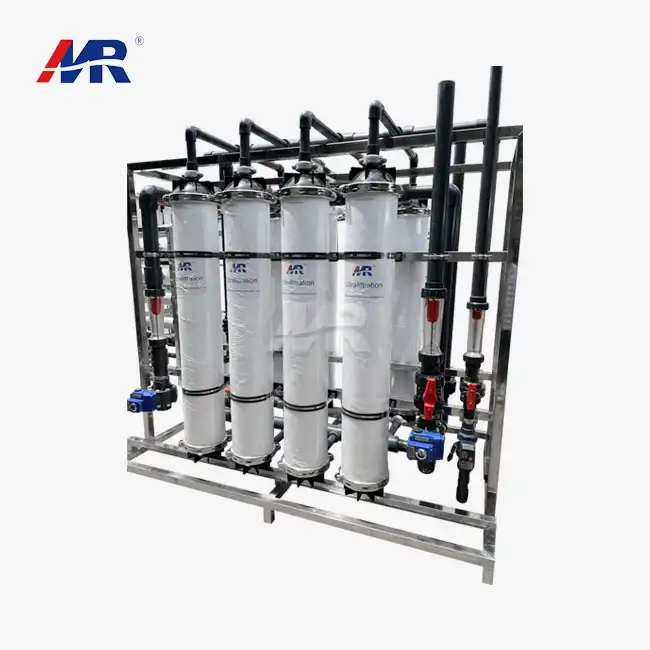 VIEW MORE15T/H ultrafiltration system
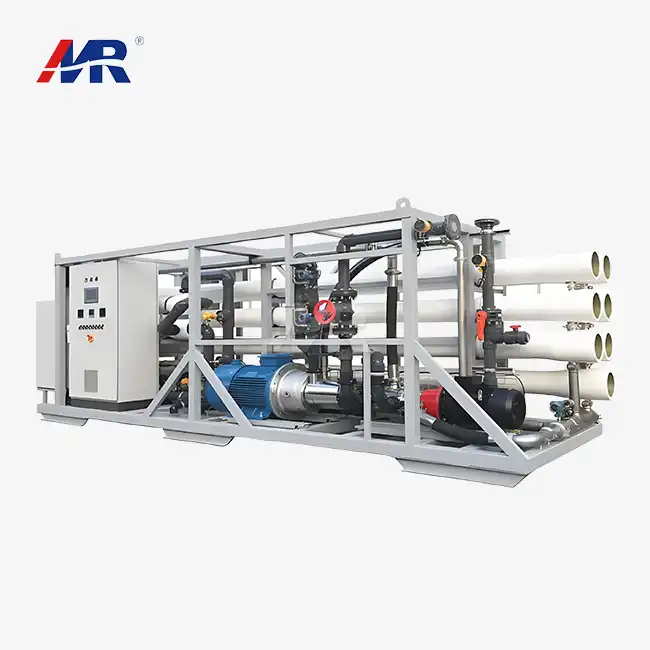 VIEW MORE20m3/hour seawater desalination equipment
 VIEW MOREwaste water treatment plant
 VIEW MOREportable wastewater treatment plant
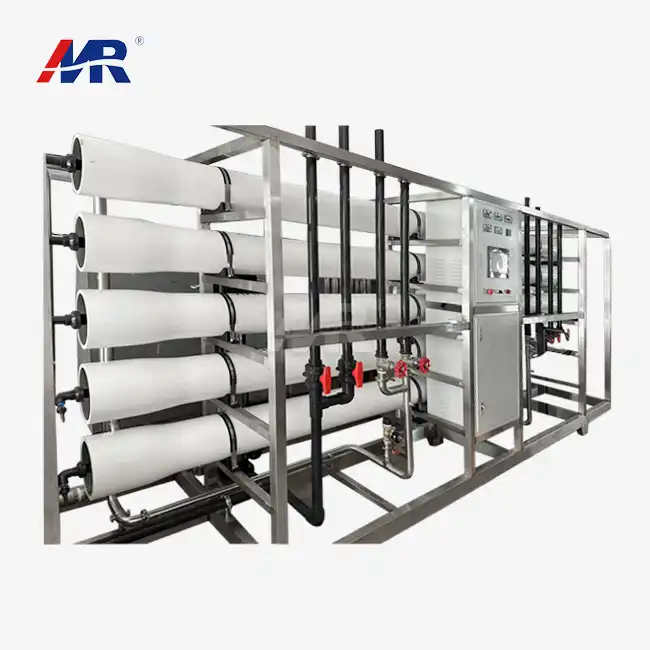 VIEW MORE25m3/hour reverse osmosis equipment