



RO Filter System Installation Checklist for Skid-Mounted Plants
A sound installation checklist for a skid-mounted plant follows six steps. Plan the site and feedwater data, set and connect the skid, verify power and controls, confirm pretreatment, inspect and test for safety, then start up and hand over with records. I use this order because each step protects the next. A ro filter system arrives mostly assembled, yet site work still decides membrane life, energy use, and permeate quality. Below, I walk through each stage in plain language, share the Morui MR-BWRO-10TH details, and point out mistakes that cost projects time.
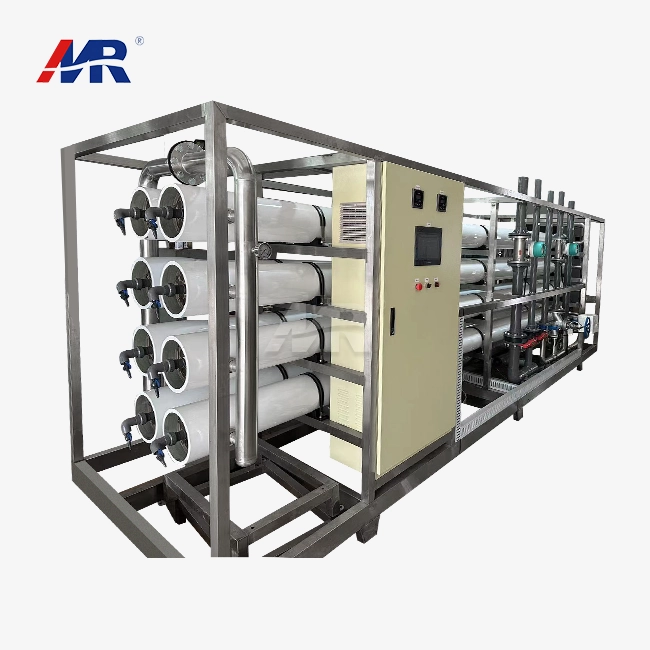
Pre-Installation Planning for a Skid-Mounted RO Plant
Feedwater Analysis and Design Targets
A full study of the feedwater is the first step in making plans. Temperature, hardness, iron, silica, chlorine, turbidity, pH, and total dissolved solids are some of the things I need to know. I also need details from more than one season. The way a well reads in the summer and winter is very different. Next, I set goals for the final water quality, operating pressure, salt rejection, permeate capacity, recovery, and the amount of water that would be used. Companies that make membranes also list feed limits, such as an SDI15 value below 5 as measured by ASTM D4189. It's not possible to order the plan until the data falls outside of those areas.
Skid Layout, Foundation, and Site Access
Then I check the pipe and instrumentation plan (P&ID) and the skid layout to see how they match up with the room. It's important that the pad is flat and strong enough to hold the boats and water. Check the lift points, floor plans, and door sizes for the forklift or crane. A skid that can't get to its pad is useless for a day. Make sure there is enough space to open the control panel and take the membranes off the vessels. That space is often lost when plant rooms are built late, so check your measurements again before the truck comes.
Utilities and Pretreatment Readiness
A skid needs more than just space on the ground. Make sure that the power has the same voltage, frequency, and phase as the label. Also, make sure that the drain can handle the juice flowing through it. Check the airflow, the feed pressure, the tanks' locations, and the places where the chemicals are kept. Add multimedia filters, activated carbon, or softeners to the water to get it ready, and then test them before the RO skid goes live. A lot of things in the US that touch drinking water need to be NSF/ANSI 61-approved, and NFPA 70 says that electrical work must follow certain rules. Our progress is being held up by gaps here that were not planned for.
Mechanical and Electrical Installation Checklist for the RO Filter System
Positioning, Leveling, and Piping
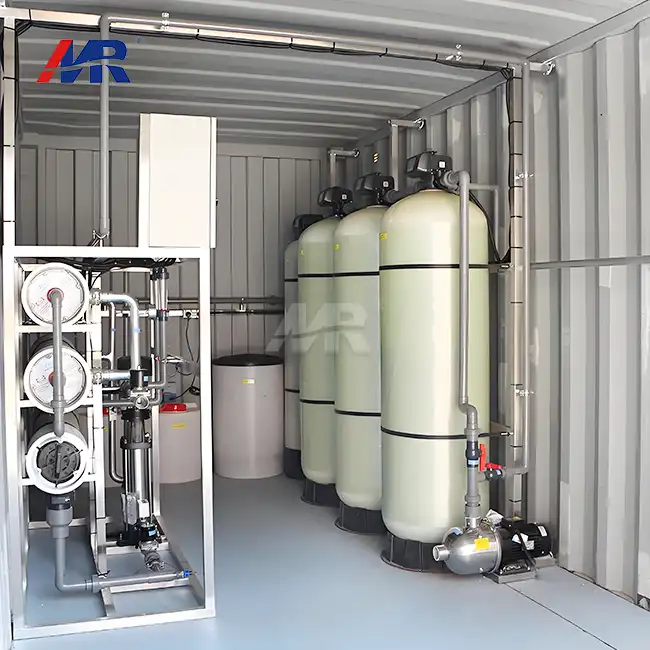
First, look for damage from shipping on the skid's frame, supports, guards, gauges, and lifting bolts for an ro filter system. Make sure it's level before you fix it after putting it on the pad. You connect the lines for feed, permeate, concentrate, drain, flushing, and clean-in-place (CIP) here. Skid nozzles can break when the temperature changes or when pipes are heavy, so they need their own supports. Make sure the sampling points are in the right place, the isolation and non-return valves are facing the right way, and there are pressure release devices in place to make sure everything is in order. It takes an hour to compare the P&ID lines line by line, but it can save you a week of work.
Pumps, Valves, and Membrane Loading
Take your time to make sure that the pump is lined up right and that the valves are turning in the right direction. Turn the shaft by hand to make sure it's going in the right direction, and then make sure the rings are all tight. Morui is a registered dealer for both Shimge pumps and Runxin valves, so if you need repair or extra parts, you only need to talk to them. Once the lines are clean, put the coverings on them. Follow the flow arrow and the way the brine seal was printed by the manufacturer. Also, keep the elements wet. Finally, put in the cartridge filter housings. Check to see that they have the right micron number and lids that can be pressed shut.
Electrical, Instrumentation, and Controls
Look at the motor nameplates to see what the voltage, frequency, and phase are. Then look at the emergency stops, switches, and settings to make sure they are not overloaded or grounded. That paper, UL 508A, is often used to make industrial control panels in the US, so ask for it if it applies. Place scales for level, conductivity, pH, pressure, and flow in a place where they will show the flow. On the PLC and HMI, look at the emergency stops, warnings, automatic cleaning, and shutdown routines. Just before the water starts to flow, show that the low-pressure shutoff works. There should be no feed pressure for the high-pressure pump.
Pretreatment, Safety, and Startup Procedure
Pretreatment and Membrane Protection
Scaling, fouling, and oxidation can't hurt the membrane in an ro filter system because it has been pretreated. Find out what the membrane provider has set for temperature, turbidity, SDI, hardness, chlorine, iron, silica, pH, and chlorine. Polyamide membranes stop rejecting chlorine after being exposed to it, so the water has to be dechlorinated before it gets to the vessels. The amount of antiscalant used should depend on the feedwater's chemistry and the goal of recovery. Flush the lines to get rid of any garbage, oil, welding residue, or chemicals that are still in them. Keep track of any changes you notice in the differential pressure, the changed permeate flow, and the salt passing on the first day. This will help you find issues quickly.
Pre-Commissioning Inspection and Safety Checks
Take a look at the equipment tags, flow signs, wire terminations, guards, bolts, and insulation. Also, make sure you have the instructions and extra parts on hand. Make sure there are no leaks and the pressure stays within the rated limits of the pipes, valves, pumps, and housings. Write down the results. Part of the safety checks are making sure there is enough airflow, safety gear, and emergency stops for chemical spills. OSHA 29 CFR 1910.147 has rules about lockouts and tagouts that keep workers safe on the job. Following the rules for the city permit is also important for letting the concentrate out.
Startup and Baseline Data for the MR-BWRO-10TH
Before you start, make sure that the preparations are going well, that the tank levels are stable, and that the valves are in the right place. As you slowly turn the high-pressure pump up, pay attention to the noise, vibration, flow, conductivity, and pressure. Once the numbers have steadied, change the recovery to acceptable levels. The Morui MR-BWRO-10TH is used to make water that can be drunk. It can recover 55–65% of the salt, reject 98% of the salt, and use 15 kW of power. The normal numbers for temperature, pressure, conductivity, and permeate flow should be written down. Then, check them against the values that were thought to be possible. Check the numbers against ASTM D4516 to make sure they are right for room temperature. This way, a cold morning won't look like the membrane failed.
Handover, Common Mistakes, and Supplier Selection
Acceptance and Handover
The commissioning report for an ro filter system should have the final set-up, serial numbers, calibration certificates, test results, as-built plans, pictures, alarm checks, and operator sign-off. People who work on the machine should be taught how to turn it on, let it run normally, stop, flush, handle an emergency, take samples, change cartridges, dose chemicals, and clean membranes. I'd rather have a maintenance plan based on how things normally work than just a list of dates. Most of the time, membrane makers say that the membrane needs to be cleaned when the modified permeate flow drops by about 10%. Please name the person who is in charge of getting spare parts, changing consumables, and checking.
Common Installation Mistakes and How to Avoid Them
There are four mistakes that keep happening. Crews can't connect pipes without first looking at the P&ID when line-by-line verification is used. They try to turn on the high-pressure pump before the pretreatment is ready, but they can't because of that stop. They use different supports and let pipe loads from the outside rest on skid nozzles. This makes it work. Over the course of the year, changes in the feedwater's temperature and chemicals aren't taken into account. This is why temperature-corrected reviews and repeat samples are useful. It's not true that a factory-built skid is ready to use right away. Still, there needs to be a written plan for how to connect, flush, and calibrate sites.
Selecting a Skid-Mounted RO Supplier
Don't just look at the price per unit. As for the part brands, test records from the plant, technical drawings, and compliance papers, you should ask for them. Energy, chemicals, membrane replacement, maintenance access, and spare parts are some of the costs that should be compared over the course of a product's life. Make sure you understand the terms of the guarantee, the response time, the online help, the operator training, and the physical setup.
The company Morui Environmental Technology Co., Ltd. makes membranes in its own factory. It also gets equipment ready for use and starts it up. It sells Shimge pumps, Runxin valves, and Createc instruments. There are more than 14 locations and more than 500 employees, but one team handles all questions about sourcing, installation, and service after the sale. Visit moruiwater.com to learn more.
Conclusion
An RO filter system that is placed on a skid still needs to be set up in a planned way. The feedwater data and site checks tell us what the design goals are. The machinery is kept safe with mechanical and electrical checks, and the membranes are protected from scaling, fouling, and chlorine by being treated first. Standard readings are taken after safety checks, pressure tests, and a controlled start. These readings can then be compared to the predicted permeate flow, conductivity, recovery, and pressure. With the help of shift records, operator training, and a repair plan based on standard performance, you can keep track of the results over time. People who are in a hurry are more likely to do something wrong, like skip the P&ID check or start the pump before it's time. Most of these mistakes can be avoided if you write down your plan.
FAQ
Q1: How long does commissioning take?
A: It depends on how big the skid is, if it needs to be pretreated, if the site is ready, and if it needs to be flushed. That's why I make sure those things are taken care of first, then I set the plan. Most delays happen because of missing utilities, late feedwater data, or not enough planning.
Q2: Which feedwater parameters matter most before startup?
A: Some of the things I check are temperature, iron, silica, hardness, free chlorine, SDI, and free chlorine. Quick damage from ozone and particles is what puts chlorine and SDI at the top of the list.
Q3: What does a factory-built skid still need on site?
A: It needs to be fixed, have supported external pipes, be hooked up to utilities, be cleaned, have its instruments checked, have its membrane loaded, and have a written start. More work is done in the factory, but not as much as on-site work.
Q4: Which documents should I request from the supplier?
A: Don't forget to ask for the set-up report, calibration certificates, test records from the factory, lists of extra parts, guarantee terms, and P&IDs.
Request a Morui RO Filter System Review or Project Quote
Are you working on a project and need a company to provide you with a RO filter system? This company should be able to provide the tools, install them, and turn them up. The MR-BWRO-10TH is a good choice if you give Morui your feedwater analysis, capacity goal, and area power standard. As a company that makes membranes, pumps, and valves, we back up every project with our own factory. You can email benson@guangdongmorui.com to get a quote.
References
1. Water Treatment Plant Design, American Water Works Association and American Society of Civil Engineers, 2012
2. ASTM D4516 Standard Practice for Standardizing Reverse Osmosis Performance Data, ASTM International, 2019
3. ASTM D4189 Standard Test Method for Silt Density Index (SDI) of Water, ASTM International, 2014
4. NSF/ANSI/CAN 61 Drinking Water System Components – Health Effects, NSF International, 2023
5. NFPA 70 National Electrical Code, National Fire Protection Association, 2023
6. Membrane Technology and Applications, Richard W. Baker, 2012
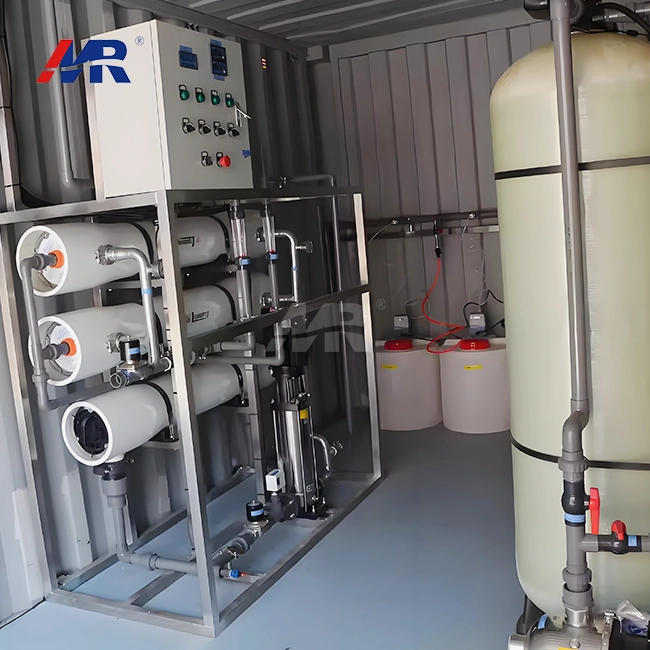 VIEW MOREcontainerized reverse osmosis system
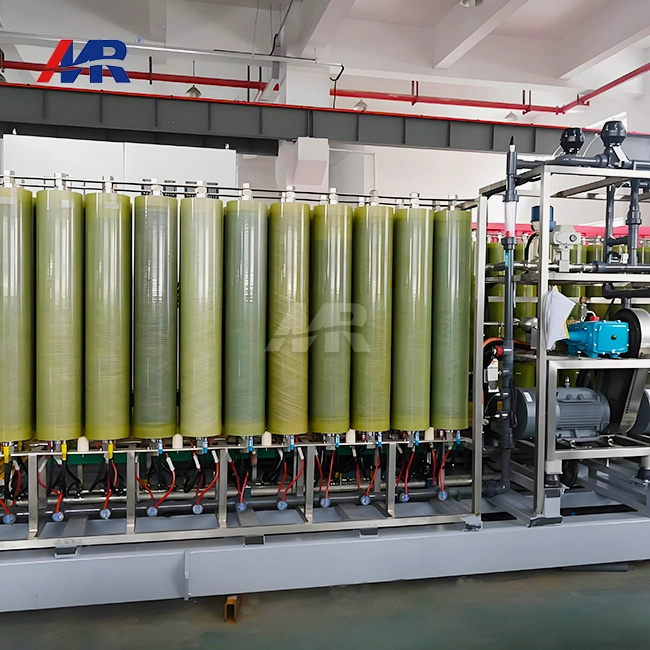 VIEW MOREDTRO Technology
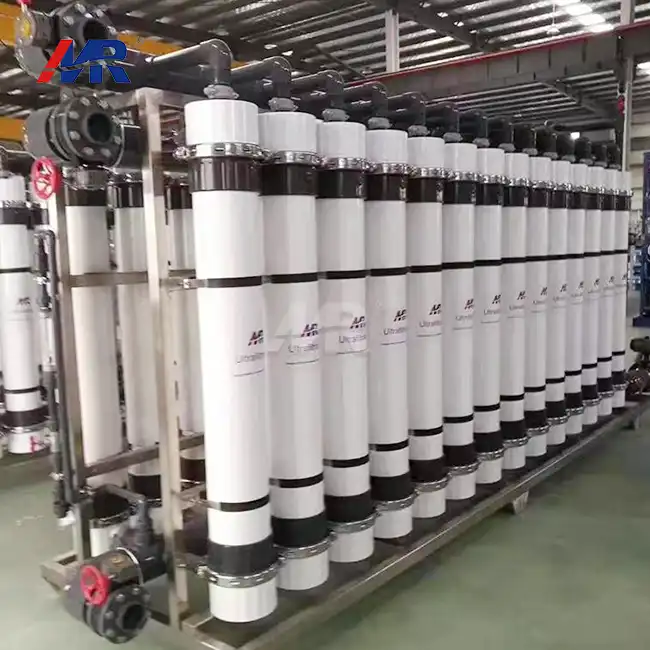 VIEW MORE70m3/hour ultrafiltration plant
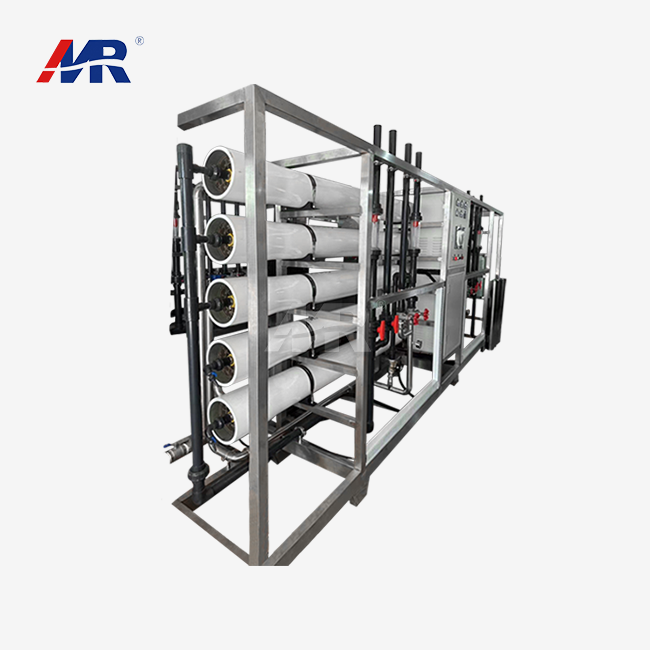 VIEW MOREhighest rated reverse osmosis system
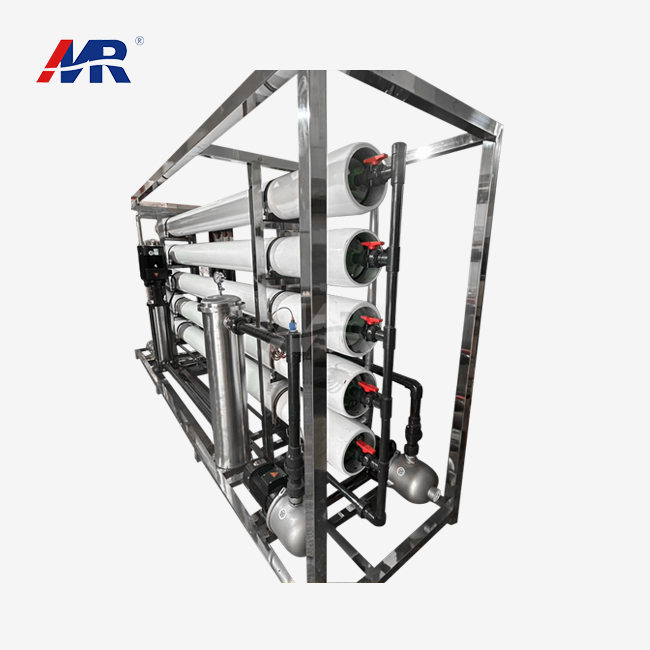 VIEW MOREreverse osmosis water treatment equipment
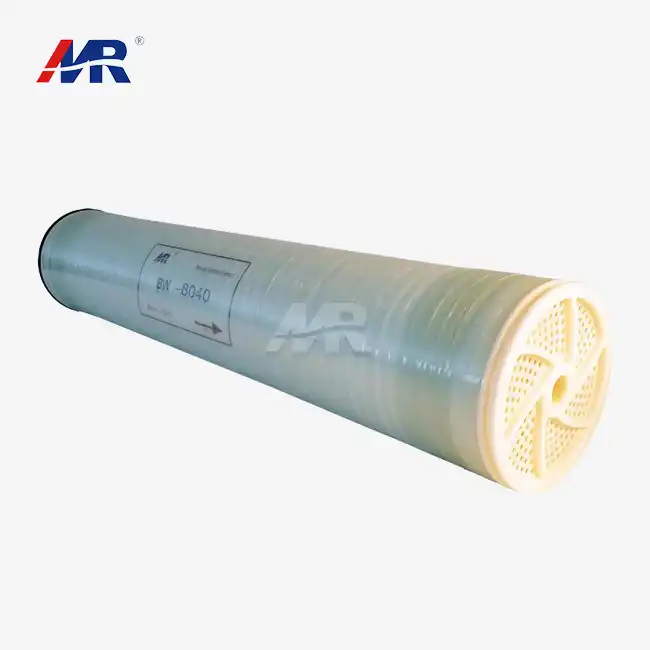 VIEW MORE80 40 ro membrane
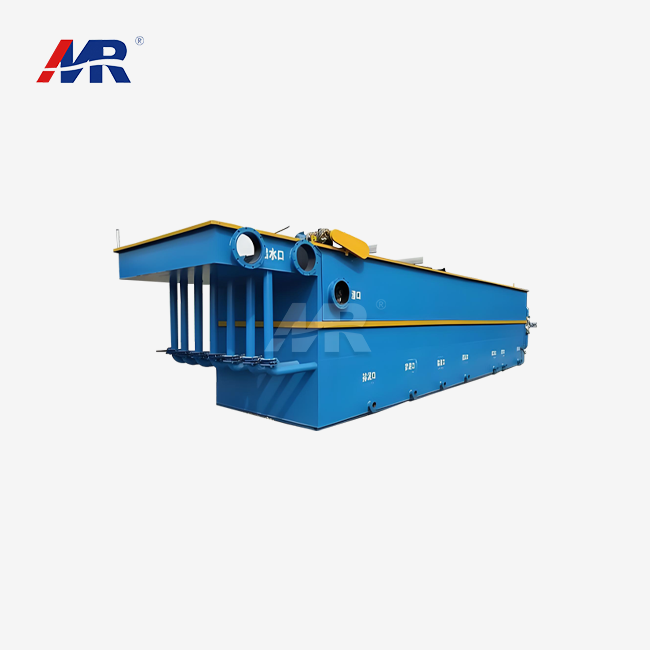 VIEW MOREadvanced wastewater treatment system
 VIEW MOREcontainer type 3m3/hour RO equipment