_1745823981883.webp)

How to Design a Water Softener and RO System for Industrial Use
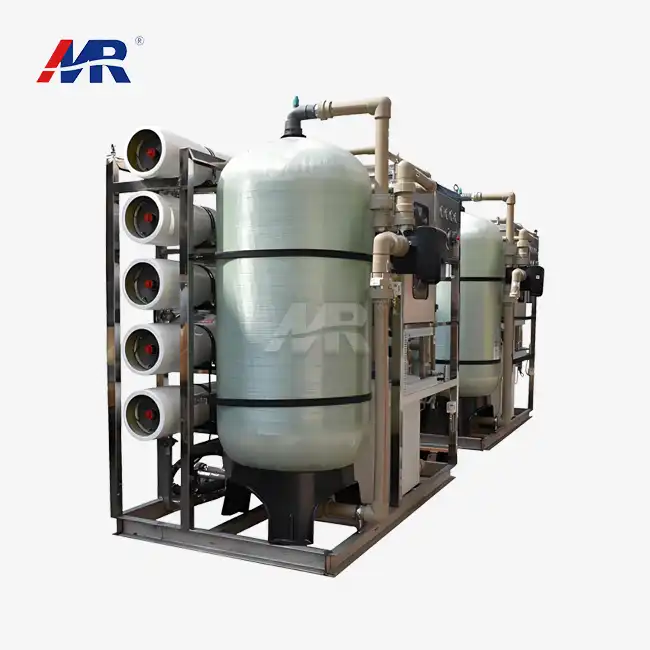
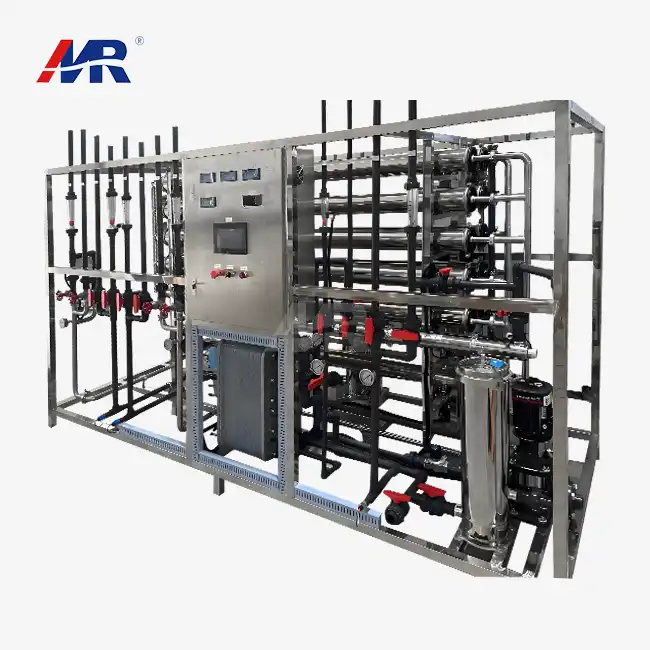
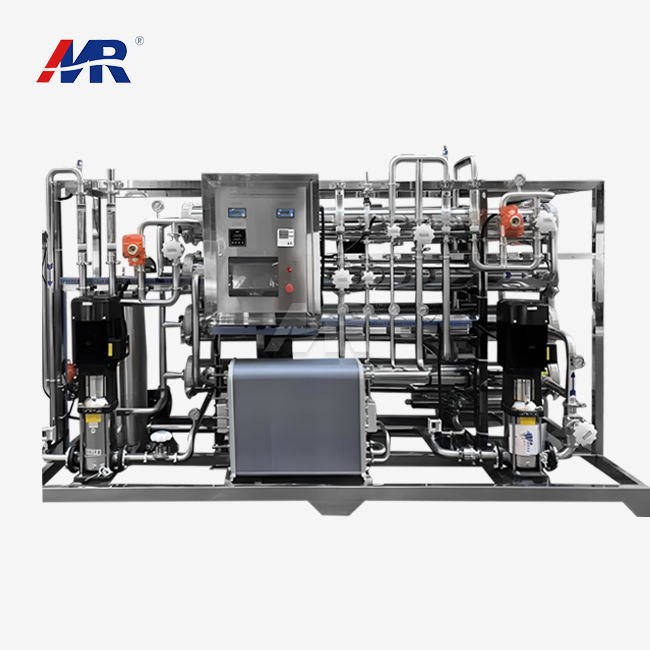
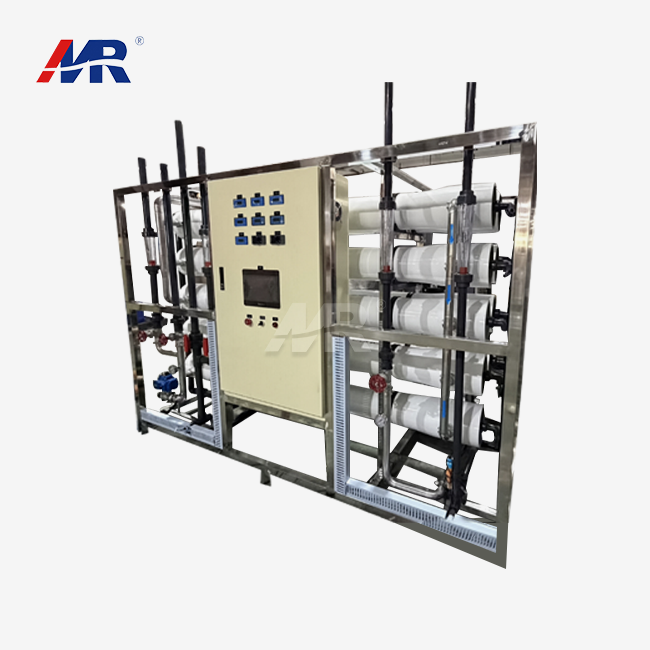
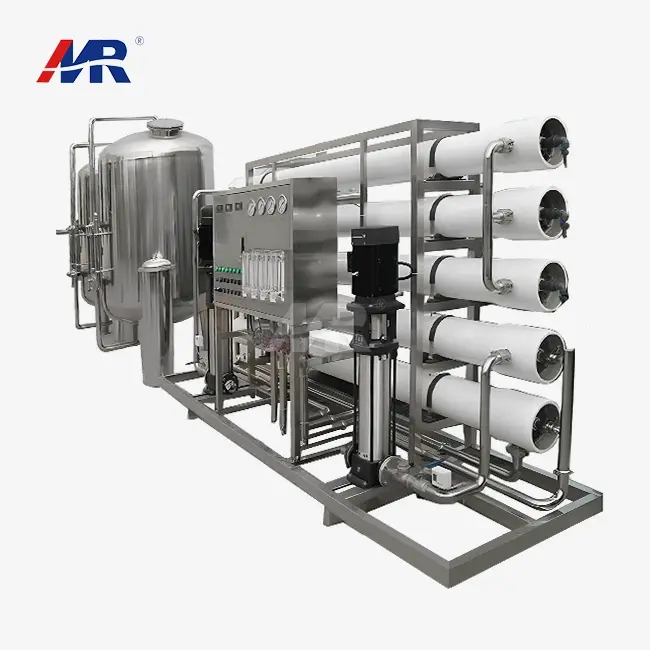
To make an industrial water softener and RO system water filter and RO system, you need to know where the water comes from, how much you need to flow, and what you want to do with it. Usually, an ion-exchange softener is put before the RO membrane to keep calcium and magnesium from scaling it. The next step is multistage reverse osmosis filtration, which can get rid of up to 99% of the solids that have been removed. After the water has been cleaned, steps like adding minerals or changing the pH are taken. The water quality will stay the same for industrial, heating, and food-grade uses if you follow this plan. Membrane fouling will happen less often, and upkeep costs will go down.
Understanding Industrial Water Problems and Treatment Needs
Hard Water Scaling and Equipment Wear
Salt and calcium are found in large amounts in hard water. The U.S. Geological Survey says that hard water is in about eight out of ten American houses. In plants, these minerals stick to heat exchangers, boiler tubes, and lines. This makes moving heat less efficient and shortens the life of the tools. It is possible for up to 12% of heat to be lost when hard water is used in a building without being cleaned.
Dissolved Solids and Contamination Risks
Source water is often hard and also has sand, heavy metals, chemical molecules, and chlorine left over from other things that were there before. These pollutants make the things that are used to make food and drugs less good. Besides that, they rust metal parts and make it harder to clean up wastewater. The main rules that the EPA has for drinking water say that TDS amounts above 500 mg/L are usually bad for sensitive industrial processes.
Why Treatment Design Matters for Procurement Teams
Some of the things that can be used to help choose the best technology mix for a room are hardness, TDS, and bacteria load. Buying managers choose systems based on water quality data that they know is accurate. They can make sure that NSF/ANSI 61 and other water-contact standards are met without having to worry about costs going up. First, the source water needs to be tested in a lab. After that, a cleaning package can be picked out.
Core Design Principles for Industrial Water Softener and RO Systems
Start with Water Quality Analysis
Make sure you know the hardness (in mg/L CaCO₂), TDS, pH, iron level, and flow rate needs of the water before you buy any tools. These things determine how much resin is used in the softener, how many membranes are used in the RO stage, and what kind of media is used in the pre-filter. Most of the systems in the field are either too small or have too much fluid in them because they skipped this step.
Choosing the Right Softening Technology
It is still the norm to use salt-based ion exchange for feeds that have more than 200 mg/L CaCO₃ in a water softener and RO system. And it always gets rid of grit. Morui sells automatic control valves from Runxin that work with it. The salt-free template-assisted crystallisation (TAC) method works best with feeds that aren't too hard and can't have sodium added. For the total cost of ownership, you need to know how much it costs to fix up each option, how to get rid of the salt, and how often it needs to be checked up on.
RO System Multi-Stage Design
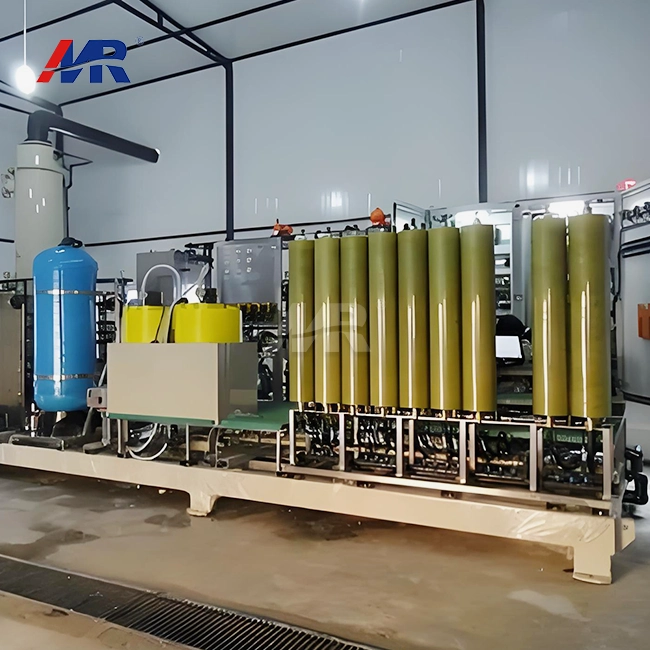
A good reverse osmosis system for business use is well put together and works as it should. These are the key steps that make up a good factory RO build:
- Before the membrane is cleaned (5–20 micron sediment and activated carbon), it is protected from particles and chlorine breakdown. What makes the carbon media last longer is how much chlorine is in it. Look at how much chlorine the membrane takes in and try to get it to less than 0.1 mg/L.
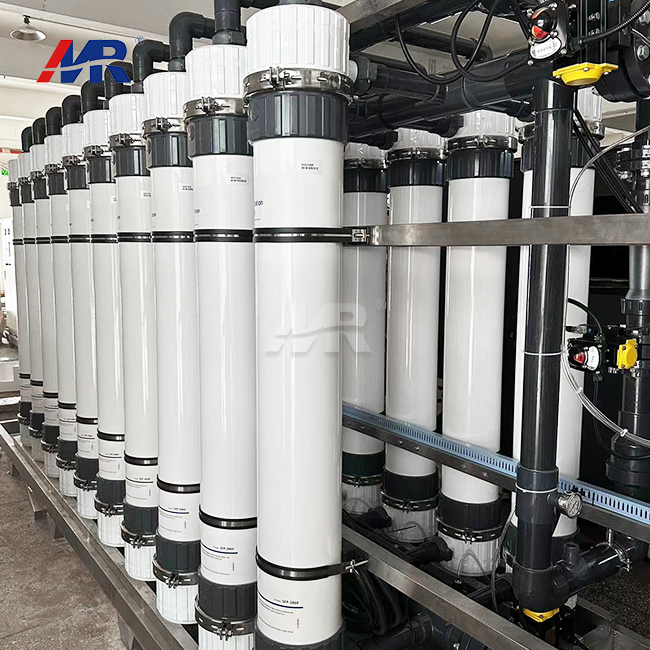
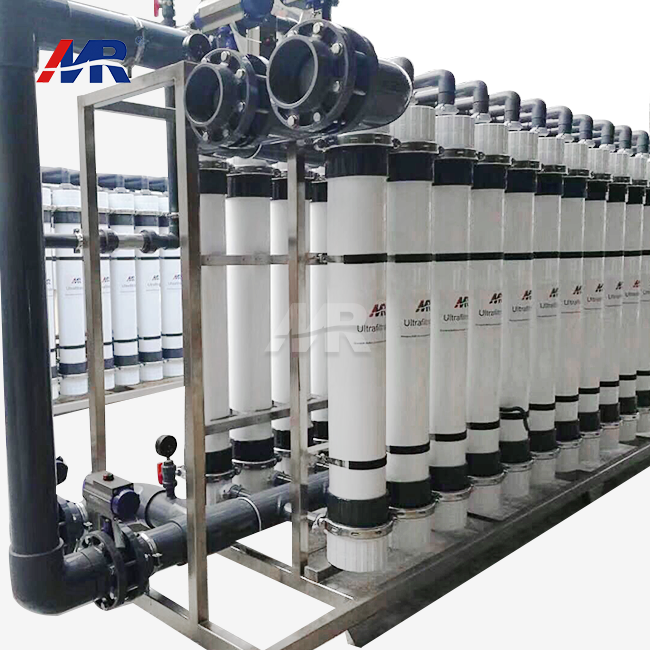
- Using an ultrafiltration filter that is 0.0001 microns thick can get rid of up to 99% of TDS, heavy metals, fluoride, and bacteria. The output can be changed to meet peak demand, and recovery rates for regular city feeds can stay between 70 and 80% with different array designs, such as the 4:2:1 plan.
- Remineralisation or pH adjustment can be used to make pure RO permeate less salty and more mineral-rich. A post-RO remineralising capsule, which is a core Morui product, adds the right amount of calcium, magnesium, and bicarbonate back into the water. The acidic, low-pH water won't damage the pipes below, and the taste will be better.
With pores as small as 0.0001 microns, ro membrane filtration can get rid of up to 99% of TDS, heavy metals, fluoride, and germs. The array is set up in a 4:2:1 format, which means that the output can be changed to meet peak demand while keeping recovery rates for public feeds between 70% and 80%.
Once the process is done, it tastes a little salty and doesn't have many nutrients left. This is a core Morui product: a post-RO remineralising pill. It adds back the right amounts of potassium, magnesium, and calcium. It also makes the water taste better and protects the lines below it from low-pH water that could damage them.
Integrated Solutions: Designing Combined Water Softener and RO Systems
The Case for Pre-Softening Before RO
In places where the water is very hard, a water filter is often put in front of a RO membrane. When soft water is fed to the barrier, calcium carbonate and barium sulphate don't build up as much on the top. If you take good care of the membrane, it can last up to 5 years instead of the normal 2–3 years. It doesn't need to be cleaned with chemicals as often. To put it simply, this means fewer planned shutdowns and less money spent on goods.
Automation, Monitoring, and Space Planning
Programmable logic controllers (PLCs) and conductivity and flow sensors are built into every part of business systems today. When teams keep an eye on TDS and hardness in real time, they can let regeneration happen on its own and know before a parameter goes out of range. Morui's mixed ODM kits have both softness and RO on the same skid. This saves space on the floor and makes it easier to connect pipes, which is useful in plants that don't have a lot of room for gear.
Real-World Benefit: Boiler and Hot-Water Systems
In an area with hard water, there is a coffee shop with a major water station. It took 40% less work to get rid of scale when a pre-softener was added before the RO unit, they said. Less fuel was used all year because the boiler tubes that weren't scaled up kept giving off the most heat. When procurement managers show their teams plans for capital spending, this kind of measurable result helps them figure out the return on investment.
Maintenance, Monitoring, and Lifecycle Management of Industrial Systems
Softener Regeneration and Resin Care
Every once in a while, sodium chloride brine needs to be used to restore ion-exchange resin in a water softener and RO system so that it can once again exchange ions. The number of times the system starts over varies on how hard it is each day. Many industrial units with Runxin valves can be set to turn on and off at certain times or based on how much fluid is being used. As long as the feed water doesn't have more than 0.3 mg/L of iron and 1 mg/L of chlorine, the resin should last between 8 and 12 years. A small amount of the glue is tested for its strength every three to six years. It helps to know when it needs to be changed.
RO Membrane Cleaning and Replacement
The RO membrane won't work as well as it used to if the adjusted salt passage goes up, the permeate flow goes down, and the differential pressure goes up. Cleansers with a high pH can get rid of biofouling, and lime solutions with a low pH can get rid of calcium scale. Morui says you should check these new numbers every month. The membranes should be changed every three to five years, based on how good the feed water is and how high the pressure is. This will keep your industrial systems in good shape.
Lifecycle Cost Planning for Procurement
People whose job it is to buy things should think about more than just the big purchases. Salt, new glue, membrane elements, pre-filters, and remineralising tubes are some of the things that the system needs every year. These costs add up to 15–25% of the capital cost. If your seller service agreements include on-site checks, extra parts stock, and response-time promises, planned downtime is less likely to happen. Because Morui has more than 14 stores in the US, each customer can get the service they need.
Procurement Guidelines and Selecting Trusted Suppliers for Industrial Water Systems
Evaluating Technical Specifications and Certifications
In the U.S., NSF/ANSI 61 certification should be given to all parts that touch water, and NSF/ANSI 58 certification should be given to RO systems. Check out the treated water to see how well it works. The tests should show the level of TDS rejection, the amount of hardness removed, and the final pH. Places that have to follow FDA, EPA, or state environmental rules can't change these papers. A third party tests every Morui machine that comes with it. This meets the standards of American buying teams that put compliance first.
Pricing Transparency and OEM/ODM Options
Get prices that cover everything, like shipping, setting up, testing, and the first year's worth of materials. A lot of the time, systems that come from other countries cost more than they should because of secret freight and customs fees. If a brand wants to put their own name on a water softener or RO system, Morui has OEM and ODM packages for them. Custom mineral cartridge formulas, exclusive release-rate specifications, and NDA-backed exclusivity are all part of these packages. For the back-end treatment unit, brands don't need to go through a second service provider.
Building a Long-Term Supplier Relationship
You might not get the best deal if the unit price is the lowest. Talk to the providers about how the wait times are always the same, how easy it is to get help from engineers with commissioning, and how they store extra parts. Morui works with well-known names like Shimge Water Pumps, Runxin Valves, and Createc Instruments. The company has 20 engineers. This means that buyers don't have to search for separate parts; instead, they can use a well-organised supply system.
Conclusion
Designing an effective industrial water softener and RO system water treatment setup requires matching your water chemistry to the right sequence of softening, membrane filtration, and post-treatment steps. Pre-softening protects RO membranes, multi-stage RO removes dissolved contaminants, and post-RO remineralization restores water quality for consumption or process use. Maintenance planning and supplier selection are just as important as the initial design. Buyers who invest time in water analysis, certification verification, and lifecycle cost modeling consistently achieve better outcomes than those who buy on price alone.
FAQ
1. What size water softener do I need before an RO system?
Size the softener based on daily hardness load: multiply your daily water volume (gallons) by source hardness (grains per gallon). A standard industrial softener regenerates when resin approaches 70–80% capacity. For most light industrial applications, a 1–3 cubic-foot resin tank handles feeds up to 25 GPM. Always confirm sizing with a water analysis report.
2. Can I skip softening if I use antiscalant chemicals instead?
Antiscalant dosing is an alternative for moderate-hardness feeds. However, it adds chemical handling costs, requires precise dosing pumps, and does not address all scaling ions equally. In high-hardness zones above 300 mg/L CaCO₃, pre-softening typically delivers lower total cost and more reliable membrane protection over a five-year horizon.
3. How often should RO membranes be replaced in industrial use?
Under normal operating conditions with pre-treated feed water, industrial RO membranes last three to five years. Monitoring normalized salt passage monthly and cleaning proactively when performance drops 10–15% below baseline extends useful life considerably.
4. Does post-RO remineralization affect system certification?
Yes. Any post-treatment cartridge in contact with drinking water should carry NSF/ANSI 61 or equivalent water-contact certification. Morui's remineralizing cartridges meet these requirements and come with supporting test documentation.
Partner with Morui for Your Next Water Softener and RO System Project
A full water softener and RO system, from planning to installation, can be delivered by Guangdong Morui Environmental Technology thanks to its technical expertise and manufacturing capacity. Morui, a reputable water softener and RO system manufacturer, provides OEM/ODM packages, NSF-compliant parts, and committed after-sales support. Get in touch with us right away to talk about the details of your project and ask for a sample or quote. You can email us at benson@guangdongmorui.com.
References
1. U.S. Geological Survey (USGS). Hardness of Water. Water Science School, 2019.
2. U.S. Environmental Protection Agency (EPA). Secondary Drinking Water Standards: Guidance for Nuisance Chemicals. EPA Office of Water, 2017.
3. NSF International. NSF/ANSI 58: Reverse Osmosis Drinking Water Treatment Systems. NSF International, 2021.
4. NSF International. NSF/ANSI 61: Drinking Water System Components – Health Effects. NSF International, 2022.
5. Crittenden, J. C., Trussell, R. R., Hand, D. W., Howe, K. J., & Tchobanoglous, G. MWH's Water Treatment: Principles and Design (3rd ed.). Wiley, 2012.
6. American Water Works Association (AWWA). Reverse Osmosis and Nanofiltration (Manual of Water Supply Practices, M46). AWWA, 2007.